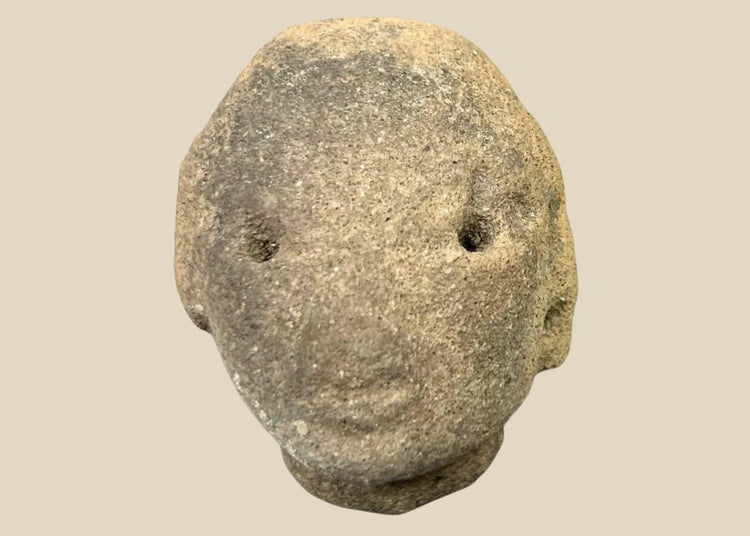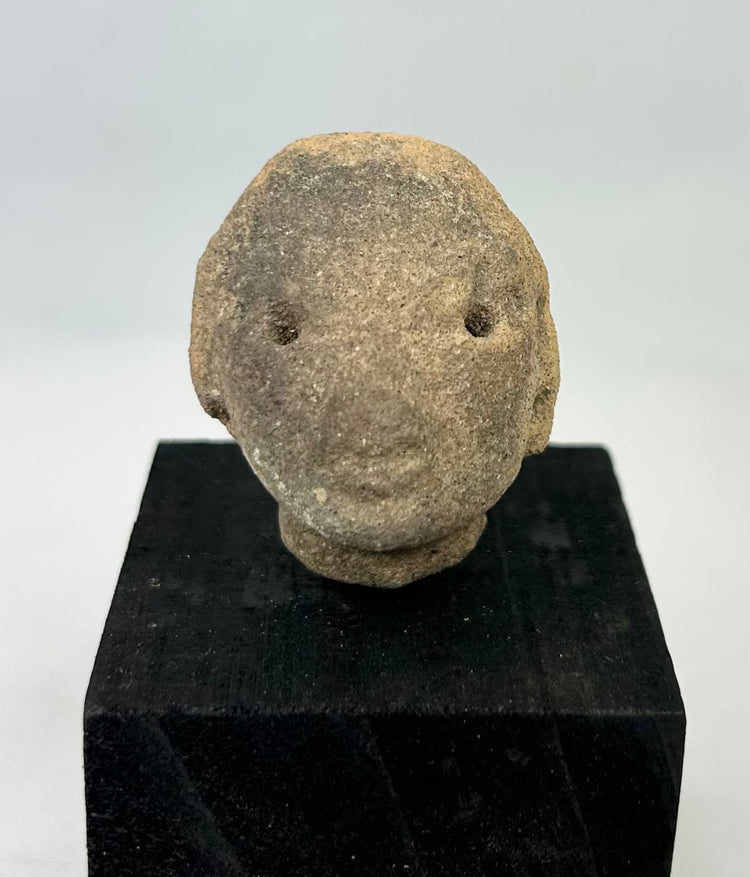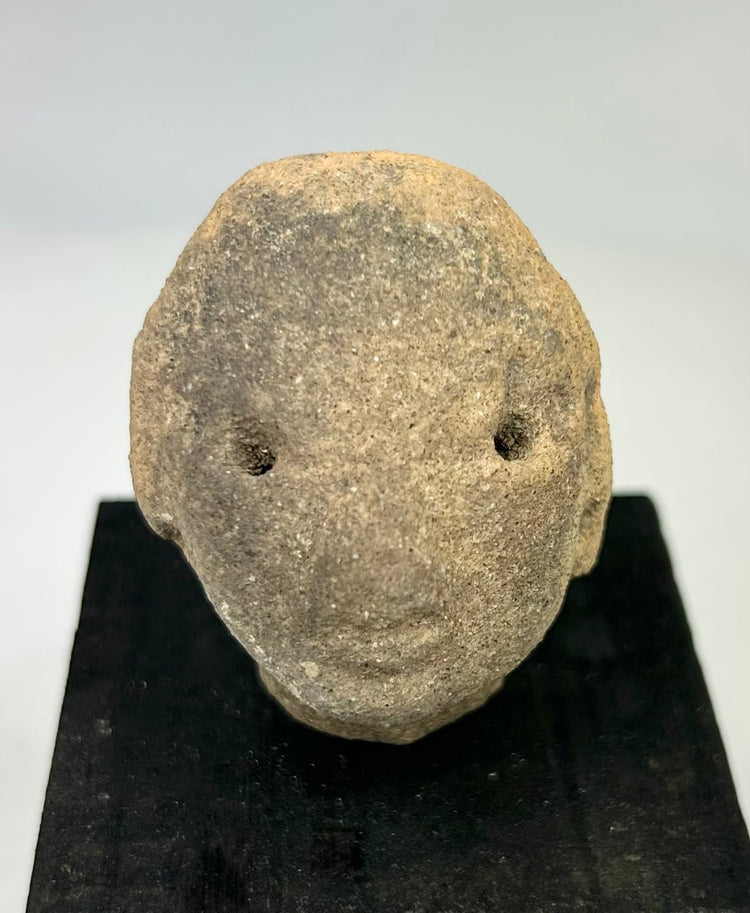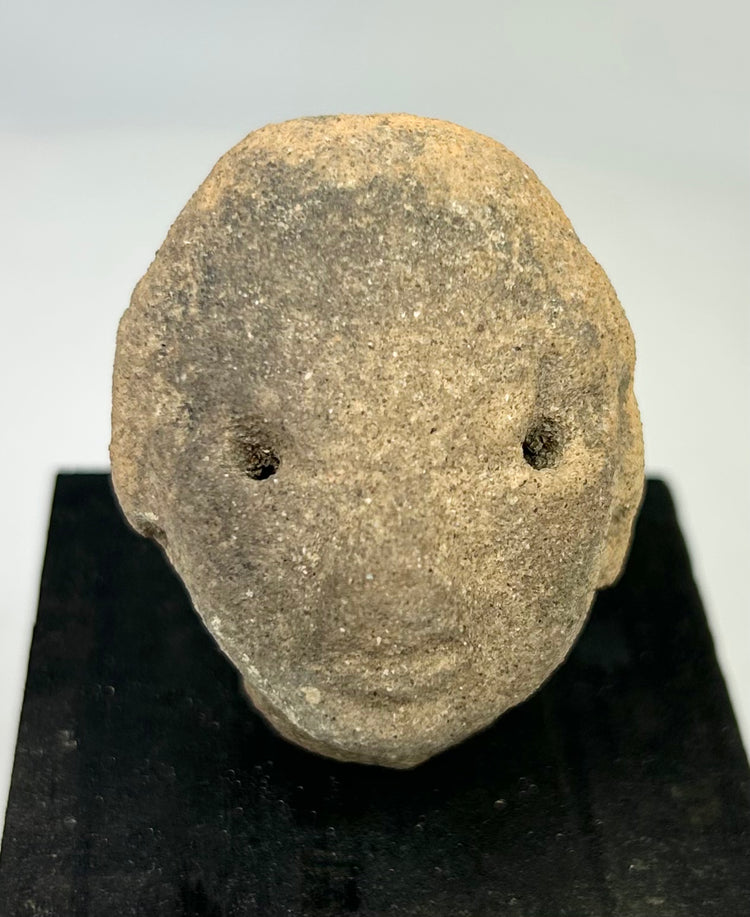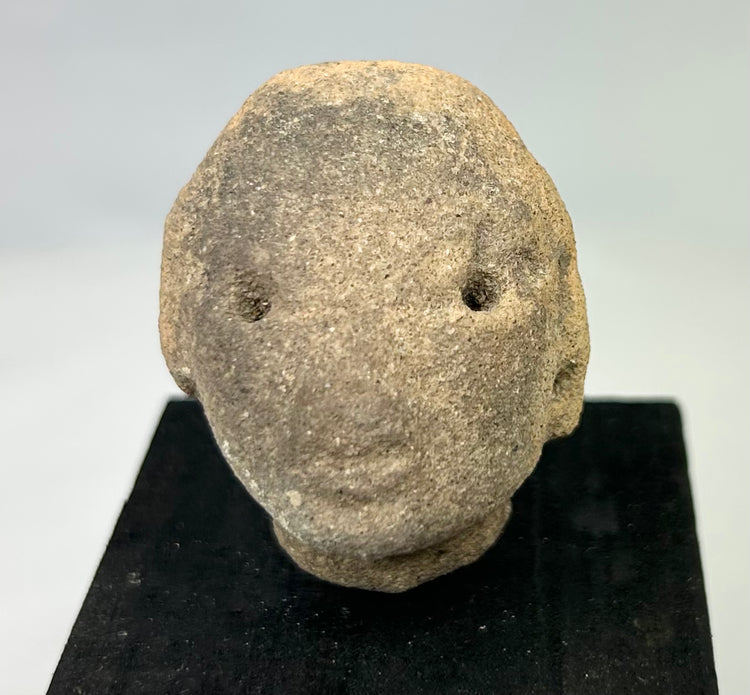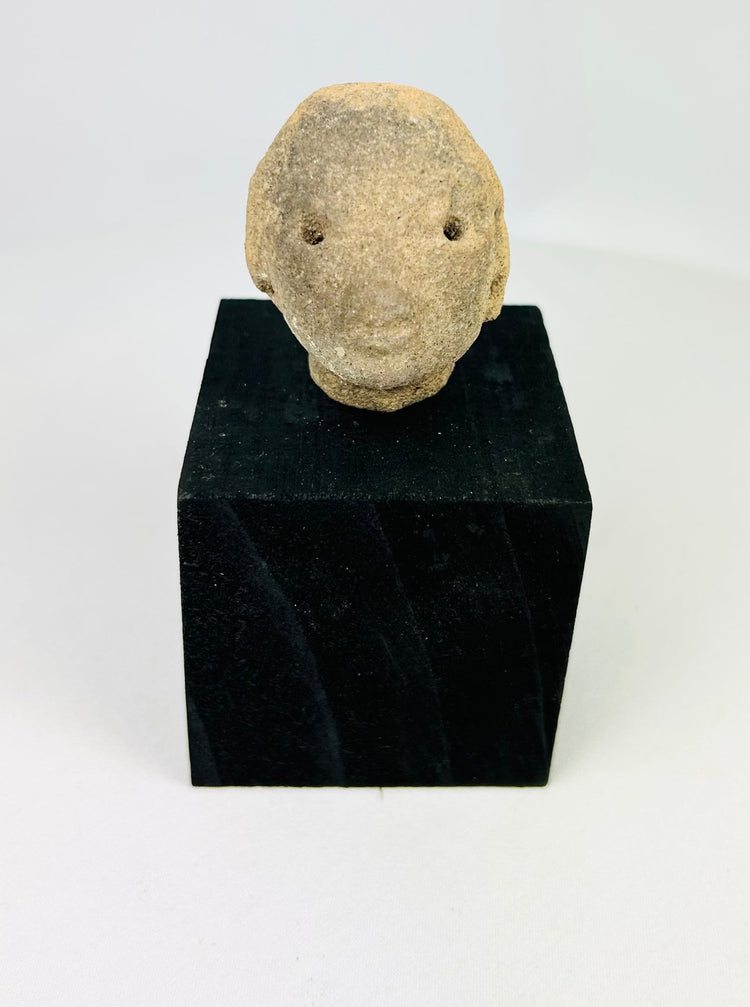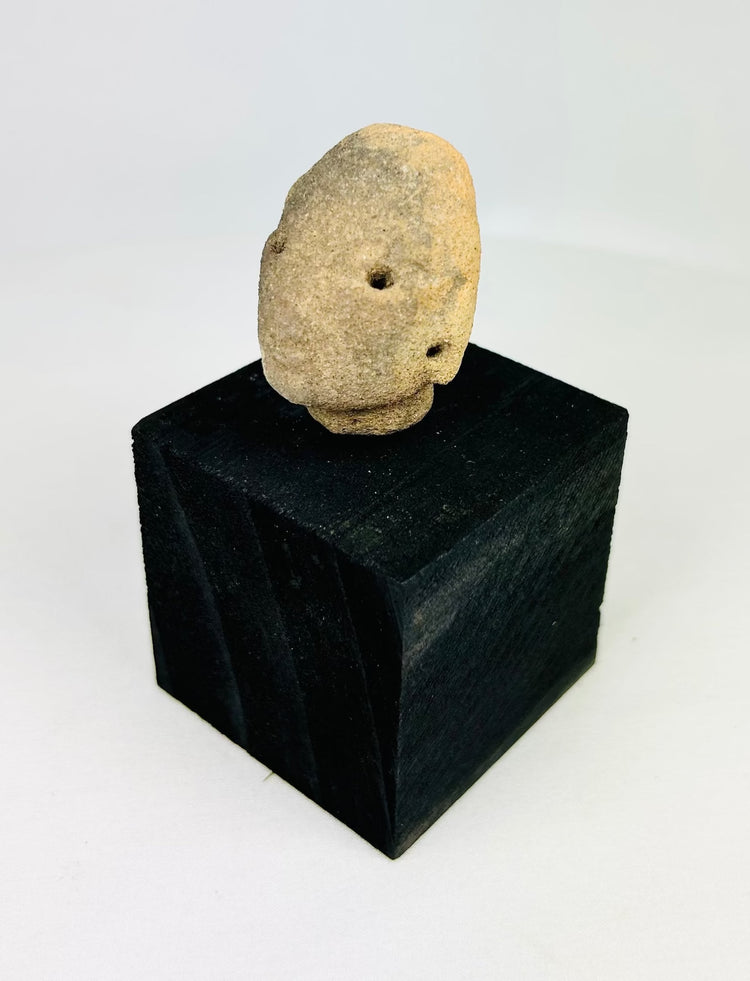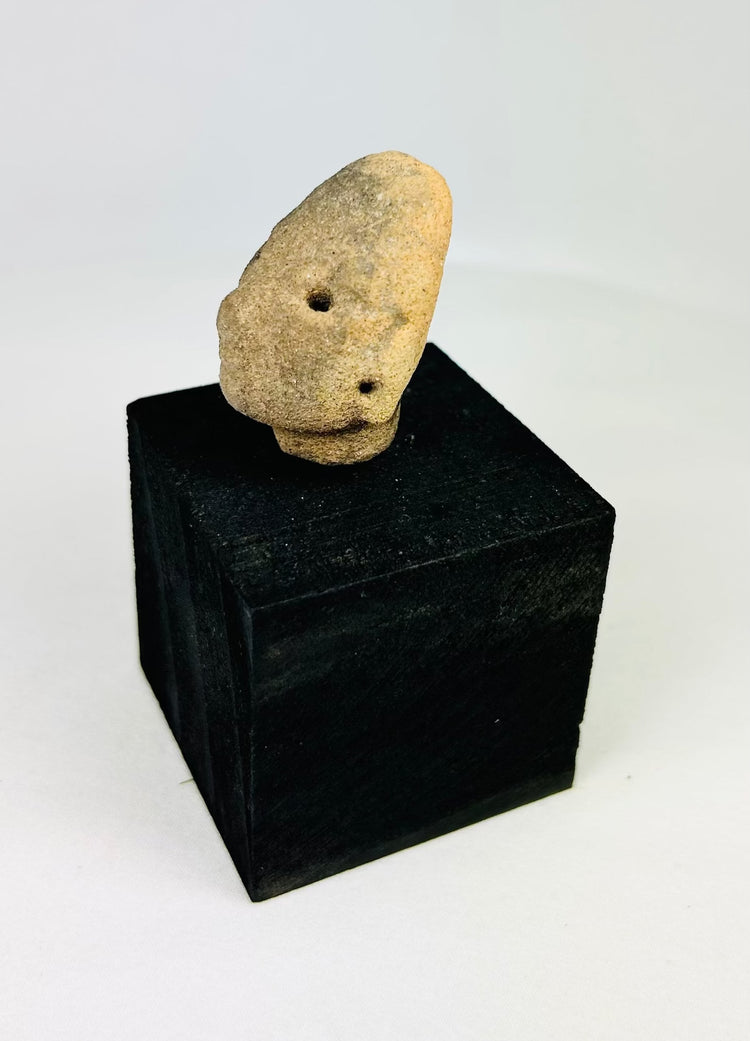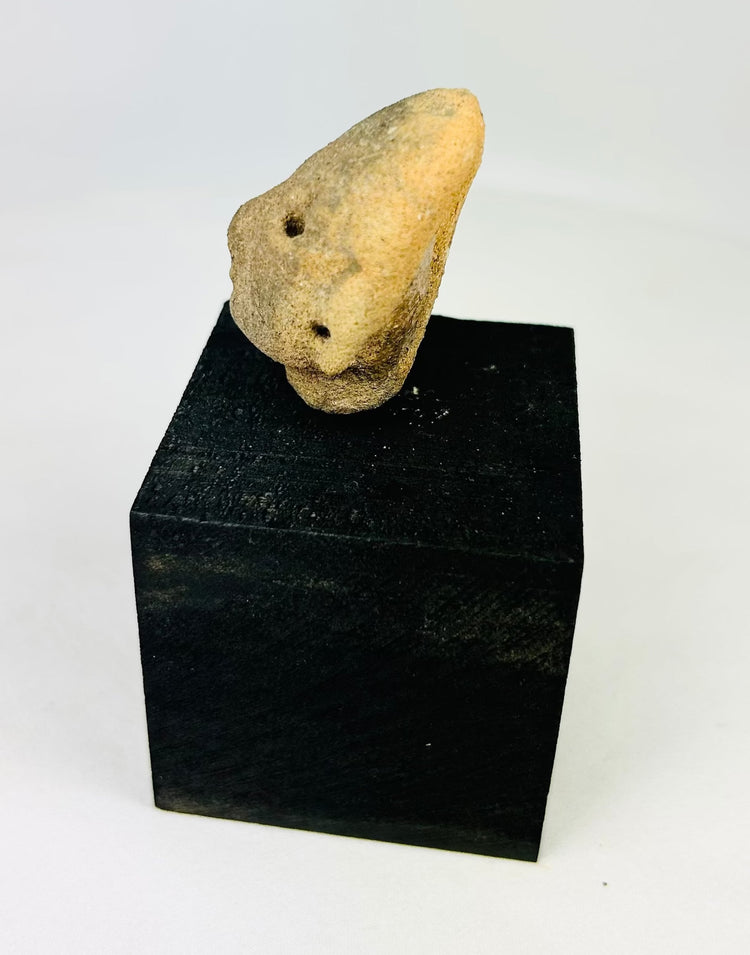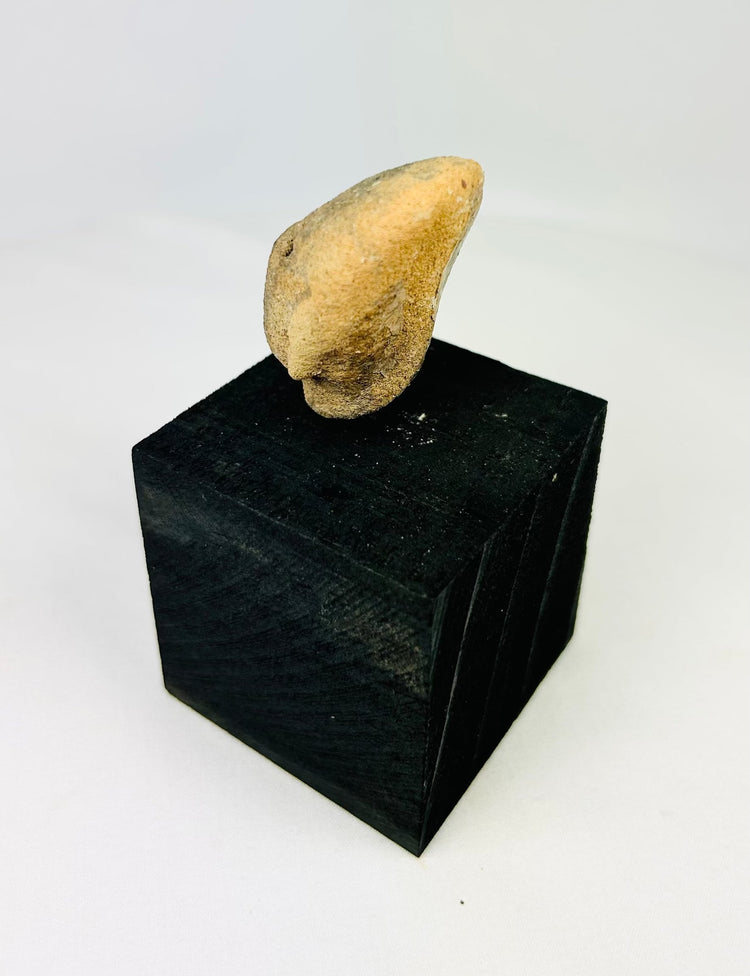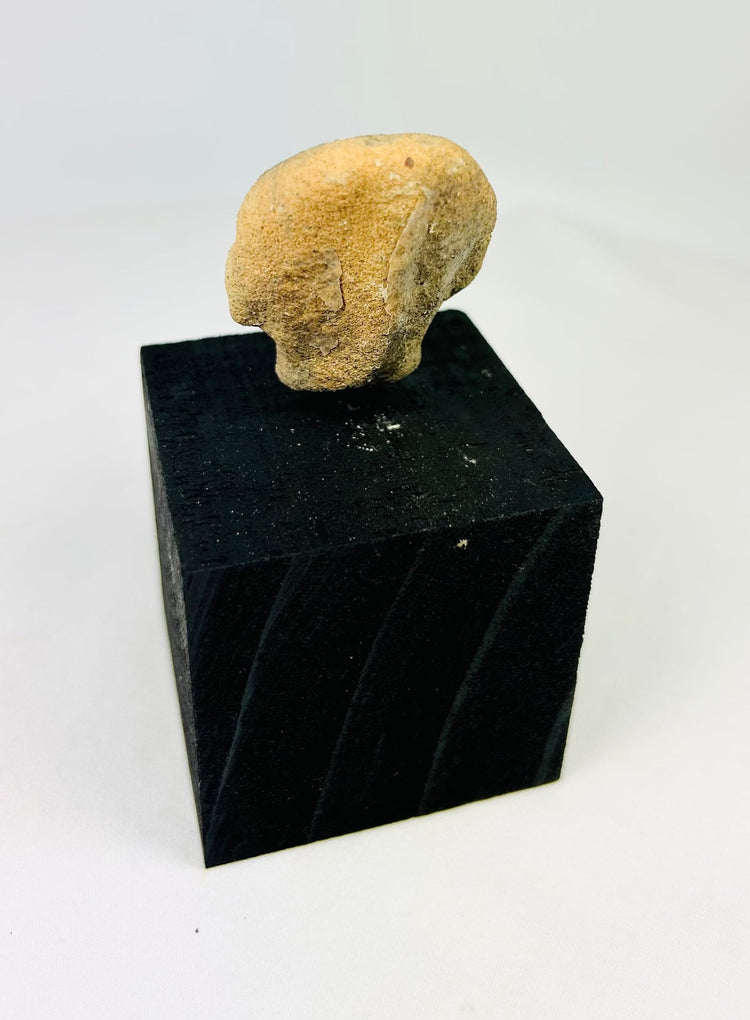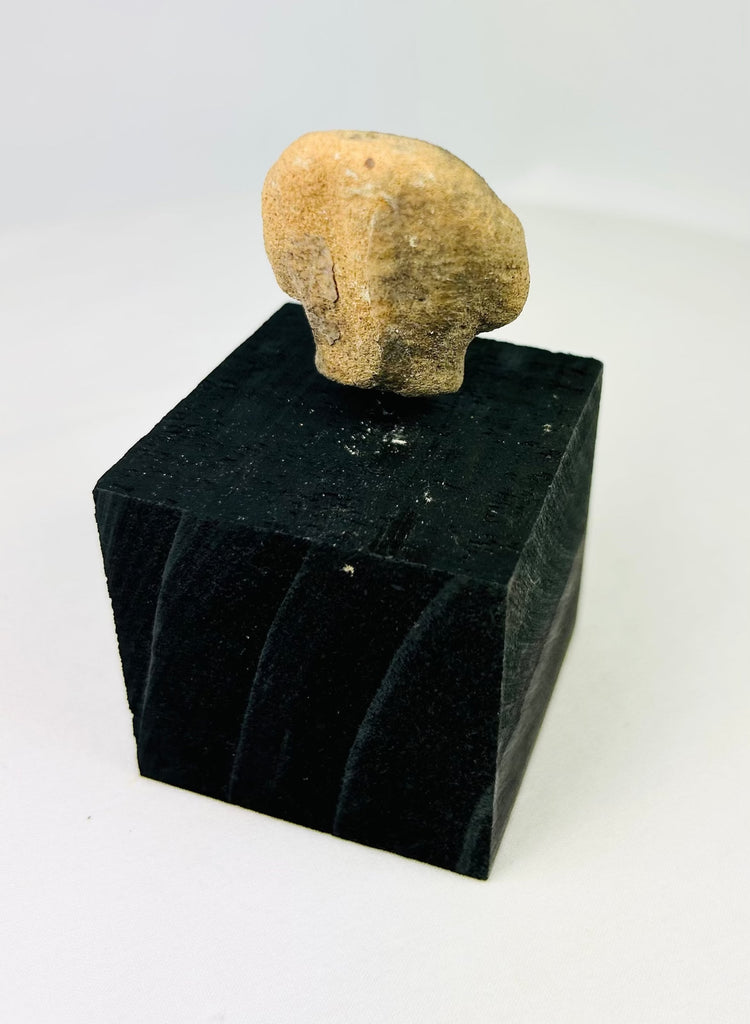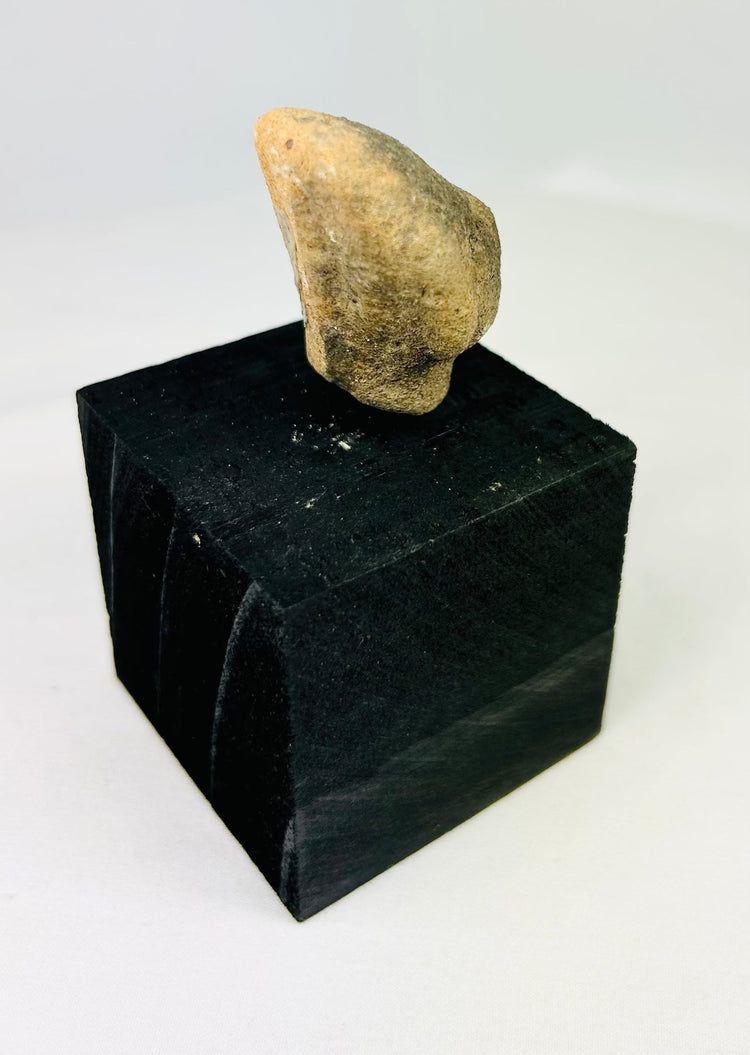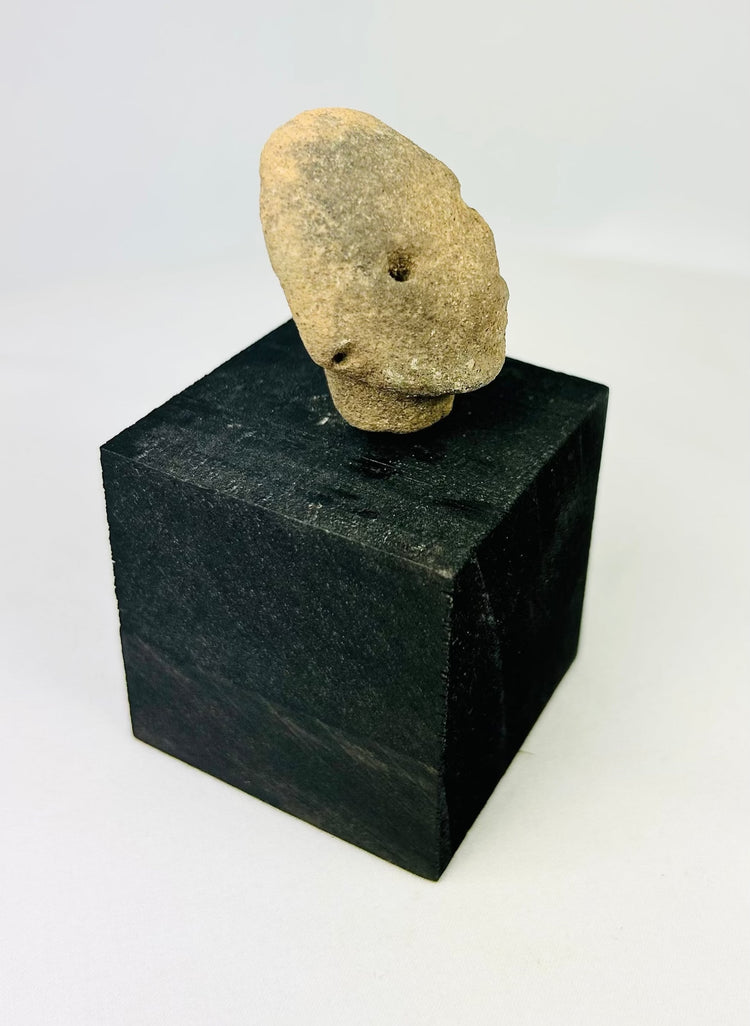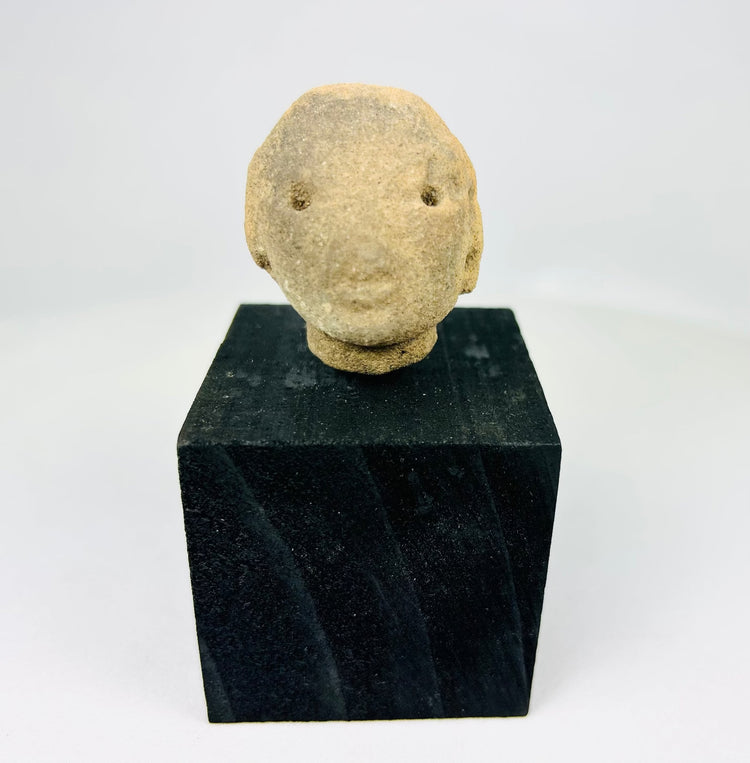
Cabeza antropomórfica precolombina de terracota | Oeste de México | 300 a. C.–300 d. C.

Precio habitual
$300.00
Precio de venta
$300.00
Precio habitual
Envío calculado al finalizar la compra.
Small Pre-Columbian terracotta head fragment with drilled eyes, rounded features, and subtle mouth, mounted on a black display stand, from West Mexico (Nayarit or Jalisco), circa 300 BCE–300 CE
Video of Small Pre-Columbian terracotta head fragment from West Mexico with drilled eyes, rounded features, and subtle mouth, mounted on black stand, 300 BCE–300 CE
West Mexican Pre-Columbian terracotta head fragment, circa 300 BCE–300 CE, featuring drilled eyes and gentle facial features on a display stand
Terracotta head fragment from Nayarit or Jalisco, Pre-Columbian, with subtle mouth and drilled eyes, mounted for display, 300 BCE–300 CE
Early Pre-Columbian terracotta head fragment with rounded facial features and drilled eyes, West Mexico, displayed on black stand, 300 BCE–300 CE
Small Pre-Columbian terracotta head from Nayarit or Jalisco, mounted, with rounded features and drilled eyes, 300 BCE–300 CE
Terracotta head fragment, West Mexico, Pre-Columbian era, with drilled eyes and soft facial features, circa 300 BCE–300 CE, on black display stand
Ancient West Mexican terracotta head fragment from Nayarit or Jalisco, Pre-Columbian artifact, circa 300 BCE–300 CE, mounted for display
Pre-Columbian terracotta head from West Mexico, Nayarit or Jalisco, small collectible fragment with drilled eyes, rounded features, 300 BCE–300 CE
Nayarit terracotta head fragment, West Mexico, early Pre-Columbian artifact with subtle mouth and drilled eyes, displayed on black stand, 300 BCE–300 CE
West Mexican Pre-Columbian terracotta figurine head, ancient artifact from 300 BCE–300 CE, with rounded facial features and drilled eyes
Small Pre-Columbian Nayarit or Jalisco terracotta head, ancient West Mexican collectible with drilled eyes and soft features, circa 300 BCE–300 CE
Pre-Columbian terracotta head fragment from West Mexico, Nayarit or Jalisco, archaeological artifact with drilled eyes and subtle mouth, mounted for display
Ancient Pre-Columbian terracotta head, West Mexico, small collectible fragment from Nayarit or Jalisco, circa 300 BCE–300 CE, on black display stand
Pre-Columbian terracotta head fragment, West Mexico, drilled eyes, rounded features, Nayarit or Jalisco, 300 BCE–300 CE
Ancient West Mexican terracotta head, Pre-Columbian collectible, small fragment with subtle mouth and drilled eyes
  • Small Pre-Columbian terracotta head fragment with drilled eyes, rounded features, and subtle mouth, mounted on a black display stand, from West Mexico (Nayarit or Jalisco), circa 300 BCE–300 CE
  • Video of Small Pre-Columbian terracotta head fragment from West Mexico with drilled eyes, rounded features, and subtle mouth, mounted on black stand, 300 BCE–300 CE
  • West Mexican Pre-Columbian terracotta head fragment, circa 300 BCE–300 CE, featuring drilled eyes and gentle facial features on a display stand
  • Terracotta head fragment from Nayarit or Jalisco, Pre-Columbian, with subtle mouth and drilled eyes, mounted for display, 300 BCE–300 CE
  • Early Pre-Columbian terracotta head fragment with rounded facial features and drilled eyes, West Mexico, displayed on black stand, 300 BCE–300 CE
  • Small Pre-Columbian terracotta head from Nayarit or Jalisco, mounted, with rounded features and drilled eyes, 300 BCE–300 CE
  • Terracotta head fragment, West Mexico, Pre-Columbian era, with drilled eyes and soft facial features, circa 300 BCE–300 CE, on black display stand
  • Ancient West Mexican terracotta head fragment from Nayarit or Jalisco, Pre-Columbian artifact, circa 300 BCE–300 CE, mounted for display
  • Pre-Columbian terracotta head from West Mexico, Nayarit or Jalisco, small collectible fragment with drilled eyes, rounded features, 300 BCE–300 CE
  • Nayarit terracotta head fragment, West Mexico, early Pre-Columbian artifact with subtle mouth and drilled eyes, displayed on black stand, 300 BCE–300 CE
  • West Mexican Pre-Columbian terracotta figurine head, ancient artifact from 300 BCE–300 CE, with rounded facial features and drilled eyes
  • Small Pre-Columbian Nayarit or Jalisco terracotta head, ancient West Mexican collectible with drilled eyes and soft features, circa 300 BCE–300 CE
  • Pre-Columbian terracotta head fragment from West Mexico, Nayarit or Jalisco, archaeological artifact with drilled eyes and subtle mouth, mounted for display
  • Ancient Pre-Columbian terracotta head, West Mexico, small collectible fragment from Nayarit or Jalisco, circa 300 BCE–300 CE, on black display stand
  • Pre-Columbian terracotta head fragment, West Mexico, drilled eyes, rounded features, Nayarit or Jalisco, 300 BCE–300 CE
  • Ancient West Mexican terracotta head, Pre-Columbian collectible, small fragment with subtle mouth and drilled eyes
Small Pre-Columbian terracotta head fragment with drilled eyes, rounded features, and subtle mouth, mounted on a black display stand, from West Mexico (Nayarit or Jalisco), circa 300 BCE–300 CE
Video of Small Pre-Columbian terracotta head fragment from West Mexico with drilled eyes, rounded features, and subtle mouth, mounted on black stand, 300 BCE–300 CE
West Mexican Pre-Columbian terracotta head fragment, circa 300 BCE–300 CE, featuring drilled eyes and gentle facial features on a display stand
Terracotta head fragment from Nayarit or Jalisco, Pre-Columbian, with subtle mouth and drilled eyes, mounted for display, 300 BCE–300 CE
Early Pre-Columbian terracotta head fragment with rounded facial features and drilled eyes, West Mexico, displayed on black stand, 300 BCE–300 CE
Small Pre-Columbian terracotta head from Nayarit or Jalisco, mounted, with rounded features and drilled eyes, 300 BCE–300 CE
Terracotta head fragment, West Mexico, Pre-Columbian era, with drilled eyes and soft facial features, circa 300 BCE–300 CE, on black display stand
Ancient West Mexican terracotta head fragment from Nayarit or Jalisco, Pre-Columbian artifact, circa 300 BCE–300 CE, mounted for display
Pre-Columbian terracotta head from West Mexico, Nayarit or Jalisco, small collectible fragment with drilled eyes, rounded features, 300 BCE–300 CE
Nayarit terracotta head fragment, West Mexico, early Pre-Columbian artifact with subtle mouth and drilled eyes, displayed on black stand, 300 BCE–300 CE
West Mexican Pre-Columbian terracotta figurine head, ancient artifact from 300 BCE–300 CE, with rounded facial features and drilled eyes
Small Pre-Columbian Nayarit or Jalisco terracotta head, ancient West Mexican collectible with drilled eyes and soft features, circa 300 BCE–300 CE
Pre-Columbian terracotta head fragment from West Mexico, Nayarit or Jalisco, archaeological artifact with drilled eyes and subtle mouth, mounted for display
Ancient Pre-Columbian terracotta head, West Mexico, small collectible fragment from Nayarit or Jalisco, circa 300 BCE–300 CE, on black display stand
Pre-Columbian terracotta head fragment, West Mexico, drilled eyes, rounded features, Nayarit or Jalisco, 300 BCE–300 CE
Ancient West Mexican terracotta head, Pre-Columbian collectible, small fragment with subtle mouth and drilled eyes
Authenticity and secure checkout guarantee

Cabeza antropomórfica precolombina de terracota | Oeste de México | 300 a. C.–300 d. C.

Descripción

Contexto histórico y origen

Región: Oeste de México, probablemente Nayarit o Jalisco
Material: Terracota
Período: alrededor del 300 a. C. – 300 d. C.

Descripción
Pequeño fragmento de cabeza de terracota de una figura precolombina, finamente modelada con rasgos redondeados. El rostro se caracteriza por cuencas oculares perforadas, una nariz de formas suaves y una boca sutil, que refleja las cualidades estilizadas y expresivas del arte de las tumbas de tiro. Probablemente parte de una figurilla antropomorfa de mayor tamaño, la pieza se habría utilizado en contextos rituales o funerarios como ofrenda o representación ancestral.

Características

- Representación facial simplificada pero expresiva.

- Cuencas oculares perforadas para mayor definición y profundidad.

- Nariz y boca sutilmente modeladas.

- Rastros de desgaste antiguo y depósitos minerales.

- Evidencia de entierro consistente con artefactos de tumbas de pozo

Importancia cultural
En el oeste de México, las figuras de terracota se colocaban con frecuencia en tumbas de tiro, donde representaban a ancestros, deidades o asistentes ceremoniales. Estos artefactos servían como protectores espirituales y acompañantes simbólicos de los difuntos, reflejando tanto la identidad personal como las prácticas rituales más amplias de la cultura mesoamericana temprana.

Condición
Cabeza fragmentaria únicamente, con erosión superficial, incrustaciones y depósitos de tierra del entierro. Estable, sin restauración moderna. Montado en una peana de exhibición de estilo museo.

Dimensiones (aproximadas)
Altura: 4 pulgadas
Ancho: 2 pulgadas
Profundidad: 2 pulgadas

Edad
Aproximadamente entre 2.300 y 1.700 años de antigüedad (aproximadamente 300 a. C.–300 d. C.)

Más información

Explore el arte precolombino a través de esta completa guía para coleccionistas: Arte precolombino: una nueva guía para coleccionistas

Explore nuestra selección completa de objetos de colección precolombinos: Colecciones precolombinas

Descripción

Contexto histórico y origen

Región: Oeste de México, probablemente Nayarit o Jalisco
Material: Terracota
Período: alrededor del 300 a. C. – 300 d. C.

Descripción
Pequeño fragmento de cabeza de terracota de una figura precolombina, finamente modelada con rasgos redondeados. El rostro se caracteriza por cuencas oculares perforadas, una nariz de formas suaves y una boca sutil, que refleja las cualidades estilizadas y expresivas del arte de las tumbas de tiro. Probablemente parte de una figurilla antropomorfa de mayor tamaño, la pieza se habría utilizado en contextos rituales o funerarios como ofrenda o representación ancestral.

Características

- Representación facial simplificada pero expresiva.

- Cuencas oculares perforadas para mayor definición y profundidad.

- Nariz y boca sutilmente modeladas.

- Rastros de desgaste antiguo y depósitos minerales.

- Evidencia de entierro consistente con artefactos de tumbas de pozo

Importancia cultural
En el oeste de México, las figuras de terracota se colocaban con frecuencia en tumbas de tiro, donde representaban a ancestros, deidades o asistentes ceremoniales. Estos artefactos servían como protectores espirituales y acompañantes simbólicos de los difuntos, reflejando tanto la identidad personal como las prácticas rituales más amplias de la cultura mesoamericana temprana.

Condición
Cabeza fragmentaria únicamente, con erosión superficial, incrustaciones y depósitos de tierra del entierro. Estable, sin restauración moderna. Montado en una peana de exhibición de estilo museo.

Dimensiones (aproximadas)
Altura: 4 pulgadas
Ancho: 2 pulgadas
Profundidad: 2 pulgadas

Edad
Aproximadamente entre 2.300 y 1.700 años de antigüedad (aproximadamente 300 a. C.–300 d. C.)

Más información

Explore el arte precolombino a través de esta completa guía para coleccionistas: Arte precolombino: una nueva guía para coleccionistas

Explore nuestra selección completa de objetos de colección precolombinos: Colecciones precolombinas

También te puede interesar