

Figura ritual precolombina | Escultura de arcilla modelada a mano | Exhibición montada | Circa 300 a. C.–500 d. C.
- Precio habitual
- $500.00
- Precio de venta
- $500.00
- Precio habitual
No se pudo cargar la disponibilidad de retiro


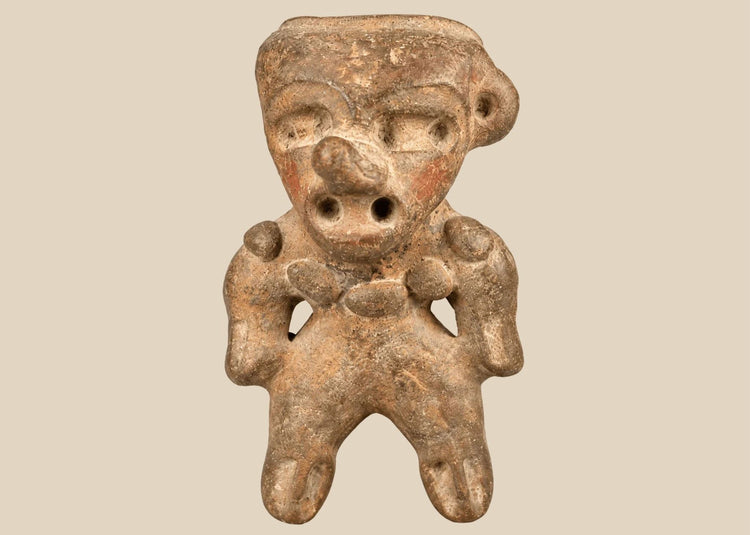
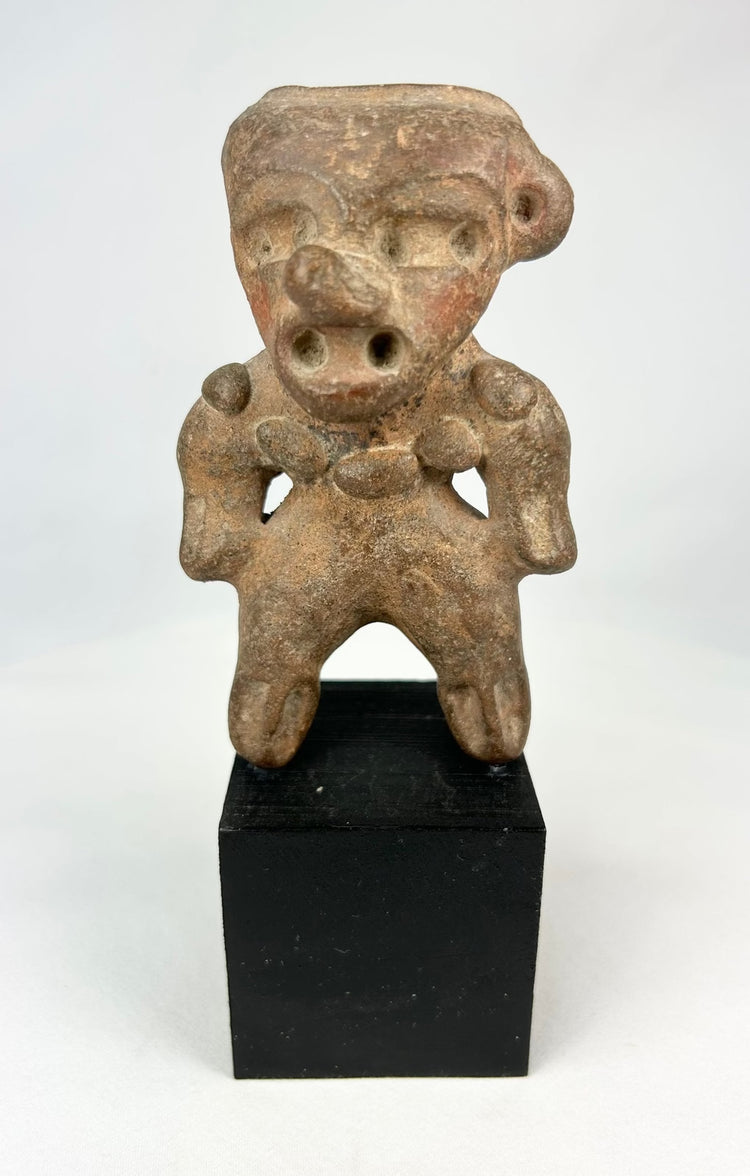
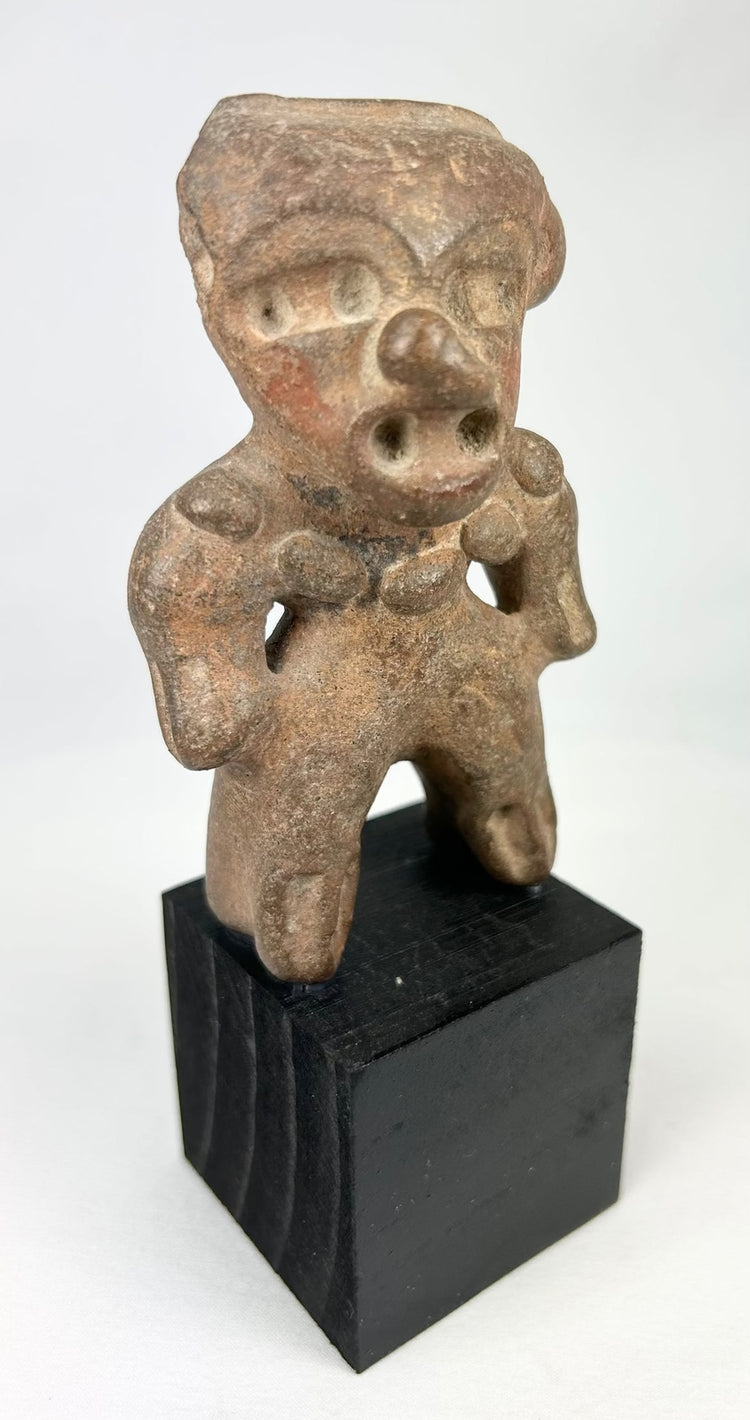
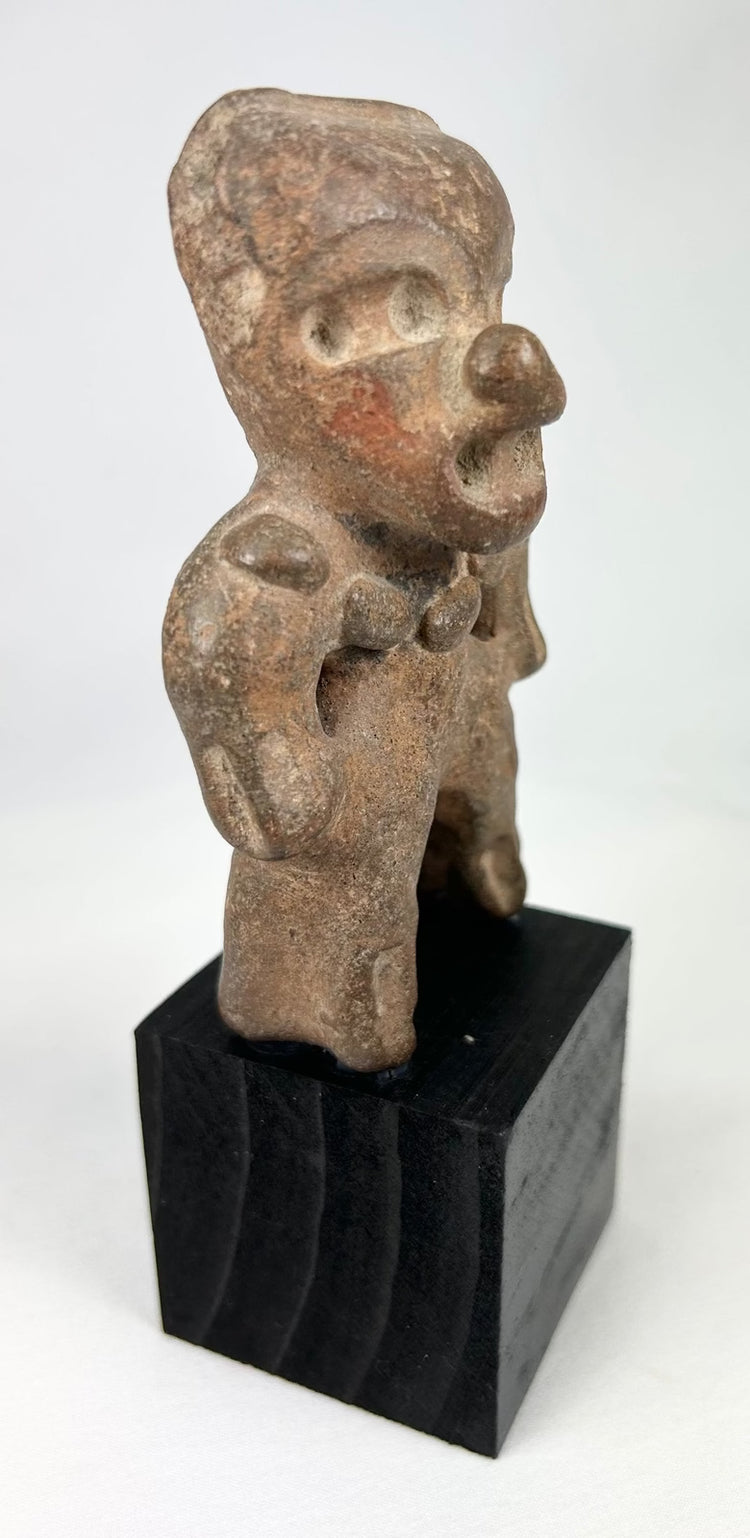
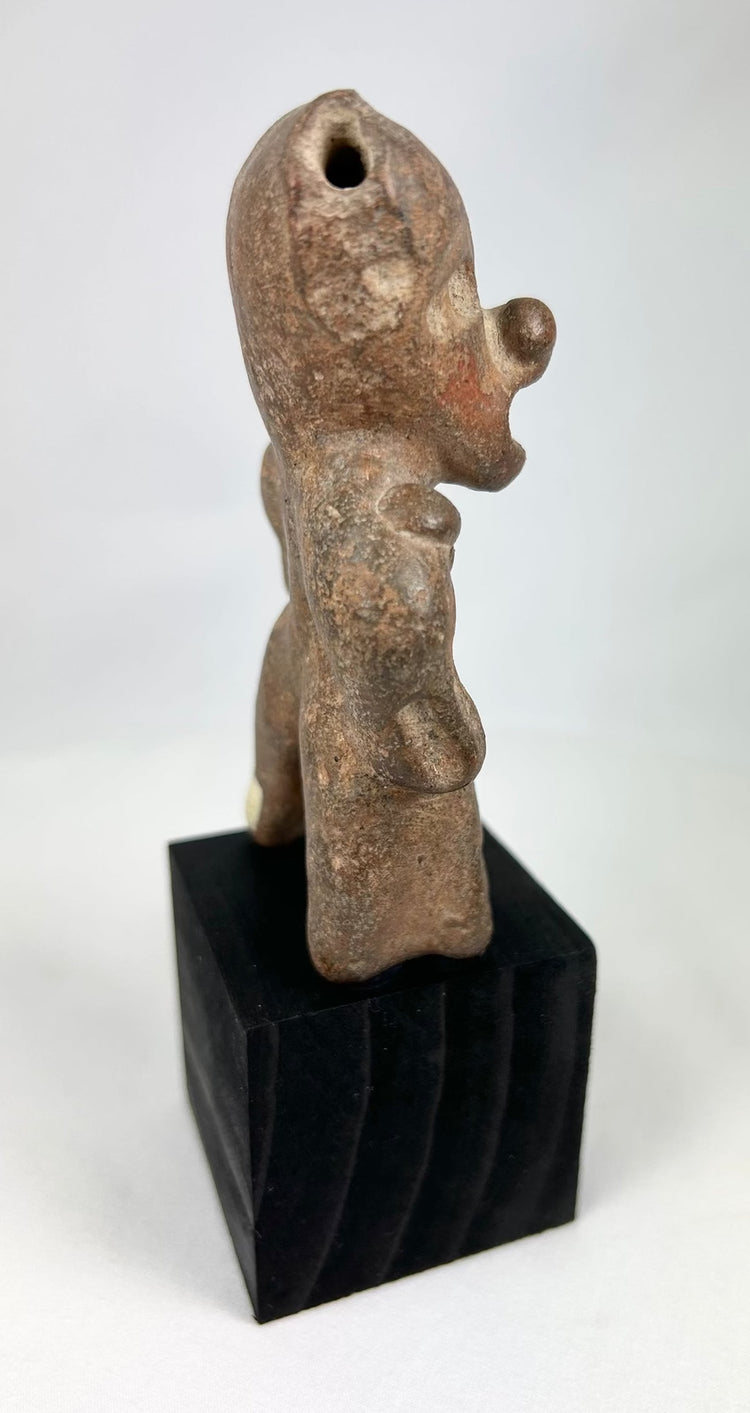
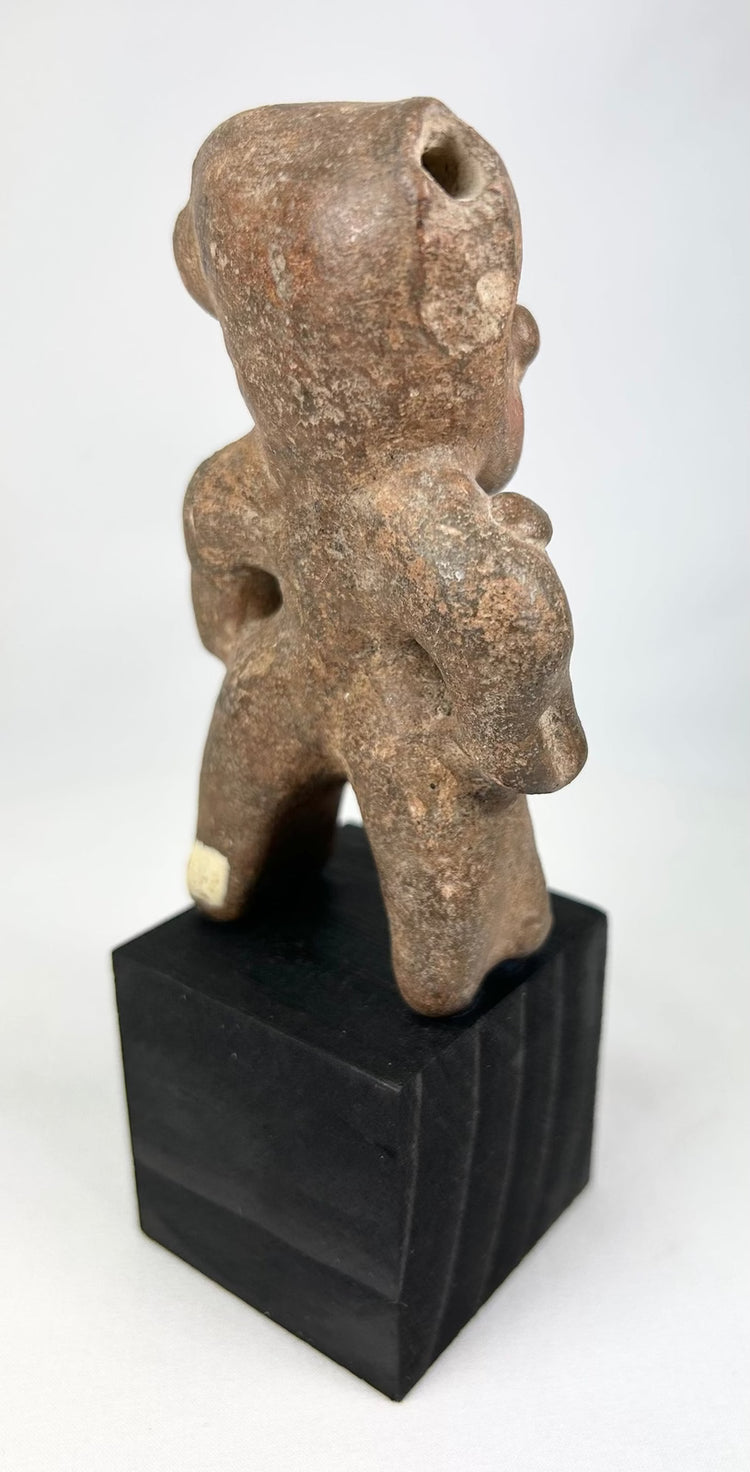
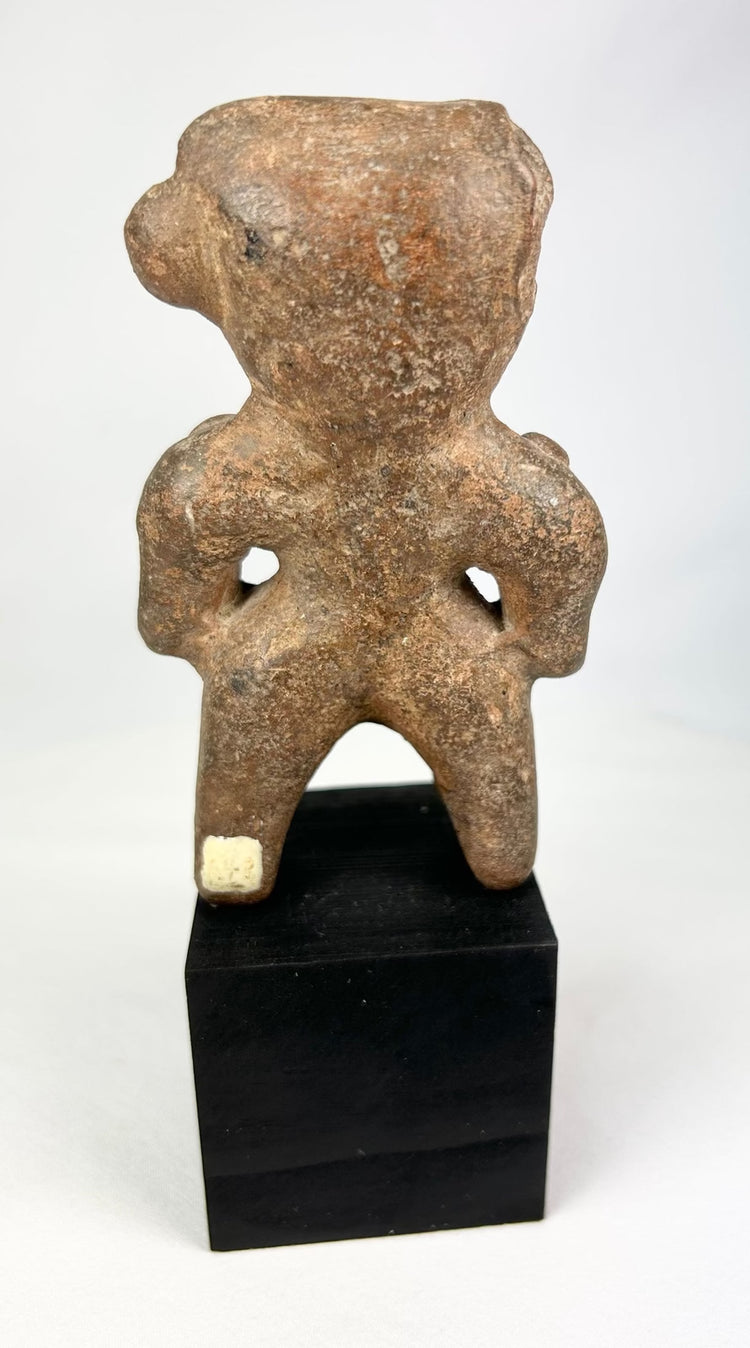
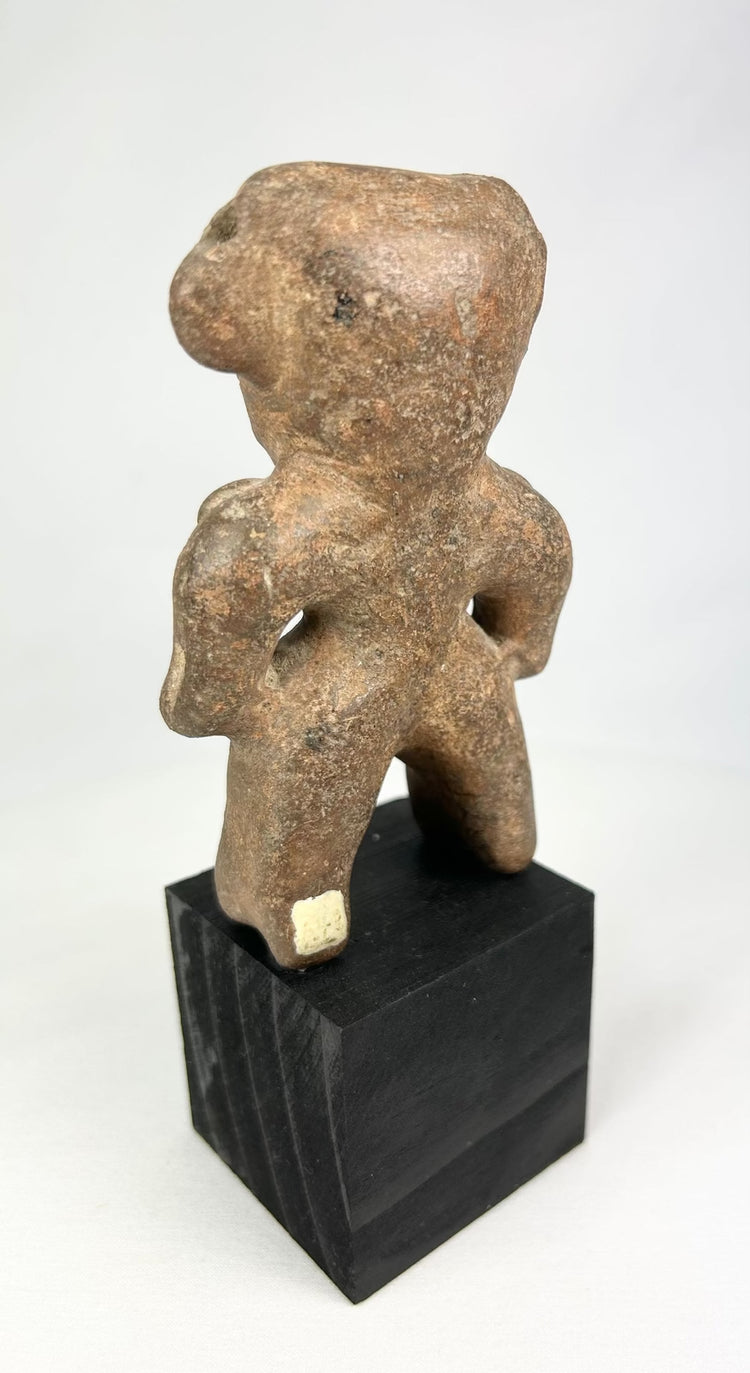
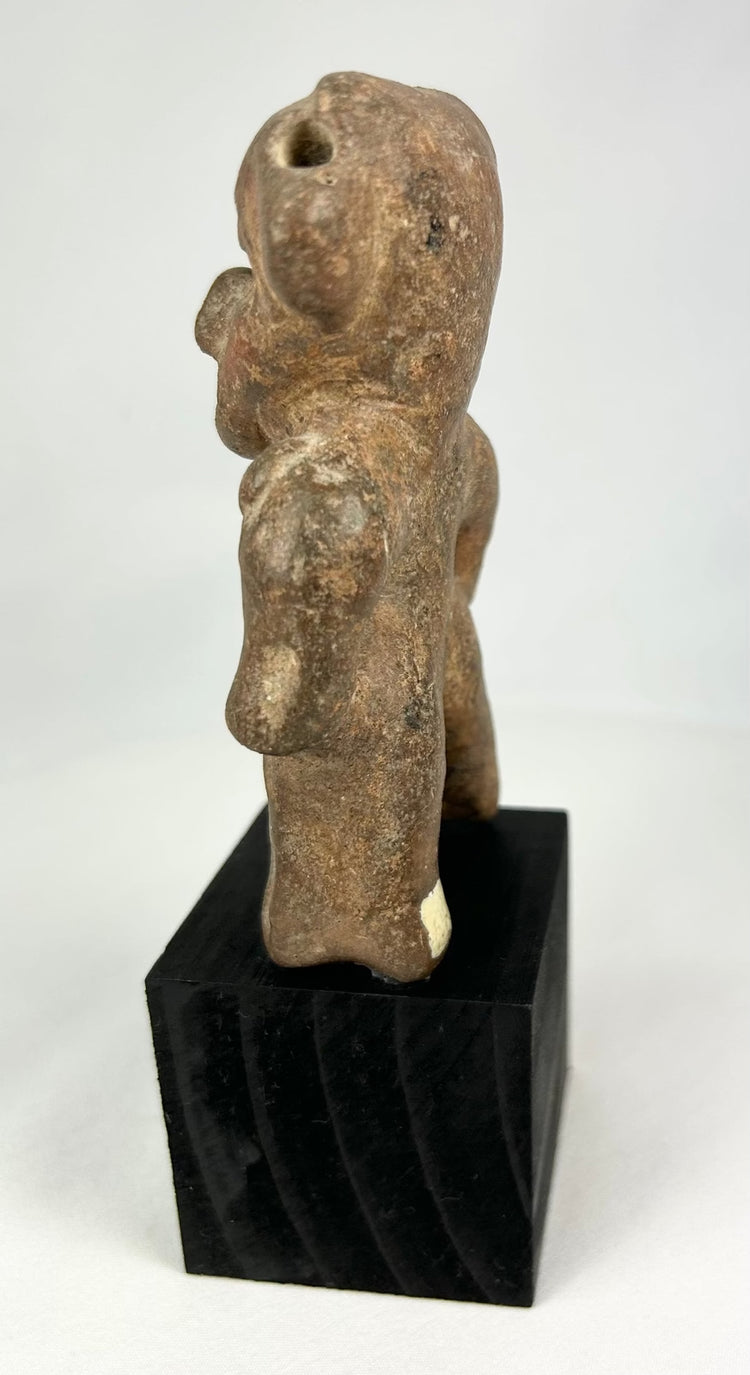
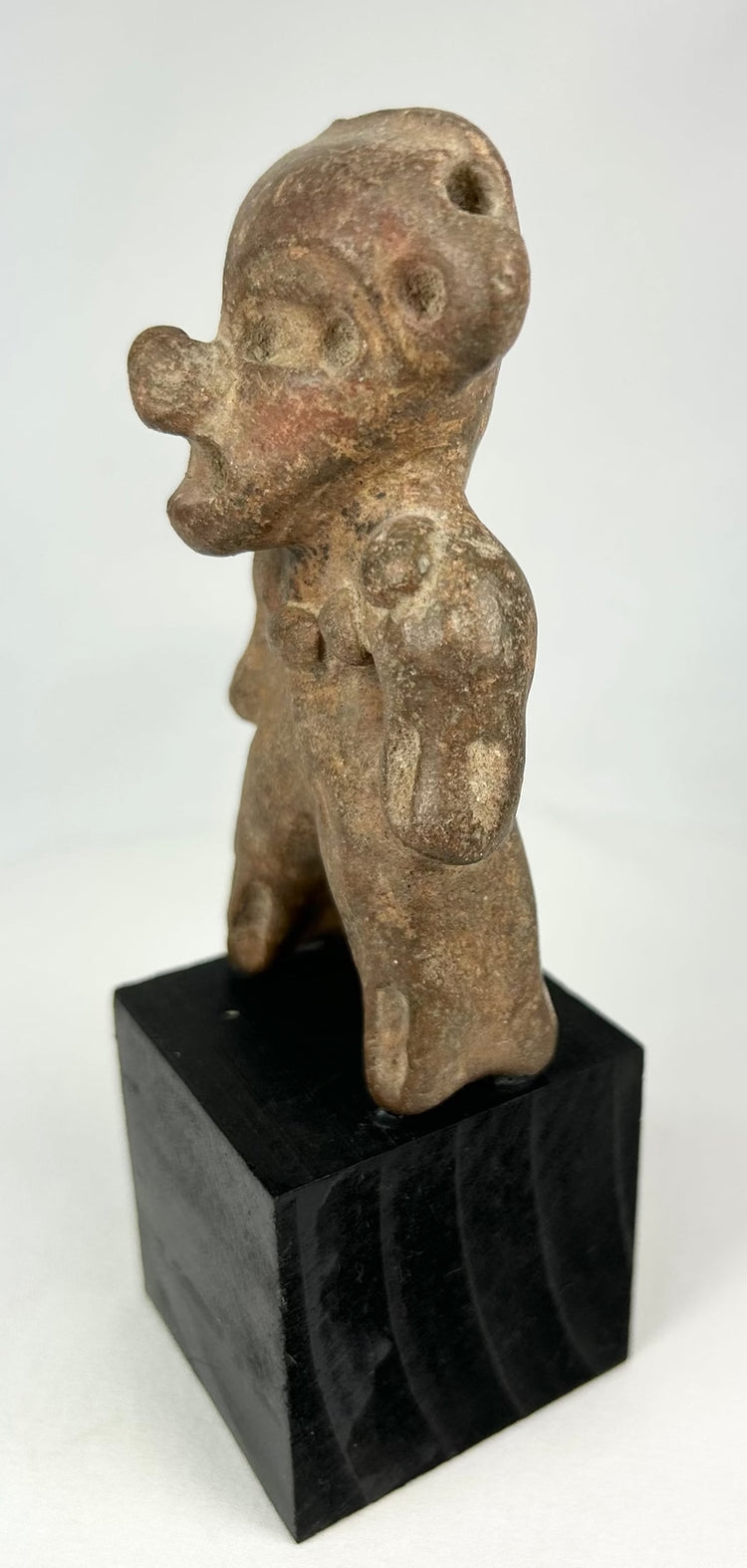
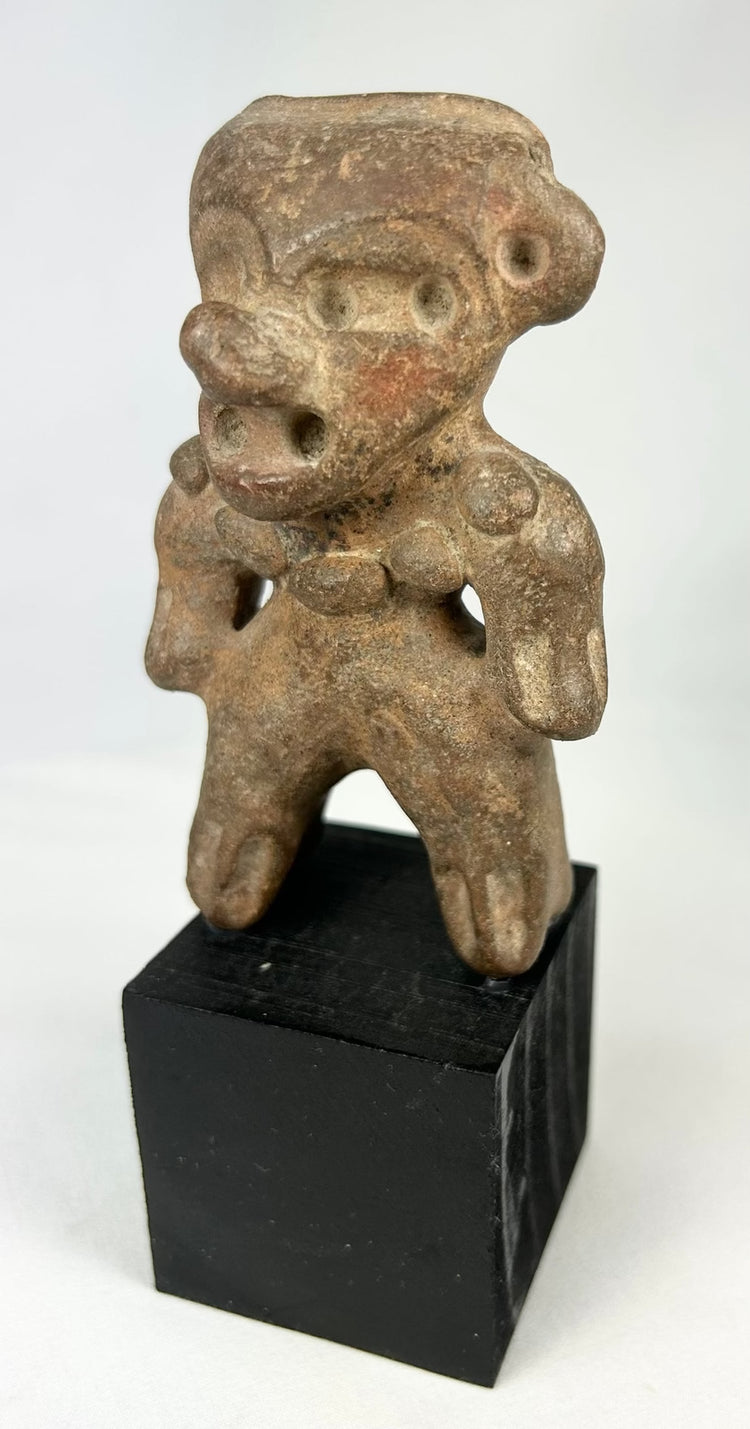

Figura ritual precolombina | Escultura de arcilla modelada a mano | Exhibición montada | Circa 300 a. C.–500 d. C.
Descripción
Más
Menos
Contexto histórico y origen
Región: Occidente de México (Nayarit, Colima o Jalisco)
Material: Terracota modelada a mano
Periodo: Precolombino, circa 300 a. C. – 500 d. C.
Descripción
Esta figura antropomórfica de terracota ejemplifica el estilo audaz y expresivo de la escultura de tumbas de tiro del Occidente de México. La figura se encuentra en una postura amplia con los brazos doblados hacia el pecho, presentando una cabeza estilizada grande, una expresión facial prominente y orejas perforadas. La superficie texturizada muestra depósitos terrosos y desgaste por siglos de enterramiento, lo que subraya su autenticidad y antigüedad. Montada sobre una base de exhibición negra moderna, presenta una fuerte presencia cultural como artefacto y escultura.
Características
- Figura de terracota modelada a mano
- Rostro estilizado distintivo con orejas perforadas
- Postura amplia y proporciones expresivas
- Depósitos terrosos y desgaste superficial del contexto de enterramiento
- Montado sobre una base de exhibición personalizada para una exposición segura
Significado cultural
Las figuras de este tipo se colocaban en tumbas de tiro como compañeros y protectores de los difuntos, encarnando la fertilidad, el linaje y la presencia ancestral. Reflejan las tradiciones rituales y sociales del antiguo Occidente de México, donde el arte funerario cumplía funciones tanto espirituales como culturales. Hoy en día, estas figuras siguen siendo una de las formas más reconocibles e icónicas de la escultura precolombina, muy valoradas por su significado simbólico y su perdurable estética.
Condición
Buen estado arqueológico. Estable en general con desgaste superficial, pérdidas menores y concreciones consistentes con la edad. Montada de forma segura para su exhibición.
Dimensiones (Aproximadas)
Altura: 6.25 pulgadas
Ancho: 2 pulgadas
Profundidad: 2 pulgadas
Edad (Aproximada)
1.525-2.325 años
Procedencia
Anteriormente en una colección privada en el sur de California, EE. UU., reunida entre los años 70 y 90. Posteriormente en una colección privada en Brea, California, EE. UU.
Más información
Explora una importante colección de arte precolombino en The Metropolitan Museum of Art
Explora nuestra colección de artefactos precolombinos antiguos
Descripción
Contexto histórico y origen
Región: Occidente de México (Nayarit, Colima o Jalisco)
Material: Terracota modelada a mano
Periodo: Precolombino, circa 300 a. C. – 500 d. C.
Descripción
Esta figura antropomórfica de terracota ejemplifica el estilo audaz y expresivo de la escultura de tumbas de tiro del Occidente de México. La figura se encuentra en una postura amplia con los brazos doblados hacia el pecho, presentando una cabeza estilizada grande, una expresión facial prominente y orejas perforadas. La superficie texturizada muestra depósitos terrosos y desgaste por siglos de enterramiento, lo que subraya su autenticidad y antigüedad. Montada sobre una base de exhibición negra moderna, presenta una fuerte presencia cultural como artefacto y escultura.
Características
- Figura de terracota modelada a mano
- Rostro estilizado distintivo con orejas perforadas
- Postura amplia y proporciones expresivas
- Depósitos terrosos y desgaste superficial del contexto de enterramiento
- Montado sobre una base de exhibición personalizada para una exposición segura
Significado cultural
Las figuras de este tipo se colocaban en tumbas de tiro como compañeros y protectores de los difuntos, encarnando la fertilidad, el linaje y la presencia ancestral. Reflejan las tradiciones rituales y sociales del antiguo Occidente de México, donde el arte funerario cumplía funciones tanto espirituales como culturales. Hoy en día, estas figuras siguen siendo una de las formas más reconocibles e icónicas de la escultura precolombina, muy valoradas por su significado simbólico y su perdurable estética.
Condición
Buen estado arqueológico. Estable en general con desgaste superficial, pérdidas menores y concreciones consistentes con la edad. Montada de forma segura para su exhibición.
Dimensiones (Aproximadas)
Altura: 6.25 pulgadas
Ancho: 2 pulgadas
Profundidad: 2 pulgadas
Edad (Aproximada)
1.525-2.325 años
Procedencia
Anteriormente en una colección privada en el sur de California, EE. UU., reunida entre los años 70 y 90. Posteriormente en una colección privada en Brea, California, EE. UU.
Más información
Explora una importante colección de arte precolombino en The Metropolitan Museum of Art
Explora nuestra colección de artefactos precolombinos antiguos
También te puede interesar
