



Figura de pie de terracota precolombina | Oeste de México | 300 a. C.–500 d. C.
- Precio habitual
- $500.00
- Precio de venta
- $500.00
- Precio habitual
No se pudo cargar la disponibilidad de retiro


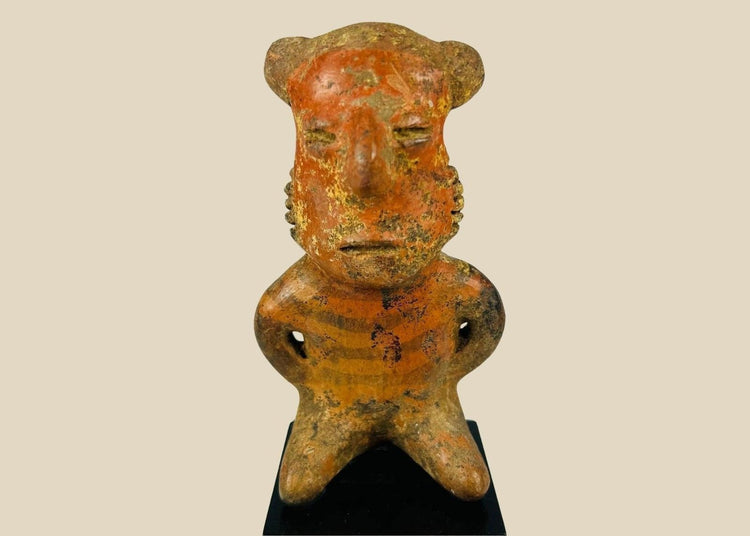
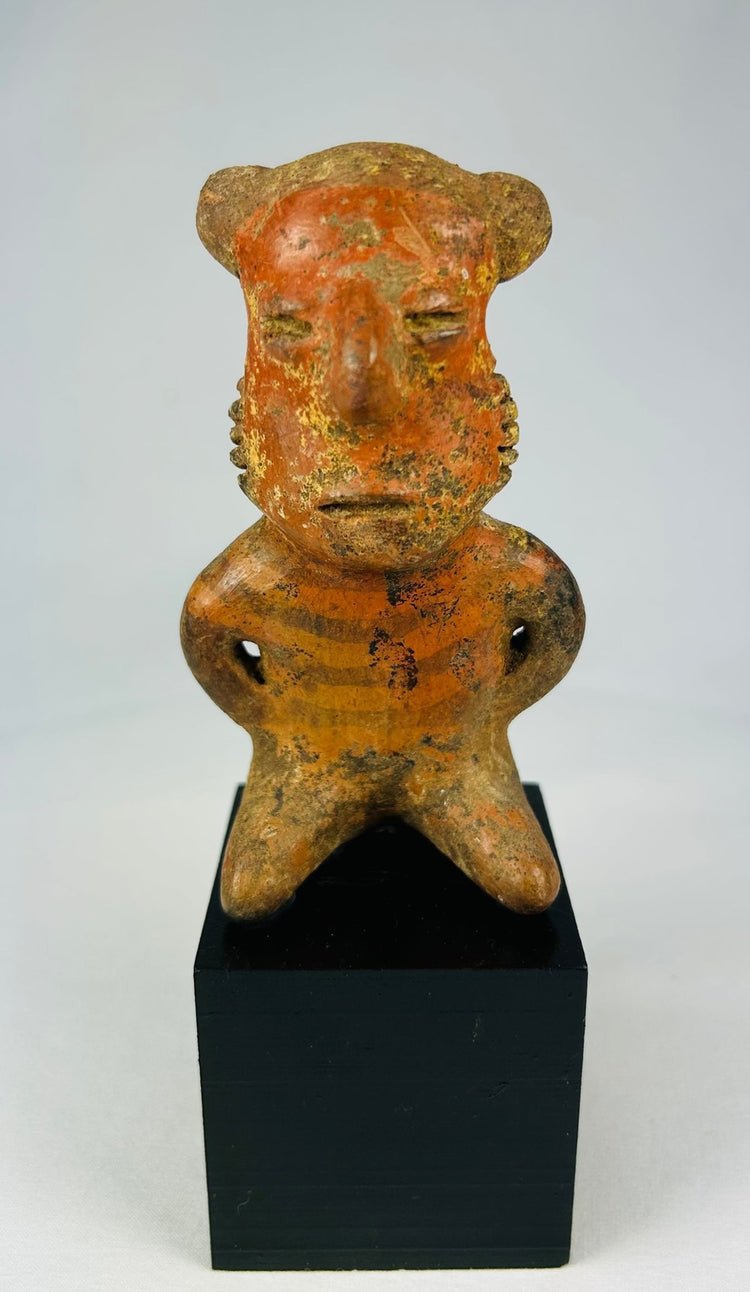
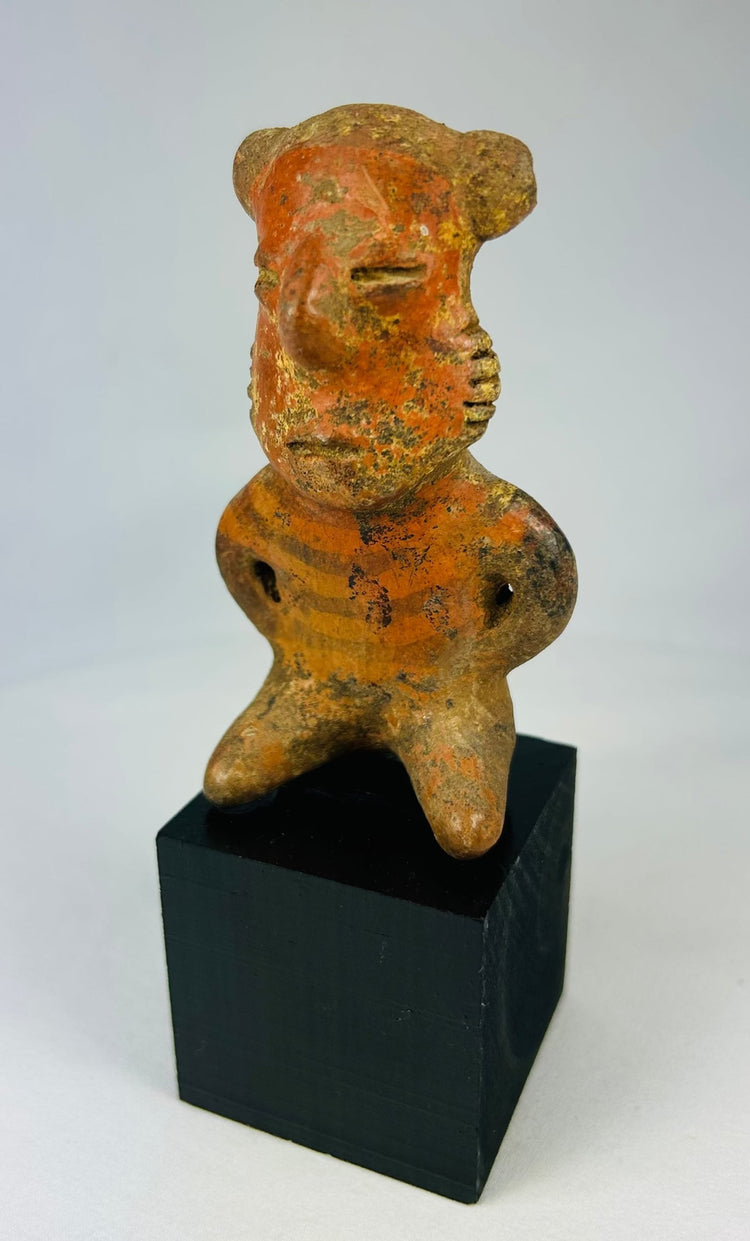
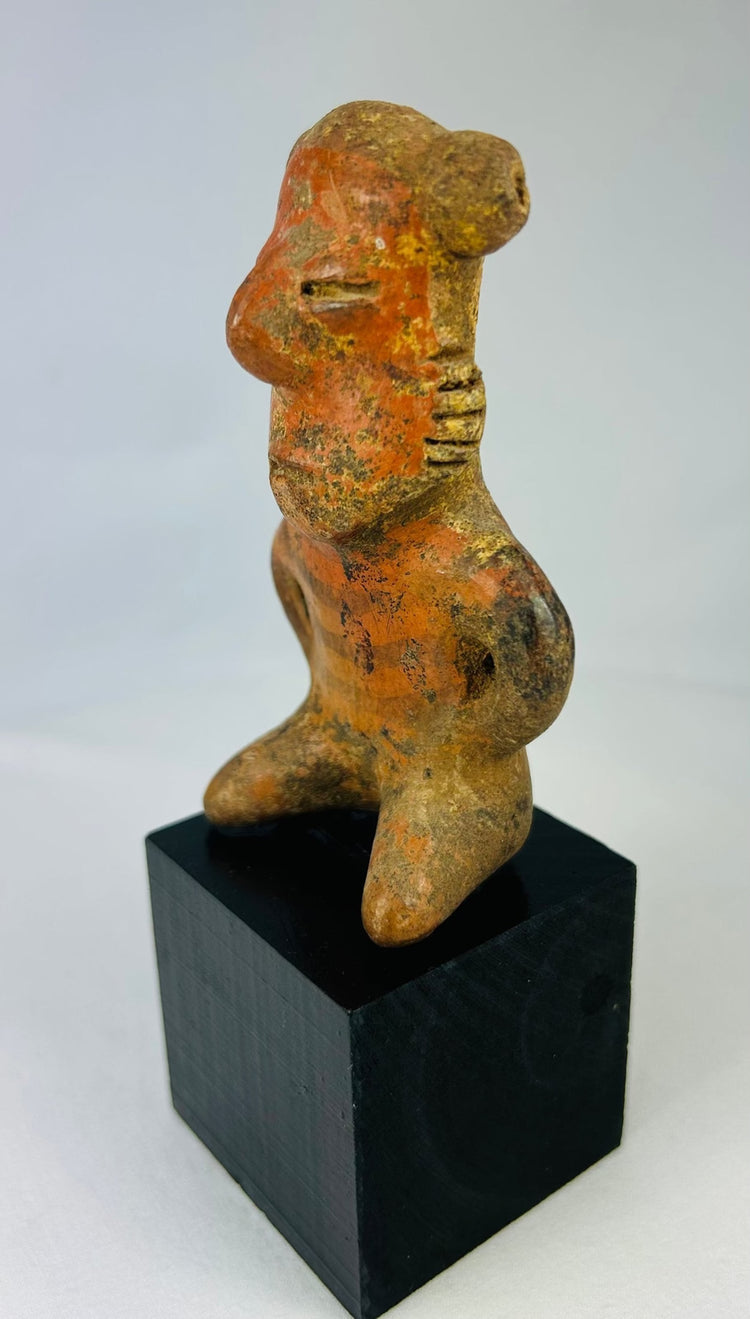
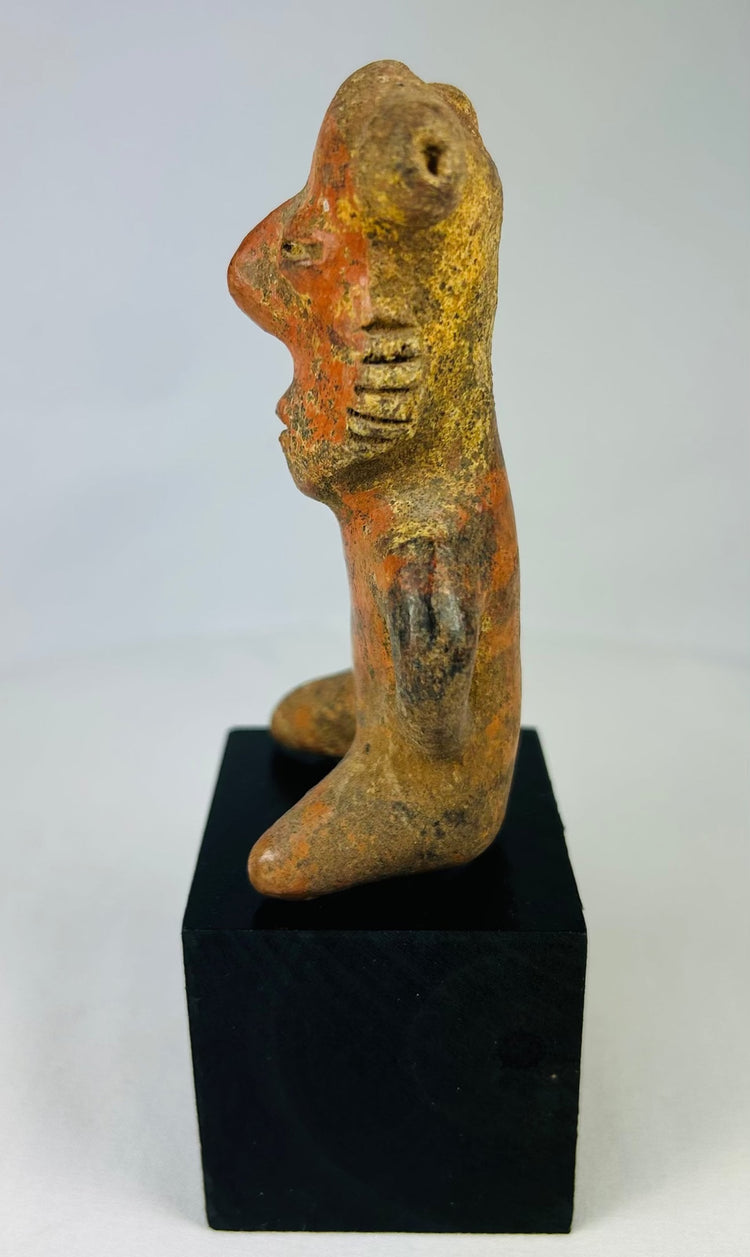
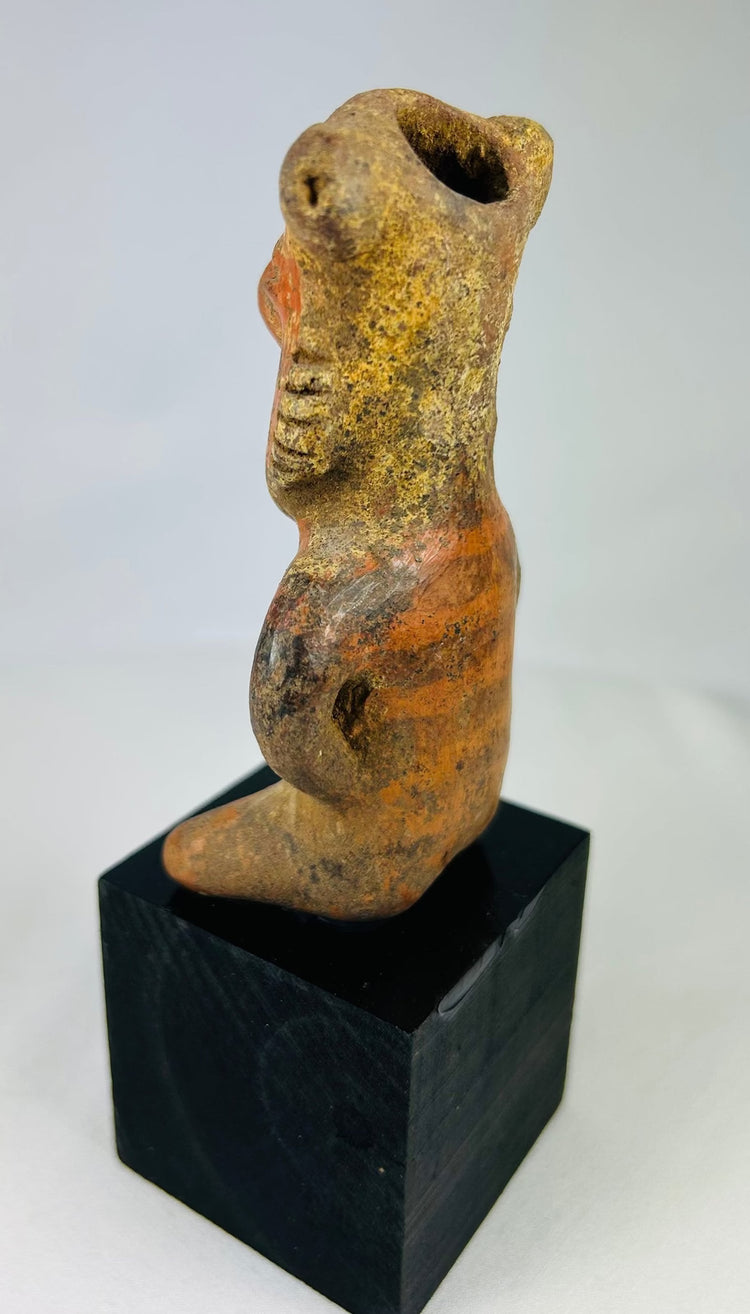
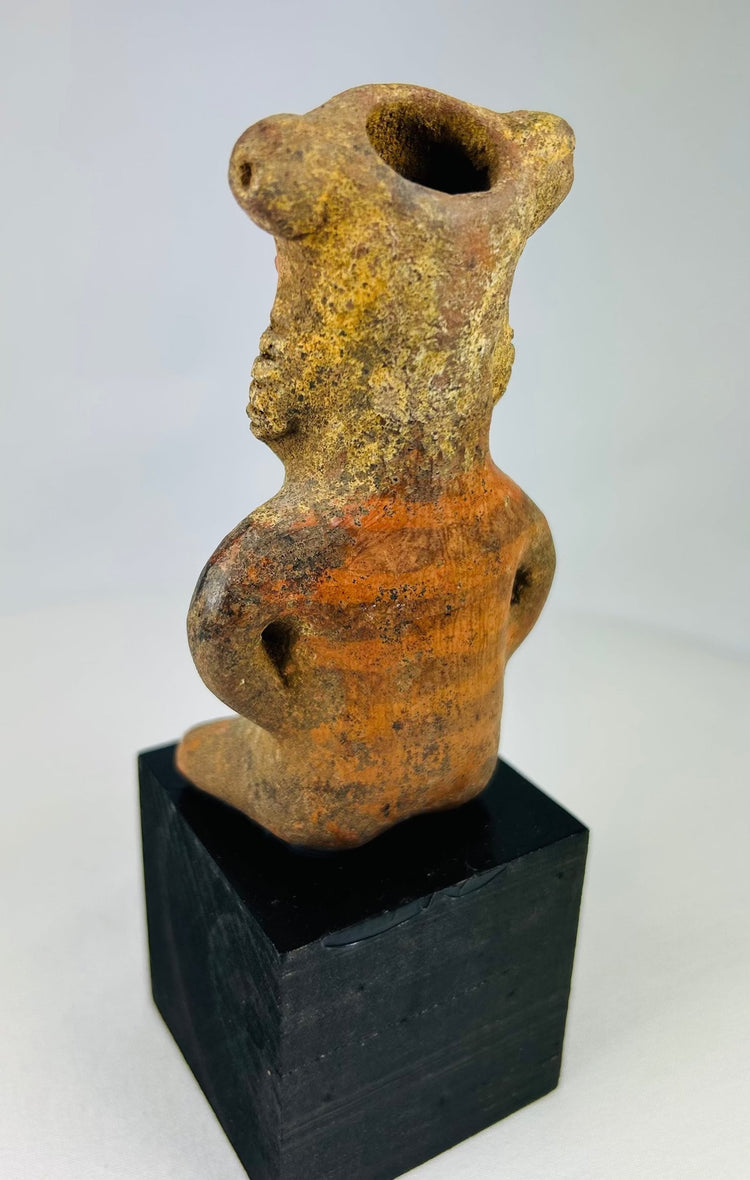
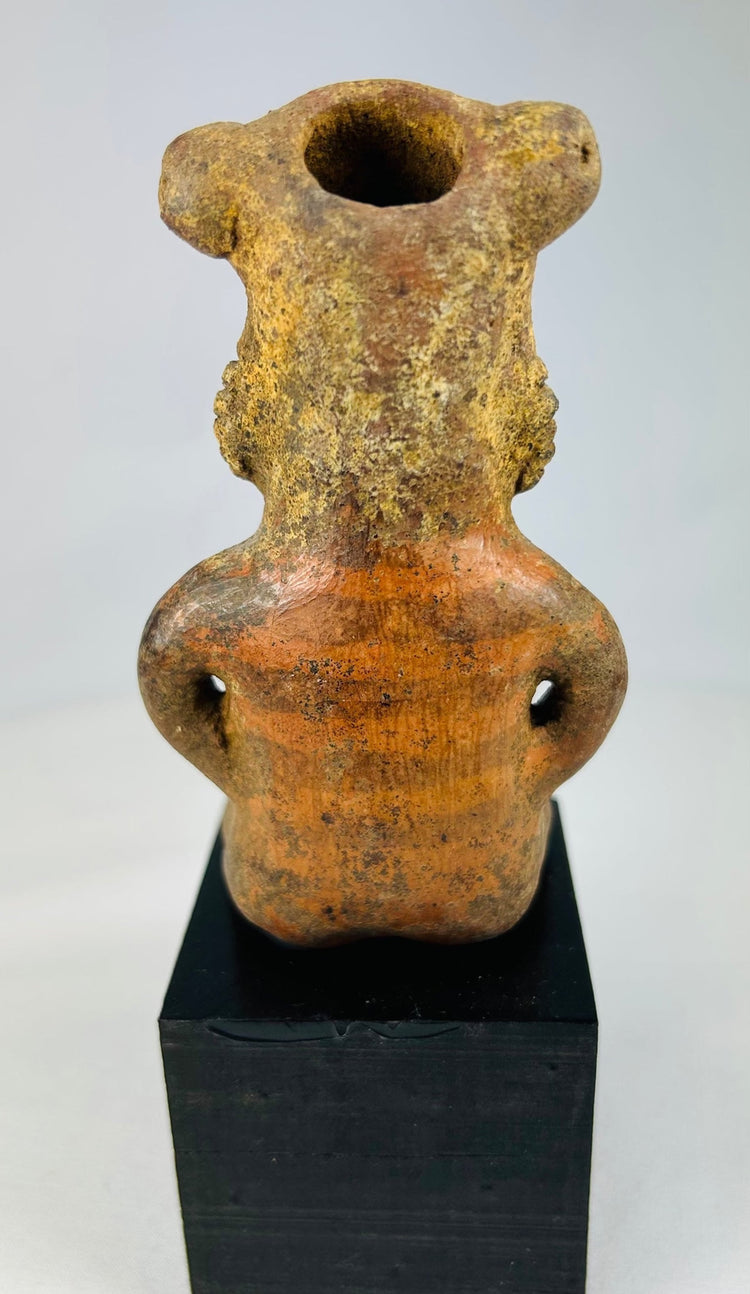
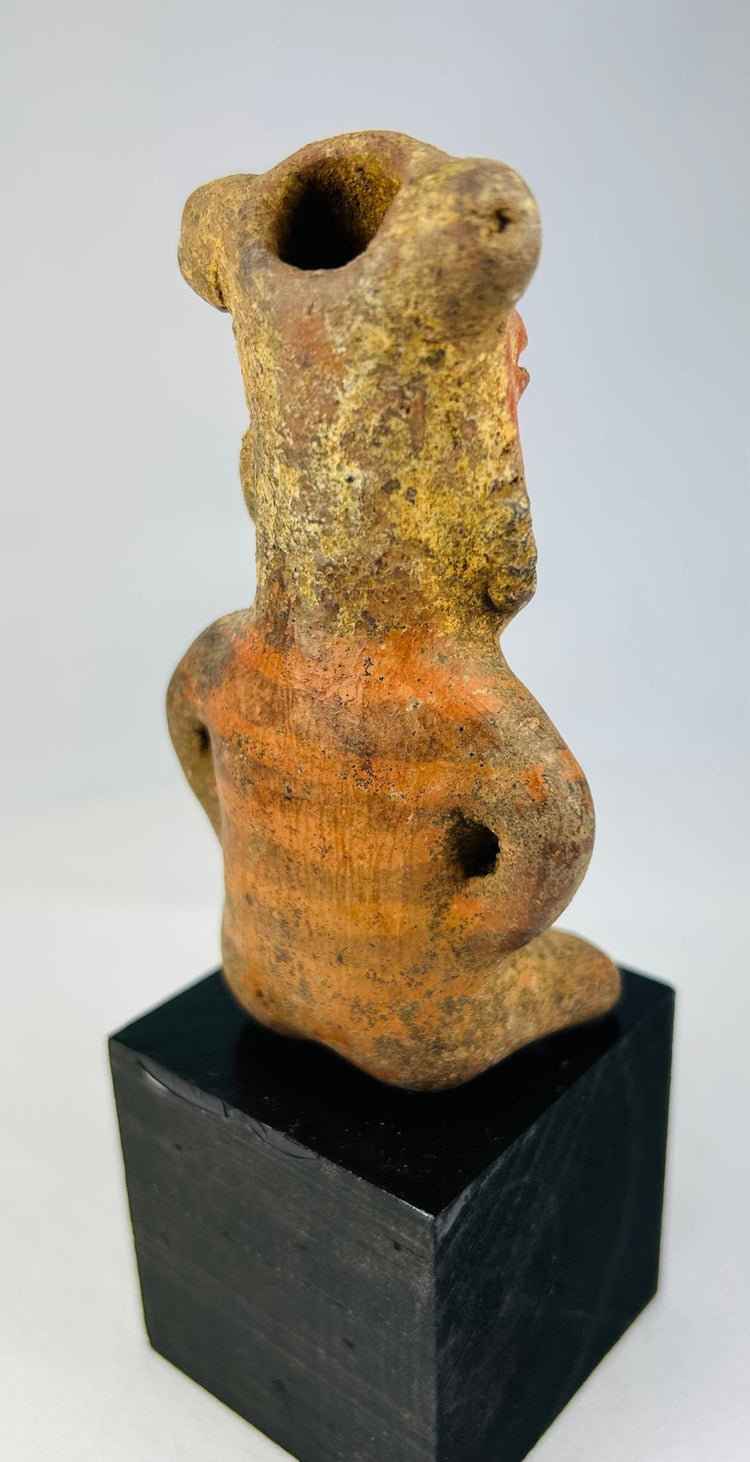
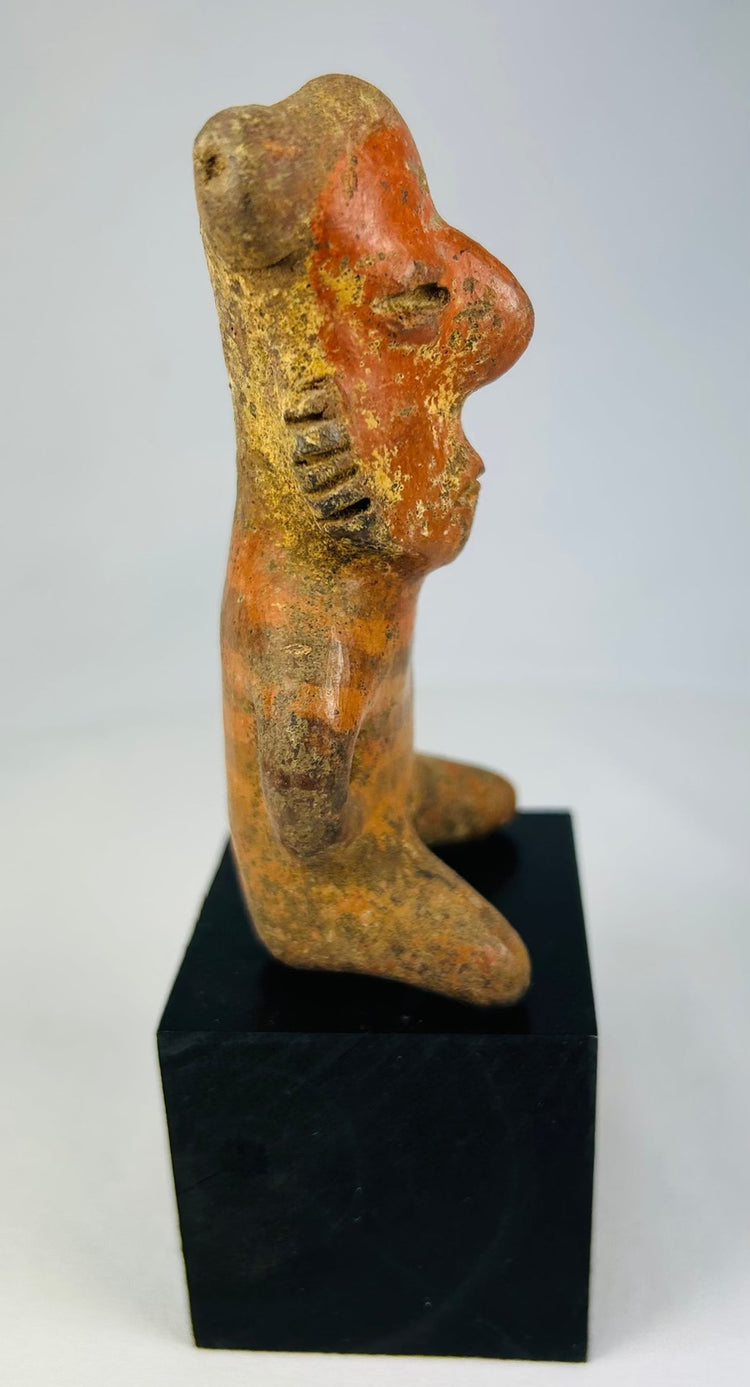
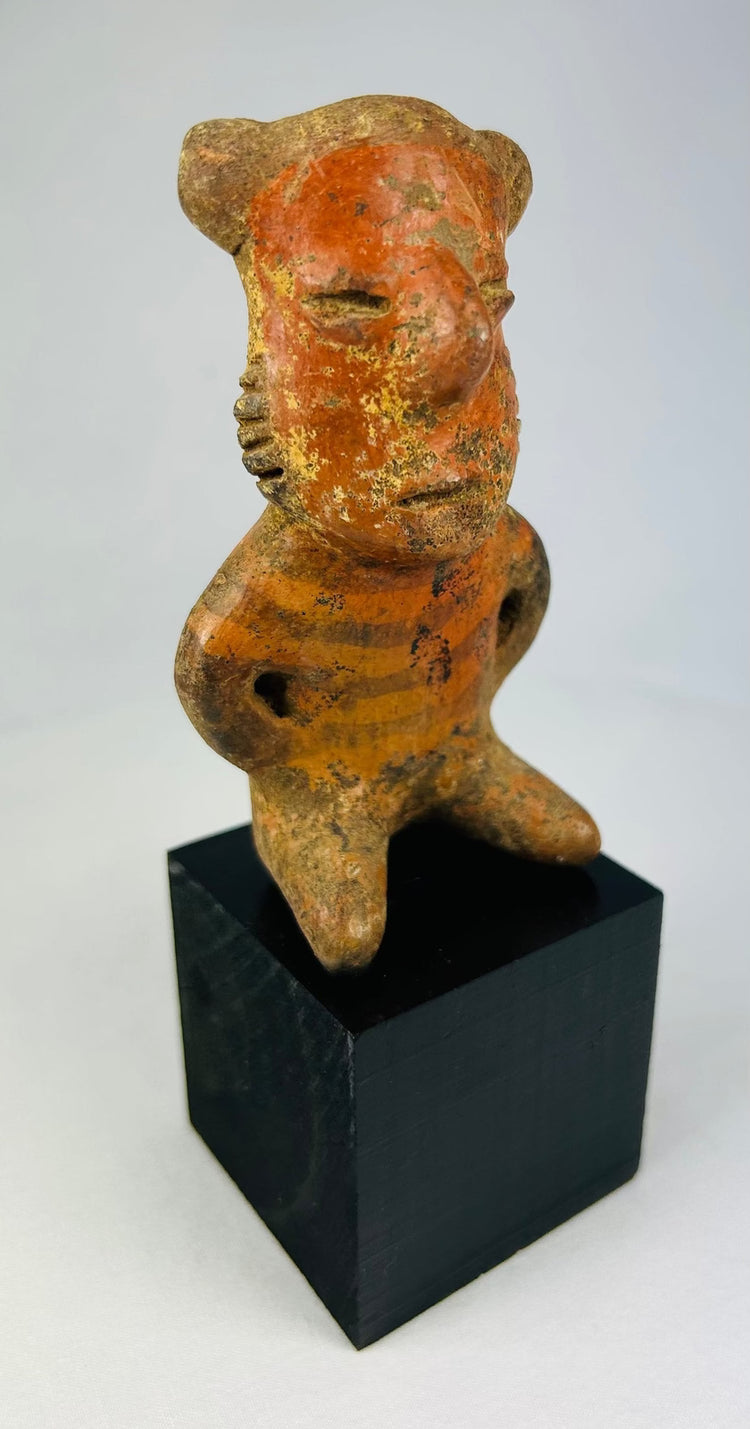
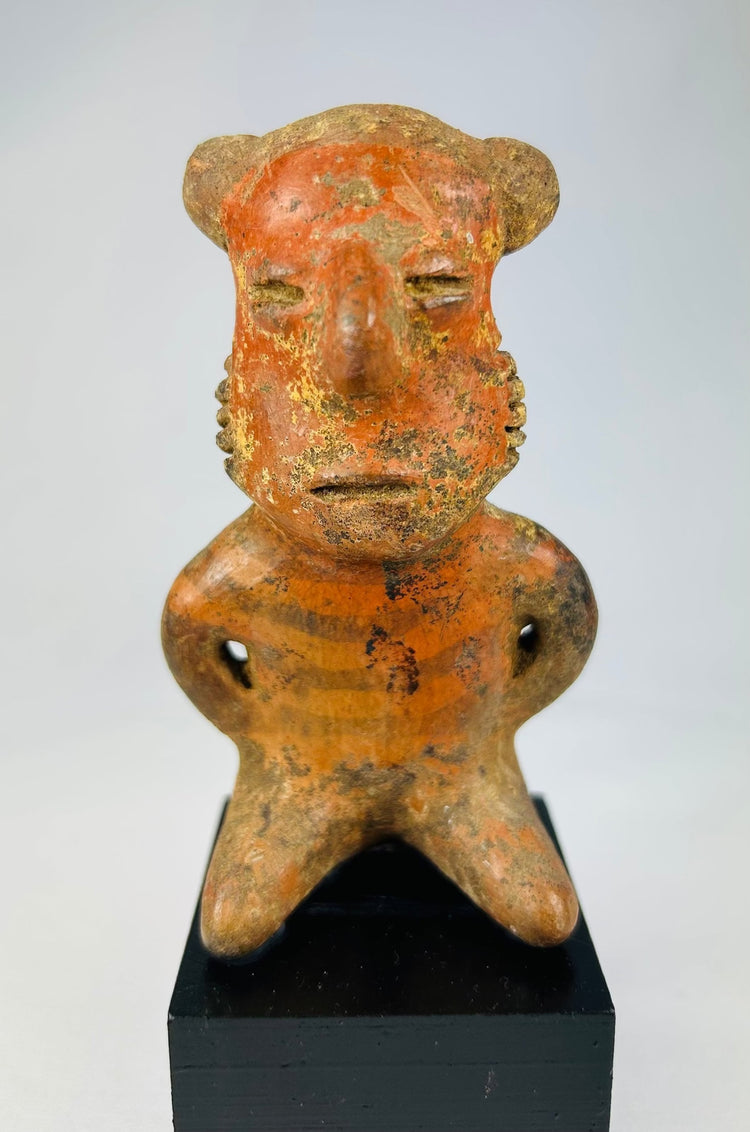
Figura de pie de terracota precolombina | Oeste de México | 300 a. C.–500 d. C.
Descripción
Más
Menos
Contexto Histórico y Origen
Región: Occidente de México (Nayarit, Colima o Jalisco)
Material: Terracota modelada a mano con restos de pigmento
Período: Precolombino, c. 300 a. C. – 500 d. C.
Descripción
Esta antigua figura de terracota representa las formas audaces y estilizadas características de la cultura de tumbas de tiro del Occidente de México. La figura está de pie con las manos apoyadas sobre la sección media, su rostro ancho y elementos de orejas perforadas añaden una presencia expresiva. Se conservan tenues rastros del pigmento original rojo-naranja, lo que realza la sensación de autenticidad y la conecta con su apariencia vibrante original. Montada sobre una base de exhibición negra personalizada, la pieza es segura para la exposición y visualmente impactante, enfatizando sus cualidades escultóricas.
Características
- Figura de terracota modelada a mano en postura de pie
- Proporciones estilizadas distintivas con rostro expresivo
- Elementos de orejas perforadas que reflejan la ornamentación regional
- Restos de pigmento original rojo-naranja conservados
- Montada sobre una base de exhibición negra personalizada
Importancia Cultural
Las figuras de este tipo eran centrales en las tradiciones funerarias del Occidente de México, colocadas en tumbas de tiro para servir como guardianes, compañeros o representaciones simbólicas de fertilidad y protección. Encarnan la conexión duradera entre los vivos y sus ancestros, al mismo tiempo que ilustran la distintiva identidad artística de la región. Hoy en día, se encuentran entre las formas de arte precolombino más icónicas y buscadas, valoradas tanto por su significado cultural como por su impacto estético.
Estado
Buen estado arqueológico. Meteorización de la superficie, pérdidas menores y decoloración del pigmento consistentes con la antigüedad y el entierro. Estable en general, montada de forma segura para su exhibición.
Dimensiones (Aproximadas)
Altura: 15.2 cm
Anchura: 5.1 cm
Profundidad: 5.1 cm
Edad (Aproximada)
1,500–2,300 años de antigüedad
Descripción
Contexto Histórico y Origen
Región: Occidente de México (Nayarit, Colima o Jalisco)
Material: Terracota modelada a mano con restos de pigmento
Período: Precolombino, c. 300 a. C. – 500 d. C.
Descripción
Esta antigua figura de terracota representa las formas audaces y estilizadas características de la cultura de tumbas de tiro del Occidente de México. La figura está de pie con las manos apoyadas sobre la sección media, su rostro ancho y elementos de orejas perforadas añaden una presencia expresiva. Se conservan tenues rastros del pigmento original rojo-naranja, lo que realza la sensación de autenticidad y la conecta con su apariencia vibrante original. Montada sobre una base de exhibición negra personalizada, la pieza es segura para la exposición y visualmente impactante, enfatizando sus cualidades escultóricas.
Características
- Figura de terracota modelada a mano en postura de pie
- Proporciones estilizadas distintivas con rostro expresivo
- Elementos de orejas perforadas que reflejan la ornamentación regional
- Restos de pigmento original rojo-naranja conservados
- Montada sobre una base de exhibición negra personalizada
Importancia Cultural
Las figuras de este tipo eran centrales en las tradiciones funerarias del Occidente de México, colocadas en tumbas de tiro para servir como guardianes, compañeros o representaciones simbólicas de fertilidad y protección. Encarnan la conexión duradera entre los vivos y sus ancestros, al mismo tiempo que ilustran la distintiva identidad artística de la región. Hoy en día, se encuentran entre las formas de arte precolombino más icónicas y buscadas, valoradas tanto por su significado cultural como por su impacto estético.
Estado
Buen estado arqueológico. Meteorización de la superficie, pérdidas menores y decoloración del pigmento consistentes con la antigüedad y el entierro. Estable en general, montada de forma segura para su exhibición.
Dimensiones (Aproximadas)
Altura: 15.2 cm
Anchura: 5.1 cm
Profundidad: 5.1 cm
Edad (Aproximada)
1,500–2,300 años de antigüedad
También te puede interesar
