



Precolombino | Veracruzano | Figura doble | Efigie de cerámica | Circa 300 a. C.–600 d. C.
- Precio habitual
- $400.00
- Precio de venta
- $400.00
- Precio habitual
No se pudo cargar la disponibilidad de retiro


Precolombino | Veracruzano | Figura doble | Efigie de cerámica | Circa 300 a. C.–600 d. C.
Descripción
Más
Menos
Contexto histórico y origen
Región: Veracruz, Mesoamérica
Material: Arcilla de loza
Periodo: Preclásico tardío al Clásico temprano, aproximadamente 300 a. C. - 600 d. C.
Descripción
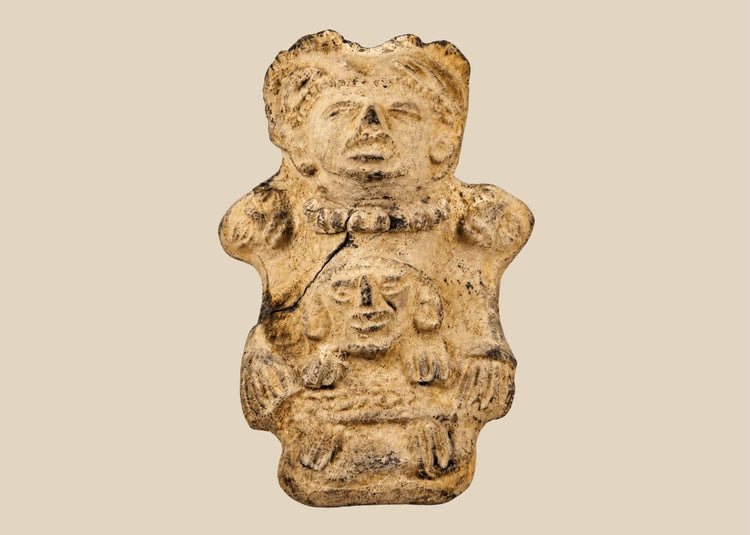
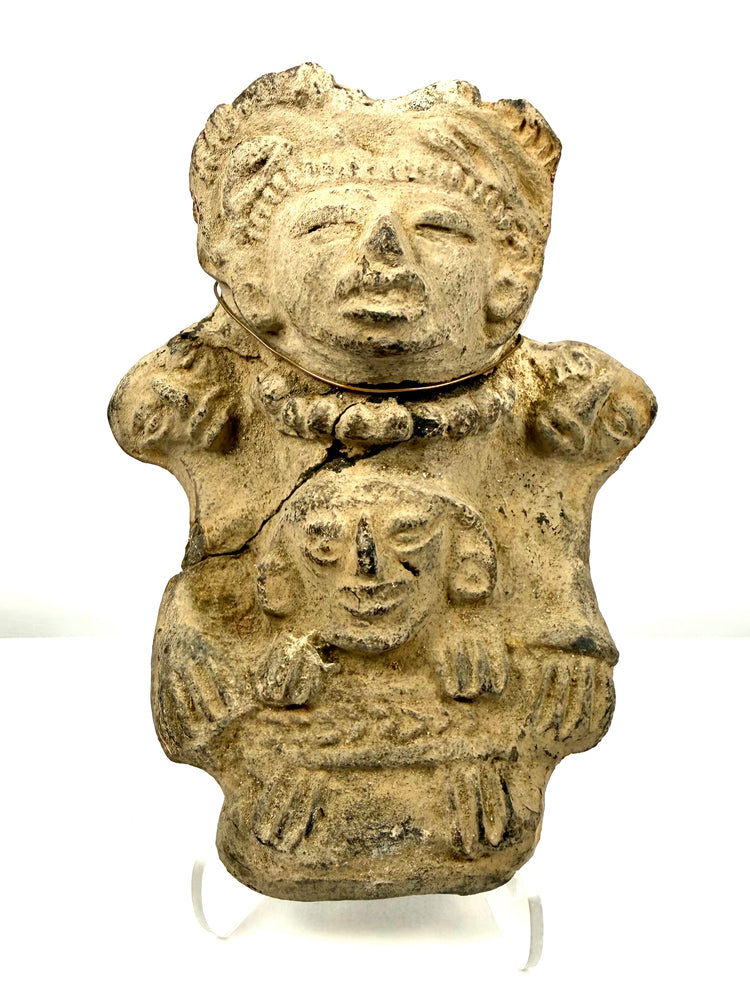
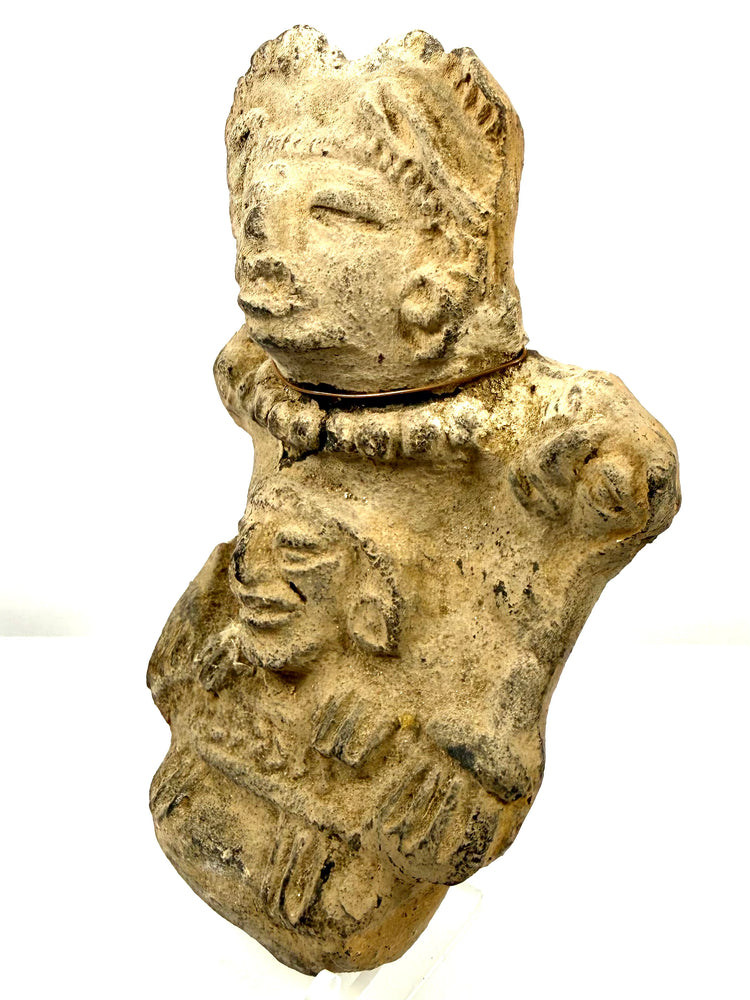
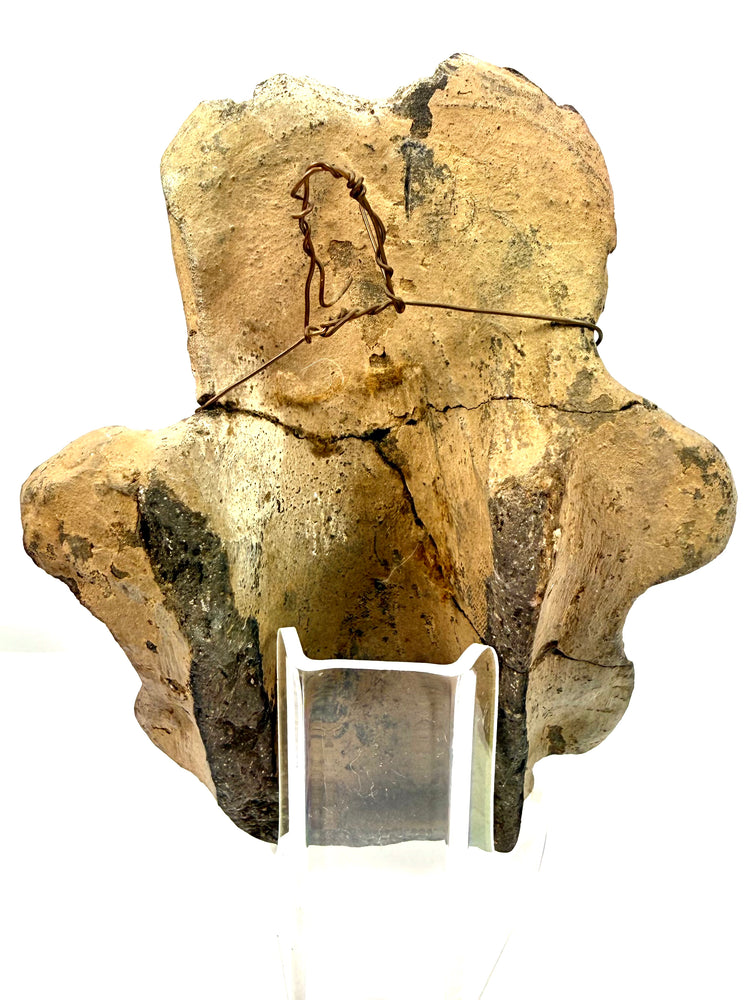
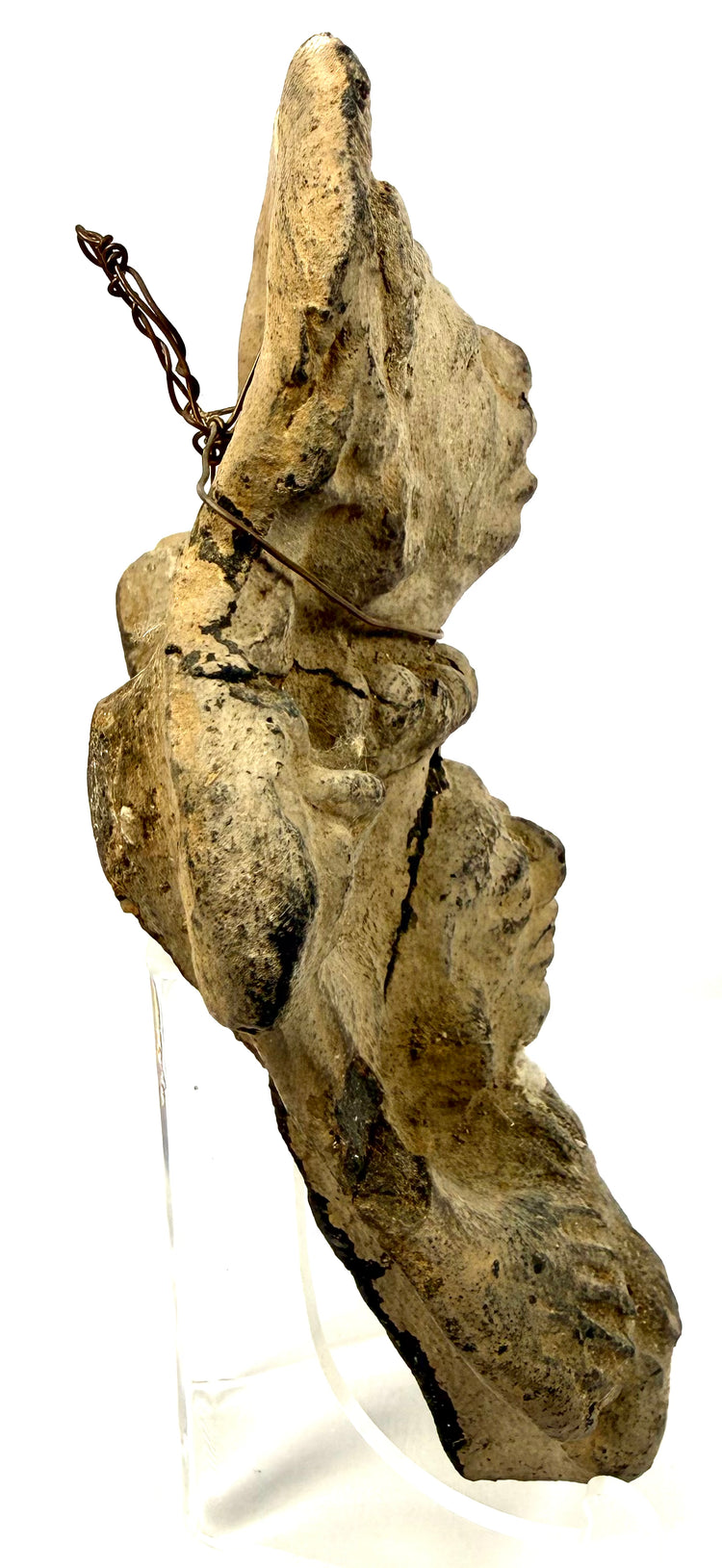
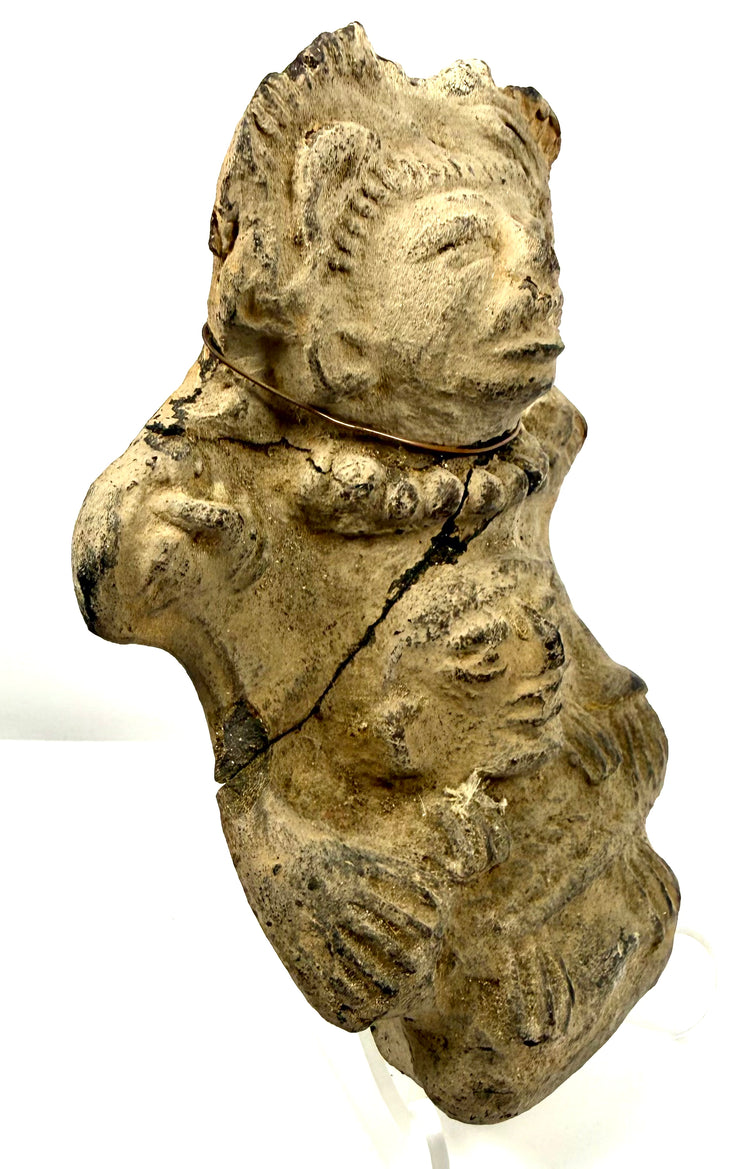
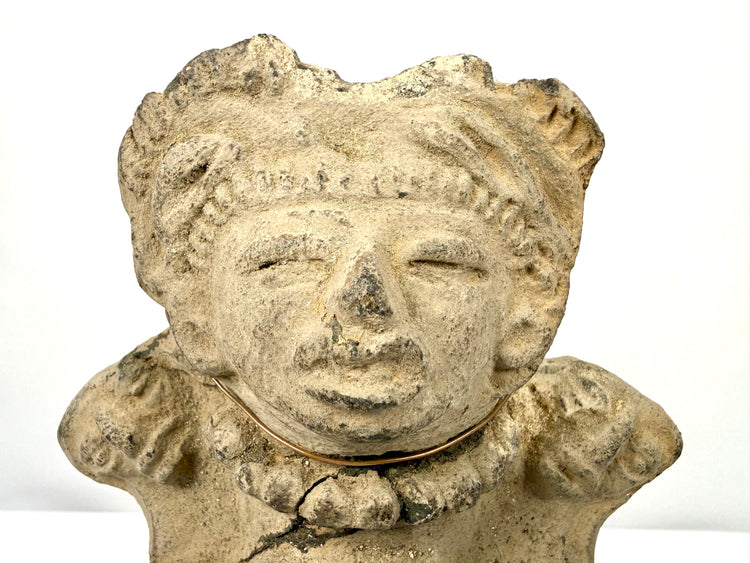
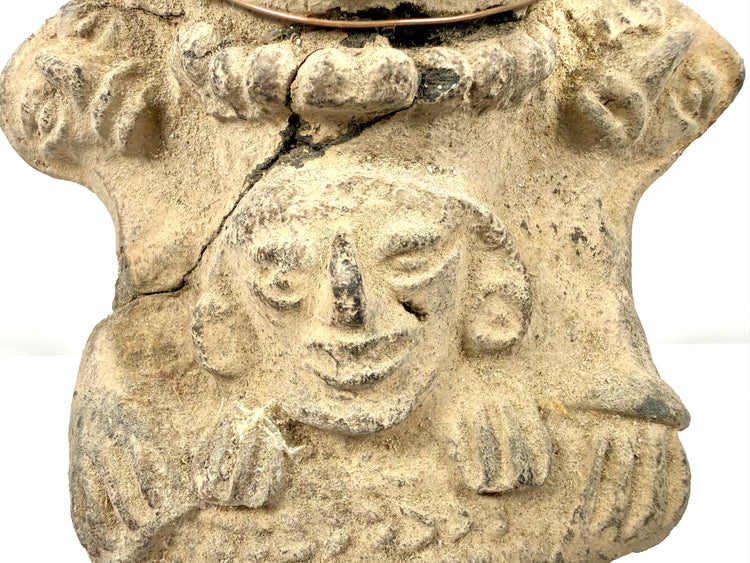
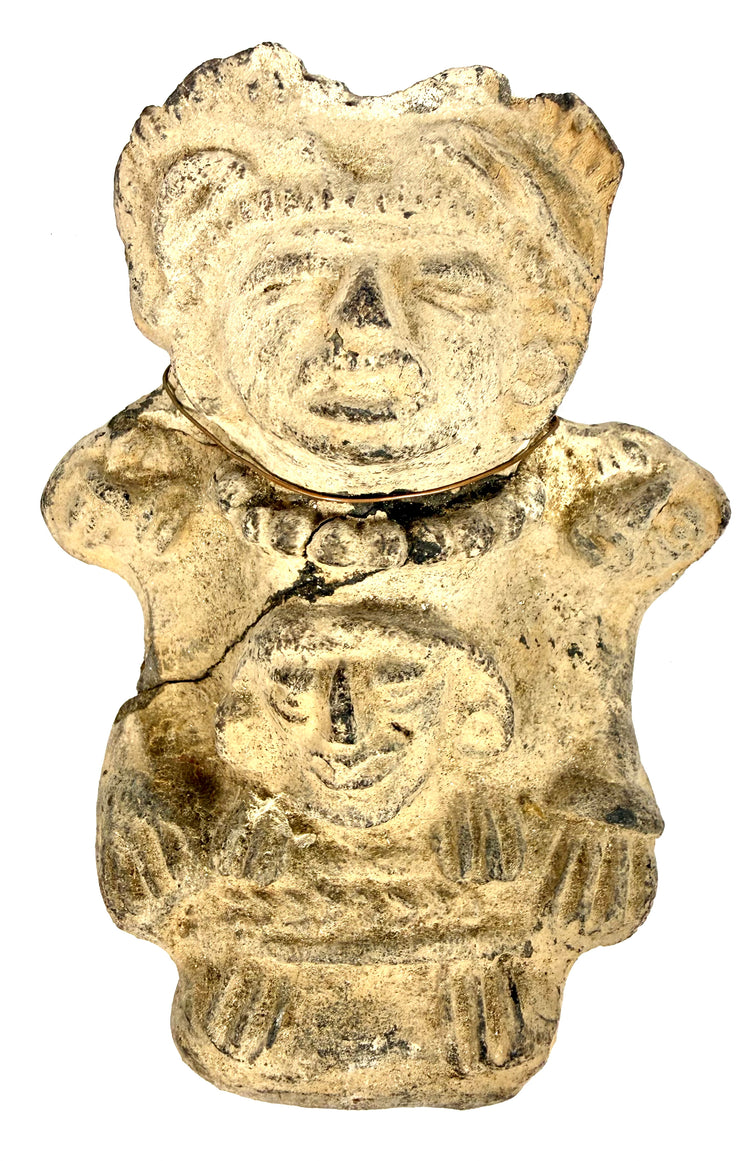
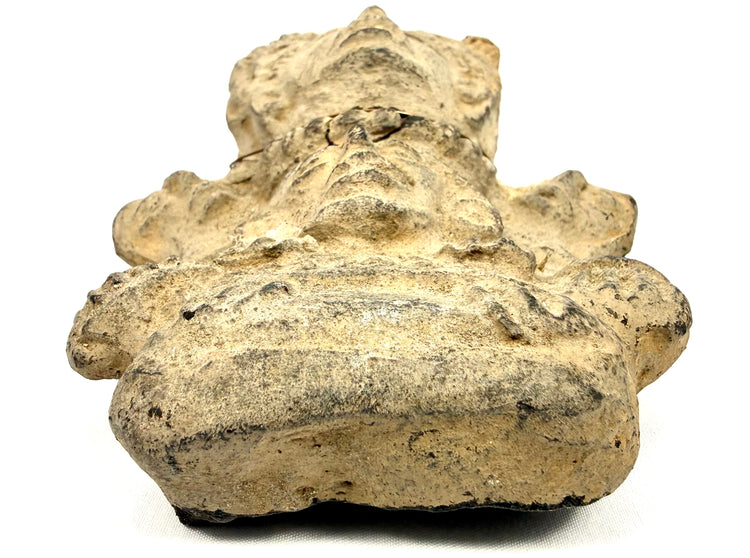
Esta excepcional efigie precolombina de la cultura de Veracruz presenta una composición de doble figura, elaborada con arte expresivo y profundidad simbólica. La pieza presenta dos figuras apiladas, una disposición distintiva que transmite relaciones jerárquicas o espirituales. La figura superior está adornada con un elaborado tocado y un collar de cuentas, que probablemente representa una deidad o una figura ceremonial de alto estatus. La figura inferior, sentada simétricamente, puede simbolizar una ofrenda subordinada o espiritual, reforzando temas de jerarquía ritual.
Ambas figuras están representadas con detalles faciales, vestimentas y adornos finamente incisos, lo que demuestra la maestría técnica de los alfareros de Veracruz. A pesar de su antigüedad, la efigie conserva una notable definición en sus rasgos, con rastros visibles de uso ritual y depósitos terrosos que realzan su autenticidad.
Características
- Composición de doble figura con narrativa simbólica apilada
- Figura superior con elaborado tocado y collar de cuentas
- Figura inferior sentada que representa temas ceremoniales o espirituales
- Detalles faciales y vestimenta detallados, que reflejan la sofisticación artística de Veracruz
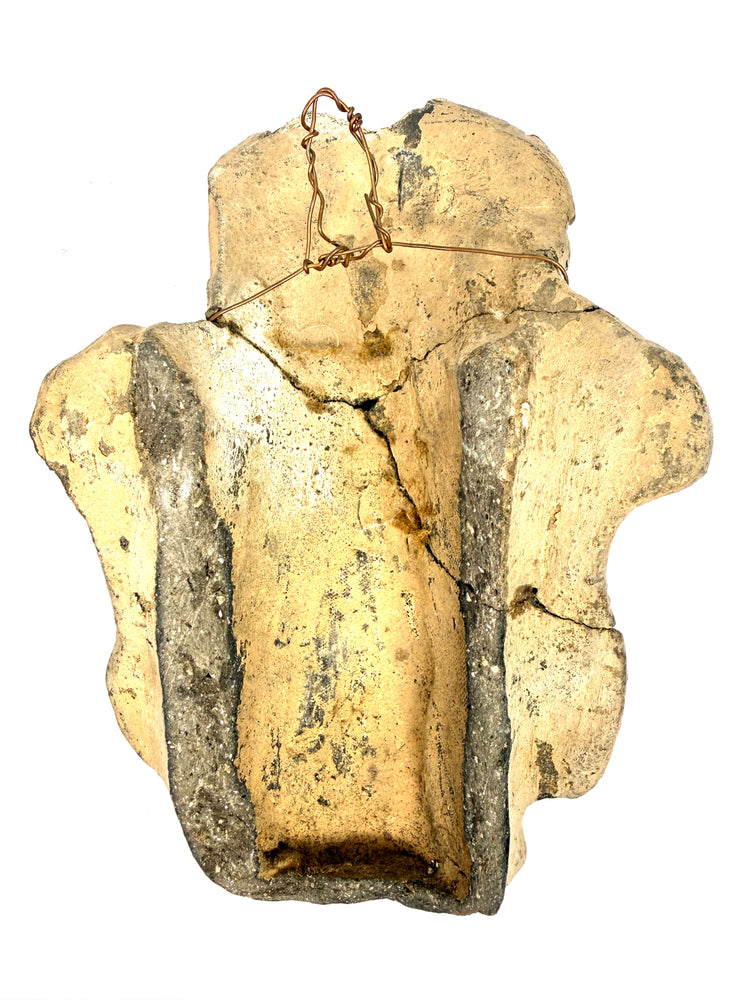
- Estable con grietas superficiales profesionalmente conservadas
Importancia cultural
Las cerámicas de Veracruz son célebres por su mezcla de realismo y simbolismo, a menudo ligadas a ritos religiosos y funerarios. Efigies como esta habrían desempeñado un papel importante en contextos ceremoniales, ya sea como ofrendas o como representaciones rituales de la interacción divina y humana. La forma apilada puede simbolizar cosmologías en capas —vinculando los reinos terrenal y espiritual— o reflejar estructuras jerárquicas dentro de la sociedad de Veracruz.
Estado
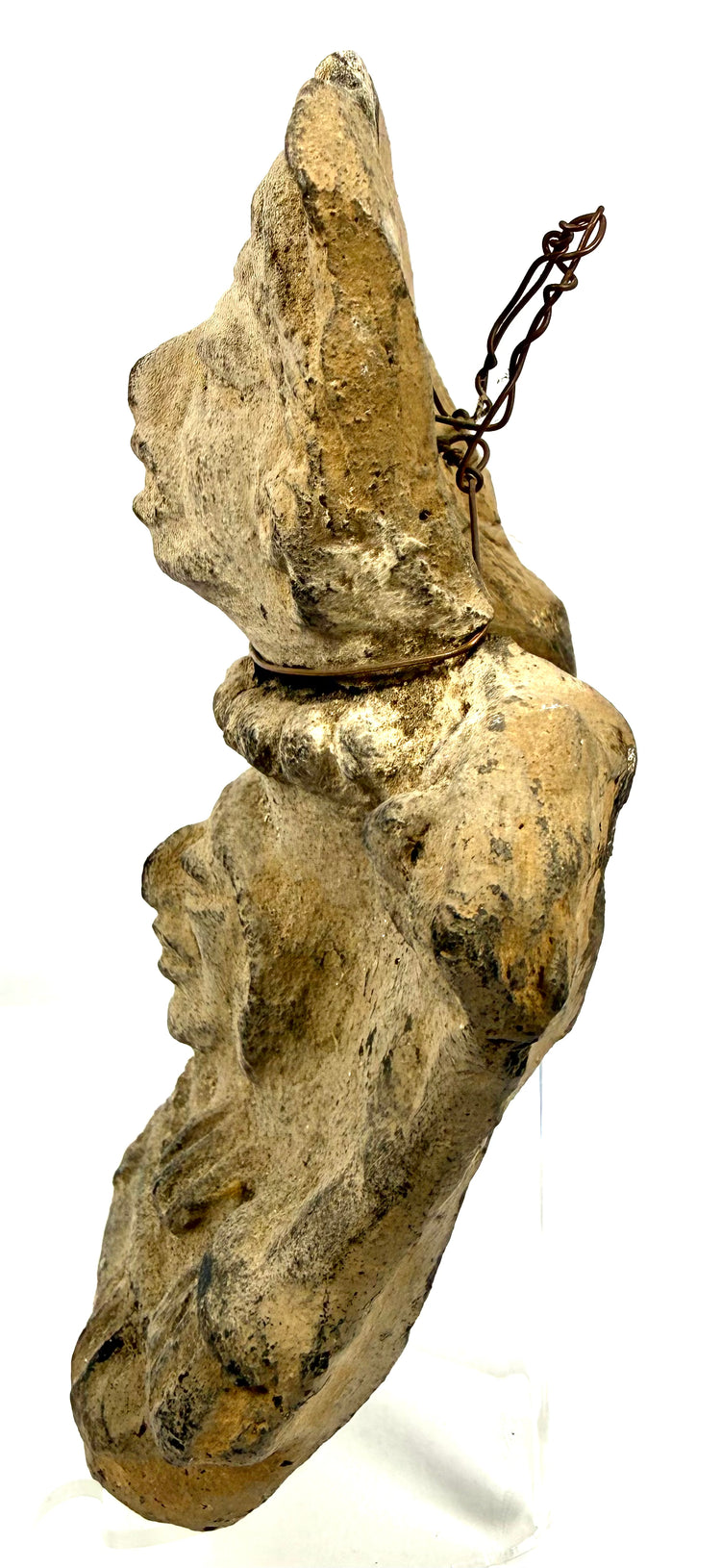
Buen estado arqueológico. La efigie presenta desgaste superficial relacionado con la edad, incluidas grietas estabilizadas, manteniendo la estabilidad estructural. Se mantienen presentes depósitos minerales y pátina de entierro, lo que afirma su antigüedad.
Dimensiones (aproximadas)
Altura: 6 pulgadas
Edad (aproximada)
1.400–2.300 años de antigüedad
Procedencia
Anteriormente en una colección privada en New Haven, Connecticut, EE. UU.
Obtenga más información
Estudie la historia y las tradiciones de la cultura de Veracruz en Houston Institute for Culture
Explore nuestra colección de artefactos precolombinos
Descripción
Contexto histórico y origen
Región: Veracruz, Mesoamérica
Material: Arcilla de loza
Periodo: Preclásico tardío al Clásico temprano, aproximadamente 300 a. C. - 600 d. C.
Descripción
Esta excepcional efigie precolombina de la cultura de Veracruz presenta una composición de doble figura, elaborada con arte expresivo y profundidad simbólica. La pieza presenta dos figuras apiladas, una disposición distintiva que transmite relaciones jerárquicas o espirituales. La figura superior está adornada con un elaborado tocado y un collar de cuentas, que probablemente representa una deidad o una figura ceremonial de alto estatus. La figura inferior, sentada simétricamente, puede simbolizar una ofrenda subordinada o espiritual, reforzando temas de jerarquía ritual.
Ambas figuras están representadas con detalles faciales, vestimentas y adornos finamente incisos, lo que demuestra la maestría técnica de los alfareros de Veracruz. A pesar de su antigüedad, la efigie conserva una notable definición en sus rasgos, con rastros visibles de uso ritual y depósitos terrosos que realzan su autenticidad.
Características
- Composición de doble figura con narrativa simbólica apilada
- Figura superior con elaborado tocado y collar de cuentas
- Figura inferior sentada que representa temas ceremoniales o espirituales
- Detalles faciales y vestimenta detallados, que reflejan la sofisticación artística de Veracruz
- Estable con grietas superficiales profesionalmente conservadas
Importancia cultural
Las cerámicas de Veracruz son célebres por su mezcla de realismo y simbolismo, a menudo ligadas a ritos religiosos y funerarios. Efigies como esta habrían desempeñado un papel importante en contextos ceremoniales, ya sea como ofrendas o como representaciones rituales de la interacción divina y humana. La forma apilada puede simbolizar cosmologías en capas —vinculando los reinos terrenal y espiritual— o reflejar estructuras jerárquicas dentro de la sociedad de Veracruz.
Estado
Buen estado arqueológico. La efigie presenta desgaste superficial relacionado con la edad, incluidas grietas estabilizadas, manteniendo la estabilidad estructural. Se mantienen presentes depósitos minerales y pátina de entierro, lo que afirma su antigüedad.
Dimensiones (aproximadas)
Altura: 6 pulgadas
Edad (aproximada)
1.400–2.300 años de antigüedad
Procedencia
Anteriormente en una colección privada en New Haven, Connecticut, EE. UU.
Obtenga más información
Estudie la historia y las tradiciones de la cultura de Veracruz en Houston Institute for Culture
Explore nuestra colección de artefactos precolombinos
También te puede interesar
