

Figura de terracota sedente con tocado, precolombina, oeste de México | Circa 300 a. C. – 300 d. C.
- Precio habitual
- $300.00
- Precio de venta
- $300.00
- Precio habitual
No se pudo cargar la disponibilidad de retiro


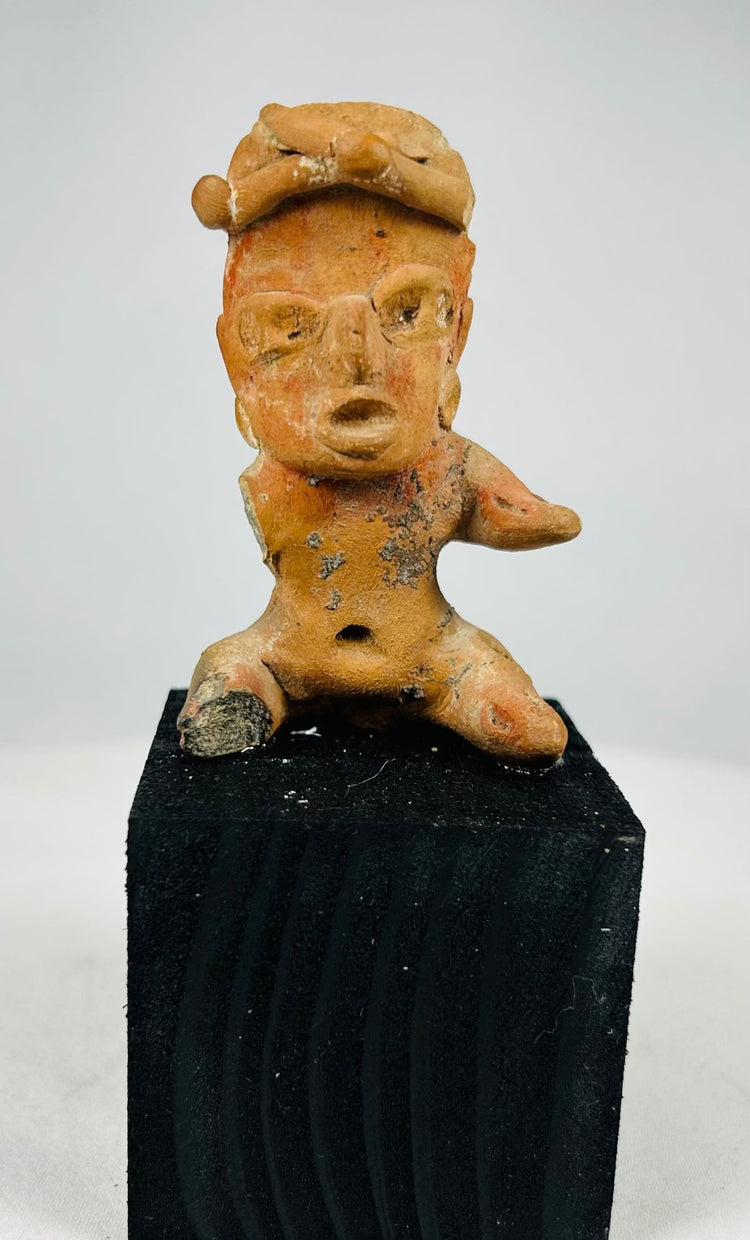
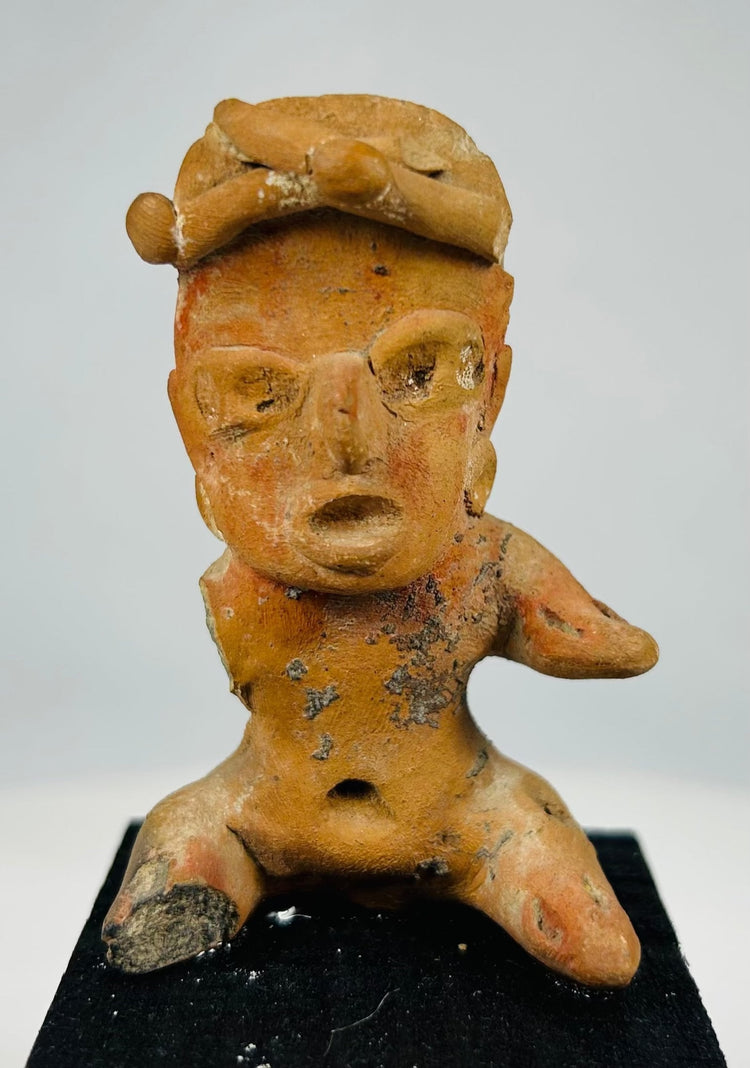
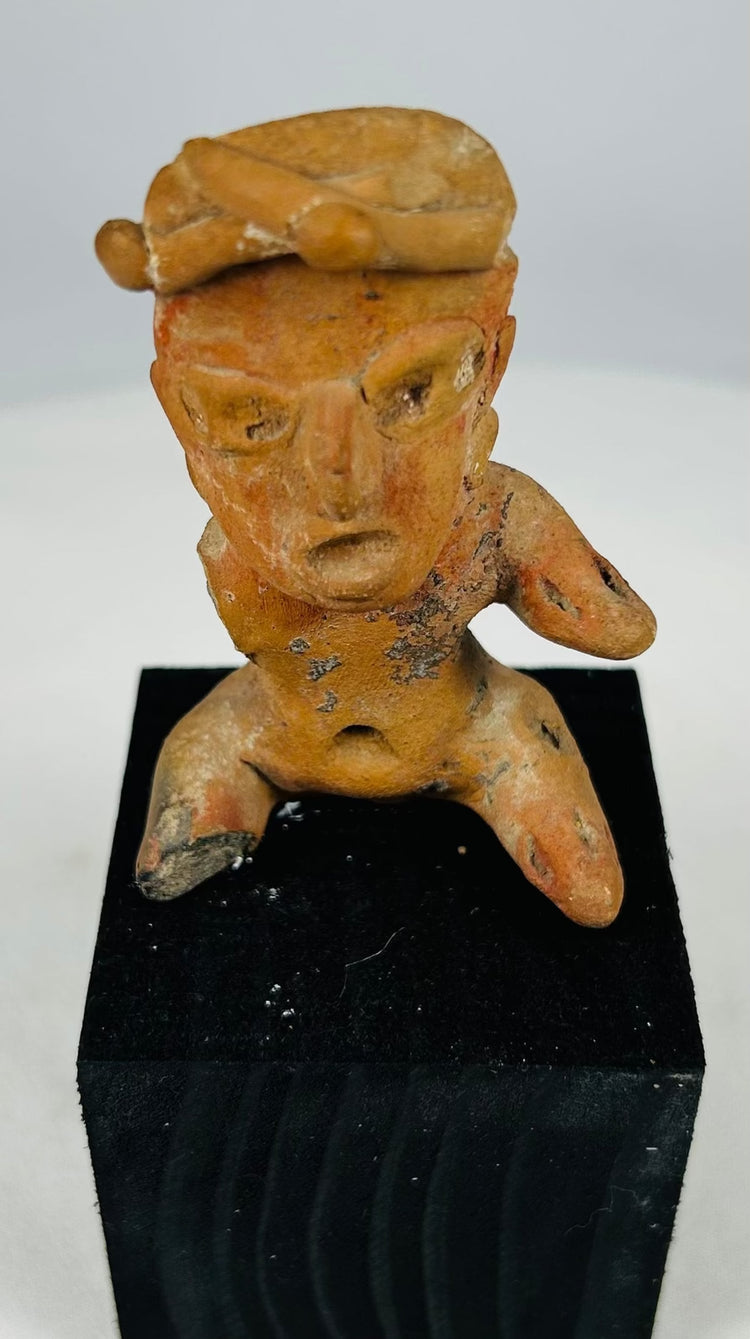
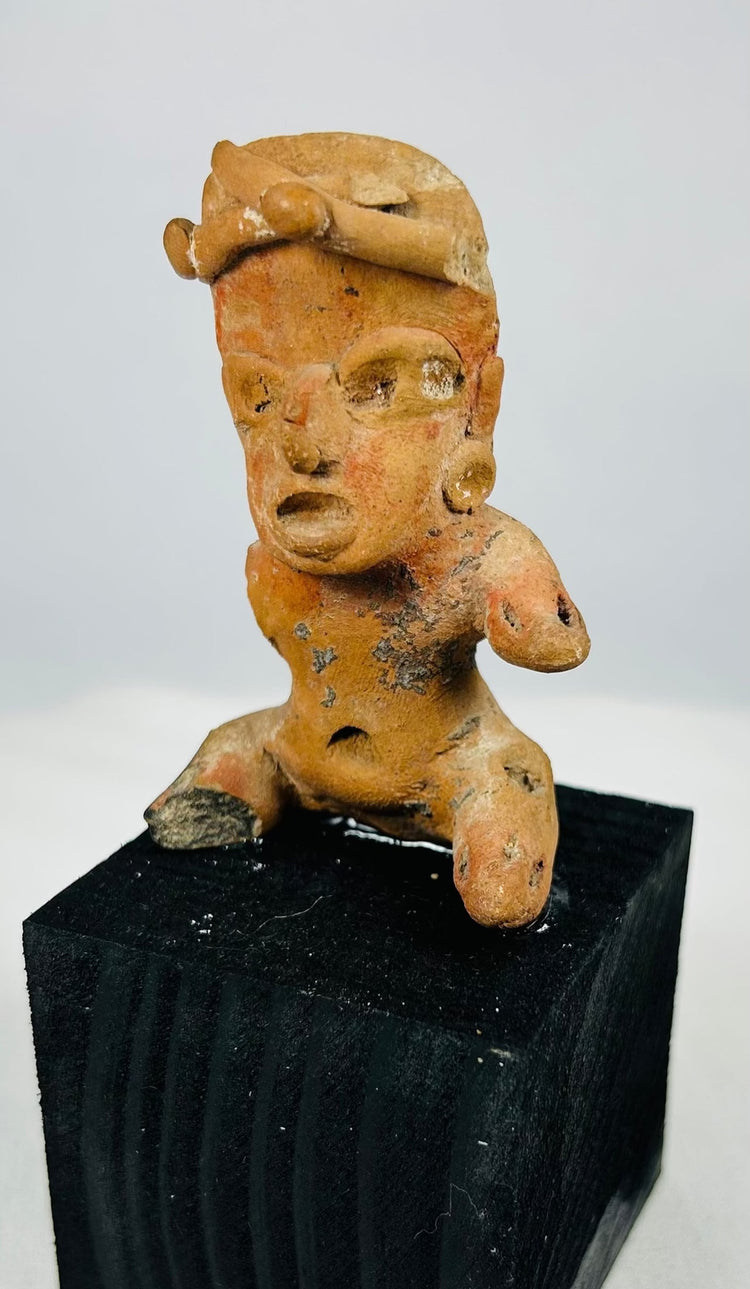
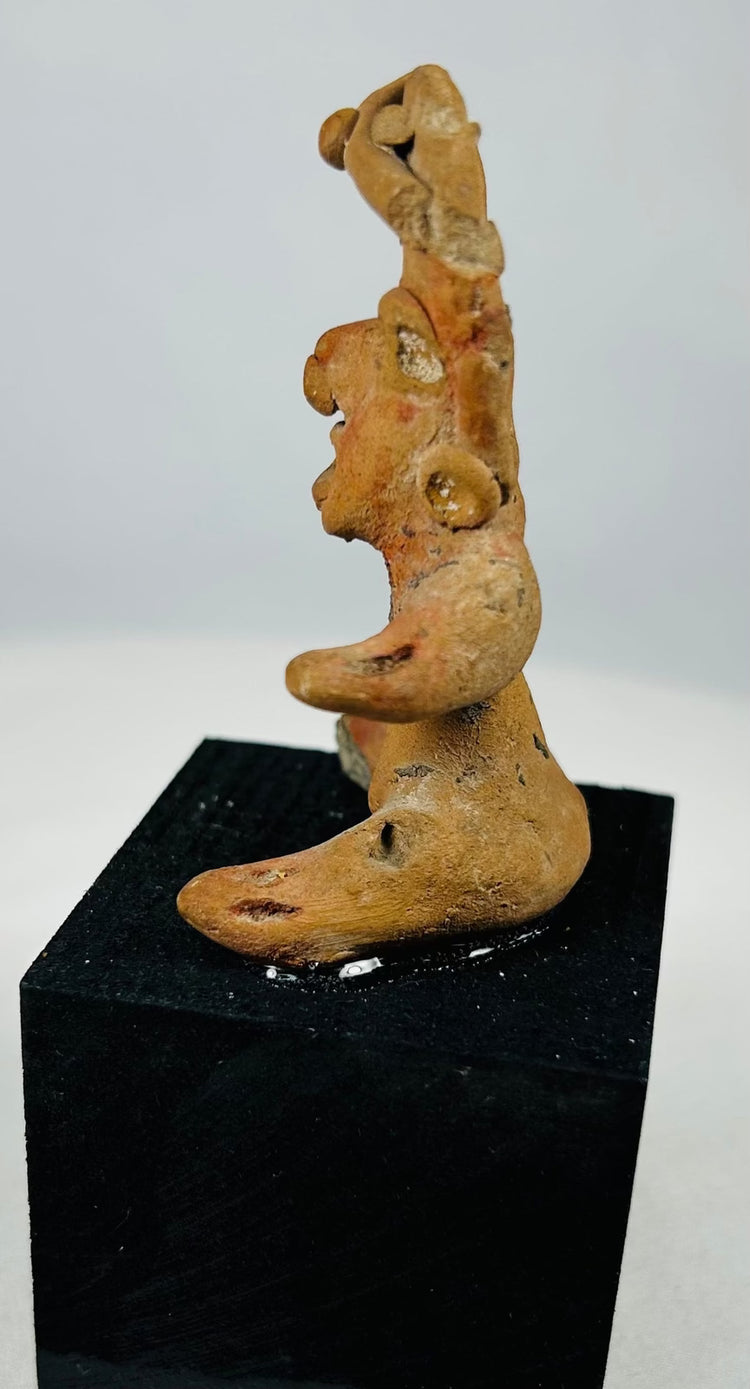
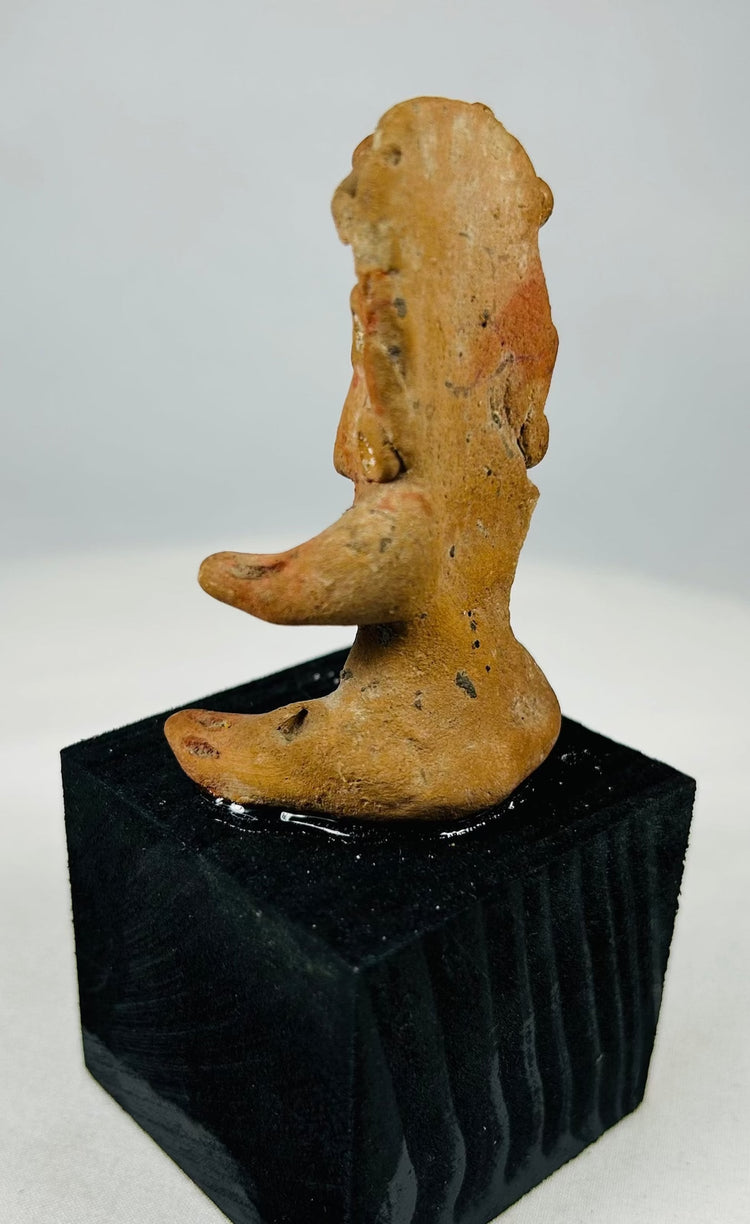
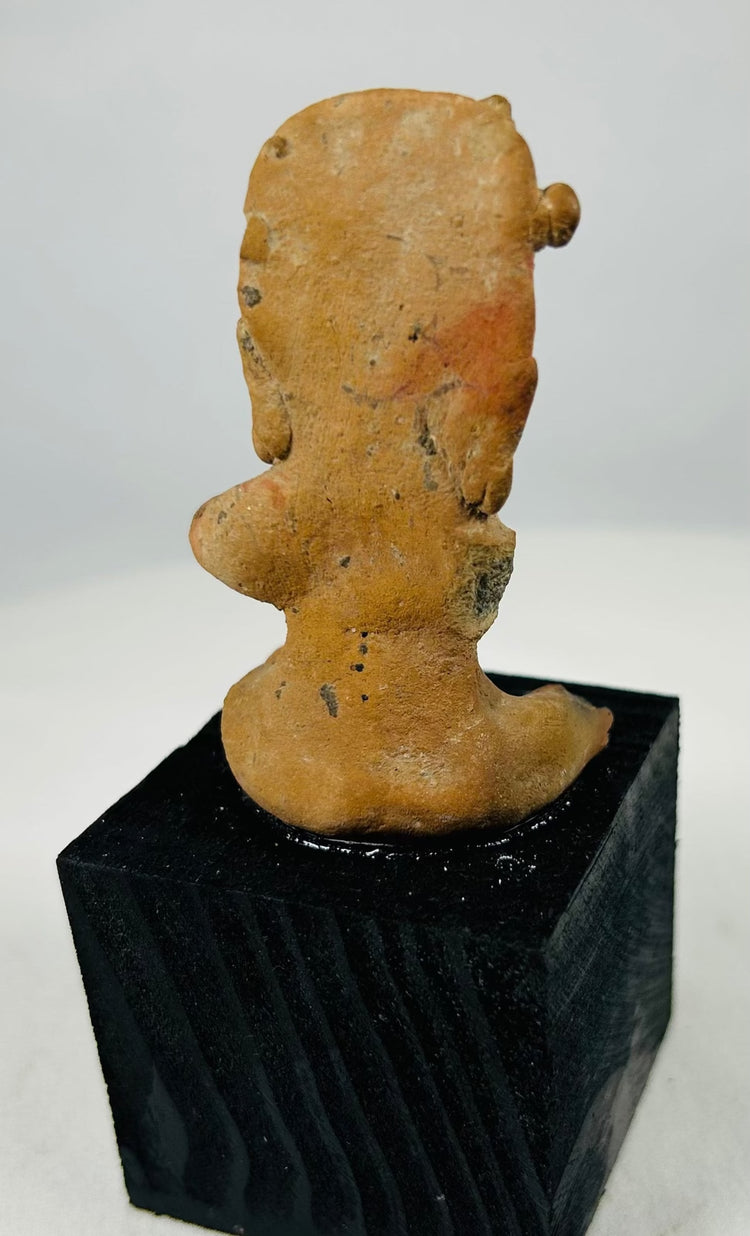
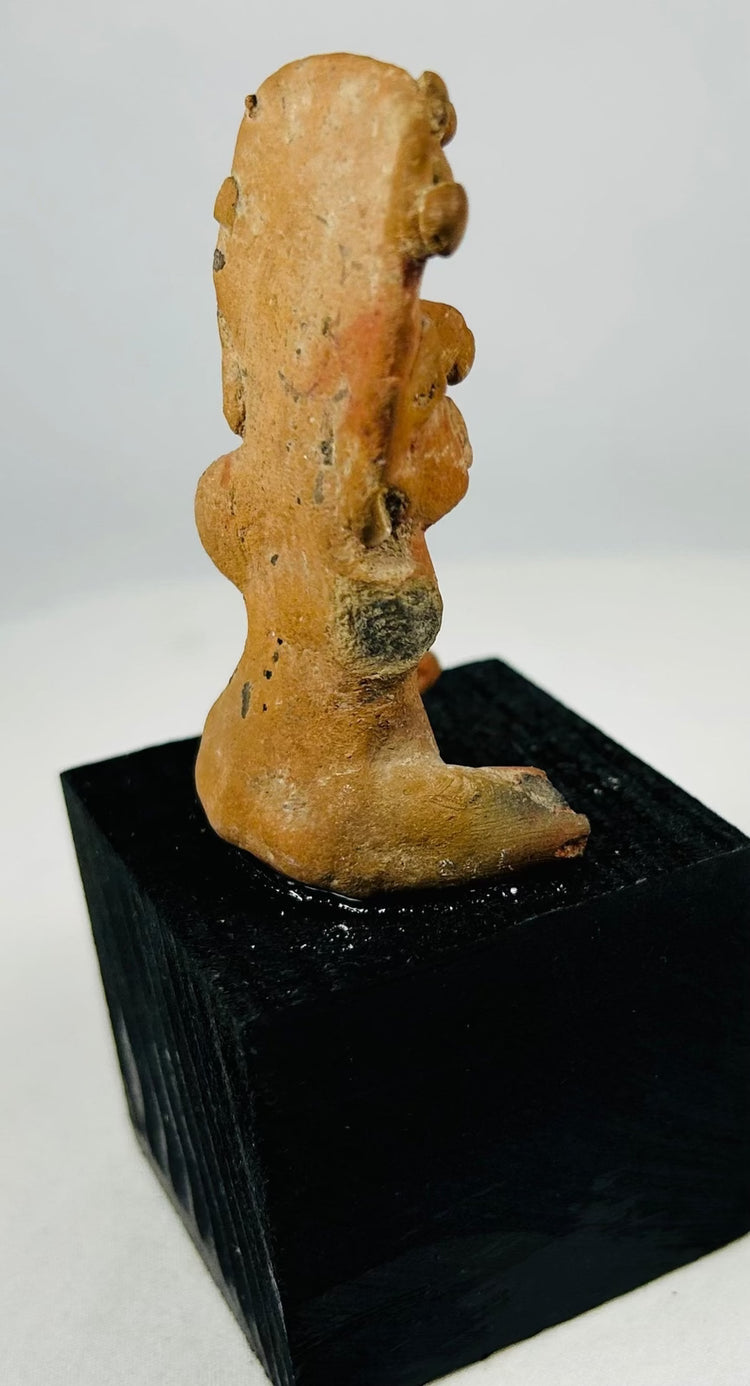
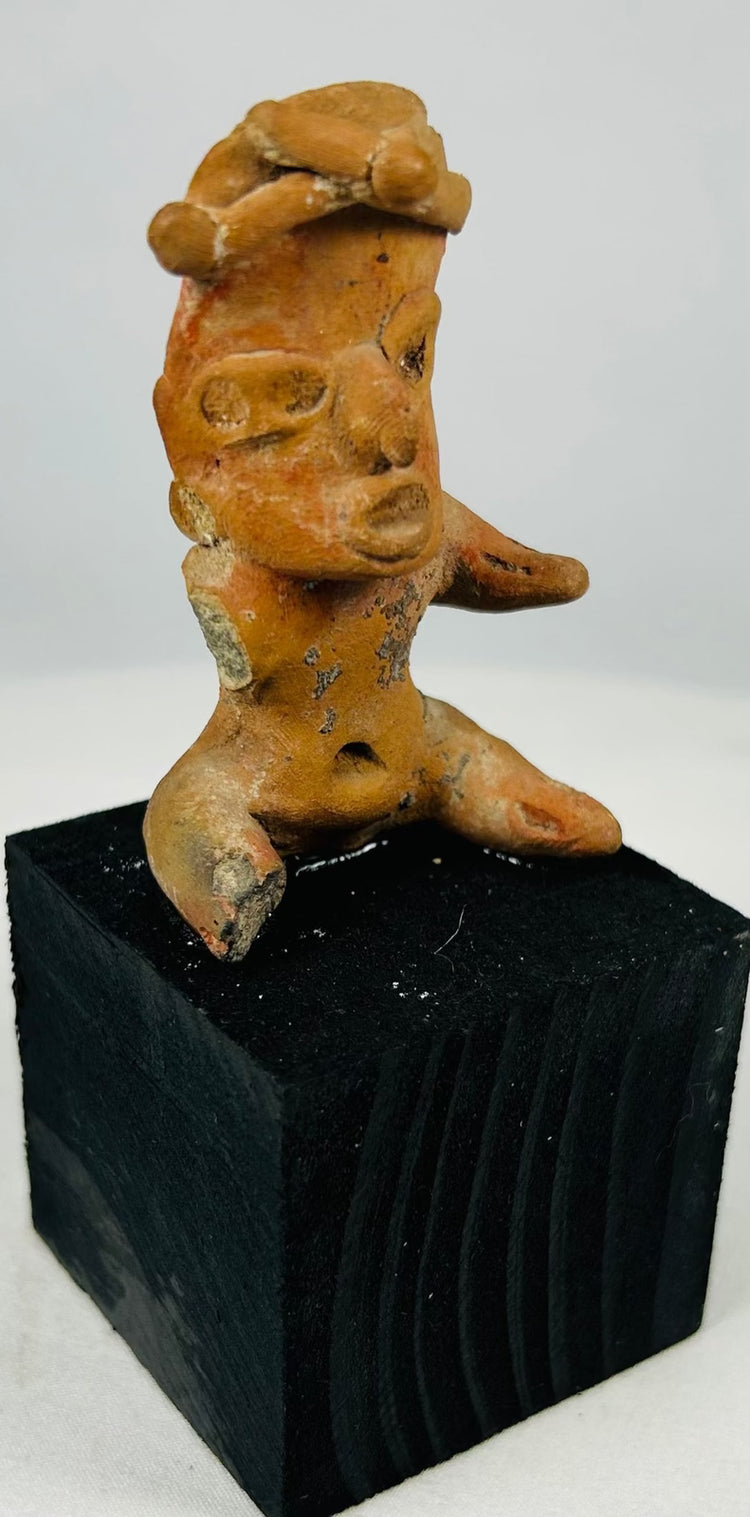
Figura de terracota sedente con tocado, precolombina, oeste de México | Circa 300 a. C. – 300 d. C.
Descripción
Más
Menos
Contexto Histórico y Origen
Región: México Occidental, Mesoamérica Precolombina
Material: Arcilla de terracota modelada a mano con restos de pigmento original
Período: Circa 300 a. C. – 300 d. C.
Descripción
Una figura de terracota sedente finamente esculpida del antiguo México Occidental, que representa una forma humana estilizada con rasgos faciales expresivos y un tocado prominente. La figura muestra el modelado audaz característico, las orejas perforadas y la presencia vivaz asociadas con las culturas de tumbas de tiro como Nayarit o Jalisco. Sutiles restos de pigmento superficial rojo/naranja antiguo permanecen visibles, ofreciendo un atisbo de su vibrante originalidad ceremonial.
Características
- Rostro estilizado distintivo con boca abierta y cejas definidas
- Adorno/tocado prominente en la cabeza
- Postura sedente tradicional
- Adornos de oreja perforados
- Restos de pigmento superficial original y incrustaciones de entierro
Significado Cultural
Figuras como esta se colocaban tradicionalmente en entierros de élite, simbolizando estatus, identidad ritual, presencia ancestral o guardianía espiritual. Hoy en día son poderosos testimonios de los sistemas de creencias, la identidad comunitaria y la expresión artística en el antiguo México Occidental.
Condición
Desgaste arqueológico esperado consistente con la edad. Pérdida de un brazo y una pierna, áreas de desconchado superficial, incrustaciones menores y depósitos de tierra del contexto de entierro. Estable y bien presentada sobre una base de exhibición personalizada.
Dimensiones (Aproximadas)
Altura: 4.75 pulgadas
Edad (Aproximada)
1,700–2,300 años de antigüedad
Procedencia
De una colección privada en Ottawa, Ontario. El propietario fue un coleccionista de arte y artefactos precolombinos de toda la vida que viajó extensamente por Sudamérica. Tras su fallecimiento, la colección fue liquidada por la familia.
Más información
Explore la escultura del antiguo México Occidental en el Museo Metropolitano de Arte
Descubra nuestra Colección de Artefactos y Reliquias Precolombinas Antiguas de Relic & Rarity
Descripción
Contexto Histórico y Origen
Región: México Occidental, Mesoamérica Precolombina
Material: Arcilla de terracota modelada a mano con restos de pigmento original
Período: Circa 300 a. C. – 300 d. C.
Descripción
Una figura de terracota sedente finamente esculpida del antiguo México Occidental, que representa una forma humana estilizada con rasgos faciales expresivos y un tocado prominente. La figura muestra el modelado audaz característico, las orejas perforadas y la presencia vivaz asociadas con las culturas de tumbas de tiro como Nayarit o Jalisco. Sutiles restos de pigmento superficial rojo/naranja antiguo permanecen visibles, ofreciendo un atisbo de su vibrante originalidad ceremonial.
Características
- Rostro estilizado distintivo con boca abierta y cejas definidas
- Adorno/tocado prominente en la cabeza
- Postura sedente tradicional
- Adornos de oreja perforados
- Restos de pigmento superficial original y incrustaciones de entierro
Significado Cultural
Figuras como esta se colocaban tradicionalmente en entierros de élite, simbolizando estatus, identidad ritual, presencia ancestral o guardianía espiritual. Hoy en día son poderosos testimonios de los sistemas de creencias, la identidad comunitaria y la expresión artística en el antiguo México Occidental.
Condición
Desgaste arqueológico esperado consistente con la edad. Pérdida de un brazo y una pierna, áreas de desconchado superficial, incrustaciones menores y depósitos de tierra del contexto de entierro. Estable y bien presentada sobre una base de exhibición personalizada.
Dimensiones (Aproximadas)
Altura: 4.75 pulgadas
Edad (Aproximada)
1,700–2,300 años de antigüedad
Procedencia
De una colección privada en Ottawa, Ontario. El propietario fue un coleccionista de arte y artefactos precolombinos de toda la vida que viajó extensamente por Sudamérica. Tras su fallecimiento, la colección fue liquidada por la familia.
Más información
Explore la escultura del antiguo México Occidental en el Museo Metropolitano de Arte
Descubra nuestra Colección de Artefactos y Reliquias Precolombinas Antiguas de Relic & Rarity
También te puede interesar
