



Cabeza de terracota de la antigua India | Escultura de arcilla roja del período Shunga | Hacia los siglos II-I a. C.
- Precio habitual
- $400.00
- Precio de venta
- $400.00
- Precio habitual
No se pudo cargar la disponibilidad de retiro


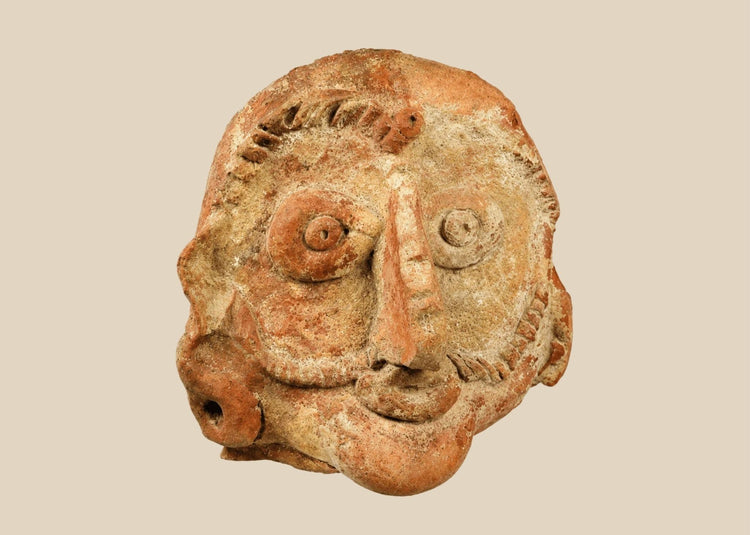
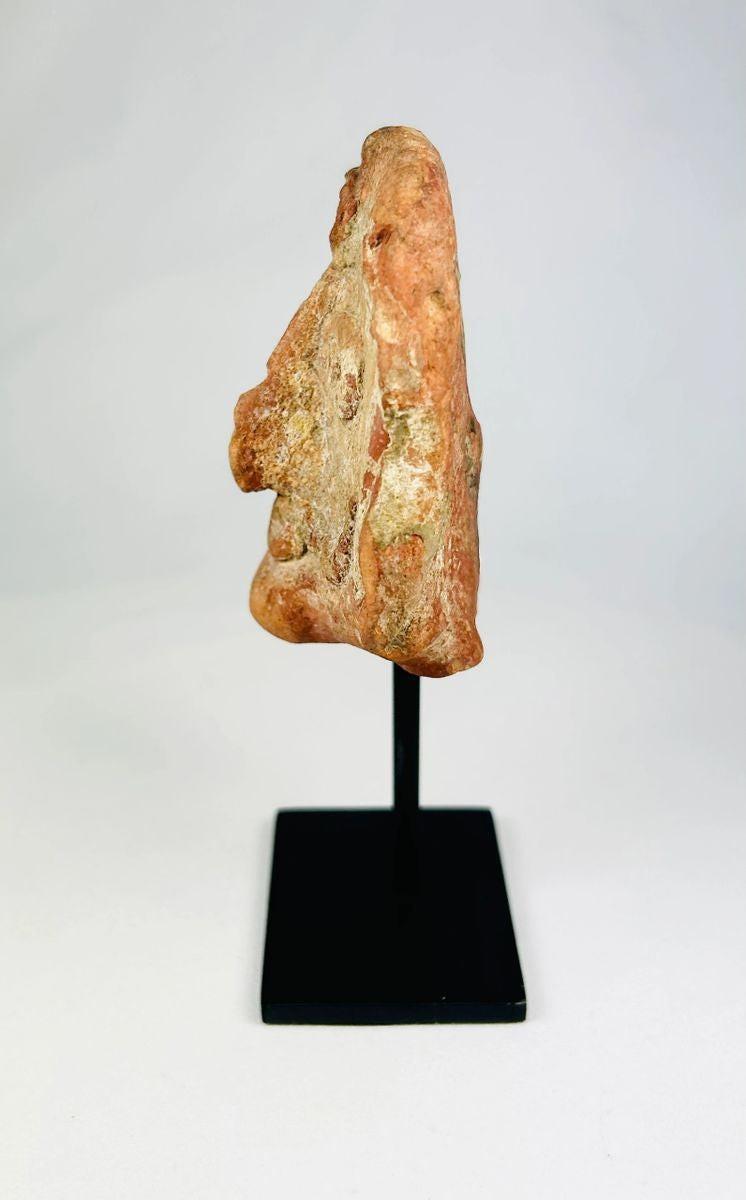
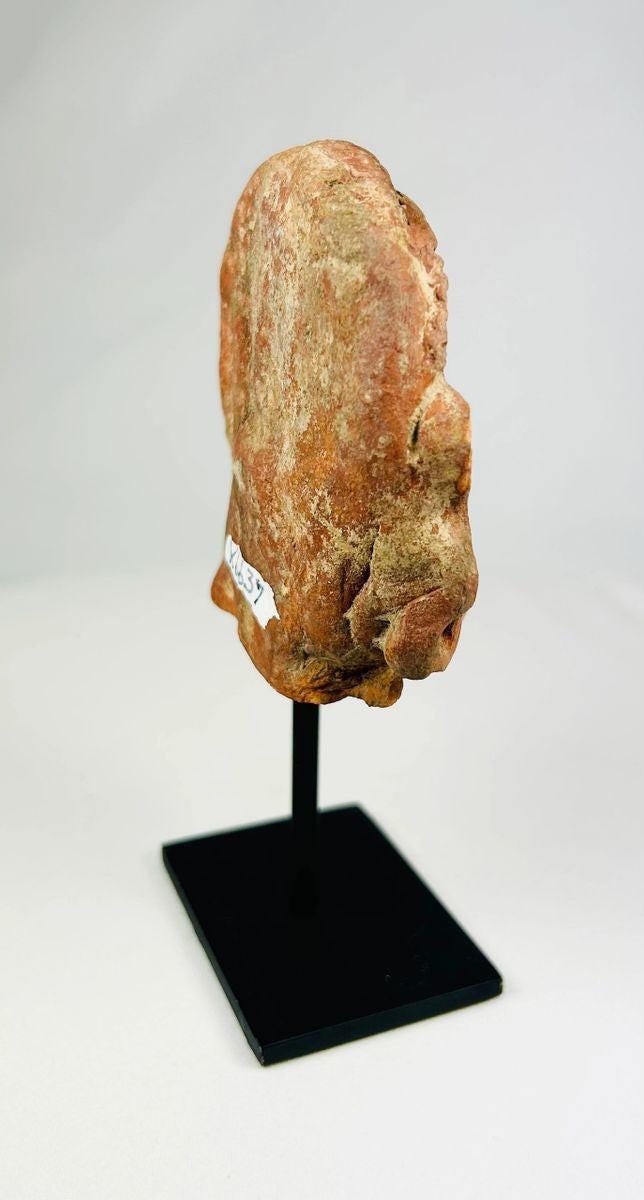
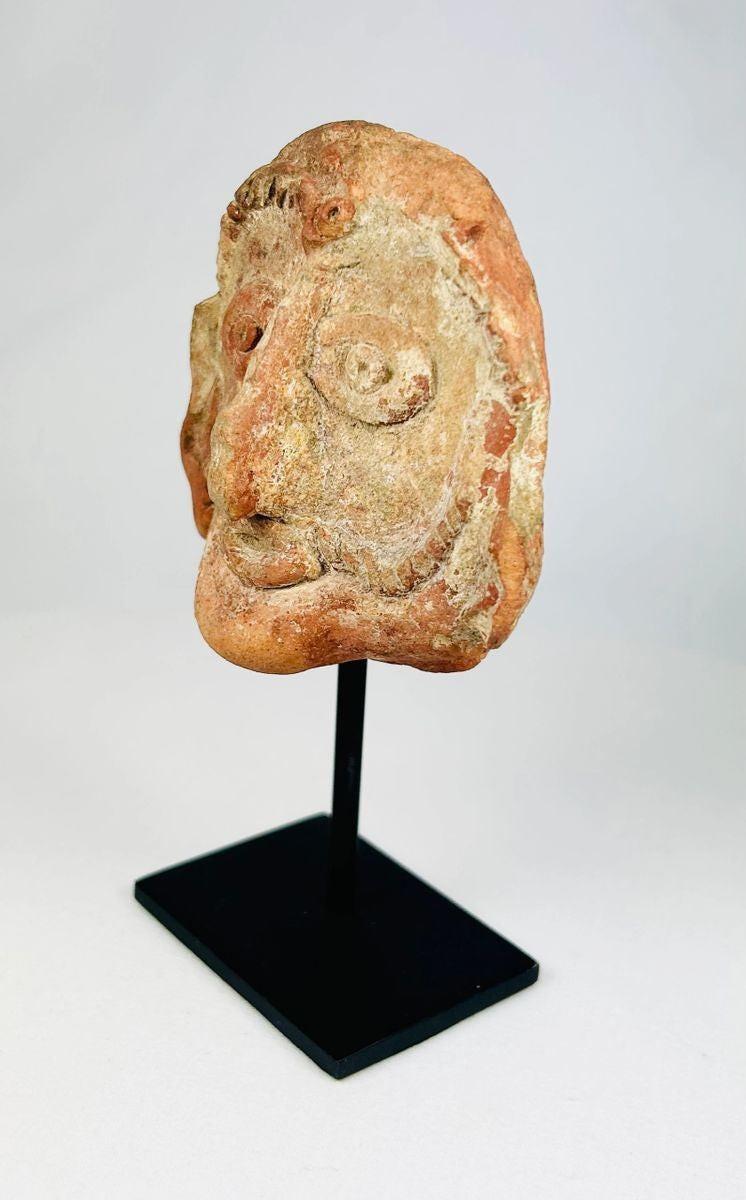
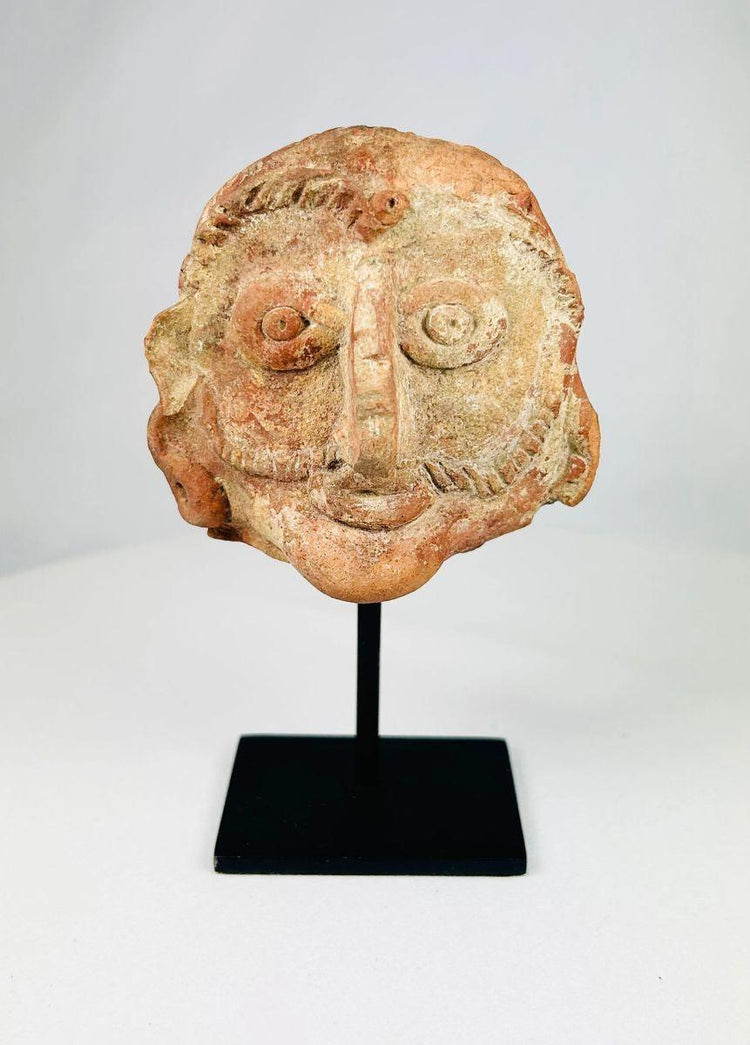
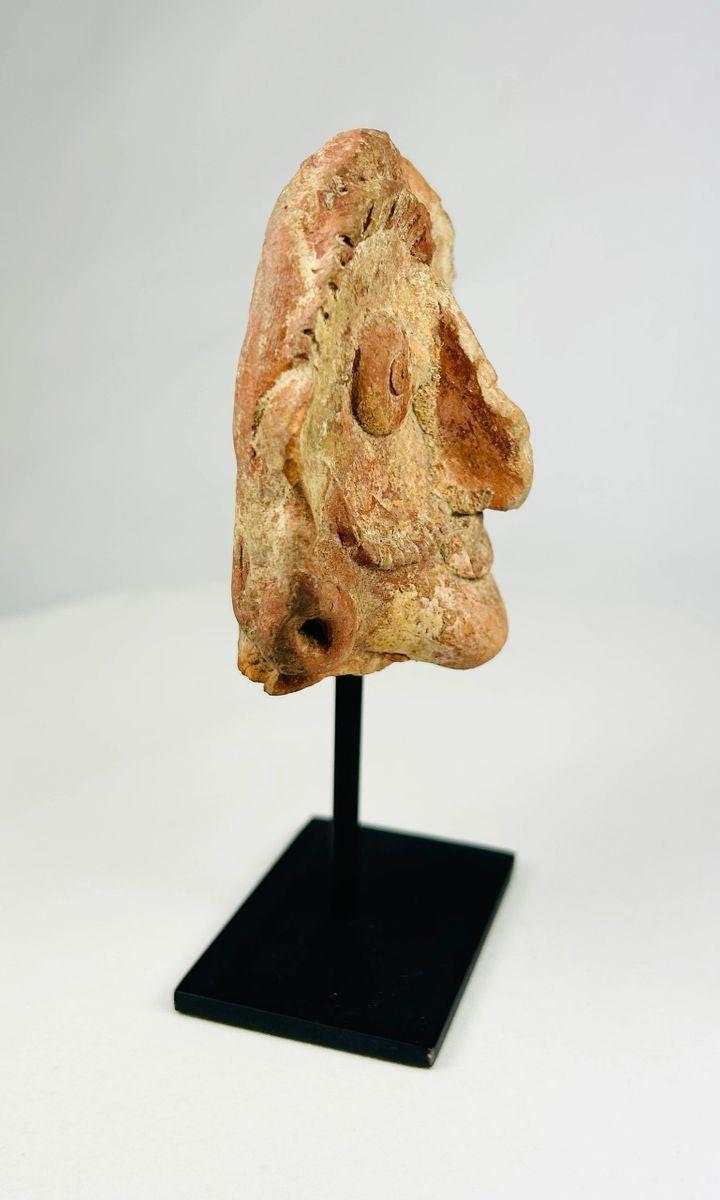
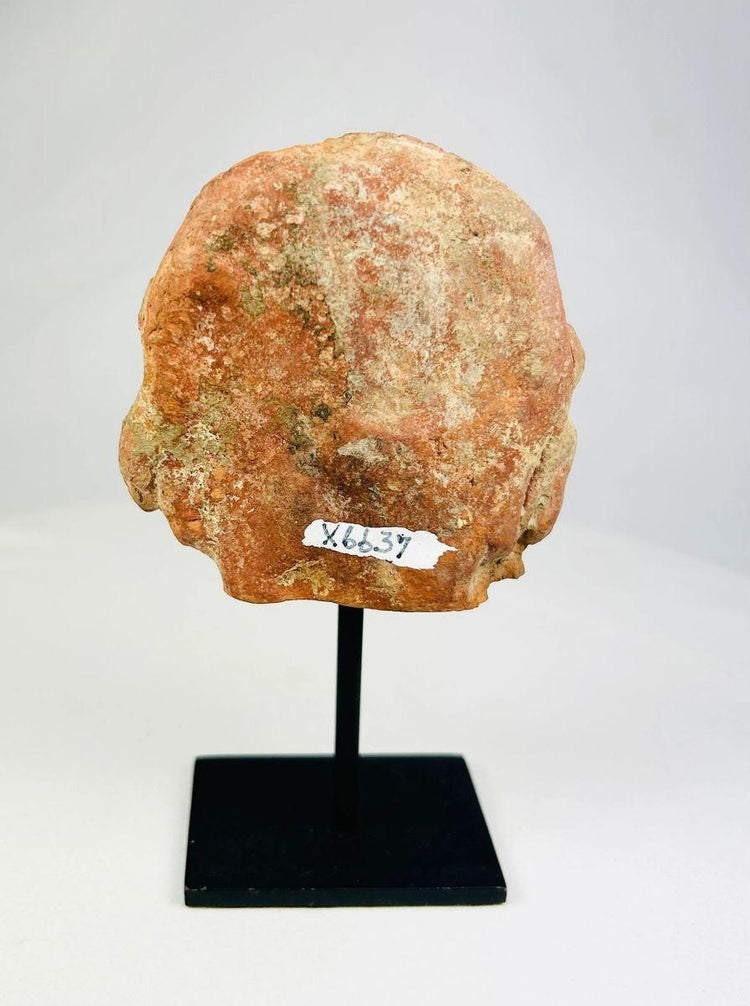
Cabeza de terracota de la antigua India | Escultura de arcilla roja del período Shunga | Hacia los siglos II-I a. C.
Descripción
Más
Menos
Contexto histórico y origen
Región: Antigua India
Material: Terracota roja
Período: Período Shunga, c. siglo II-I a.C.
Descripción
Esta cabeza de terracota es un ejemplo excepcional del arte escultórico de la antigua India durante el Período Shunga. Conocida por su floreciente producción artística después de la era Mauryan, la dinastía Shunga fomentó el desarrollo de una escultura de terracota cada vez más refinada. La pieza muestra rasgos faciales cuidadosamente modelados, incluyendo ojos pronunciados y una nariz definida, lo que refleja un creciente movimiento hacia la representación naturalista. Probablemente creada con fines decorativos o devocionales, estas cabezas de terracota se asociaban a menudo con adornos arquitectónicos u ofrendas votivas en entornos religiosos.
Características
- Hecha a mano en terracota roja, un material ampliamente utilizado en las primeras tradiciones escultóricas indias
- Modelado facial expresivo con ojos prominentes y una nariz definida
- Sutil estilización típica de la estética artística Shunga
- Probablemente sirvió una función decorativa o votiva dentro de un contexto sagrado o arquitectónico
Significado cultural
La dinastía Shunga marcó un importante período de transición en el arte indio, caracterizado por la expansión de las tradiciones escultóricas a través de espacios religiosos y domésticos. Las figuras y fragmentos de terracota como este eran comúnmente utilizados en templos, santuarios y ornamentación arquitectónica. Proporcionan una valiosa visión de las primeras prácticas religiosas indias y el desarrollo artístico, ilustrando un cambio hacia formas más expresivas y realistas, manteniendo al mismo tiempo un significado espiritual simbólico.
Condición
La pieza está bien conservada, mostrando pequeñas abrasiones superficiales y desgaste consistente con su considerable antigüedad. Una pátina natural terrosa se ha desarrollado a lo largo de los siglos, realzando tanto la profundidad visual como la autenticidad de la superficie de terracota.
Dimensiones (aproximadas)
Altura: 4.5 in
Antigüedad (aproximada)
2,100–2,300 años de antigüedad
Procedencia
Anteriormente parte de la Colección BC Galleries, Melbourne, Australia. Establecida en 1976, BC Galleries fue un prominente comerciante australiano independiente especializado en arte y antigüedades antiguas, arte tribal, etnografía y objetos históricos de una amplia gama de culturas. Posteriormente se mantuvo en una colección privada en Armadale, Victoria, Australia.
Más información
Descubra las tradiciones artísticas del período Shunga en The Met Museum
Explore nuestra Colección de cerámica y alfarería antiguas
Descripción
Contexto histórico y origen
Región: Antigua India
Material: Terracota roja
Período: Período Shunga, c. siglo II-I a.C.
Descripción
Esta cabeza de terracota es un ejemplo excepcional del arte escultórico de la antigua India durante el Período Shunga. Conocida por su floreciente producción artística después de la era Mauryan, la dinastía Shunga fomentó el desarrollo de una escultura de terracota cada vez más refinada. La pieza muestra rasgos faciales cuidadosamente modelados, incluyendo ojos pronunciados y una nariz definida, lo que refleja un creciente movimiento hacia la representación naturalista. Probablemente creada con fines decorativos o devocionales, estas cabezas de terracota se asociaban a menudo con adornos arquitectónicos u ofrendas votivas en entornos religiosos.
Características
- Hecha a mano en terracota roja, un material ampliamente utilizado en las primeras tradiciones escultóricas indias
- Modelado facial expresivo con ojos prominentes y una nariz definida
- Sutil estilización típica de la estética artística Shunga
- Probablemente sirvió una función decorativa o votiva dentro de un contexto sagrado o arquitectónico
Significado cultural
La dinastía Shunga marcó un importante período de transición en el arte indio, caracterizado por la expansión de las tradiciones escultóricas a través de espacios religiosos y domésticos. Las figuras y fragmentos de terracota como este eran comúnmente utilizados en templos, santuarios y ornamentación arquitectónica. Proporcionan una valiosa visión de las primeras prácticas religiosas indias y el desarrollo artístico, ilustrando un cambio hacia formas más expresivas y realistas, manteniendo al mismo tiempo un significado espiritual simbólico.
Condición
La pieza está bien conservada, mostrando pequeñas abrasiones superficiales y desgaste consistente con su considerable antigüedad. Una pátina natural terrosa se ha desarrollado a lo largo de los siglos, realzando tanto la profundidad visual como la autenticidad de la superficie de terracota.
Dimensiones (aproximadas)
Altura: 4.5 in
Antigüedad (aproximada)
2,100–2,300 años de antigüedad
Procedencia
Anteriormente parte de la Colección BC Galleries, Melbourne, Australia. Establecida en 1976, BC Galleries fue un prominente comerciante australiano independiente especializado en arte y antigüedades antiguas, arte tribal, etnografía y objetos históricos de una amplia gama de culturas. Posteriormente se mantuvo en una colección privada en Armadale, Victoria, Australia.
Más información
Descubra las tradiciones artísticas del período Shunga en The Met Museum
Explore nuestra Colección de cerámica y alfarería antiguas
También te puede interesar
