



Grand lion votif égyptien ancien en terre cuite couché | Période ptolémaïque | Vers IIIe-IIe siècle av. J.-C.
- Prix habituel
- $2,000.00
- Prix soldé
- $2,000.00
- Prix habituel
Impossible de charger la disponibilité du service de retrait


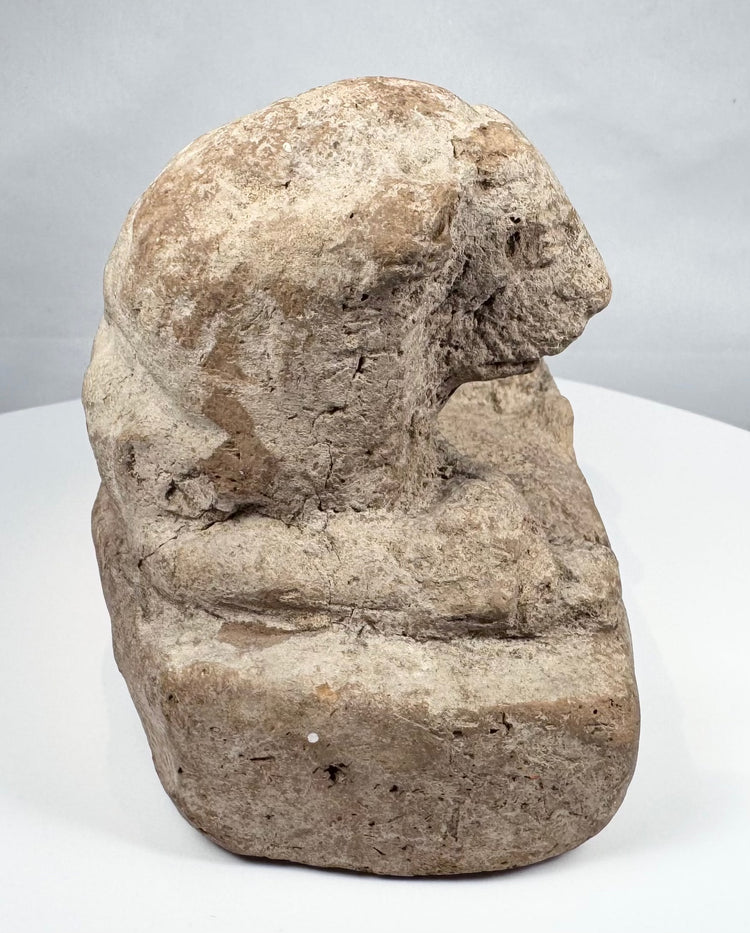
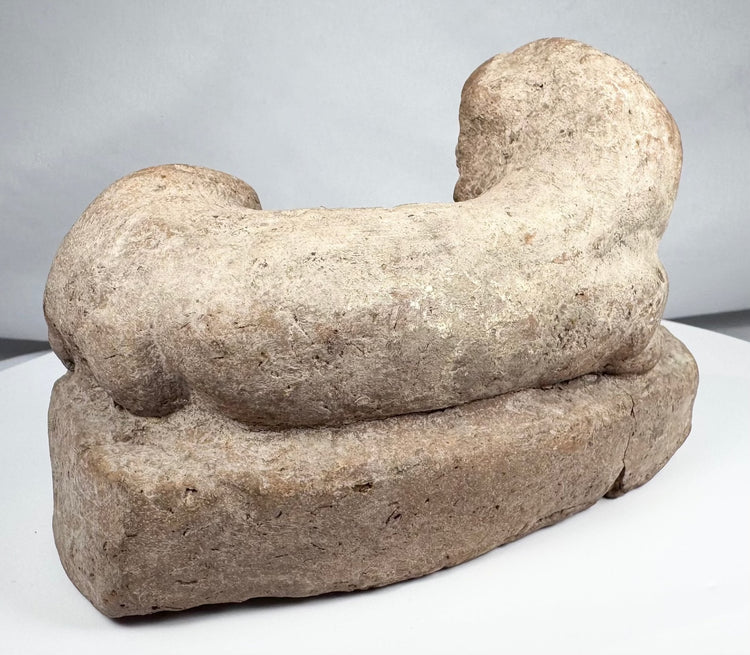
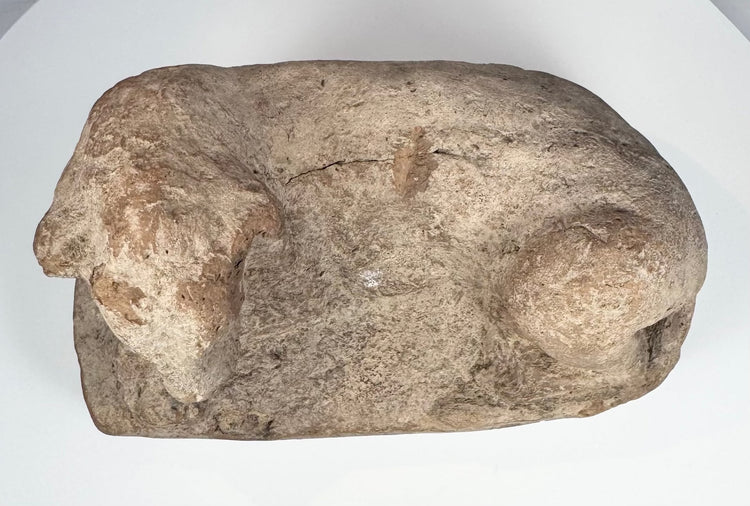
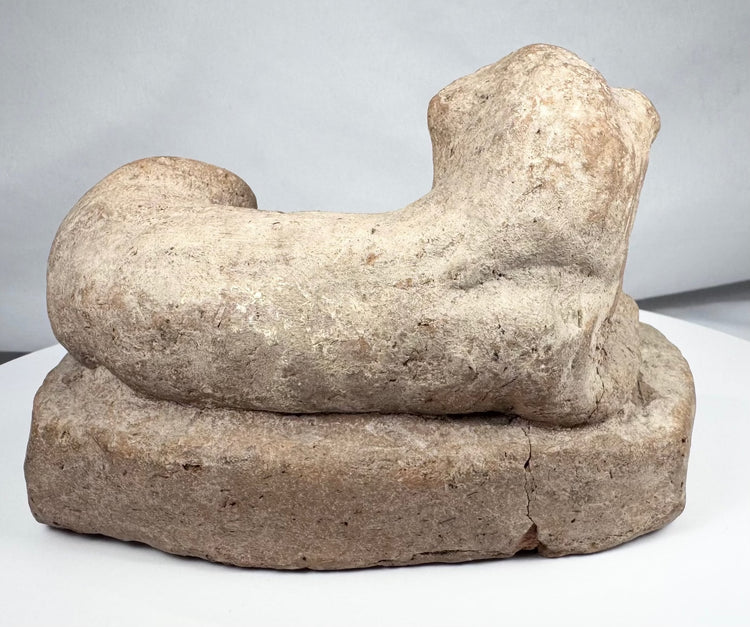
Grand lion votif égyptien ancien en terre cuite couché | Période ptolémaïque | Vers IIIe-IIe siècle av. J.-C.
Description
Plus
Moins
Contexte historique et origine
Région : Alexandrie, Égypte
Matériau : Terre cuite
Période : Période ptolémaïque, vers le IIIe-IIe siècle av. J.-C.
Description
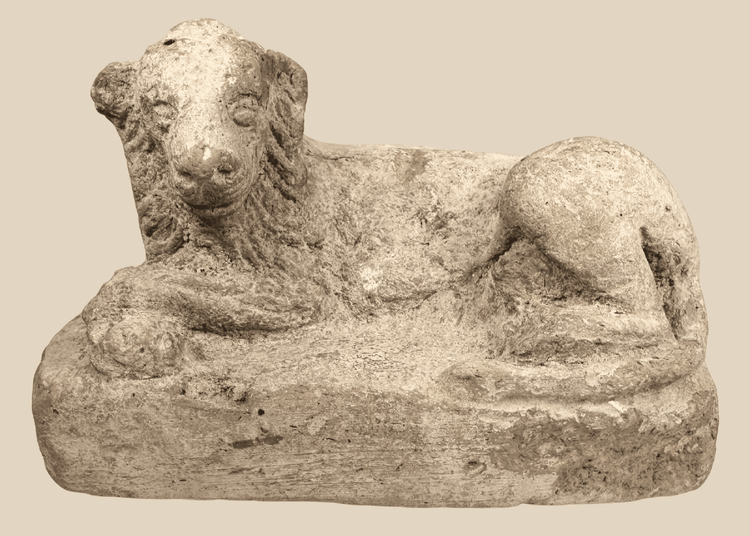
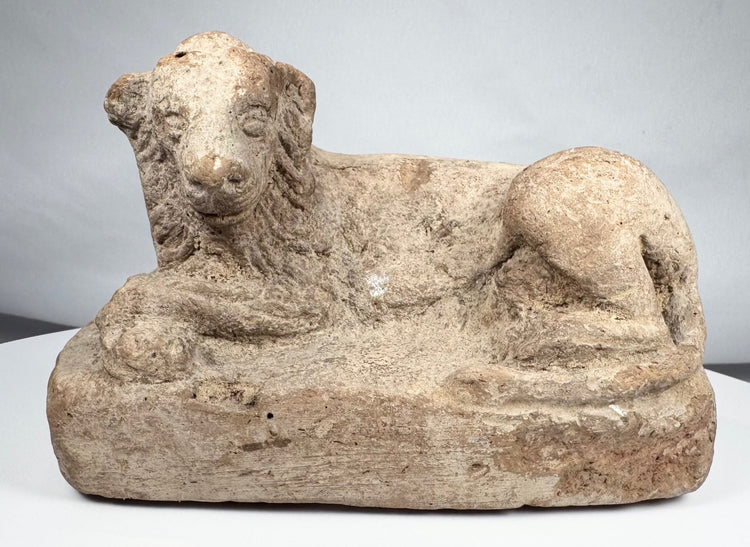
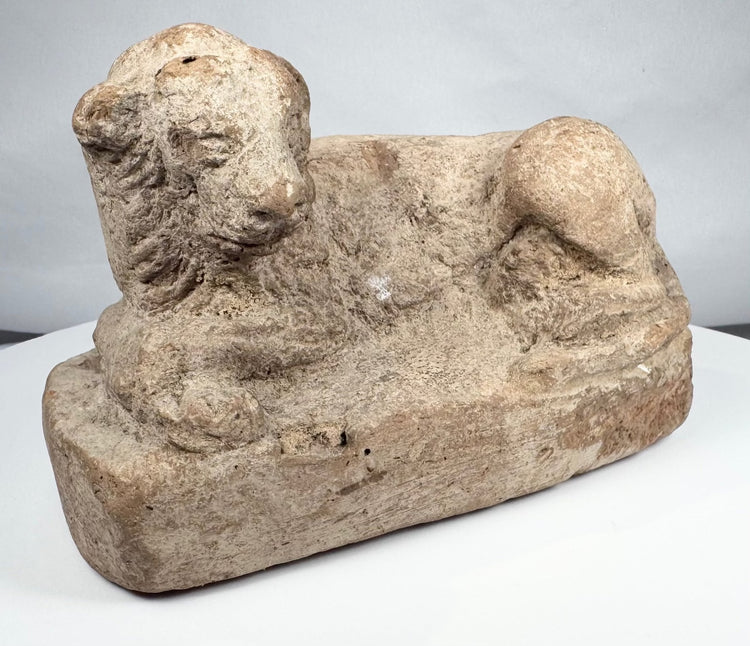
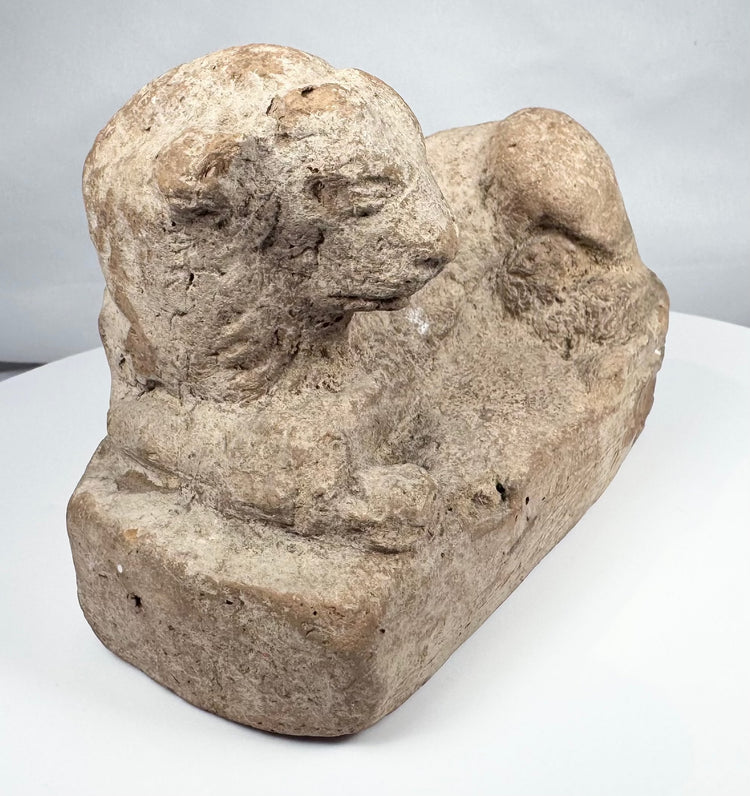
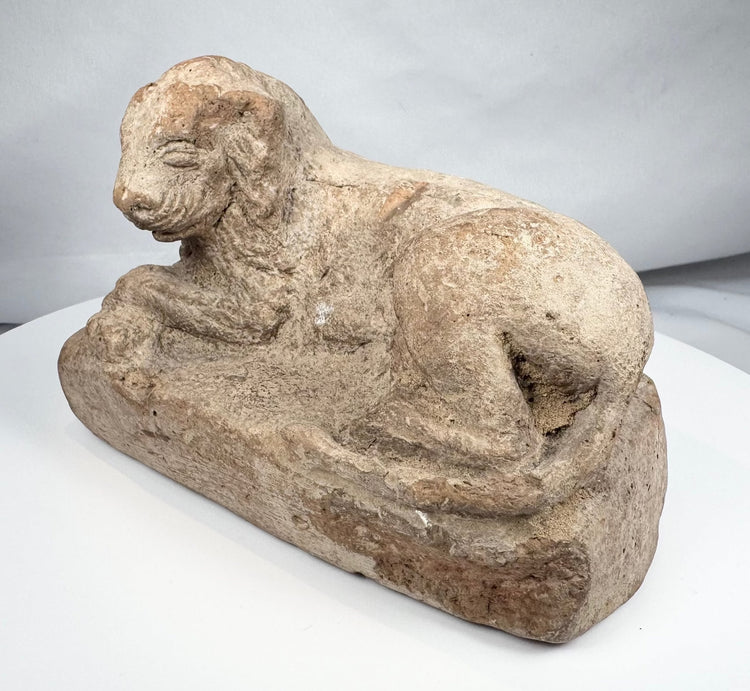
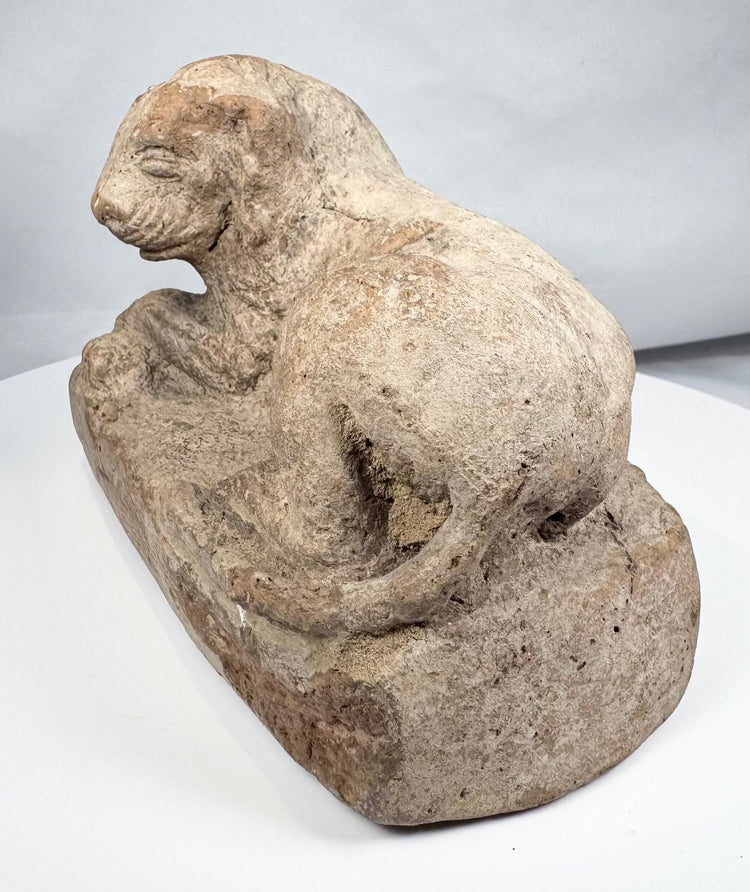
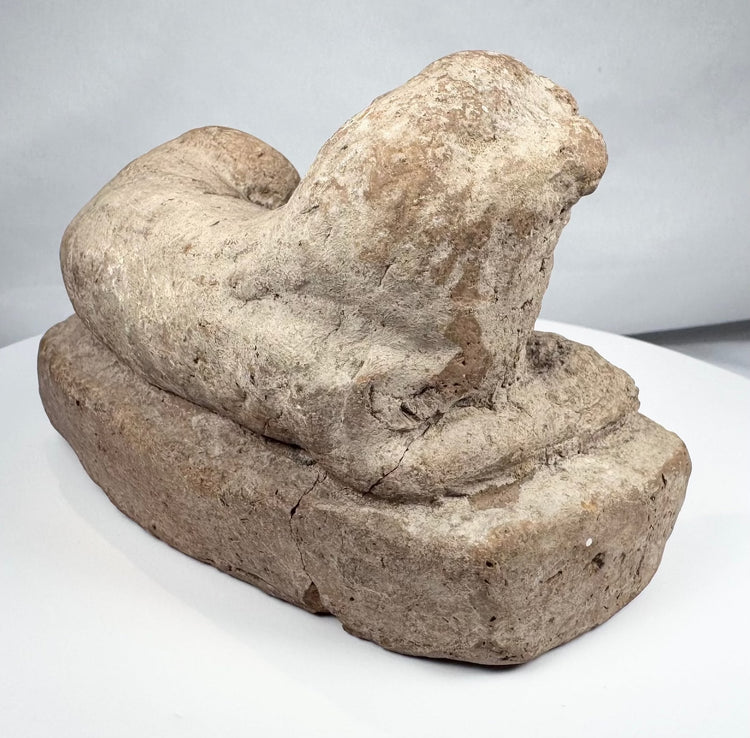
Cette importante sculpture en terre cuite représente un lion couché reposant sur un socle rectangulaire intégré, réalisée pendant la période ptolémaïque de l'Égypte. Représenté de manière naturaliste mais stylisée, l'animal est allongé, les pattes avant étendues sous la poitrine et l'arrière-train replié sous le corps. Le sculpteur a soigneusement mis en valeur l'anatomie puissante du lion, ses larges épaules, ses flancs musclés et sa crinière distinctive encadrant le visage.
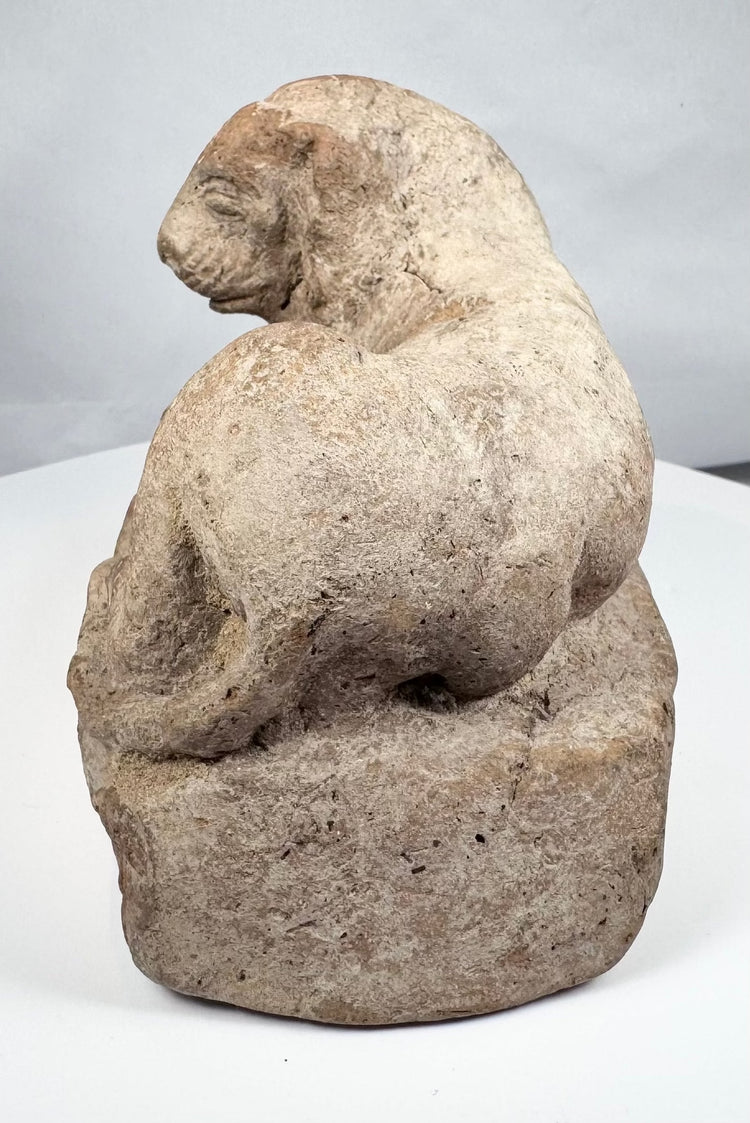
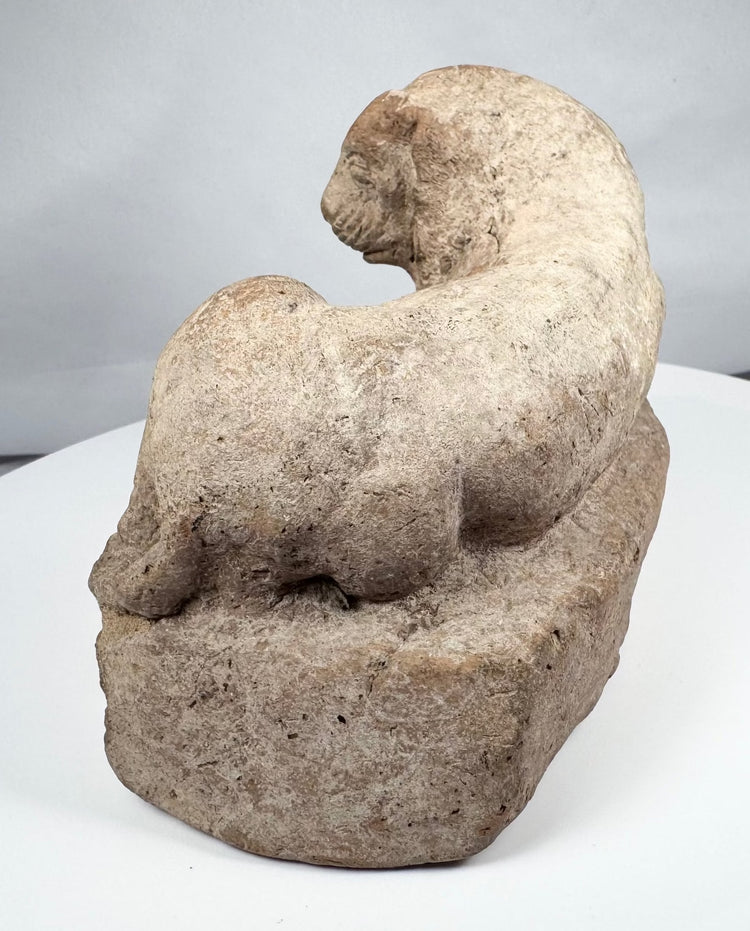
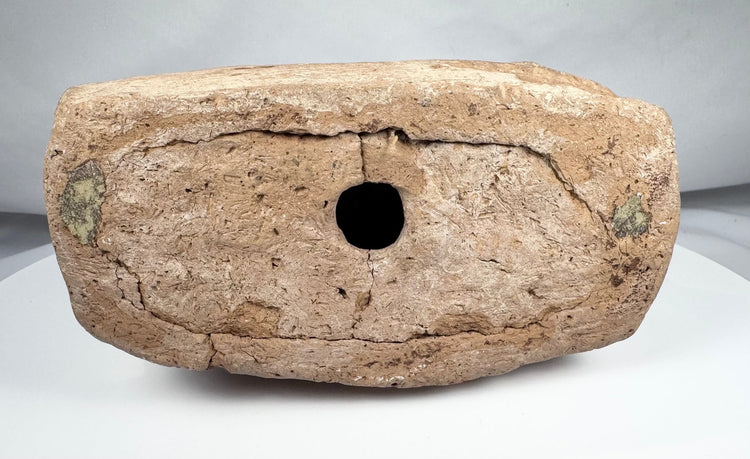
La figure présente des traits faciaux finement modelés, notamment des yeux en amande, un museau prononcé et des mèches texturées de crinière descendant de chaque côté de la tête. Le revers reste relativement simple, ce qui suggère que la sculpture était destinée à être vue de face dans un sanctuaire domestique, un sanctuaire ou un contexte funéraire. Un trou d'aération circulaire sous le dessous révèle la construction creuse de l'objet, une caractéristique de nombreuses grandes sculptures en terre cuite produites en Égypte hellénistique.
Découverte à Alexandrie, cette pièce reflète la fusion artistique qui a prospéré sous la dynastie ptolémaïque, lorsque l'imagerie religieuse égyptienne traditionnelle a fusionné avec les influences sculpturales grecques. Les lions occupaient un rôle symbolique important dans la religion égyptienne et l'iconographie royale, où ils incarnaient la force, la protection, l'autorité divine et le pouvoir solaire. Des figures votives de lions en terre cuite comme cet exemple ont pu servir d'offrandes dévotionnelles, d'ornements architecturaux ou d'objets protecteurs associés aux temples et aux monuments funéraires.
Caractéristiques
- Découvert à Alexandrie, Égypte
- Remonte à la période ptolémaïque, vers le IIIe-IIe siècle av. J.-C.
- Représente un lion couché sur un socle rectangulaire intégré
- Construction creuse avec un trou d'aération original sur le dessous
- Traits faciaux finement modelés et crinière stylisée
- Présente des dépôts archéologiques et des incrustations de surface subsistantes
- Reflète la fusion des traditions artistiques égyptiennes et hellénistiques
- Probablement créé comme objet votif, funéraire ou architectural
Signification culturelle
Le lion occupait un rôle central dans le symbolisme égyptien ancien, représentant le pouvoir, la royauté, la protection et l'autorité divine. L'imagerie du lion était étroitement associée à de nombreuses divinités égyptiennes, notamment Sekhmet, Mahes et Aker, tandis que les lions couchés ornaient fréquemment les temples, les tombes et les enceintes sacrées en tant que gardiens contre le chaos et les forces malveillantes.
Pendant la période ptolémaïque (305-30 av. J.-C.), l'Égypte a connu un mélange remarquable de traditions religieuses indigènes et de conventions artistiques grecques introduites par les souverains macédoniens descendants de Ptolémée Ier. La sculpture en terre cuite a prospéré à cette époque, avec des ateliers à Alexandrie produisant une grande variété de figures votives, d'objets de dévotion domestique et d'ornements architecturaux qui combinaient l'iconographie égyptienne avec le naturalisme hellénistique.
État
La figure reste structurellement saine et présente une usure normale liée à l'âge. Des zones d'abrasion de surface, des pertes mineures, des fissures anciennes et des éclats dispersés sont présents, en particulier le long du socle et du dessous. Des dépôts terreux légers et des incrustations minérales restent visibles sur la surface. La construction creuse et l'ouverture d'aération d'origine sont intactes.
Dimensions (approximatives)
Hauteur : 12,7 cm
Largeur : 14,6 cm
Longueur : 16,5 cm
Âge (approximatif)
2 200–2 300 ans
Provenance
Faisait autrefois partie d'une collection privée de Portland, Maine, États-Unis, spécialisée dans les artefacts égyptiens. La collection a été constituée sur de nombreuses années, avec un accent particulier sur les amulettes égyptiennes anciennes, les objets funéraires, les œuvres en faïence et les petites antiquités. La figure a été excavée à Alexandrie, en Égypte, et acquise là-bas dans les années 1960 avant d'intégrer la collection de Portland.
En savoir plus
Découvrez le symbolisme et la signification culturelle des Lions dans l'Égypte ancienne
Découvrez une sculpture de lion égyptienne ancienne dans la collection du Metropolitan Museum of Art
Explorez notre Collection de momies et d'artefacts égyptiens anciens
Description
Contexte historique et origine
Région : Alexandrie, Égypte
Matériau : Terre cuite
Période : Période ptolémaïque, vers le IIIe-IIe siècle av. J.-C.
Description
Cette importante sculpture en terre cuite représente un lion couché reposant sur un socle rectangulaire intégré, réalisée pendant la période ptolémaïque de l'Égypte. Représenté de manière naturaliste mais stylisée, l'animal est allongé, les pattes avant étendues sous la poitrine et l'arrière-train replié sous le corps. Le sculpteur a soigneusement mis en valeur l'anatomie puissante du lion, ses larges épaules, ses flancs musclés et sa crinière distinctive encadrant le visage.
La figure présente des traits faciaux finement modelés, notamment des yeux en amande, un museau prononcé et des mèches texturées de crinière descendant de chaque côté de la tête. Le revers reste relativement simple, ce qui suggère que la sculpture était destinée à être vue de face dans un sanctuaire domestique, un sanctuaire ou un contexte funéraire. Un trou d'aération circulaire sous le dessous révèle la construction creuse de l'objet, une caractéristique de nombreuses grandes sculptures en terre cuite produites en Égypte hellénistique.
Découverte à Alexandrie, cette pièce reflète la fusion artistique qui a prospéré sous la dynastie ptolémaïque, lorsque l'imagerie religieuse égyptienne traditionnelle a fusionné avec les influences sculpturales grecques. Les lions occupaient un rôle symbolique important dans la religion égyptienne et l'iconographie royale, où ils incarnaient la force, la protection, l'autorité divine et le pouvoir solaire. Des figures votives de lions en terre cuite comme cet exemple ont pu servir d'offrandes dévotionnelles, d'ornements architecturaux ou d'objets protecteurs associés aux temples et aux monuments funéraires.
Caractéristiques
- Découvert à Alexandrie, Égypte
- Remonte à la période ptolémaïque, vers le IIIe-IIe siècle av. J.-C.
- Représente un lion couché sur un socle rectangulaire intégré
- Construction creuse avec un trou d'aération original sur le dessous
- Traits faciaux finement modelés et crinière stylisée
- Présente des dépôts archéologiques et des incrustations de surface subsistantes
- Reflète la fusion des traditions artistiques égyptiennes et hellénistiques
- Probablement créé comme objet votif, funéraire ou architectural
Signification culturelle
Le lion occupait un rôle central dans le symbolisme égyptien ancien, représentant le pouvoir, la royauté, la protection et l'autorité divine. L'imagerie du lion était étroitement associée à de nombreuses divinités égyptiennes, notamment Sekhmet, Mahes et Aker, tandis que les lions couchés ornaient fréquemment les temples, les tombes et les enceintes sacrées en tant que gardiens contre le chaos et les forces malveillantes.
Pendant la période ptolémaïque (305-30 av. J.-C.), l'Égypte a connu un mélange remarquable de traditions religieuses indigènes et de conventions artistiques grecques introduites par les souverains macédoniens descendants de Ptolémée Ier. La sculpture en terre cuite a prospéré à cette époque, avec des ateliers à Alexandrie produisant une grande variété de figures votives, d'objets de dévotion domestique et d'ornements architecturaux qui combinaient l'iconographie égyptienne avec le naturalisme hellénistique.
État
La figure reste structurellement saine et présente une usure normale liée à l'âge. Des zones d'abrasion de surface, des pertes mineures, des fissures anciennes et des éclats dispersés sont présents, en particulier le long du socle et du dessous. Des dépôts terreux légers et des incrustations minérales restent visibles sur la surface. La construction creuse et l'ouverture d'aération d'origine sont intactes.
Dimensions (approximatives)
Hauteur : 12,7 cm
Largeur : 14,6 cm
Longueur : 16,5 cm
Âge (approximatif)
2 200–2 300 ans
Provenance
Faisait autrefois partie d'une collection privée de Portland, Maine, États-Unis, spécialisée dans les artefacts égyptiens. La collection a été constituée sur de nombreuses années, avec un accent particulier sur les amulettes égyptiennes anciennes, les objets funéraires, les œuvres en faïence et les petites antiquités. La figure a été excavée à Alexandrie, en Égypte, et acquise là-bas dans les années 1960 avant d'intégrer la collection de Portland.
En savoir plus
Découvrez le symbolisme et la signification culturelle des Lions dans l'Égypte ancienne
Découvrez une sculpture de lion égyptienne ancienne dans la collection du Metropolitan Museum of Art
Explorez notre Collection de momies et d'artefacts égyptiens anciens
Vous aimerez peut-être aussi
