
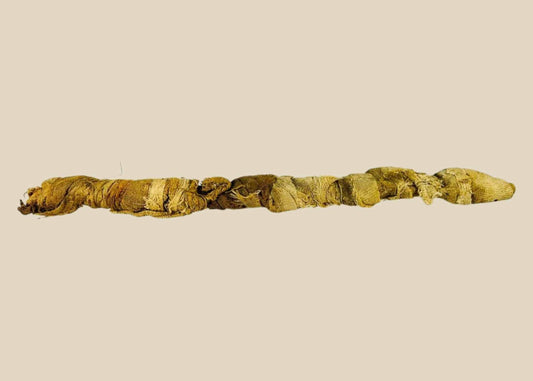

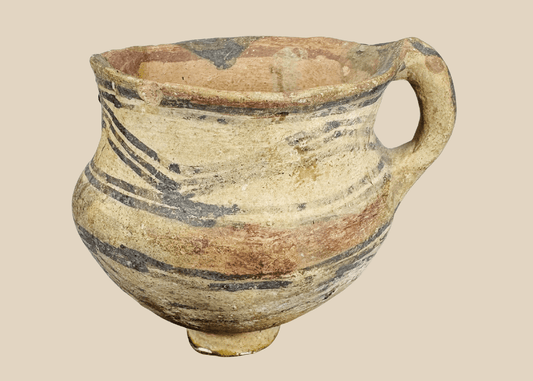
Lot de deux coupes en terre cuite de Kassérine de la Rome antique | Tunisie | Provenance détaillée | Vers le IIe-IIIe siècle de notre ère
- Prix habituel
- $1,250.00
- Prix soldé
- $1,250.00
- Prix habituel
Impossible de charger la disponibilité du service de retrait


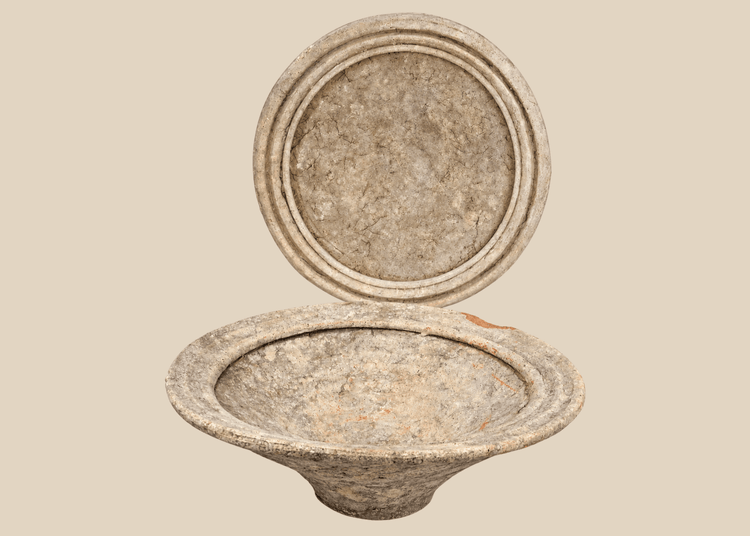


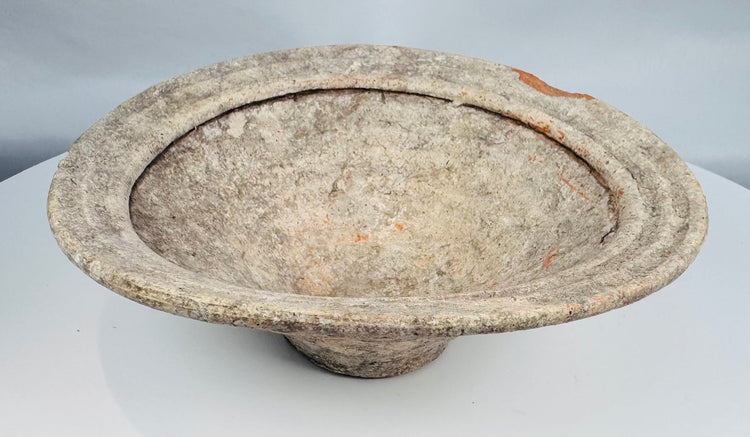




Lot de deux coupes en terre cuite de Kassérine de la Rome antique | Tunisie | Provenance détaillée | Vers le IIe-IIIe siècle de notre ère
Description
Plus
Moins
Contexte historique et origine
Région : Afrique du Nord romaine (Tunisie actuelle)
Matériau : Terre cuite (poterie) avec surface engobée blanche
Période : Période impériale romaine, vers le IIe-IIIe siècle de notre ère (100-300 de notre ère)
Description
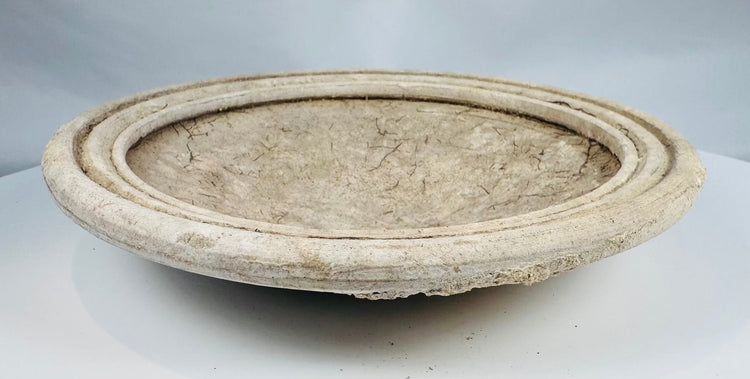
Cette collection se compose de deux authentiques récipients en terre cuite romaine antique en forme de bol bas, communément appelés kassérines ou bols de service peu profonds, originaires d'Afrique du Nord romaine, dans la Tunisie actuelle. Façonnés à la main dans de la poterie fine et recouverts d'un engobe blanc pâle, les récipients présentent les formes simples mais raffinées caractéristiques de la vaisselle romaine utilitaire produite dans toutes les provinces de l'Empire romain.
Le plus grand exemple présente un large bassin peu profond avec un rebord annelé prononcé et un pied bas, tandis que le plus petit récipient présente un profil similaire avec un moulage concentrique soigneusement exécuté autour du rebord. Les deux récipients conservent des surfaces originales substantielles et présentent les dépôts minéraux attrayants, les incrustations terrestres et la patine archéologique attendus après des siècles d'enfouissement.
L'Afrique du Nord romaine était l'un des centres de production céramique les plus importants de l'empire, fournissant des récipients dans tout le monde méditerranéen. Les bols de ce type étaient utilisés dans des contextes domestiques et commerciaux pour le service, la préparation et la consommation d'aliments. Leurs formes sobres reflètent la sophistication pratique de la vie quotidienne romaine tout en offrant un aperçu des vastes réseaux commerciaux et des traditions manufacturières de la Méditerranée antique.
Accompagnés d'une documentation historique exhaustive sur la collection, ces récipients représentent des exemples exceptionnellement bien documentés de poterie provinciale romaine.
Caractéristiques
- Groupe de deux authentiques récipients romains antiques en terre cuite
- Origine nord-africaine romaine (tunisienne)
- Datant d'environ 100-300 de notre ère
- Construction en poterie avec surfaces engobées blanches
- Décoration concentrique moulée sur le rebord
- Patine archéologique distinctive et dépôts minéraux
- Accompagnés de documents et de photographies originaux de la collection
- Historique de collection bien documenté s'étendant sur plusieurs décennies
Importance historique
L'Afrique du Nord romaine est devenue l'une des régions de fabrication de céramique les plus productives de l'empire après son incorporation dans le monde romain. Des ateliers à travers la Tunisie moderne produisaient une large gamme de produits utilitaires et de luxe qui étaient largement commercialisés dans tout le bassin méditerranéen.
Des récipients comme ceux-ci faisaient partie de la vie romaine quotidienne et auraient été utilisés pour servir de la nourriture, le stockage ou la préparation domestique. Les exemples survivants fournissent des preuves précieuses des coutumes culinaires romaines, des traditions céramiques régionales et de l'intégration économique des communautés provinciales au sein du vaste Empire romain.
État
État ancien avec usure liée à l'âge attendue, altération de surface, dépôts minéraux, incrustations d'enfouissement, pertes éparses et zones d'usure de l'engobe partout. Le plus grand récipient présente des pertes sur le rebord et des zones de dégradation archéologique de surface compatibles avec un enfouissement prolongé. Les deux récipients restent stables pour l'exposition et conservent un excellent attrait visuel.
Dimensions (Approximatives)
Grand Bol
Diamètre : 17,78 cm
Hauteur : 3,81 cm
Petit Bol
Diamètre : 15,24 cm
Hauteur : 6,35 cm
Âge (Approximatif)
1 700 à 1 900 ans
Provenance
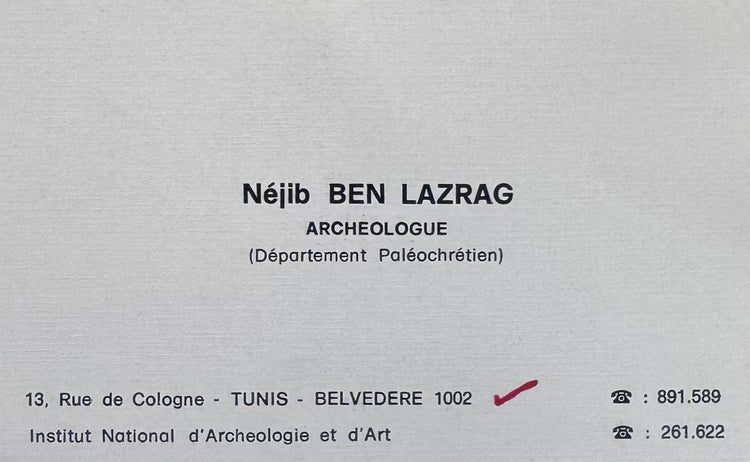
Acheté en Tunisie en 1982 et ensuite conservé dans la collection McMillan, St. Paul, Minnesota, USA, pendant plus de quarante ans. Les récipients sont accompagnés de leur fiche d'inventaire originale de la collection McMillan, qui identifie les pièces comme des récipients romains Kassérine datant du IIe-IIIe siècle de notre ère et enregistre leur achat auprès de l'archéologue tunisien Néjib Ben Lazrag de l'Institut National d'Archéologie et d'Art, Tunis.
Les archives de la collection comprennent également des photographies couleur originales des récipients prises alors qu'ils faisaient partie de la collection McMillan dans les années 1980, ainsi que les registres d'inventaire originaux de la collection et la documentation d'évaluation associée à la collection.
En savoir plus
Explorez l'histoire de l'ancienne cité romaine de Cillium (Kasserine moderne) et ses vestiges archéologiques via History Hit
Parcourez Notre Collection de Céramiques et Potières Antiques
Description
Contexte historique et origine
Région : Afrique du Nord romaine (Tunisie actuelle)
Matériau : Terre cuite (poterie) avec surface engobée blanche
Période : Période impériale romaine, vers le IIe-IIIe siècle de notre ère (100-300 de notre ère)
Description
Cette collection se compose de deux authentiques récipients en terre cuite romaine antique en forme de bol bas, communément appelés kassérines ou bols de service peu profonds, originaires d'Afrique du Nord romaine, dans la Tunisie actuelle. Façonnés à la main dans de la poterie fine et recouverts d'un engobe blanc pâle, les récipients présentent les formes simples mais raffinées caractéristiques de la vaisselle romaine utilitaire produite dans toutes les provinces de l'Empire romain.
Le plus grand exemple présente un large bassin peu profond avec un rebord annelé prononcé et un pied bas, tandis que le plus petit récipient présente un profil similaire avec un moulage concentrique soigneusement exécuté autour du rebord. Les deux récipients conservent des surfaces originales substantielles et présentent les dépôts minéraux attrayants, les incrustations terrestres et la patine archéologique attendus après des siècles d'enfouissement.
L'Afrique du Nord romaine était l'un des centres de production céramique les plus importants de l'empire, fournissant des récipients dans tout le monde méditerranéen. Les bols de ce type étaient utilisés dans des contextes domestiques et commerciaux pour le service, la préparation et la consommation d'aliments. Leurs formes sobres reflètent la sophistication pratique de la vie quotidienne romaine tout en offrant un aperçu des vastes réseaux commerciaux et des traditions manufacturières de la Méditerranée antique.
Accompagnés d'une documentation historique exhaustive sur la collection, ces récipients représentent des exemples exceptionnellement bien documentés de poterie provinciale romaine.
Caractéristiques
- Groupe de deux authentiques récipients romains antiques en terre cuite
- Origine nord-africaine romaine (tunisienne)
- Datant d'environ 100-300 de notre ère
- Construction en poterie avec surfaces engobées blanches
- Décoration concentrique moulée sur le rebord
- Patine archéologique distinctive et dépôts minéraux
- Accompagnés de documents et de photographies originaux de la collection
- Historique de collection bien documenté s'étendant sur plusieurs décennies
Importance historique
L'Afrique du Nord romaine est devenue l'une des régions de fabrication de céramique les plus productives de l'empire après son incorporation dans le monde romain. Des ateliers à travers la Tunisie moderne produisaient une large gamme de produits utilitaires et de luxe qui étaient largement commercialisés dans tout le bassin méditerranéen.
Des récipients comme ceux-ci faisaient partie de la vie romaine quotidienne et auraient été utilisés pour servir de la nourriture, le stockage ou la préparation domestique. Les exemples survivants fournissent des preuves précieuses des coutumes culinaires romaines, des traditions céramiques régionales et de l'intégration économique des communautés provinciales au sein du vaste Empire romain.
État
État ancien avec usure liée à l'âge attendue, altération de surface, dépôts minéraux, incrustations d'enfouissement, pertes éparses et zones d'usure de l'engobe partout. Le plus grand récipient présente des pertes sur le rebord et des zones de dégradation archéologique de surface compatibles avec un enfouissement prolongé. Les deux récipients restent stables pour l'exposition et conservent un excellent attrait visuel.
Dimensions (Approximatives)
Grand Bol
Diamètre : 17,78 cm
Hauteur : 3,81 cm
Petit Bol
Diamètre : 15,24 cm
Hauteur : 6,35 cm
Âge (Approximatif)
1 700 à 1 900 ans
Provenance
Acheté en Tunisie en 1982 et ensuite conservé dans la collection McMillan, St. Paul, Minnesota, USA, pendant plus de quarante ans. Les récipients sont accompagnés de leur fiche d'inventaire originale de la collection McMillan, qui identifie les pièces comme des récipients romains Kassérine datant du IIe-IIIe siècle de notre ère et enregistre leur achat auprès de l'archéologue tunisien Néjib Ben Lazrag de l'Institut National d'Archéologie et d'Art, Tunis.
Les archives de la collection comprennent également des photographies couleur originales des récipients prises alors qu'ils faisaient partie de la collection McMillan dans les années 1980, ainsi que les registres d'inventaire originaux de la collection et la documentation d'évaluation associée à la collection.
En savoir plus
Explorez l'histoire de l'ancienne cité romaine de Cillium (Kasserine moderne) et ses vestiges archéologiques via History Hit
Parcourez Notre Collection de Céramiques et Potières Antiques
Vous aimerez peut-être aussi
