

Fragment de tête humaine précolombienne en terre cuite | Du Mexique à la Colombie | Entre 200 et 900 de notre ère
- Prix habituel
- $400.00
- Prix soldé
- $400.00
- Prix habituel
Impossible de charger la disponibilité du service de retrait


Fragment de tête humaine précolombienne en terre cuite | Du Mexique à la Colombie | Entre 200 et 900 de notre ère
Description
Plus
Moins
Contexte Historique et Origine
Région : Mexique à Colombie
Matériau : Terre cuite
Période : Période précolombienne, vers 200–900 ap. J.-C.
Description
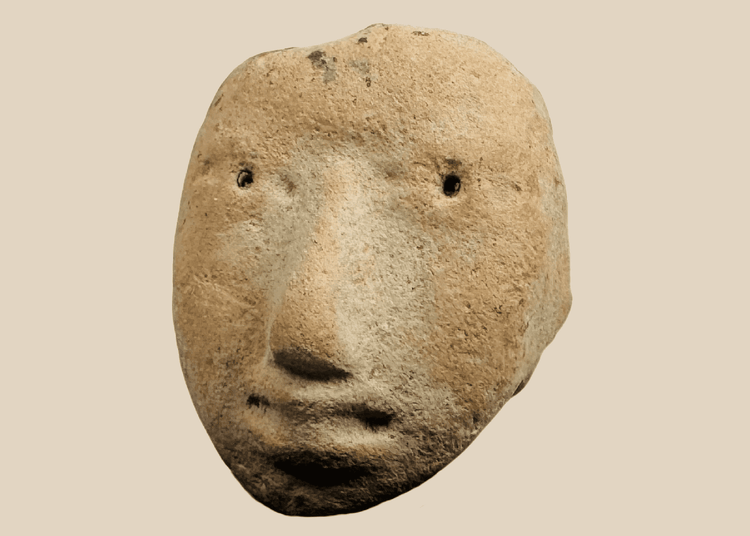
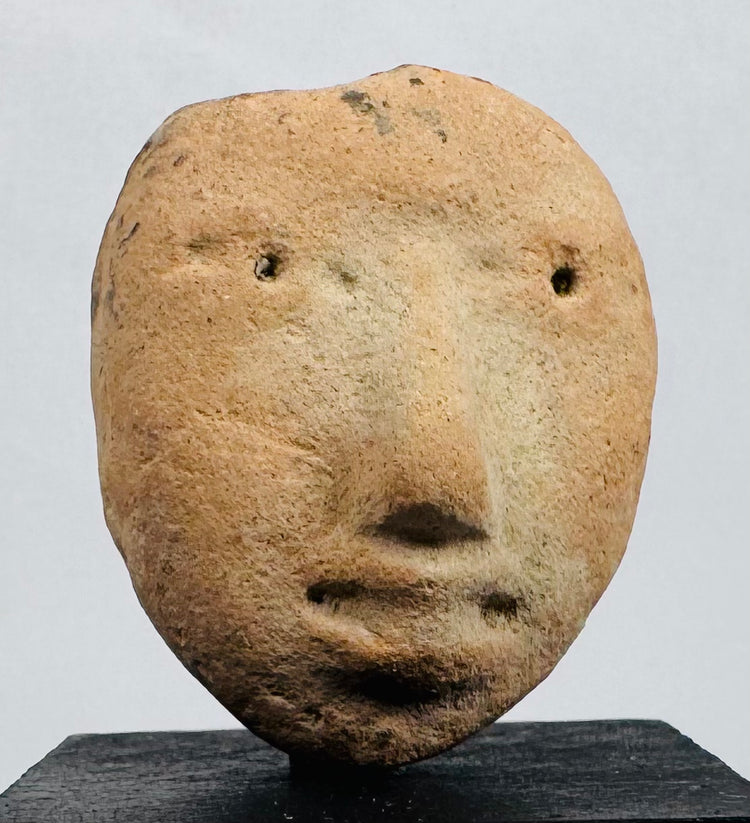
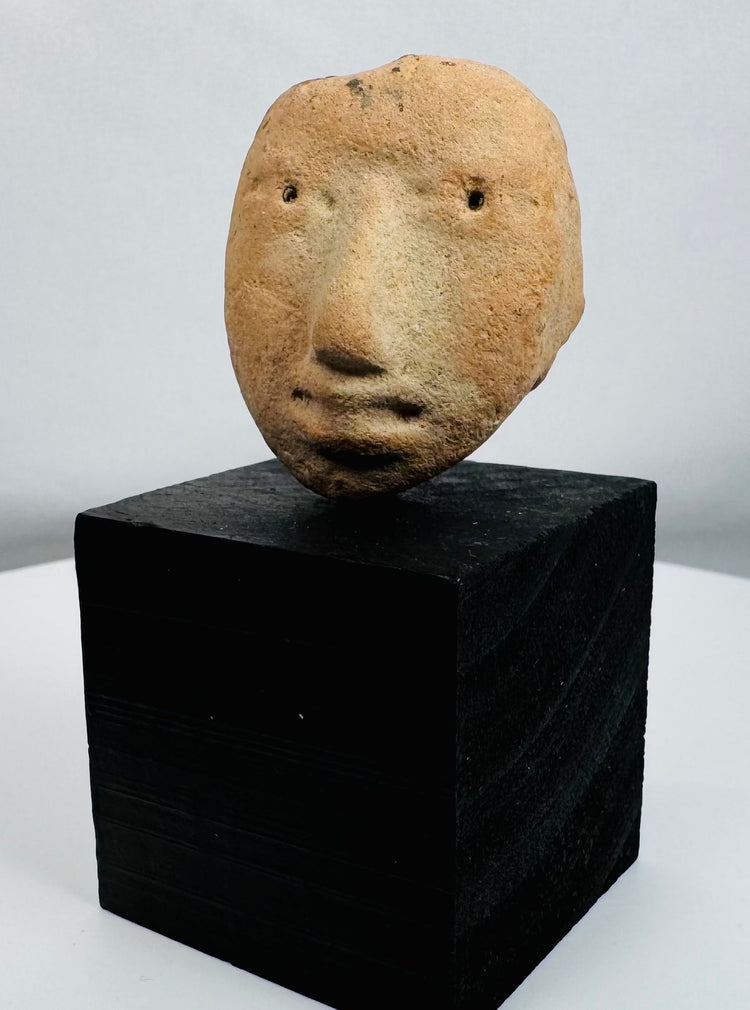
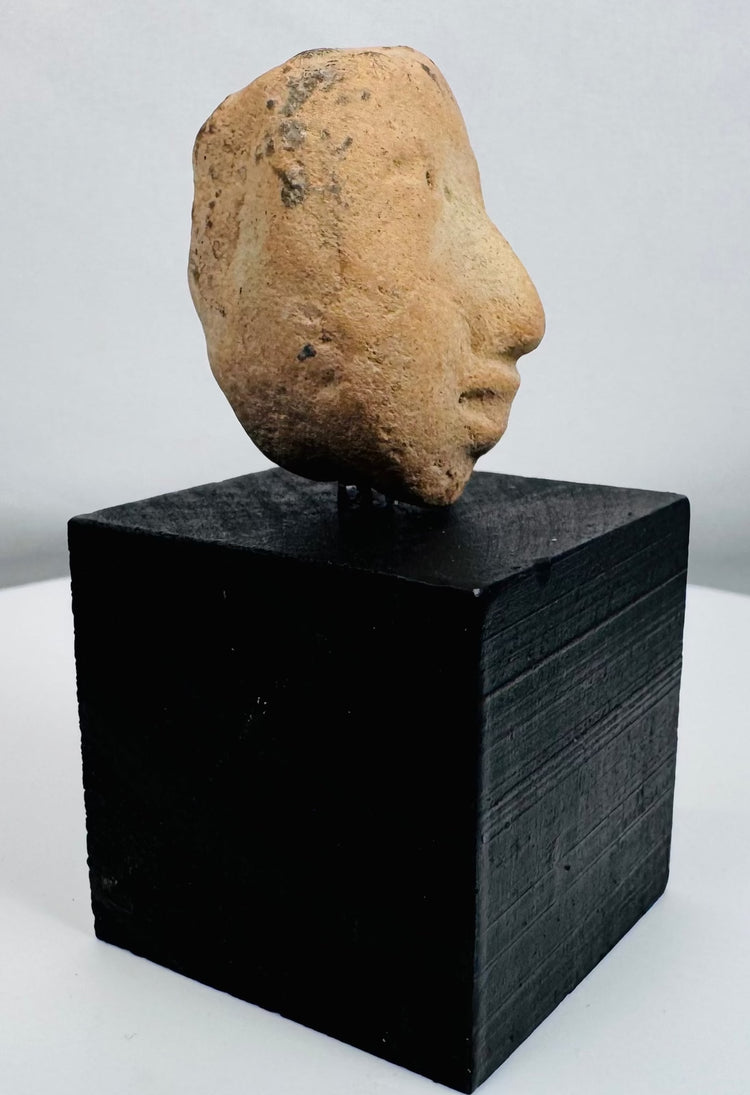
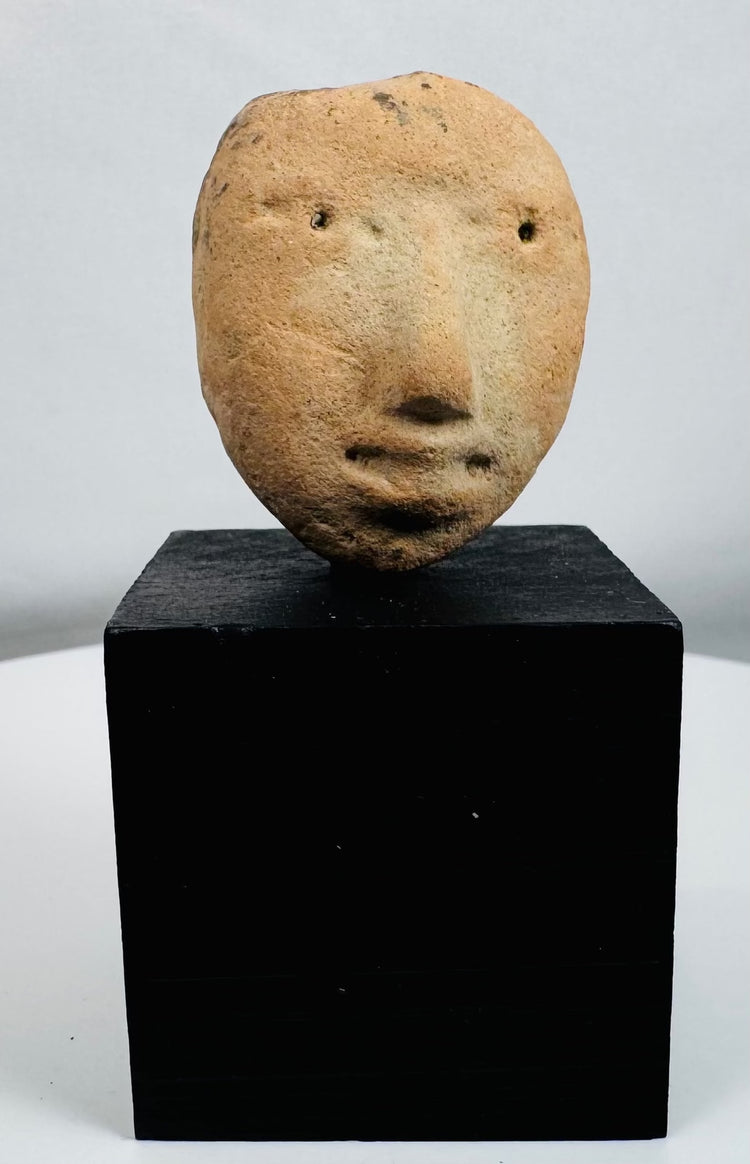
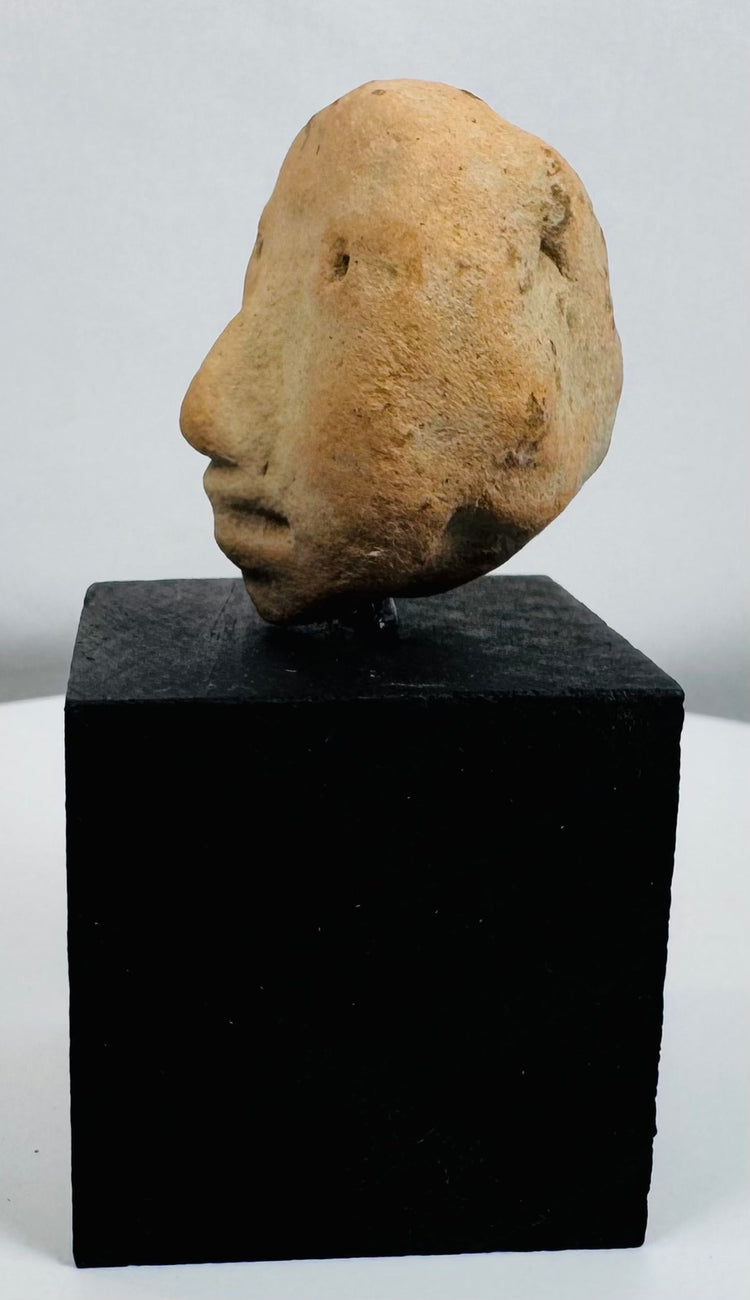
Ce fragment de tête précolombienne en terre cuite représente une figure humaine stylisée avec un visage large, un nez proéminent, des yeux enfoncés et des lèvres pincées. La modélisation simplifiée mais expressive reflète les traditions artistiques que l'on retrouve dans toute l'ancienne Mésoamérique et le nord de l'Amérique du Sud, où les figures en céramique servaient à des fonctions cérémonielles, funéraires et symboliques.
Faisant à l'origine partie d'un plus grand récipient, d'une effigie ou d'une composition sculpturale, le fragment conserve une expression faciale sereine et contemplative. Le traitement minimaliste des traits, en particulier les petits yeux perforés et le nez prononcé, crée une présence visuelle saisissante malgré le caractère fragmentaire de la pièce.
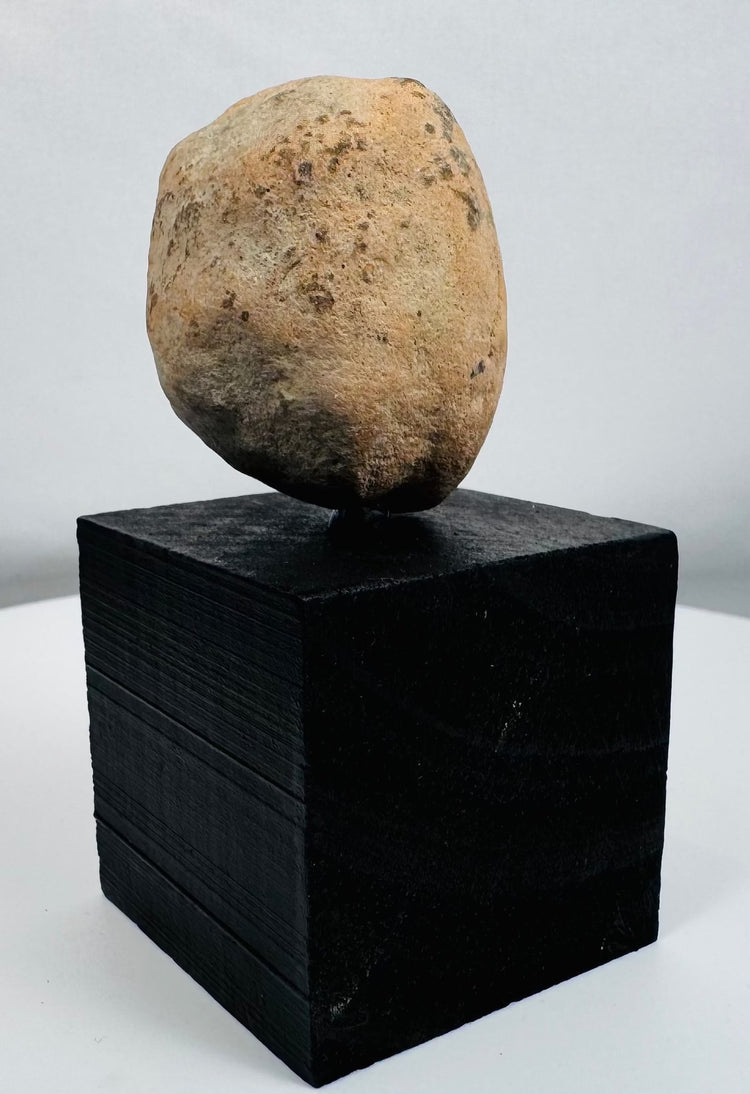
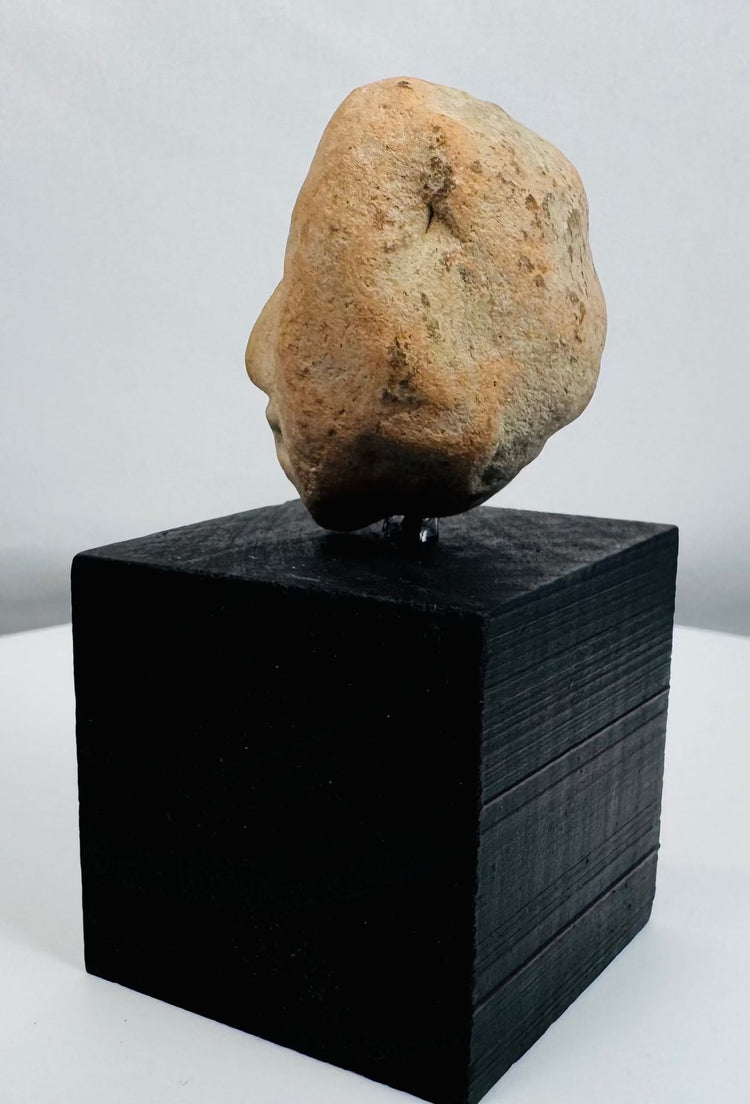
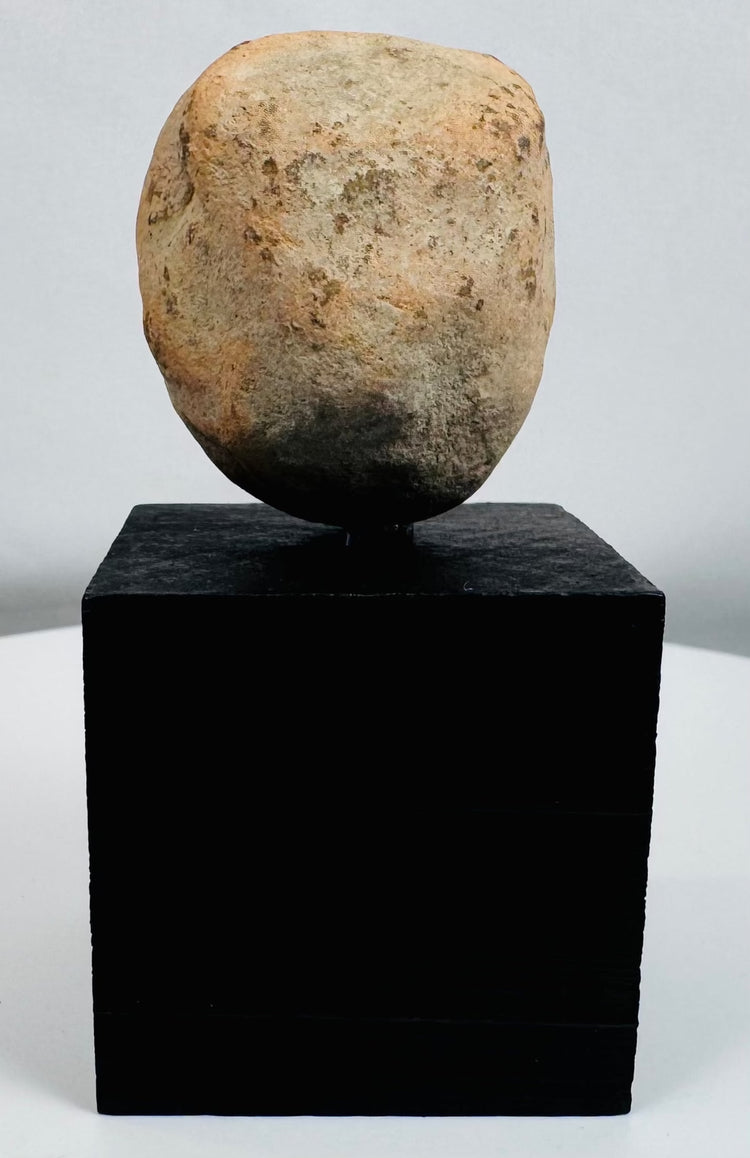
La surface présente une altération liée à l'âge et des dépôts minéraux compatibles avec un enfouissement de longue durée. Monté sur un support d'exposition personnalisé, le fragment offre un aperçu évocateur des traditions artistiques et des croyances spirituelles des anciennes Amériques.
Caractéristiques
- Fragment de tête humaine en terre cuite
- Traits faciaux stylisés avec un nez prononcé
- Petits yeux perforés et lèvres pincées
- Forme faciale arrondie avec une forte présence sculpturale
- Faisait à l'origine partie d'un plus grand récipient ou d'une effigie
- Altération de surface et patine d'enfouissement compatibles avec l'âge
- Monté sur un support d'exposition personnalisé
Signification culturelle
Les figures d'effigie humaine occupaient une place importante dans de nombreuses sociétés précolombiennes, où elles pouvaient représenter des ancêtres, des membres de la communauté, des élites, des participants à des rituels ou des êtres surnaturels. Ces figures étaient souvent incorporées dans des récipients cérémoniels, des offrandes funéraires et des contextes dévotionnels. Des fragments comme celui-ci conservent des preuves précieuses des anciennes traditions artistiques et de l'importance durable de la représentation humaine dans la culture visuelle précolombienne.
État
État fragmentaire comme montré, conservant la partie de la tête d'un objet en céramique plus grand. Usure de surface, pertes, concrétions minérales et altération générale compatibles avec l'âge et l'enfouissement. Monté sur un support d'exposition moderne personnalisé pour la présentation.
Dimensions (Approximatives)
Hauteur : 4 po
Largeur : 3 po
Profondeur : 2,5 po
Âge (Approximatif)
1 100–1 800 ans
Provenance
Collection privée de Fayetteville, Arkansas, USA ; anciennement de la succession privée de Fayetteville, Arkansas, USA, constituée entre 1960 et 2024. Acquise suite à la dispersion de la collection de la succession.
En savoir plus
Découvrez l'histoire et les cultures des Amériques précolombiennes à travers l'ère précolombienne du Mexique
Voir notre Collection d'artefacts précolombiens anciens
Description
Contexte Historique et Origine
Région : Mexique à Colombie
Matériau : Terre cuite
Période : Période précolombienne, vers 200–900 ap. J.-C.
Description
Ce fragment de tête précolombienne en terre cuite représente une figure humaine stylisée avec un visage large, un nez proéminent, des yeux enfoncés et des lèvres pincées. La modélisation simplifiée mais expressive reflète les traditions artistiques que l'on retrouve dans toute l'ancienne Mésoamérique et le nord de l'Amérique du Sud, où les figures en céramique servaient à des fonctions cérémonielles, funéraires et symboliques.
Faisant à l'origine partie d'un plus grand récipient, d'une effigie ou d'une composition sculpturale, le fragment conserve une expression faciale sereine et contemplative. Le traitement minimaliste des traits, en particulier les petits yeux perforés et le nez prononcé, crée une présence visuelle saisissante malgré le caractère fragmentaire de la pièce.
La surface présente une altération liée à l'âge et des dépôts minéraux compatibles avec un enfouissement de longue durée. Monté sur un support d'exposition personnalisé, le fragment offre un aperçu évocateur des traditions artistiques et des croyances spirituelles des anciennes Amériques.
Caractéristiques
- Fragment de tête humaine en terre cuite
- Traits faciaux stylisés avec un nez prononcé
- Petits yeux perforés et lèvres pincées
- Forme faciale arrondie avec une forte présence sculpturale
- Faisait à l'origine partie d'un plus grand récipient ou d'une effigie
- Altération de surface et patine d'enfouissement compatibles avec l'âge
- Monté sur un support d'exposition personnalisé
Signification culturelle
Les figures d'effigie humaine occupaient une place importante dans de nombreuses sociétés précolombiennes, où elles pouvaient représenter des ancêtres, des membres de la communauté, des élites, des participants à des rituels ou des êtres surnaturels. Ces figures étaient souvent incorporées dans des récipients cérémoniels, des offrandes funéraires et des contextes dévotionnels. Des fragments comme celui-ci conservent des preuves précieuses des anciennes traditions artistiques et de l'importance durable de la représentation humaine dans la culture visuelle précolombienne.
État
État fragmentaire comme montré, conservant la partie de la tête d'un objet en céramique plus grand. Usure de surface, pertes, concrétions minérales et altération générale compatibles avec l'âge et l'enfouissement. Monté sur un support d'exposition moderne personnalisé pour la présentation.
Dimensions (Approximatives)
Hauteur : 4 po
Largeur : 3 po
Profondeur : 2,5 po
Âge (Approximatif)
1 100–1 800 ans
Provenance
Collection privée de Fayetteville, Arkansas, USA ; anciennement de la succession privée de Fayetteville, Arkansas, USA, constituée entre 1960 et 2024. Acquise suite à la dispersion de la collection de la succession.
En savoir plus
Découvrez l'histoire et les cultures des Amériques précolombiennes à travers l'ère précolombienne du Mexique
Voir notre Collection d'artefacts précolombiens anciens
Vous aimerez peut-être aussi
