



Africana | Escultura fragmento de cabeza de piedra tallada en peana de metal a medida | Siglo XIX-XX
- Precio habitual
- $1,000.00
- Precio de venta
- $1,000.00
- Precio habitual
No se pudo cargar la disponibilidad de retiro


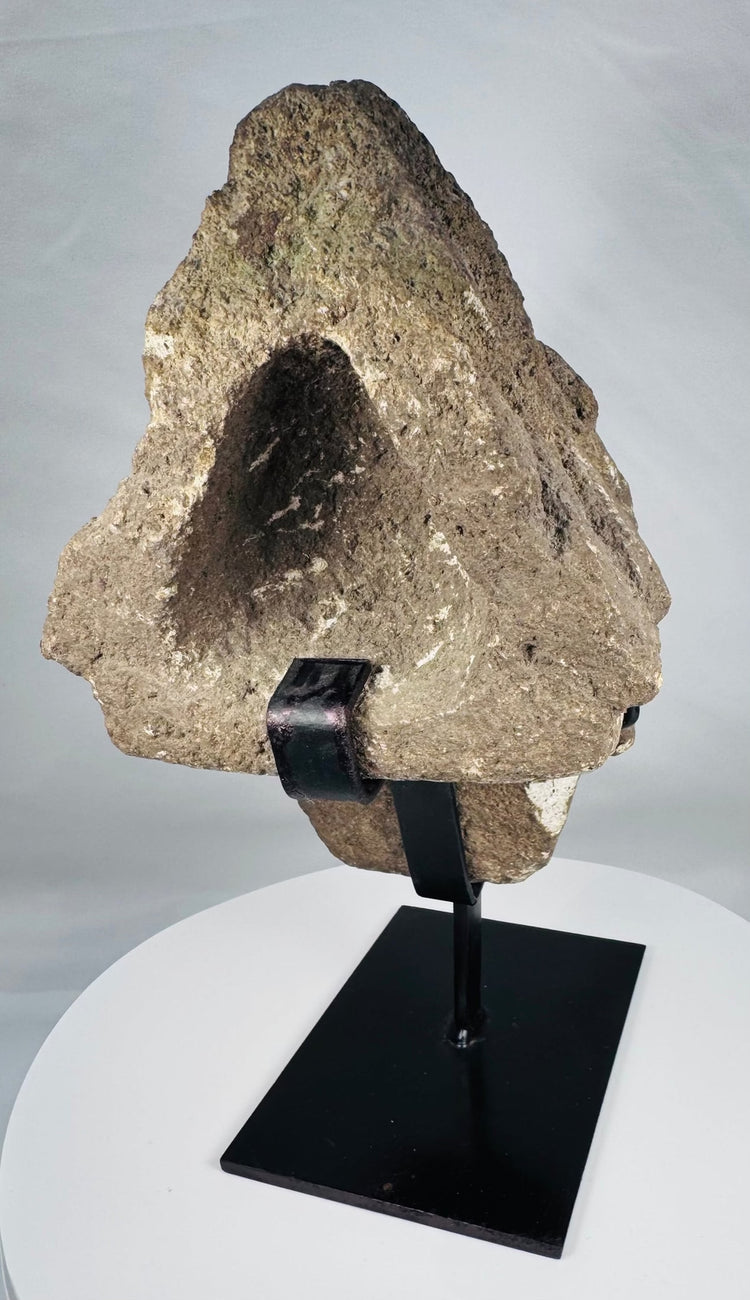
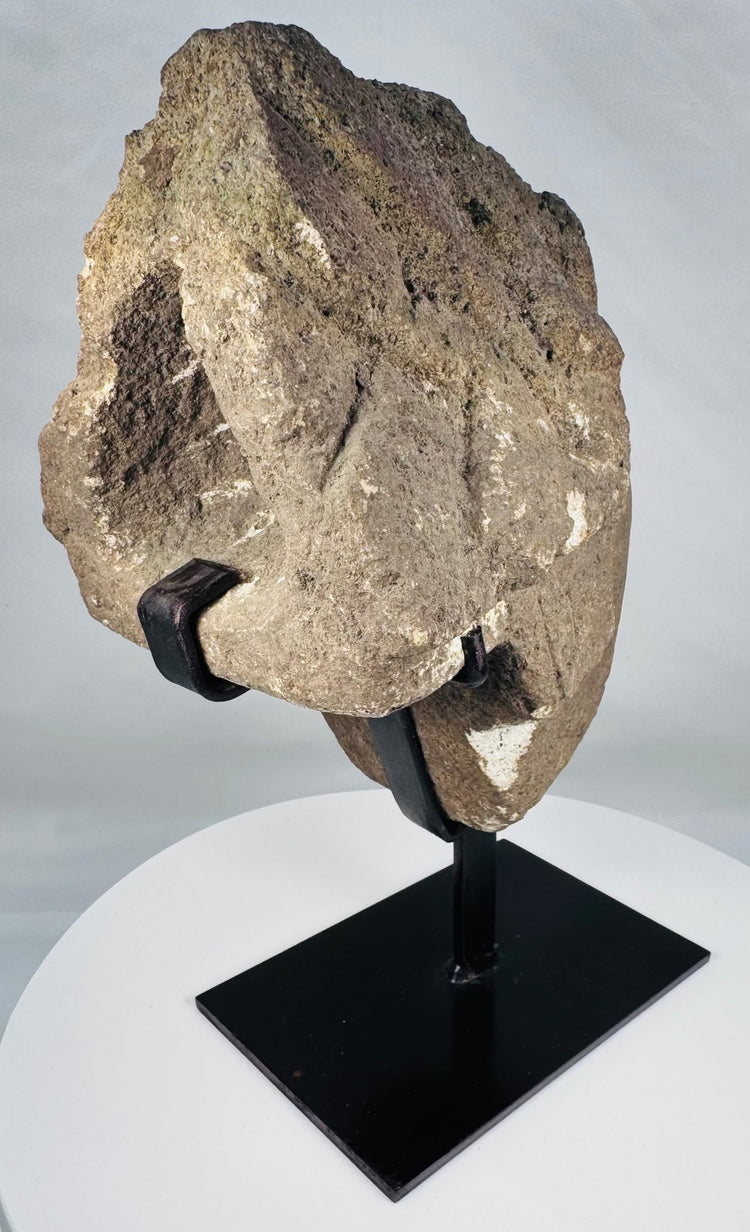
Africana | Escultura fragmento de cabeza de piedra tallada en peana de metal a medida | Siglo XIX-XX
Descripción
Más
Menos
Contexto histórico y origen
Región: África, probablemente África Occidental
Material: Piedra tallada
Período: Circa siglos XIX–XX
Descripción
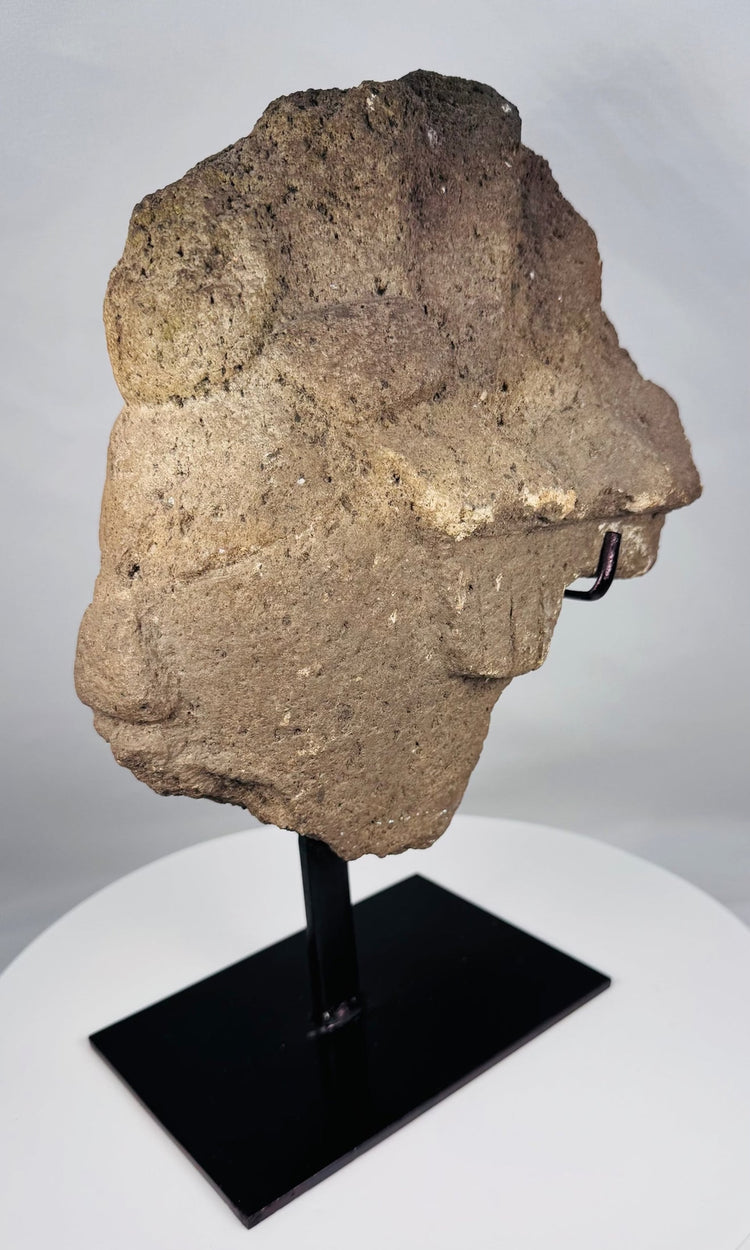
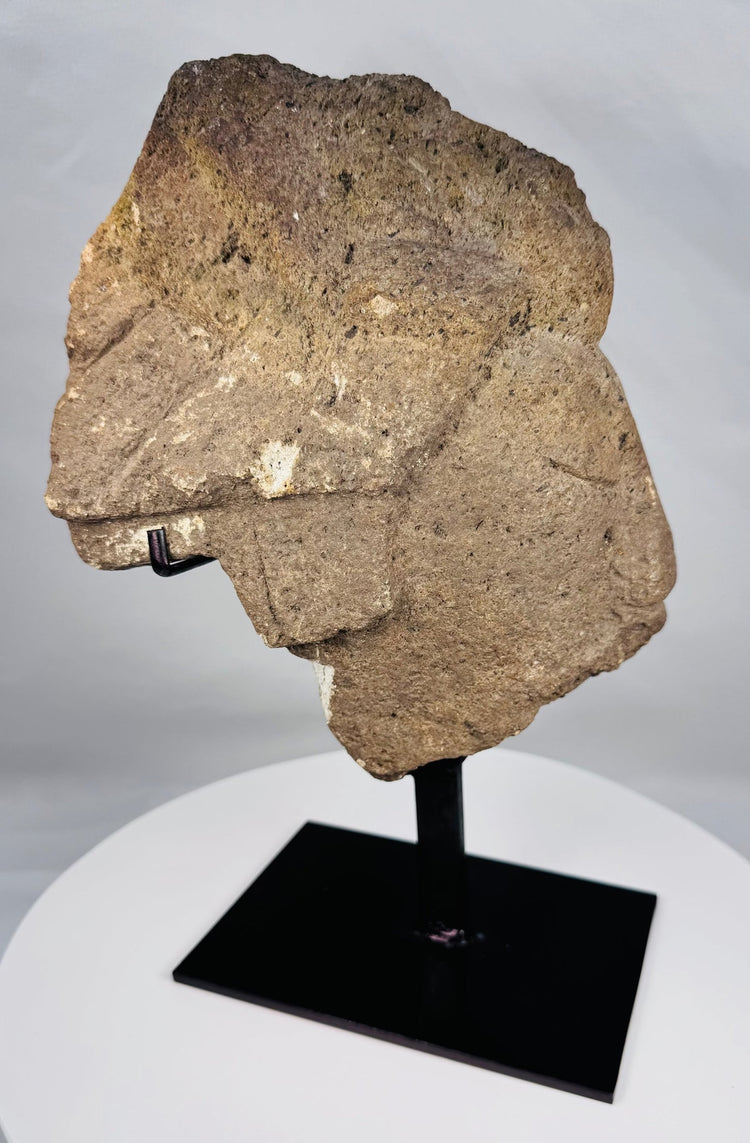
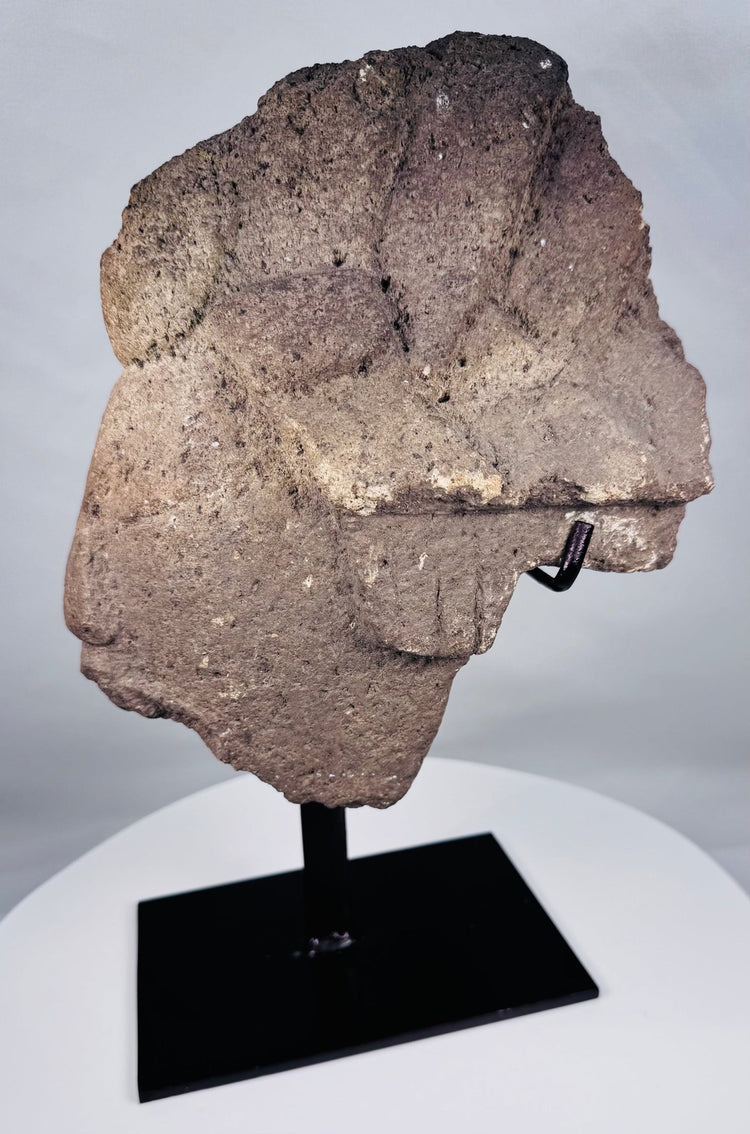
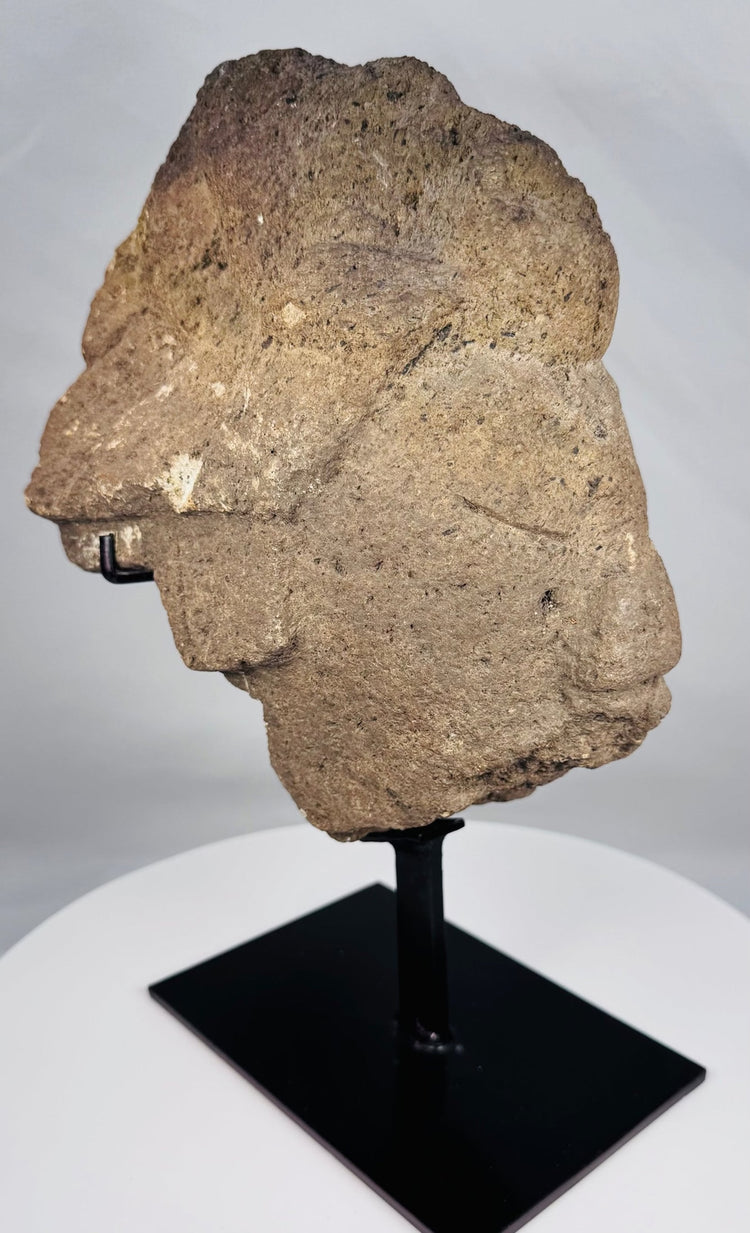
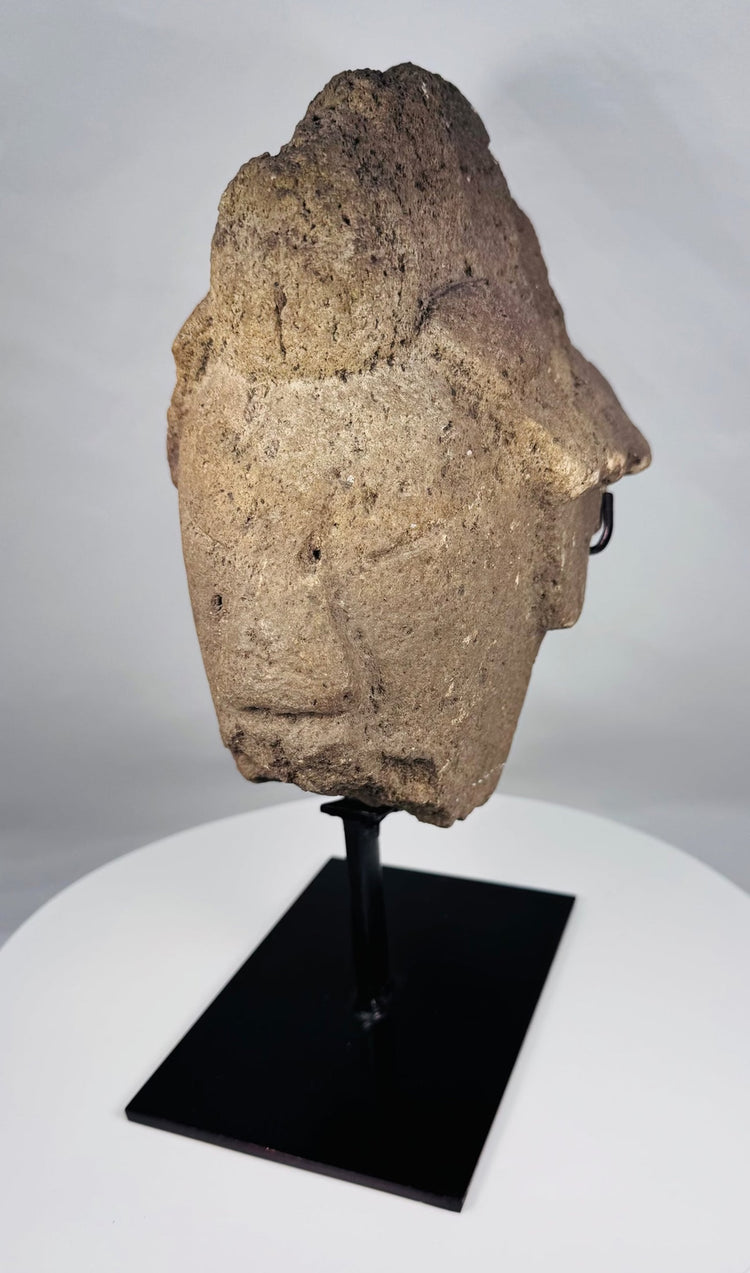
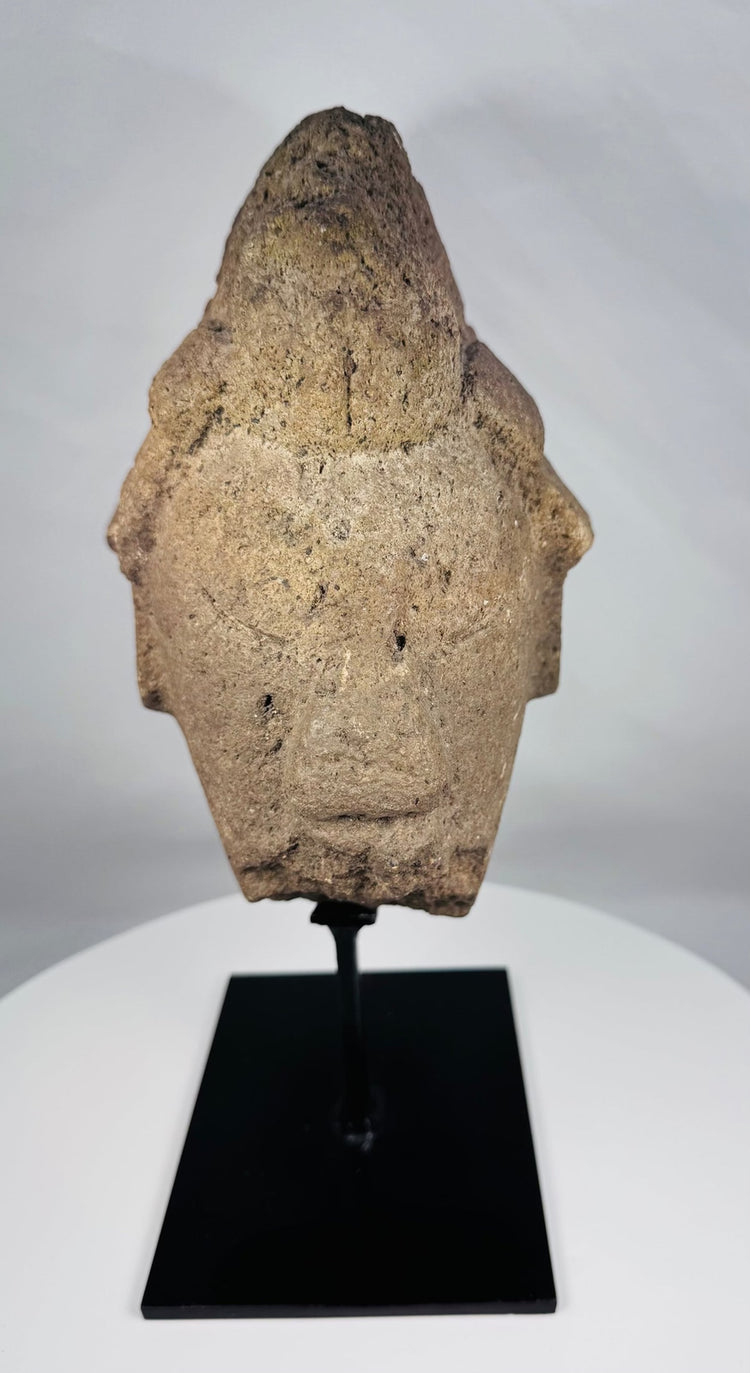
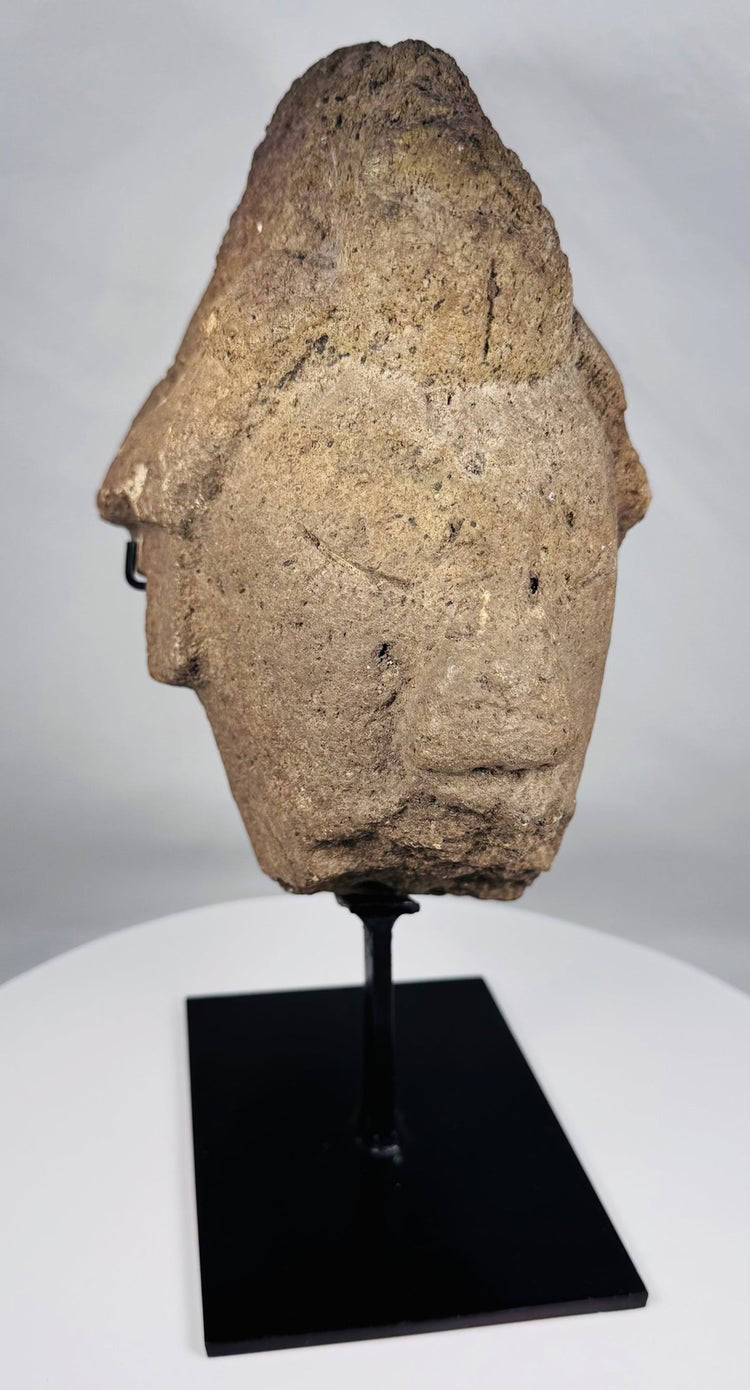
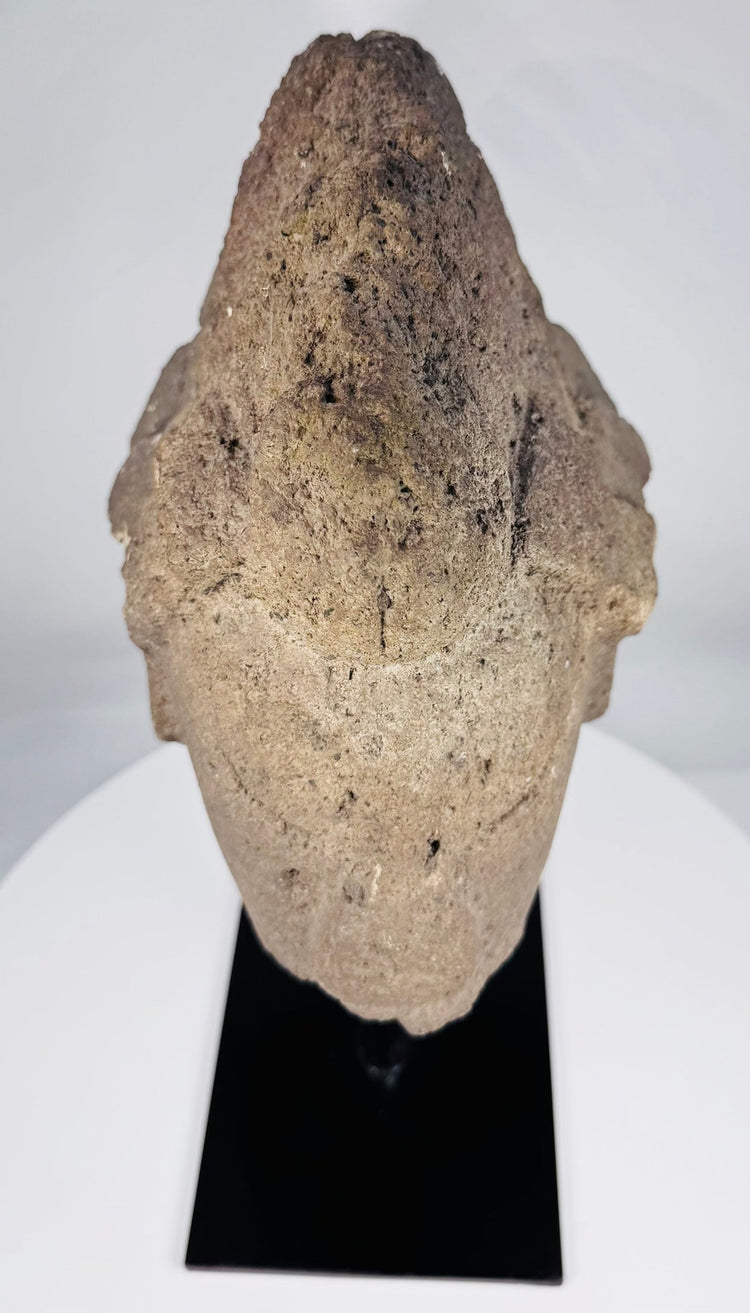
Este impresionante fragmento de cabeza de piedra tallada africana representa la porción superviviente de una obra escultórica más grande, hábilmente tallada en piedra de grano grueso y ahora presentada sobre un soporte de exhibición de metal negro hecho a medida. La escultura representa un rostro humano estilizado coronado por un prominente tocado cónico o un peinado similar a un casco, una forma frecuentemente asociada con el estatus, la identidad ritual o la representación ancestral dentro de varias tradiciones artísticas africanas.
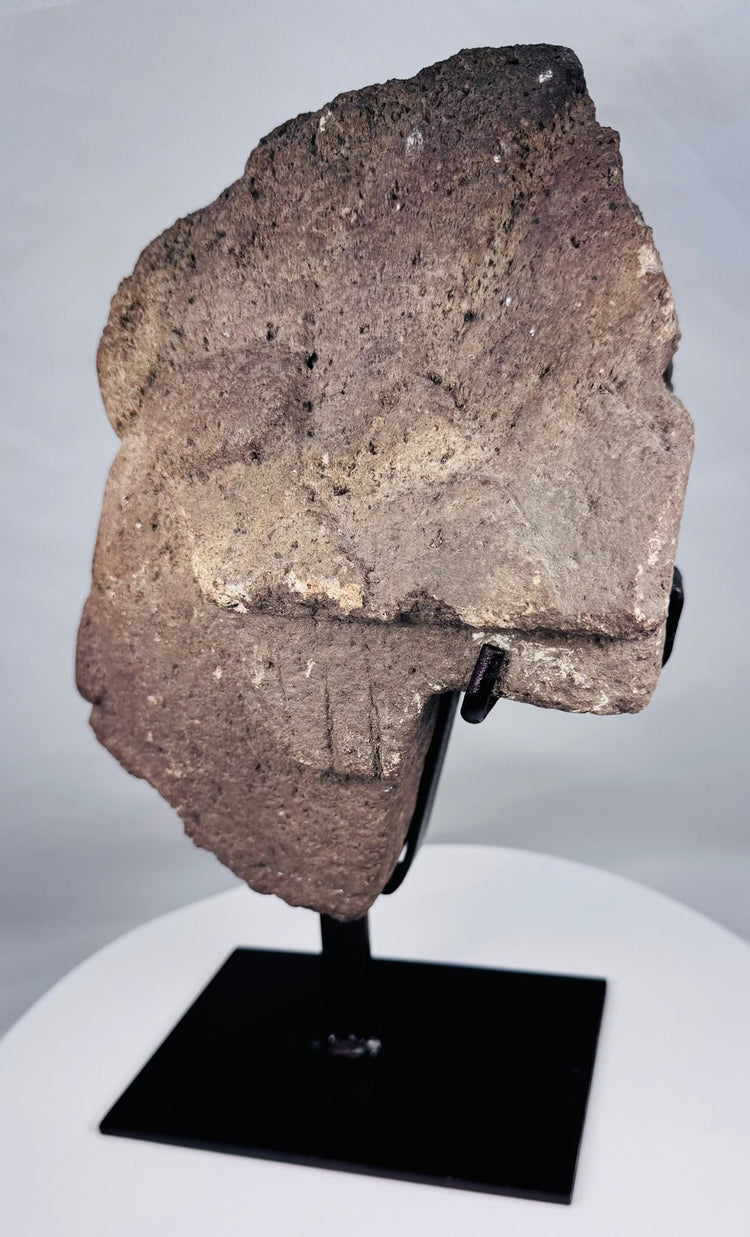
Los rasgos faciales están representados con notable simplicidad y potencia. Los ojos almendrados están profundamente hundidos bajo una ceja pronunciada, mientras que una nariz triangular ancha y labios comprimidos crean una expresión solemne y contemplativa. Los planos angulares del rostro y el tratamiento geométrico del tocado enfatizan el enfoque del escultor en la forma simbólica más que en la representación naturalista.
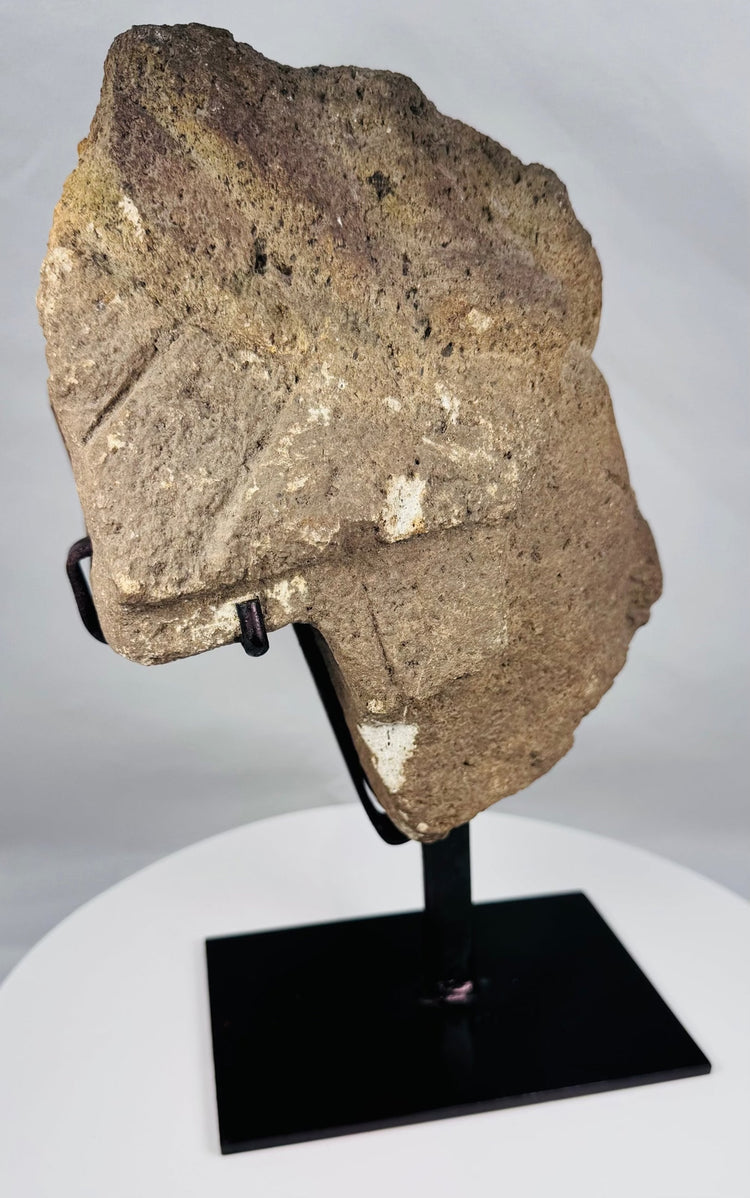
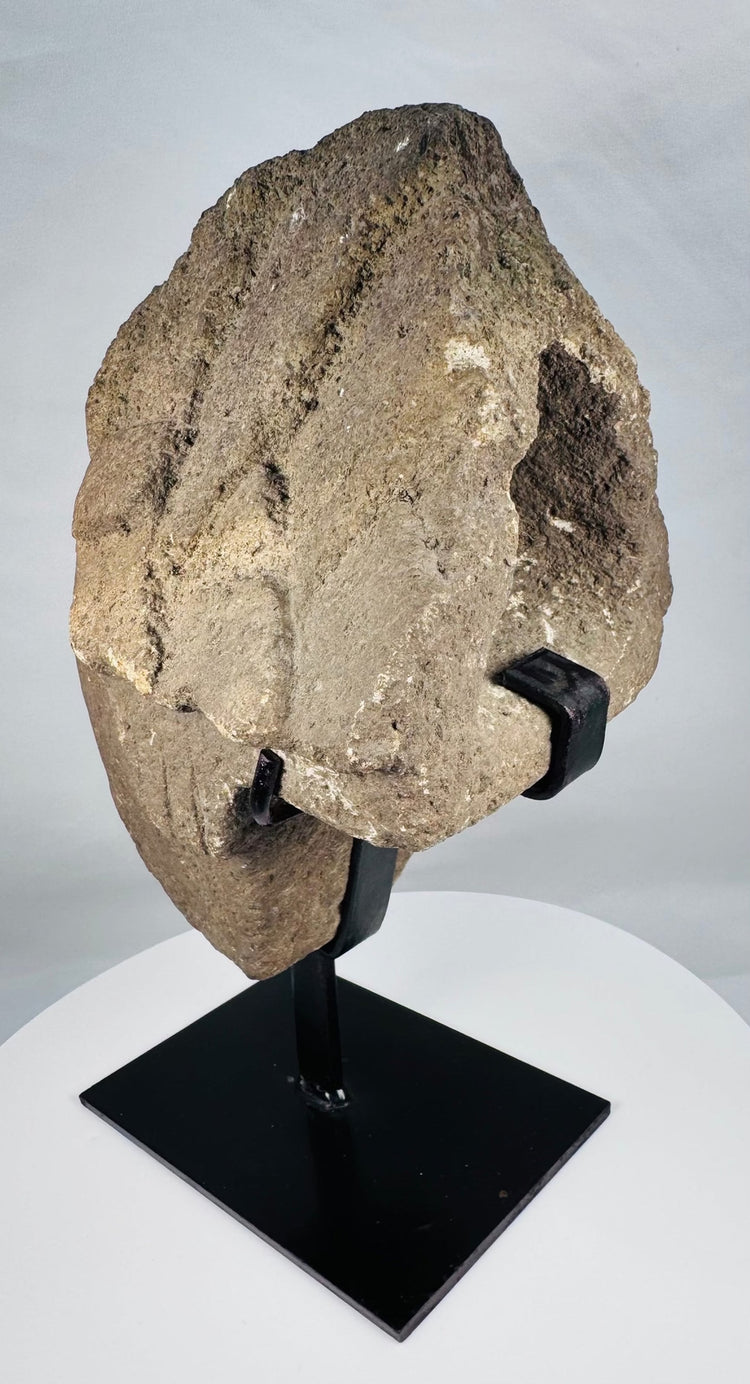
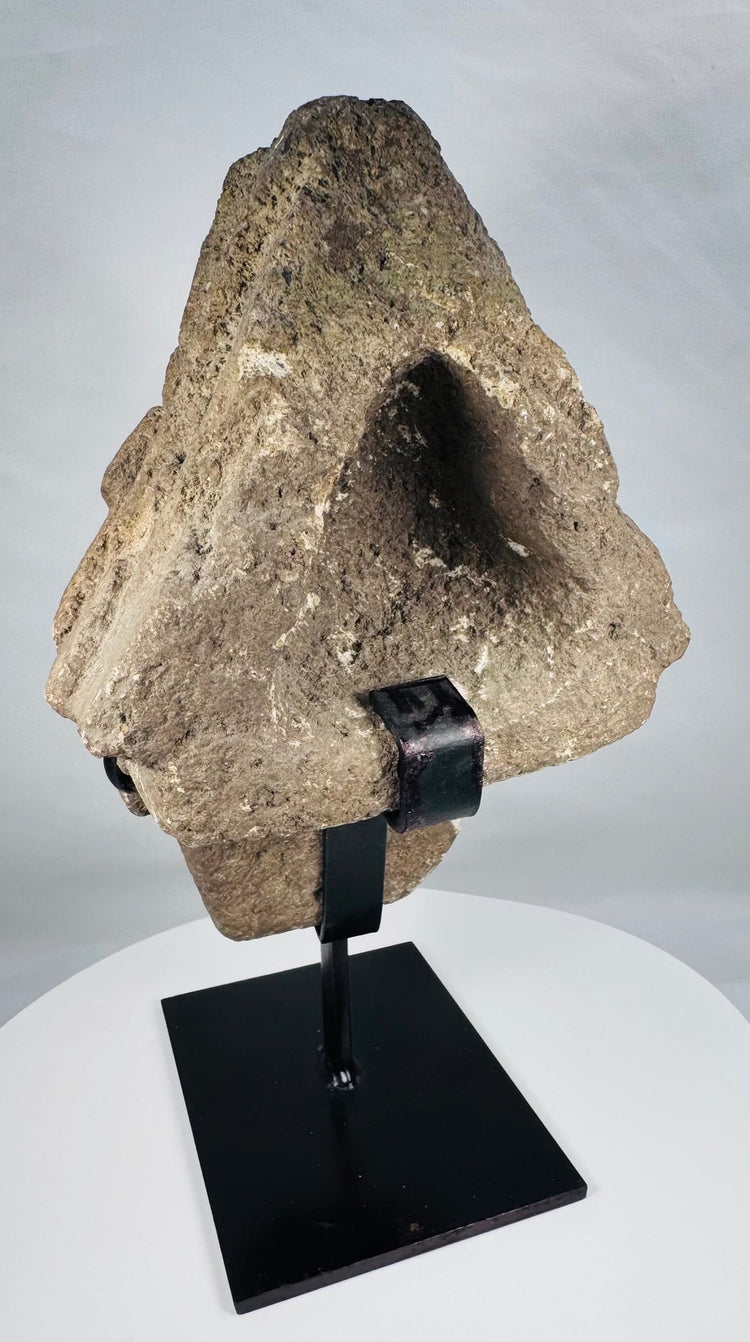
Se pueden observar evidencias de una extensa meteorización, erosión superficial y concreciones minerales en toda la escultura, lo que indica su prolongada antigüedad y exposición. El reverso permanece rugoso y parcialmente ahuecado, lo que sugiere que la pieza originalmente formó parte de una composición arquitectónica, ceremonial o conmemorativa más grande antes de separarse de su contexto original.
Características
- Construcción en piedra tallada a mano
- Rasgos faciales humanos estilizados
- Prominente tocado o peinado cónico
- Fragmento de una obra escultórica más grande
- Extensa meteorización y pátina superficial relacionada con la edad
- Montado profesionalmente en un soporte de metal negro hecho a medida
- Fuerte presencia arquitectónica y escultórica
Significado cultural
Las cabezas de piedra y las representaciones de ancestros han desempeñado papeles importantes en numerosas culturas africanas, sirviendo como monumentos conmemorativos, figuras de santuario, marcadores de estatus o encarnaciones de ancestros venerados. Aunque el origen cultural preciso de este ejemplo sigue siendo incierto, su forma estilizada refleja una larga tradición de retratos simbólicos en la escultura africana, donde la identidad espiritual y social a menudo prevalecía sobre la representación naturalista.
Condición
Buen estado para su edad. Fragmentado tal como fue hecho, con pérdidas consistentes con la separación de una escultura más grande. Desgaste superficial, meteorización, erosión, depósitos minerales, astillas y pérdidas en toda la pieza. Montado en un soporte de exhibición de metal hecho a medida para su presentación y estabilidad.
Dimensiones (aproximadas)
Altura: 11.75 pulgadas
Ancho: 6.5 pulgadas
Profundidad: 8 pulgadas
Edad (aproximada)
100–200 años de antigüedad
Procedencia
De una propiedad en Chelsea, Nueva York, EE. UU.
Más información
Explora la historia más amplia de la cultura e historia de África Occidental
Explora nuestra Colección Cultural y Etnográfica
Descripción
Contexto histórico y origen
Región: África, probablemente África Occidental
Material: Piedra tallada
Período: Circa siglos XIX–XX
Descripción
Este impresionante fragmento de cabeza de piedra tallada africana representa la porción superviviente de una obra escultórica más grande, hábilmente tallada en piedra de grano grueso y ahora presentada sobre un soporte de exhibición de metal negro hecho a medida. La escultura representa un rostro humano estilizado coronado por un prominente tocado cónico o un peinado similar a un casco, una forma frecuentemente asociada con el estatus, la identidad ritual o la representación ancestral dentro de varias tradiciones artísticas africanas.
Los rasgos faciales están representados con notable simplicidad y potencia. Los ojos almendrados están profundamente hundidos bajo una ceja pronunciada, mientras que una nariz triangular ancha y labios comprimidos crean una expresión solemne y contemplativa. Los planos angulares del rostro y el tratamiento geométrico del tocado enfatizan el enfoque del escultor en la forma simbólica más que en la representación naturalista.
Se pueden observar evidencias de una extensa meteorización, erosión superficial y concreciones minerales en toda la escultura, lo que indica su prolongada antigüedad y exposición. El reverso permanece rugoso y parcialmente ahuecado, lo que sugiere que la pieza originalmente formó parte de una composición arquitectónica, ceremonial o conmemorativa más grande antes de separarse de su contexto original.
Características
- Construcción en piedra tallada a mano
- Rasgos faciales humanos estilizados
- Prominente tocado o peinado cónico
- Fragmento de una obra escultórica más grande
- Extensa meteorización y pátina superficial relacionada con la edad
- Montado profesionalmente en un soporte de metal negro hecho a medida
- Fuerte presencia arquitectónica y escultórica
Significado cultural
Las cabezas de piedra y las representaciones de ancestros han desempeñado papeles importantes en numerosas culturas africanas, sirviendo como monumentos conmemorativos, figuras de santuario, marcadores de estatus o encarnaciones de ancestros venerados. Aunque el origen cultural preciso de este ejemplo sigue siendo incierto, su forma estilizada refleja una larga tradición de retratos simbólicos en la escultura africana, donde la identidad espiritual y social a menudo prevalecía sobre la representación naturalista.
Condición
Buen estado para su edad. Fragmentado tal como fue hecho, con pérdidas consistentes con la separación de una escultura más grande. Desgaste superficial, meteorización, erosión, depósitos minerales, astillas y pérdidas en toda la pieza. Montado en un soporte de exhibición de metal hecho a medida para su presentación y estabilidad.
Dimensiones (aproximadas)
Altura: 11.75 pulgadas
Ancho: 6.5 pulgadas
Profundidad: 8 pulgadas
Edad (aproximada)
100–200 años de antigüedad
Procedencia
De una propiedad en Chelsea, Nueva York, EE. UU.
Más información
Explora la historia más amplia de la cultura e historia de África Occidental
Explora nuestra Colección Cultural y Etnográfica
También te puede interesar
