

Lámpara de aceite de pedestal y soporte de ofrenda ritual de terracota del Mediterráneo Oriental Antiguo | Circa 1200 – 600 a.C.
- Precio habitual
- $1,000.00
- Precio de venta
- $1,000.00
- Precio habitual
No se pudo cargar la disponibilidad de retiro


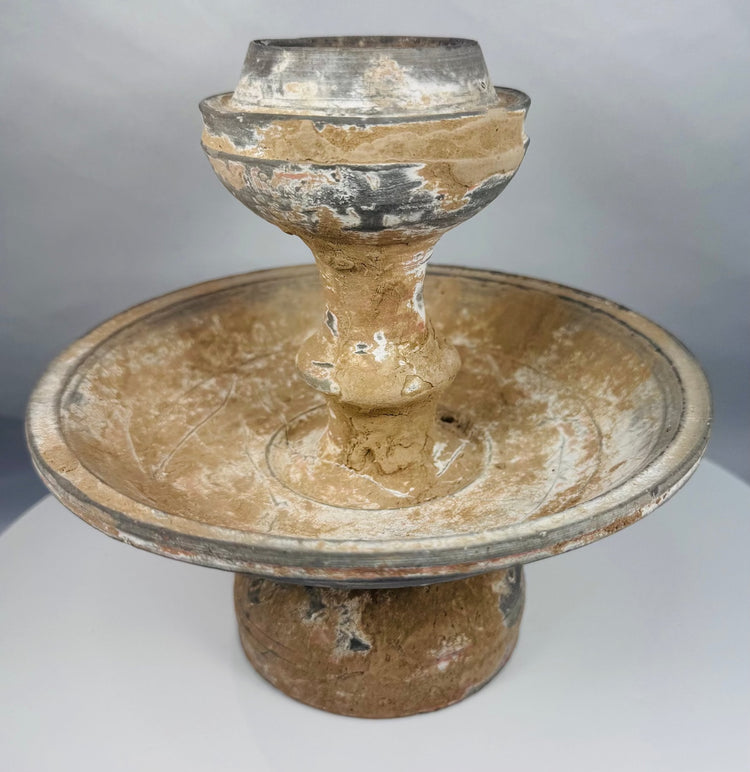
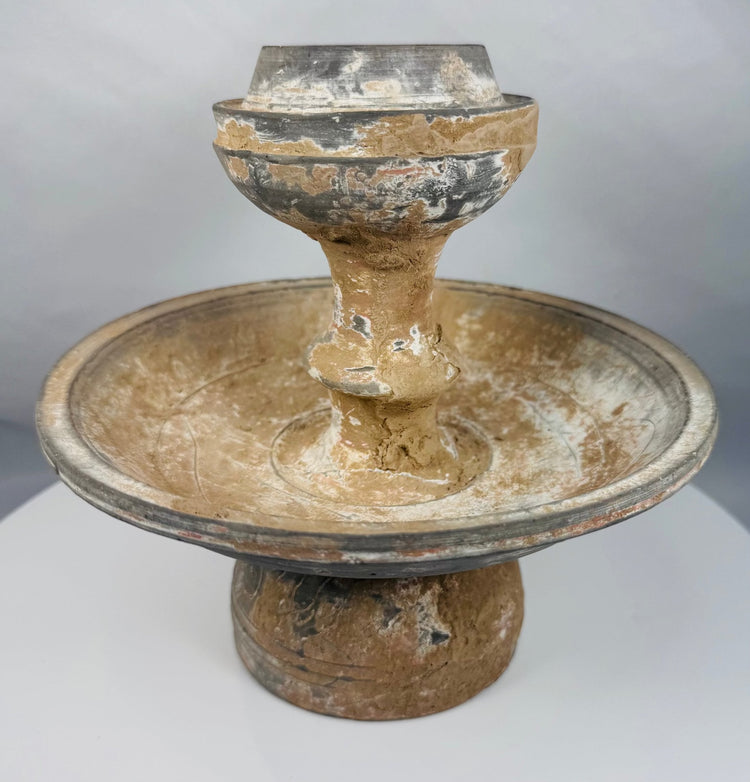
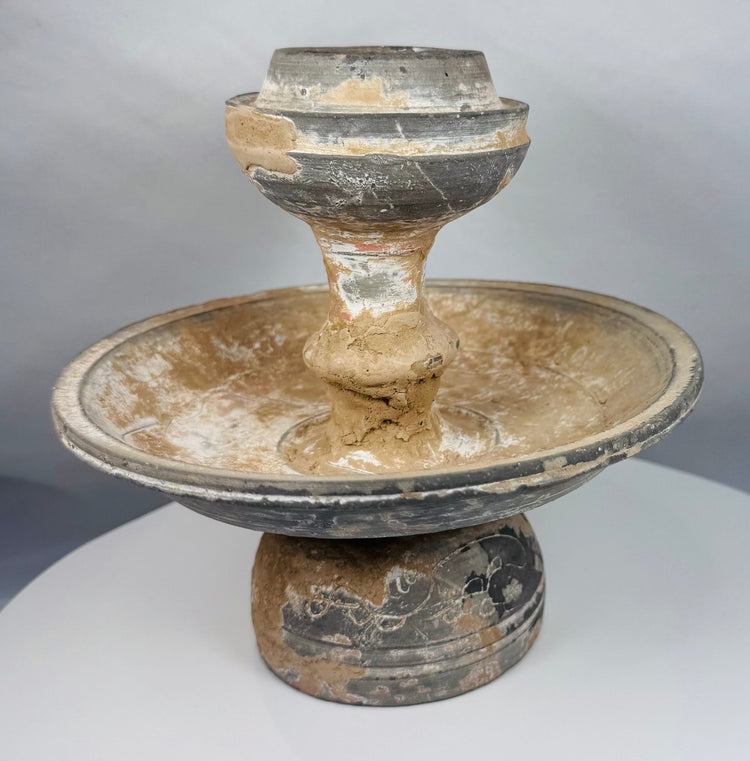
Lámpara de aceite de pedestal y soporte de ofrenda ritual de terracota del Mediterráneo Oriental Antiguo | Circa 1200 – 600 a.C.
Descripción
Más
Menos
Contexto histórico y origen
Cultura: Mediterráneo oriental o Próximo Oriente
Material: Terracota con decoración pintada en negro
Período: Edad del Bronce Tardía a Edad del Hierro Temprana, c. 1200–600 a.C.
Descripción
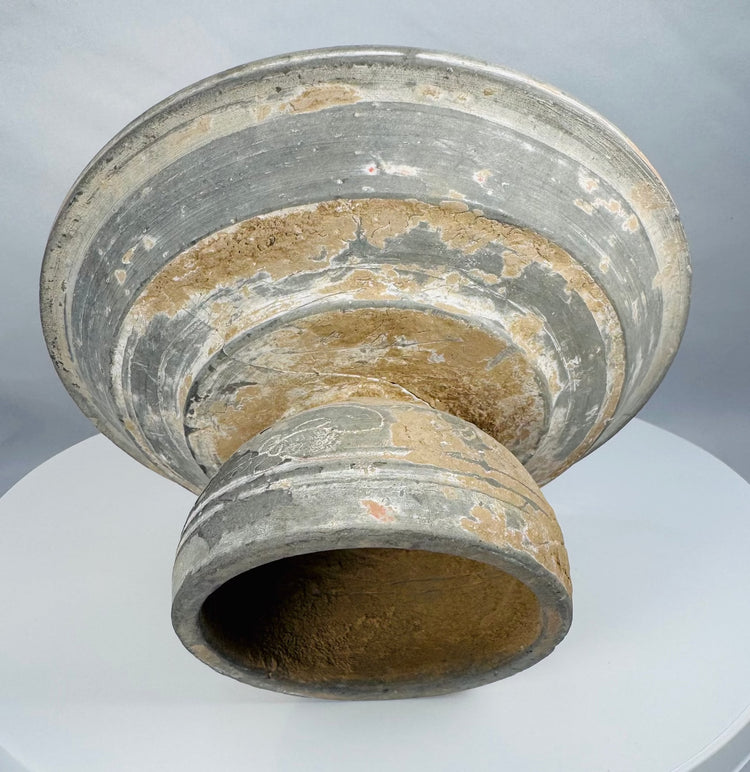
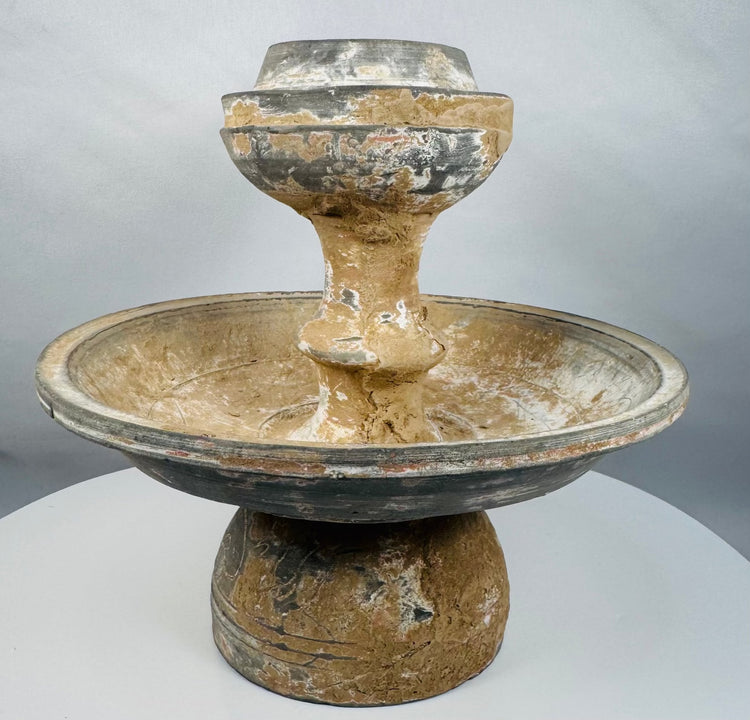
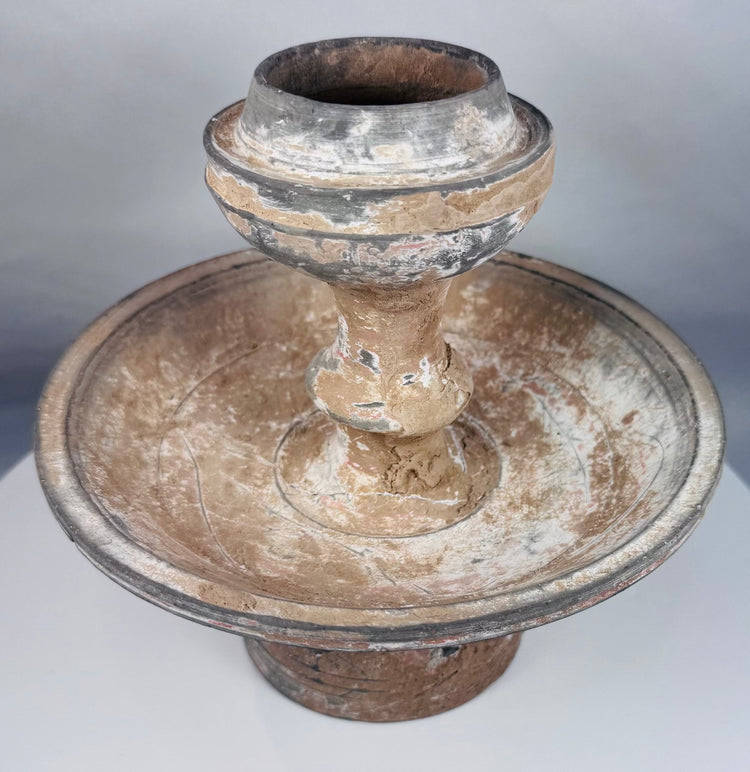
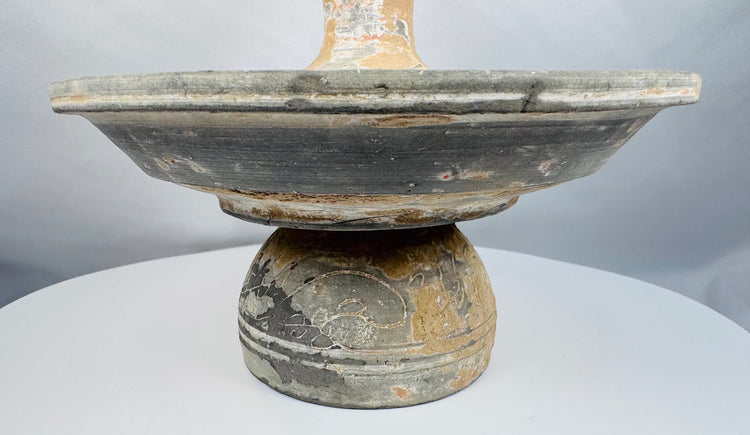
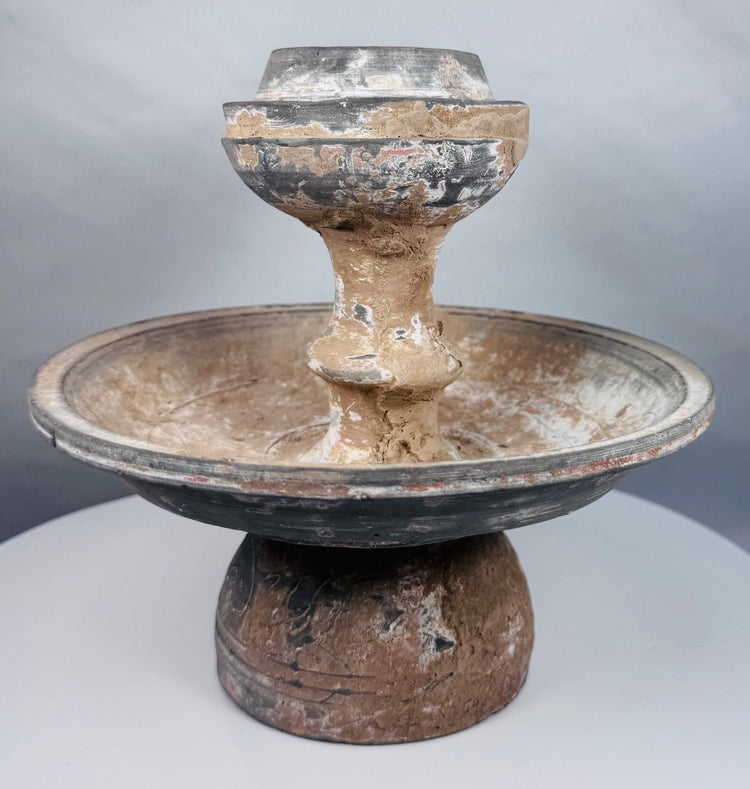
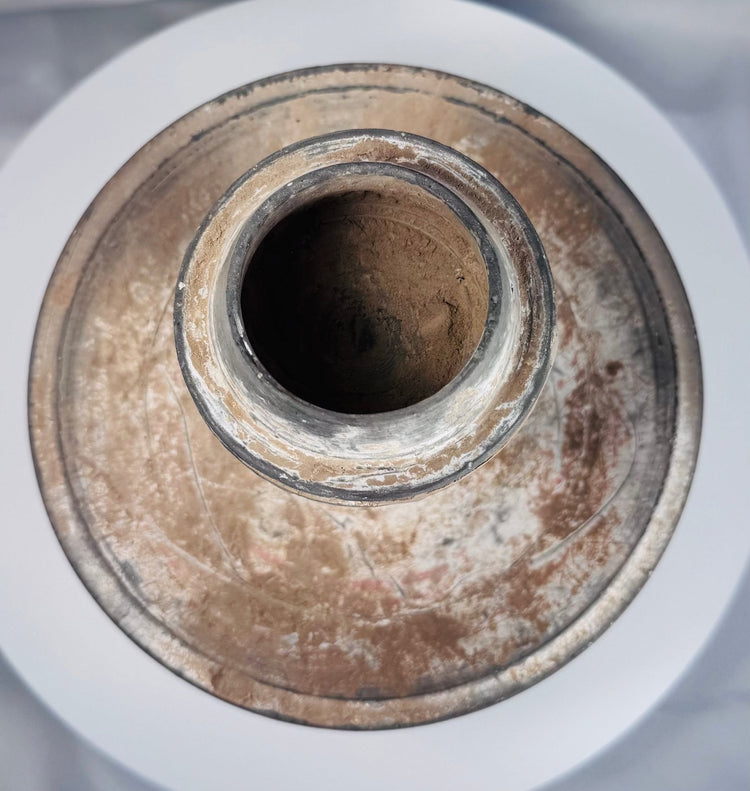
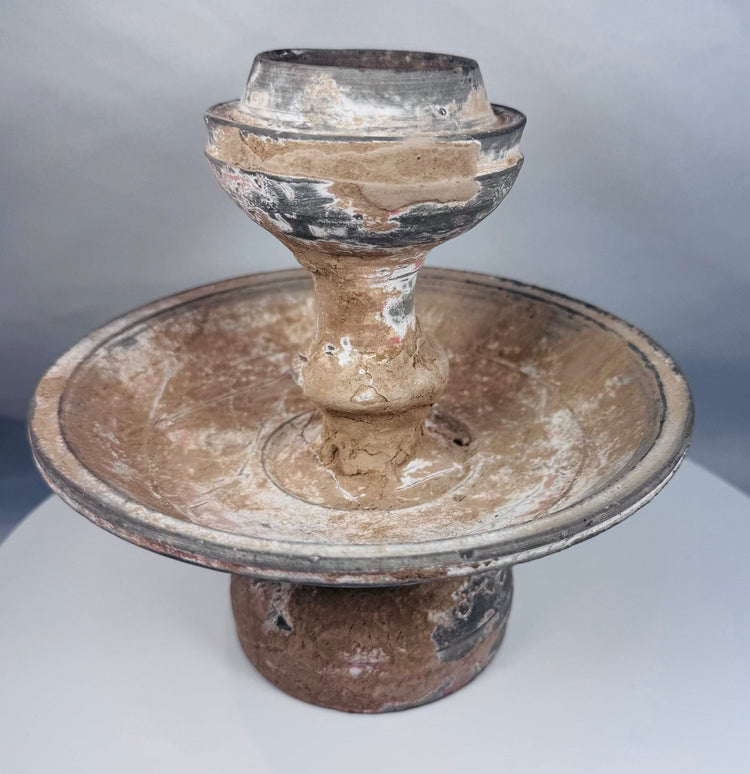
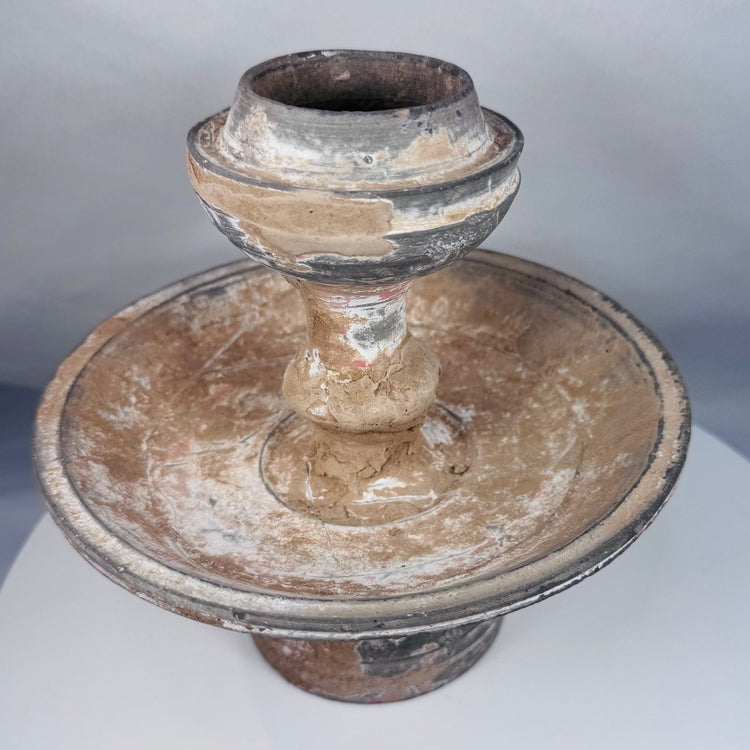
Esta antigua vasija de terracota con pedestal representa un ejemplo raro y visualmente impactante de cerámica ceremonial temprana del antiguo mundo del Mediterráneo oriental. La pieza presenta una amplia cuenca circular elevada sobre un sustancial pie de pedestal, coronada por una copa central elevada diseñada para contener aceite, incienso u ofrendas rituales.
La vasija exhibe una forma arquitectónica sofisticada, combinando elementos funcionales y ceremoniales. El amplio plato circundante habría servido para recoger el exceso de aceite, cenizas u ofrendas, mientras que el receptáculo central elevado probablemente contenía una mecha, combustible ardiente, incienso o materiales de sacrificio. Tales vasijas se asociaban comúnmente con santuarios domésticos, rituales de templo, ceremonias funerarias y prácticas votivas en todo el antiguo Próximo Oriente y la cuenca mediterránea.
Se observan restos de la decoración original pintada de oscuro en las superficies exteriores, formando bandas horizontales y motivos abstractos característicos de las antiguas tradiciones cerámicas. Siglos de enterramiento han producido sustanciales depósitos minerales e incrustaciones terrosas en la superficie, creando una atractiva pátina arqueológica que atestigua la antigüedad de la vasija.
Características
- Auténtica vasija ceremonial de terracota antigua
- Forma de pedestal elevada con amplia cuenca colectora
- Copa central elevada para aceite, incienso u ofrendas rituales
- Conserva restos de la decoración original pintada de negro
- Importantes depósitos minerales arqueológicos y pátina
- Fuerte silueta arquitectónica adecuada para exhibición
- Raro ejemplo sobreviviente de cerámica ritual antigua
Importancia cultural
Las lámparas de pedestal y los soportes para ofrendas desempeñaron un papel importante en el antiguo Mediterráneo y el Próximo Oriente. Dichas vasijas se utilizaban en santuarios domésticos, templos, ceremonias funerarias y observancias religiosas donde la luz, el incienso y las ofrendas formaban parte de la práctica devocional.
El diseño elevado cumplía propósitos tanto prácticos como simbólicos, elevando la llama sagrada u ofrenda por encima de las superficies circundantes mientras enfatizaba su importancia ritual. Los ejemplos supervivientes son cada vez más difíciles de adquirir debido a su naturaleza frágil y siglos de uso.
Estado
Estado antiguo con amplio desgaste superficial, concreciones minerales, intemperie, pérdidas en el engobe superficial y evidencia de reparaciones o estabilización relacionadas con la edad. Desconchones dispersos, abrasiones e incrustaciones en toda la pieza. Se exhibe excepcionalmente bien y permanece estructuralmente estable.
Dimensiones (aproximadas)
Altura: 7.25 pulgadas
Diámetro: 7.25 pulgadas
Edad (aproximada)
2.600–3.200 años de antigüedad
Procedencia
Adquirido de una colección de una finca de Palm Beach, Florida. La colección contenía un considerable conjunto de lámparas de aceite antiguas e históricas reunidas a lo largo de varias décadas.
Más información
Explore la investigación sobre vasijas ceremoniales del antiguo Próximo Oriente y análisis de residuos a través de Scientific Reports
Explore nuestra colección curada de Antigüedades de Oriente Medio y Arte Antiguo
Descripción
Contexto histórico y origen
Cultura: Mediterráneo oriental o Próximo Oriente
Material: Terracota con decoración pintada en negro
Período: Edad del Bronce Tardía a Edad del Hierro Temprana, c. 1200–600 a.C.
Descripción
Esta antigua vasija de terracota con pedestal representa un ejemplo raro y visualmente impactante de cerámica ceremonial temprana del antiguo mundo del Mediterráneo oriental. La pieza presenta una amplia cuenca circular elevada sobre un sustancial pie de pedestal, coronada por una copa central elevada diseñada para contener aceite, incienso u ofrendas rituales.
La vasija exhibe una forma arquitectónica sofisticada, combinando elementos funcionales y ceremoniales. El amplio plato circundante habría servido para recoger el exceso de aceite, cenizas u ofrendas, mientras que el receptáculo central elevado probablemente contenía una mecha, combustible ardiente, incienso o materiales de sacrificio. Tales vasijas se asociaban comúnmente con santuarios domésticos, rituales de templo, ceremonias funerarias y prácticas votivas en todo el antiguo Próximo Oriente y la cuenca mediterránea.
Se observan restos de la decoración original pintada de oscuro en las superficies exteriores, formando bandas horizontales y motivos abstractos característicos de las antiguas tradiciones cerámicas. Siglos de enterramiento han producido sustanciales depósitos minerales e incrustaciones terrosas en la superficie, creando una atractiva pátina arqueológica que atestigua la antigüedad de la vasija.
Características
- Auténtica vasija ceremonial de terracota antigua
- Forma de pedestal elevada con amplia cuenca colectora
- Copa central elevada para aceite, incienso u ofrendas rituales
- Conserva restos de la decoración original pintada de negro
- Importantes depósitos minerales arqueológicos y pátina
- Fuerte silueta arquitectónica adecuada para exhibición
- Raro ejemplo sobreviviente de cerámica ritual antigua
Importancia cultural
Las lámparas de pedestal y los soportes para ofrendas desempeñaron un papel importante en el antiguo Mediterráneo y el Próximo Oriente. Dichas vasijas se utilizaban en santuarios domésticos, templos, ceremonias funerarias y observancias religiosas donde la luz, el incienso y las ofrendas formaban parte de la práctica devocional.
El diseño elevado cumplía propósitos tanto prácticos como simbólicos, elevando la llama sagrada u ofrenda por encima de las superficies circundantes mientras enfatizaba su importancia ritual. Los ejemplos supervivientes son cada vez más difíciles de adquirir debido a su naturaleza frágil y siglos de uso.
Estado
Estado antiguo con amplio desgaste superficial, concreciones minerales, intemperie, pérdidas en el engobe superficial y evidencia de reparaciones o estabilización relacionadas con la edad. Desconchones dispersos, abrasiones e incrustaciones en toda la pieza. Se exhibe excepcionalmente bien y permanece estructuralmente estable.
Dimensiones (aproximadas)
Altura: 7.25 pulgadas
Diámetro: 7.25 pulgadas
Edad (aproximada)
2.600–3.200 años de antigüedad
Procedencia
Adquirido de una colección de una finca de Palm Beach, Florida. La colección contenía un considerable conjunto de lámparas de aceite antiguas e históricas reunidas a lo largo de varias décadas.
Más información
Explore la investigación sobre vasijas ceremoniales del antiguo Próximo Oriente y análisis de residuos a través de Scientific Reports
Explore nuestra colección curada de Antigüedades de Oriente Medio y Arte Antiguo
También te puede interesar
