

Vaso efigie de cerdo de la antigua cultura Yortan | Anatolia | Principios de la Edad del Bronce | Procedencia detallada | Circa 1700 a. C.
- Precio habitual
- $1,750.00
- Precio de venta
- $1,750.00
- Precio habitual
No se pudo cargar la disponibilidad de retiro


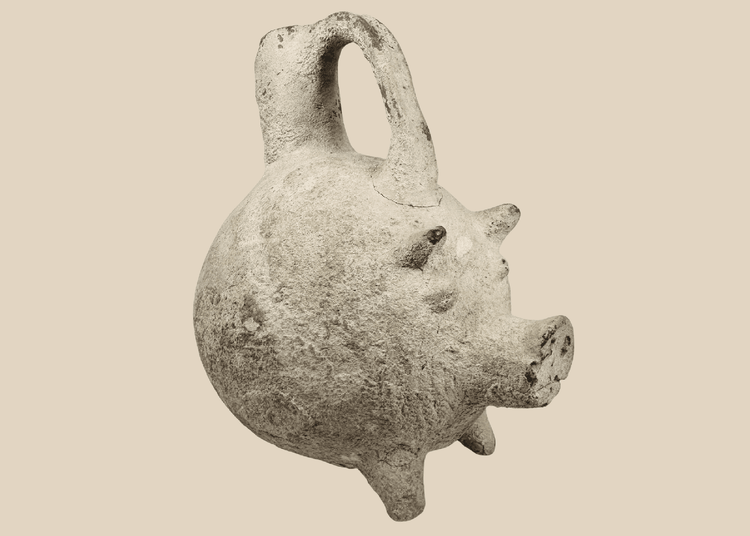
Vaso efigie de cerdo de la antigua cultura Yortan | Anatolia | Principios de la Edad del Bronce | Procedencia detallada | Circa 1700 a. C.
Descripción
Más
Menos
Contexto histórico y origen
Región: Noroeste de Anatolia (Cultura Yortan), Antigua Anatolia
Material: Terracota con restos de engobe blanco y pigmento
Período: Edad del Bronce Temprano, ca. 1700 a. C. (siglo XVII a. C.)
Descripción
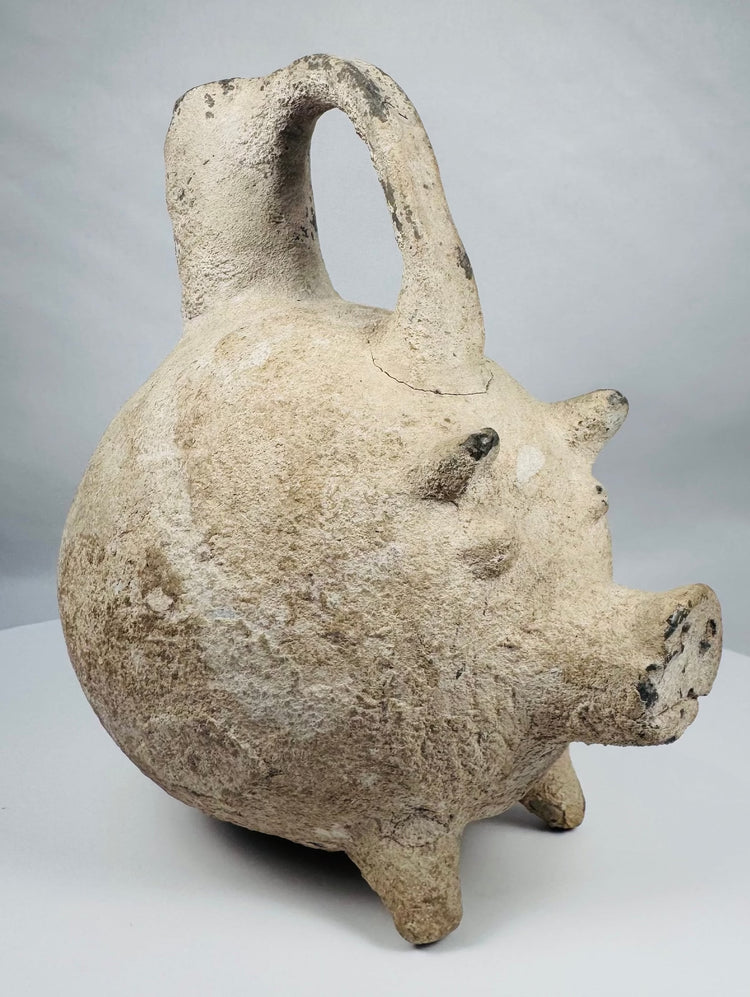
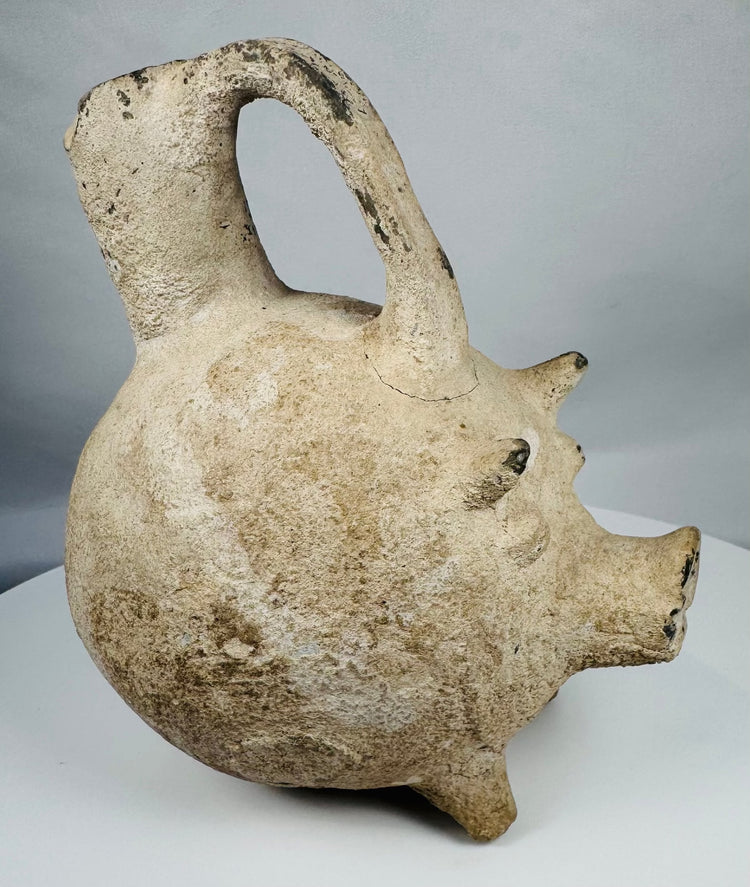
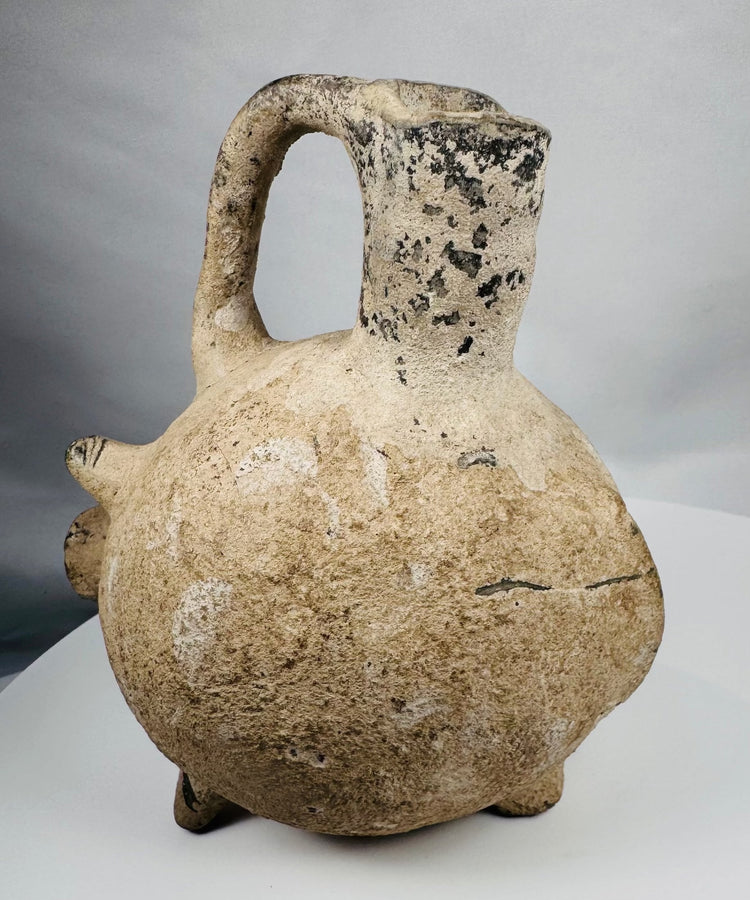
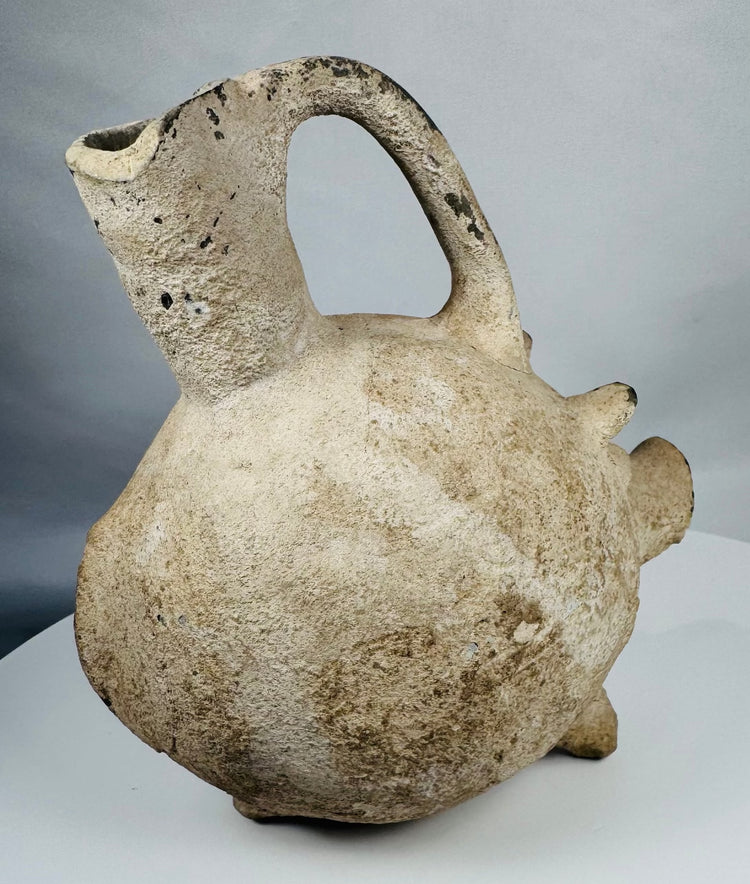
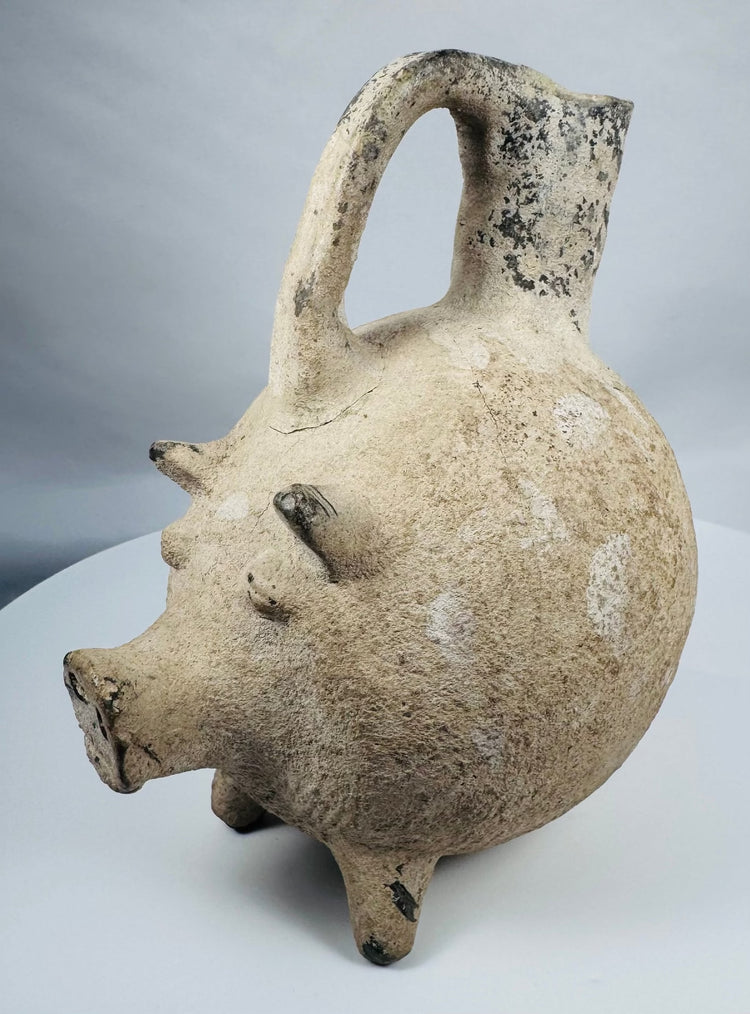
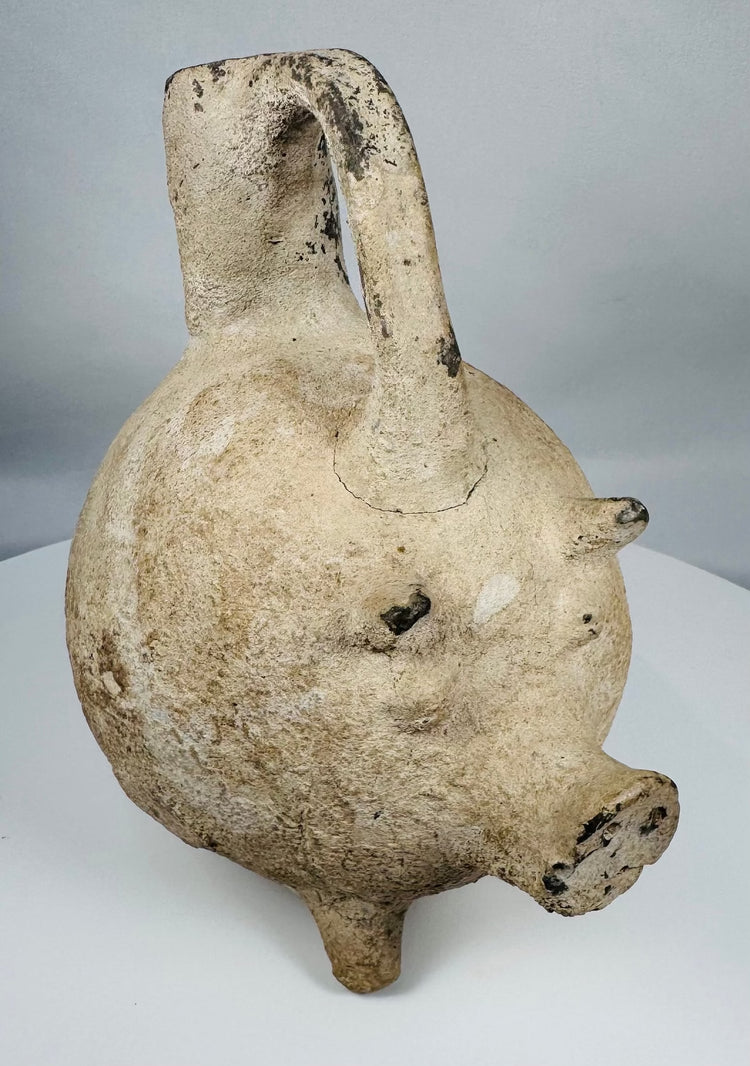
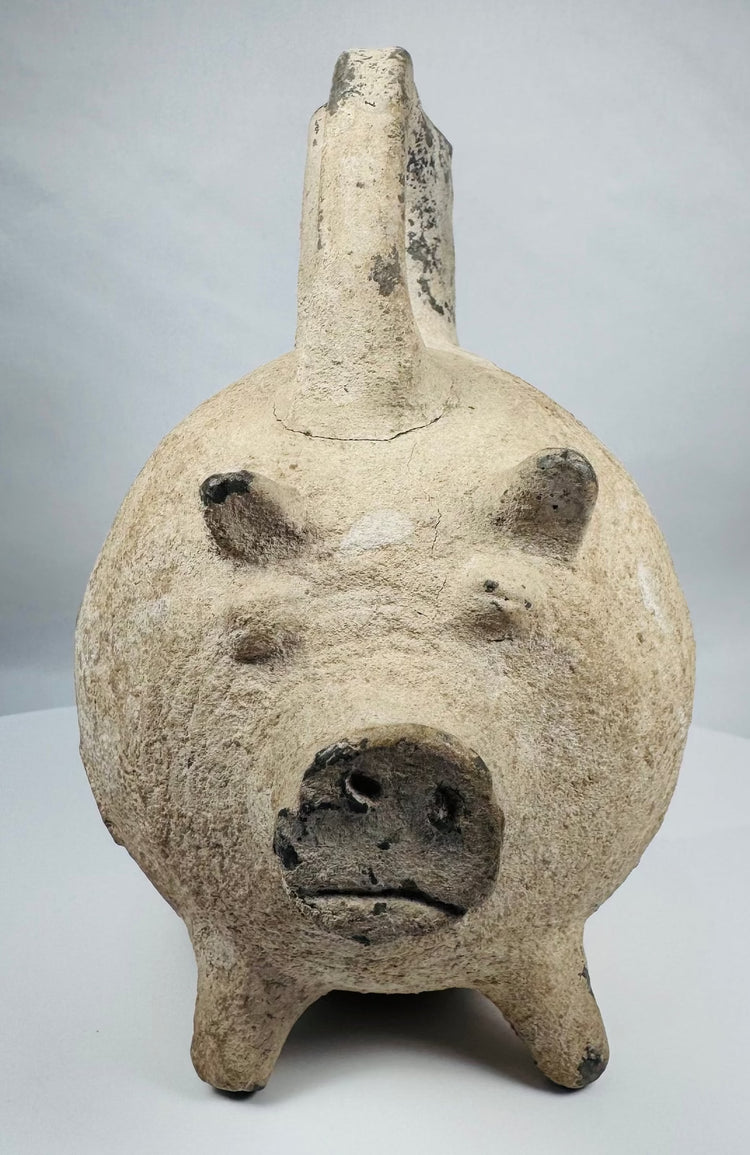
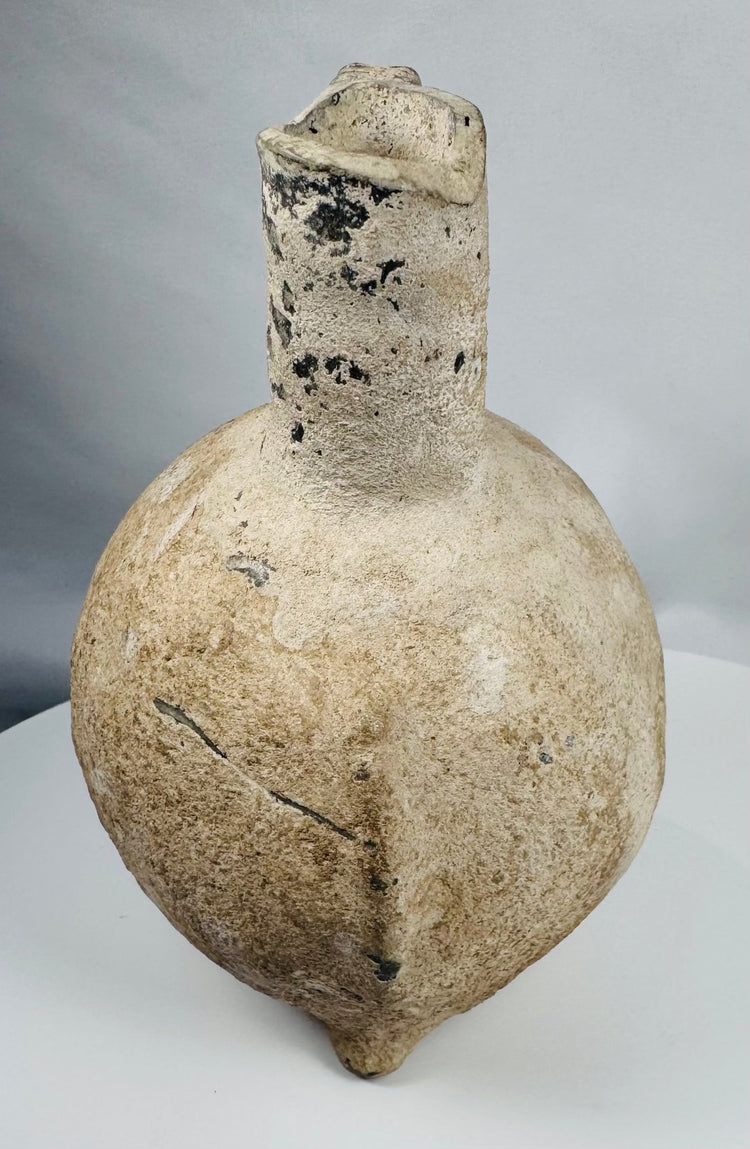
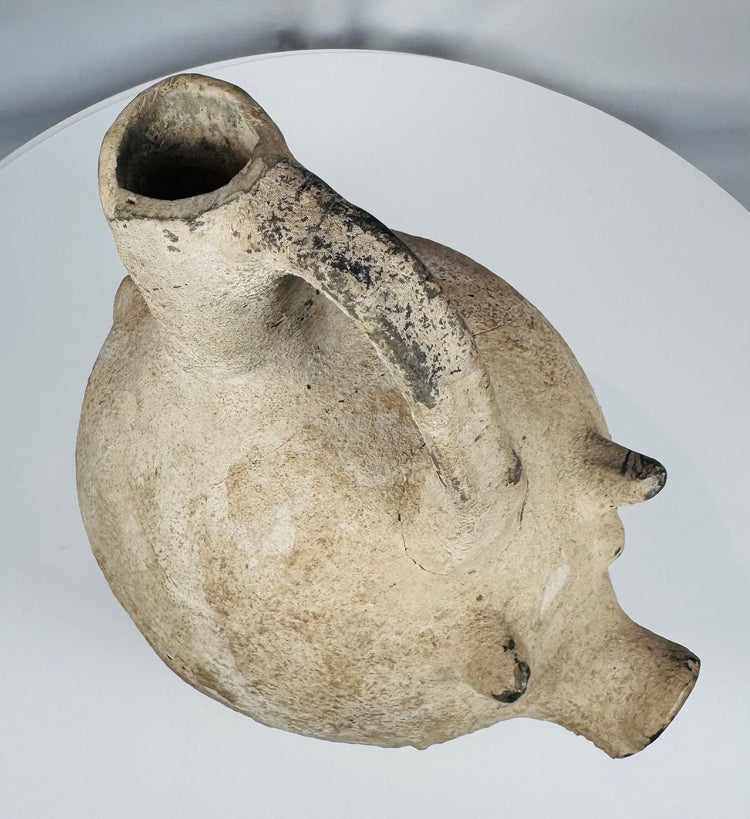
Esta rara vasija zoomorfa de terracota de la antigua Anatolia está modelada en forma de cerdo o jabalí, representando una de las distintivas formas cerámicas con figura de animal asociadas con la Cultura Yortan del noroeste de Anatolia. Formada a mano en loza, la vasija presenta un cuerpo globular redondeado sostenido por tres robustas patas de trípode, un hocico saliente, orejas aplicadas y un asa de estribo alta y arqueada que conecta el hombro con el pico vertedor.
Las vasijas con forma de animal de este tipo se encuentran entre los productos más reconocibles de las culturas de la Edad del Bronce Temprano del oeste de Anatolia. El cerdo fue un animal doméstico y simbólico importante en todo el Antiguo Cercano Oriente y Anatolia, y las vasijas que representan cerdos se conocen en contextos funerarios y rituales asociados con el horizonte cultural de Yortan.
La vasija conserva rastros de su engobe y pigmento originales de color claro, con una incrustación superficial sustancial y un desgaste relacionado con la edad, consistente con un entierro a largo plazo.
Características
- Auténtica vasija zoomorfa de terracota de la antigua Anatolia
- Modelada como un cerdo o jabalí
- Atribuida a la Cultura Yortan del noroeste de Anatolia
- Edad del Bronce Temprano, aproximadamente 1700 a. C.
- Patas de soporte tipo trípode
- Asa de estribo alta y arqueada
- Restos de engobe blanco y pigmento originales
- Acompañada de una extensa documentación de la colección
Importancia histórica
La Cultura Yortan floreció en el oeste de Anatolia durante la Edad del Bronce Temprano y es particularmente conocida por sus distintivas tradiciones cerámicas, incluidas vasijas con formas de animales muy estilizadas y cerámica funeraria. Los descubrimientos arqueológicos de los cementerios de Yortan han revelado una sofisticada industria cerámica caracterizada por formas cuidadosamente modeladas y representaciones simbólicas de animales.
Las vasijas zoomorfas como este ejemplo probablemente sirvieron para propósitos ceremoniales, rituales o funerarios. Sus formas reflejan la importancia del ganado y la vida agrícola dentro de la sociedad anatolia de la Edad del Bronce, al tiempo que demuestran la habilidad artística de los antiguos alfareros que trabajaron hace casi cuatro mil años.
Estado
Estado antiguo con el esperado desgaste relacionado con la edad, la intemperie superficial, los depósitos minerales, la pérdida de pigmento y la incrustación por entierro. Se observan pruebas de restauración y reparación donde el asa se une al cuerpo de la vasija y en algunas partes de la parte superior del cuerpo. Hay dos desconchones significativos en el borde, y puede haber una pérdida histórica en el pico vertedor. Además, hay pequeños desconchones y desgaste en las patas y extremidades.
Dimensiones (aproximadas)
Altura: 17,14 cm
Ancho: 15,24 cm
Profundidad: 14,60 cm
Antigüedad (aproximada)
3.700 años
Procedencia
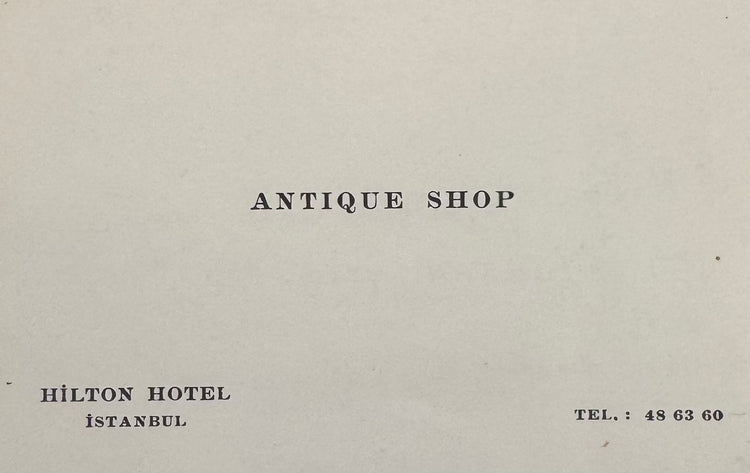
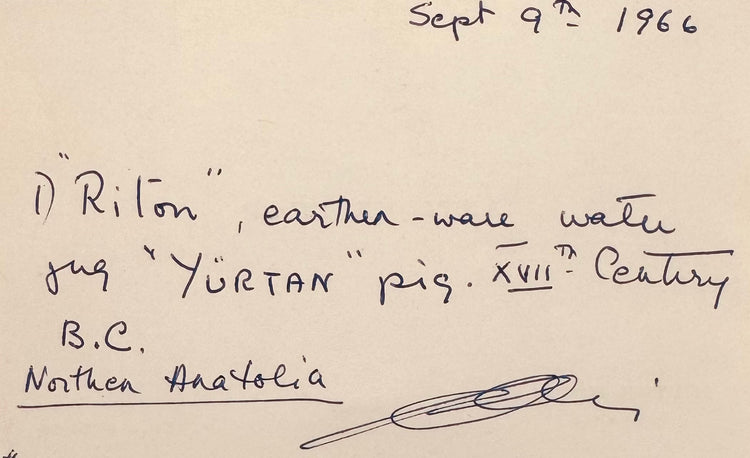
Adquirido el 9 de septiembre de 1966 en la tienda de antigüedades del Hotel Hilton, Estambul, Turquía, y posteriormente conservado en la Colección McMillan, Minnesota, EE. UU., durante casi seis décadas.
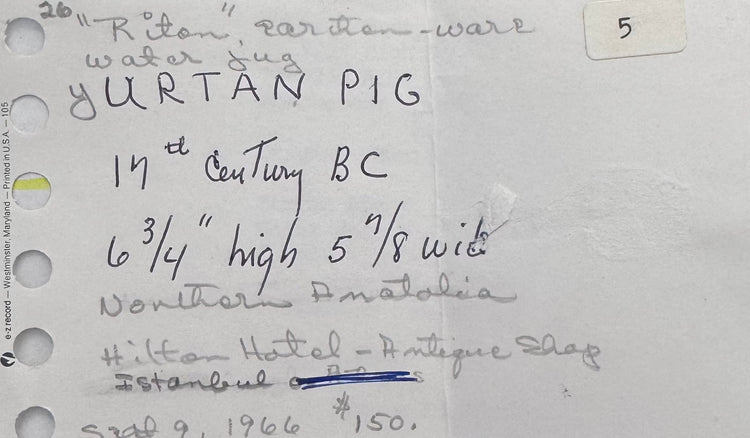
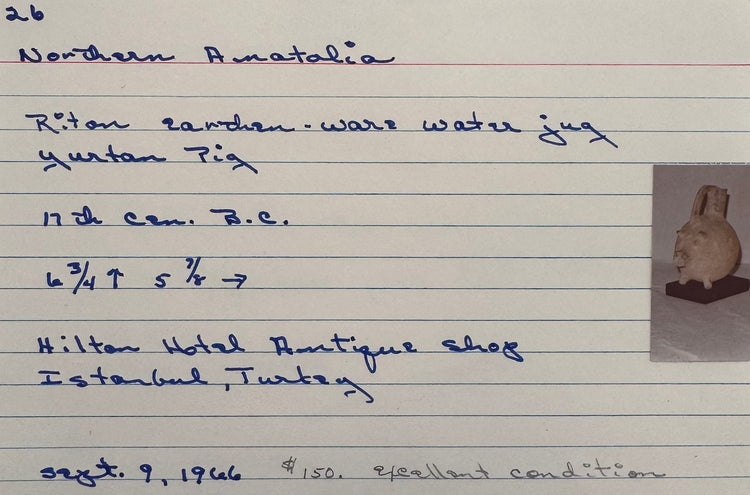
La vasija va acompañada de su tarjeta de inventario original de la Colección McMillan, que identifica la pieza como una "jarra de agua de cerdo de Yortan" del norte de Anatolia y la data del siglo XVII a. C. La tarjeta de inventario registra la fecha y el lugar de adquisición e incluye una fotografía de época original de la vasija tal como aparecía en la colección en la década de 1980.
La documentación adicional adjunta incluye la tarjeta original de la tienda de antigüedades del Hotel Hilton de Estambul, los registros de inventario originales de la Colección McMillan que catalogan la vasija como el artículo n.º 26, y la guía de valoración de la colección que documenta el objeto dentro del archivo de la Colección McMillan.
Más información
Conozca la Cultura Yortan de la Antigua Anatolia de la Edad del Bronce Temprano
Vea nuestra Colección de Cerámica y Alfarería Antigua
Descripción
Contexto histórico y origen
Región: Noroeste de Anatolia (Cultura Yortan), Antigua Anatolia
Material: Terracota con restos de engobe blanco y pigmento
Período: Edad del Bronce Temprano, ca. 1700 a. C. (siglo XVII a. C.)
Descripción
Esta rara vasija zoomorfa de terracota de la antigua Anatolia está modelada en forma de cerdo o jabalí, representando una de las distintivas formas cerámicas con figura de animal asociadas con la Cultura Yortan del noroeste de Anatolia. Formada a mano en loza, la vasija presenta un cuerpo globular redondeado sostenido por tres robustas patas de trípode, un hocico saliente, orejas aplicadas y un asa de estribo alta y arqueada que conecta el hombro con el pico vertedor.
Las vasijas con forma de animal de este tipo se encuentran entre los productos más reconocibles de las culturas de la Edad del Bronce Temprano del oeste de Anatolia. El cerdo fue un animal doméstico y simbólico importante en todo el Antiguo Cercano Oriente y Anatolia, y las vasijas que representan cerdos se conocen en contextos funerarios y rituales asociados con el horizonte cultural de Yortan.
La vasija conserva rastros de su engobe y pigmento originales de color claro, con una incrustación superficial sustancial y un desgaste relacionado con la edad, consistente con un entierro a largo plazo.
Características
- Auténtica vasija zoomorfa de terracota de la antigua Anatolia
- Modelada como un cerdo o jabalí
- Atribuida a la Cultura Yortan del noroeste de Anatolia
- Edad del Bronce Temprano, aproximadamente 1700 a. C.
- Patas de soporte tipo trípode
- Asa de estribo alta y arqueada
- Restos de engobe blanco y pigmento originales
- Acompañada de una extensa documentación de la colección
Importancia histórica
La Cultura Yortan floreció en el oeste de Anatolia durante la Edad del Bronce Temprano y es particularmente conocida por sus distintivas tradiciones cerámicas, incluidas vasijas con formas de animales muy estilizadas y cerámica funeraria. Los descubrimientos arqueológicos de los cementerios de Yortan han revelado una sofisticada industria cerámica caracterizada por formas cuidadosamente modeladas y representaciones simbólicas de animales.
Las vasijas zoomorfas como este ejemplo probablemente sirvieron para propósitos ceremoniales, rituales o funerarios. Sus formas reflejan la importancia del ganado y la vida agrícola dentro de la sociedad anatolia de la Edad del Bronce, al tiempo que demuestran la habilidad artística de los antiguos alfareros que trabajaron hace casi cuatro mil años.
Estado
Estado antiguo con el esperado desgaste relacionado con la edad, la intemperie superficial, los depósitos minerales, la pérdida de pigmento y la incrustación por entierro. Se observan pruebas de restauración y reparación donde el asa se une al cuerpo de la vasija y en algunas partes de la parte superior del cuerpo. Hay dos desconchones significativos en el borde, y puede haber una pérdida histórica en el pico vertedor. Además, hay pequeños desconchones y desgaste en las patas y extremidades.
Dimensiones (aproximadas)
Altura: 17,14 cm
Ancho: 15,24 cm
Profundidad: 14,60 cm
Antigüedad (aproximada)
3.700 años
Procedencia
Adquirido el 9 de septiembre de 1966 en la tienda de antigüedades del Hotel Hilton, Estambul, Turquía, y posteriormente conservado en la Colección McMillan, Minnesota, EE. UU., durante casi seis décadas.
La vasija va acompañada de su tarjeta de inventario original de la Colección McMillan, que identifica la pieza como una "jarra de agua de cerdo de Yortan" del norte de Anatolia y la data del siglo XVII a. C. La tarjeta de inventario registra la fecha y el lugar de adquisición e incluye una fotografía de época original de la vasija tal como aparecía en la colección en la década de 1980.
La documentación adicional adjunta incluye la tarjeta original de la tienda de antigüedades del Hotel Hilton de Estambul, los registros de inventario originales de la Colección McMillan que catalogan la vasija como el artículo n.º 26, y la guía de valoración de la colección que documenta el objeto dentro del archivo de la Colección McMillan.
Más información
Conozca la Cultura Yortan de la Antigua Anatolia de la Edad del Bronce Temprano
Vea nuestra Colección de Cerámica y Alfarería Antigua
También te puede interesar
