

Buda sedente birmano shan (tai yai) antiguo en Bhumisparsha Mudra | Finales del siglo XIX-principios del XX
- Precio habitual
- $1,500.00
- Precio de venta
- $1,500.00
- Precio habitual
No se pudo cargar la disponibilidad de retiro


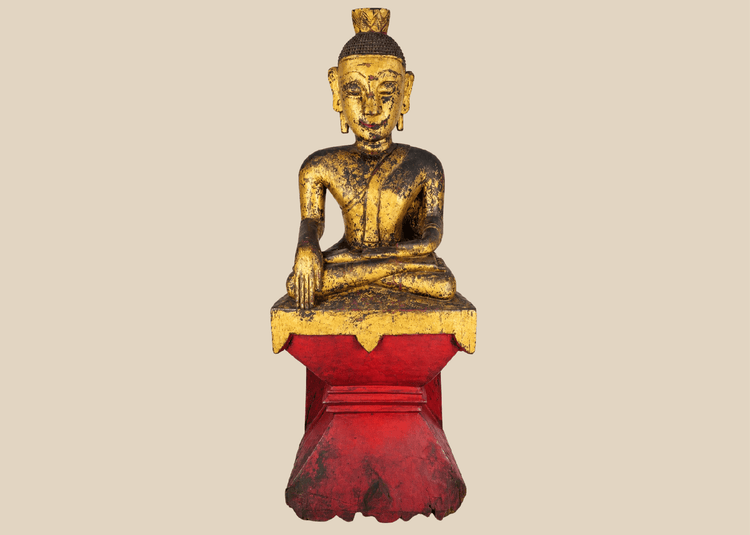
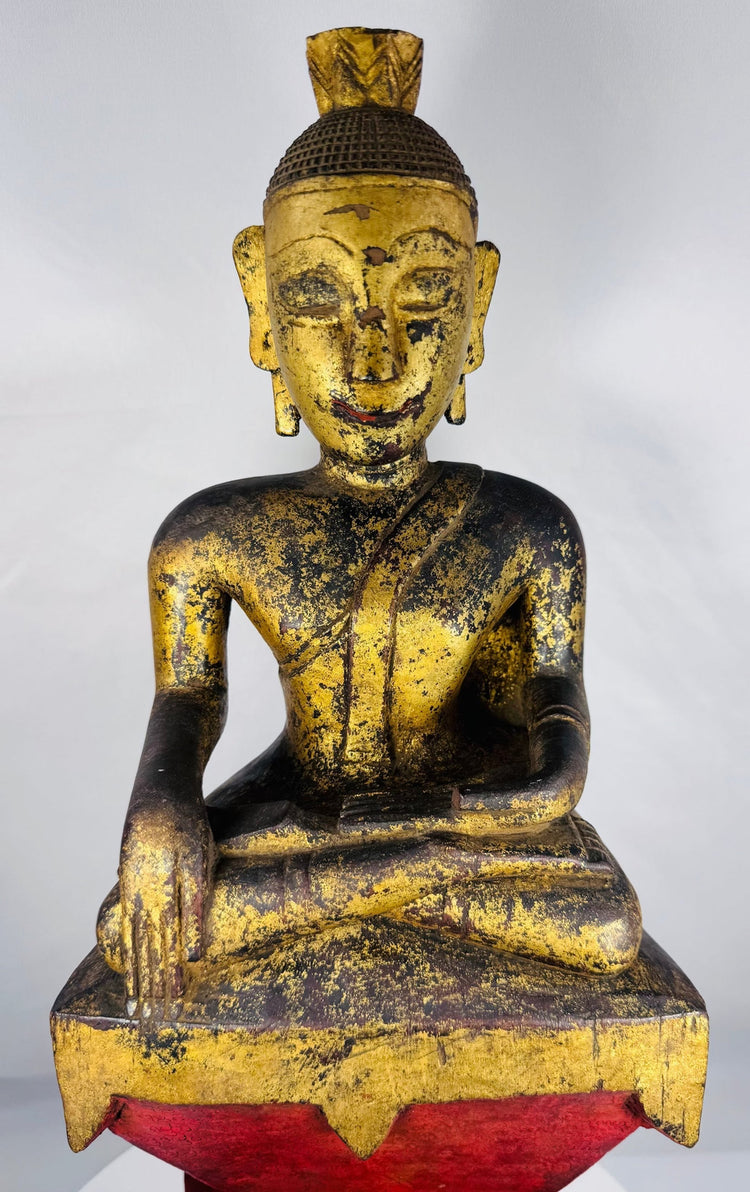
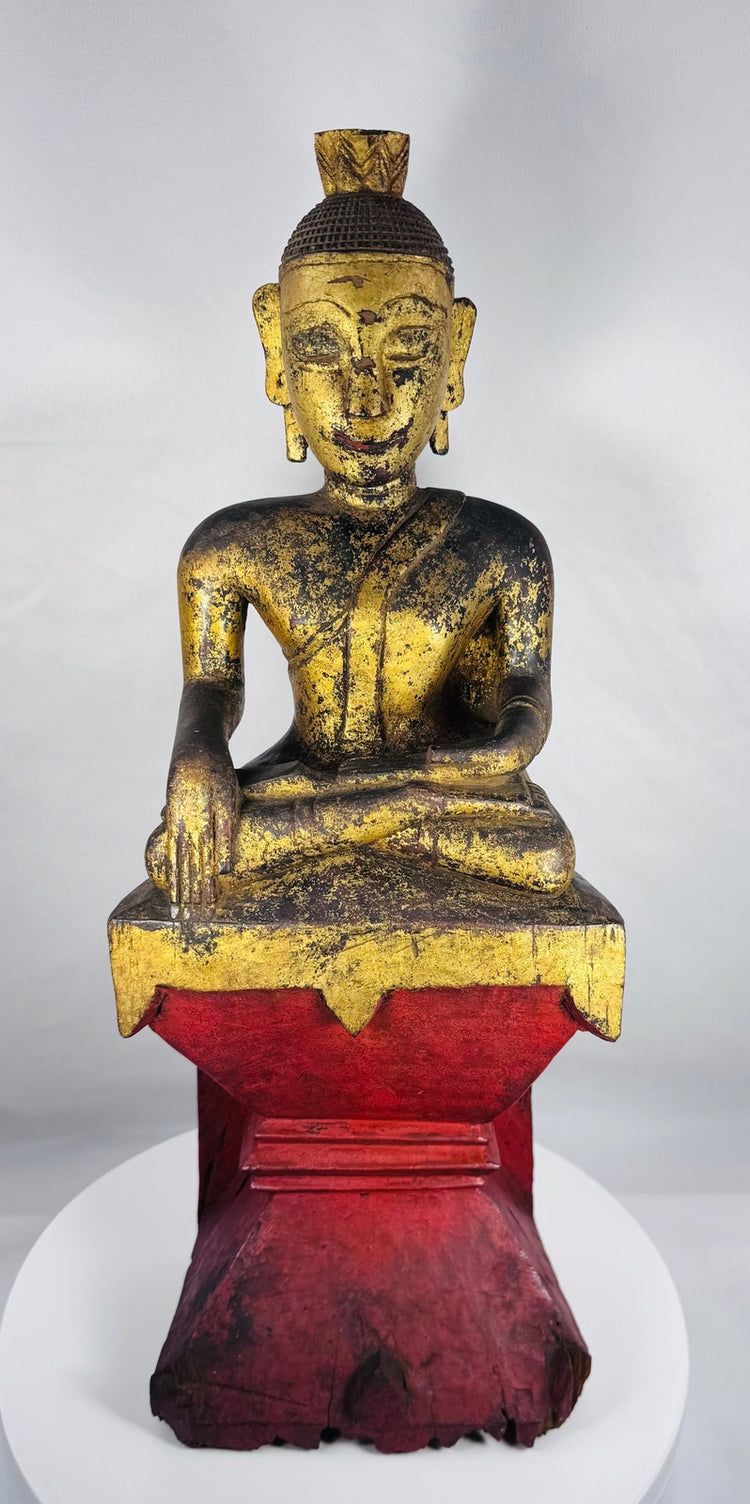
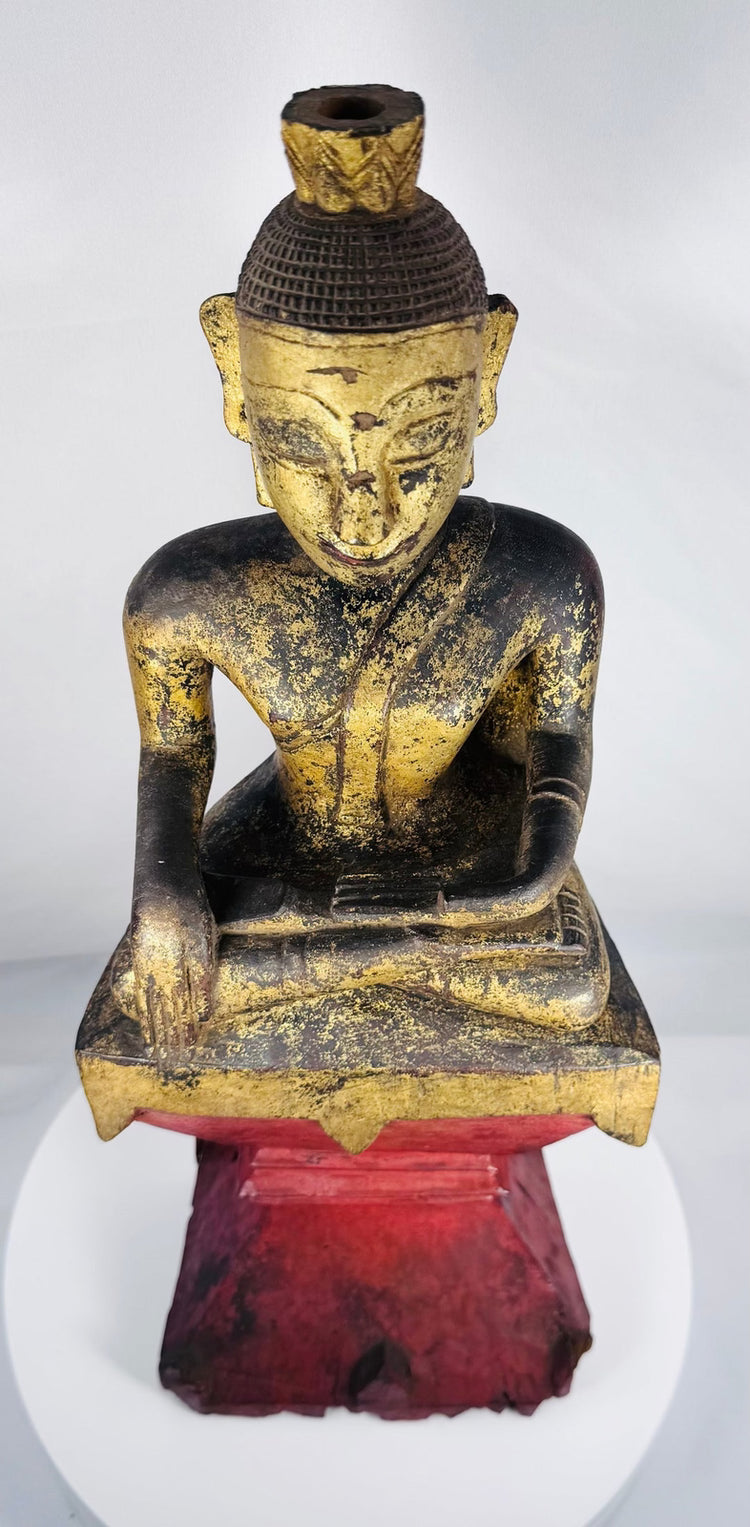
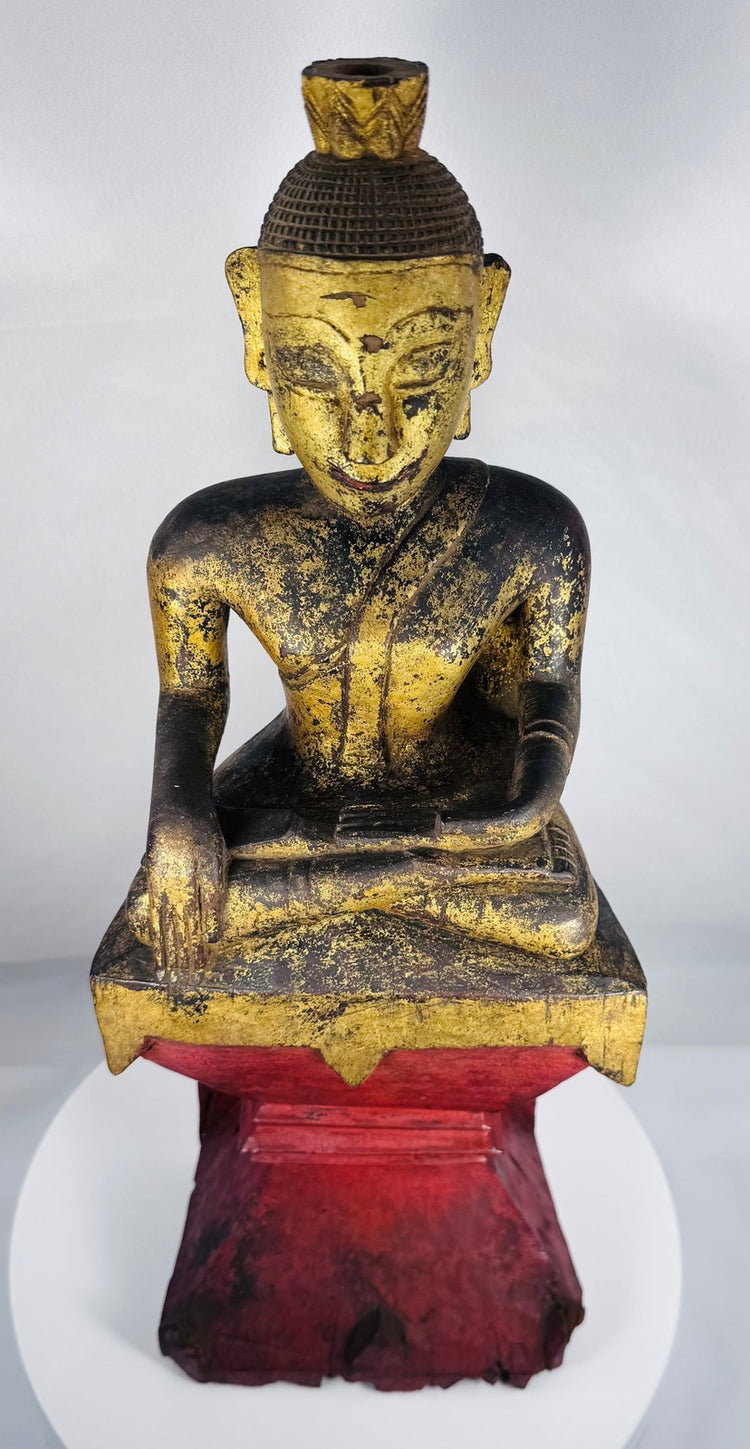
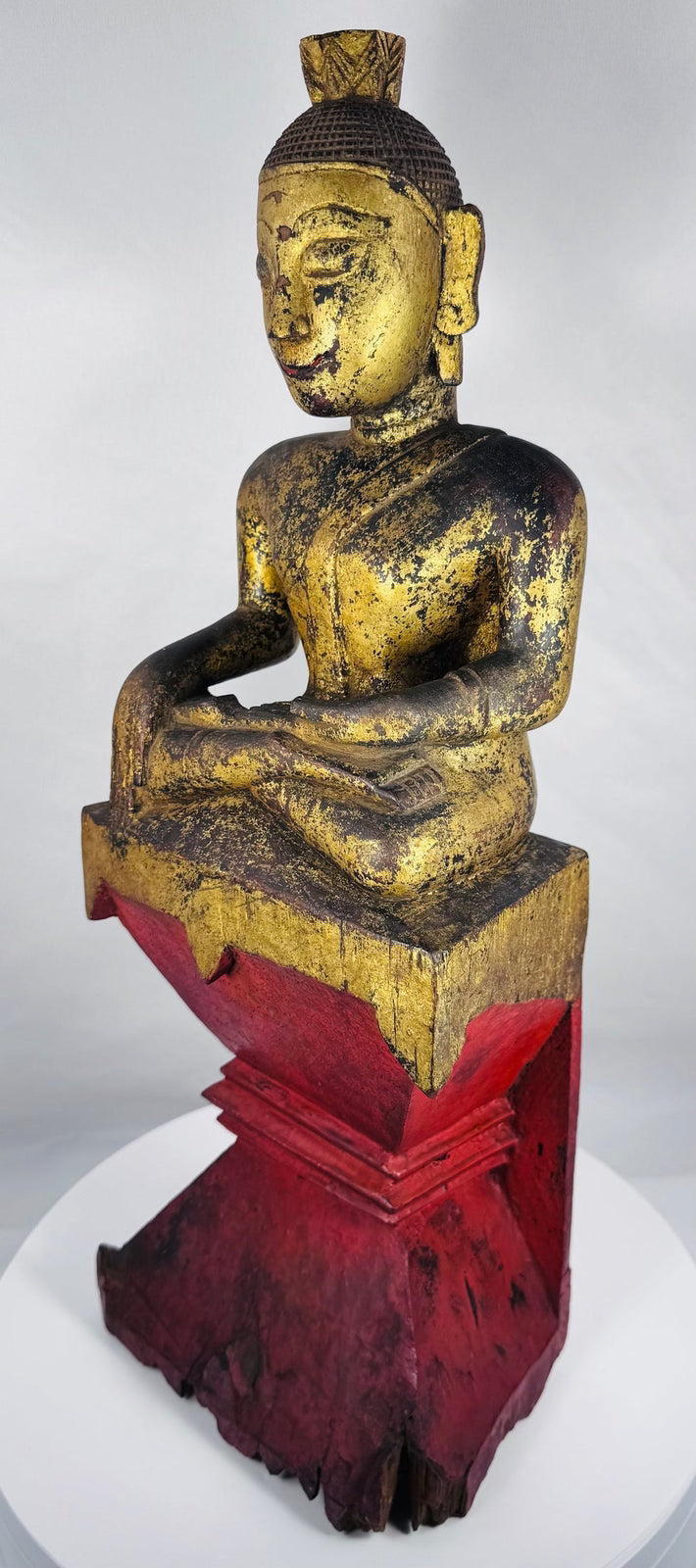
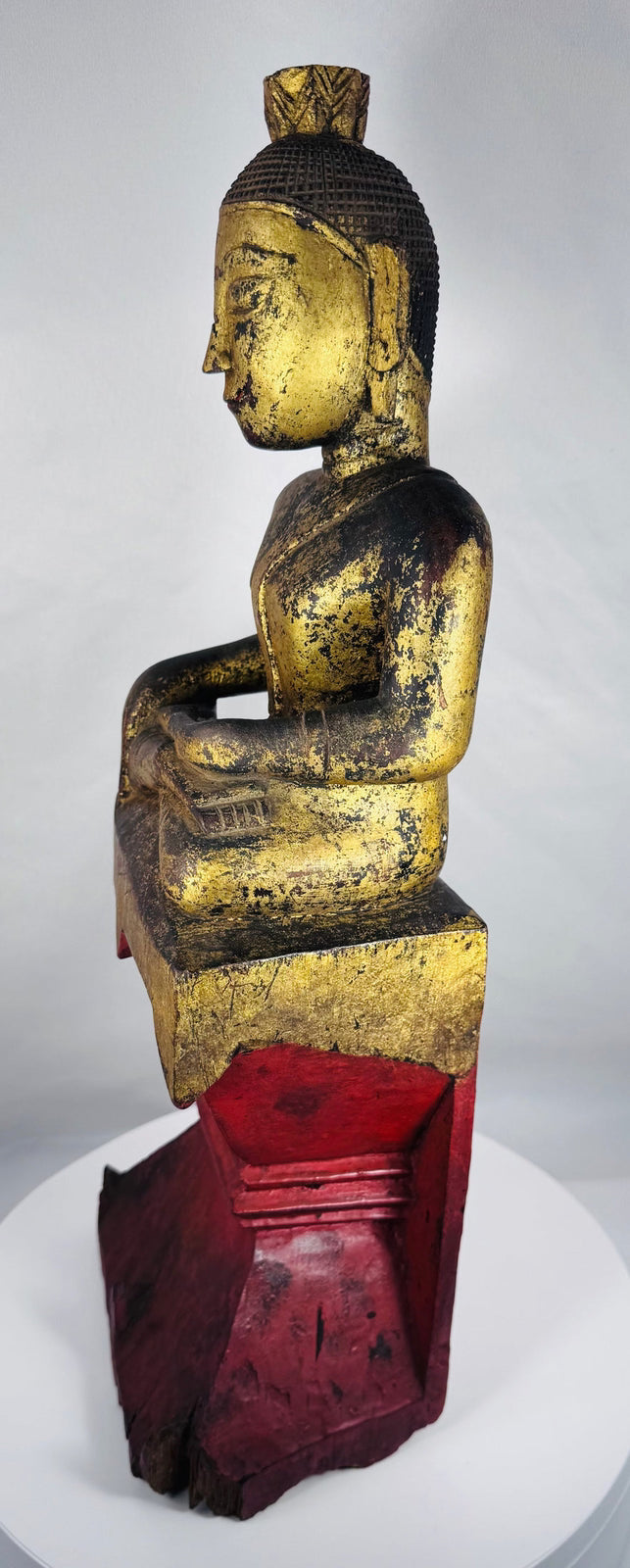
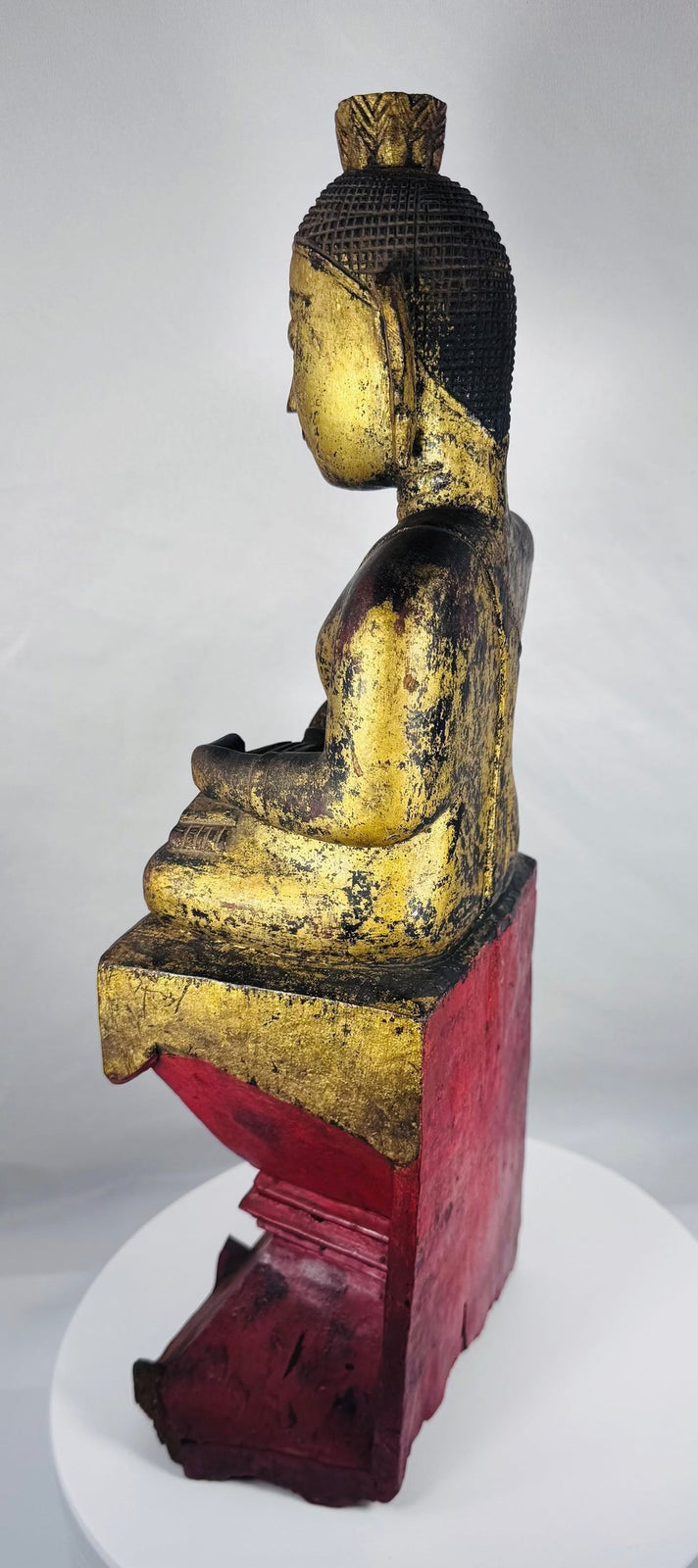
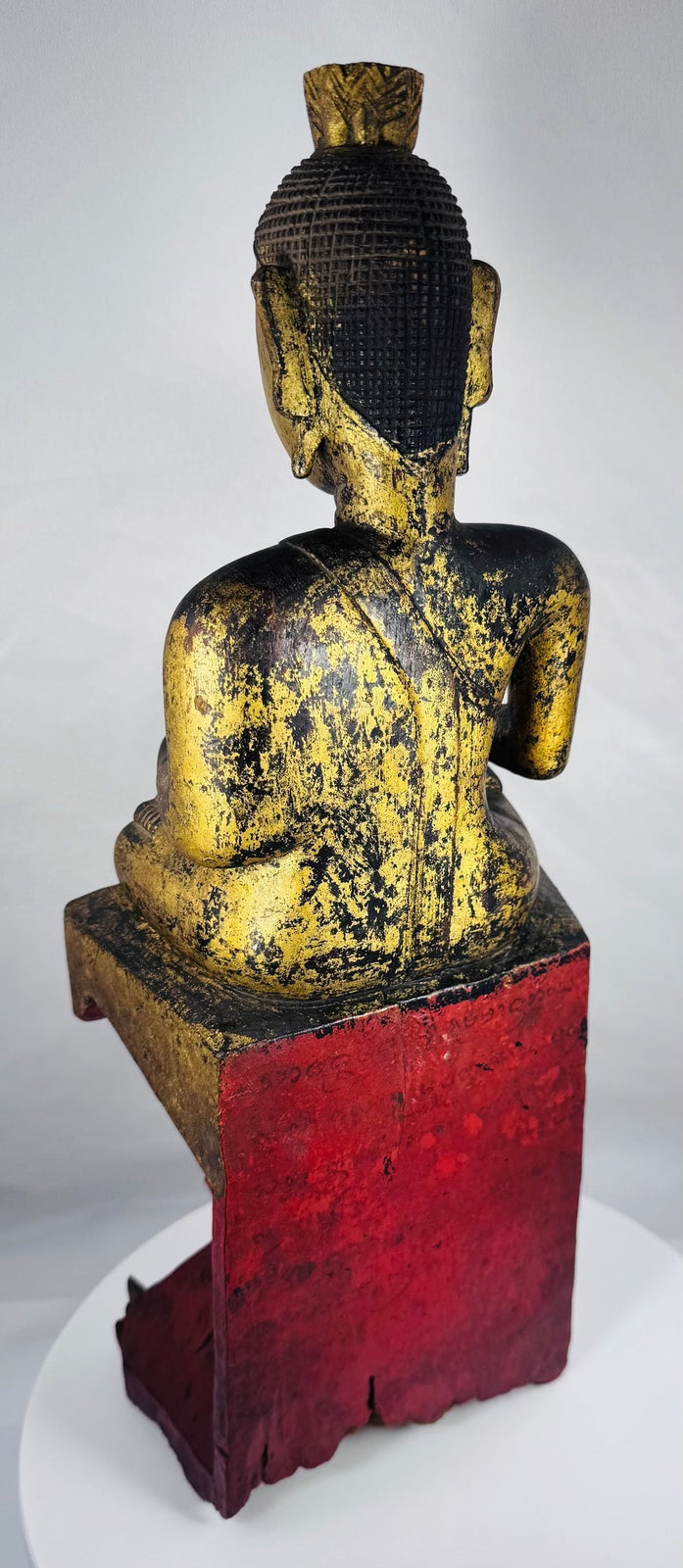
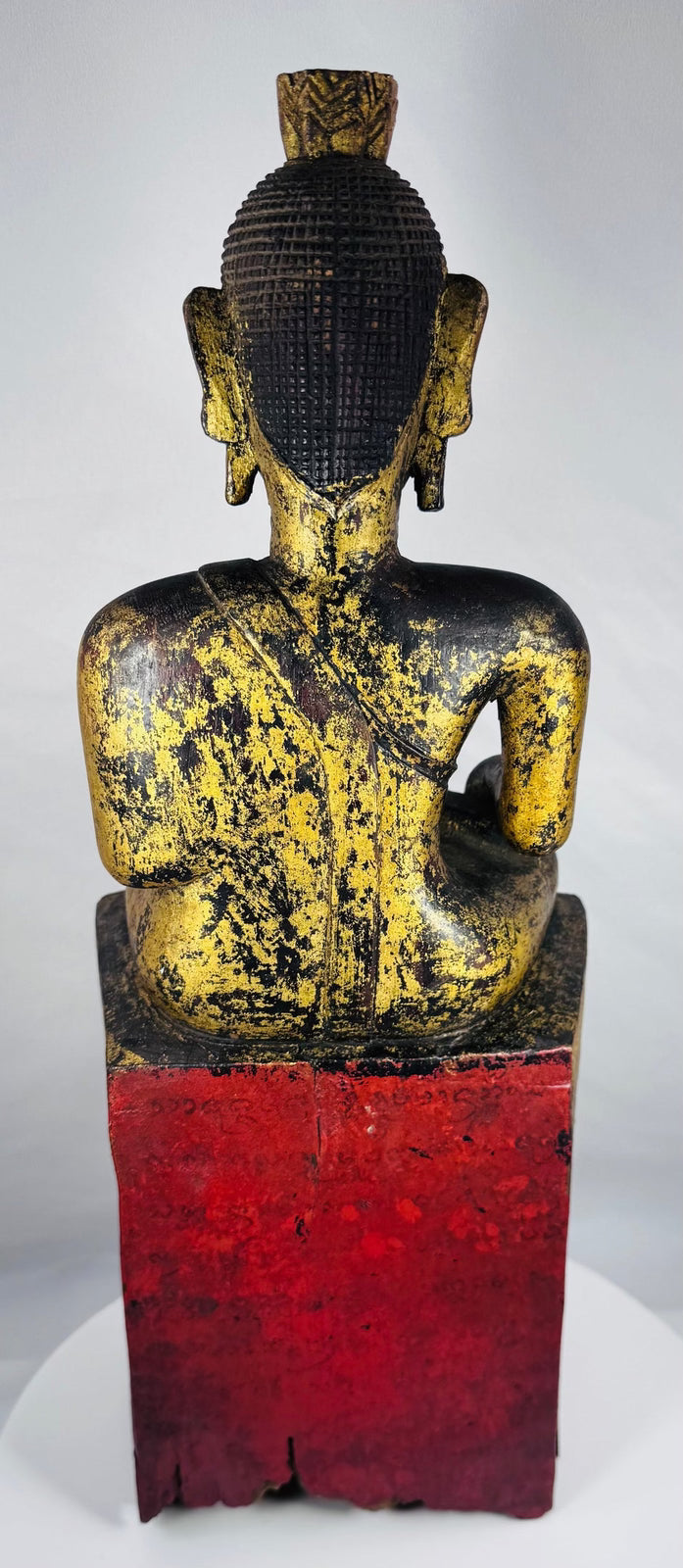
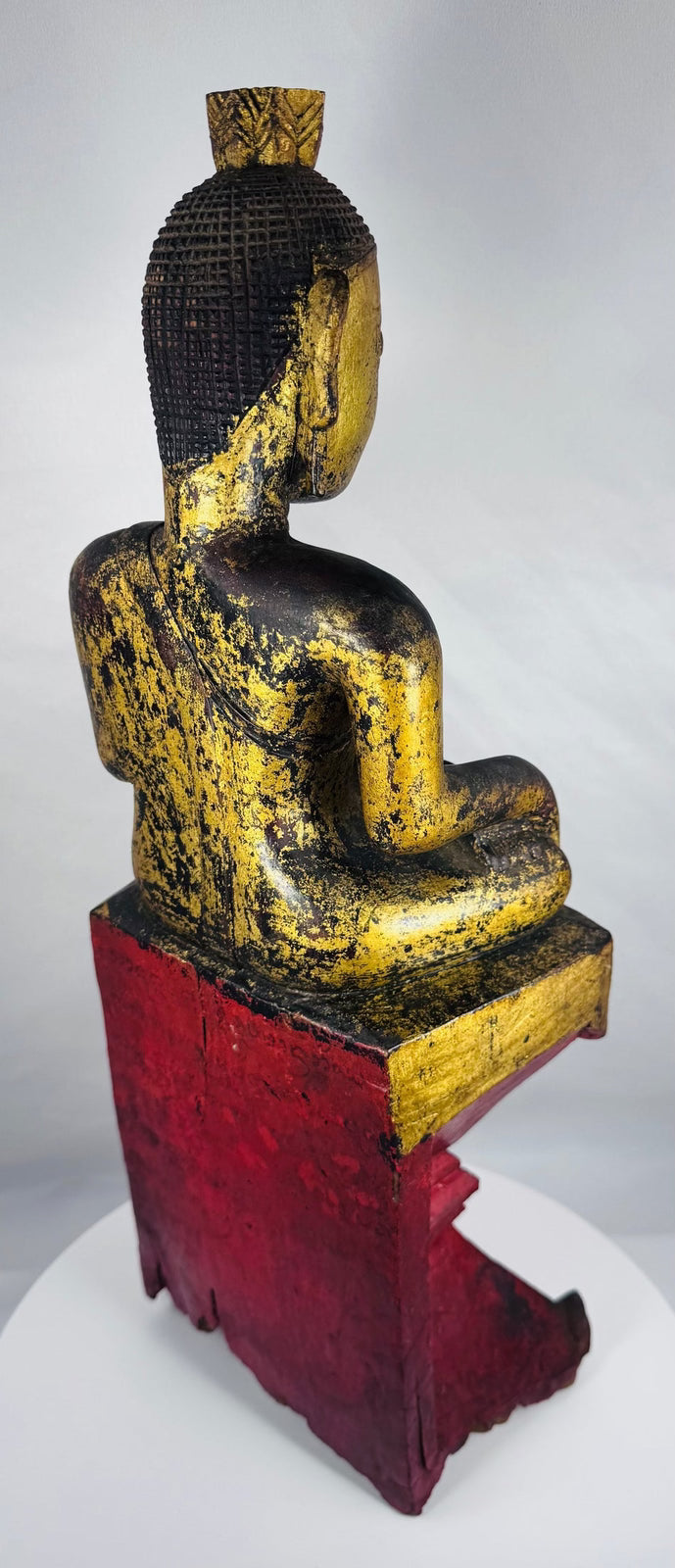
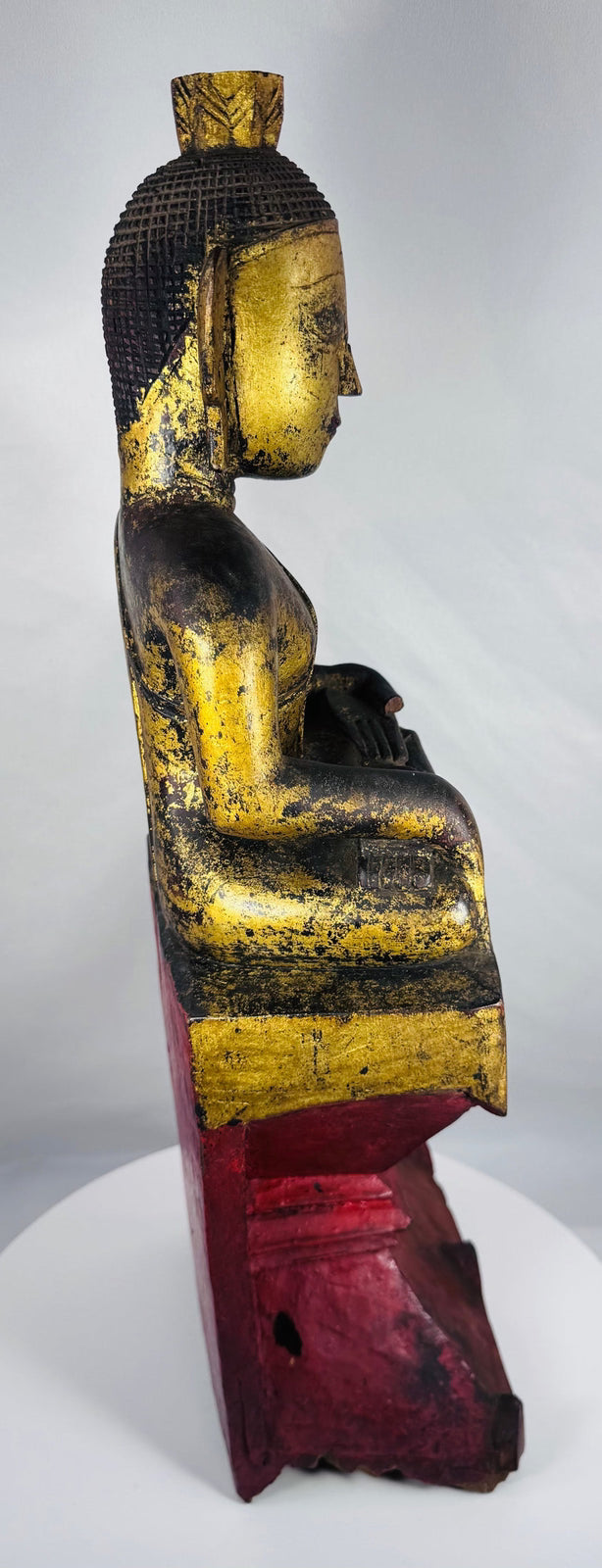
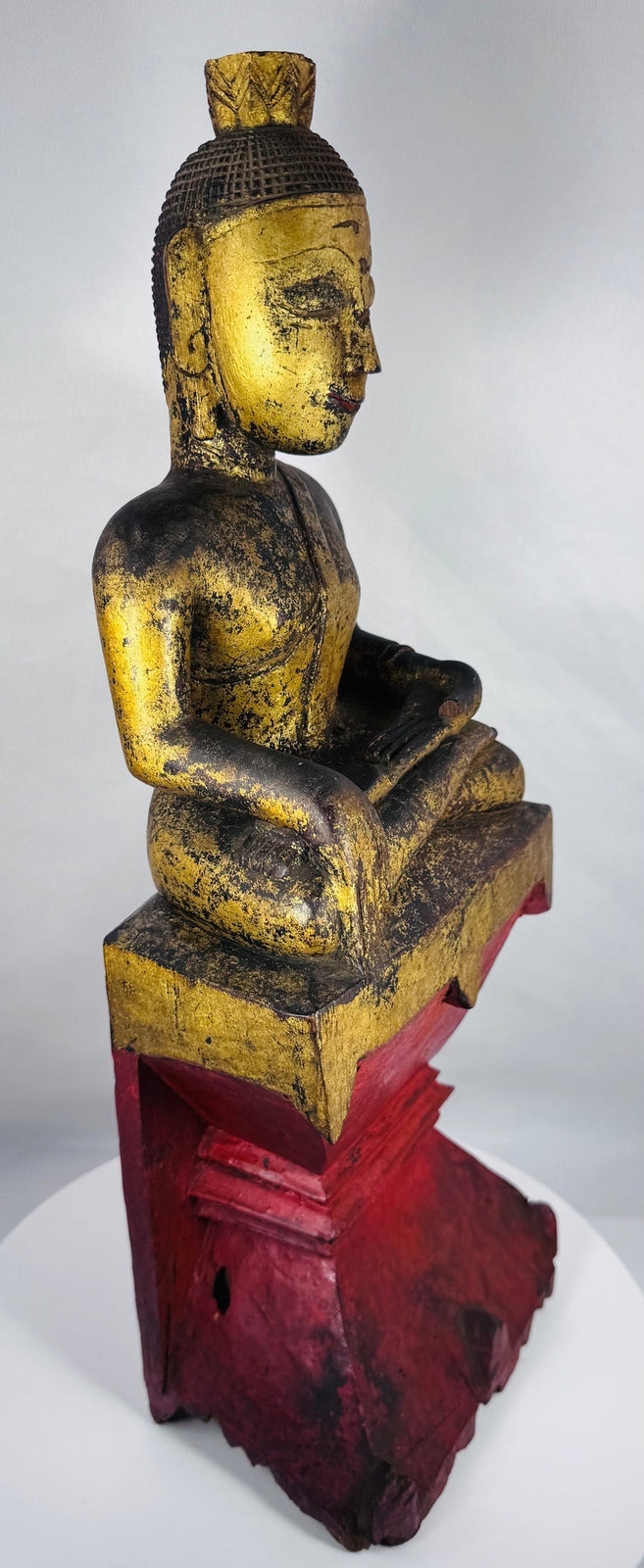
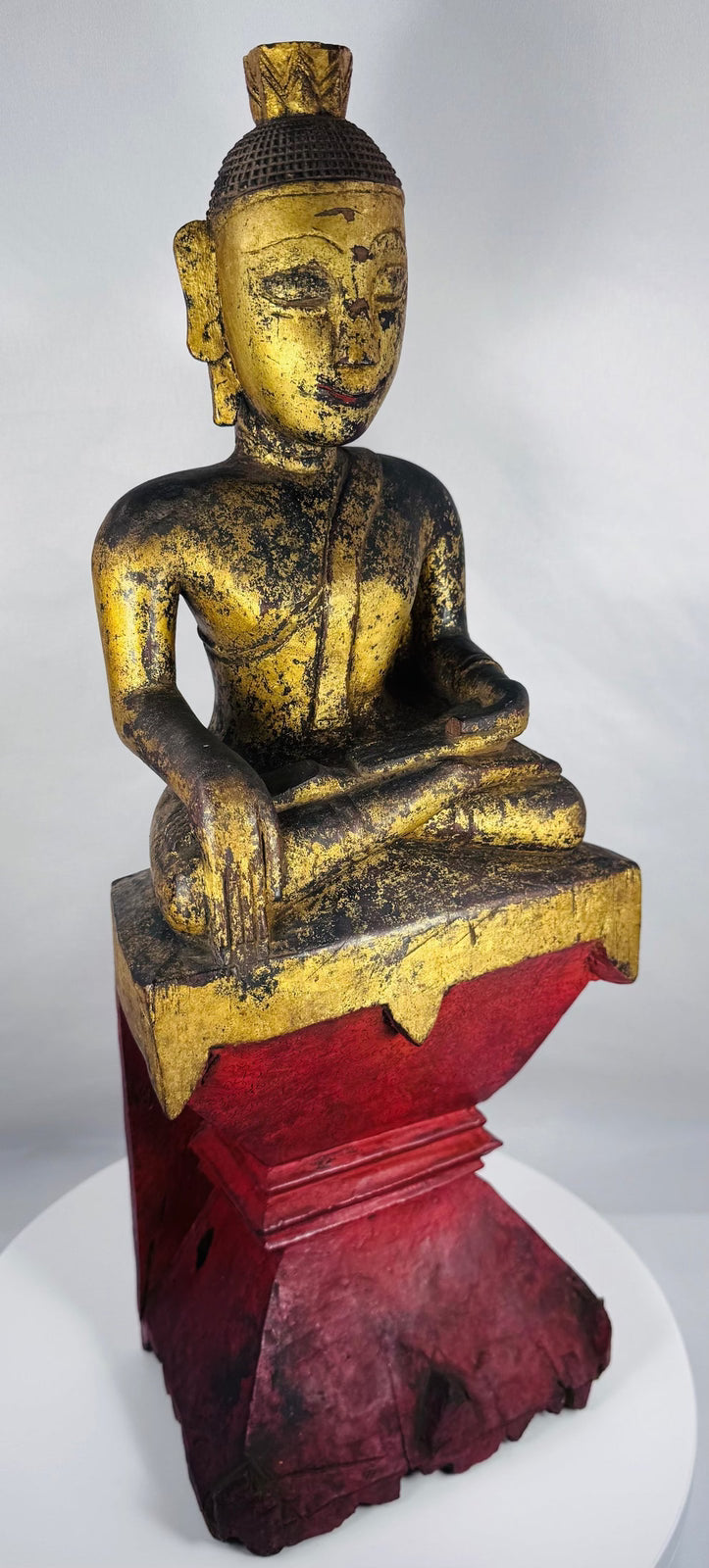
Buda sedente birmano shan (tai yai) antiguo en Bhumisparsha Mudra | Finales del siglo XIX-principios del XX
Descripción
Más
Menos
Contexto histórico y origen
Cultura: Birmana (Myanmar), tradición Shan (Tai Yai)
Material: Madera dura tallada con laca y pan de oro
Período: Finales del siglo XIX a principios del siglo XX
Descripción
Este Buda sedente finamente tallado de estilo Shan birmano representa un hermoso ejemplo de escultura devocional tradicional de Myanmar. Ejecutada en madera dura y acabada con una rica laca y pan de oro, la figura está representada sentada en el venerado Bhumisparsha Mudra, o gesto de "la Tierra como testigo", que conmemora el momento en que Buda invocó a la Tierra para que presenciara su iluminación bajo el Árbol Bodhi.
La escultura exhibe varias características asociadas con la tradición artística Shan (Tai Yai), incluyendo sus rasgos faciales alargados, cejas arqueadas, un prominente ushnisha y una refinada presencia devocional. La expresión serena y las proporciones elegantes reflejan la estética espiritual valorada en todas las regiones Shan de Myanmar, donde las imágenes budistas desempeñaron un papel central tanto en la práctica religiosa como en la vida comunitaria.
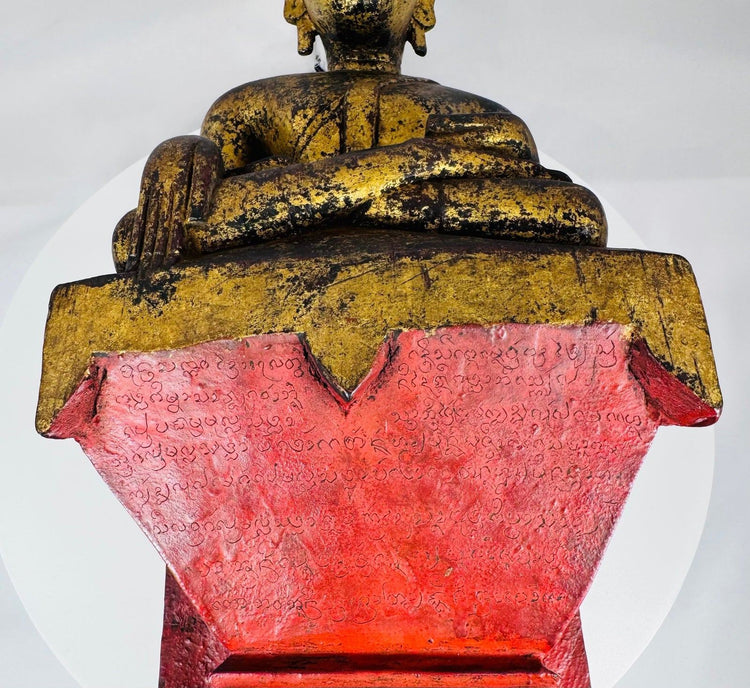
Se conservan rastros del dorado original en toda la figura, mientras que las zonas de desgaste revelan las capas subyacentes de laca, produciendo una pátina envejecida muy deseable acumulada a lo largo de décadas de uso devocional y exhibición. Particularmente digno de mención es el pedestal escalonado integral, que lleva una inscripción dedicatoria manuscrita. Estas inscripciones eran a menudo añadidas por donantes o patronos de templos y proporcionan una conexión importante con el significado histórico y religioso del objeto. La base lacada en rojo vivo contrasta bellamente con la figura dorada, reflejando las convenciones artísticas tradicionales birmanas.
Características
- Auténtica escultura de Buda de estilo Shan (Tai Yai) birmano
- Construcción de madera dura tallada a mano
- Acabado tradicional en laca y dorado
- Representado en el sagrado Bhumisparsha Mudra
- Prominente ushnisha y rasgos faciales refinados
- Inscripción dedicatoria manuscrita en el pedestal
- Atractivo desgaste relacionado con la edad que revela capas subyacentes de laca
- Rico esquema de color tradicional birmano en oro y rojo
Significado cultural
El Bhumisparsha Mudra se encuentra entre los gestos más importantes de la iconografía budista, simbolizando la victoria de Buda sobre la tentación y el logro de la iluminación. En las tradiciones budistas de Myanmar y los Estados Shan, las imágenes que representan este momento servían como poderosos objetos devocionales y recordatorios de la perseverancia espiritual. La presencia de una inscripción dedicatoria realza aún más el valor cultural de la escultura, reflejando la larga tradición de encargar imágenes religiosas como actos de mérito y devoción.
Inscripción
La parte trasera del pedestal lleva una inscripción manuscrita. Tales inscripciones suelen registrar dedicatorias, información de donantes, bendiciones o invocaciones religiosas asociadas con el encargo y la veneración de la imagen. Un estudio posterior de la inscripción puede proporcionar información adicional sobre el origen y la historia de la escultura.
Condición
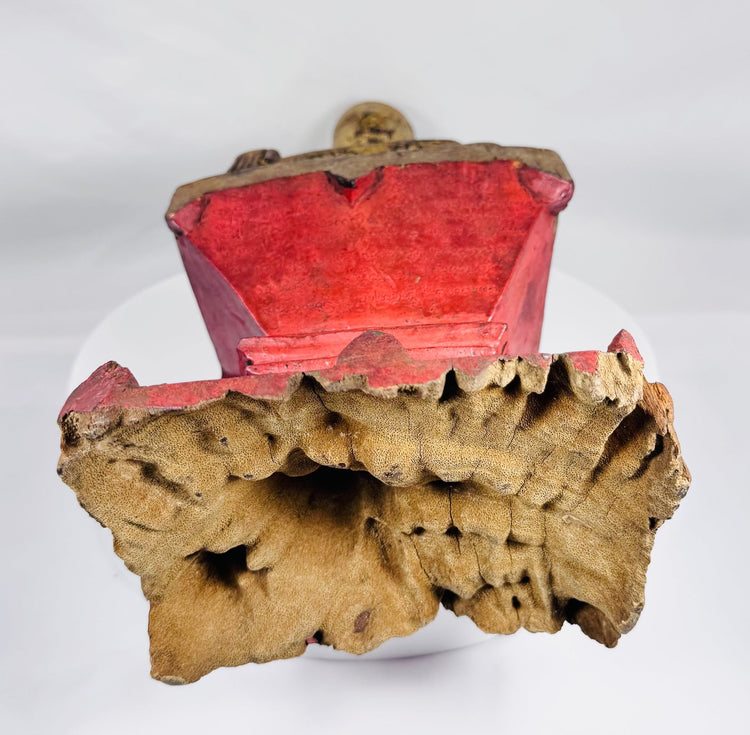
Estructuralmente sólida en general con desgaste apropiado para la edad, consistente con el uso devocional y la antigüedad. Las áreas de pérdida esperada en la laca y las superficies doradas revelan capas subyacentes, creando una atractiva pátina antigua. Hay pérdidas en partes del pedestal inferior y el remate sobre la cabeza. Por favor, revise cuidadosamente las fotografías para obtener detalles sobre el estado.
Dimensiones (aproximadas)
Altura: 48,0 cm
Ancho: 18,0 cm
Profundidad: 11,4 cm
Edad (aproximada)
100–150 años de antigüedad
Procedencia
De una colección privada en Montreal, Quebec, Canadá. Anteriormente parte de la renombrada Colección de Antigüedades Orientales Hinchcliff & Lee, Ontario, Canadá.
Más información
Conozca las características distintivas de las Estatuas de Buda del Período Shan
Descubra nuestra Colección de Reliquias Budistas e Hindúes y Estatuas Sagradas
Descripción
Contexto histórico y origen
Cultura: Birmana (Myanmar), tradición Shan (Tai Yai)
Material: Madera dura tallada con laca y pan de oro
Período: Finales del siglo XIX a principios del siglo XX
Descripción
Este Buda sedente finamente tallado de estilo Shan birmano representa un hermoso ejemplo de escultura devocional tradicional de Myanmar. Ejecutada en madera dura y acabada con una rica laca y pan de oro, la figura está representada sentada en el venerado Bhumisparsha Mudra, o gesto de "la Tierra como testigo", que conmemora el momento en que Buda invocó a la Tierra para que presenciara su iluminación bajo el Árbol Bodhi.
La escultura exhibe varias características asociadas con la tradición artística Shan (Tai Yai), incluyendo sus rasgos faciales alargados, cejas arqueadas, un prominente ushnisha y una refinada presencia devocional. La expresión serena y las proporciones elegantes reflejan la estética espiritual valorada en todas las regiones Shan de Myanmar, donde las imágenes budistas desempeñaron un papel central tanto en la práctica religiosa como en la vida comunitaria.
Se conservan rastros del dorado original en toda la figura, mientras que las zonas de desgaste revelan las capas subyacentes de laca, produciendo una pátina envejecida muy deseable acumulada a lo largo de décadas de uso devocional y exhibición. Particularmente digno de mención es el pedestal escalonado integral, que lleva una inscripción dedicatoria manuscrita. Estas inscripciones eran a menudo añadidas por donantes o patronos de templos y proporcionan una conexión importante con el significado histórico y religioso del objeto. La base lacada en rojo vivo contrasta bellamente con la figura dorada, reflejando las convenciones artísticas tradicionales birmanas.
Características
- Auténtica escultura de Buda de estilo Shan (Tai Yai) birmano
- Construcción de madera dura tallada a mano
- Acabado tradicional en laca y dorado
- Representado en el sagrado Bhumisparsha Mudra
- Prominente ushnisha y rasgos faciales refinados
- Inscripción dedicatoria manuscrita en el pedestal
- Atractivo desgaste relacionado con la edad que revela capas subyacentes de laca
- Rico esquema de color tradicional birmano en oro y rojo
Significado cultural
El Bhumisparsha Mudra se encuentra entre los gestos más importantes de la iconografía budista, simbolizando la victoria de Buda sobre la tentación y el logro de la iluminación. En las tradiciones budistas de Myanmar y los Estados Shan, las imágenes que representan este momento servían como poderosos objetos devocionales y recordatorios de la perseverancia espiritual. La presencia de una inscripción dedicatoria realza aún más el valor cultural de la escultura, reflejando la larga tradición de encargar imágenes religiosas como actos de mérito y devoción.
Inscripción
La parte trasera del pedestal lleva una inscripción manuscrita. Tales inscripciones suelen registrar dedicatorias, información de donantes, bendiciones o invocaciones religiosas asociadas con el encargo y la veneración de la imagen. Un estudio posterior de la inscripción puede proporcionar información adicional sobre el origen y la historia de la escultura.
Condición
Estructuralmente sólida en general con desgaste apropiado para la edad, consistente con el uso devocional y la antigüedad. Las áreas de pérdida esperada en la laca y las superficies doradas revelan capas subyacentes, creando una atractiva pátina antigua. Hay pérdidas en partes del pedestal inferior y el remate sobre la cabeza. Por favor, revise cuidadosamente las fotografías para obtener detalles sobre el estado.
Dimensiones (aproximadas)
Altura: 48,0 cm
Ancho: 18,0 cm
Profundidad: 11,4 cm
Edad (aproximada)
100–150 años de antigüedad
Procedencia
De una colección privada en Montreal, Quebec, Canadá. Anteriormente parte de la renombrada Colección de Antigüedades Orientales Hinchcliff & Lee, Ontario, Canadá.
Más información
Conozca las características distintivas de las Estatuas de Buda del Período Shan
Descubra nuestra Colección de Reliquias Budistas e Hindúes y Estatuas Sagradas
También te puede interesar
