



Adorno de Teja Arquitectónica Griega | Motivo de Palmeta y Hermes | Finales del Siglo XIX a Principios del Siglo XX
- Precio habitual
- $600.00
- Precio de venta
- $600.00
- Precio habitual
No se pudo cargar la disponibilidad de retiro


Adorno de Teja Arquitectónica Griega | Motivo de Palmeta y Hermes | Finales del Siglo XIX a Principios del Siglo XX
Descripción
Más
Menos
Contexto histórico y origen
Región: Grecia
Material: Terracota (cerámica arquitectónica)
Periodo: Finales del siglo XIX a principios del siglo XX
Descripción
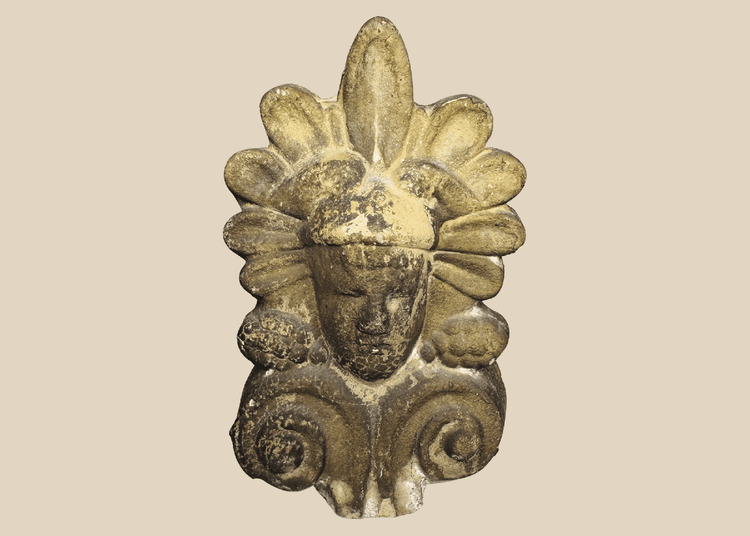
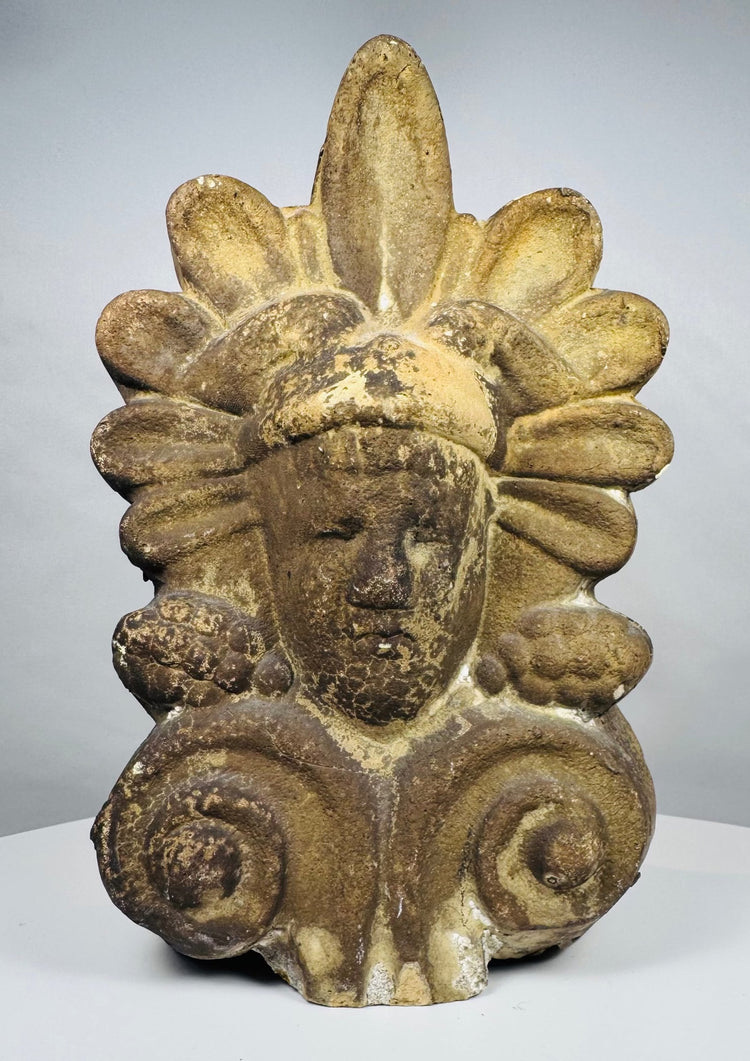
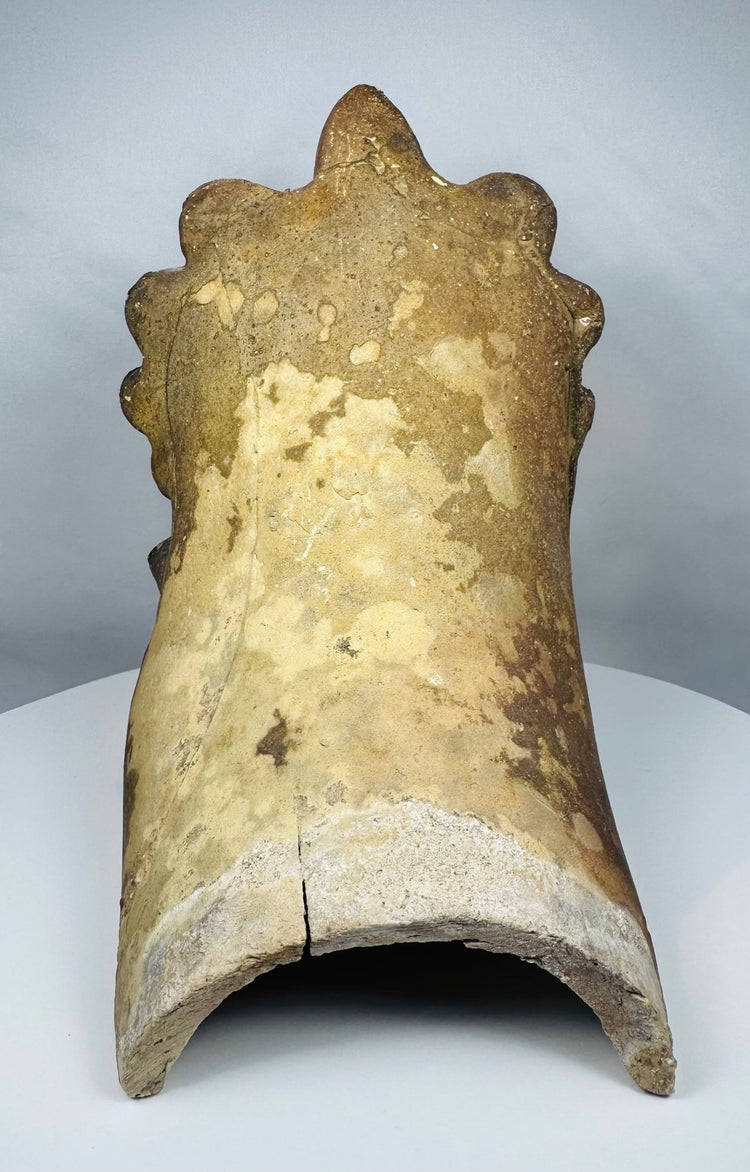
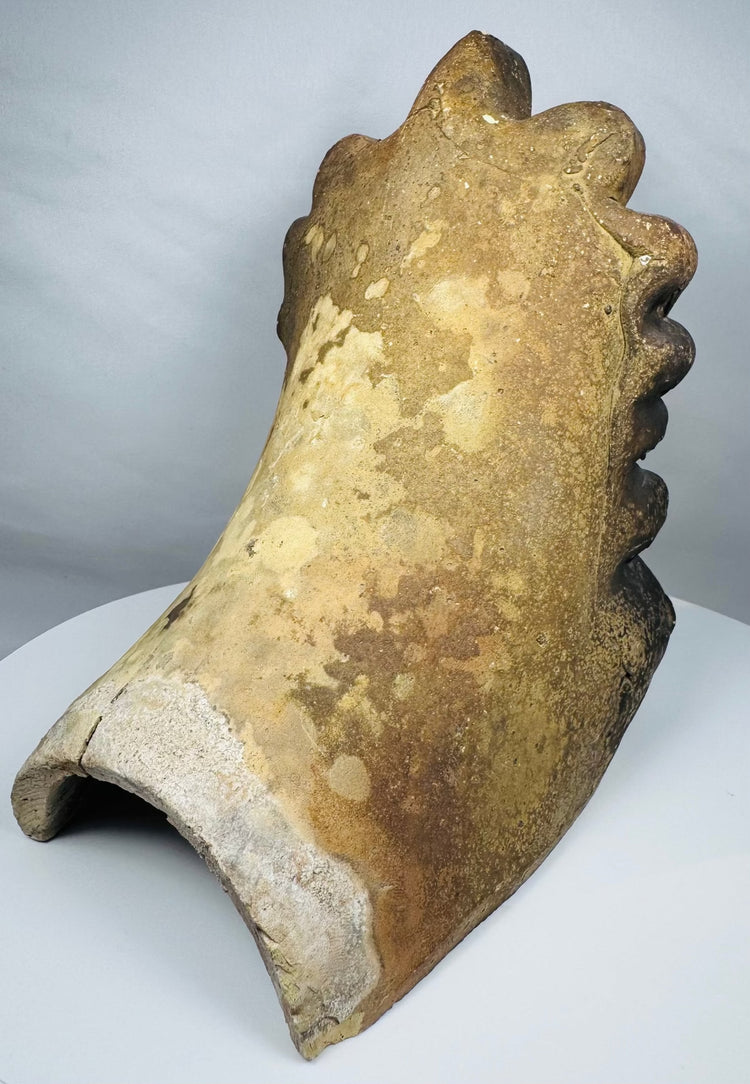
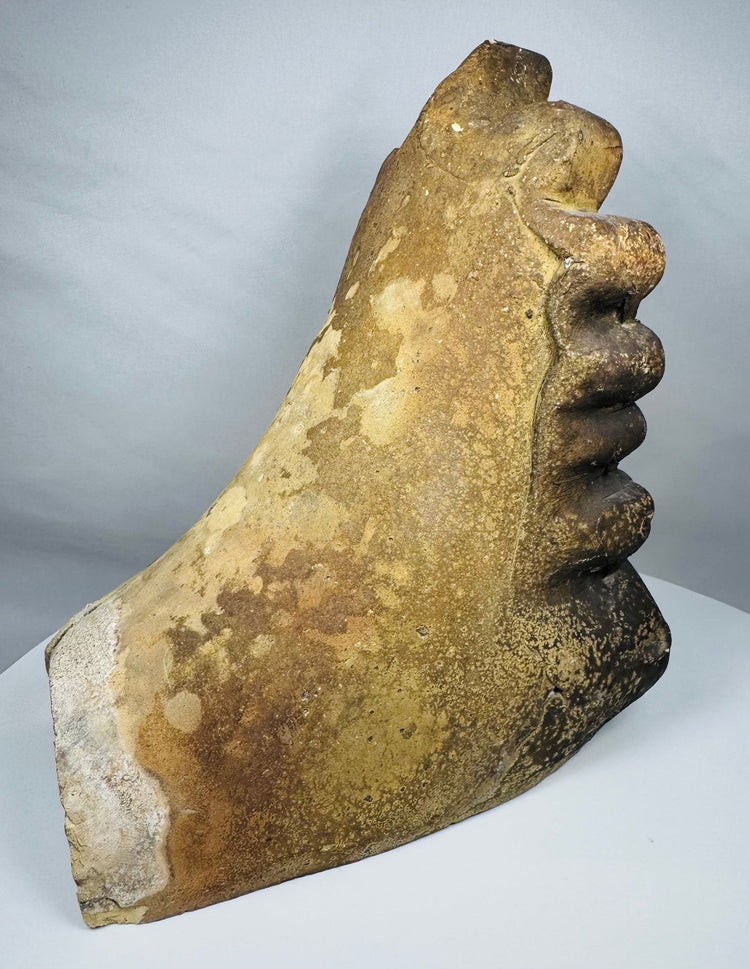
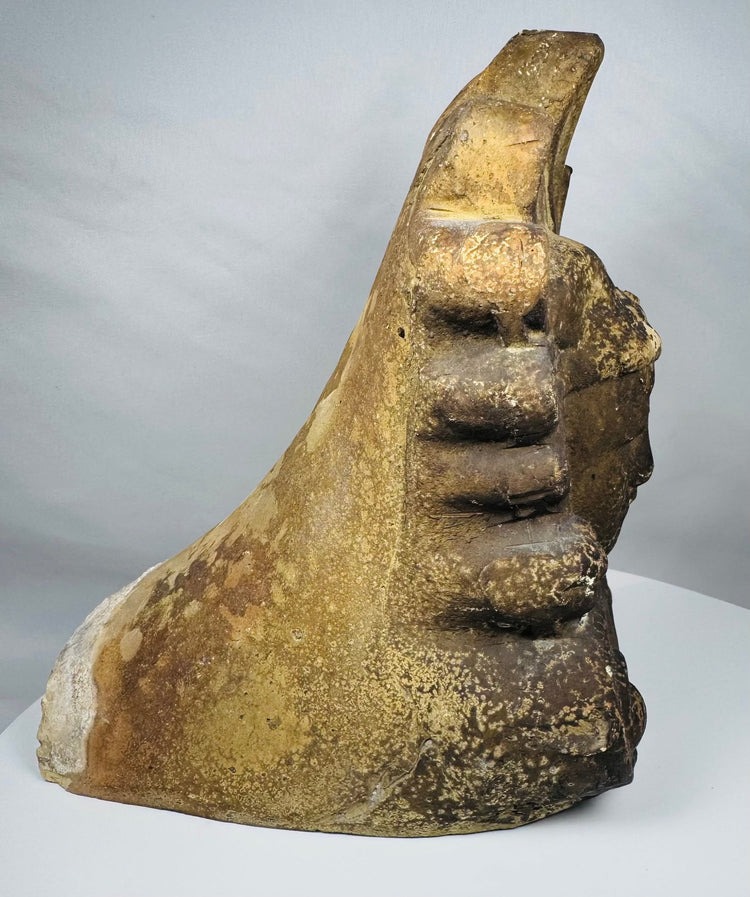
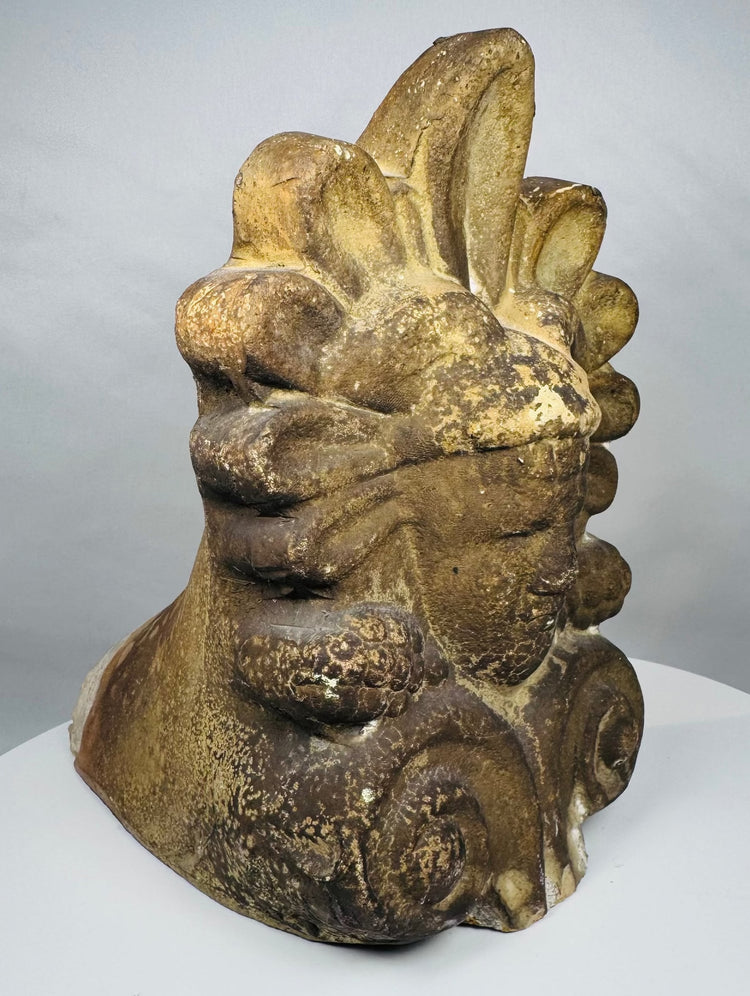
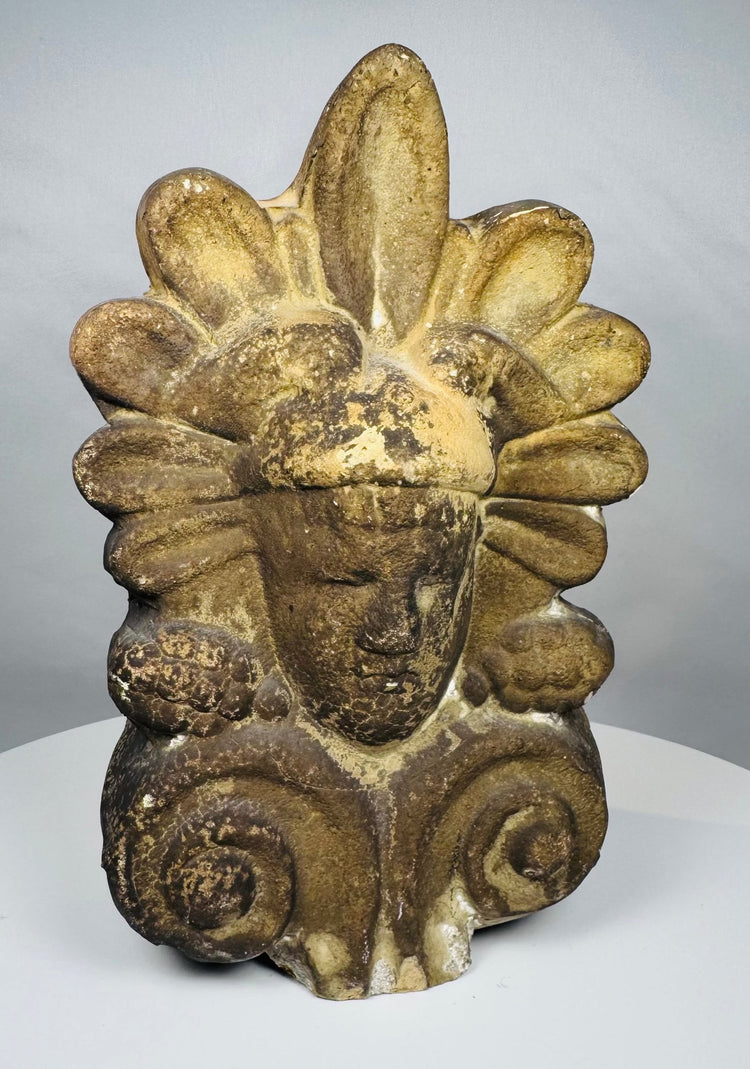
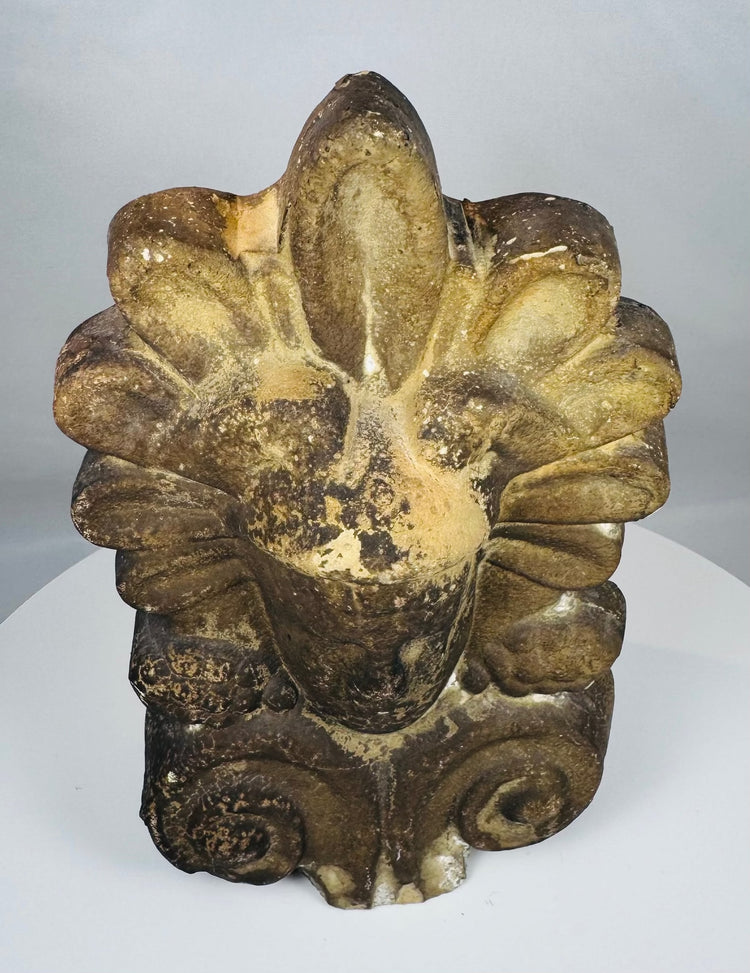
Este impresionante remate de terracota griego (akrokeramo) representa un impactante ejemplo de ornamento arquitectónico neoclásico inspirado en las tradiciones artísticas del mundo mediterráneo antiguo. Formada a mano en arcilla cocida, la pieza representa un sereno rostro humano, que probablemente representa a Hermes, el dios mensajero de la mitología griega, o a su homólogo romano Mercurio, enmarcado bajo una corona de palmetas radiantes y flanqueado por volutas en espiral.
Originalmente montados a lo largo de los bordes de los tejados de tejas, los remates tenían propósitos tanto prácticos como decorativos, ocultando las juntas de las tejas del tejado al tiempo que mejoraban el impacto visual de templos, villas, edificios cívicos y residencias opulentas. A finales del siglo XIX y principios del siglo XX, Grecia experimentó un renovado interés por las formas arquitectónicas clásicas, lo que llevó a la producción de ornamentos decorativos de terracota para tejados inspirados en prototipos de la antigua Grecia.
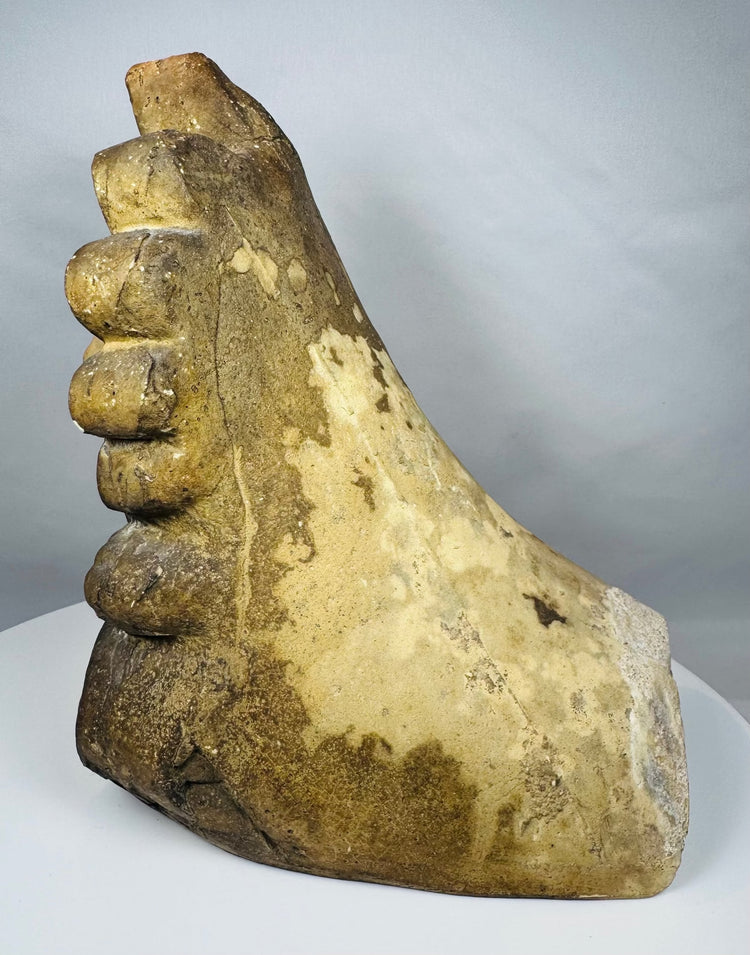
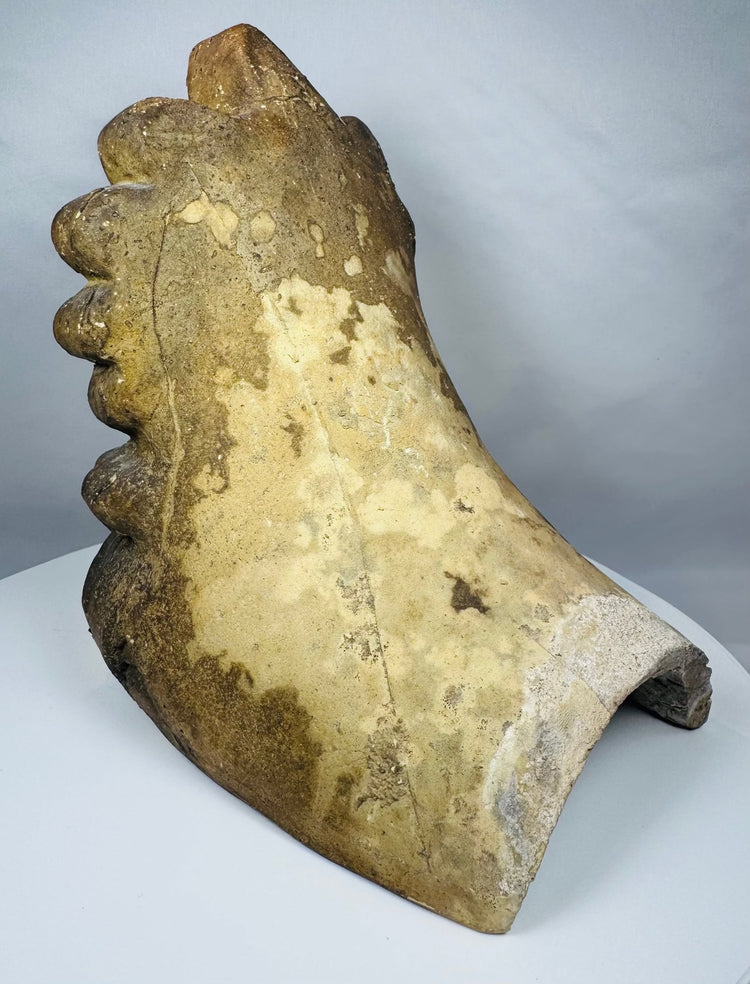
El diseño escultórico presenta un rostro finamente modelado con rasgos serenos e idealizados bajo un dramático motivo de palmeta en forma de abanico. Las grandes volutas en espiral en la base evocan el vocabulario decorativo de la arquitectura clásica y helenística, mientras que la sustancial construcción con respaldo hueco refleja las técnicas tradicionales de fabricación de cerámica arquitectónica.
La riqueza del desgaste, los depósitos minerales y la pátina superficial acumulada a través de años de exposición al aire libre contribuyen al auténtico carácter arquitectónico de la pieza.
Características
- Remate arquitectónico de terracota griego auténtico (akrokeramo)
- Representa a Hermes/Mercurio bajo una corona de palmetas estilizada
- Motivos decorativos de volutas en la base
- Construcción de cerámica moldeada a mano y cocida en horno
- Ornamento arquitectónico original para tejados
- Atractiva superficie desgastada y pátina natural
- Excelente pieza de exhibición para colecciones arquitectónicas y clásicas
Significado cultural
Los remates fueron uno de los elementos decorativos más reconocibles de la arquitectura clásica, adornando las líneas de los tejados en todo el mundo griego y romano. Su resurgimiento durante el movimiento neoclásico del siglo XIX reflejó una fascinación generalizada por la antigüedad y la estética clásica.
Los ornamentos arquitectónicos como este no solo cumplían propósitos funcionales, sino que también comunicaban identidad cultural, gusto artístico y una apreciación por el legado duradero de la antigua civilización mediterránea. La producción continua de remates durante la era neoclásica demuestra la influencia duradera de las tradiciones arquitectónicas griegas en el diseño moderno.
Condición
Desgaste normal acorde con la edad y el uso arquitectónico exterior. El interior presenta una grieta poco profunda. Pequeña grieta presente en el borde trasero. Desgaste de la superficie, acreciones minerales y pátina por todas partes.
Dimensiones (aproximadas)
Altura: 8,25 pulgadas
Ancho: 7 pulgadas
Largo: 5,25 pulgadas
Edad (aproximada)
105–145 años de antigüedad
Procedencia
De una colección privada en Sarasota, Florida, EE. UU.
Saber más
Descubre la historia y el propósito arquitectónico de los remates a través de Remate – Ornamento arquitectónico de tejado
Explora Nuestra Colección de Estatuas, Figuras, Tallados y Arte Antiguo
Descripción
Contexto histórico y origen
Región: Grecia
Material: Terracota (cerámica arquitectónica)
Periodo: Finales del siglo XIX a principios del siglo XX
Descripción
Este impresionante remate de terracota griego (akrokeramo) representa un impactante ejemplo de ornamento arquitectónico neoclásico inspirado en las tradiciones artísticas del mundo mediterráneo antiguo. Formada a mano en arcilla cocida, la pieza representa un sereno rostro humano, que probablemente representa a Hermes, el dios mensajero de la mitología griega, o a su homólogo romano Mercurio, enmarcado bajo una corona de palmetas radiantes y flanqueado por volutas en espiral.
Originalmente montados a lo largo de los bordes de los tejados de tejas, los remates tenían propósitos tanto prácticos como decorativos, ocultando las juntas de las tejas del tejado al tiempo que mejoraban el impacto visual de templos, villas, edificios cívicos y residencias opulentas. A finales del siglo XIX y principios del siglo XX, Grecia experimentó un renovado interés por las formas arquitectónicas clásicas, lo que llevó a la producción de ornamentos decorativos de terracota para tejados inspirados en prototipos de la antigua Grecia.
El diseño escultórico presenta un rostro finamente modelado con rasgos serenos e idealizados bajo un dramático motivo de palmeta en forma de abanico. Las grandes volutas en espiral en la base evocan el vocabulario decorativo de la arquitectura clásica y helenística, mientras que la sustancial construcción con respaldo hueco refleja las técnicas tradicionales de fabricación de cerámica arquitectónica.
La riqueza del desgaste, los depósitos minerales y la pátina superficial acumulada a través de años de exposición al aire libre contribuyen al auténtico carácter arquitectónico de la pieza.
Características
- Remate arquitectónico de terracota griego auténtico (akrokeramo)
- Representa a Hermes/Mercurio bajo una corona de palmetas estilizada
- Motivos decorativos de volutas en la base
- Construcción de cerámica moldeada a mano y cocida en horno
- Ornamento arquitectónico original para tejados
- Atractiva superficie desgastada y pátina natural
- Excelente pieza de exhibición para colecciones arquitectónicas y clásicas
Significado cultural
Los remates fueron uno de los elementos decorativos más reconocibles de la arquitectura clásica, adornando las líneas de los tejados en todo el mundo griego y romano. Su resurgimiento durante el movimiento neoclásico del siglo XIX reflejó una fascinación generalizada por la antigüedad y la estética clásica.
Los ornamentos arquitectónicos como este no solo cumplían propósitos funcionales, sino que también comunicaban identidad cultural, gusto artístico y una apreciación por el legado duradero de la antigua civilización mediterránea. La producción continua de remates durante la era neoclásica demuestra la influencia duradera de las tradiciones arquitectónicas griegas en el diseño moderno.
Condición
Desgaste normal acorde con la edad y el uso arquitectónico exterior. El interior presenta una grieta poco profunda. Pequeña grieta presente en el borde trasero. Desgaste de la superficie, acreciones minerales y pátina por todas partes.
Dimensiones (aproximadas)
Altura: 8,25 pulgadas
Ancho: 7 pulgadas
Largo: 5,25 pulgadas
Edad (aproximada)
105–145 años de antigüedad
Procedencia
De una colección privada en Sarasota, Florida, EE. UU.
Saber más
Descubre la historia y el propósito arquitectónico de los remates a través de Remate – Ornamento arquitectónico de tejado
Explora Nuestra Colección de Estatuas, Figuras, Tallados y Arte Antiguo
También te puede interesar
