

Fragmento de cabeza de efigie humana de terracota precolombina | México a Colombia | Circa 200–900 E.C.
- Precio habitual
- $250.00
- Precio de venta
- $250.00
- Precio habitual
No se pudo cargar la disponibilidad de retiro


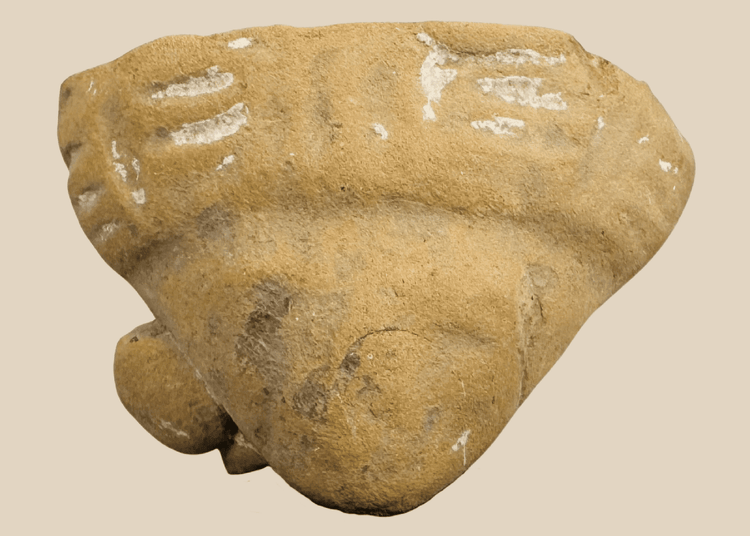
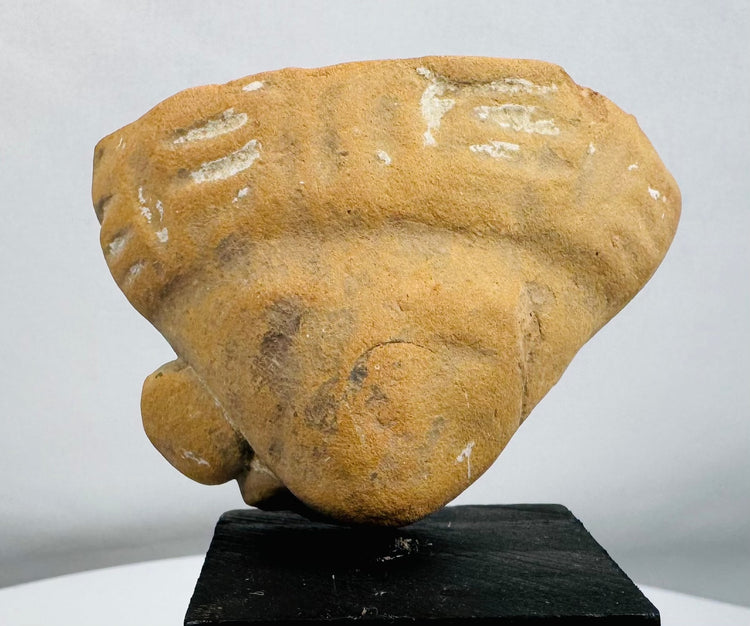
Fragmento de cabeza de efigie humana de terracota precolombina | México a Colombia | Circa 200–900 E.C.
Descripción
Más
Menos
Contexto histórico y origen
Región: De México a Colombia
Material: Terracota
Periodo: Periodo precolombino, circa 200–900 d.C.
Descripción
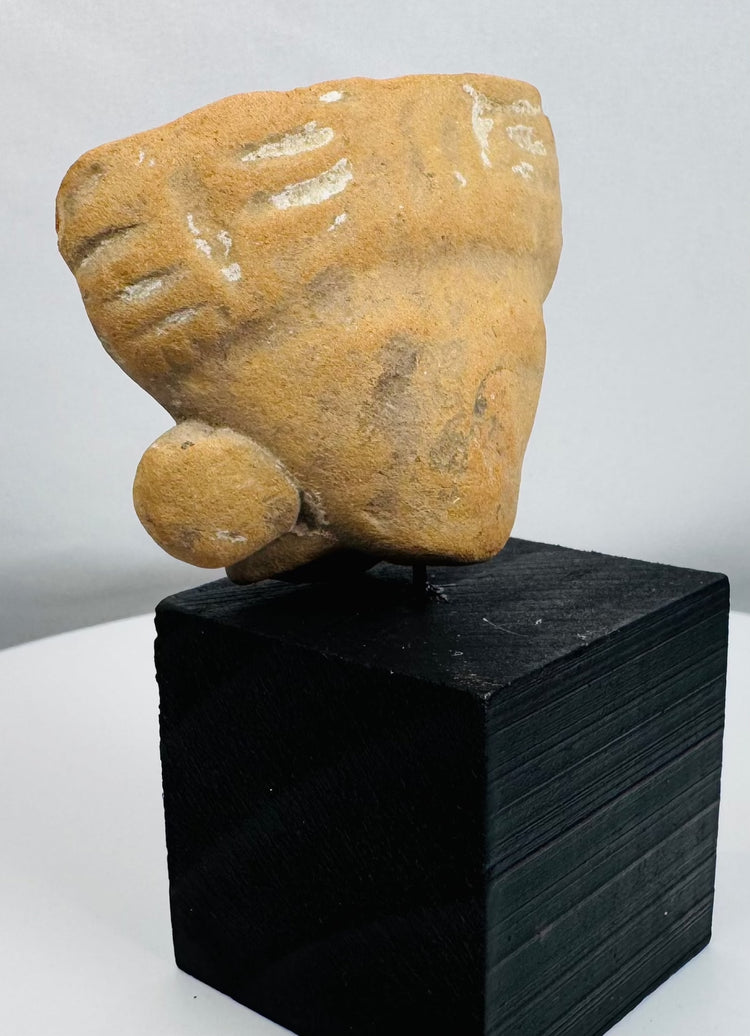
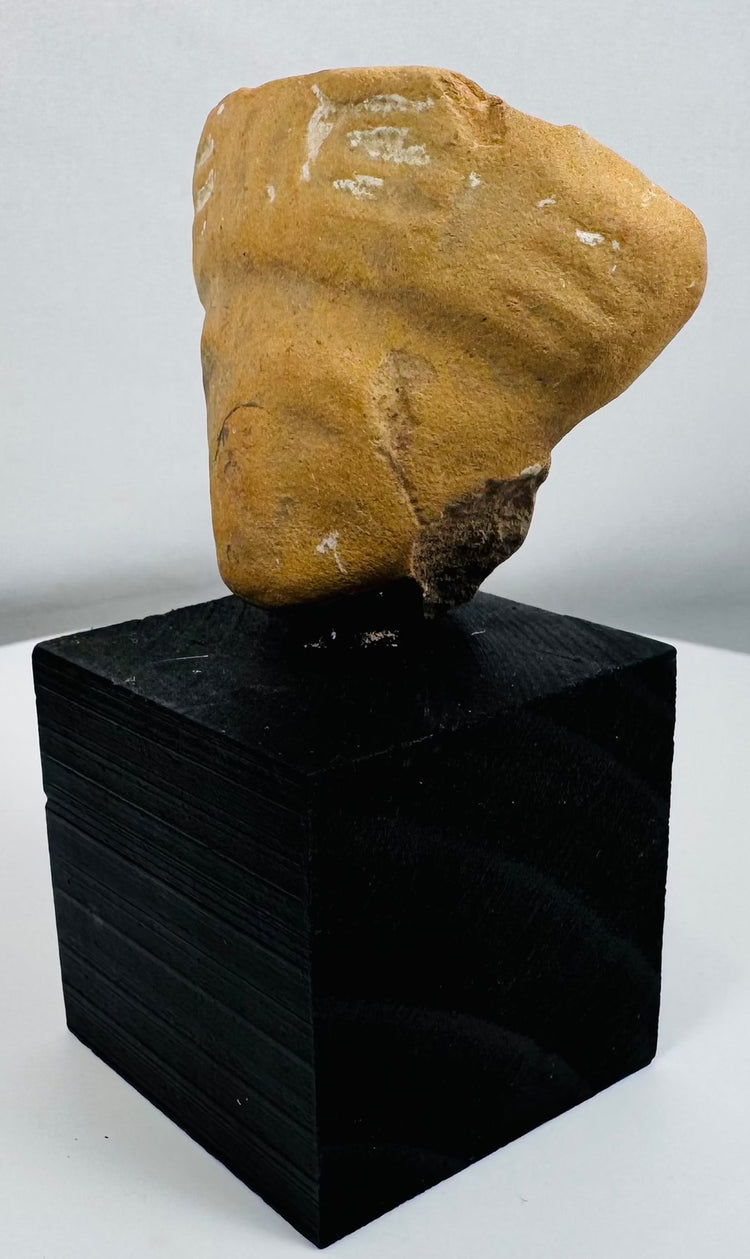
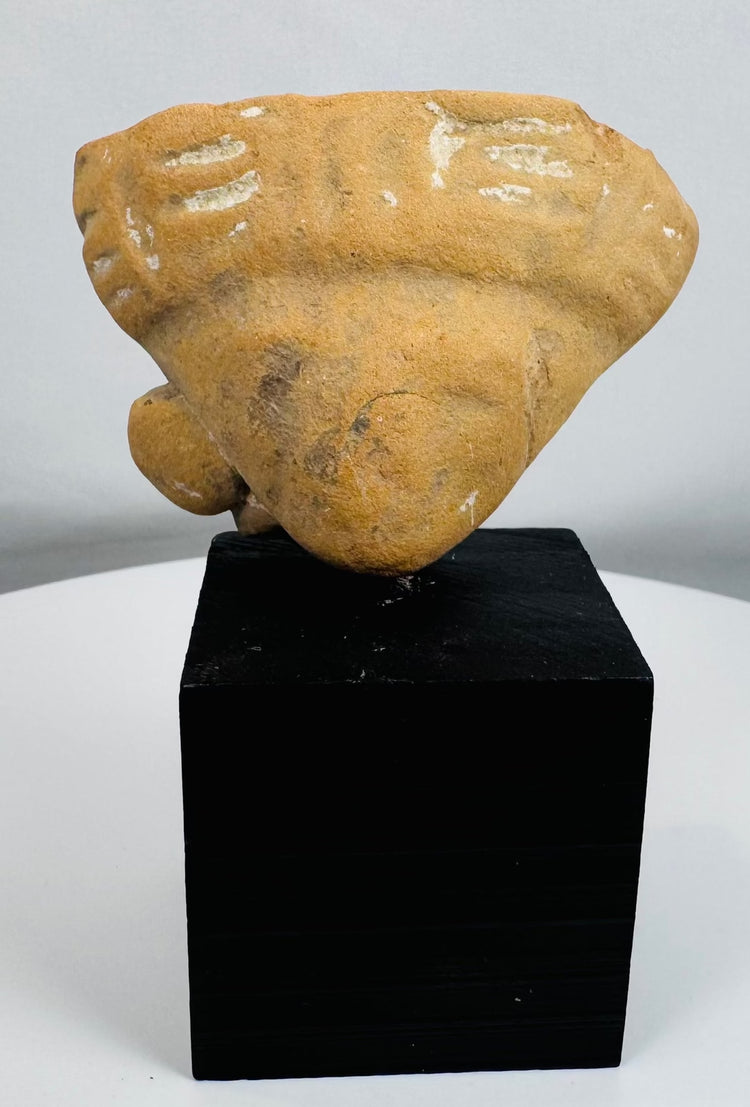
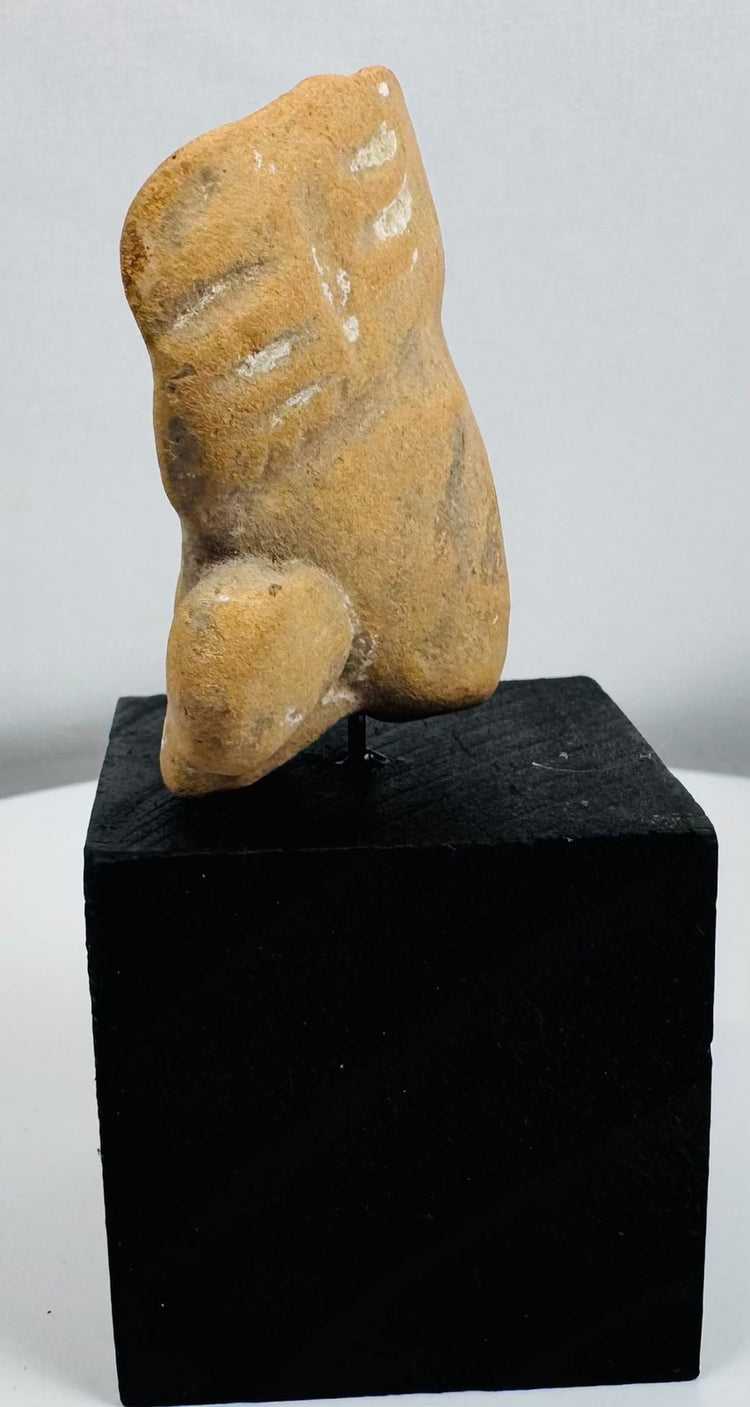
Este fragmento de cabeza de terracota precolombina representa una figura humana estilizada y probablemente formó parte de una efigie, vasija o composición escultórica cerámica más grande. El fragmento conserva un rostro ancho con prominentes adornos auriculares circulares, una ceja pronunciada y rastros de pigmento blanco que acentúan los rasgos faciales. El modelado simplificado y la forma geométrica son característicos de muchas tradiciones cerámicas ceremoniales encontradas en toda la antigua Mesoamérica y el norte de América del Sur.
Originalmente creado como parte de un objeto más grande, el fragmento ofrece una visión de las convenciones artísticas y las tradiciones simbólicas de las culturas precolombinas, donde las representaciones humanas con frecuencia transmitían estatus, ascendencia, roles rituales o identidades espirituales. Los orejeras sobrevivientes sugieren que la figura pudo haber representado a un individuo de elevado estatus social o significado ceremonial.
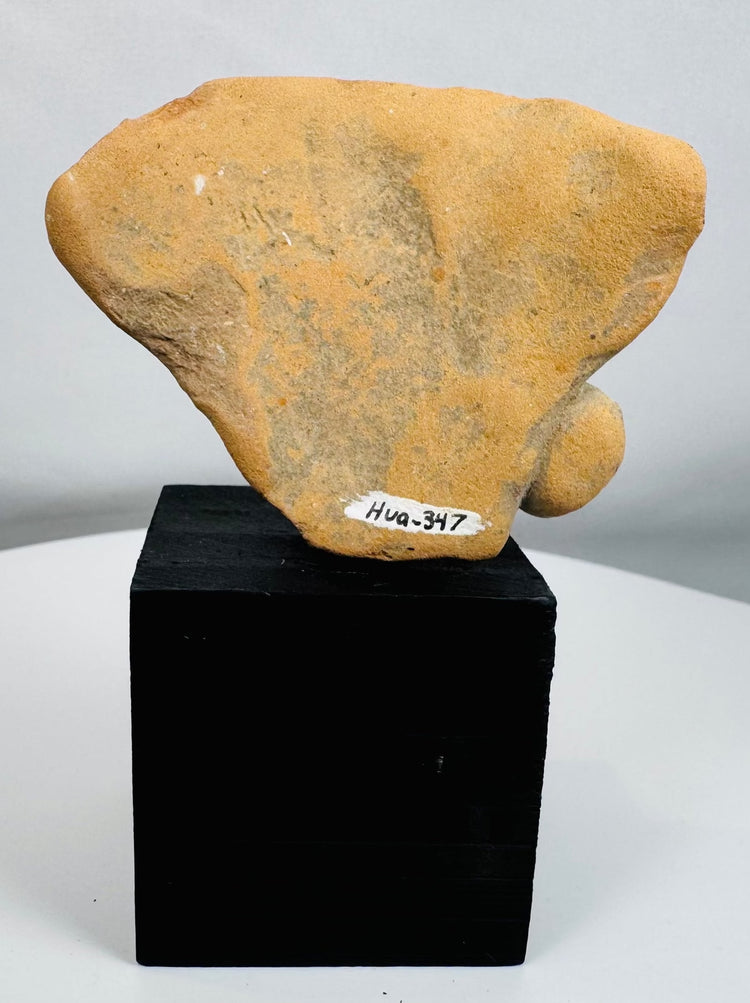
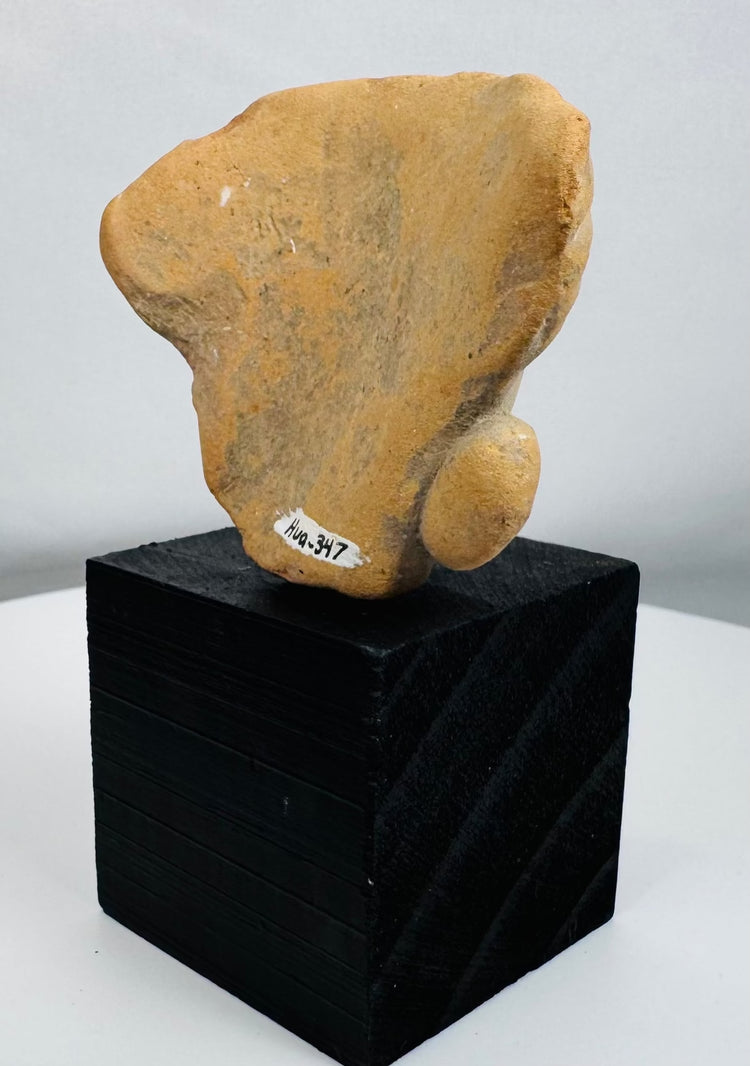
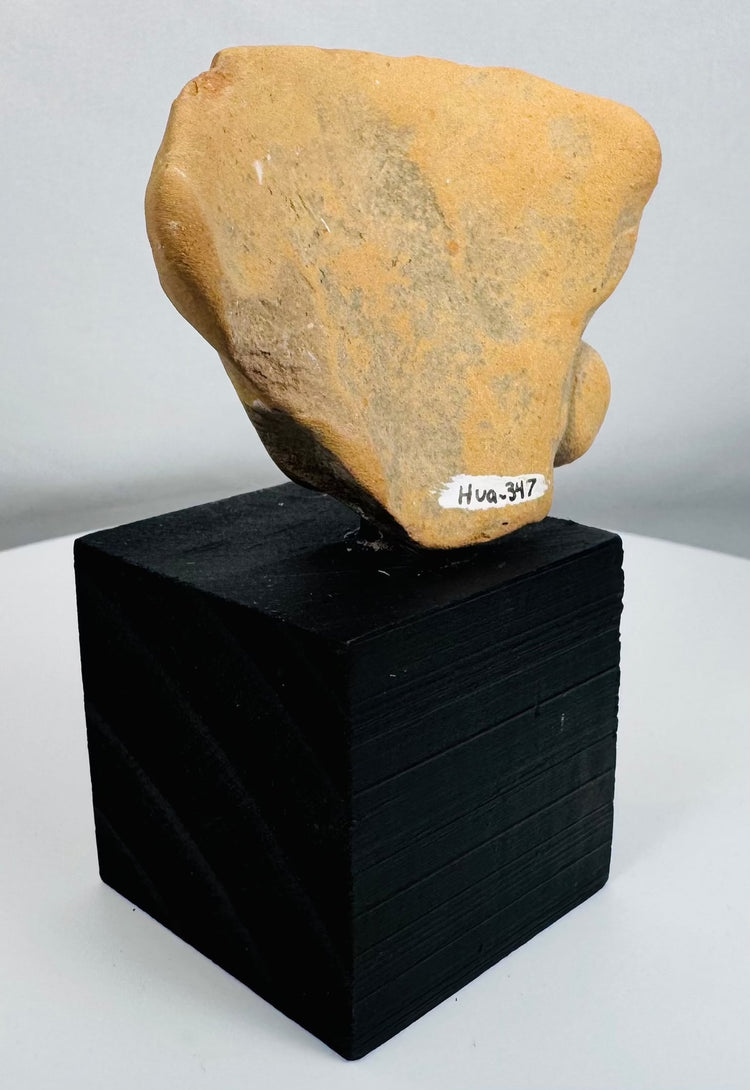
Restos de pigmento blanco aún son visibles en la superficie, lo que proporciona evidencia del tratamiento decorativo original del objeto. Un antiguo número de inventario de colección, Hua-347, permanece adherido al reverso, probablemente relacionado con un sistema de catalogación o colección anterior. Montado sobre un soporte de exhibición personalizado, el fragmento se presenta como un evocador superviviente de la antigua artesanía cerámica.
Características
- Fragmento de cabeza humana de terracota
- Prominentes adornos auriculares circulares u orejeras
- Rastros de decoración original con pigmento blanco
- Antigua etiqueta de inventario de colección marcada Hua-347 en el reverso
- Forma facial amplia con rasgos estilizados
- Originalmente parte de una figura efigie o vasija más grande
- Desgaste superficial y pátina de entierro consistentes con la edad
- Montado sobre un soporte de exhibición personalizado
Importancia cultural
Las figuras efigie humanas desempeñaron un papel importante en todo el mundo precolombino, sirviendo funciones ceremoniales, funerarias y simbólicas. Tales representaciones podían representar ancestros, élites, intermediarios espirituales o participantes en actividades rituales. Los adornos auriculares y faciales a menudo eran marcadores de estatus, identidad o autoridad sagrada, lo que convierte a los fragmentos supervivientes como este en valiosas evidencias de antiguas tradiciones artísticas y sociales.
Estado
Estado fragmentado como se muestra, conservando la porción facial de un objeto cerámico más grande. Desgaste superficial, pérdidas, pérdida de pigmento, depósitos minerales y meteorización en todo el objeto consistentes con la edad y el entierro. Montado sobre un soporte de exhibición moderno hecho a medida para su presentación.
Dimensiones (Aproximadas)
Longitud: 4.25 pulg
Altura: 2 pulg
Ancho: 2 pulg
Antigüedad (Aproximada)
1,100–1,800 años de antigüedad
Procedencia
Colección privada de Fayetteville, Arkansas, EE. UU.; ex-propiedad privada de Fayetteville, Arkansas, EE. UU., reunida entre 1960 y 2024. Adquirida tras la dispersión de la colección de la propiedad.
Más información
Descubre la historia y las culturas de las Américas precolombinas a través de La Era Precolombina de México
Ver Nuestra Colección de Artefactos Precolombinos Antiguos
Descripción
Contexto histórico y origen
Región: De México a Colombia
Material: Terracota
Periodo: Periodo precolombino, circa 200–900 d.C.
Descripción
Este fragmento de cabeza de terracota precolombina representa una figura humana estilizada y probablemente formó parte de una efigie, vasija o composición escultórica cerámica más grande. El fragmento conserva un rostro ancho con prominentes adornos auriculares circulares, una ceja pronunciada y rastros de pigmento blanco que acentúan los rasgos faciales. El modelado simplificado y la forma geométrica son característicos de muchas tradiciones cerámicas ceremoniales encontradas en toda la antigua Mesoamérica y el norte de América del Sur.
Originalmente creado como parte de un objeto más grande, el fragmento ofrece una visión de las convenciones artísticas y las tradiciones simbólicas de las culturas precolombinas, donde las representaciones humanas con frecuencia transmitían estatus, ascendencia, roles rituales o identidades espirituales. Los orejeras sobrevivientes sugieren que la figura pudo haber representado a un individuo de elevado estatus social o significado ceremonial.
Restos de pigmento blanco aún son visibles en la superficie, lo que proporciona evidencia del tratamiento decorativo original del objeto. Un antiguo número de inventario de colección, Hua-347, permanece adherido al reverso, probablemente relacionado con un sistema de catalogación o colección anterior. Montado sobre un soporte de exhibición personalizado, el fragmento se presenta como un evocador superviviente de la antigua artesanía cerámica.
Características
- Fragmento de cabeza humana de terracota
- Prominentes adornos auriculares circulares u orejeras
- Rastros de decoración original con pigmento blanco
- Antigua etiqueta de inventario de colección marcada Hua-347 en el reverso
- Forma facial amplia con rasgos estilizados
- Originalmente parte de una figura efigie o vasija más grande
- Desgaste superficial y pátina de entierro consistentes con la edad
- Montado sobre un soporte de exhibición personalizado
Importancia cultural
Las figuras efigie humanas desempeñaron un papel importante en todo el mundo precolombino, sirviendo funciones ceremoniales, funerarias y simbólicas. Tales representaciones podían representar ancestros, élites, intermediarios espirituales o participantes en actividades rituales. Los adornos auriculares y faciales a menudo eran marcadores de estatus, identidad o autoridad sagrada, lo que convierte a los fragmentos supervivientes como este en valiosas evidencias de antiguas tradiciones artísticas y sociales.
Estado
Estado fragmentado como se muestra, conservando la porción facial de un objeto cerámico más grande. Desgaste superficial, pérdidas, pérdida de pigmento, depósitos minerales y meteorización en todo el objeto consistentes con la edad y el entierro. Montado sobre un soporte de exhibición moderno hecho a medida para su presentación.
Dimensiones (Aproximadas)
Longitud: 4.25 pulg
Altura: 2 pulg
Ancho: 2 pulg
Antigüedad (Aproximada)
1,100–1,800 años de antigüedad
Procedencia
Colección privada de Fayetteville, Arkansas, EE. UU.; ex-propiedad privada de Fayetteville, Arkansas, EE. UU., reunida entre 1960 y 2024. Adquirida tras la dispersión de la colección de la propiedad.
Más información
Descubre la historia y las culturas de las Américas precolombinas a través de La Era Precolombina de México
Ver Nuestra Colección de Artefactos Precolombinos Antiguos
También te puede interesar
