

Maqueta de casa de terracota precolombina del oeste de México | Circa 300 a. C. – 300 d. C.
- Precio habitual
- $500.00
- Precio de venta
- $500.00
- Precio habitual
No se pudo cargar la disponibilidad de retiro


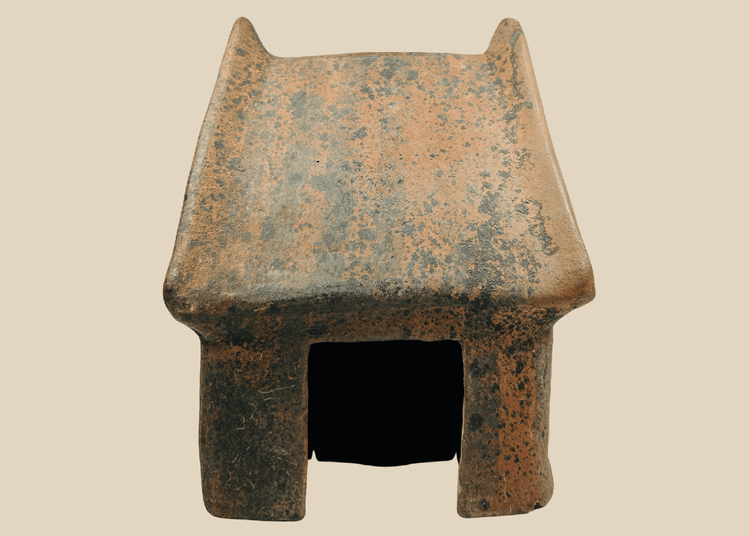
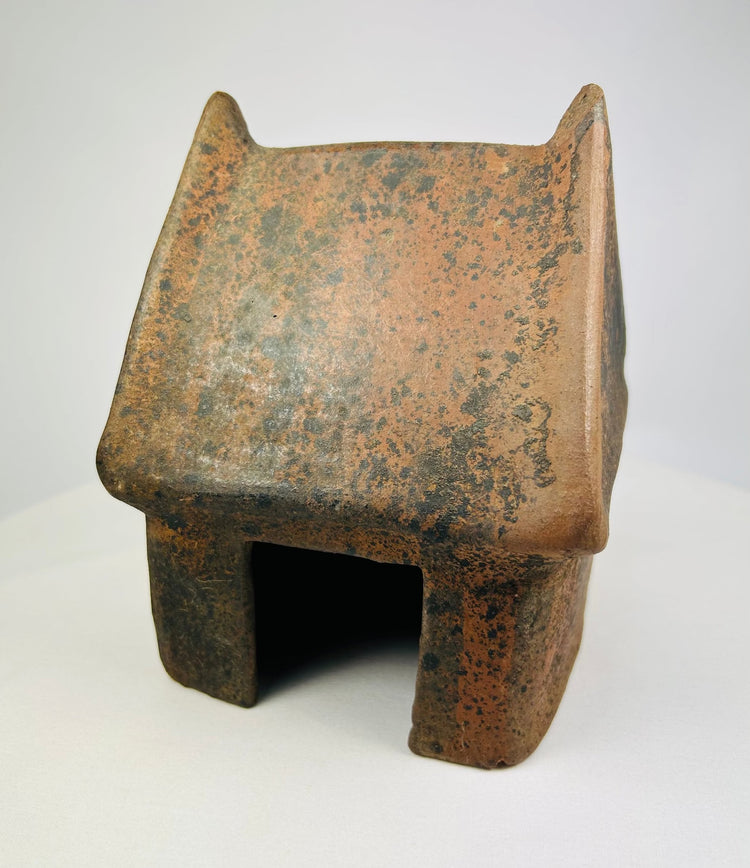


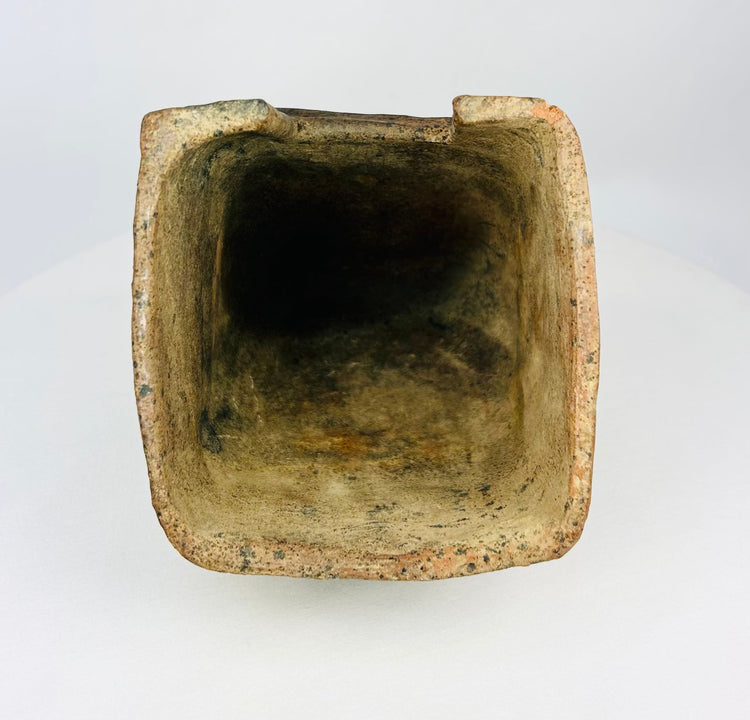
Maqueta de casa de terracota precolombina del oeste de México | Circa 300 a. C. – 300 d. C.
Descripción
Más
Menos
Contexto histórico y origen
Región: México Occidental (Nayarit, Jalisco o Colima)
Material: Terracota modelada a mano con depósitos de minerales en la superficie
Período: Período Formativo Tardío a Protoclásico, circa 300 a. C. – 300 d. C.
Descripción
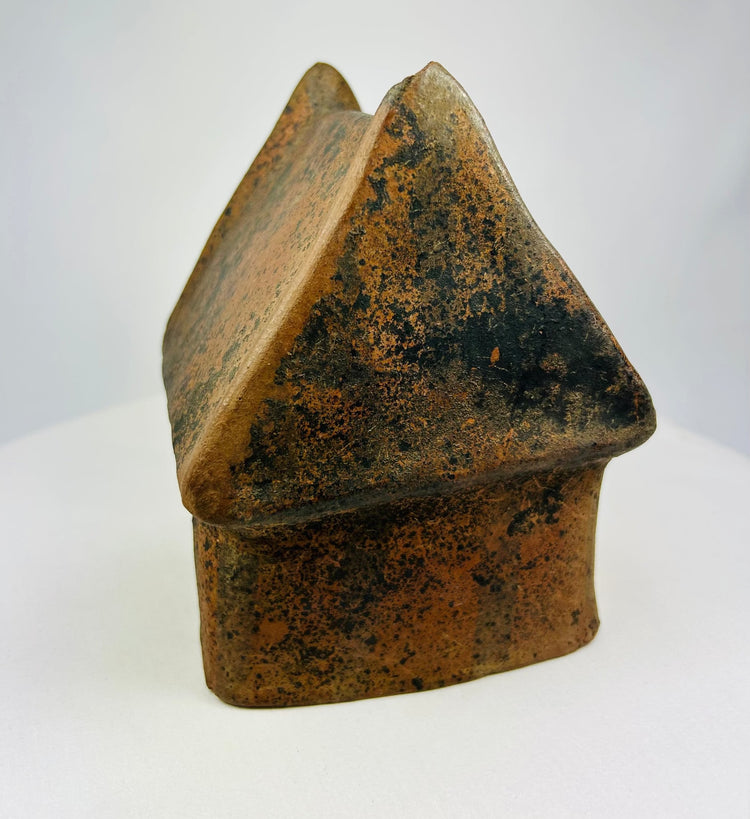
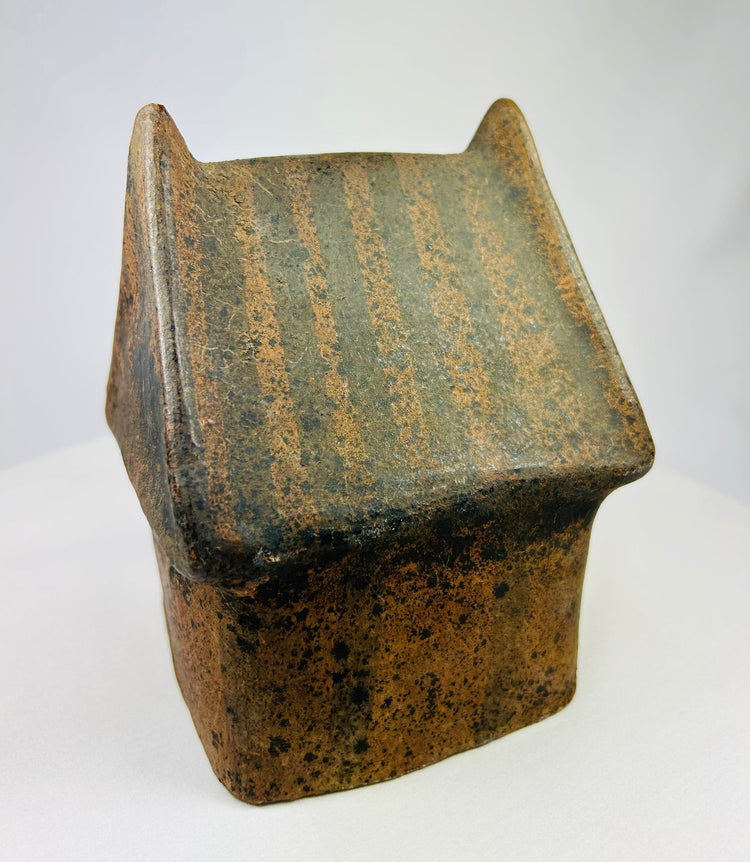
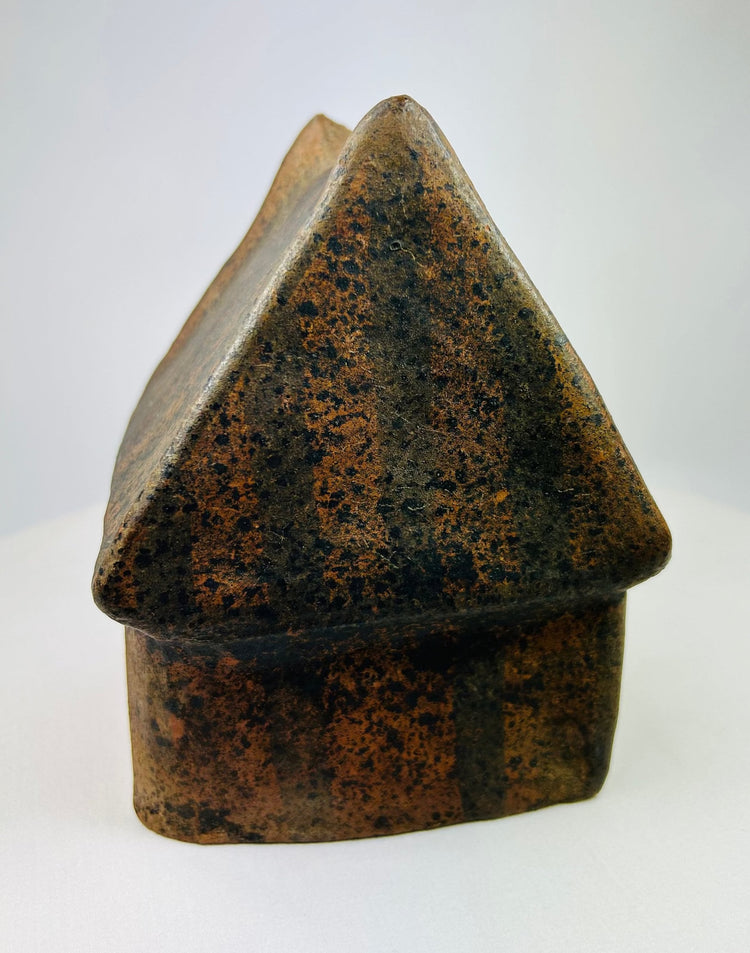
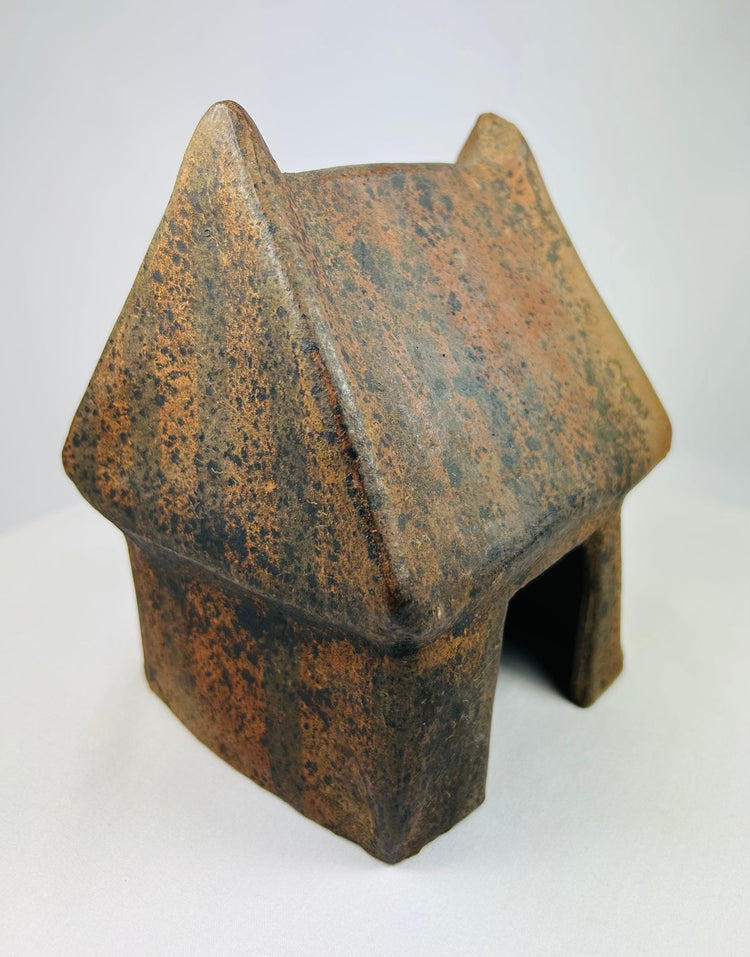
Este raro modelo arquitectónico de terracota es un ejemplo excepcional de la tradición de las Tumbas de Tiro del Occidente de México, una cultura reconocida por producir figuras humanas expresivas, efigies de animales y estructuras simbólicas. Formada a mano con terracota densa de color marrón rojizo, la pieza representa una casa o santuario en miniatura, completa con un techo a dos aguas pronunciado y una cámara frontal abierta.
Los modelos arquitectónicos de este tipo se colocaban dentro de tumbas de tiro profundas como moradas simbólicas para los difuntos, sirviendo como "hogares" espirituales para el más allá, representaciones de espacios rituales o estructuras protectoras destinadas a velar por los ocupantes de la tumba. La superficie conserva atractivas concreciones minerales y pátina de entierro, lo que confirma su enterramiento a largo plazo y su auténtica antigüedad.
El techo a dos aguas y el cuerpo cuadrado se alinean estrechamente con ejemplos conocidos de Nayarit y Jalisco, que a menudo reflejan estructuras domésticas o ceremoniales reales encontradas en todo el antiguo Occidente de México.
Características
- Modelo arquitectónico en miniatura del occidente de México que representa una vivienda o santuario
- Techo a dos aguas distintivo y forma de cuerpo rectilínea
- Cavidad frontal abierta que simboliza una entrada o cámara
- Atractivas concreciones minerales y auténtica pátina de entierro
- Perfil de exhibición sólido con geometría limpia y presencia escultórica
Importancia cultural
Las efigies arquitectónicas desempeñaron un importante papel ritual en las creencias funerarias del occidente de México. Estas estructuras en miniatura simbolizaban la protección, la continuidad y el viaje entre el hogar terrenal y el reino espiritual. Como microcosmos del mundo que habitaba el difunto, reforzaban la identidad familiar, las tradiciones comunitarias y la creencia en una presencia ancestral continua.
Los ejemplos que se conservan son significativamente más raros que las efigies antropomorfas y son muy buscados por coleccionistas y estudiosos del arte precolombino del occidente de México.
Estado de conservación
Buen estado arqueológico con desgaste superficial consistente con la edad. La mineralización del entierro y las incrustaciones terrosas permanecen intactas. No hay evidencia de restauración moderna.
Dimensiones (aproximadas)
Altura: 6 pulgadas
Ancho: 5 pulgadas
Profundidad: 4.5 pulgadas
Edad (aproximada)
1.700–2.300 años de antigüedad
Más información
Explore modelos de casas y tradiciones funerarias del occidente de México en la Biblioteca del Congreso
Descubra más piezas auténticas en nuestra Colección de Artefactos Precolombinos
Descripción
Contexto histórico y origen
Región: México Occidental (Nayarit, Jalisco o Colima)
Material: Terracota modelada a mano con depósitos de minerales en la superficie
Período: Período Formativo Tardío a Protoclásico, circa 300 a. C. – 300 d. C.
Descripción
Este raro modelo arquitectónico de terracota es un ejemplo excepcional de la tradición de las Tumbas de Tiro del Occidente de México, una cultura reconocida por producir figuras humanas expresivas, efigies de animales y estructuras simbólicas. Formada a mano con terracota densa de color marrón rojizo, la pieza representa una casa o santuario en miniatura, completa con un techo a dos aguas pronunciado y una cámara frontal abierta.
Los modelos arquitectónicos de este tipo se colocaban dentro de tumbas de tiro profundas como moradas simbólicas para los difuntos, sirviendo como "hogares" espirituales para el más allá, representaciones de espacios rituales o estructuras protectoras destinadas a velar por los ocupantes de la tumba. La superficie conserva atractivas concreciones minerales y pátina de entierro, lo que confirma su enterramiento a largo plazo y su auténtica antigüedad.
El techo a dos aguas y el cuerpo cuadrado se alinean estrechamente con ejemplos conocidos de Nayarit y Jalisco, que a menudo reflejan estructuras domésticas o ceremoniales reales encontradas en todo el antiguo Occidente de México.
Características
- Modelo arquitectónico en miniatura del occidente de México que representa una vivienda o santuario
- Techo a dos aguas distintivo y forma de cuerpo rectilínea
- Cavidad frontal abierta que simboliza una entrada o cámara
- Atractivas concreciones minerales y auténtica pátina de entierro
- Perfil de exhibición sólido con geometría limpia y presencia escultórica
Importancia cultural
Las efigies arquitectónicas desempeñaron un importante papel ritual en las creencias funerarias del occidente de México. Estas estructuras en miniatura simbolizaban la protección, la continuidad y el viaje entre el hogar terrenal y el reino espiritual. Como microcosmos del mundo que habitaba el difunto, reforzaban la identidad familiar, las tradiciones comunitarias y la creencia en una presencia ancestral continua.
Los ejemplos que se conservan son significativamente más raros que las efigies antropomorfas y son muy buscados por coleccionistas y estudiosos del arte precolombino del occidente de México.
Estado de conservación
Buen estado arqueológico con desgaste superficial consistente con la edad. La mineralización del entierro y las incrustaciones terrosas permanecen intactas. No hay evidencia de restauración moderna.
Dimensiones (aproximadas)
Altura: 6 pulgadas
Ancho: 5 pulgadas
Profundidad: 4.5 pulgadas
Edad (aproximada)
1.700–2.300 años de antigüedad
Más información
Explore modelos de casas y tradiciones funerarias del occidente de México en la Biblioteca del Congreso
Descubra más piezas auténticas en nuestra Colección de Artefactos Precolombinos
También te puede interesar
