

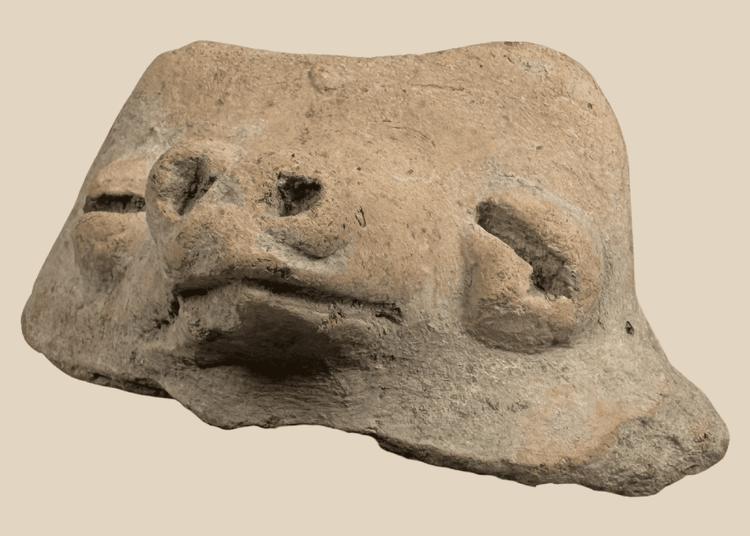
Fragmento de cabeza zoomorfa de terracota precolombina | México a Colombia | Circa 200–900 EC
- Precio habitual
- $350.00
- Precio de venta
- $350.00
- Precio habitual
No se pudo cargar la disponibilidad de retiro


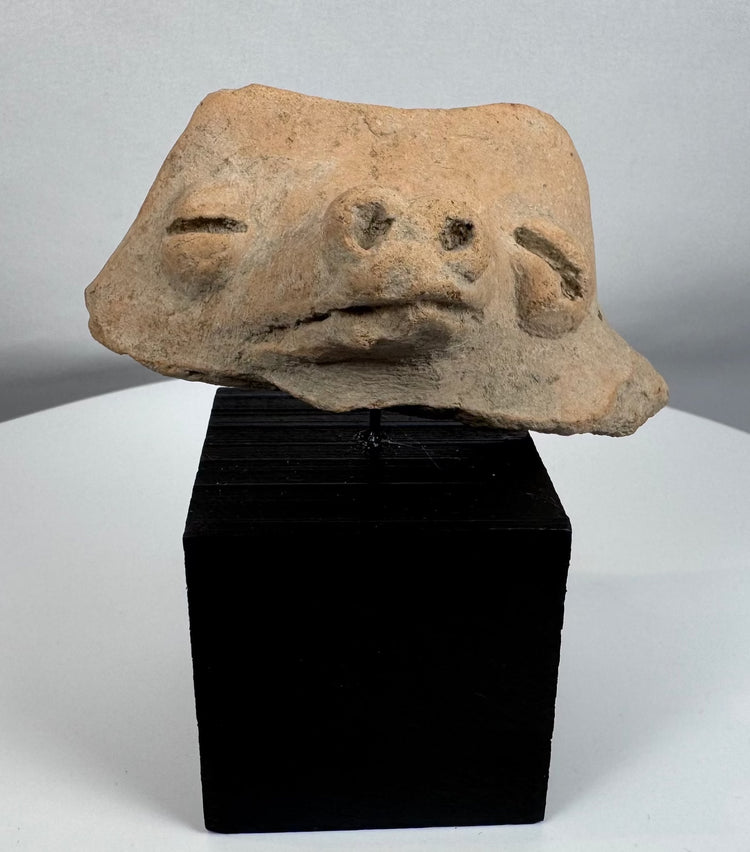
Fragmento de cabeza zoomorfa de terracota precolombina | México a Colombia | Circa 200–900 EC
Descripción
Más
Menos
Contexto histórico y origen
Región: De México a Colombia
Material: Terracota
Período: Período precolombino, aproximadamente 200–900 d.C.
Descripción
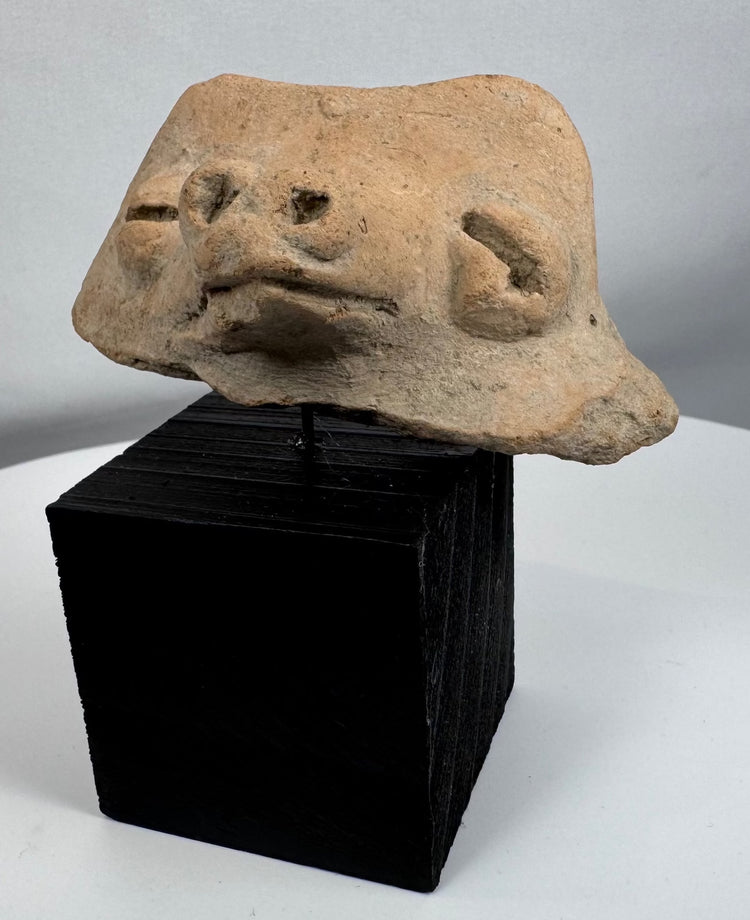
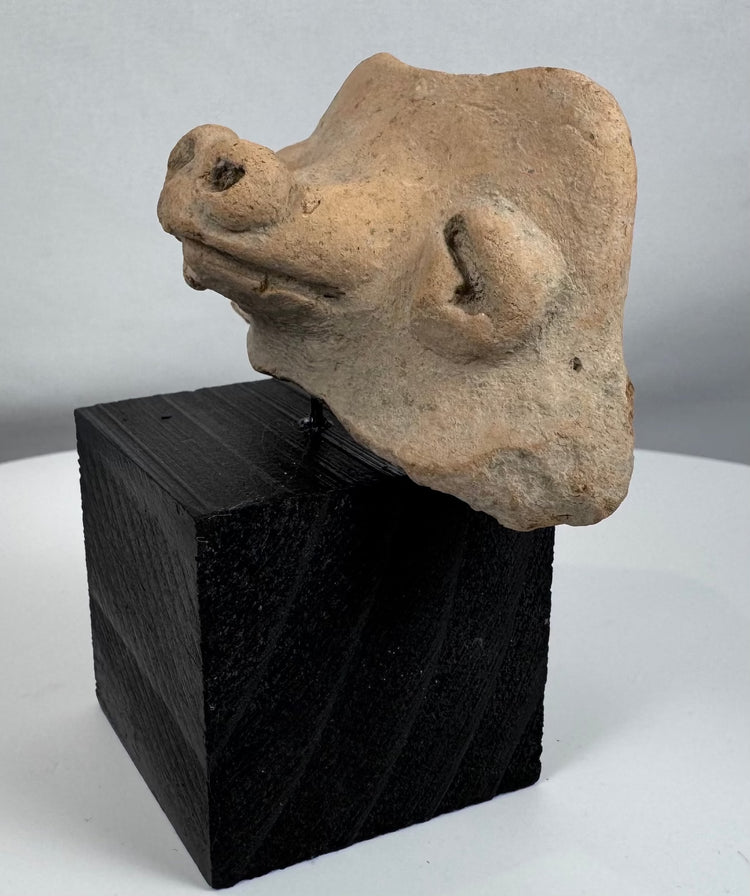
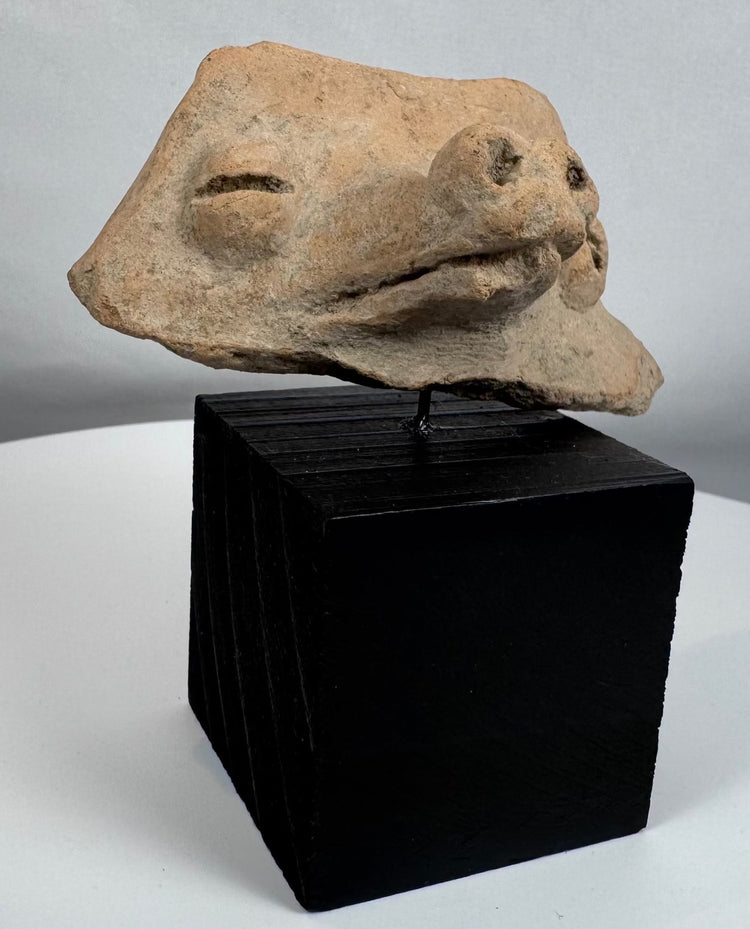
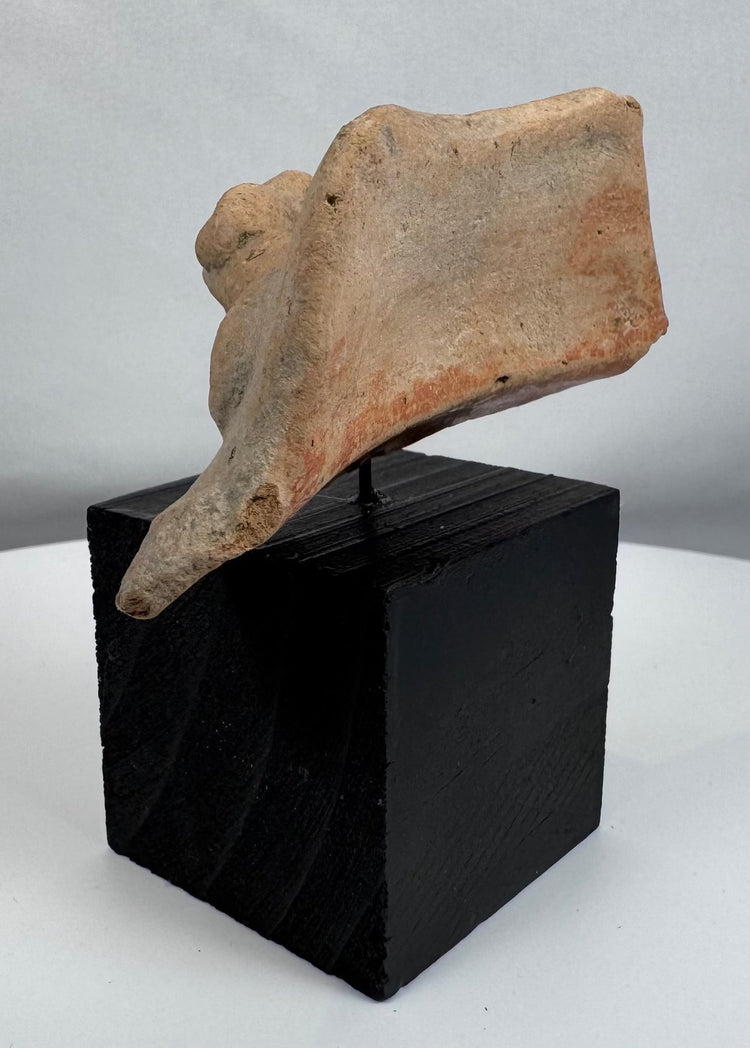
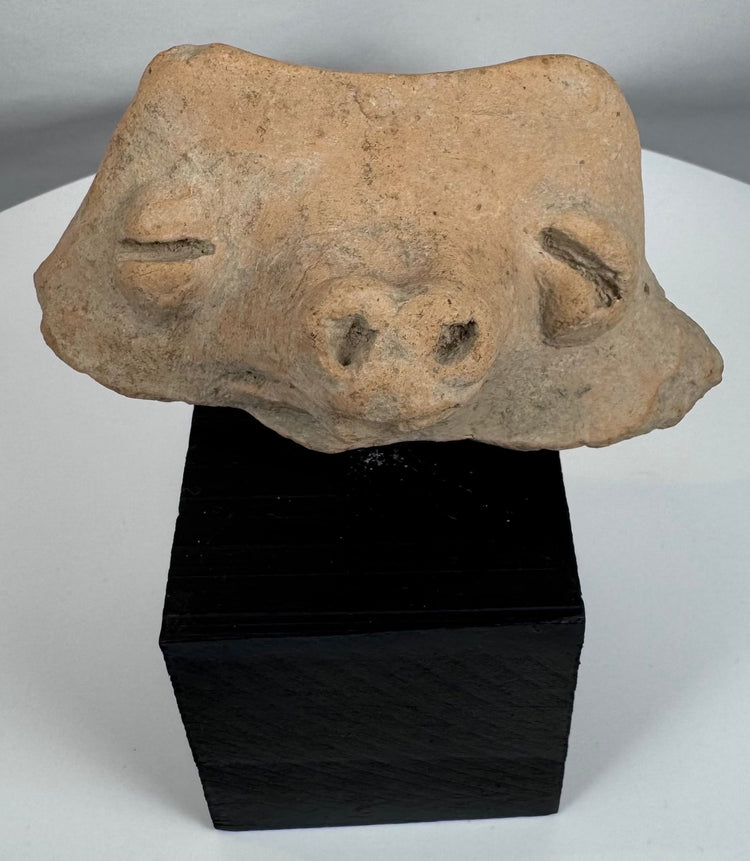
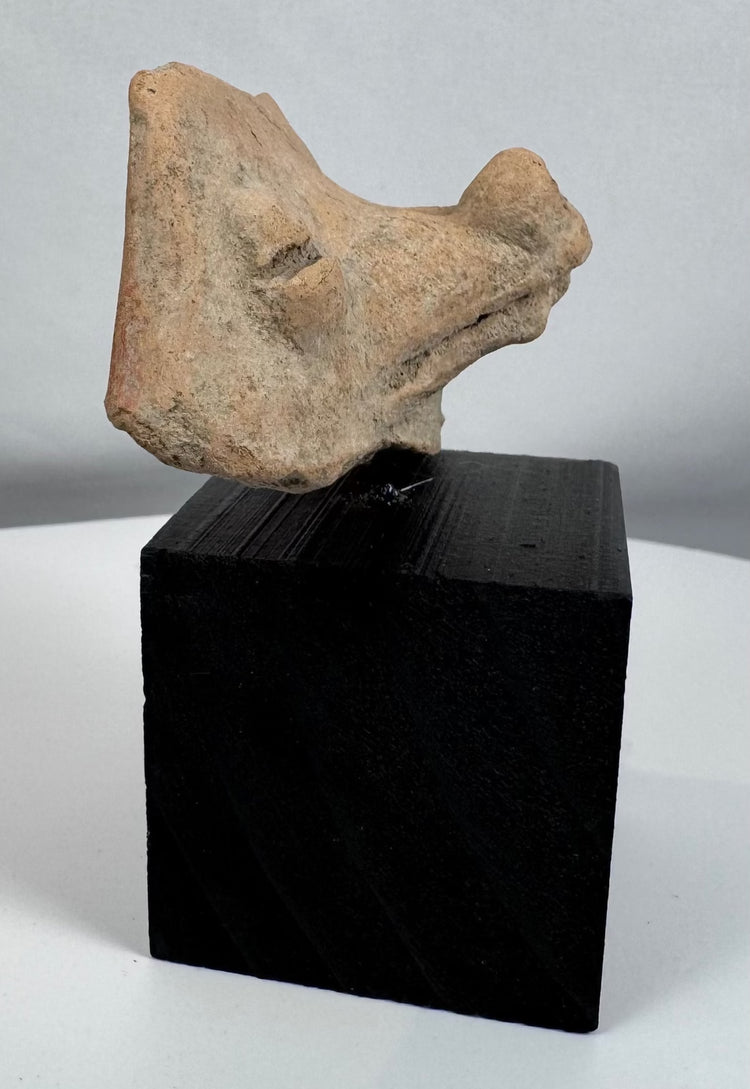
Este fragmento de cabeza de terracota precolombina representa una figura zoomorfa estilizada, probablemente un animal o un ser sobrenatural. El fragmento presenta una cara ancha y aplanada con ojos en forma de hendidura, un hocico saliente y fosas nasales perforadas, representados de una manera simplificada pero expresiva, característica de las tradiciones cerámicas ceremoniales y simbólicas que se encuentran en toda la antigua Mesoamérica y el norte de América del Sur.
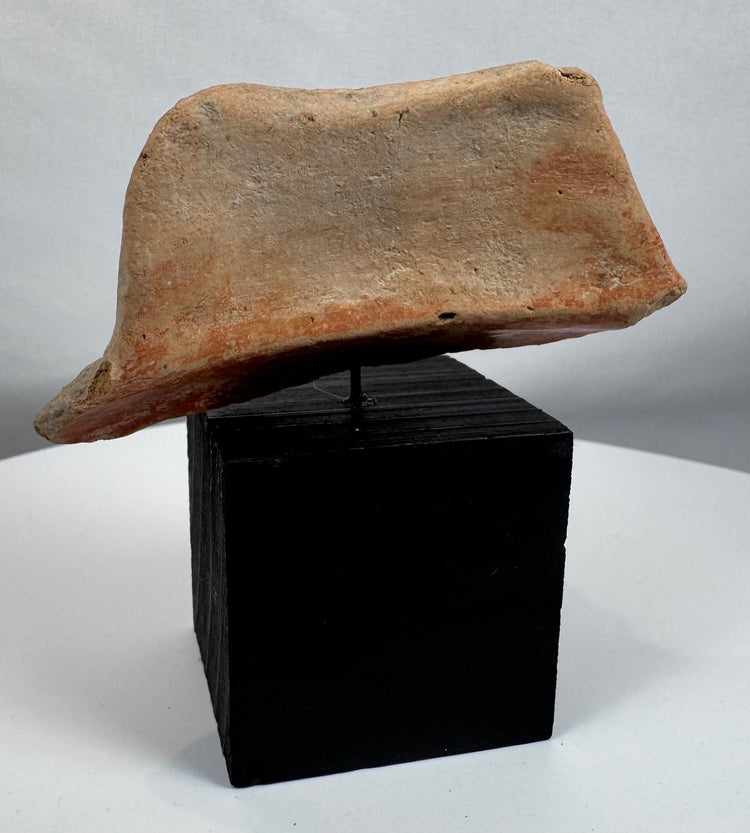
Originalmente parte de una vasija, figura efigie u objeto escultórico más grande, el fragmento conservado mantiene los rasgos faciales distintivos de la composición original, a la vez que ofrece una visión de las tradiciones artísticas y espirituales de las culturas que lo produjeron. Las imágenes de animales tenían una importante importancia simbólica en muchas sociedades precolombinas, a menudo sirviendo como representaciones de poder, fertilidad, protección, ascendencia o transformación chamánica.
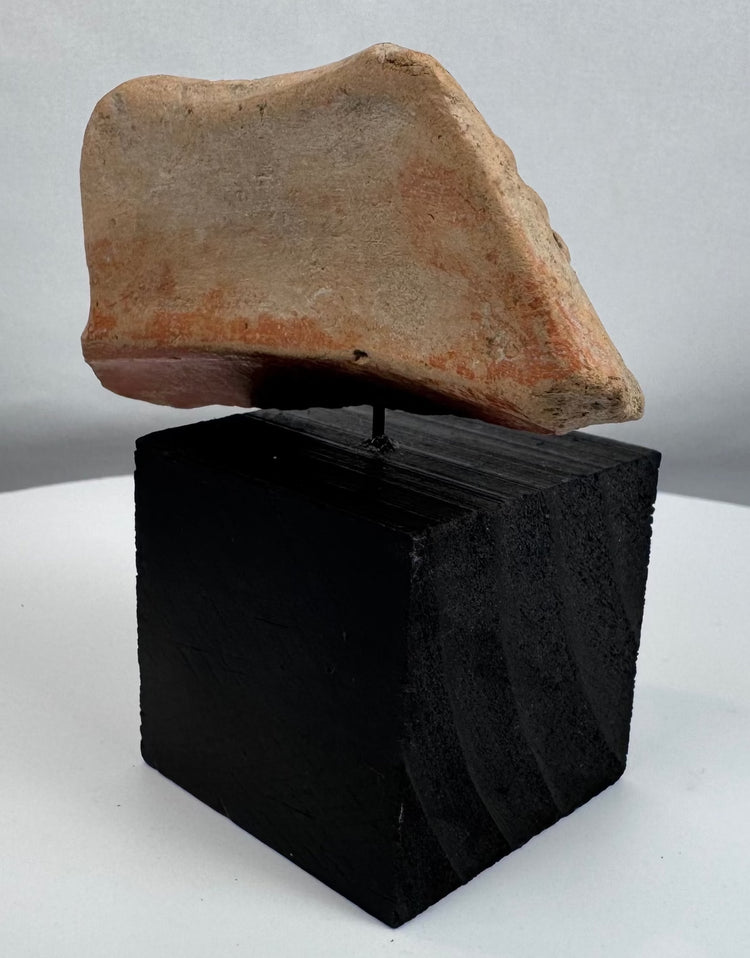
El fragmento exhibe un desgaste considerable relacionado con la edad y concreciones minerales consistentes con un entierro a largo plazo.
Características
- Fragmento de cabeza zoomorfa de terracota
- Rasgos faciales estilizados de animal o ser sobrenatural
- Hocico saliente con fosas nasales perforadas
- Ojos en forma de hendidura en relieve
- Originalmente parte de una vasija o figura efigie más grande
- Meteorización superficial y concreciones minerales consistentes con la edad
- Montado en un soporte de exhibición personalizado
Importancia cultural
Las imágenes de animales y criaturas híbridas desempeñaron un papel central en las creencias espirituales de muchas culturas precolombinas. Tales representaciones a menudo encarnaban espíritus protectores, animales sagrados, seres mitológicos o figuras transformadoras asociadas con prácticas chamánicas. Fragmentos como este proporcionan información valiosa sobre el mundo simbólico de las antiguas civilizaciones americanas y la importancia de la iconografía animal dentro de la vida ceremonial y ritual.
Estado
Estado fragmentario como se muestra, conservando la porción de la cabeza de un objeto cerámico más grande. Desgaste superficial, pérdidas, depósitos minerales y meteorización en toda la pieza consistente con la edad y el entierro. Montado en un soporte de exhibición moderno y personalizado para su presentación.
Dimensiones (aproximadas)
Altura: 2 pulgadas
Ancho: 2 pulgadas
Largo: 4 pulgadas
Edad (aproximada)
1.100–1.800 años de antigüedad
Procedencia
Colección privada de Fayetteville, Arkansas, EE. UU.; ex colección privada de la finca de Fayetteville, Arkansas, EE. UU., reunida entre 1960 y 2024. Adquirida tras la dispersión de la colección de la finca.
Más información
Explora la arqueología y las tradiciones culturales del antiguo oeste de México a través del Penn Museum
Explora nuestra colección de artefactos precolombinos antiguos
Descripción
Contexto histórico y origen
Región: De México a Colombia
Material: Terracota
Período: Período precolombino, aproximadamente 200–900 d.C.
Descripción
Este fragmento de cabeza de terracota precolombina representa una figura zoomorfa estilizada, probablemente un animal o un ser sobrenatural. El fragmento presenta una cara ancha y aplanada con ojos en forma de hendidura, un hocico saliente y fosas nasales perforadas, representados de una manera simplificada pero expresiva, característica de las tradiciones cerámicas ceremoniales y simbólicas que se encuentran en toda la antigua Mesoamérica y el norte de América del Sur.
Originalmente parte de una vasija, figura efigie u objeto escultórico más grande, el fragmento conservado mantiene los rasgos faciales distintivos de la composición original, a la vez que ofrece una visión de las tradiciones artísticas y espirituales de las culturas que lo produjeron. Las imágenes de animales tenían una importante importancia simbólica en muchas sociedades precolombinas, a menudo sirviendo como representaciones de poder, fertilidad, protección, ascendencia o transformación chamánica.
El fragmento exhibe un desgaste considerable relacionado con la edad y concreciones minerales consistentes con un entierro a largo plazo.
Características
- Fragmento de cabeza zoomorfa de terracota
- Rasgos faciales estilizados de animal o ser sobrenatural
- Hocico saliente con fosas nasales perforadas
- Ojos en forma de hendidura en relieve
- Originalmente parte de una vasija o figura efigie más grande
- Meteorización superficial y concreciones minerales consistentes con la edad
- Montado en un soporte de exhibición personalizado
Importancia cultural
Las imágenes de animales y criaturas híbridas desempeñaron un papel central en las creencias espirituales de muchas culturas precolombinas. Tales representaciones a menudo encarnaban espíritus protectores, animales sagrados, seres mitológicos o figuras transformadoras asociadas con prácticas chamánicas. Fragmentos como este proporcionan información valiosa sobre el mundo simbólico de las antiguas civilizaciones americanas y la importancia de la iconografía animal dentro de la vida ceremonial y ritual.
Estado
Estado fragmentario como se muestra, conservando la porción de la cabeza de un objeto cerámico más grande. Desgaste superficial, pérdidas, depósitos minerales y meteorización en toda la pieza consistente con la edad y el entierro. Montado en un soporte de exhibición moderno y personalizado para su presentación.
Dimensiones (aproximadas)
Altura: 2 pulgadas
Ancho: 2 pulgadas
Largo: 4 pulgadas
Edad (aproximada)
1.100–1.800 años de antigüedad
Procedencia
Colección privada de Fayetteville, Arkansas, EE. UU.; ex colección privada de la finca de Fayetteville, Arkansas, EE. UU., reunida entre 1960 y 2024. Adquirida tras la dispersión de la colección de la finca.
Más información
Explora la arqueología y las tradiciones culturales del antiguo oeste de México a través del Penn Museum
Explora nuestra colección de artefactos precolombinos antiguos
También te puede interesar
