



África Occidental | Efigie Zoomorfa de Piedra | Figura Animal Tribal | Edad Desconocida
- Precio habitual
- $350.00
- Precio de venta
- $350.00
- Precio habitual
No se pudo cargar la disponibilidad de retiro


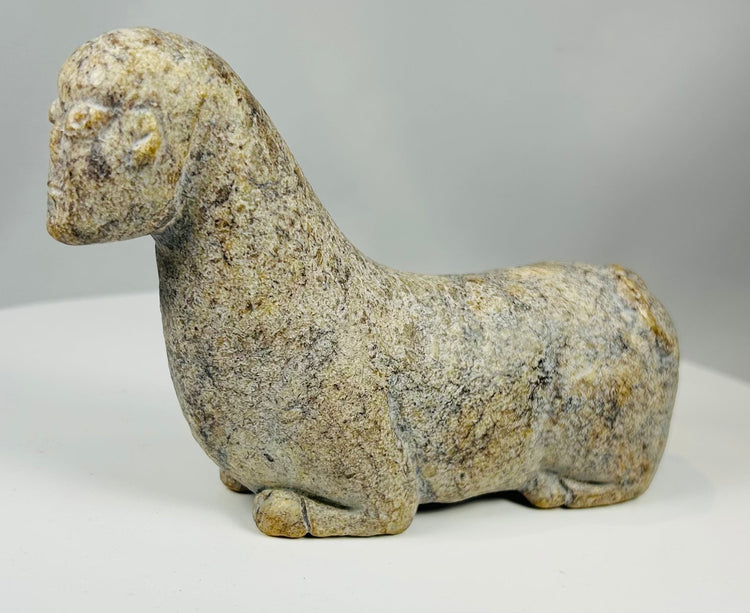
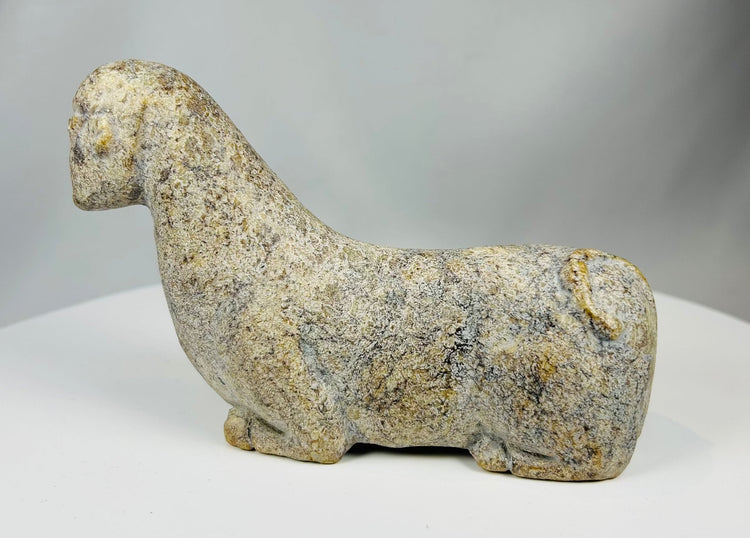
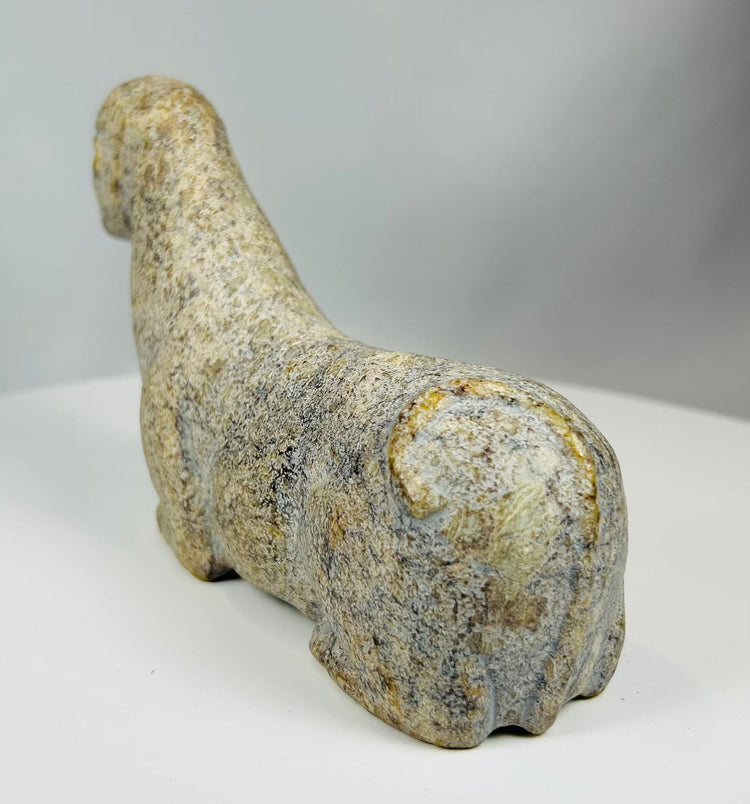
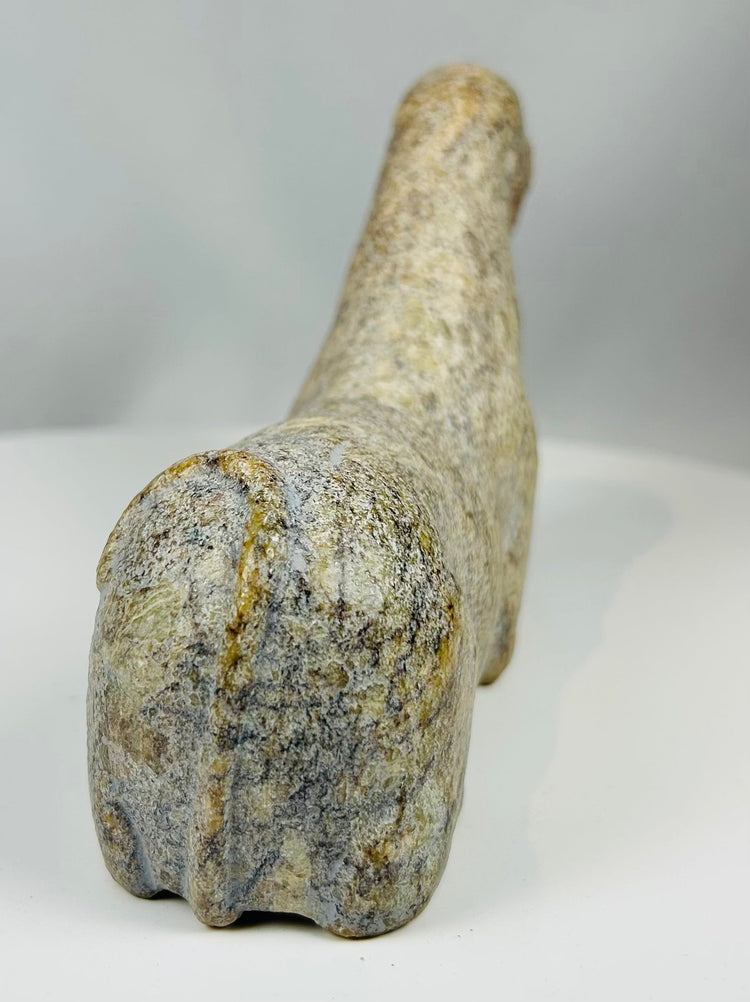
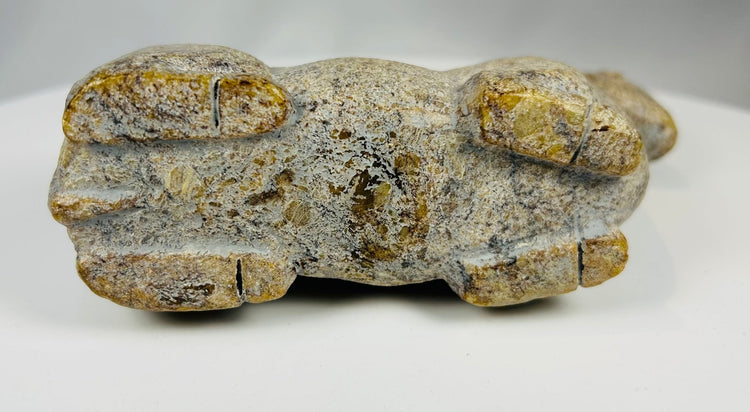
África Occidental | Efigie Zoomorfa de Piedra | Figura Animal Tribal | Edad Desconocida
Descripción
Más
Menos
Contexto histórico y origen
Región: África Occidental
Material: Piedra tallada (probablemente serpentina o esteatita)
Periodo: Desconocido, tallado tribal tradicional
Descripción
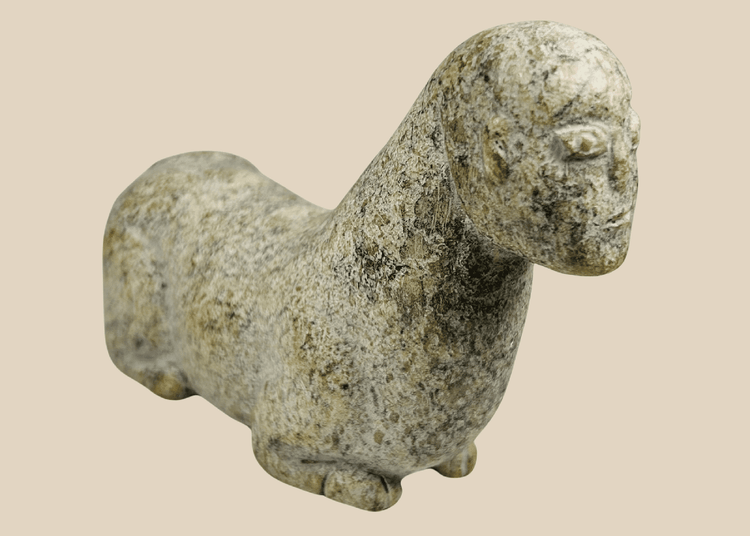
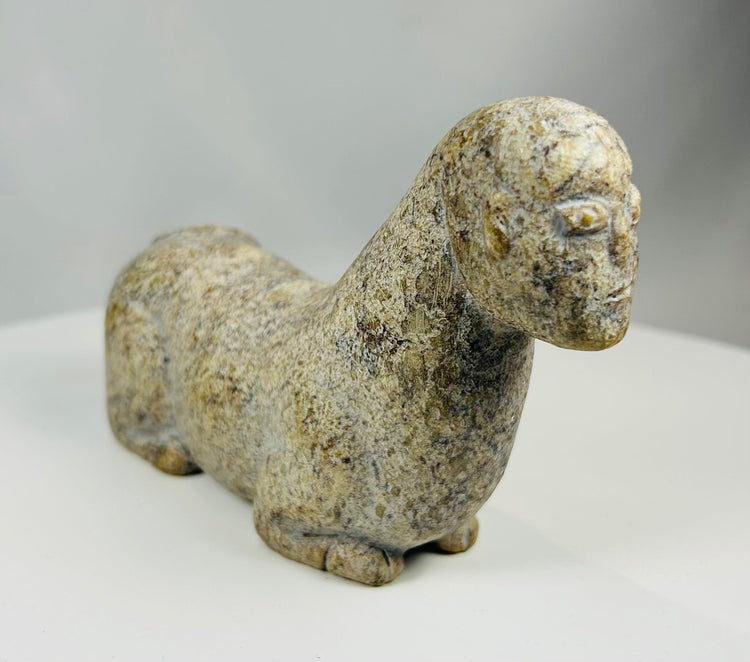
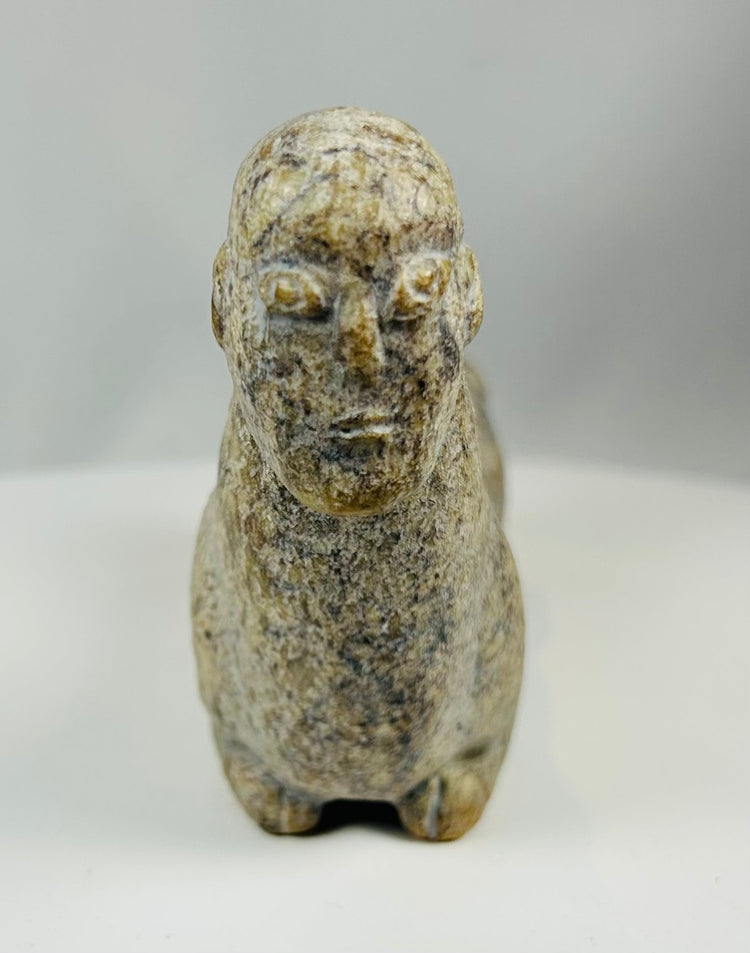
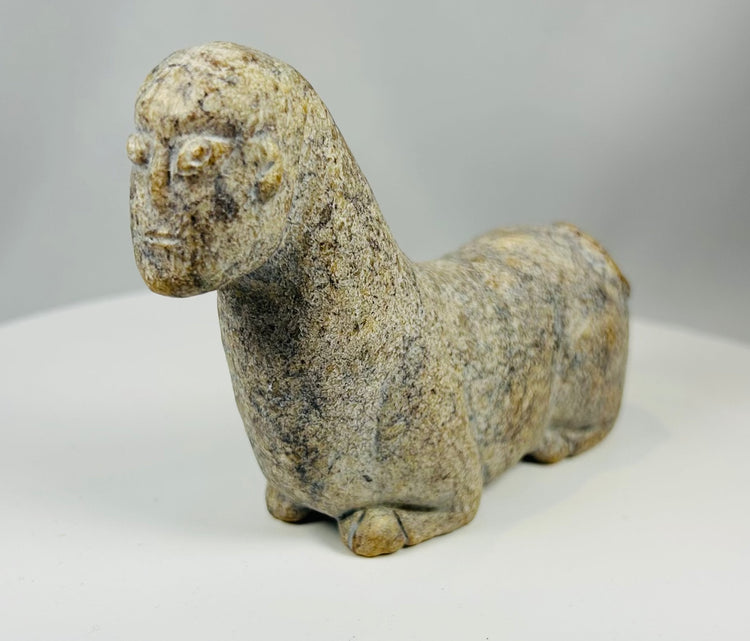
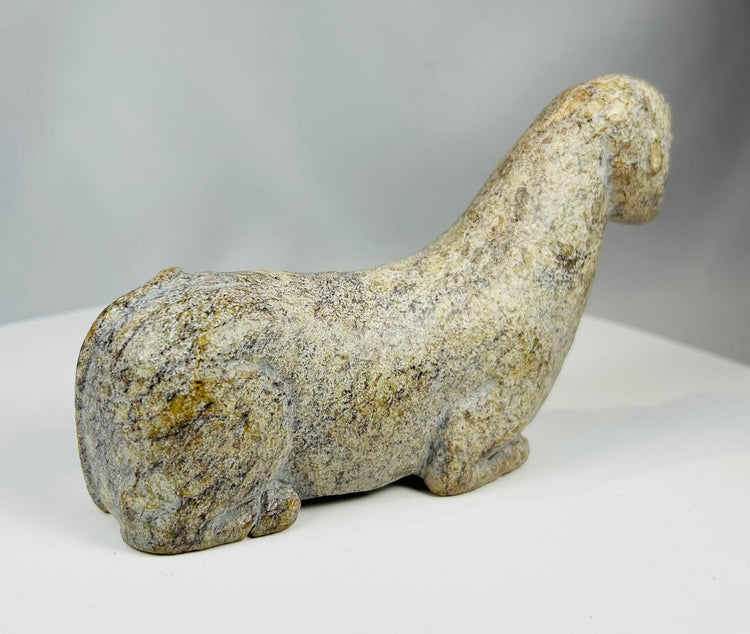
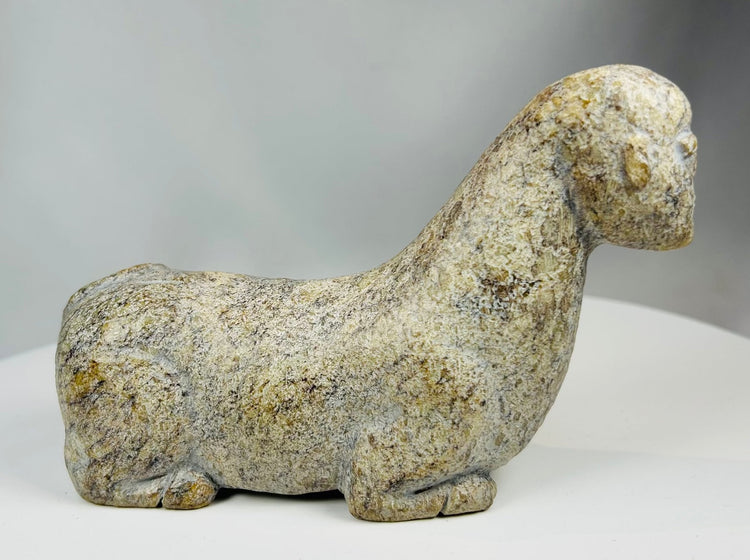
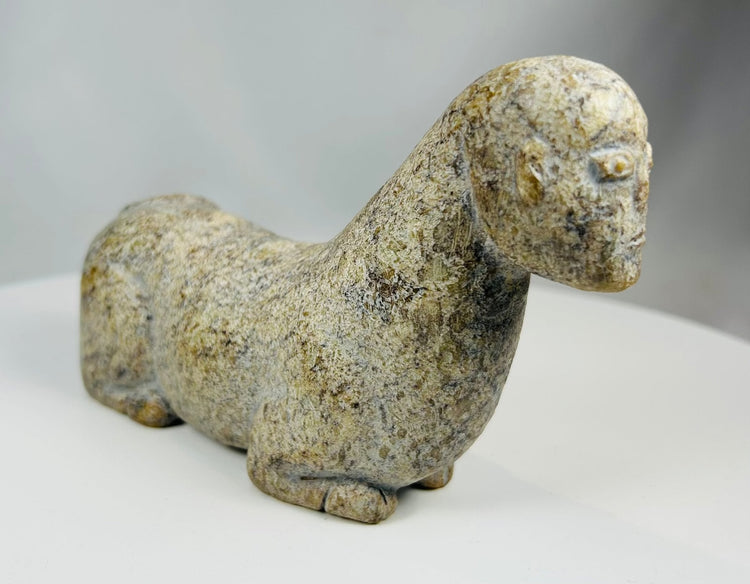
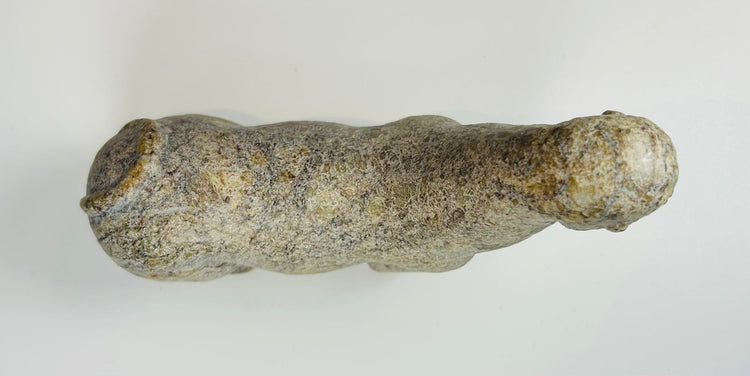
Esta llamativa escultura de piedra tallada representa una efigie zoomorfa estilizada, realizada de forma muy abstracta y escultórica. La figura presenta un cuerpo cilíndrico alargado, patas cortas recogidas y un cuello largo y erguido que sostiene una cabeza simplificada con prominentes ojos redondos, una nariz recta y una pequeña boca incisa. Los ojos exagerados y la estructura facial minimalista confieren a la figura una presencia potente y expresiva a pesar del tallado sobrio.
El cuerpo está intencionadamente simplificado, enfatizando la masa y la forma en lugar del detalle naturalista. Este estilo reductivo es característico de muchas tallas africanas tradicionales, donde el simbolismo espiritual y la representación estilizada tienen prioridad sobre el realismo. La postura compacta y las proporciones alargadas sugieren una efigie animal —posiblemente representando un perro, un león o un animal espiritual protector—, formas frecuentemente asociadas con la guardianía, el simbolismo ritual y la protección ancestral en varias tradiciones artísticas de África Occidental.
La escultura está tallada en una piedra densa con una superficie natural veteada que muestra tonos crema, grises, ocres e inclusiones minerales más oscuras. La superficie presenta un desgaste natural y una pátina consistente con la edad y el manejo, lo que confiere a la pieza una fuerte presencia táctil y profundidad visual. La estética general refleja la poderosa simplicidad y la abstracción simbólica que se encuentran en la escultura tribal africana tradicional.
Características
- Escultura de efigie zoomorfa de piedra tallada a mano
- Forma animal estilizada con cuerpo alargado y cuello erguido
- Cabeza expresiva con prominentes ojos redondos y rasgos faciales simplificados
- Piedra natural densa con coloración mineral veteada
- Pátina superficial y desgaste consistentes con la edad y el manejo
- Fuerte estética tribal con forma escultórica minimalista
Significado cultural
Las efigies de animales y las figuras espirituales estilizadas aparecen en muchas tradiciones artísticas africanas, donde los animales a menudo simbolizan la fuerza, la protección, la presencia ancestral o los intermediarios espirituales. Estas tallas se creaban con frecuencia con fines rituales, ceremoniales o simbólicos, representando figuras guardianas, animales de clan o seres mitológicos. La forma abstracta y los rasgos faciales exagerados que se observan en esta escultura reflejan el lenguaje expresivo común en muchas tradiciones de talla de África Occidental.
Estado
Buen estado general con desgaste superficial relacionado con la edad, abrasiones y manchas minerales en toda la pieza. La superficie desgastada contribuye al carácter y la autenticidad de la escultura. No se observa ningún daño estructural importante.
Dimensiones (aproximadas)
Altura: 3.75 in
Longitud: 6.25 in
Antigüedad (aproximada)
75–100 años
Procedencia
Anteriormente formó parte de la colección de un coleccionista de antigüedades de toda la vida en South Paris, Maine, Estados Unidos. El coleccionista reunió un grupo amplio y variado de objetos históricos y decorativos a lo largo de muchas décadas. Tras el fallecimiento del coleccionista, la colección de la herencia se dispersó en su totalidad, y esta pieza entró posteriormente en el mercado del arte.
Más información
Examine las primeras interpretaciones de la escultura y el simbolismo africanos en el Penn Museum Journal
Explore nuestra Colección de reliquias etnográficas y artefactos culturales
Descripción
Contexto histórico y origen
Región: África Occidental
Material: Piedra tallada (probablemente serpentina o esteatita)
Periodo: Desconocido, tallado tribal tradicional
Descripción
Esta llamativa escultura de piedra tallada representa una efigie zoomorfa estilizada, realizada de forma muy abstracta y escultórica. La figura presenta un cuerpo cilíndrico alargado, patas cortas recogidas y un cuello largo y erguido que sostiene una cabeza simplificada con prominentes ojos redondos, una nariz recta y una pequeña boca incisa. Los ojos exagerados y la estructura facial minimalista confieren a la figura una presencia potente y expresiva a pesar del tallado sobrio.
El cuerpo está intencionadamente simplificado, enfatizando la masa y la forma en lugar del detalle naturalista. Este estilo reductivo es característico de muchas tallas africanas tradicionales, donde el simbolismo espiritual y la representación estilizada tienen prioridad sobre el realismo. La postura compacta y las proporciones alargadas sugieren una efigie animal —posiblemente representando un perro, un león o un animal espiritual protector—, formas frecuentemente asociadas con la guardianía, el simbolismo ritual y la protección ancestral en varias tradiciones artísticas de África Occidental.
La escultura está tallada en una piedra densa con una superficie natural veteada que muestra tonos crema, grises, ocres e inclusiones minerales más oscuras. La superficie presenta un desgaste natural y una pátina consistente con la edad y el manejo, lo que confiere a la pieza una fuerte presencia táctil y profundidad visual. La estética general refleja la poderosa simplicidad y la abstracción simbólica que se encuentran en la escultura tribal africana tradicional.
Características
- Escultura de efigie zoomorfa de piedra tallada a mano
- Forma animal estilizada con cuerpo alargado y cuello erguido
- Cabeza expresiva con prominentes ojos redondos y rasgos faciales simplificados
- Piedra natural densa con coloración mineral veteada
- Pátina superficial y desgaste consistentes con la edad y el manejo
- Fuerte estética tribal con forma escultórica minimalista
Significado cultural
Las efigies de animales y las figuras espirituales estilizadas aparecen en muchas tradiciones artísticas africanas, donde los animales a menudo simbolizan la fuerza, la protección, la presencia ancestral o los intermediarios espirituales. Estas tallas se creaban con frecuencia con fines rituales, ceremoniales o simbólicos, representando figuras guardianas, animales de clan o seres mitológicos. La forma abstracta y los rasgos faciales exagerados que se observan en esta escultura reflejan el lenguaje expresivo común en muchas tradiciones de talla de África Occidental.
Estado
Buen estado general con desgaste superficial relacionado con la edad, abrasiones y manchas minerales en toda la pieza. La superficie desgastada contribuye al carácter y la autenticidad de la escultura. No se observa ningún daño estructural importante.
Dimensiones (aproximadas)
Altura: 3.75 in
Longitud: 6.25 in
Antigüedad (aproximada)
75–100 años
Procedencia
Anteriormente formó parte de la colección de un coleccionista de antigüedades de toda la vida en South Paris, Maine, Estados Unidos. El coleccionista reunió un grupo amplio y variado de objetos históricos y decorativos a lo largo de muchas décadas. Tras el fallecimiento del coleccionista, la colección de la herencia se dispersó en su totalidad, y esta pieza entró posteriormente en el mercado del arte.
Más información
Examine las primeras interpretaciones de la escultura y el simbolismo africanos en el Penn Museum Journal
Explore nuestra Colección de reliquias etnográficas y artefactos culturales
También te puede interesar
