

Connecting History and Collectors Through the Digital Marketplace
Published on October 21, 2026
Relic & Rarity has been featured in ArtDaily through a new educational article written by Jordan Thomas, Founder and Head Curator of Relic & Rarity. The feature explores how digital technology is transforming the way people discover, research, and collect antiquities, bringing historical objects and specialist knowledge within reach of collectors around the world.
Titled How the Digital Marketplace Is Changing the Way People Collect Antiquities, the article examines the evolution of the antiquities trade, from traditional auction houses and private galleries to online platforms that connect collectors with historical artifacts across geographic boundaries.
For generations, collecting antiquities often depended on personal connections, specialist dealers, and opportunities to examine objects at galleries or auctions. The development of digital marketplaces has expanded these opportunities, allowing individuals to explore artifacts from different civilizations, compare historical objects, and discover new areas of collecting interest regardless of their location.
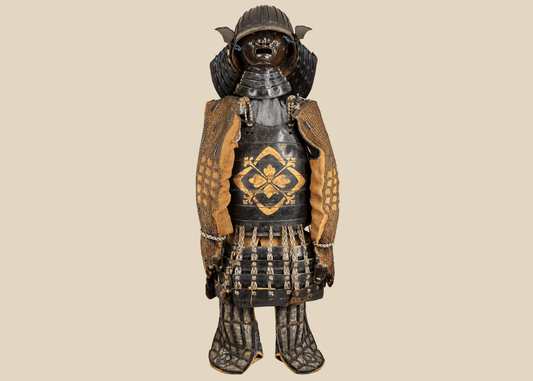
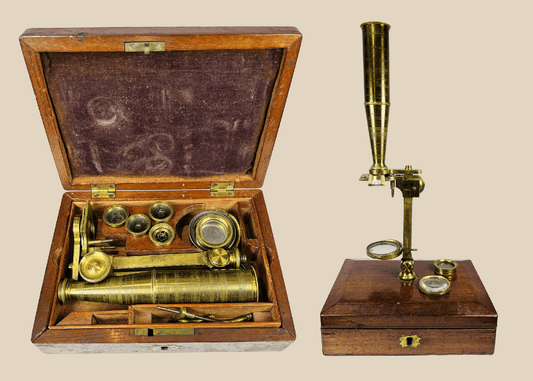
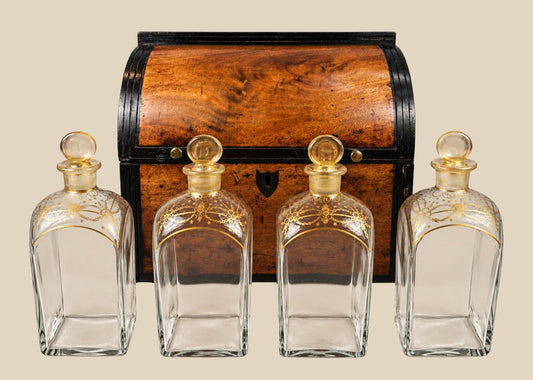
The article identifies Relic & Rarity as an example of a Canadian antiquities gallery embracing this changing environment. Based in Ontario, the gallery presents a diverse collection of historical artifacts, including ancient Mediterranean objects, Pre-Columbian antiquities, religious and ceremonial pieces, historic photography, and other culturally significant materials through its online platform.
A central focus of the feature is the importance of providing collectors with reliable information. Detailed photographs, historical descriptions, accurate measurements, condition reports, and available provenance documentation help collectors better understand the objects they encounter and make informed acquisition decisions.
The article also examines how traditional specialist knowledge remains essential in a digital marketplace. Identifying historical objects requires an understanding of materials, manufacturing techniques, cultural traditions, and comparable examples. Technology may change how antiquities are presented and discovered, but careful research and documentation remain fundamental to responsible collecting.
Topics covered include:
- How online marketplaces are making antiquities more accessible to international collectors
- The evolution of antiquities collecting beyond traditional galleries and auction houses
- Why detailed photography and historical descriptions are essential to informed collecting
- The importance of authenticity, provenance, and supporting documentation
- How specialist research contributes to identifying and understanding historical artifacts
- The role of international shipping, careful packaging, and customs guidance in the antiquities trade
- How online galleries connect collectors with historical objects from different cultures and periods
- Why preservation, responsible handling, and proper display remain important after acquisition
- How digital technology can support historical education and the continued appreciation of cultural heritage
Another important aspect of the feature is the growing international reach of specialist galleries. Collectors are no longer limited to objects available within their immediate region. However, acquiring historical artifacts across borders also requires careful consideration of packaging, transportation, customs documentation, and applicable import regulations.
The article highlights Relic & Rarity's approach to supporting international collectors through specialized packaging, shipping assistance, and customs guidance. These services help collectors understand the practical considerations involved in acquiring delicate and historically significant objects from abroad.
Beyond the purchasing process, the feature emphasizes the responsibility that accompanies collecting antiquities. Historical objects may have survived centuries of use, preservation, and changing ownership. Maintaining provenance records, historical research, photographs, and supporting documentation helps preserve the information associated with each artifact for future collectors and researchers.
Proper storage, handling, and display are equally important. Different materials, including ancient glass, ceramics, bronze, stone, and wood, require appropriate care to protect their surviving characteristics. Responsible ownership therefore extends beyond acquiring an object to preserving its historical and cultural significance.
For Relic & Rarity, the digital marketplace represents an opportunity to combine modern accessibility with the research, documentation, and care traditionally associated with specialist antiquities galleries. By presenting historical objects alongside educational information, the gallery aims to encourage a deeper understanding of the civilizations, craftsmanship, and traditions represented within its collection.
The publication reflects Relic & Rarity's ongoing commitment to historical research, transparency, responsible collecting, and collector education. As technology continues to reshape the antiquities market, the enduring importance of authenticity, documentation, specialist knowledge, and preservation remains unchanged.
Through greater accessibility and meaningful historical context, digital platforms can help connect collectors with the past while encouraging the continued appreciation and preservation of cultural heritage for future generations.
📖 Read the ArtDaily Feature: How the Digital Marketplace Is Changing the Way People Collect Antiquities
🏺 Explore Relic & Rarity: Browse our collection of antiquities, historical artifacts, and culturally significant objects.


