


Fragment de figurine féminine mésoaméricaine précolombienne | 300 av. J.-C. – 600 apr. J.-C.
- Prix habituel
- $300.00
- Prix soldé
- $300.00
- Prix habituel
Impossible de charger la disponibilité du service de retrait



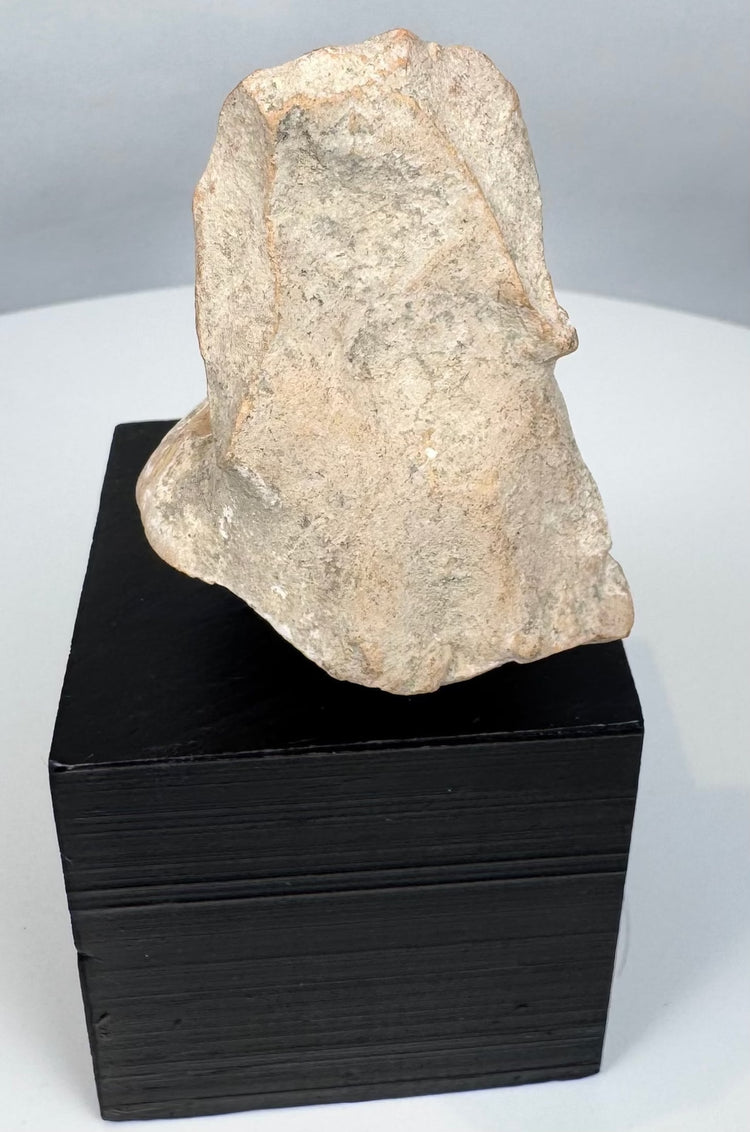


Fragment de figurine féminine mésoaméricaine précolombienne | 300 av. J.-C. – 600 apr. J.-C.
Description
Plus
Moins
Contexte historique et origine
Région : Mésoamérique, probablement la région de la côte du Golfe, Mexique
Matériau : Terre cuite avec des traces de dépôts minéraux et d'incrustations terreuses
Période : Période précolombienne tardive, environ 300 avant notre ère – 600 de notre ère
Description
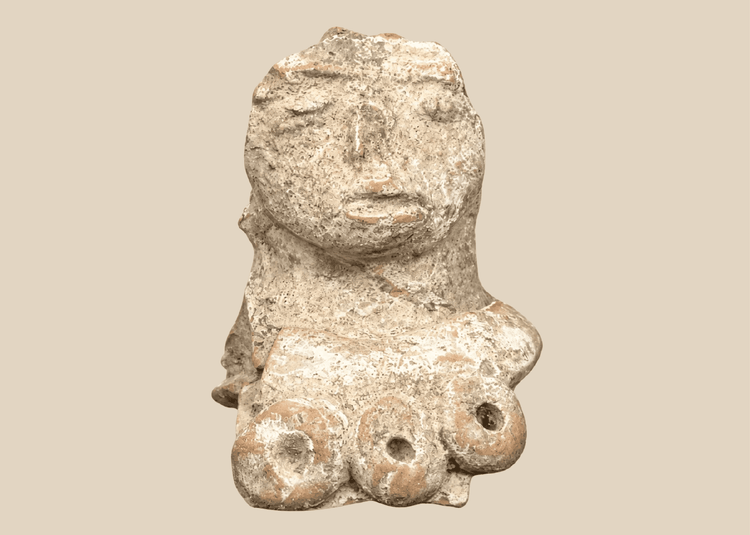
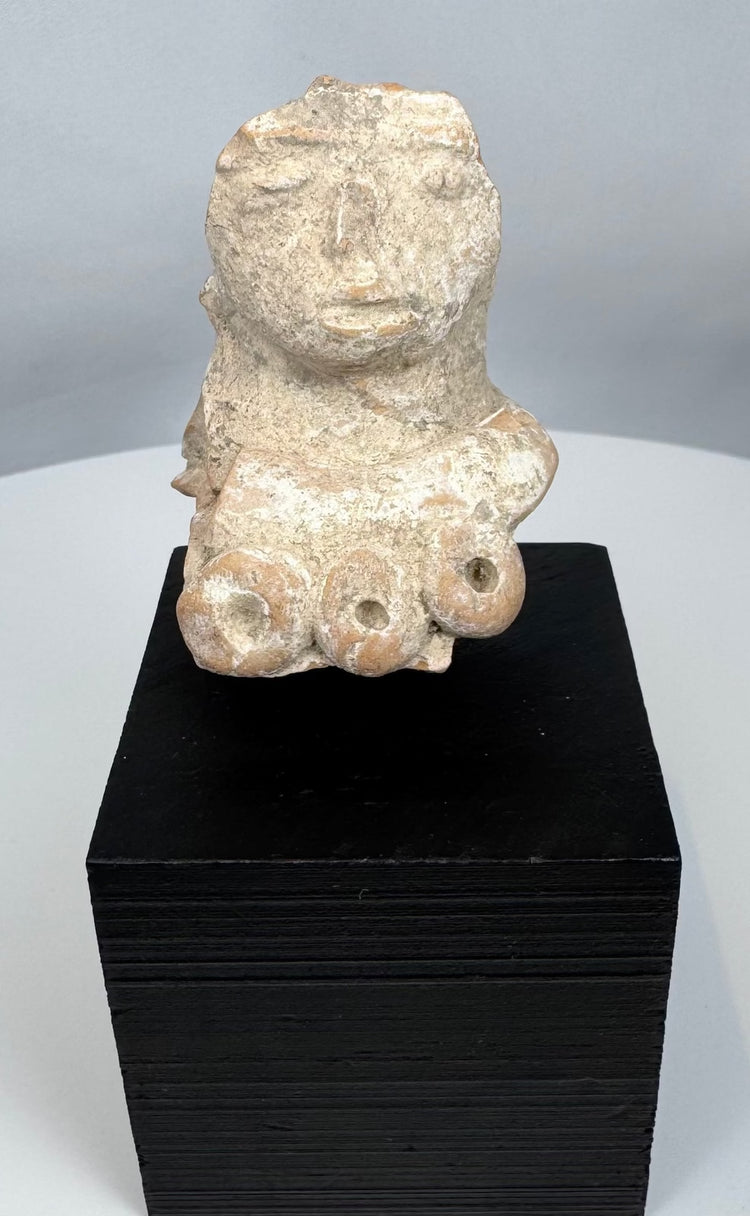
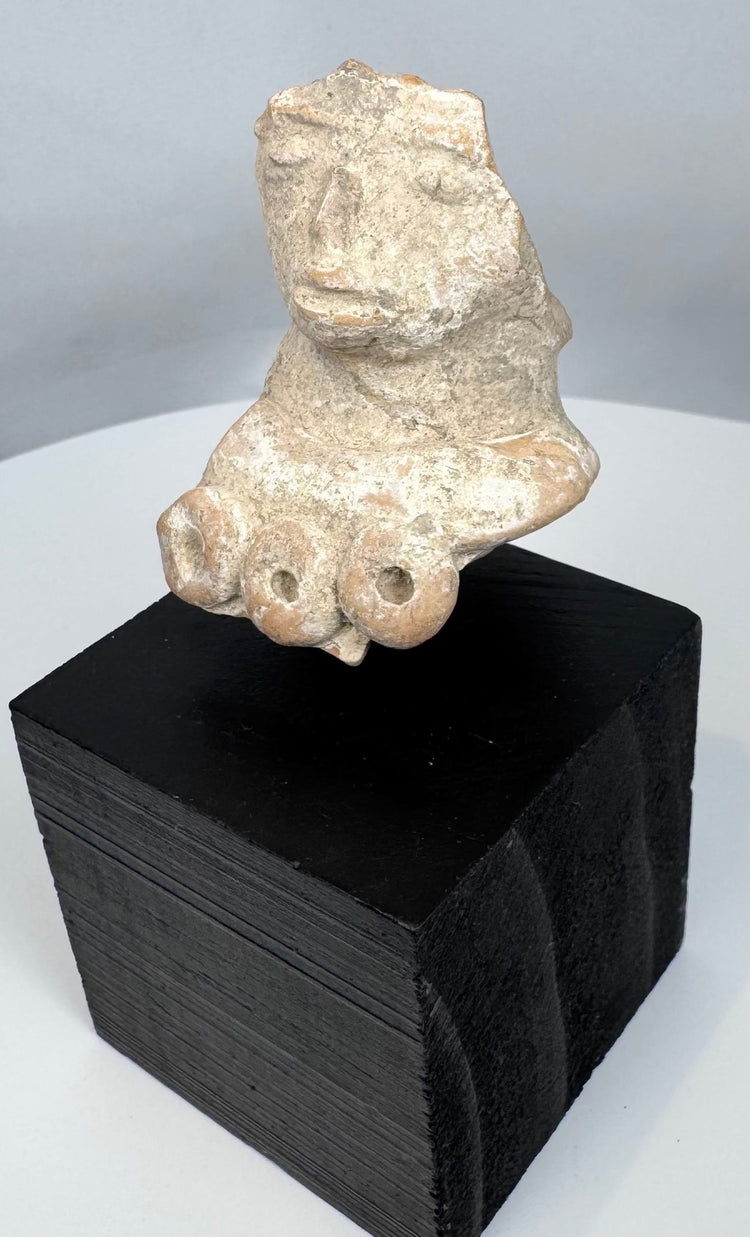
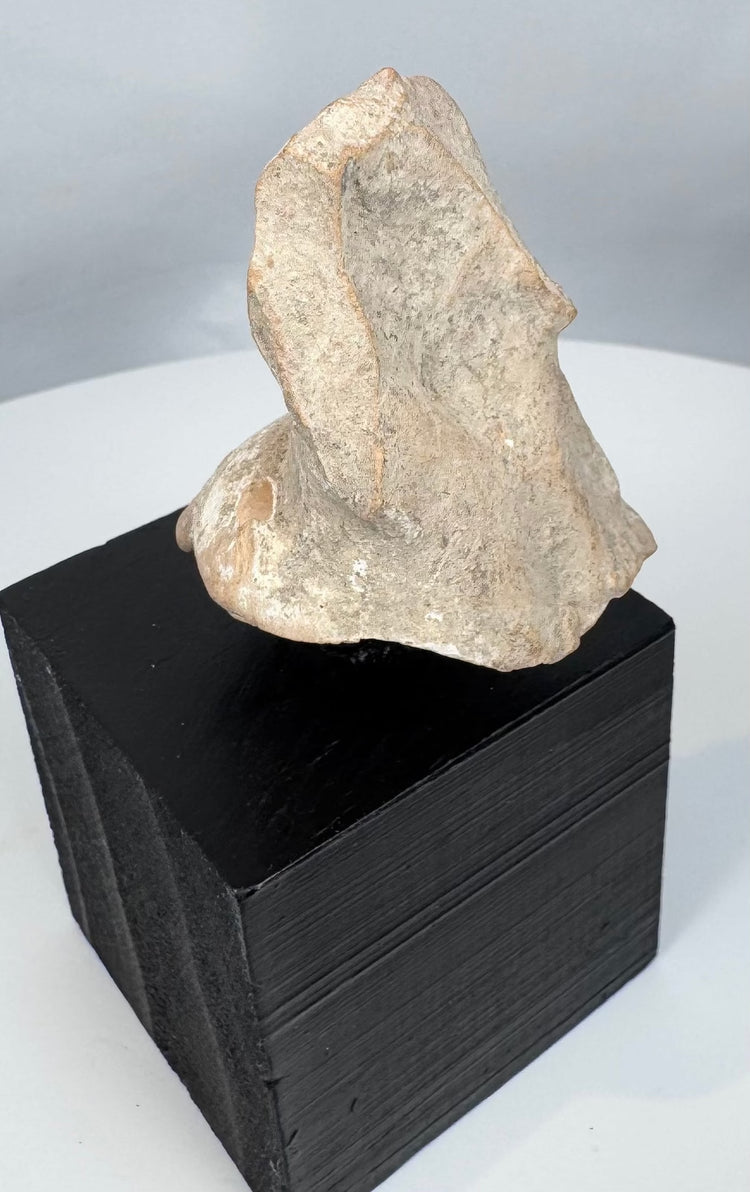
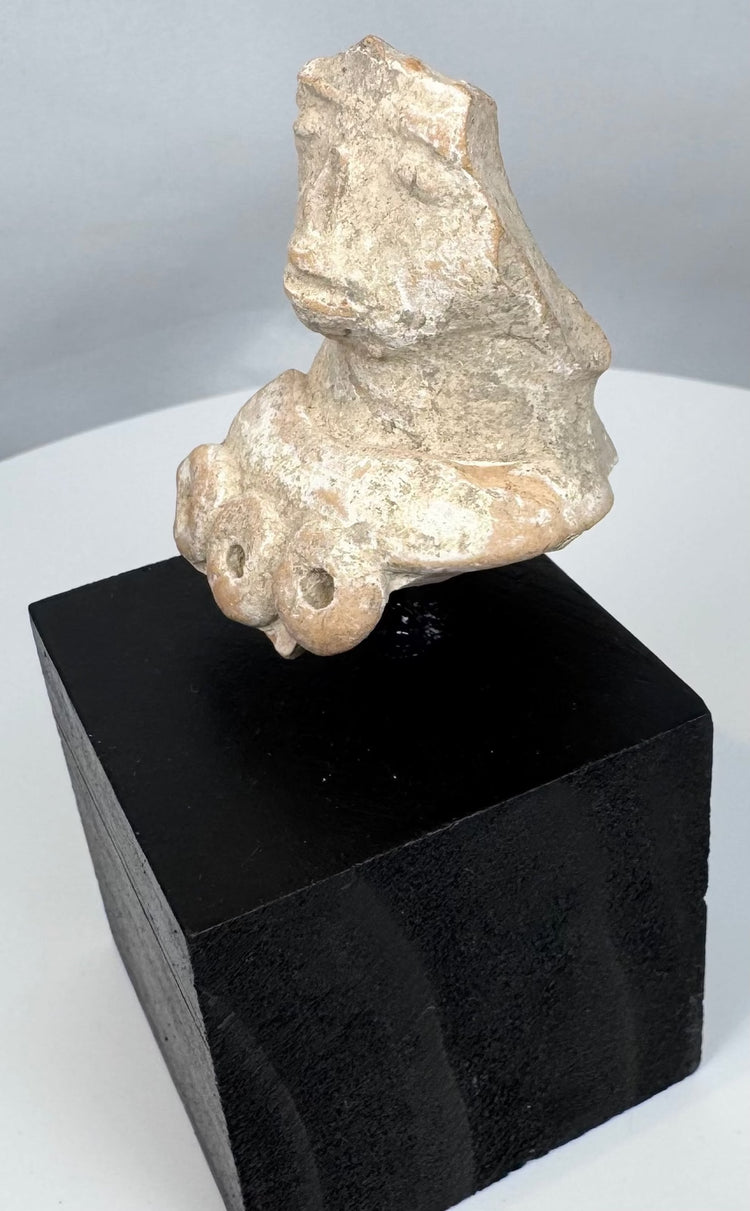
Cet intrigant fragment de terre cuite précolombienne représente la partie supérieure d'une figure féminine assise ou debout, rendue de manière très stylisée. Malgré son état fragmentaire, la sculpture conserve un visage remarquablement expressif avec des yeux fermés, un nez large et des lèvres pleines sous une grande coiffe triangulaire ou une coiffure cérémonielle. Le torse subsistant affiche de manière proéminente des seins exagérés, une caractéristique couramment associée à la fertilité, à la maternité et au pouvoir spirituel féminin dans toutes les cultures mésoaméricaines anciennes.
La figure faisait à l'origine partie d'une sculpture cérémonielle plus grande ou d'une offrande funéraire et jouait probablement un rôle rituel dans les pratiques funéraires. Les peuples mésoaméricains anciens plaçaient fréquemment des figures anthropomorphes dans les tombes comme compagnons pour les défunts, symboles de fertilité et de renouveau, ou représentations d'ancêtres et de divinités liées au cycle de la vie.
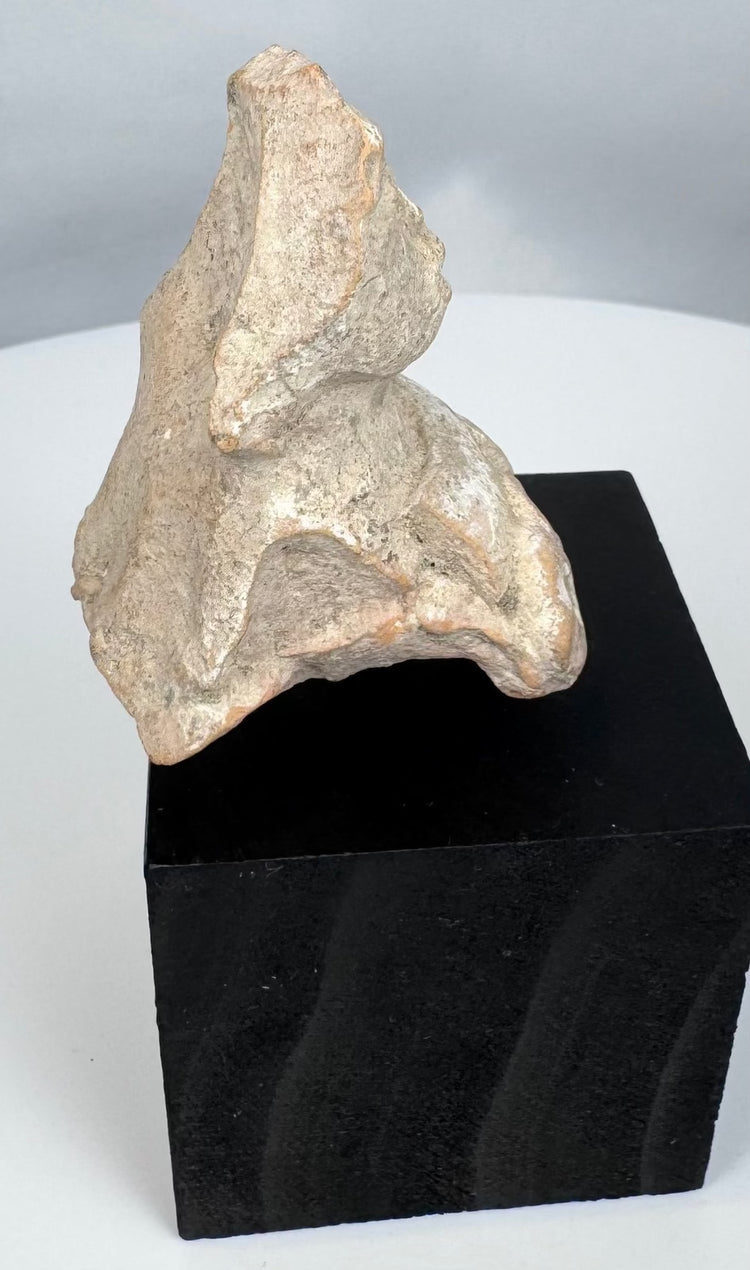
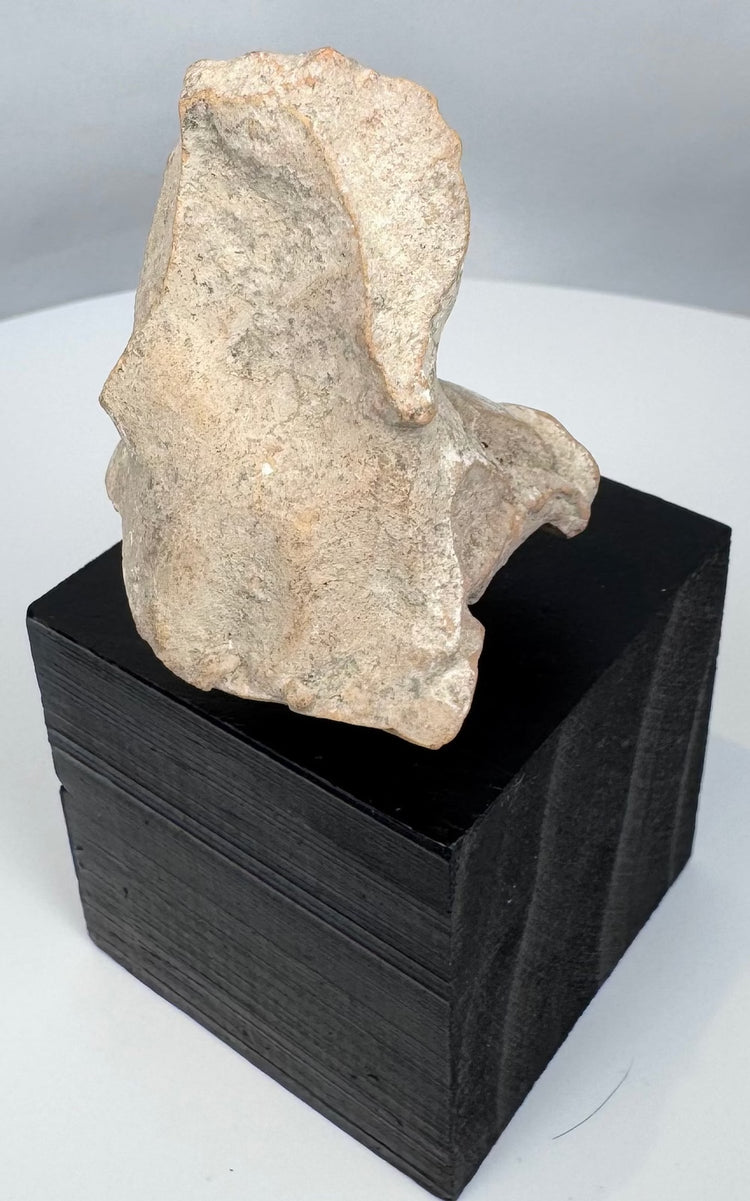
La coiffe monumentale qui encadre la tête et s'étend de manière spectaculaire derrière la figure est particulièrement frappante. Une coiffe aussi élaborée indiquait souvent un statut social, une autorité rituelle ou une association divine. Les traits faciaux simplifiés et la puissante forme sculpturale illustrent les traditions artistiques de l'ancien Mexique occidental et de la côte du Golfe, où les artisans mettaient l'accent sur le sens symbolique plutôt que sur la représentation naturaliste.
Caractéristiques
- Fragment authentique de figurine précolombienne en terre cuite
- Figure féminine stylisée avec une coiffe cérémonielle proéminente
- Visage expressif avec des yeux fermés et des traits sereins
- Torse subsistant avec des attributs symboliques de fertilité
- Surface archéologique attrayante avec des concrétions minérales
Signification historique
Les figures féminines ont joué un rôle important dans toute la Mésoamérique précolombienne, où elles symbolisaient fréquemment la fertilité, l'abondance agricole, la maternité, l'ascendance et la régénération spirituelle. Ces sculptures étaient souvent déposées dans des tombes ou des contextes cérémoniels sacrés comme offrandes destinées à accompagner et à protéger les défunts.
La coiffe élaborée conservée sur cet exemple reflète l'importance du statut, de l'identité rituelle et du symbolisme religieux au sein des anciennes sociétés mésoaméricaines. Bien qu'incomplète, la sculpture conserve une valeur archéologique et artistique significative, préservant des éléments d'une tradition beaucoup plus vaste d'art figuratif cérémoniel qui a prospéré dans tout le Mexique ancien.
État
État fragmentaire comme prévu. Pertes à la tête, au corps et aux extrémités. Usure de surface, dépôts minéraux, abrasions, éclats et incrustations funéraires partout. Stable et visuellement attrayant avec une forte présence d'exposition.
Dimensions (Approximatives)
Hauteur : 10,8 cm
Largeur : 5,1 cm
Profondeur : 5,1 cm
Âge (Approximatif)
1 400 à 2 300 ans
Provenance
D'une collection privée à Fayetteville, Arkansas, États-Unis. Acquise auprès d'un domaine privé de Fayetteville constitué entre 1960 et 2024. Anciennement dans la collection d'Artemis Fine Arts Gallery.
En savoir plus
Découvrez l'histoire, les cultures et les civilisations de l'ancienne Mésoamérique grâce à la Bibliothèque de ressources de National Geographic
Parcourez notre Collection d'artefacts précolombiens anciens
Description
Contexte historique et origine
Région : Mésoamérique, probablement la région de la côte du Golfe, Mexique
Matériau : Terre cuite avec des traces de dépôts minéraux et d'incrustations terreuses
Période : Période précolombienne tardive, environ 300 avant notre ère – 600 de notre ère
Description
Cet intrigant fragment de terre cuite précolombienne représente la partie supérieure d'une figure féminine assise ou debout, rendue de manière très stylisée. Malgré son état fragmentaire, la sculpture conserve un visage remarquablement expressif avec des yeux fermés, un nez large et des lèvres pleines sous une grande coiffe triangulaire ou une coiffure cérémonielle. Le torse subsistant affiche de manière proéminente des seins exagérés, une caractéristique couramment associée à la fertilité, à la maternité et au pouvoir spirituel féminin dans toutes les cultures mésoaméricaines anciennes.
La figure faisait à l'origine partie d'une sculpture cérémonielle plus grande ou d'une offrande funéraire et jouait probablement un rôle rituel dans les pratiques funéraires. Les peuples mésoaméricains anciens plaçaient fréquemment des figures anthropomorphes dans les tombes comme compagnons pour les défunts, symboles de fertilité et de renouveau, ou représentations d'ancêtres et de divinités liées au cycle de la vie.
La coiffe monumentale qui encadre la tête et s'étend de manière spectaculaire derrière la figure est particulièrement frappante. Une coiffe aussi élaborée indiquait souvent un statut social, une autorité rituelle ou une association divine. Les traits faciaux simplifiés et la puissante forme sculpturale illustrent les traditions artistiques de l'ancien Mexique occidental et de la côte du Golfe, où les artisans mettaient l'accent sur le sens symbolique plutôt que sur la représentation naturaliste.
Caractéristiques
- Fragment authentique de figurine précolombienne en terre cuite
- Figure féminine stylisée avec une coiffe cérémonielle proéminente
- Visage expressif avec des yeux fermés et des traits sereins
- Torse subsistant avec des attributs symboliques de fertilité
- Surface archéologique attrayante avec des concrétions minérales
Signification historique
Les figures féminines ont joué un rôle important dans toute la Mésoamérique précolombienne, où elles symbolisaient fréquemment la fertilité, l'abondance agricole, la maternité, l'ascendance et la régénération spirituelle. Ces sculptures étaient souvent déposées dans des tombes ou des contextes cérémoniels sacrés comme offrandes destinées à accompagner et à protéger les défunts.
La coiffe élaborée conservée sur cet exemple reflète l'importance du statut, de l'identité rituelle et du symbolisme religieux au sein des anciennes sociétés mésoaméricaines. Bien qu'incomplète, la sculpture conserve une valeur archéologique et artistique significative, préservant des éléments d'une tradition beaucoup plus vaste d'art figuratif cérémoniel qui a prospéré dans tout le Mexique ancien.
État
État fragmentaire comme prévu. Pertes à la tête, au corps et aux extrémités. Usure de surface, dépôts minéraux, abrasions, éclats et incrustations funéraires partout. Stable et visuellement attrayant avec une forte présence d'exposition.
Dimensions (Approximatives)
Hauteur : 10,8 cm
Largeur : 5,1 cm
Profondeur : 5,1 cm
Âge (Approximatif)
1 400 à 2 300 ans
Provenance
D'une collection privée à Fayetteville, Arkansas, États-Unis. Acquise auprès d'un domaine privé de Fayetteville constitué entre 1960 et 2024. Anciennement dans la collection d'Artemis Fine Arts Gallery.
En savoir plus
Découvrez l'histoire, les cultures et les civilisations de l'ancienne Mésoamérique grâce à la Bibliothèque de ressources de National Geographic
Parcourez notre Collection d'artefacts précolombiens anciens
Vous aimerez peut-être aussi
