


Anillo de bronce antiguo | Circa del siglo I al V d. C.
- Precio habitual
- $350.00
- Precio de venta
- $350.00
- Precio habitual
No se pudo cargar la disponibilidad de retiro


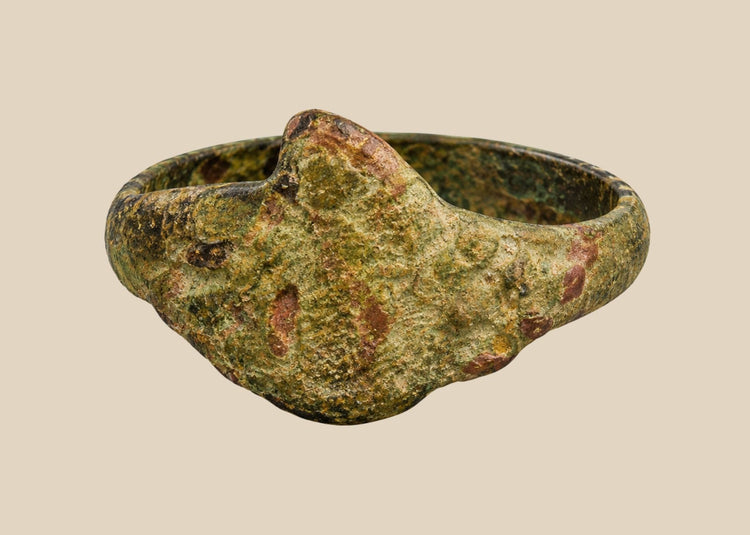
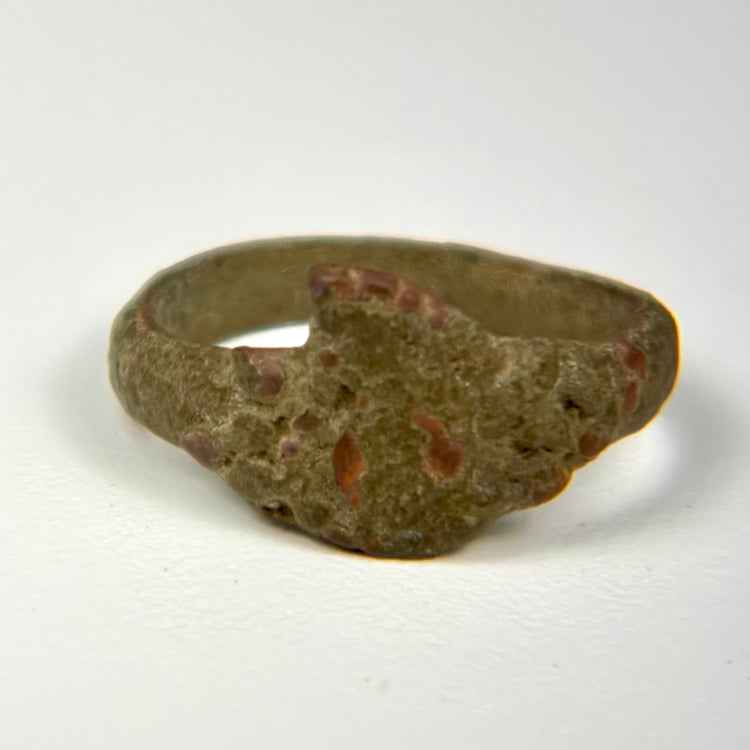
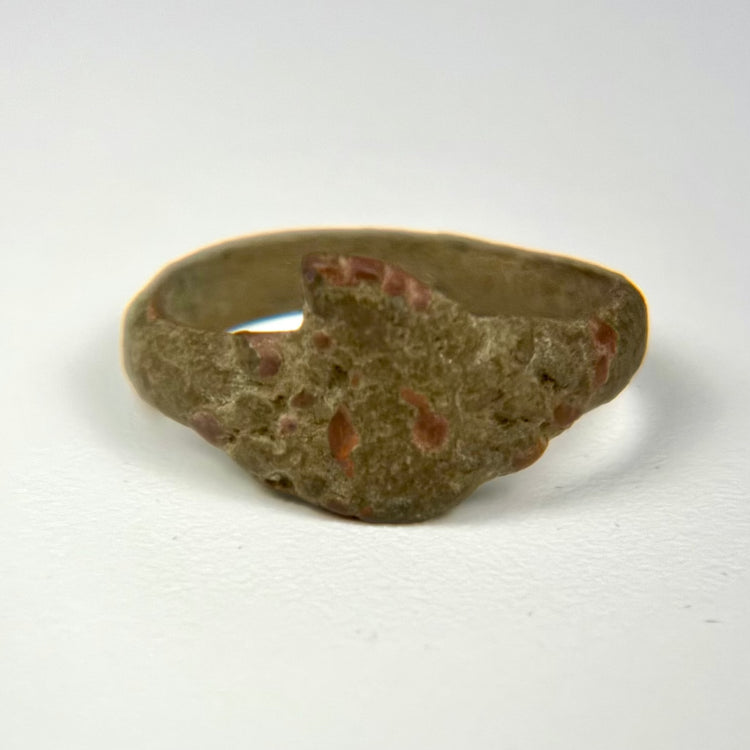
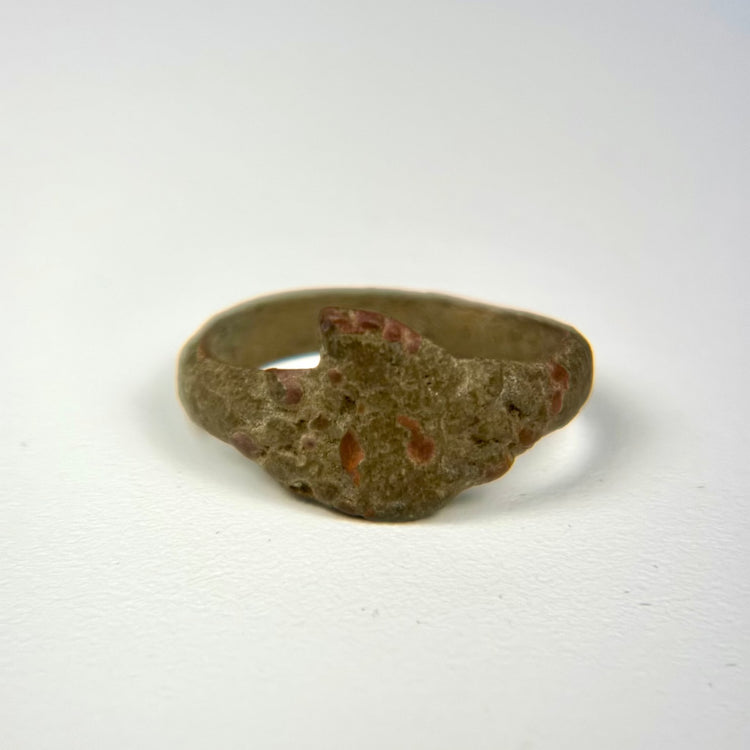
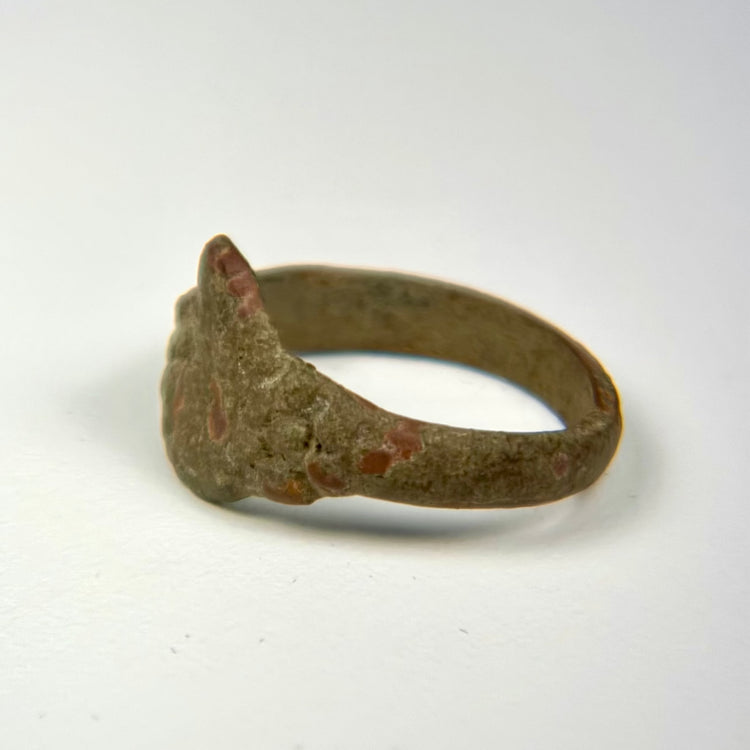
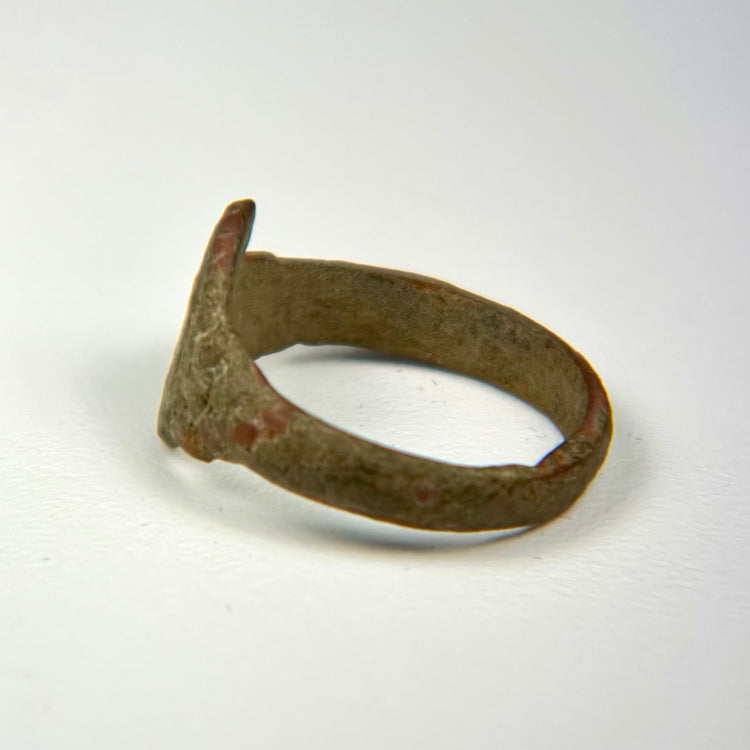
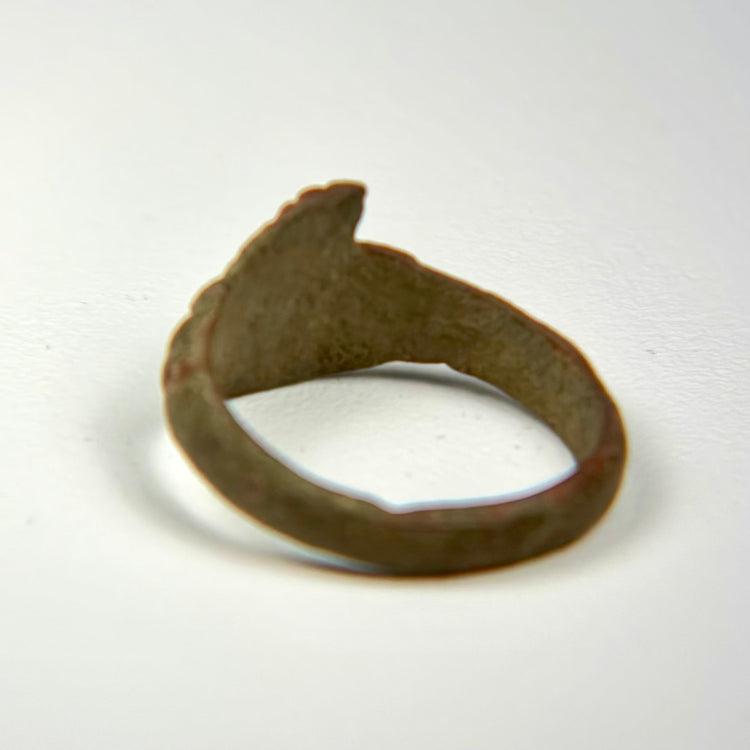
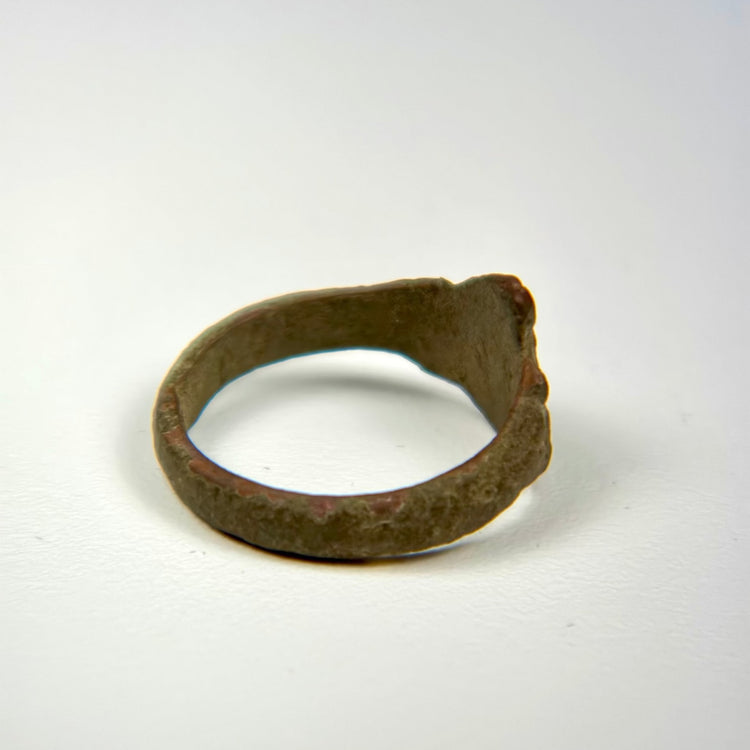
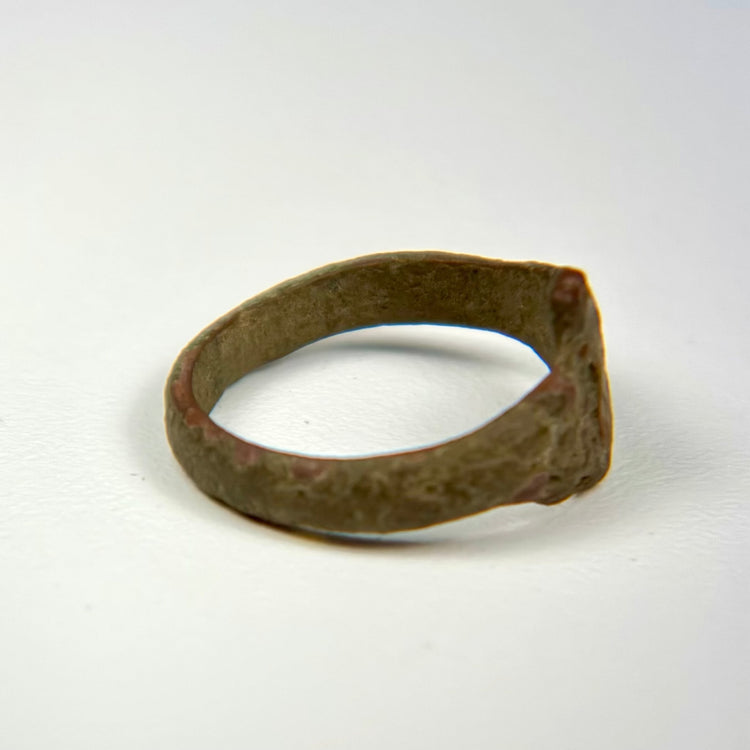
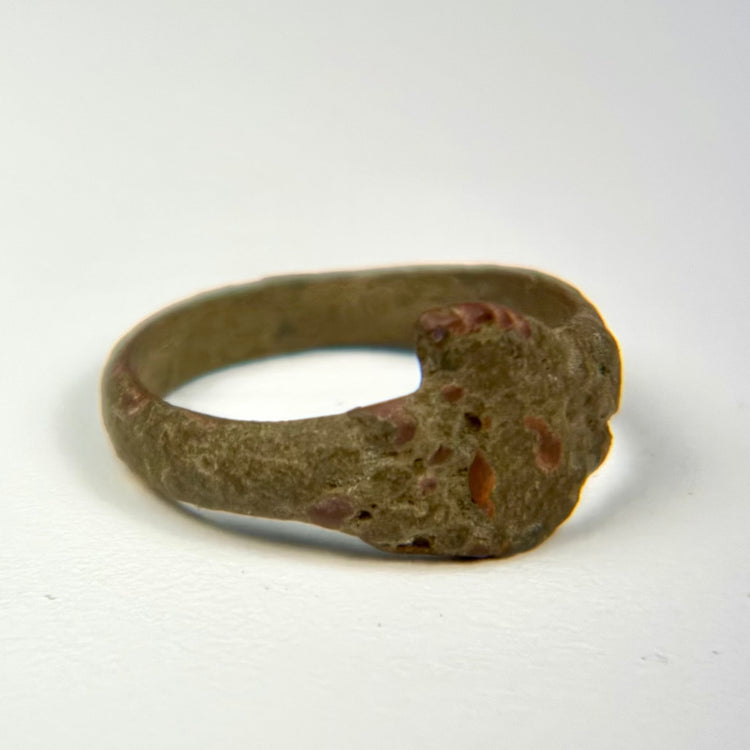
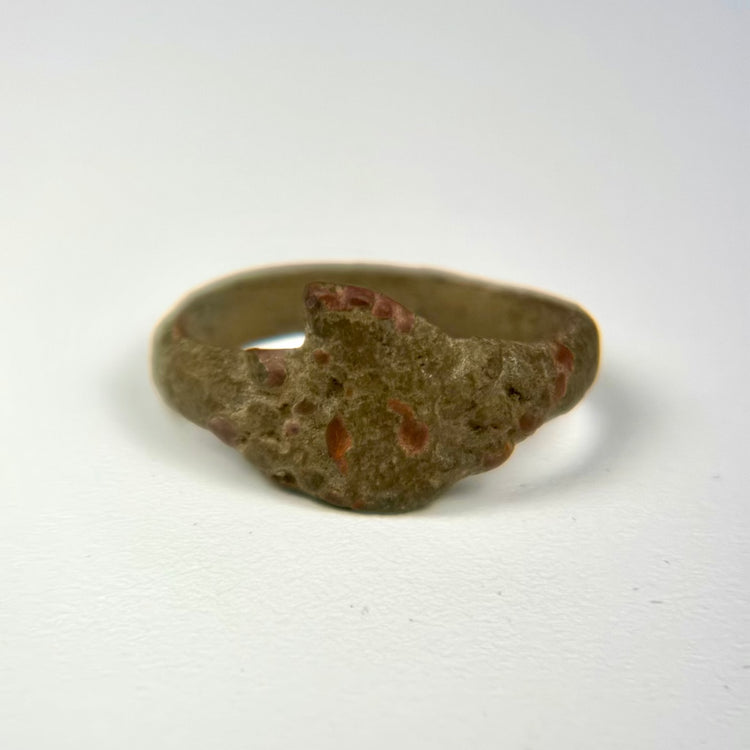
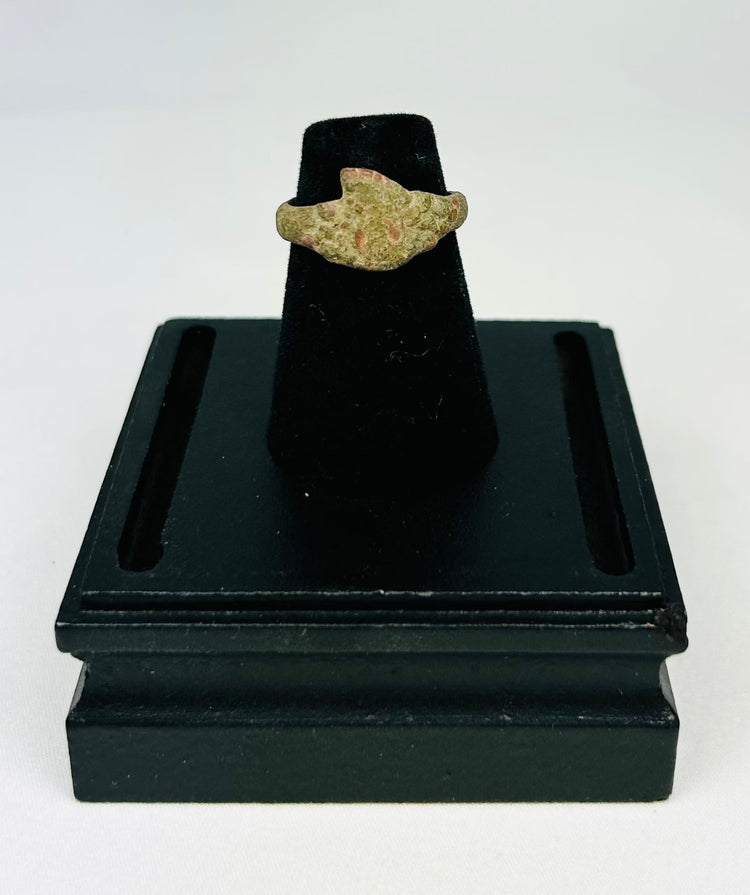
Anillo de bronce antiguo | Circa del siglo I al V d. C.
Descripción
Más
Menos
Contexto histórico y origen
Región: Mediterráneo o Medio Oriente
Material: Bronce
Período: Siglos I-V d. C.
Descripción
Este antiguo anillo de bronce presenta un llamativo diseño de bisel y una rica pátina natural desarrollada a lo largo de los siglos, lo que refleja su antigüedad y autenticidad. Probablemente originario de las regiones del Mediterráneo o de Oriente Medio, el anillo encarna el arte de las culturas antiguas, combinando la elegancia con la funcionalidad práctica. Su simplicidad de forma enfatiza la artesanía refinada de la época, mientras que la superficie desgastada cuenta una historia de siglos pasados.
Características
- Bisel distintivo con líneas limpias y mínimas
- Pátina natural de siglos de antigüedad y entierro
- Robusta construcción de bronce que garantiza durabilidad y conservación
- Diseño equilibrado que refleja tanto la elegancia como la utilidad
Significado cultural
Los anillos en la antigüedad no eran meros adornos, sino que tenían un significado simbólico y práctico. Podían servir como sellos para marcar documentos, como símbolos de estatus que reflejaban el rango social, o como amuletos personales vinculados a creencias culturales o espirituales. Este anillo ejemplifica el doble papel de la joyería en las sociedades antiguas: como adorno personal y como representación de identidad y autoridad.
Estado
El anillo presenta una pátina natural y un desgaste superficial coherentes con su gran antigüedad. El acabado envejecido realza su autenticidad, ofreciendo una conexión tangible con el mundo antiguo.
Dimensiones (aproximadas)
Talla del anillo: 6.75 US
Edad
1.500–2.000 años de antigüedad
Procedencia
Antiguamente en una colección privada en Armadale, Victoria, Australia.
Más información
Explore los orígenes y el simbolismo de los anillos en el mundo antiguo
Navegue por nuestra colección de anillos antiguos
Descripción
Contexto histórico y origen
Región: Mediterráneo o Medio Oriente
Material: Bronce
Período: Siglos I-V d. C.
Descripción
Este antiguo anillo de bronce presenta un llamativo diseño de bisel y una rica pátina natural desarrollada a lo largo de los siglos, lo que refleja su antigüedad y autenticidad. Probablemente originario de las regiones del Mediterráneo o de Oriente Medio, el anillo encarna el arte de las culturas antiguas, combinando la elegancia con la funcionalidad práctica. Su simplicidad de forma enfatiza la artesanía refinada de la época, mientras que la superficie desgastada cuenta una historia de siglos pasados.
Características
- Bisel distintivo con líneas limpias y mínimas
- Pátina natural de siglos de antigüedad y entierro
- Robusta construcción de bronce que garantiza durabilidad y conservación
- Diseño equilibrado que refleja tanto la elegancia como la utilidad
Significado cultural
Los anillos en la antigüedad no eran meros adornos, sino que tenían un significado simbólico y práctico. Podían servir como sellos para marcar documentos, como símbolos de estatus que reflejaban el rango social, o como amuletos personales vinculados a creencias culturales o espirituales. Este anillo ejemplifica el doble papel de la joyería en las sociedades antiguas: como adorno personal y como representación de identidad y autoridad.
Estado
El anillo presenta una pátina natural y un desgaste superficial coherentes con su gran antigüedad. El acabado envejecido realza su autenticidad, ofreciendo una conexión tangible con el mundo antiguo.
Dimensiones (aproximadas)
Talla del anillo: 6.75 US
Edad
1.500–2.000 años de antigüedad
Procedencia
Antiguamente en una colección privada en Armadale, Victoria, Australia.
Más información
Explore los orígenes y el simbolismo de los anillos en el mundo antiguo
Navegue por nuestra colección de anillos antiguos
También te puede interesar
