


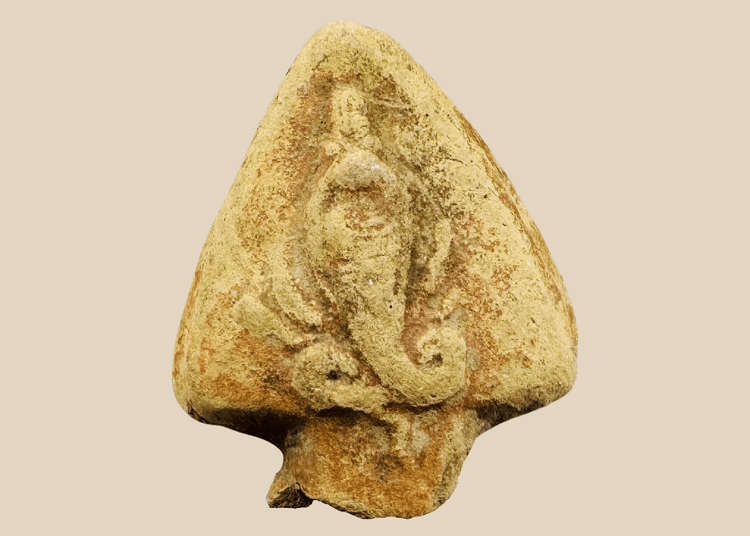
Fragmento de relieve de una cobra coronada en terracota del Antiguo Egipto | Primer milenio a. C.
- Precio habitual
- $500.00
- Precio de venta
- $500.00
- Precio habitual
No se pudo cargar la disponibilidad de retiro


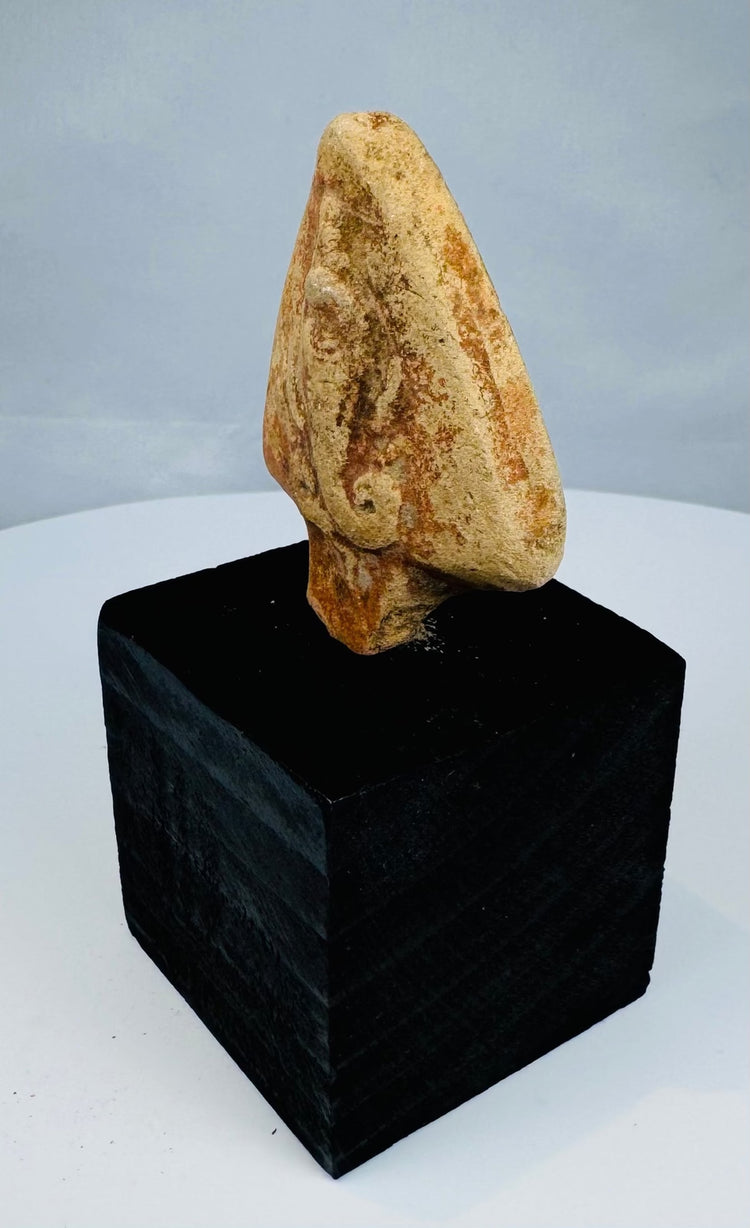
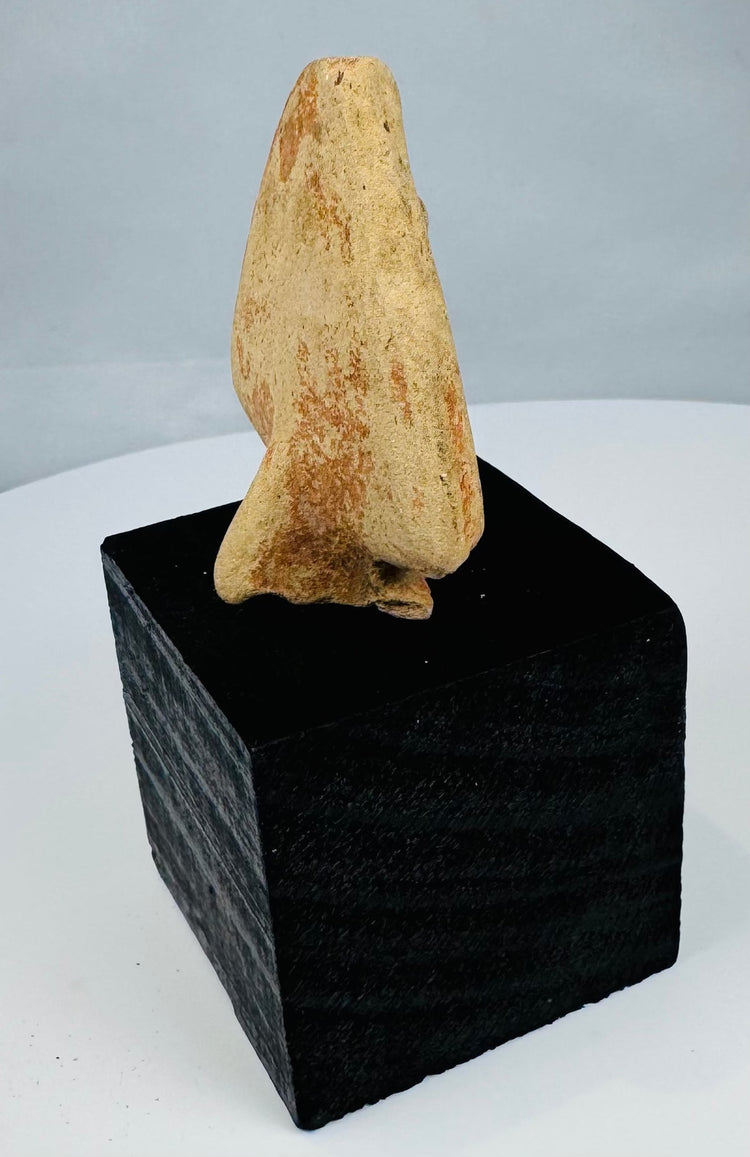
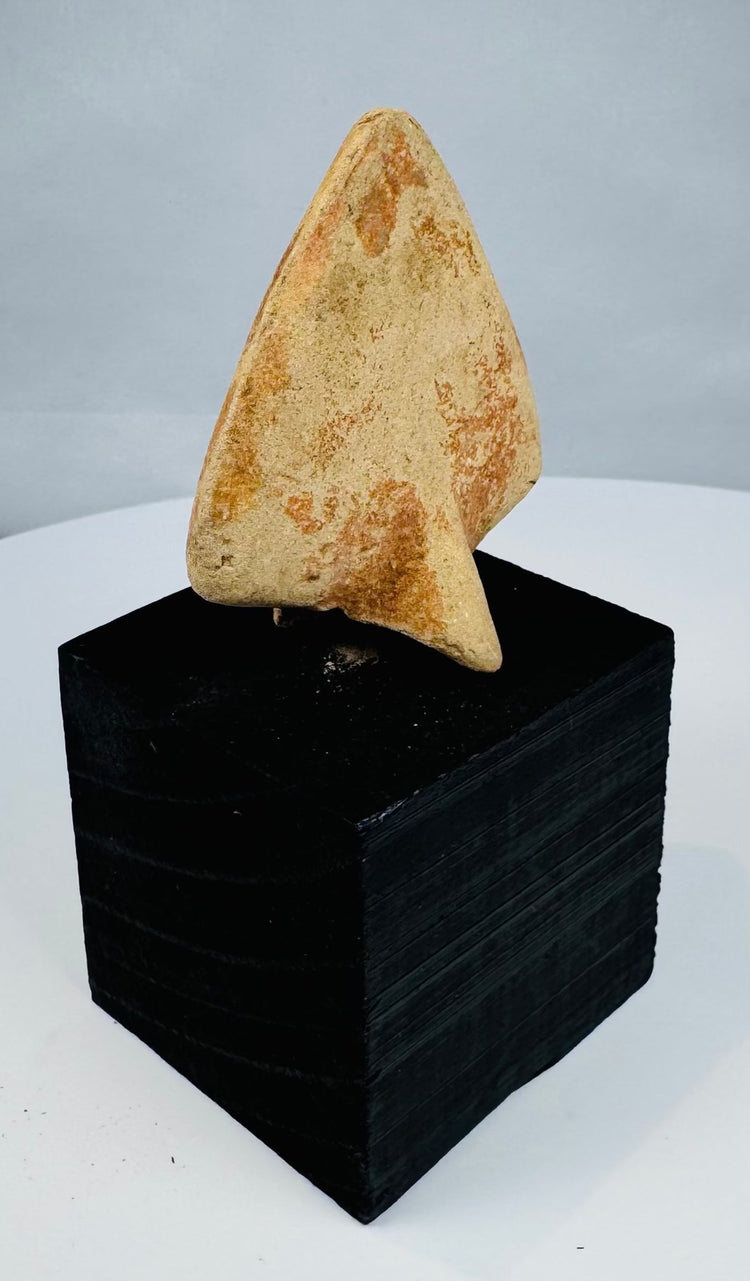
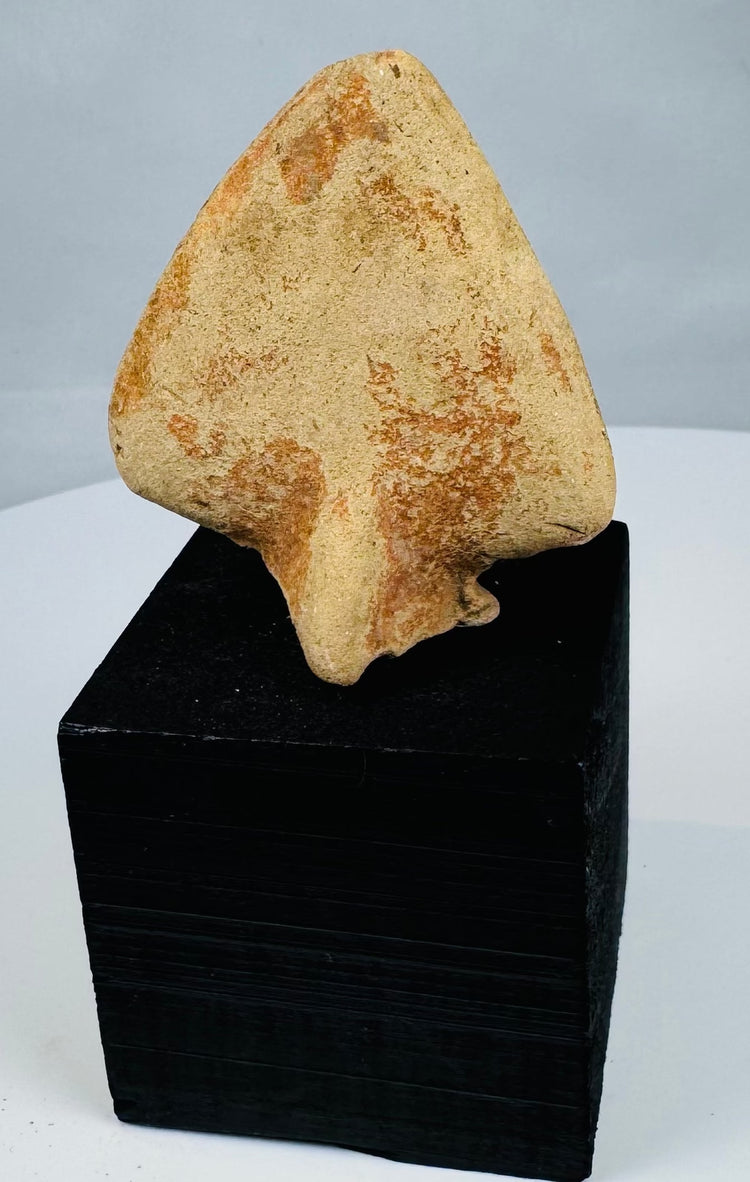
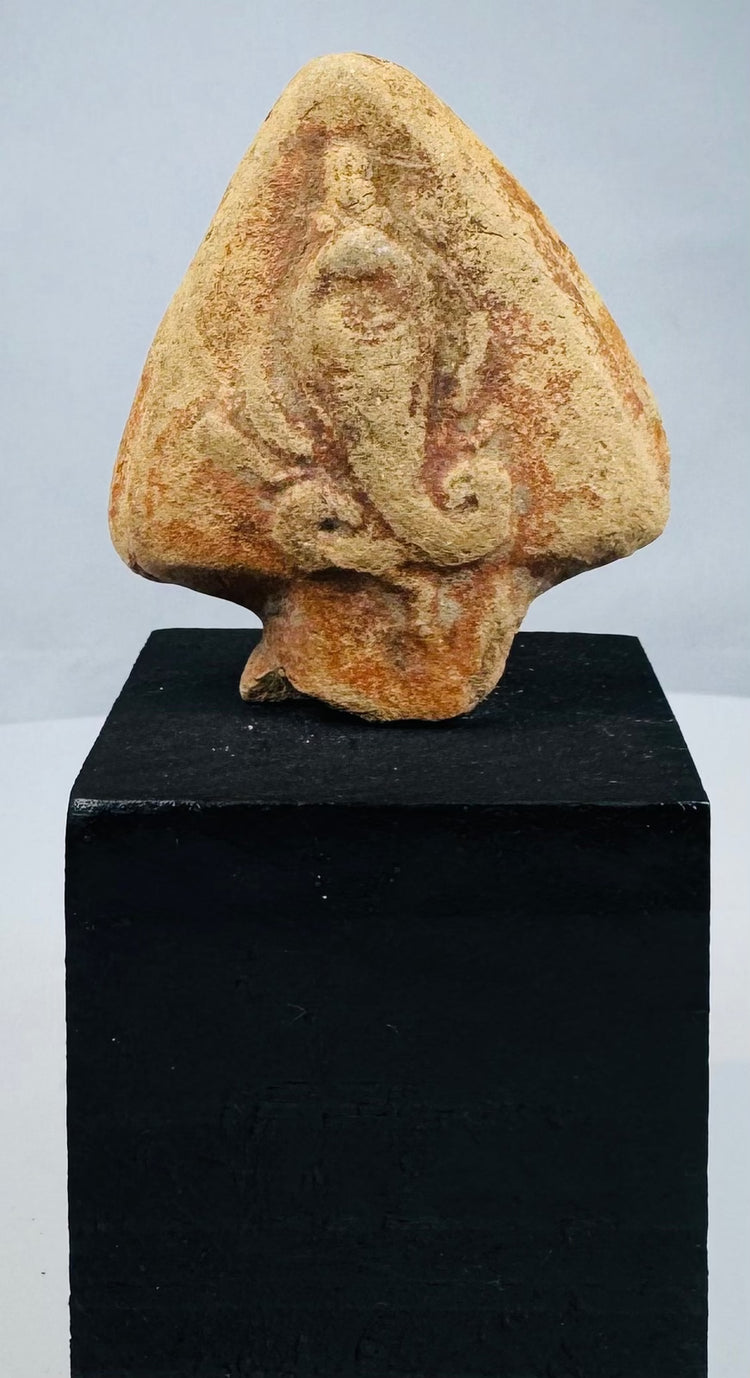
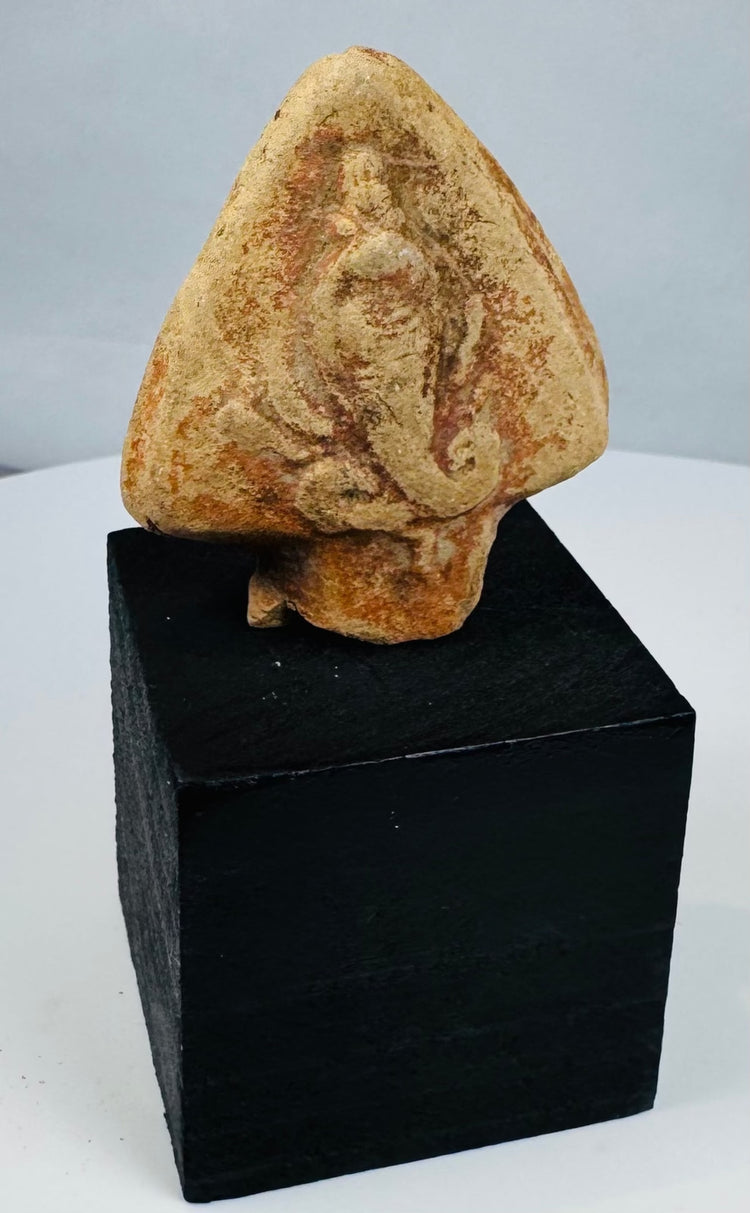
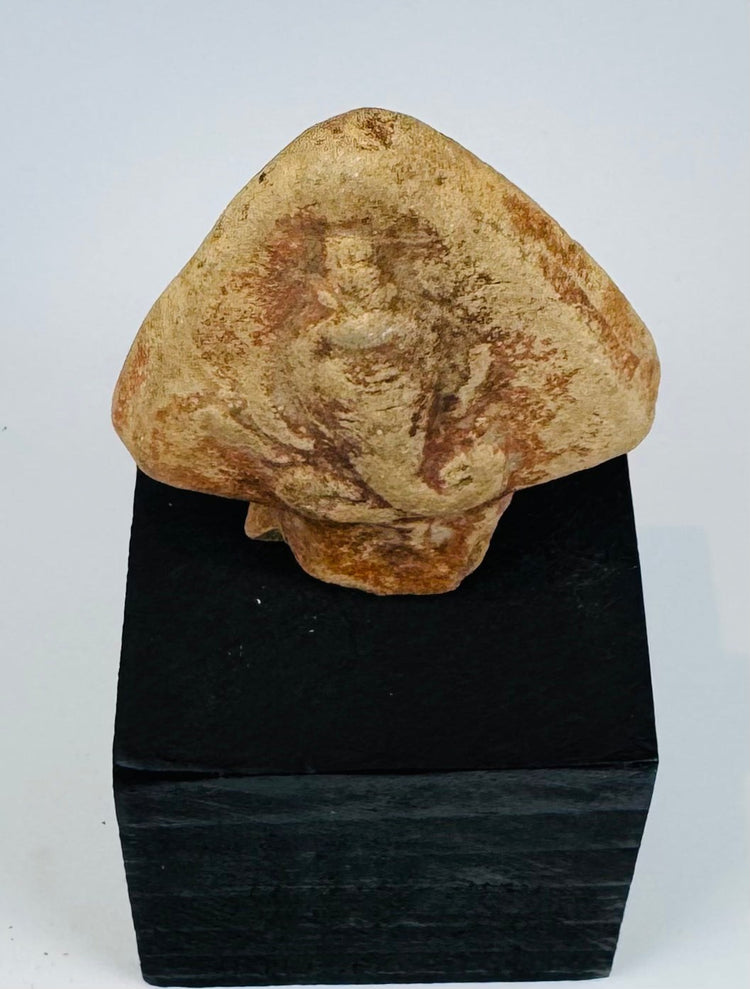
Fragmento de relieve de una cobra coronada en terracota del Antiguo Egipto | Primer milenio a. C.
Descripción
Más
Menos
Contexto histórico y origen
Región: Egipto o Mediterráneo Oriental
Material: Terracota moldeada con restos de pigmento rojo
Período: Circa 1er milenio AEC
Descripción
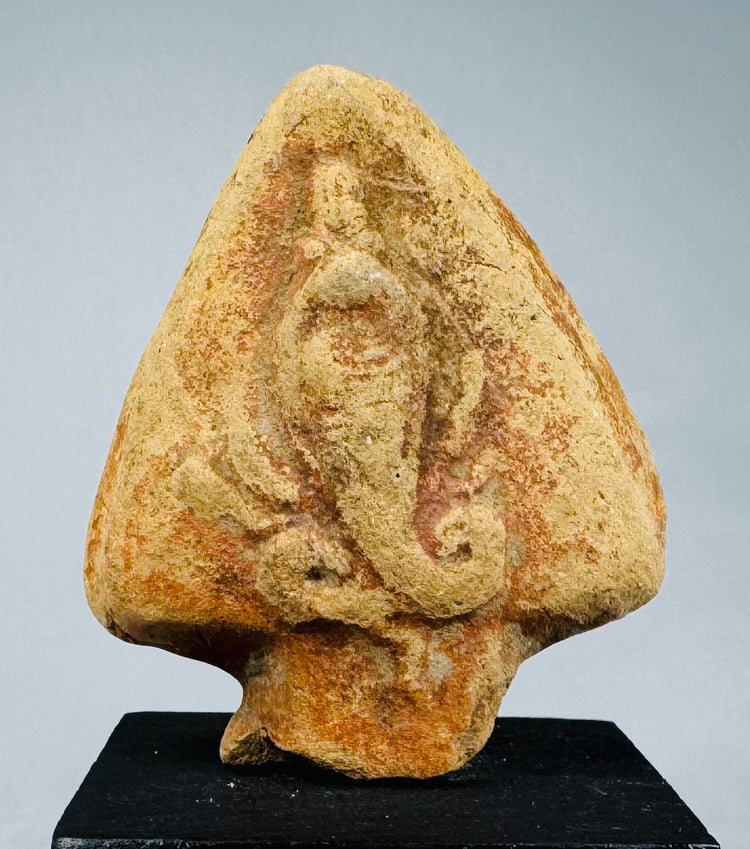
Este inusual fragmento de terracota antigua representa una cobra erguida con un tocado ceremonial, modelada en altorrelieve sobre un fondo ancho triangular o en forma de hoja. La serpiente se presenta frontalmente, con la cabeza elevada debajo de un elemento redondeado similar a una corona y su cuerpo alargado descendiendo en un pronunciado lazo curvo cerca de la base.
La parte superior ensanchada de la cobra y el campo triangular circundante pueden representar una capucha expandida, mientras que el elemento elevado sobre su cabeza parece formar un tocado o corona ceremonial. Quedan restos de pigmento rojizo en toda la superficie, lo que sugiere que el fragmento fue originalmente pintado de forma más extensa.
La sección saliente debajo del relieve parece haber funcionado como un punto de fijación, lo que indica que la pieza probablemente estuvo una vez incorporada a un objeto más grande. Puede haber formado parte de una placa votiva, un ornamento arquitectónico, un mobiliario de santuario, un accesorio de lámpara u otro objeto que llevara imágenes religiosas protectoras. Debido a su naturaleza fragmentaria y la ausencia de su contexto original, su función original precisa no puede determinarse de manera concluyente.
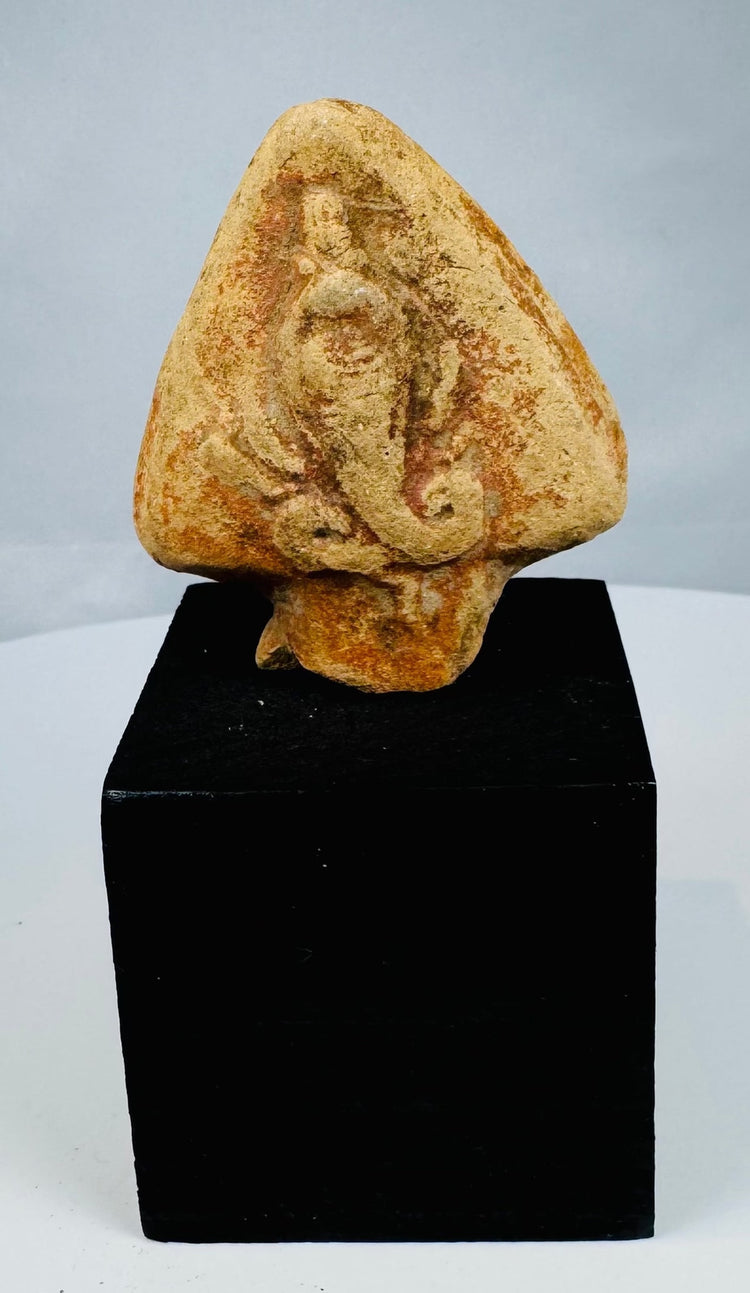
El fragmento está ahora montado sobre una base de exhibición moderna de madera negra, lo que permite que el relieve y el pigmento superviviente se vean en posición vertical.
Características
- Representa una cobra erguida o serpiente sagrada
- Tocado o corona ceremonial en relieve
- Cuerpo curvo pronunciado modelado en relieve
- Forma triangular ancha o similar a una capucha alrededor
- Restos de pigmento rojo supervivientes
- Montado sobre una base de exhibición moderna negra
Significado cultural
La cobra fue uno de los símbolos más perdurables de protección, autoridad divina, realeza y poder sagrado en todo el antiguo Egipto. En forma de ureo, la cobra erguida aparecía en coronas reales, mobiliario de templos, equipo funerario, objetos votivos y decoración arquitectónica. Se creía que poseía el poder de defender a los gobernantes, deidades, templos y espacios sagrados de las fuerzas hostiles.
La iconografía de la cobra coronada siguió utilizándose durante los períodos posteriores de la historia egipcia y siguió siendo reconocible durante las épocas ptolemaica y romana. Los símbolos religiosos egipcios también circularon más ampliamente por el Mediterráneo oriental, donde se adaptaron a las tradiciones devocionales y decorativas locales.
Aunque la identidad precisa y el uso original de este fragmento siguen siendo inciertos, su imaginería frontal de serpiente, su tocado ceremonial y su pigmento superviviente sugieren fuertemente un propósito protector o religioso.
Condición
El fragmento permanece estructuralmente estable y muestra un desgaste superficial sustancial relacionado con la edad, consistente con la terracota arqueológica. Los detalles moldeados están suavizados por la erosión, con abrasiones dispersas, pequeños desconchones, depósitos superficiales y áreas de pérdida de pigmento en toda la superficie. Se conservan trazos de coloración roja visibles en la parte frontal.
La sección de unión proyectada inferior está incompleta, lo que indica que la pieza estuvo conectada anteriormente a un objeto más grande. El reverso es liso y erosionado. El fragmento se ha montado en una base de exhibición moderna de madera negra para su presentación.
Dimensiones (aproximadas)
Altura: 4.25 pulg.
Ancho: 2 pulg.
Profundidad: 2 pulg.
Edad (aproximada)
2,025–3,025 años de antigüedad
Procedencia
Anteriormente en la colección de Jack Guevrekian, Manhasset, Nueva York, un conocido numismático y coleccionista de Nueva York con un interés particular en la numismática armenia, las antigüedades y el material antiguo. Guevrekian reunió una extensa colección durante varias décadas, una parte significativa de la cual fue ofrecida públicamente como La colección Jack Guevrekian por la Numismatic & Antiquarian Service Corporation of America en Nueva York en 1977.
Posteriormente conservado en una colección privada de la ciudad de Nueva York.
Más tarde manejado por Howard S. Rose Gallery / Arte Primitivo en Nueva York, una galería especializada y casa de subastas de larga trayectoria que se ocupa de antigüedades y obras de arte precolombinas, clásicas, egipcias, asiáticas y etnográficas. La galería ha realizado subastas especializadas, exposiciones y ventas privadas desde sus instalaciones de Nueva York.
Posteriormente manejado por Artemis Fine Arts / Artemis Gallery, un especialista con sede en Colorado en antigüedades, arte antiguo, material etnográfico y bellas artes que ha estado activo en el campo desde 1993.
Luego entró en una colección privada en Toronto, Ontario, Canadá.
Más información
Explore un objeto egipcio antiguo de cobra relacionado en la colección de El Museo Metropolitano de Arte
Explore nuestra Colección de Momias y Artefactos del Antiguo Egipto
Descripción
Contexto histórico y origen
Región: Egipto o Mediterráneo Oriental
Material: Terracota moldeada con restos de pigmento rojo
Período: Circa 1er milenio AEC
Descripción
Este inusual fragmento de terracota antigua representa una cobra erguida con un tocado ceremonial, modelada en altorrelieve sobre un fondo ancho triangular o en forma de hoja. La serpiente se presenta frontalmente, con la cabeza elevada debajo de un elemento redondeado similar a una corona y su cuerpo alargado descendiendo en un pronunciado lazo curvo cerca de la base.
La parte superior ensanchada de la cobra y el campo triangular circundante pueden representar una capucha expandida, mientras que el elemento elevado sobre su cabeza parece formar un tocado o corona ceremonial. Quedan restos de pigmento rojizo en toda la superficie, lo que sugiere que el fragmento fue originalmente pintado de forma más extensa.
La sección saliente debajo del relieve parece haber funcionado como un punto de fijación, lo que indica que la pieza probablemente estuvo una vez incorporada a un objeto más grande. Puede haber formado parte de una placa votiva, un ornamento arquitectónico, un mobiliario de santuario, un accesorio de lámpara u otro objeto que llevara imágenes religiosas protectoras. Debido a su naturaleza fragmentaria y la ausencia de su contexto original, su función original precisa no puede determinarse de manera concluyente.
El fragmento está ahora montado sobre una base de exhibición moderna de madera negra, lo que permite que el relieve y el pigmento superviviente se vean en posición vertical.
Características
- Representa una cobra erguida o serpiente sagrada
- Tocado o corona ceremonial en relieve
- Cuerpo curvo pronunciado modelado en relieve
- Forma triangular ancha o similar a una capucha alrededor
- Restos de pigmento rojo supervivientes
- Montado sobre una base de exhibición moderna negra
Significado cultural
La cobra fue uno de los símbolos más perdurables de protección, autoridad divina, realeza y poder sagrado en todo el antiguo Egipto. En forma de ureo, la cobra erguida aparecía en coronas reales, mobiliario de templos, equipo funerario, objetos votivos y decoración arquitectónica. Se creía que poseía el poder de defender a los gobernantes, deidades, templos y espacios sagrados de las fuerzas hostiles.
La iconografía de la cobra coronada siguió utilizándose durante los períodos posteriores de la historia egipcia y siguió siendo reconocible durante las épocas ptolemaica y romana. Los símbolos religiosos egipcios también circularon más ampliamente por el Mediterráneo oriental, donde se adaptaron a las tradiciones devocionales y decorativas locales.
Aunque la identidad precisa y el uso original de este fragmento siguen siendo inciertos, su imaginería frontal de serpiente, su tocado ceremonial y su pigmento superviviente sugieren fuertemente un propósito protector o religioso.
Condición
El fragmento permanece estructuralmente estable y muestra un desgaste superficial sustancial relacionado con la edad, consistente con la terracota arqueológica. Los detalles moldeados están suavizados por la erosión, con abrasiones dispersas, pequeños desconchones, depósitos superficiales y áreas de pérdida de pigmento en toda la superficie. Se conservan trazos de coloración roja visibles en la parte frontal.
La sección de unión proyectada inferior está incompleta, lo que indica que la pieza estuvo conectada anteriormente a un objeto más grande. El reverso es liso y erosionado. El fragmento se ha montado en una base de exhibición moderna de madera negra para su presentación.
Dimensiones (aproximadas)
Altura: 4.25 pulg.
Ancho: 2 pulg.
Profundidad: 2 pulg.
Edad (aproximada)
2,025–3,025 años de antigüedad
Procedencia
Anteriormente en la colección de Jack Guevrekian, Manhasset, Nueva York, un conocido numismático y coleccionista de Nueva York con un interés particular en la numismática armenia, las antigüedades y el material antiguo. Guevrekian reunió una extensa colección durante varias décadas, una parte significativa de la cual fue ofrecida públicamente como La colección Jack Guevrekian por la Numismatic & Antiquarian Service Corporation of America en Nueva York en 1977.
Posteriormente conservado en una colección privada de la ciudad de Nueva York.
Más tarde manejado por Howard S. Rose Gallery / Arte Primitivo en Nueva York, una galería especializada y casa de subastas de larga trayectoria que se ocupa de antigüedades y obras de arte precolombinas, clásicas, egipcias, asiáticas y etnográficas. La galería ha realizado subastas especializadas, exposiciones y ventas privadas desde sus instalaciones de Nueva York.
Posteriormente manejado por Artemis Fine Arts / Artemis Gallery, un especialista con sede en Colorado en antigüedades, arte antiguo, material etnográfico y bellas artes que ha estado activo en el campo desde 1993.
Luego entró en una colección privada en Toronto, Ontario, Canadá.
Más información
Explore un objeto egipcio antiguo de cobra relacionado en la colección de El Museo Metropolitano de Arte
Explore nuestra Colección de Momias y Artefactos del Antiguo Egipto
También te puede interesar
