



Jarra de terracota para verter de la antigua Roma | Jarra de cerámica mediterránea | Circa 100-500 EC
- Precio habitual
- $500.00
- Precio de venta
- $500.00
- Precio habitual
No se pudo cargar la disponibilidad de retiro


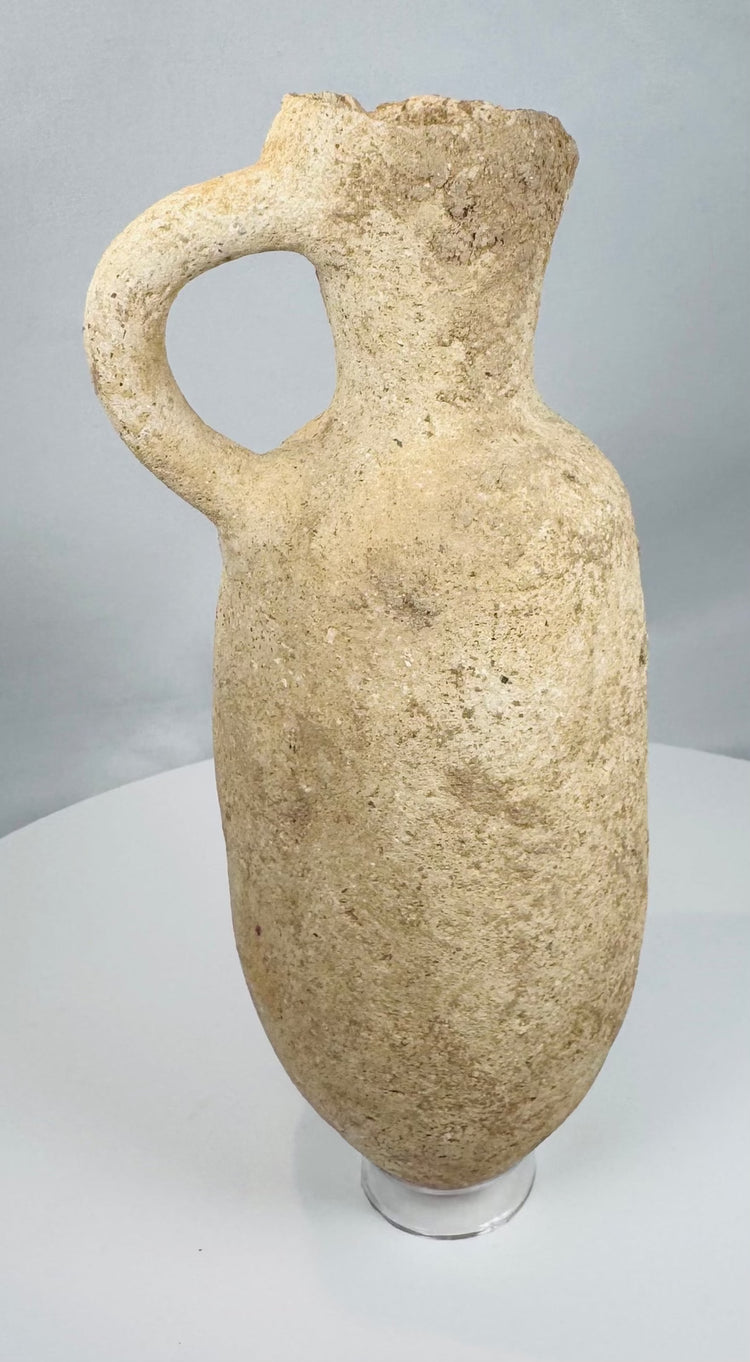
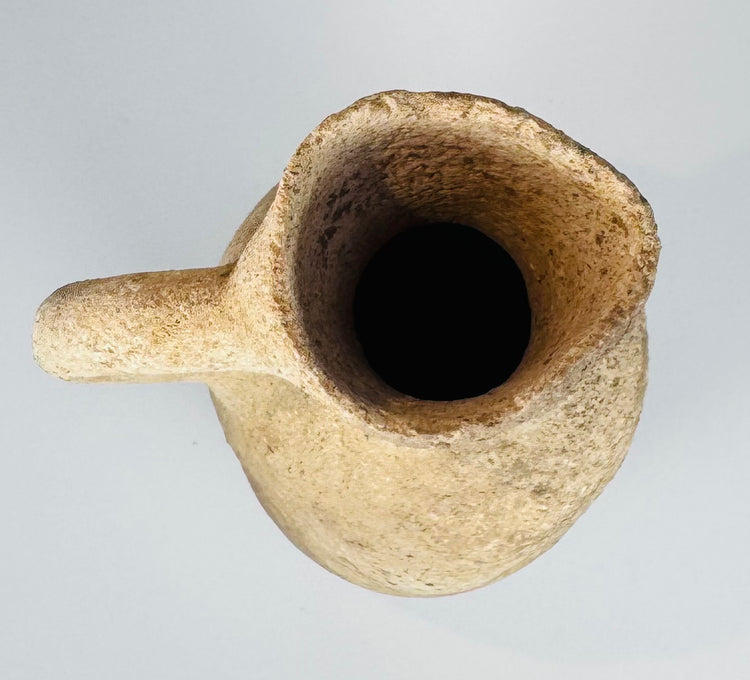
Jarra de terracota para verter de la antigua Roma | Jarra de cerámica mediterránea | Circa 100-500 EC
Descripción
Más
Menos
Contexto histórico y origen
Región: Cuenca Mediterránea, probablemente el Norte de África o el Mediterráneo Oriental
Material: Terracota
Período: Romano Provincial / Tradición Púnica Tardía, circa 100-500 d.C.
Descripción
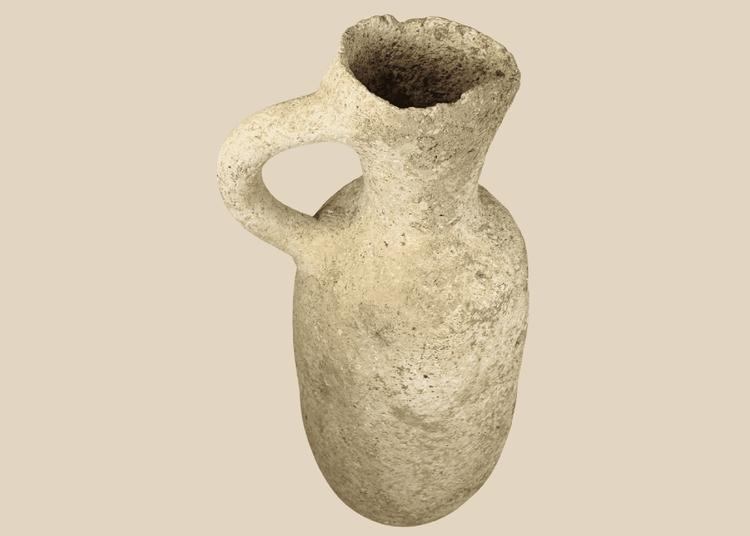
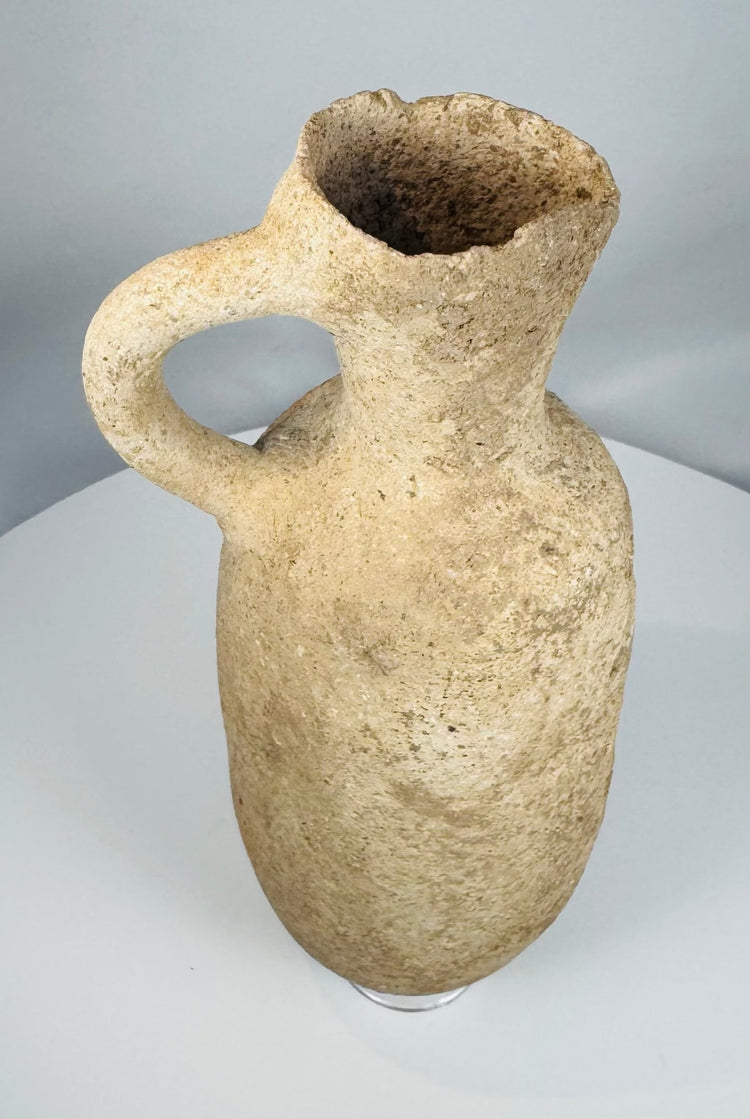
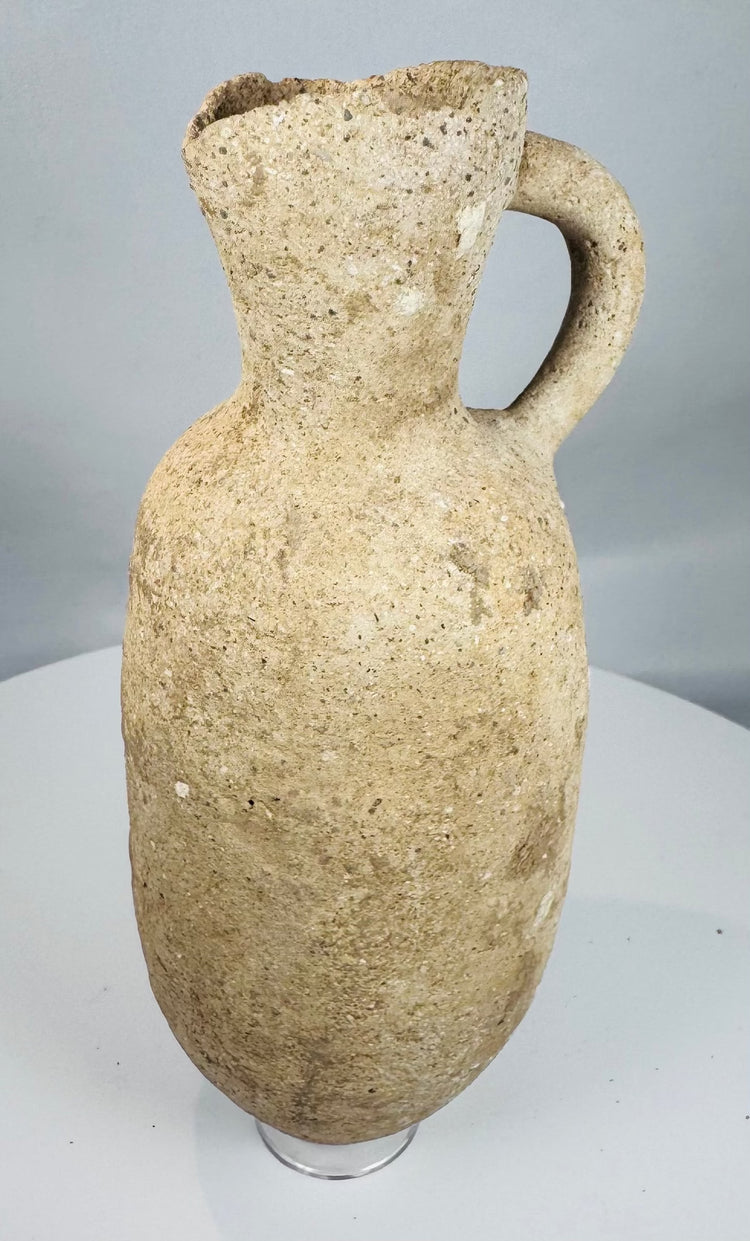
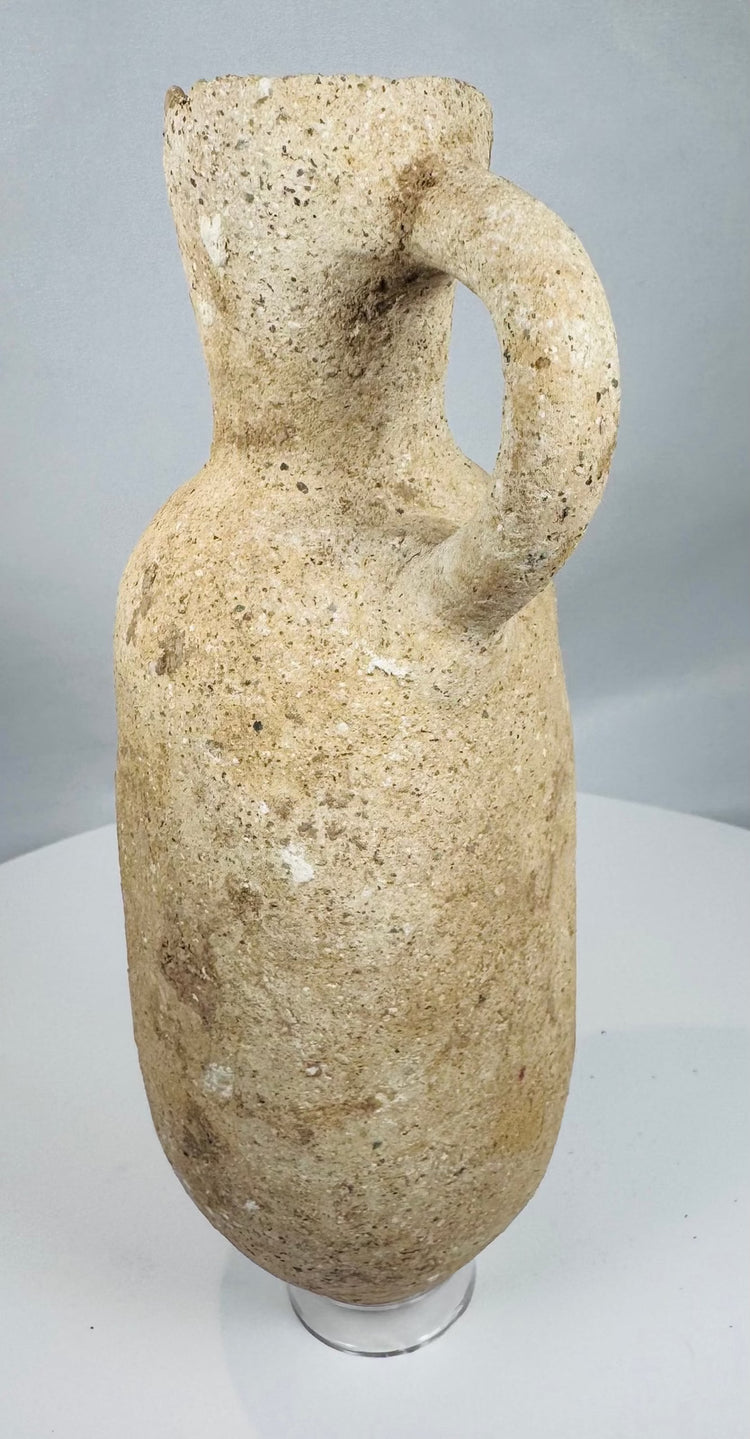
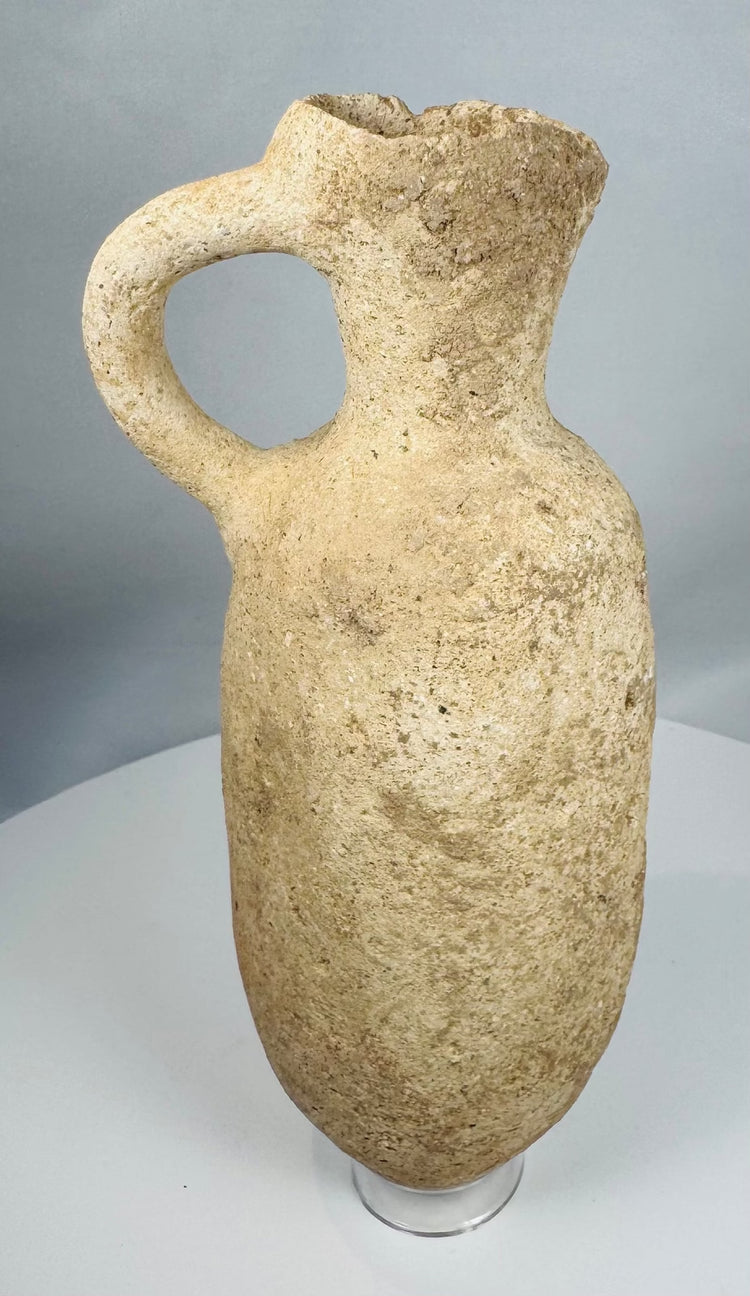
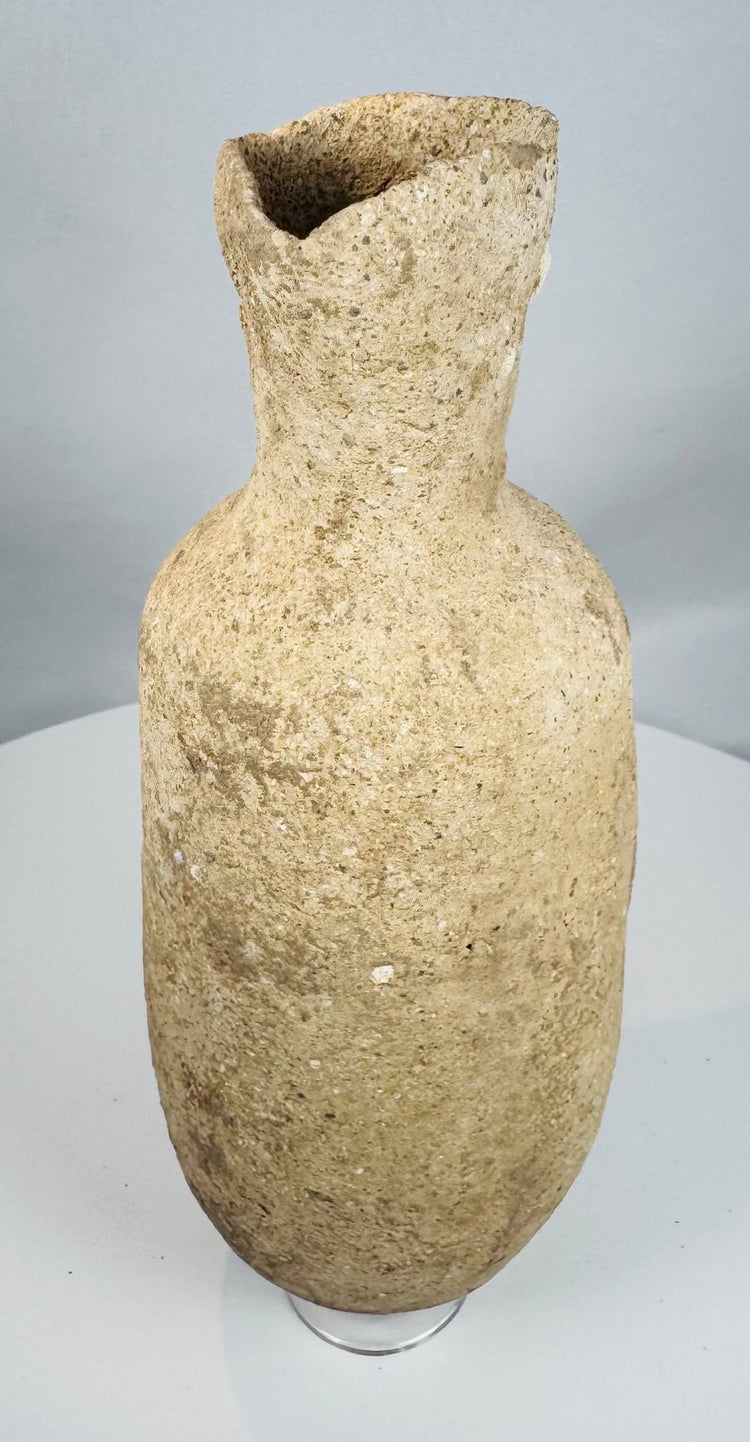
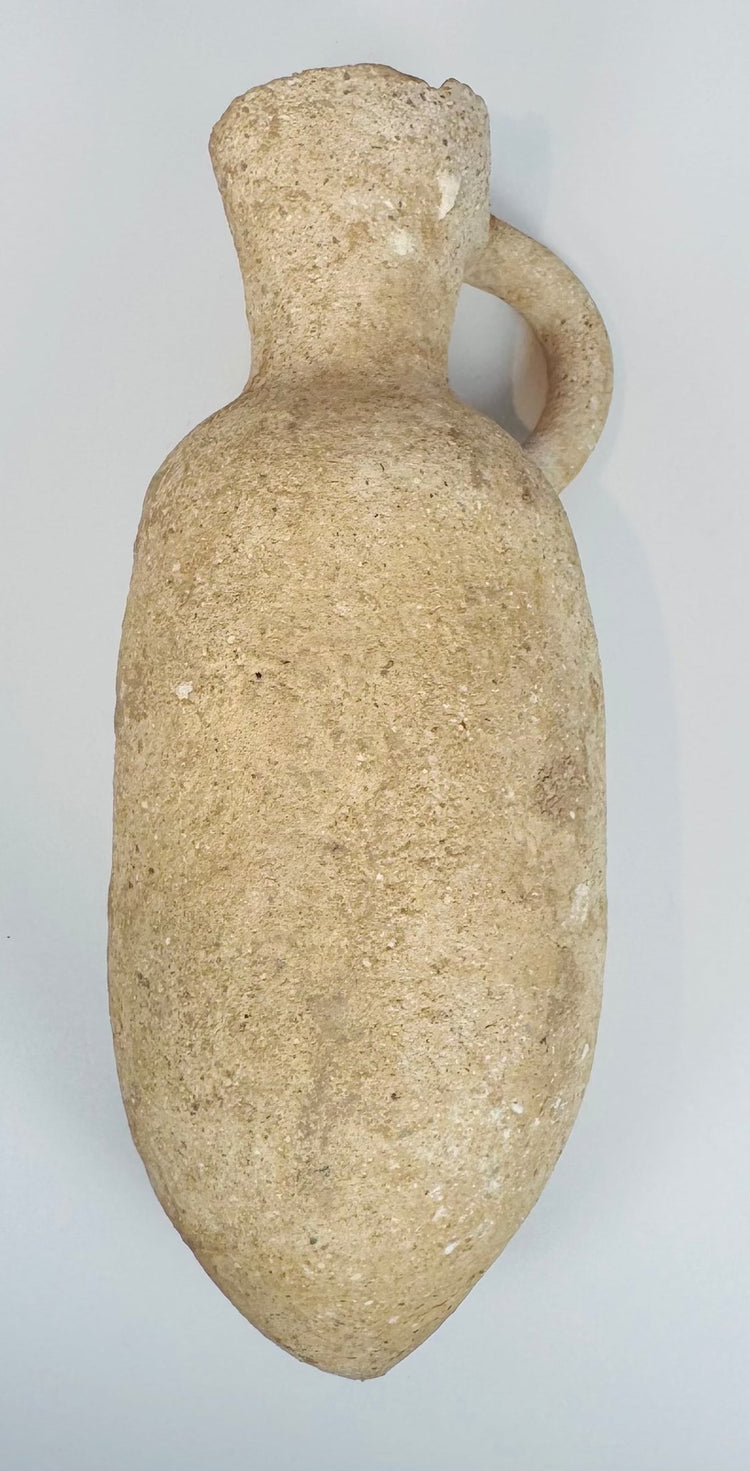
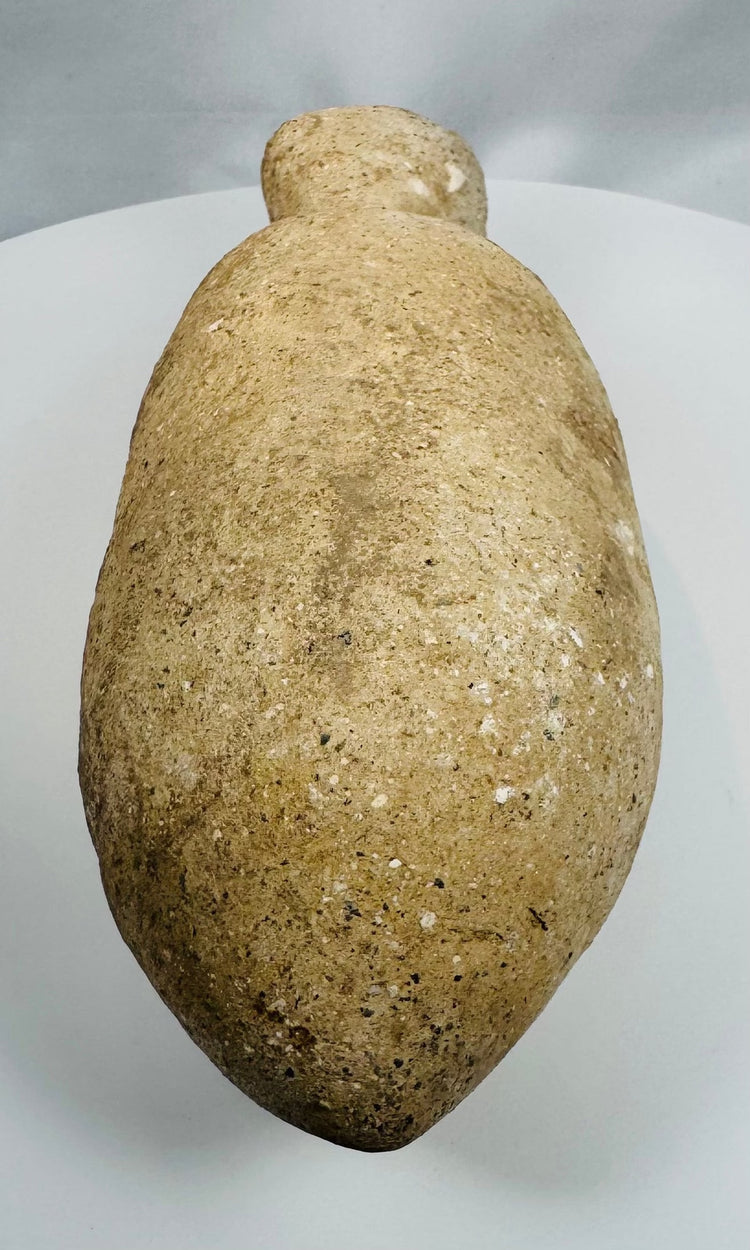
Este antiguo recipiente de terracota para verter representa una forma cerámica utilitaria comúnmente producida en todo el mundo romano y en las regiones influenciadas por las tradiciones cerámicas púnicas anteriores. La vasija presenta un cuerpo globular que se estrecha hacia una base redondeada, un cuello cilíndrico ancho con un borde de vertido ligeramente acampanado y un asa de lazo resistente que une el hombro con el cuello.
La forma sencilla pero eficaz refleja las tradiciones alfareras prácticas que abastecieron hogares, talleres y comunidades agrícolas en todo el Mediterráneo durante siglos. Vasijas de este tipo se utilizaban para almacenar, transportar y dispensar líquidos como agua, aceite, vino y otros productos esenciales para la vida diaria.
El tejido muestra una arcilla gruesa de color beige con inclusiones minerales visibles, características de las antiguas piezas utilitarias. La extensa erosión de la superficie y las concreciones minerales acumuladas durante el entierro contribuyen a la apariencia arqueológica y autenticidad del recipiente. La superficie sin adornos y la forma funcional enfatizan la naturaleza cotidiana del objeto, ofreciendo una visión de las actividades domésticas y comerciales del período romano.
A diferencia de la vajilla de lujo, las vasijas como esta se producían para un uso práctico y, por lo tanto, a menudo sobreviven con evidencia de manipulación, almacenamiento y entierro prolongados. La forma se mantuvo notablemente consistente en todo el Imperio Romano y las regiones adyacentes influenciadas por las tradiciones cerámicas púnicas.
Características
- Antigua vasija de terracota para verter
- Tradición romana provincial o púnica tardía
- Cuerpo globular con base redondeada
- Cuello cilíndrico ancho con borde de vertido acampanado
- Asa de lazo aplicada
- Tejido de loza grueso de color beige
- Erosión superficial y concreciones minerales
- Auténtico ejemplo arqueológico
Significado cultural
Las vasijas de cerámica se encontraban entre los objetos más importantes en la vida cotidiana en todo el Mediterráneo antiguo. La alfarería servía como el principal medio para almacenar y transportar alimentos, aceites, vino, agua, perfumes y otras mercancías. Debido a que las vasijas de arcilla eran económicas y ampliamente disponibles, se convirtieron en componentes esenciales de la actividad doméstica, agrícola y comercial.
Ejemplos como este ilustran la continuidad de las tradiciones cerámicas desde el mundo púnico hasta el período romano. Si bien los estilos decorativos evolucionaron, las formas prácticas de las vasijas a menudo permanecieron en gran parte inalteradas debido a su efectividad y familiaridad entre las poblaciones locales.
Estado
Buen estado arqueológico. Pérdidas antiguas y desgaste acordes con la antigüedad. El borde presenta pérdidas menores y abrasiones superficiales. Erosión general, depósitos minerales e incrustaciones de enterramiento en todo el objeto. Estructuralmente estable y con buena apariencia.
Dimensiones (Aproximadas)
Altura: 8 pulgadas
Diámetro: 3 pulgadas
Antigüedad (Aproximada)
Aproximadamente 1.500-1.900 años de antigüedad
Procedencia
De la Colección McMillan. La Colección McMillan se formó a lo largo de varias décadas y se centró en artefactos antiguos griegos, romanos, egipcios y del Cercano Oriente, con énfasis en objetos que conservaban historias de colección documentadas y valor educativo. Posteriormente, se mantuvo en una colección privada en Saint Paul, Minnesota, EE. UU.
Saber más
Explore el desarrollo de las tradiciones cerámicas griegas y mediterráneas clásicas
Explore nuestra Colección de Artefactos Romanos y Griegos Antiguos
Descripción
Contexto histórico y origen
Región: Cuenca Mediterránea, probablemente el Norte de África o el Mediterráneo Oriental
Material: Terracota
Período: Romano Provincial / Tradición Púnica Tardía, circa 100-500 d.C.
Descripción
Este antiguo recipiente de terracota para verter representa una forma cerámica utilitaria comúnmente producida en todo el mundo romano y en las regiones influenciadas por las tradiciones cerámicas púnicas anteriores. La vasija presenta un cuerpo globular que se estrecha hacia una base redondeada, un cuello cilíndrico ancho con un borde de vertido ligeramente acampanado y un asa de lazo resistente que une el hombro con el cuello.
La forma sencilla pero eficaz refleja las tradiciones alfareras prácticas que abastecieron hogares, talleres y comunidades agrícolas en todo el Mediterráneo durante siglos. Vasijas de este tipo se utilizaban para almacenar, transportar y dispensar líquidos como agua, aceite, vino y otros productos esenciales para la vida diaria.
El tejido muestra una arcilla gruesa de color beige con inclusiones minerales visibles, características de las antiguas piezas utilitarias. La extensa erosión de la superficie y las concreciones minerales acumuladas durante el entierro contribuyen a la apariencia arqueológica y autenticidad del recipiente. La superficie sin adornos y la forma funcional enfatizan la naturaleza cotidiana del objeto, ofreciendo una visión de las actividades domésticas y comerciales del período romano.
A diferencia de la vajilla de lujo, las vasijas como esta se producían para un uso práctico y, por lo tanto, a menudo sobreviven con evidencia de manipulación, almacenamiento y entierro prolongados. La forma se mantuvo notablemente consistente en todo el Imperio Romano y las regiones adyacentes influenciadas por las tradiciones cerámicas púnicas.
Características
- Antigua vasija de terracota para verter
- Tradición romana provincial o púnica tardía
- Cuerpo globular con base redondeada
- Cuello cilíndrico ancho con borde de vertido acampanado
- Asa de lazo aplicada
- Tejido de loza grueso de color beige
- Erosión superficial y concreciones minerales
- Auténtico ejemplo arqueológico
Significado cultural
Las vasijas de cerámica se encontraban entre los objetos más importantes en la vida cotidiana en todo el Mediterráneo antiguo. La alfarería servía como el principal medio para almacenar y transportar alimentos, aceites, vino, agua, perfumes y otras mercancías. Debido a que las vasijas de arcilla eran económicas y ampliamente disponibles, se convirtieron en componentes esenciales de la actividad doméstica, agrícola y comercial.
Ejemplos como este ilustran la continuidad de las tradiciones cerámicas desde el mundo púnico hasta el período romano. Si bien los estilos decorativos evolucionaron, las formas prácticas de las vasijas a menudo permanecieron en gran parte inalteradas debido a su efectividad y familiaridad entre las poblaciones locales.
Estado
Buen estado arqueológico. Pérdidas antiguas y desgaste acordes con la antigüedad. El borde presenta pérdidas menores y abrasiones superficiales. Erosión general, depósitos minerales e incrustaciones de enterramiento en todo el objeto. Estructuralmente estable y con buena apariencia.
Dimensiones (Aproximadas)
Altura: 8 pulgadas
Diámetro: 3 pulgadas
Antigüedad (Aproximada)
Aproximadamente 1.500-1.900 años de antigüedad
Procedencia
De la Colección McMillan. La Colección McMillan se formó a lo largo de varias décadas y se centró en artefactos antiguos griegos, romanos, egipcios y del Cercano Oriente, con énfasis en objetos que conservaban historias de colección documentadas y valor educativo. Posteriormente, se mantuvo en una colección privada en Saint Paul, Minnesota, EE. UU.
Saber más
Explore el desarrollo de las tradiciones cerámicas griegas y mediterráneas clásicas
Explore nuestra Colección de Artefactos Romanos y Griegos Antiguos
También te puede interesar
