



Terracota romana antigua | Símbolo de fertilidad, protección y prosperidad | Siglos I-III d. C.
- Precio habitual
- $600.00
- Precio de venta
- $600.00
- Precio habitual
No se pudo cargar la disponibilidad de retiro


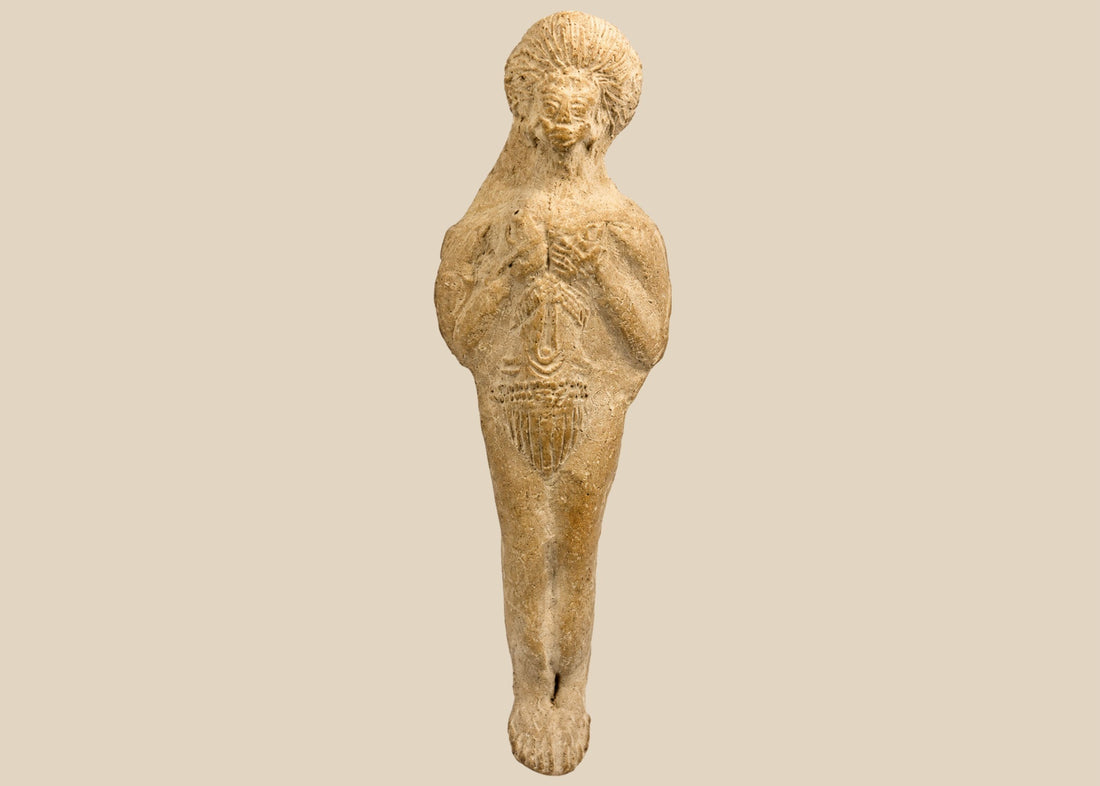
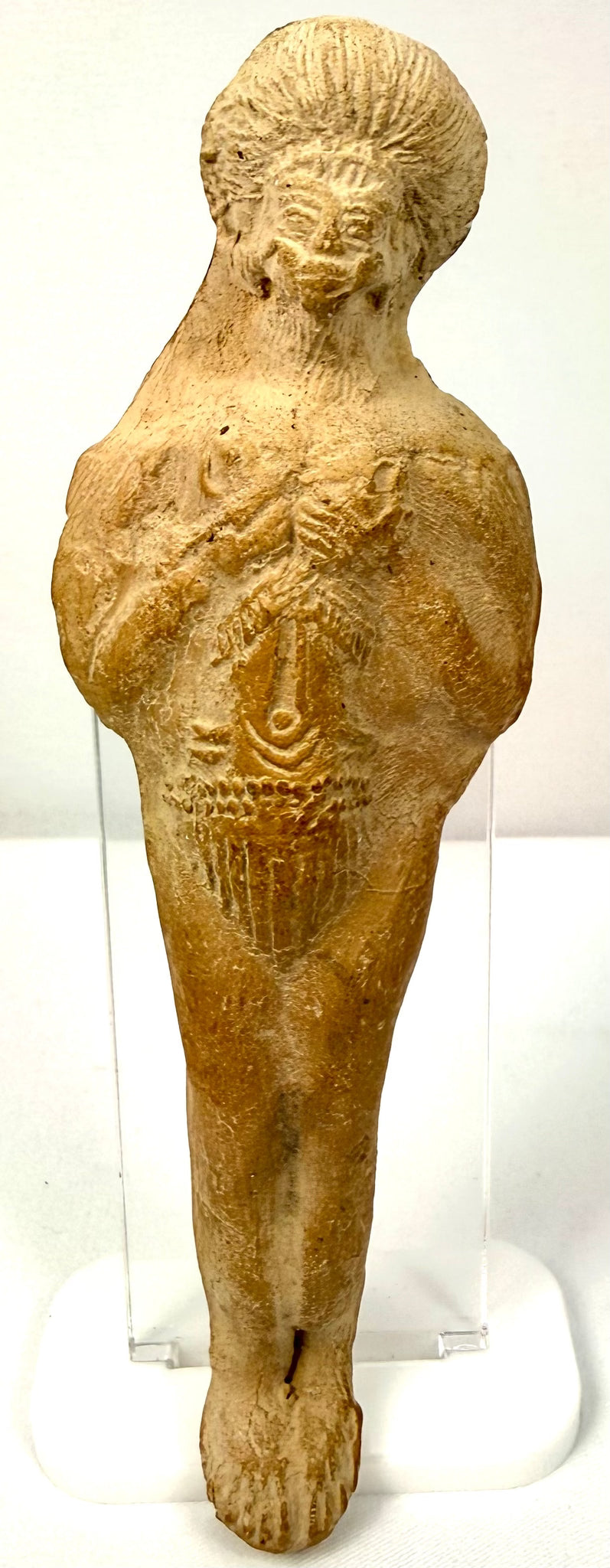
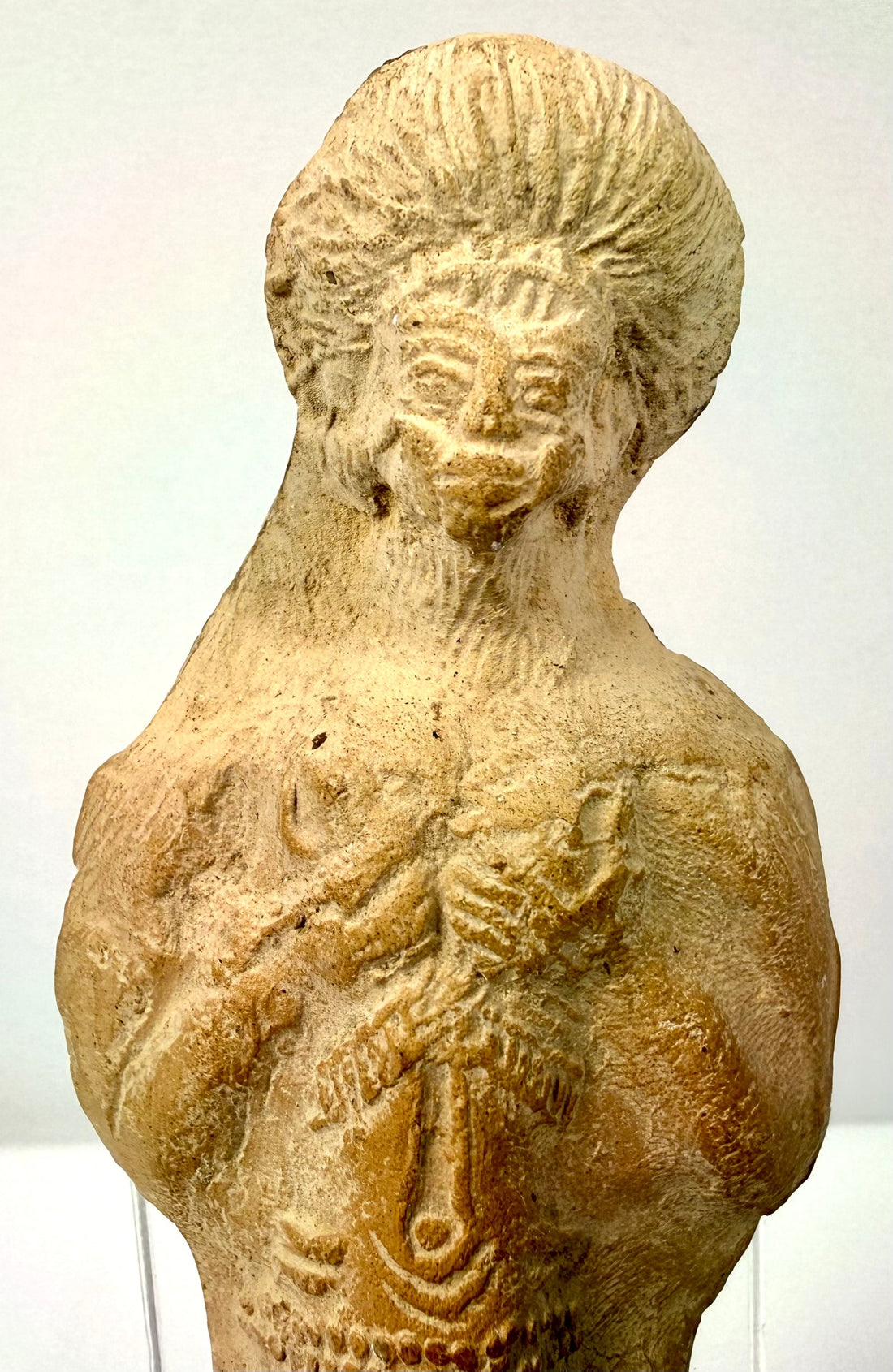
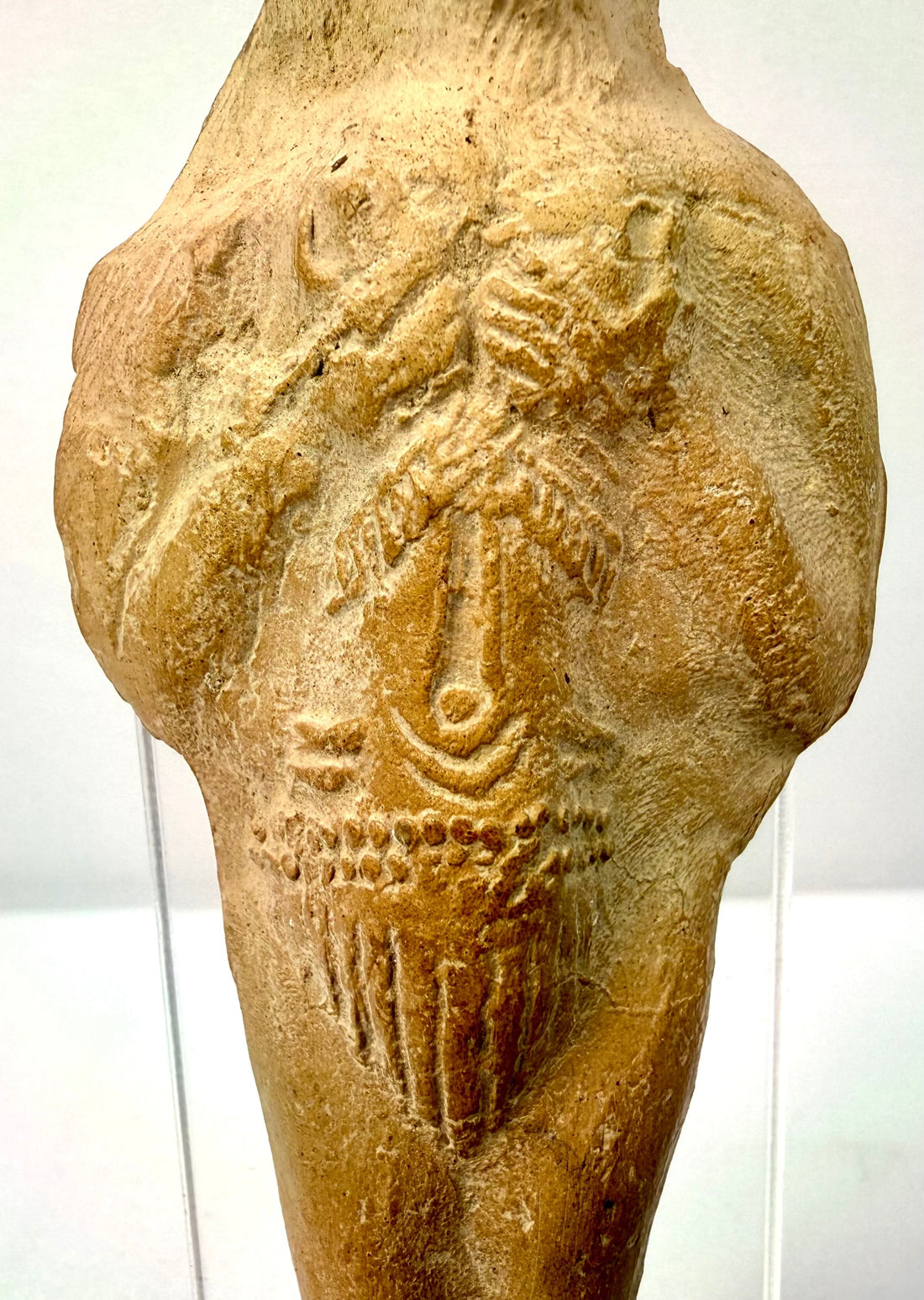
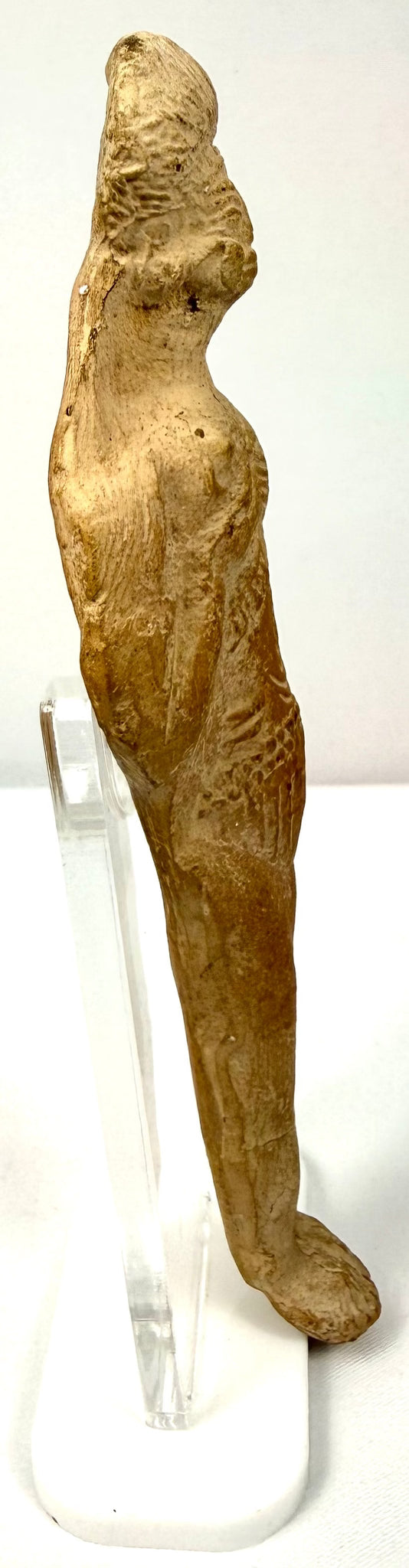
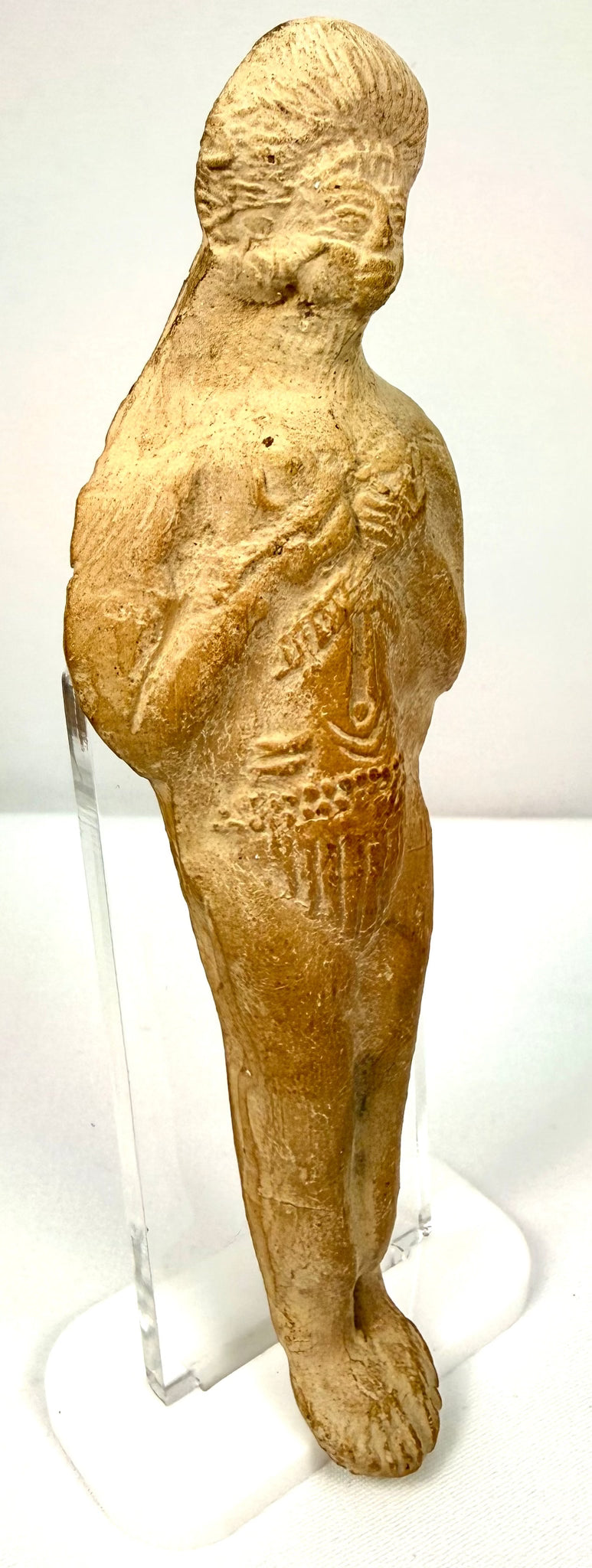
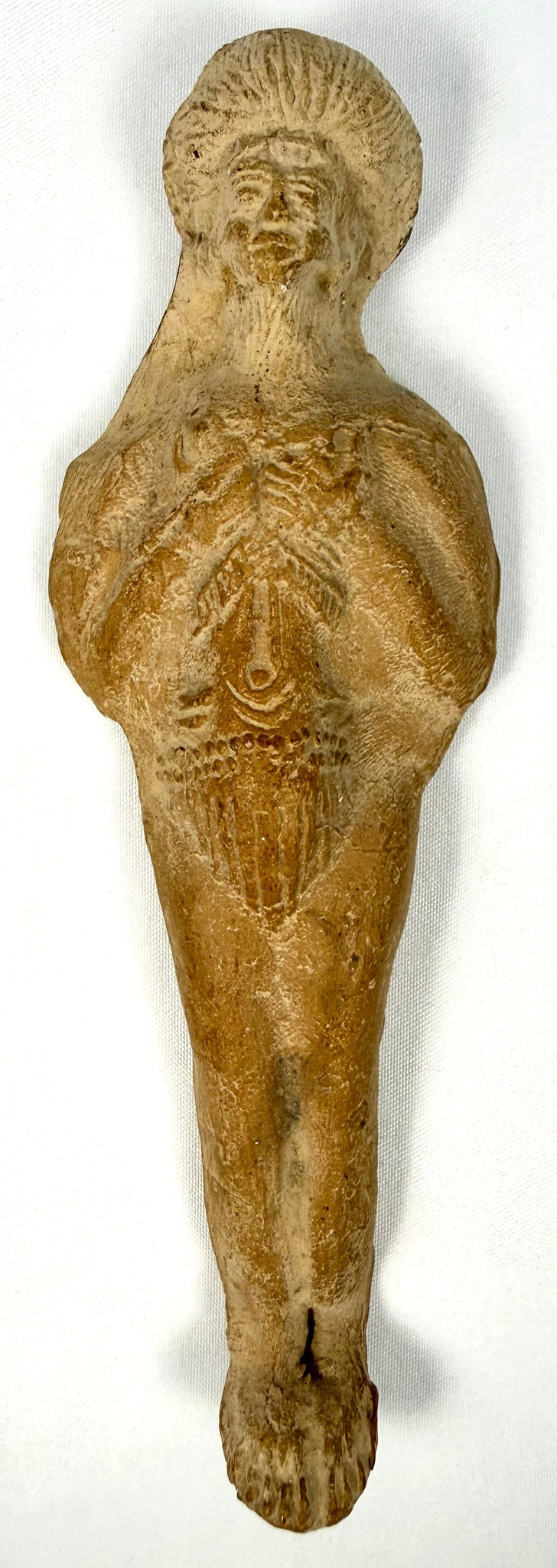
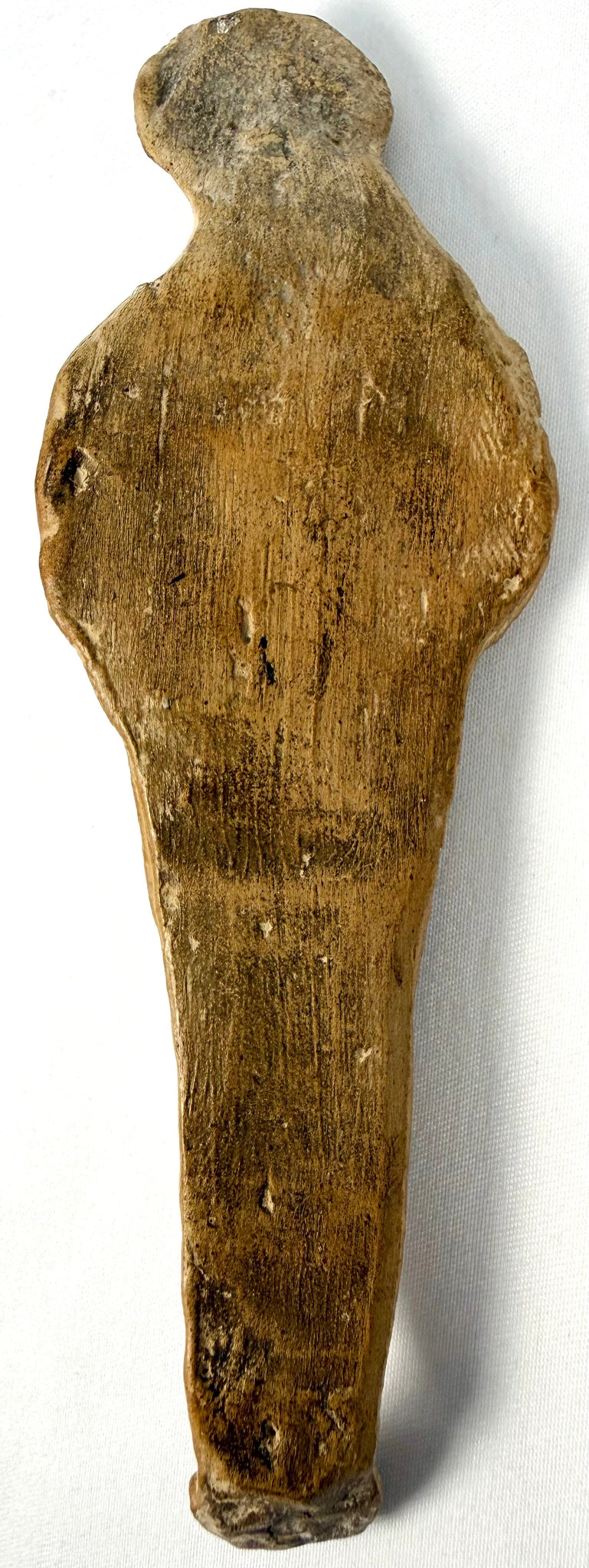
Terracota romana antigua | Símbolo de fertilidad, protección y prosperidad | Siglos I-III d. C.
Descripción
Más
Menos
Contexto histórico y origen
Región: Antigua Roma
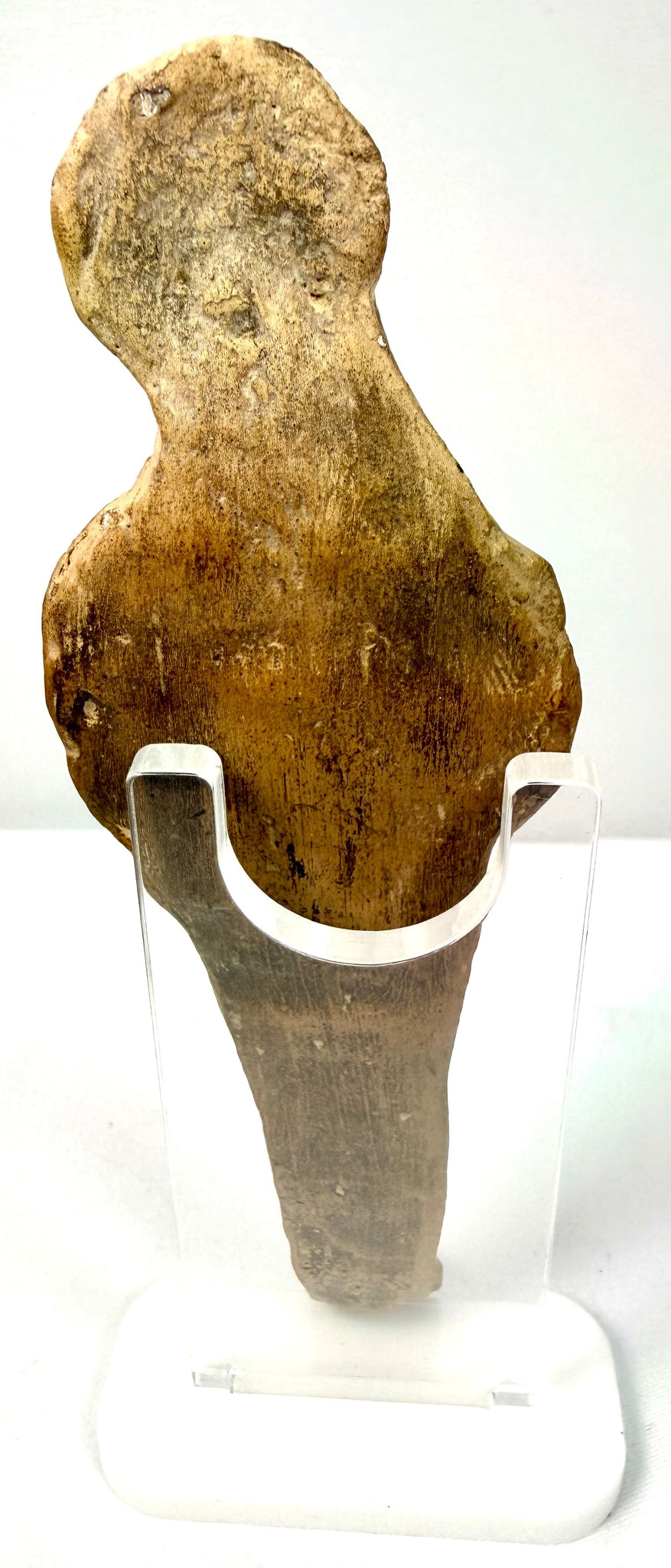
Material: Arcilla de terracota moldeada a mano
Periodo: Siglos I-III d.C.
Descripción
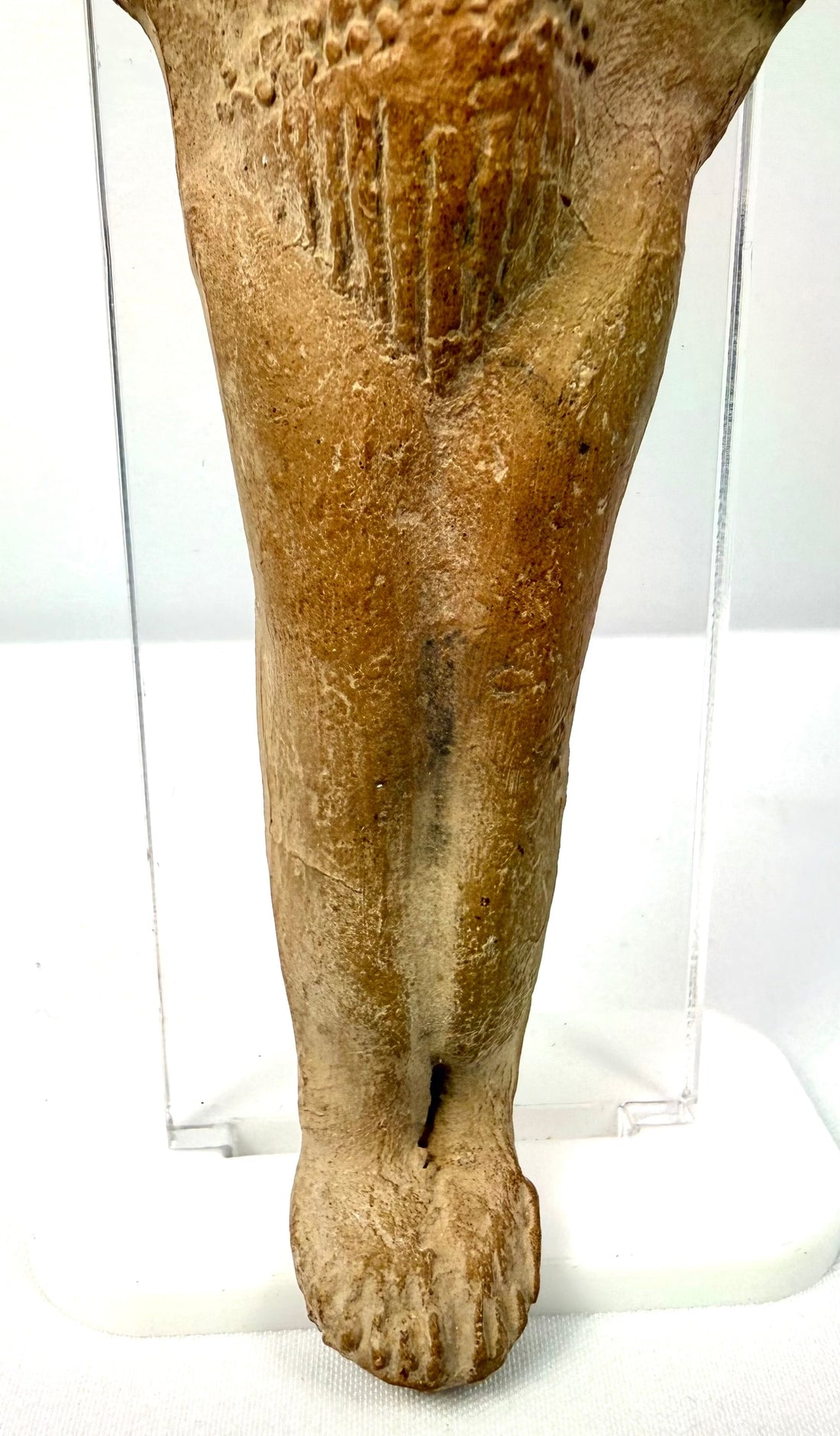
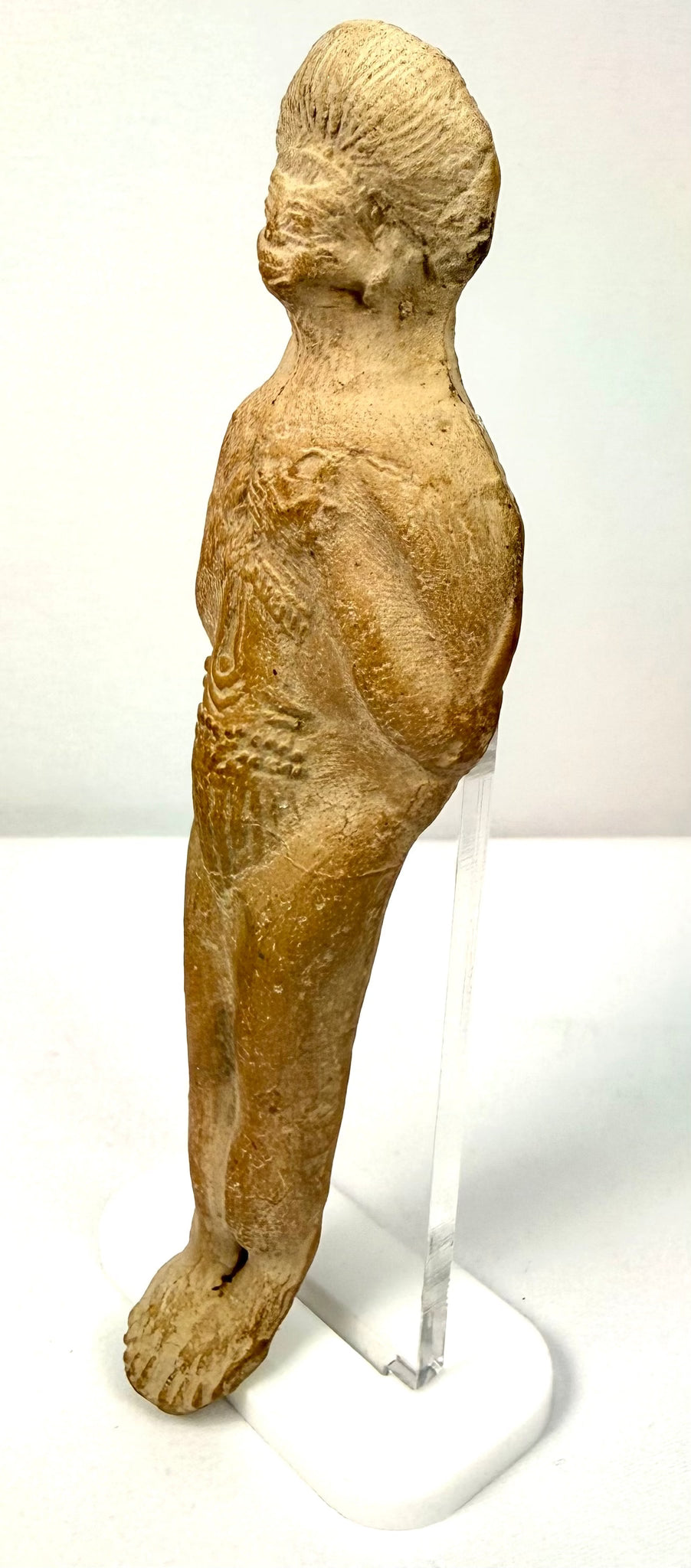
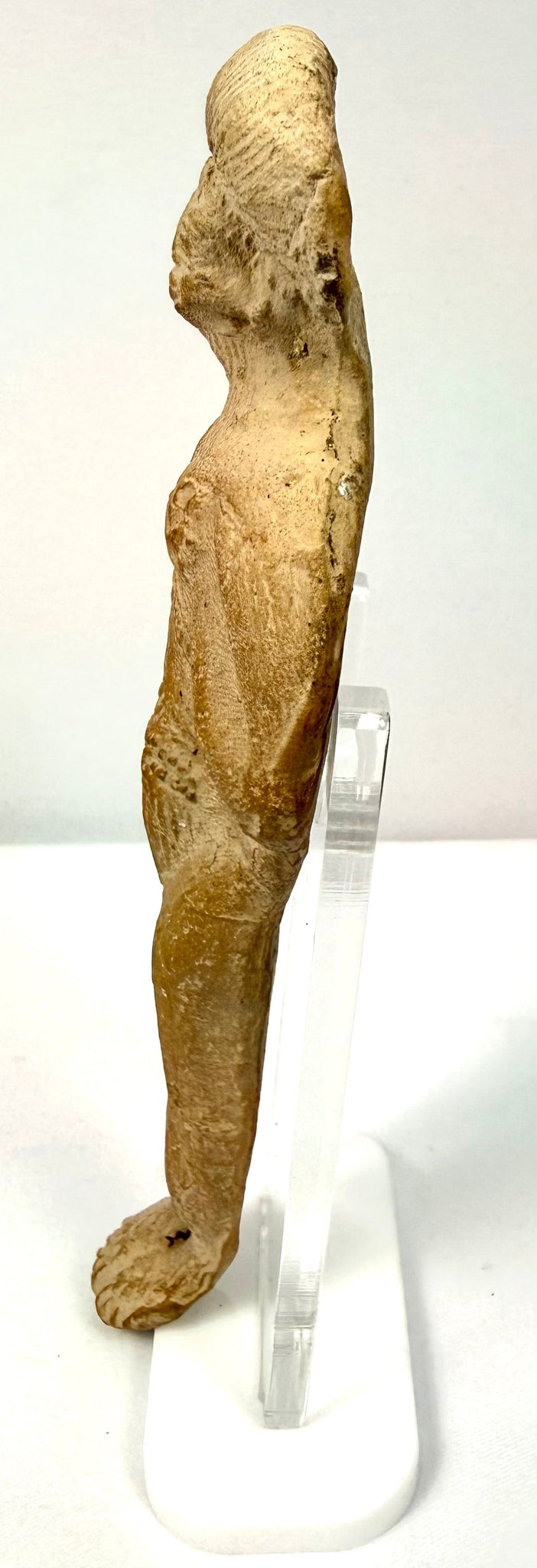
Esta figura de terracota es un excelente ejemplo del arte devocional romano, creado durante un periodo en que la fertilidad, la prosperidad y la protección divina eran fundamentales para la vida diaria y la práctica religiosa. Tales figuras se colocaban en santuarios domésticos, templos o tumbas como ofrendas votivas, invocando bendiciones de partos seguros, abundancia agrícola y bienestar familiar. La artesanía refleja la tradición romana de representar deidades de la fertilidad como Venus, Ceres o Isis, enfatizando la energía dadora de vida asociada con la intervención divina. Los brazos levantados de la figura y los detalles estilizados sugieren un gesto de invocación u ofrenda, lo que subraya su importancia ceremonial.
Características
- Expresión facial detallada con cabello estilizado, típico de las diosas romanas de la fertilidad
- Detalle intrincado del torso inciso, posiblemente representando vestimentas o adornos rituales
- Brazos levantados con dedos esculpidos en un gesto de ofrenda o invocación
- Depósitos minerales naturales y pátina terrosa de siglos de entierro
- Forma compacta adecuada para santuarios domésticos o uso en templos
Importancia cultural
Las figuras romanas de la fertilidad desempeñaron un papel vital tanto en el culto público como en el privado, sirviendo como amuletos protectores y objetos rituales. Su presencia en los hogares simbolizaba la protección divina, mientras que su uso en templos y tumbas reflejaba oraciones por la prosperidad, la fertilidad y un paso seguro al más allá. Accesibles tanto a las élites como a los ciudadanos comunes, estas figuras ilustran la devoción generalizada a los cultos de la fertilidad y la importancia de la prosperidad agrícola y familiar en la sociedad romana.
Estado
La figura muestra un envejecimiento natural, con un desgaste superficial menor y una meteorización consistente con un entierro prolongado. Los depósitos minerales y una pátina terrosa envejecida realzan su autenticidad. A pesar de los siglos, la pieza permanece estructuralmente estable con detalles tallados bien conservados, conservando su poder expresivo y resonancia espiritual.
Dimensiones (Aproximadas)
Altura: 5.5 in
Antigüedad (Aproximada)
1,700–1,900 años de antigüedad
Procedencia
Anteriormente en una destacada y antigua colección privada en Tavares, Florida, EE. UU.
Saber más
Explore la historia de las deidades de la fertilidad en Deidades femeninas de la fertilidad en la religión antigua
Explore nuestra colección de antigüedades romanas y griegas
Descripción
Contexto histórico y origen
Región: Antigua Roma
Material: Arcilla de terracota moldeada a mano
Periodo: Siglos I-III d.C.
Descripción
Esta figura de terracota es un excelente ejemplo del arte devocional romano, creado durante un periodo en que la fertilidad, la prosperidad y la protección divina eran fundamentales para la vida diaria y la práctica religiosa. Tales figuras se colocaban en santuarios domésticos, templos o tumbas como ofrendas votivas, invocando bendiciones de partos seguros, abundancia agrícola y bienestar familiar. La artesanía refleja la tradición romana de representar deidades de la fertilidad como Venus, Ceres o Isis, enfatizando la energía dadora de vida asociada con la intervención divina. Los brazos levantados de la figura y los detalles estilizados sugieren un gesto de invocación u ofrenda, lo que subraya su importancia ceremonial.
Características
- Expresión facial detallada con cabello estilizado, típico de las diosas romanas de la fertilidad
- Detalle intrincado del torso inciso, posiblemente representando vestimentas o adornos rituales
- Brazos levantados con dedos esculpidos en un gesto de ofrenda o invocación
- Depósitos minerales naturales y pátina terrosa de siglos de entierro
- Forma compacta adecuada para santuarios domésticos o uso en templos
Importancia cultural
Las figuras romanas de la fertilidad desempeñaron un papel vital tanto en el culto público como en el privado, sirviendo como amuletos protectores y objetos rituales. Su presencia en los hogares simbolizaba la protección divina, mientras que su uso en templos y tumbas reflejaba oraciones por la prosperidad, la fertilidad y un paso seguro al más allá. Accesibles tanto a las élites como a los ciudadanos comunes, estas figuras ilustran la devoción generalizada a los cultos de la fertilidad y la importancia de la prosperidad agrícola y familiar en la sociedad romana.
Estado
La figura muestra un envejecimiento natural, con un desgaste superficial menor y una meteorización consistente con un entierro prolongado. Los depósitos minerales y una pátina terrosa envejecida realzan su autenticidad. A pesar de los siglos, la pieza permanece estructuralmente estable con detalles tallados bien conservados, conservando su poder expresivo y resonancia espiritual.
Dimensiones (Aproximadas)
Altura: 5.5 in
Antigüedad (Aproximada)
1,700–1,900 años de antigüedad
Procedencia
Anteriormente en una destacada y antigua colección privada en Tavares, Florida, EE. UU.
Saber más
Explore la historia de las deidades de la fertilidad en Deidades femeninas de la fertilidad en la religión antigua
Explore nuestra colección de antigüedades romanas y griegas
También te puede interesar
