

Bol en céramique précolombien antique à décor ocre | Vers 300 av. J.-C. – 900 apr. J.-C.
- Prix habituel
- $400.00
- Prix soldé
- $400.00
- Prix habituel
Impossible de charger la disponibilité du service de retrait


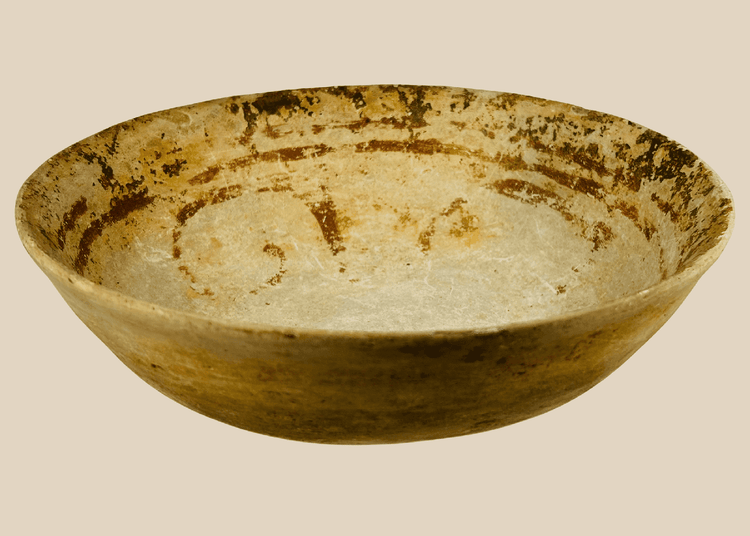
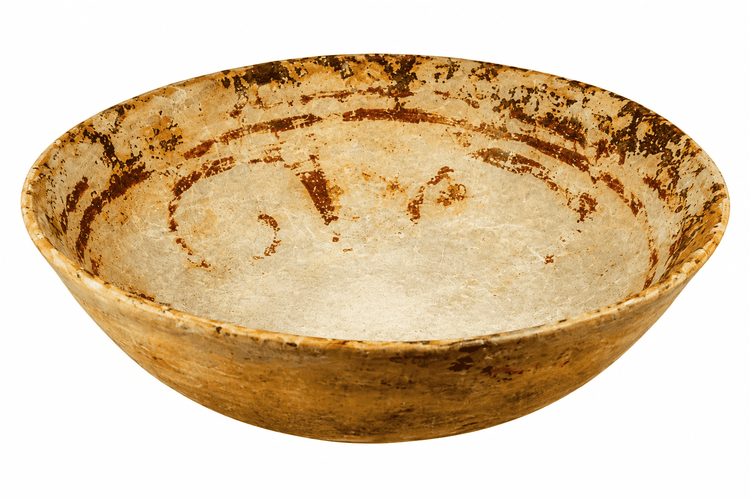
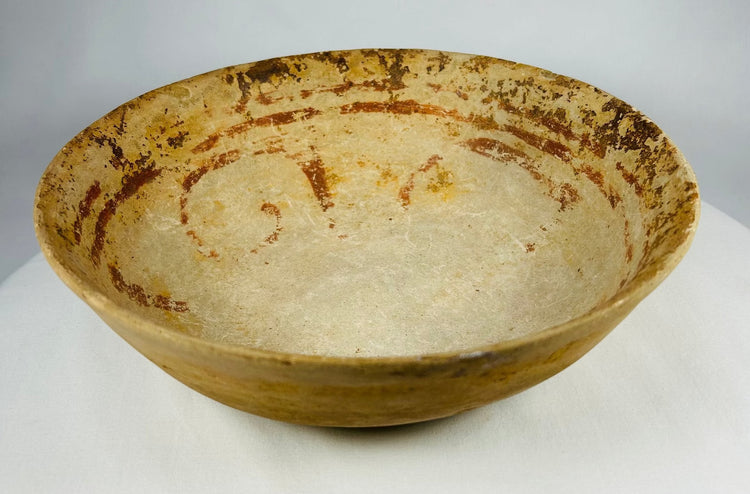
Bol en céramique précolombien antique à décor ocre | Vers 300 av. J.-C. – 900 apr. J.-C.
Description
Plus
Moins
Contexte historique et origine
Région : Amériques précolombiennes (probablement Mésoamérique ou Ouest du Mexique)
Matériau : Terre cuite façonnée à la main avec incrustations minérales et patine terreuse
Période : Vers 300 avant notre ère – 900 après notre ère
Description
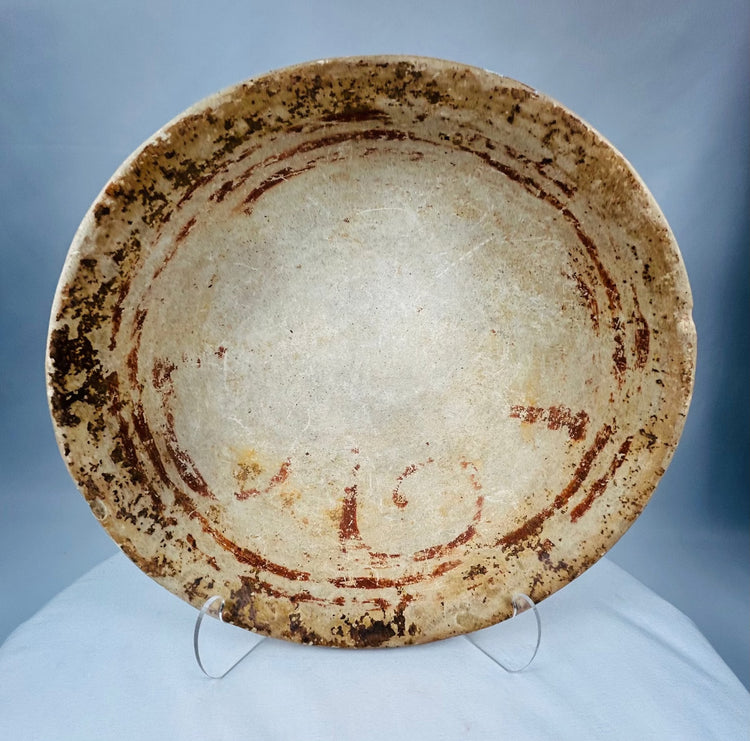
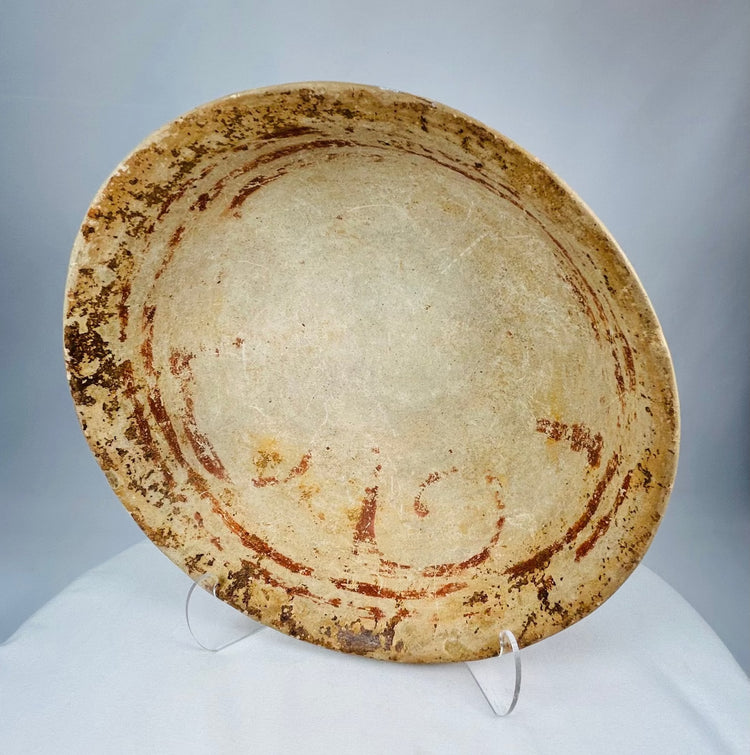
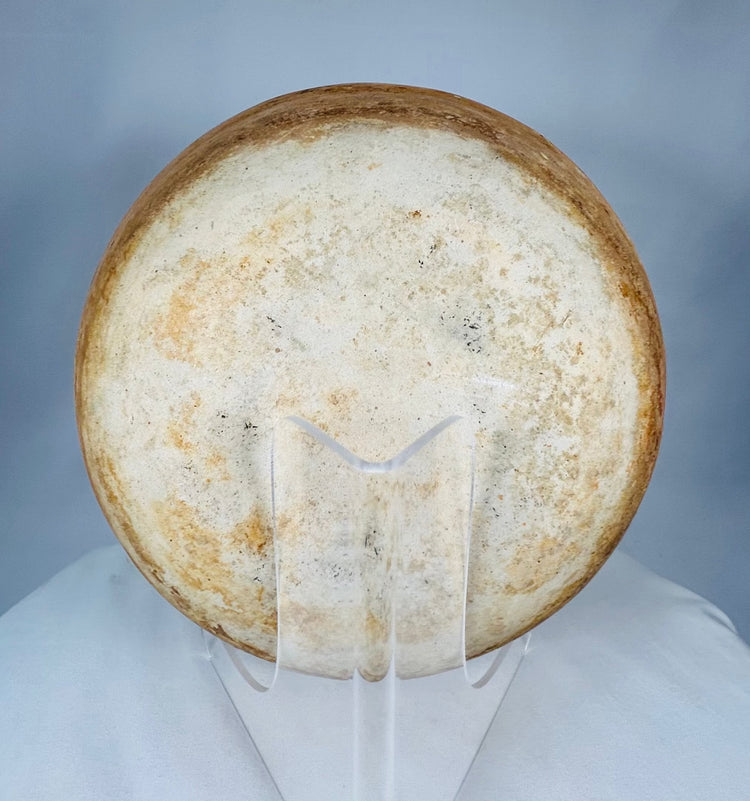
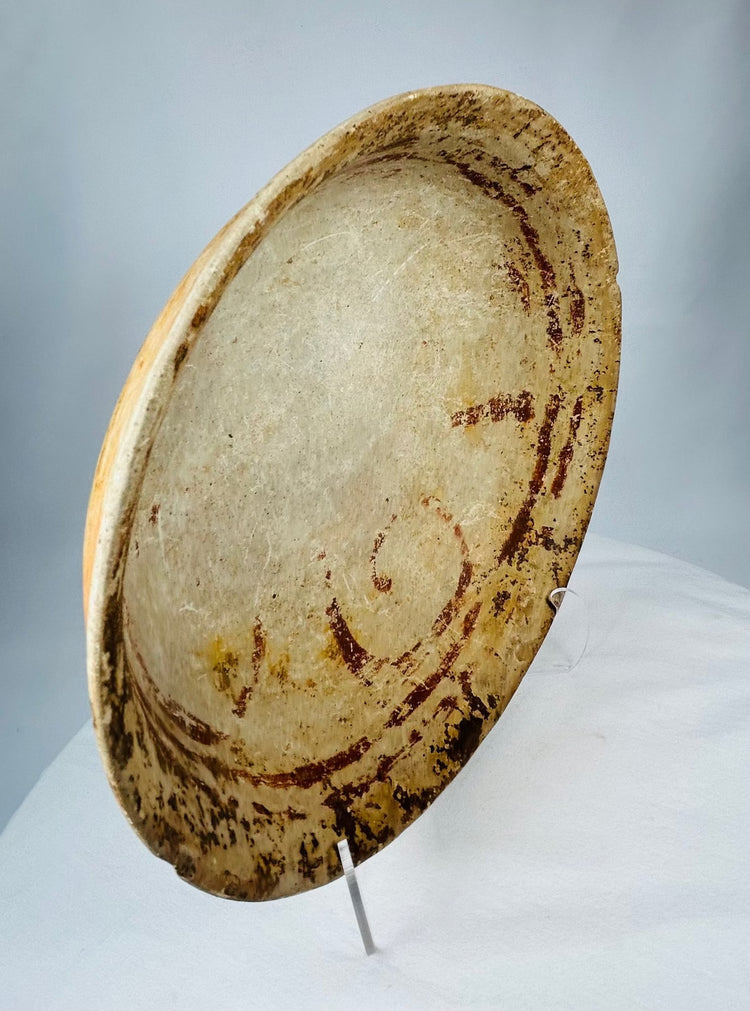
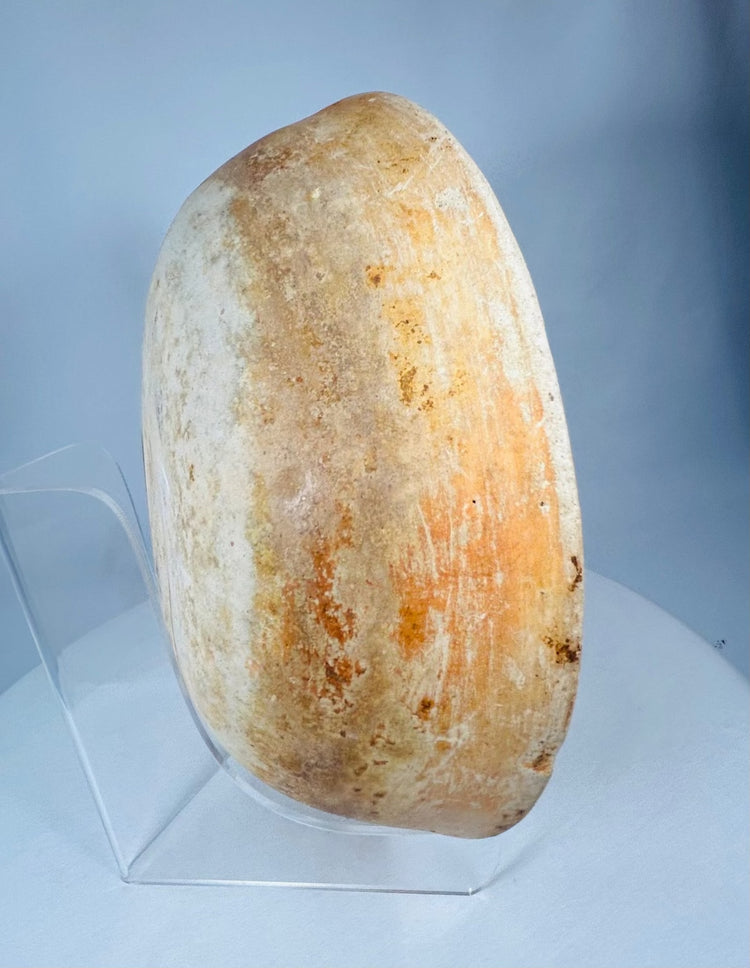
Cet impressionnant bol précolombien en terre cuite est un bel exemple de l'artisanat céramique ancien, distingué par son échelle généreuse, sa forme équilibrée et sa décoration peinte subtile. Le vase peu profond et à corps large présente une paroi légèrement incurvée et une large surface intérieure, décorée de pigments rouge-ocre pâles formant des bandes concentriques et des motifs abstraits – maintenant adoucis par des siècles d'âge et d'enfouissement.
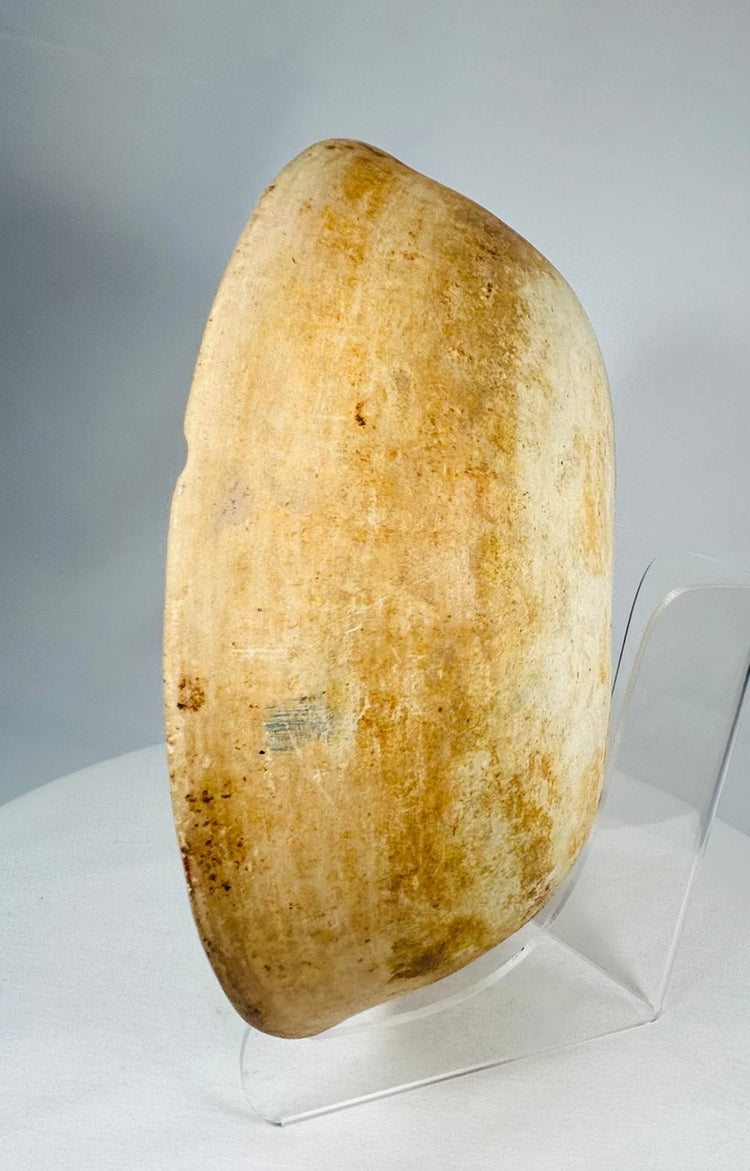
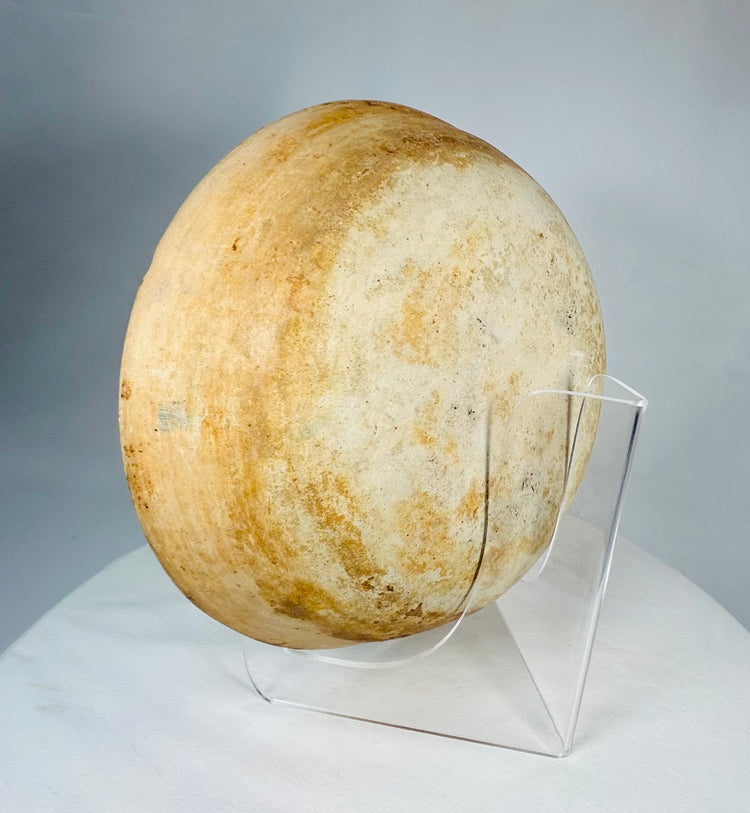
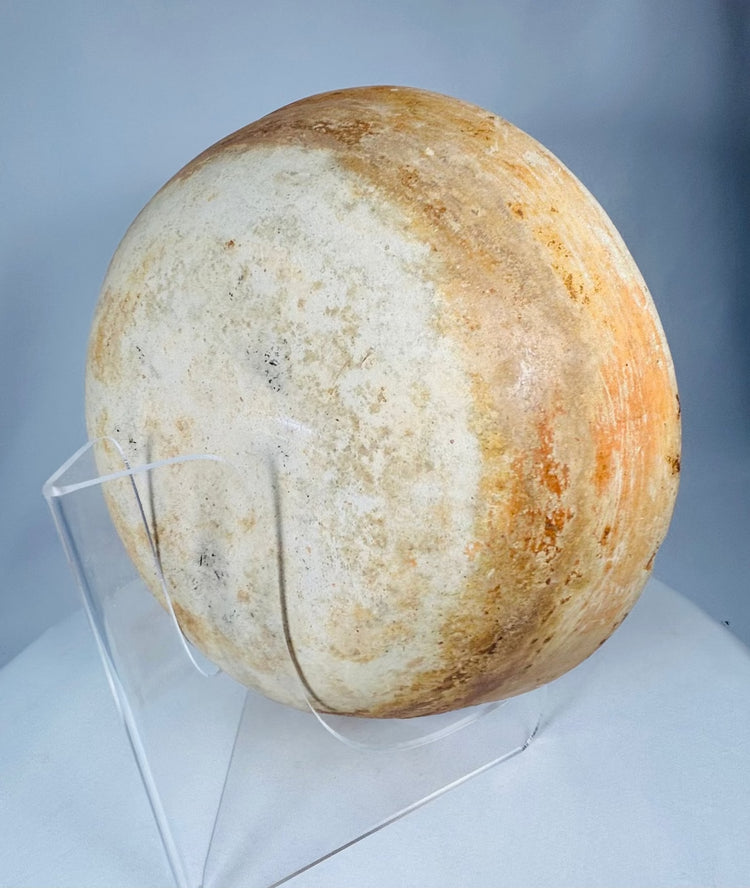
Façonné à la main plutôt qu'au tour, le bol présente des variations de cuisson naturelles, des concrétions minérales et une usure de surface cohérentes avec la production céramique ancienne à basse température. Les récipients de ce type étaient probablement utilisés dans des contextes rituels, cérémoniels ou communautaires, éventuellement associés à des offrandes, à la préparation de nourriture pour des rassemblements, ou à une présentation symbolique au sein des sociétés précolombiennes.
Caractéristiques
- Bol authentique en terre cuite précolombienne
- Forme large et peu profonde avec des proportions équilibrées
- Traces de la décoration originale peinte à l'ocre rouge
- Céramique façonnée à la main sans utilisation de tour
- Tons terreux naturels avec concrétions minérales et patine d'enfouissement
Signification culturelle
Les bols en céramique jouaient un rôle essentiel dans la vie quotidienne et rituelle précolombienne, servant à la fois des fins pratiques et symboliques. Les exemples décorés comme celui-ci portaient souvent une signification culturelle liée à la cérémonie, à la subsistance et à l'identité communautaire.
État
Très bel état ancien authentique. Usure de surface attendue, dépôts minéraux, abrasions et décoloration des pigments, cohérents avec l'âge et l'enfouissement. Structurellement sain et stable. Aucune réparation ou restauration moderne observée.
Dimensions (Approximatives)
Diamètre : 24,4 cm
Âge (Approximatif)
1 100 à 2 300 ans
Provenance
Issu d'une collection privée à Ottawa, Ontario. Le propriétaire était un collectionneur passionné d'art et d'artefacts précolombiens qui a beaucoup voyagé en Amérique du Sud. Après son décès, la collection a été liquidée par la famille.
En savoir plus
Explorez l'art céramique précolombien au Metropolitan Museum of Art
Découvrez notre Collection d'Artefacts et Reliques Précolombiens Anciens de Relic & Rarity
Description
Contexte historique et origine
Région : Amériques précolombiennes (probablement Mésoamérique ou Ouest du Mexique)
Matériau : Terre cuite façonnée à la main avec incrustations minérales et patine terreuse
Période : Vers 300 avant notre ère – 900 après notre ère
Description
Cet impressionnant bol précolombien en terre cuite est un bel exemple de l'artisanat céramique ancien, distingué par son échelle généreuse, sa forme équilibrée et sa décoration peinte subtile. Le vase peu profond et à corps large présente une paroi légèrement incurvée et une large surface intérieure, décorée de pigments rouge-ocre pâles formant des bandes concentriques et des motifs abstraits – maintenant adoucis par des siècles d'âge et d'enfouissement.
Façonné à la main plutôt qu'au tour, le bol présente des variations de cuisson naturelles, des concrétions minérales et une usure de surface cohérentes avec la production céramique ancienne à basse température. Les récipients de ce type étaient probablement utilisés dans des contextes rituels, cérémoniels ou communautaires, éventuellement associés à des offrandes, à la préparation de nourriture pour des rassemblements, ou à une présentation symbolique au sein des sociétés précolombiennes.
Caractéristiques
- Bol authentique en terre cuite précolombienne
- Forme large et peu profonde avec des proportions équilibrées
- Traces de la décoration originale peinte à l'ocre rouge
- Céramique façonnée à la main sans utilisation de tour
- Tons terreux naturels avec concrétions minérales et patine d'enfouissement
Signification culturelle
Les bols en céramique jouaient un rôle essentiel dans la vie quotidienne et rituelle précolombienne, servant à la fois des fins pratiques et symboliques. Les exemples décorés comme celui-ci portaient souvent une signification culturelle liée à la cérémonie, à la subsistance et à l'identité communautaire.
État
Très bel état ancien authentique. Usure de surface attendue, dépôts minéraux, abrasions et décoloration des pigments, cohérents avec l'âge et l'enfouissement. Structurellement sain et stable. Aucune réparation ou restauration moderne observée.
Dimensions (Approximatives)
Diamètre : 24,4 cm
Âge (Approximatif)
1 100 à 2 300 ans
Provenance
Issu d'une collection privée à Ottawa, Ontario. Le propriétaire était un collectionneur passionné d'art et d'artefacts précolombiens qui a beaucoup voyagé en Amérique du Sud. Après son décès, la collection a été liquidée par la famille.
En savoir plus
Explorez l'art céramique précolombien au Metropolitan Museum of Art
Découvrez notre Collection d'Artefacts et Reliques Précolombiens Anciens de Relic & Rarity
Vous aimerez peut-être aussi
