


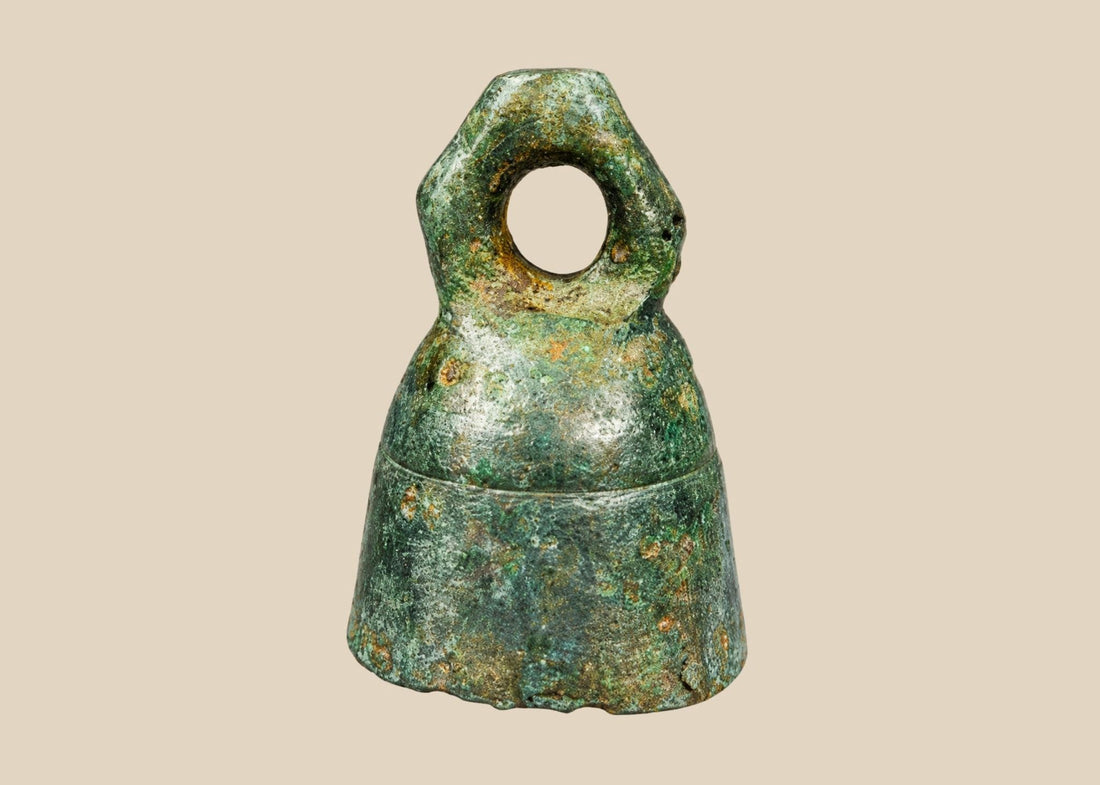
Romain antique | Cloche en bronze | Vers le Ier-IVe siècle de notre ère
- Prix habituel
- $286.00
- Prix soldé
- $286.00
- Prix habituel
Impossible de charger la disponibilité du service de retrait


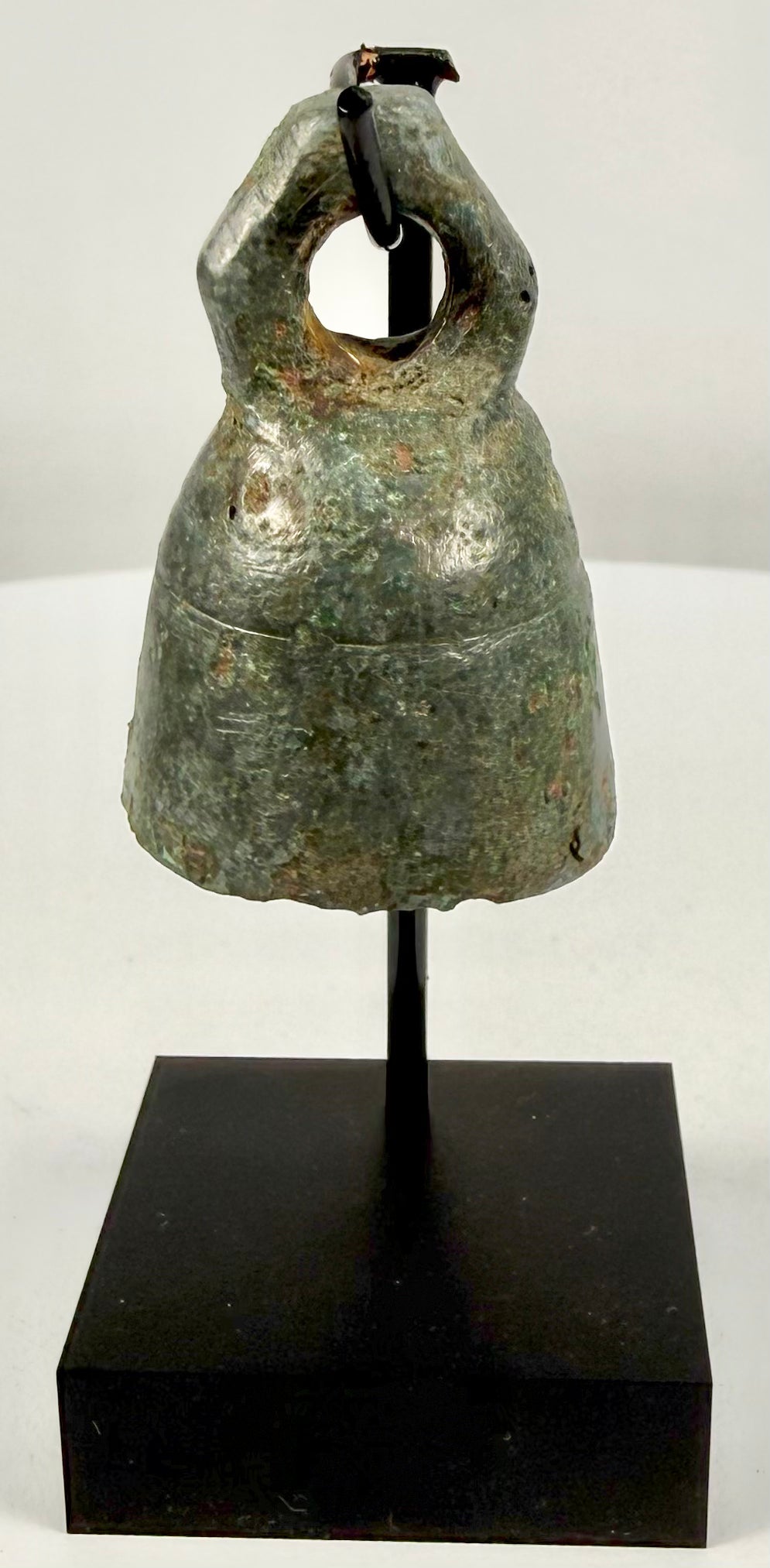
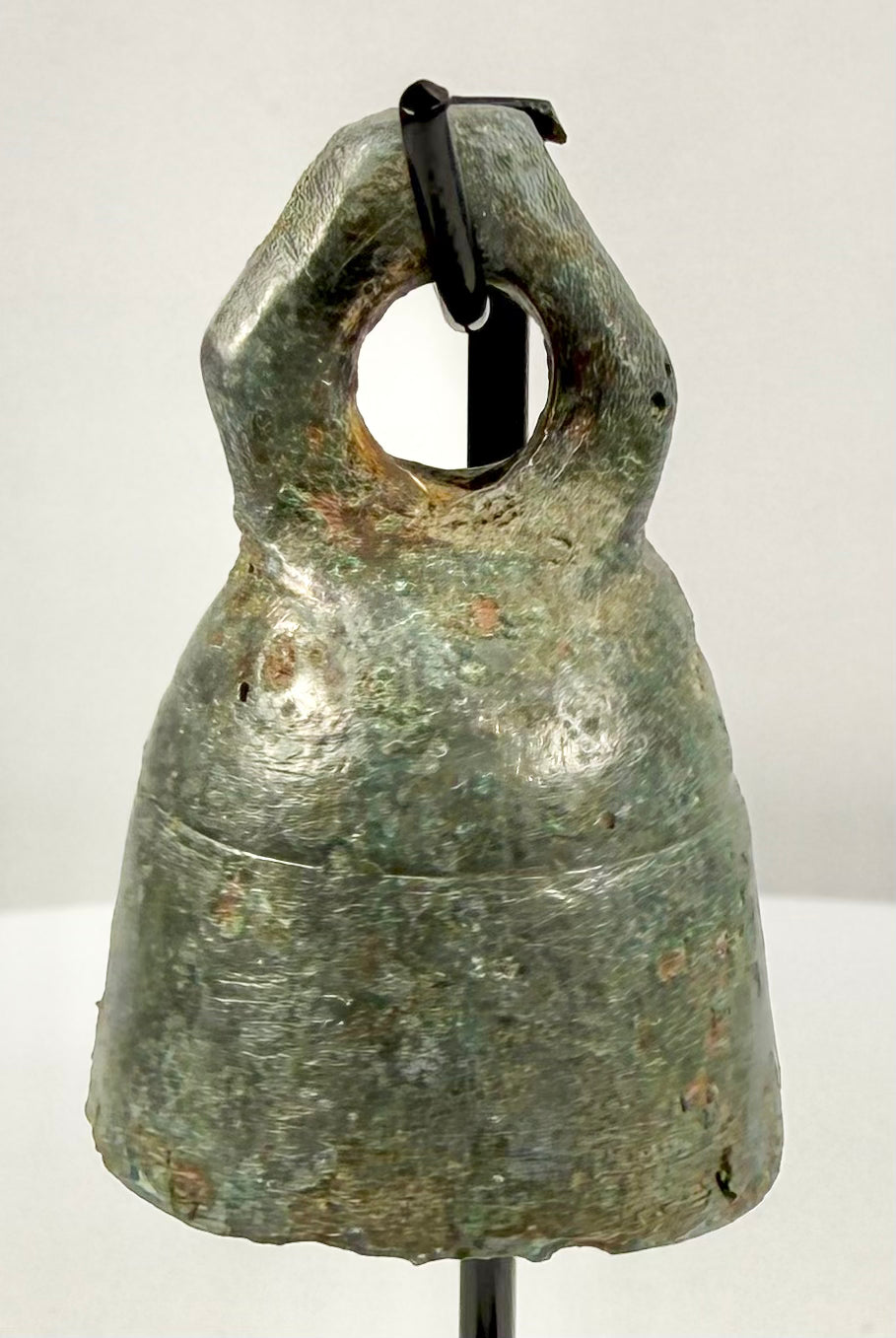
Romain antique | Cloche en bronze | Vers le Ier-IVe siècle de notre ère
Description
Plus
Moins
Contexte historique et origine
Région : Empire romain
Matériau : Bronze coulé
Période : 1er-4e siècle de notre ère
Description
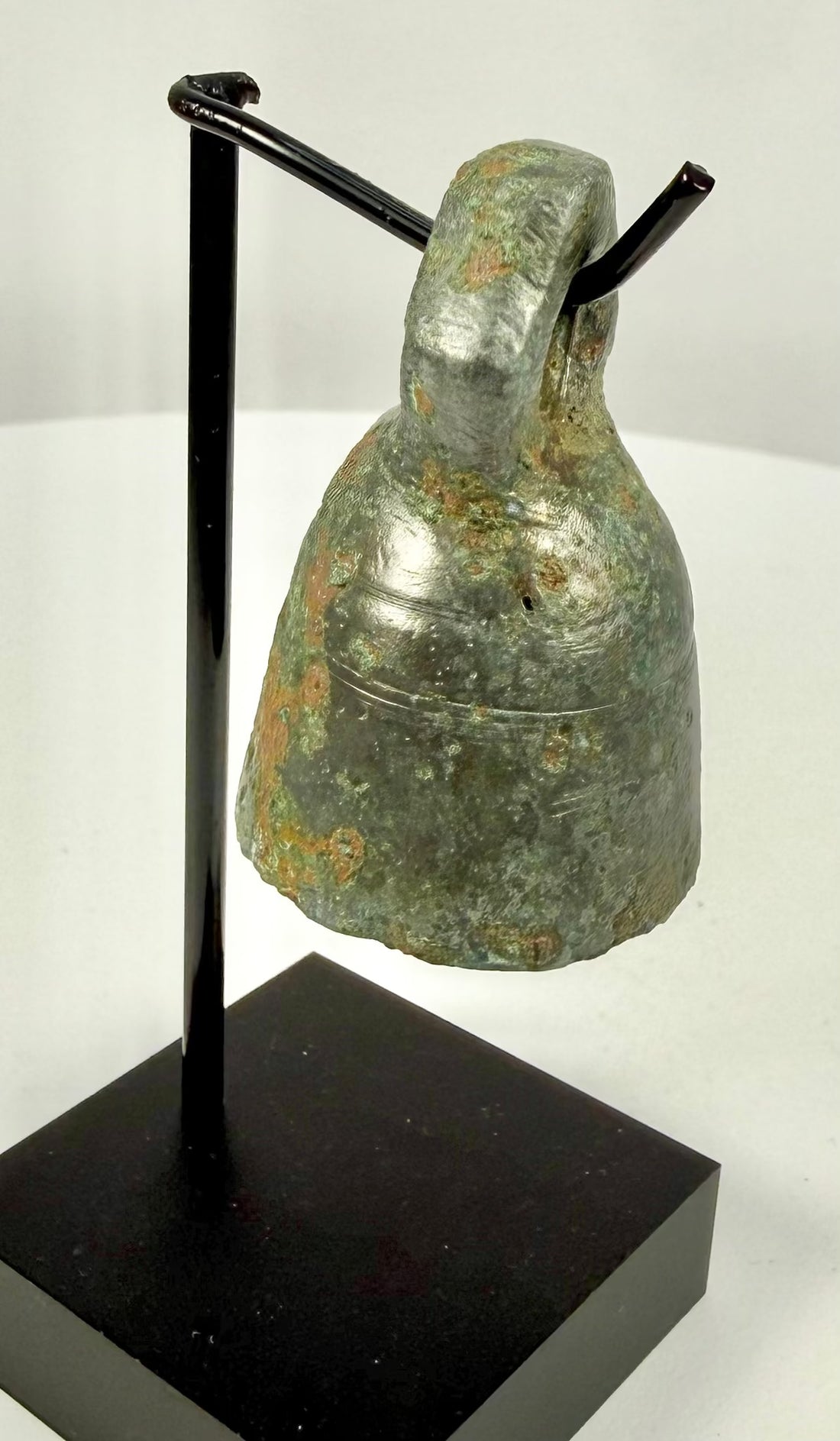
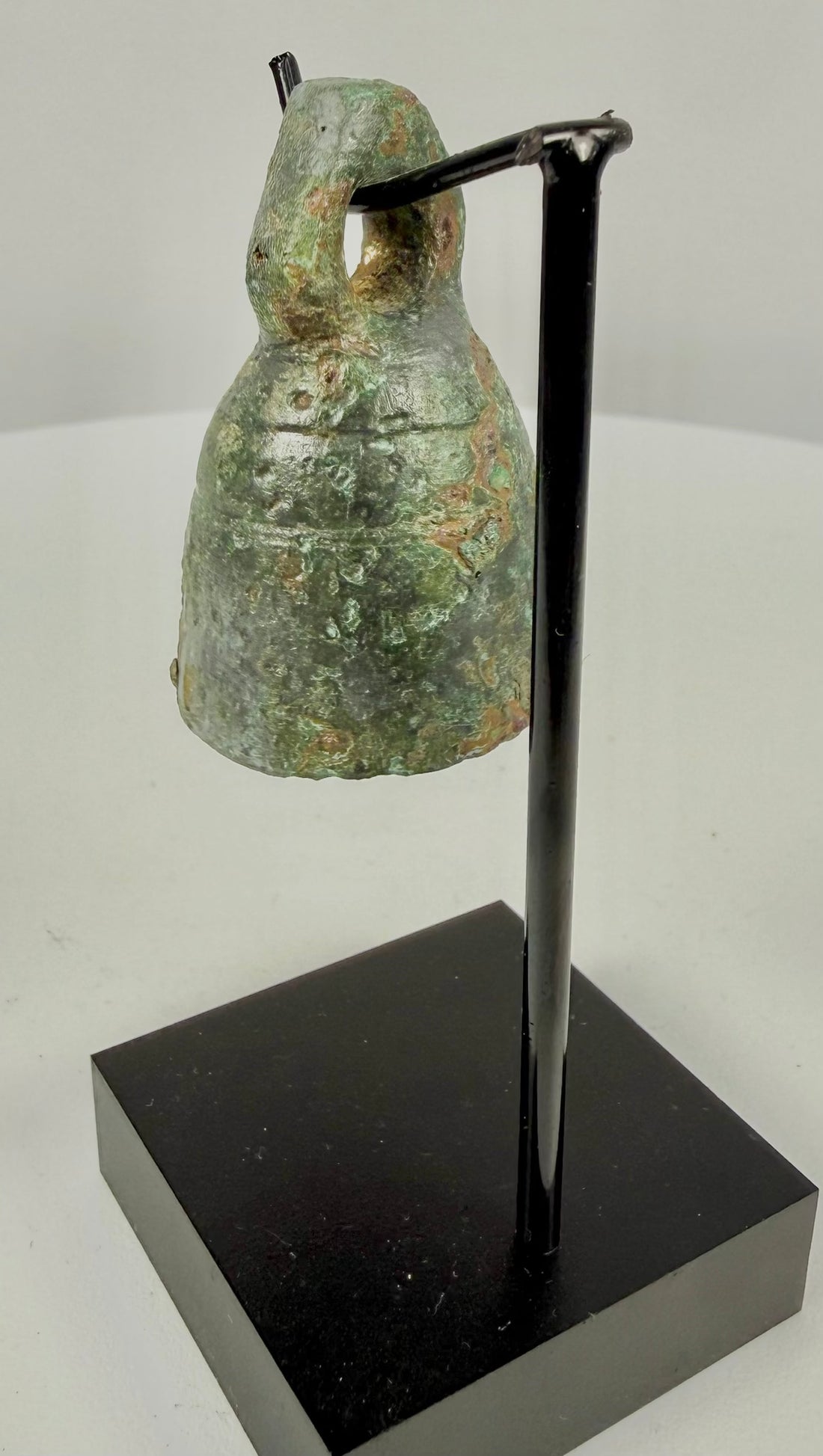
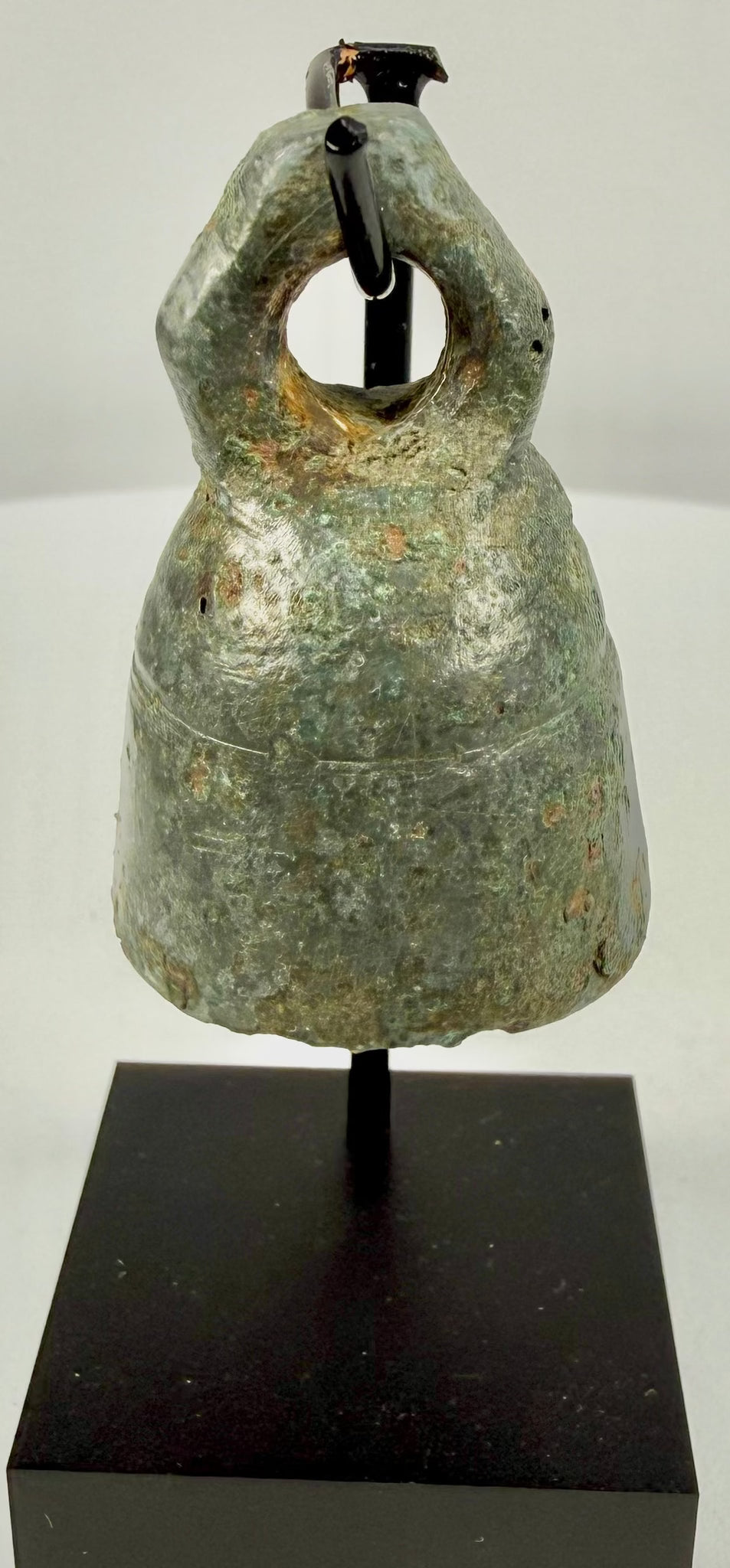
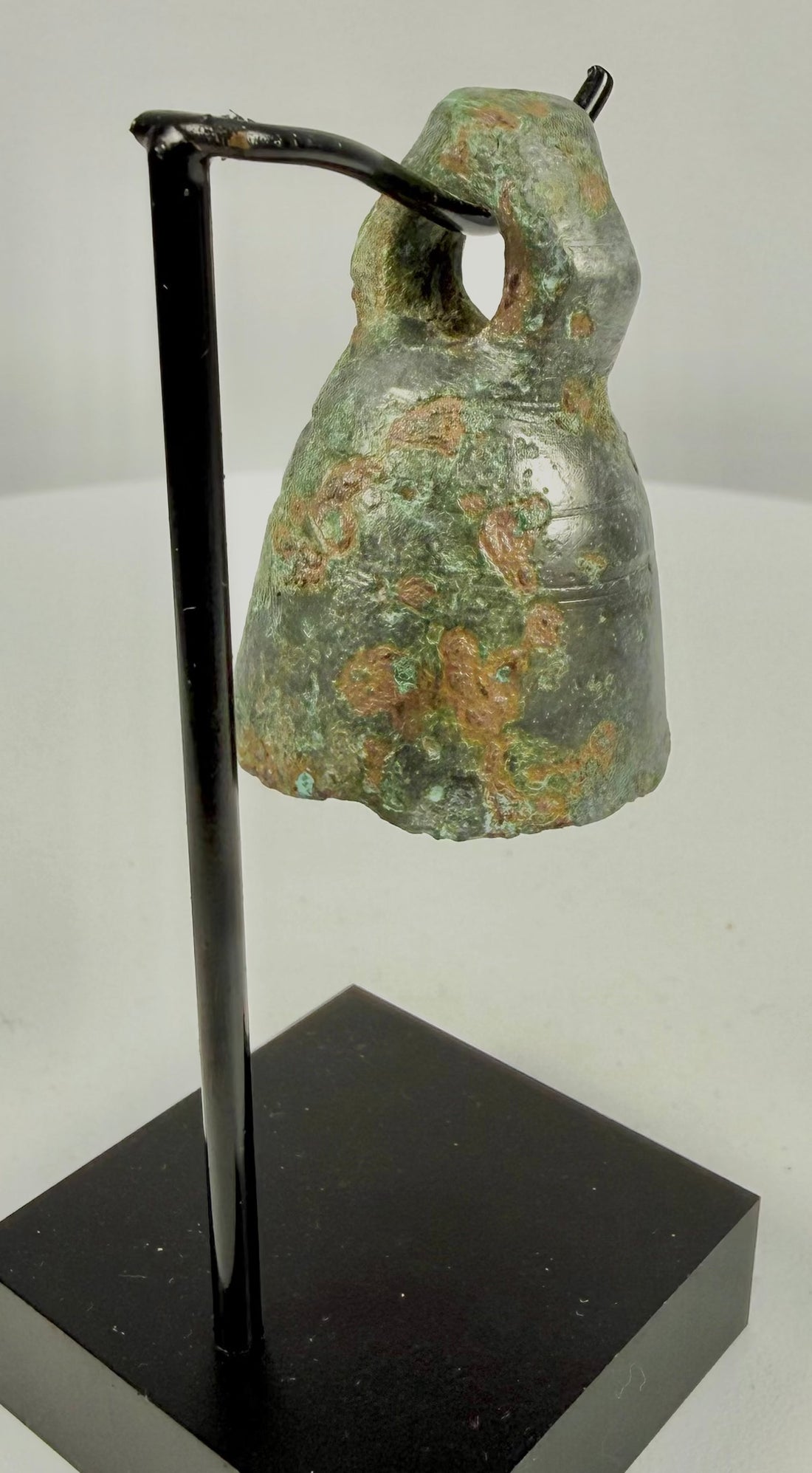
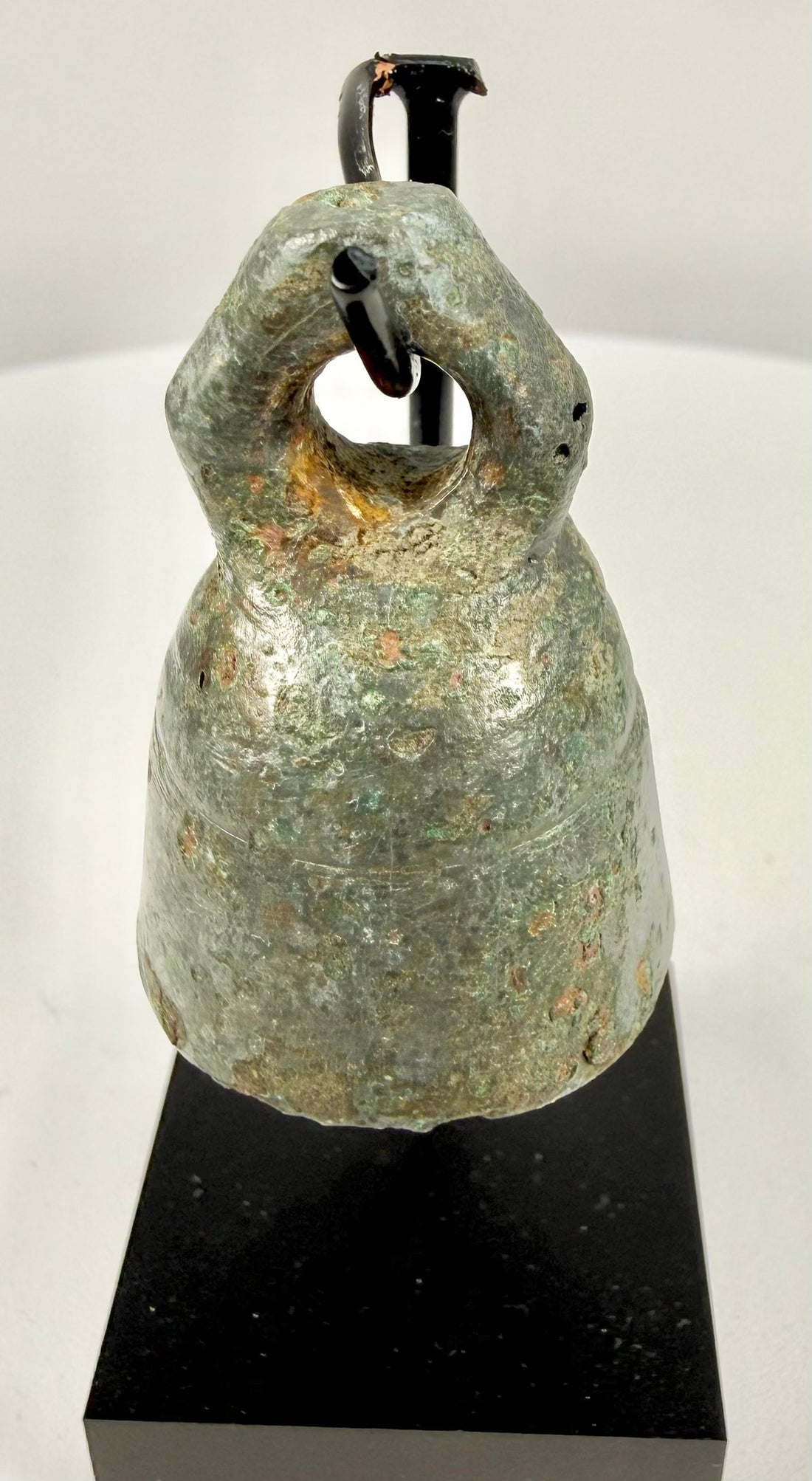
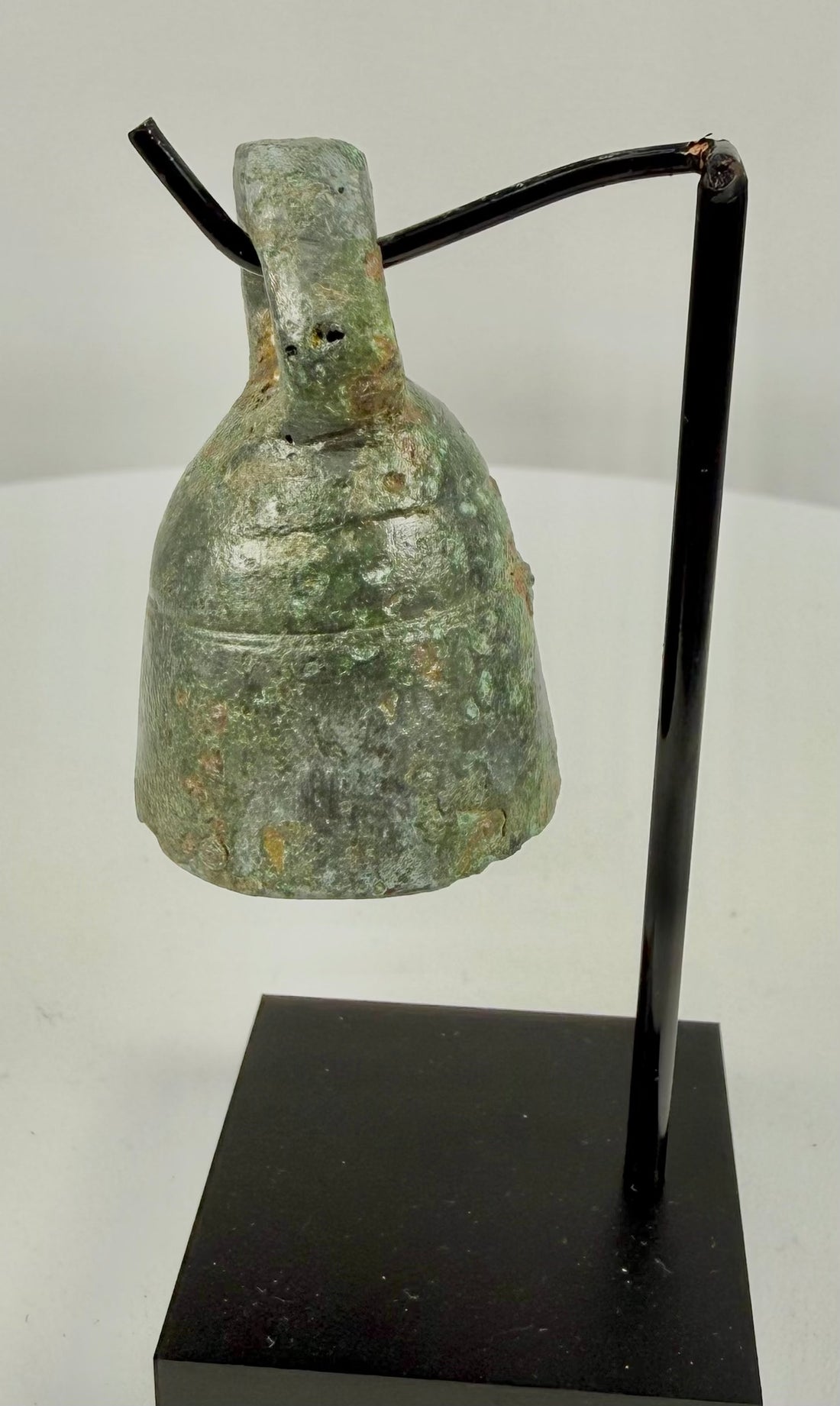
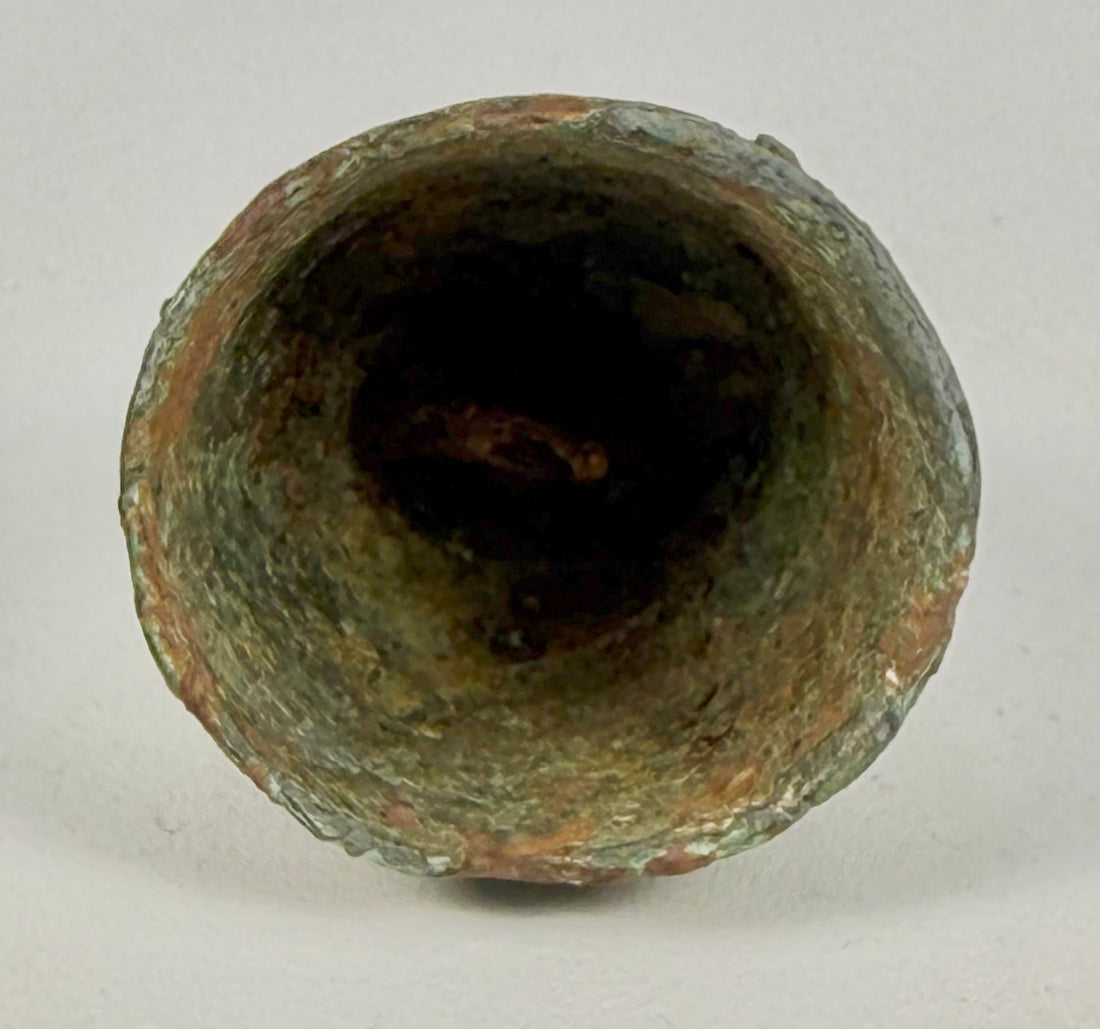
Cette petite cloche en bronze, finement travaillée, est un exemple remarquable de la vie quotidienne et des pratiques rituelles romaines. Les cloches jouaient un rôle polyvalent dans la société romaine : utilisées dans les temples lors des cérémonies religieuses, par les soldats pour signaler dans les camps, et dans les maisons ou sur les harnais d'animaux comme amulettes protectrices. Moulé en bronze massif, cet exemplaire présente une poignée de suspension en boucle et a développé une riche patine verte et brune au fil des siècles. Sa taille compacte suggère qu'il aurait pu être porté comme amulette, accroché à une porte, ou fixé à un harnais, ayant ainsi une signification à la fois fonctionnelle et spirituelle.
Caractéristiques
- Construction en bronze massif coulé avec poignée de suspension en boucle
- Riche patine verte et brune due à un enfouissement prolongé et à l'oxydation
- Taille compacte adaptée pour une amulette, un harnais ou un usage domestique
- Rôle symbolique et fonctionnel dans la vie religieuse, militaire et domestique romaine
- Montée sur un présentoir de style musée sur mesure
Signification culturelle
Les cloches étaient profondément symboliques dans la société romaine, censées éloigner les mauvais esprits, le malheur et les mauvais présages. Leur présence dans les temples et les maisons démontre leur importance spirituelle, tandis que leur utilisation pratique dans les camps militaires souligne leur polyvalence fonctionnelle. Posséder un tel artefact offre un lien direct avec les croyances protectrices et les pratiques quotidiennes de la vie romaine.
Condition
La cloche est structurellement intacte, avec sa boucle de suspension bien conservée. La surface présente une patine naturellement vieillie avec une usure mineure et une corrosion conformes à son ancienneté. Ces caractéristiques confirment son authenticité et renforcent son attrait en tant qu'artefact ancien.
Dimensions (approximatives)
Hauteur : 4,45 cm
Largeur : 3,81 cm
Âge (approximatif)
1 600–1 900 ans
Provenance
Faisait autrefois partie de la collection privée de David Van Vleck Jr., Brooklyn, New York, États-Unis, un collectionneur de longue date dont les avoirs comprenaient des antiquités classiques, des pièces de monnaie anciennes et de petites œuvres en bronze. Acquise par le collectionneur dans les années 1990 et par la suite gérée par la Palmyra Heritage Gallery, New York, New York, États-Unis. La pièce est ensuite entrée dans une collection privée à North York, Ontario, Canada.
En savoir plus
Explorez la recherche sur les cloches rituelles romaines à L'utilisation rituelle des cloches dans le monde romain
Parcourez notre Collection de cloches rituelles anciennes
Description
Contexte historique et origine
Région : Empire romain
Matériau : Bronze coulé
Période : 1er-4e siècle de notre ère
Description
Cette petite cloche en bronze, finement travaillée, est un exemple remarquable de la vie quotidienne et des pratiques rituelles romaines. Les cloches jouaient un rôle polyvalent dans la société romaine : utilisées dans les temples lors des cérémonies religieuses, par les soldats pour signaler dans les camps, et dans les maisons ou sur les harnais d'animaux comme amulettes protectrices. Moulé en bronze massif, cet exemplaire présente une poignée de suspension en boucle et a développé une riche patine verte et brune au fil des siècles. Sa taille compacte suggère qu'il aurait pu être porté comme amulette, accroché à une porte, ou fixé à un harnais, ayant ainsi une signification à la fois fonctionnelle et spirituelle.
Caractéristiques
- Construction en bronze massif coulé avec poignée de suspension en boucle
- Riche patine verte et brune due à un enfouissement prolongé et à l'oxydation
- Taille compacte adaptée pour une amulette, un harnais ou un usage domestique
- Rôle symbolique et fonctionnel dans la vie religieuse, militaire et domestique romaine
- Montée sur un présentoir de style musée sur mesure
Signification culturelle
Les cloches étaient profondément symboliques dans la société romaine, censées éloigner les mauvais esprits, le malheur et les mauvais présages. Leur présence dans les temples et les maisons démontre leur importance spirituelle, tandis que leur utilisation pratique dans les camps militaires souligne leur polyvalence fonctionnelle. Posséder un tel artefact offre un lien direct avec les croyances protectrices et les pratiques quotidiennes de la vie romaine.
Condition
La cloche est structurellement intacte, avec sa boucle de suspension bien conservée. La surface présente une patine naturellement vieillie avec une usure mineure et une corrosion conformes à son ancienneté. Ces caractéristiques confirment son authenticité et renforcent son attrait en tant qu'artefact ancien.
Dimensions (approximatives)
Hauteur : 4,45 cm
Largeur : 3,81 cm
Âge (approximatif)
1 600–1 900 ans
Provenance
Faisait autrefois partie de la collection privée de David Van Vleck Jr., Brooklyn, New York, États-Unis, un collectionneur de longue date dont les avoirs comprenaient des antiquités classiques, des pièces de monnaie anciennes et de petites œuvres en bronze. Acquise par le collectionneur dans les années 1990 et par la suite gérée par la Palmyra Heritage Gallery, New York, New York, États-Unis. La pièce est ensuite entrée dans une collection privée à North York, Ontario, Canada.
En savoir plus
Explorez la recherche sur les cloches rituelles romaines à L'utilisation rituelle des cloches dans le monde romain
Parcourez notre Collection de cloches rituelles anciennes
Vous aimerez peut-être aussi
