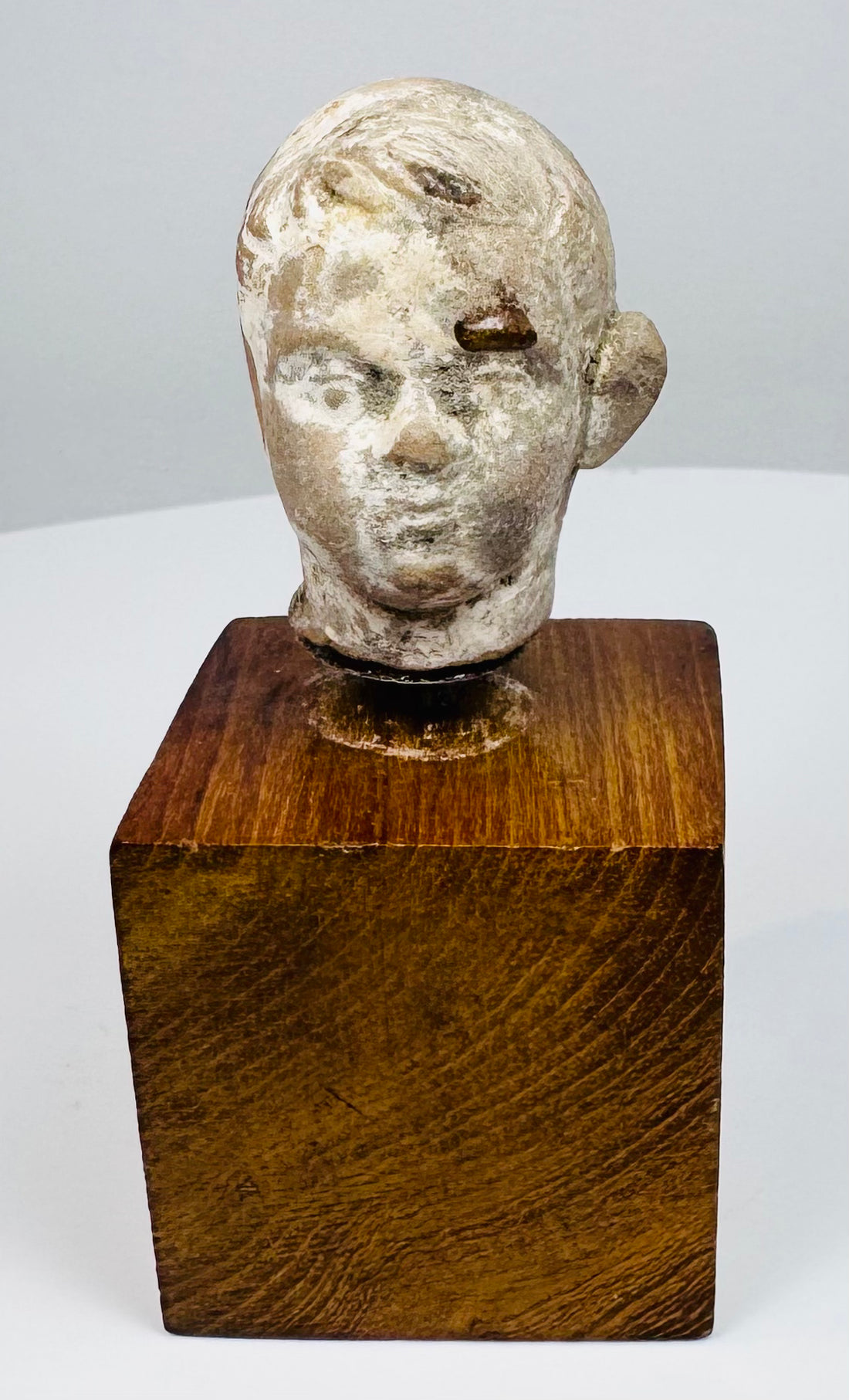
Tête de garçon en céramique gréco-romaine | IIe siècle av. J.-C. | Ier siècle apr. J.-C.

Historique de provenance et de propriété

Anciennement conservé dans une collection privée à Columbia, Maryland, États-Unis. A ensuite été géré en 2024 par Montgomery Auction, une maison de vente aux enchères basée à Columbia, desservant la région métropolitaine de Washington, D.C. et spécialisée dans les beaux-arts, les antiquités et les collections de succession.

Prix habituel
$400.00
Prix soldé
$400.00
Prix habituel
Frais de port calculés à la caisse.

This is a one-of-a-kind historical object. Once sold, this exact piece will not be restocked.

Questions before acquiring? Additional photographs, condition details, documentation, shipping information or a private viewing are available upon request.
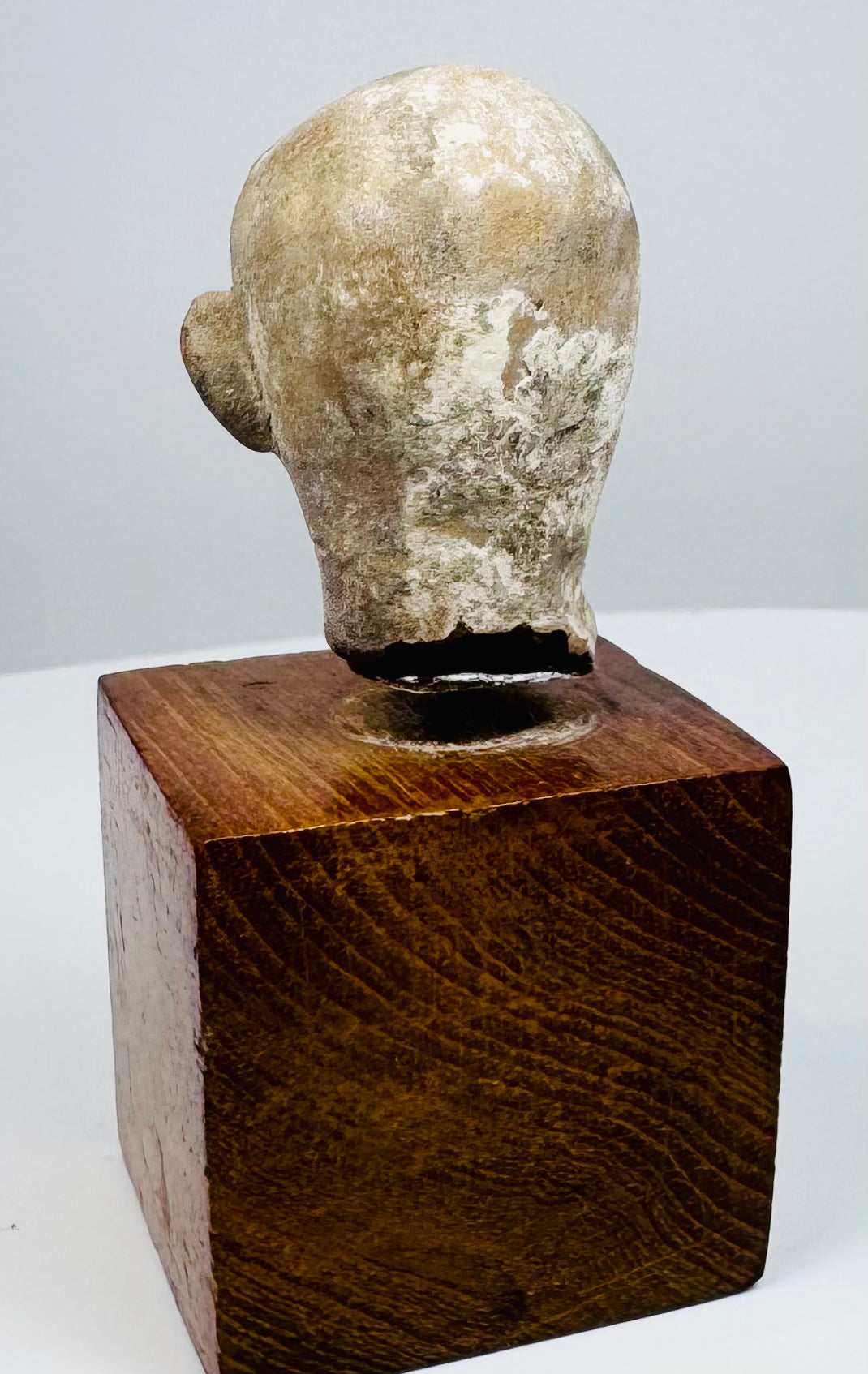
Ancient Greco-Roman terracotta head of a faun with softly modelled facial features, mineral deposits, and archaeological surface wear.
Rotating presentation of an ancient Greco-Roman terracotta head of a faun, 1st century BCE–1st century CE, featuring a prominent ear, almond-shaped eyes, swept-groove hair, surviving white slip, reddish-brown pigment, and archaeological surface wear.
Late Hellenistic to Early Roman terracotta faun head fragment with swept-groove hair and weathered facial modelling.
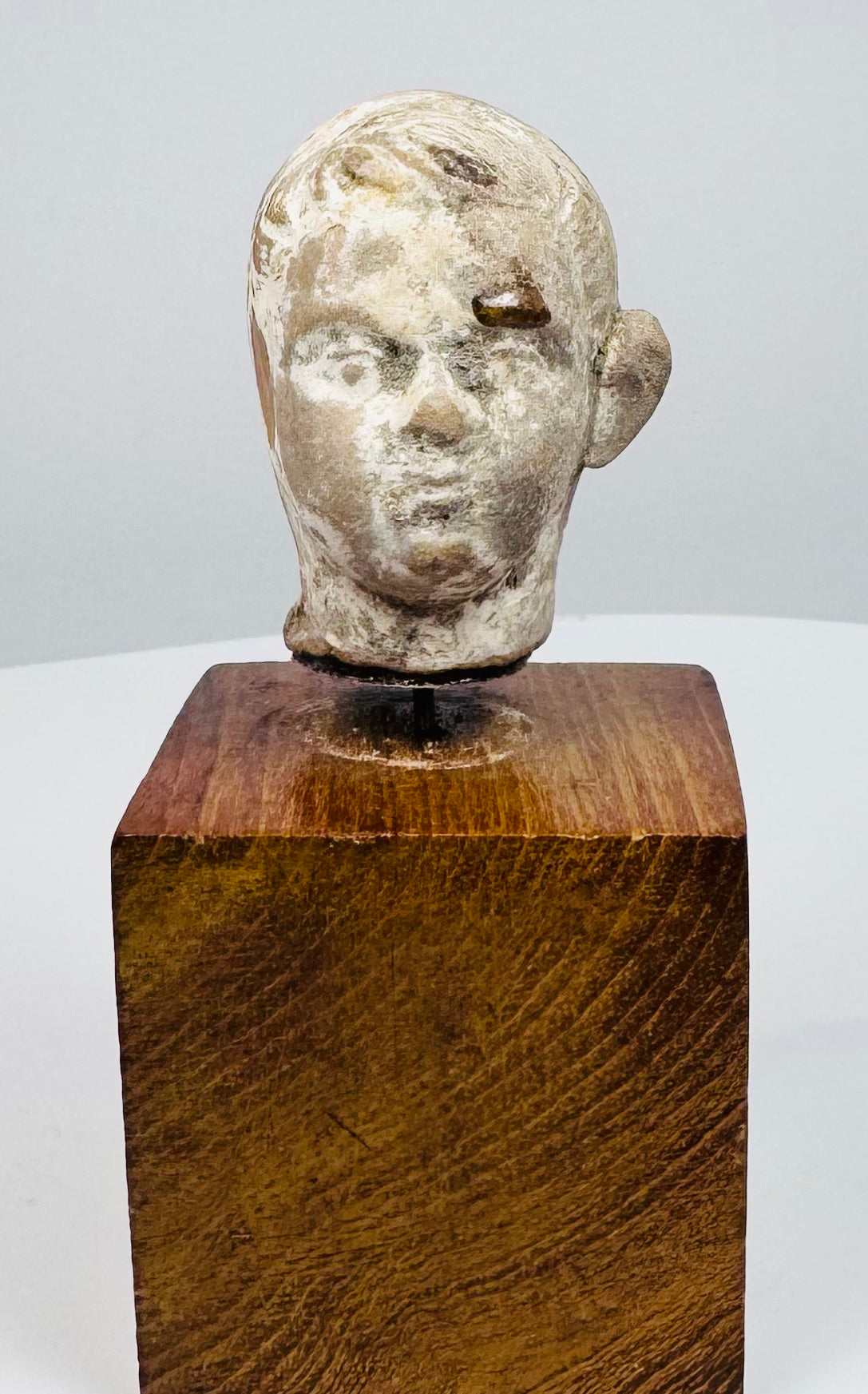
Ancient terracotta faun head with rounded cheeks, almond-shaped eyes, and a prominent surviving ear.
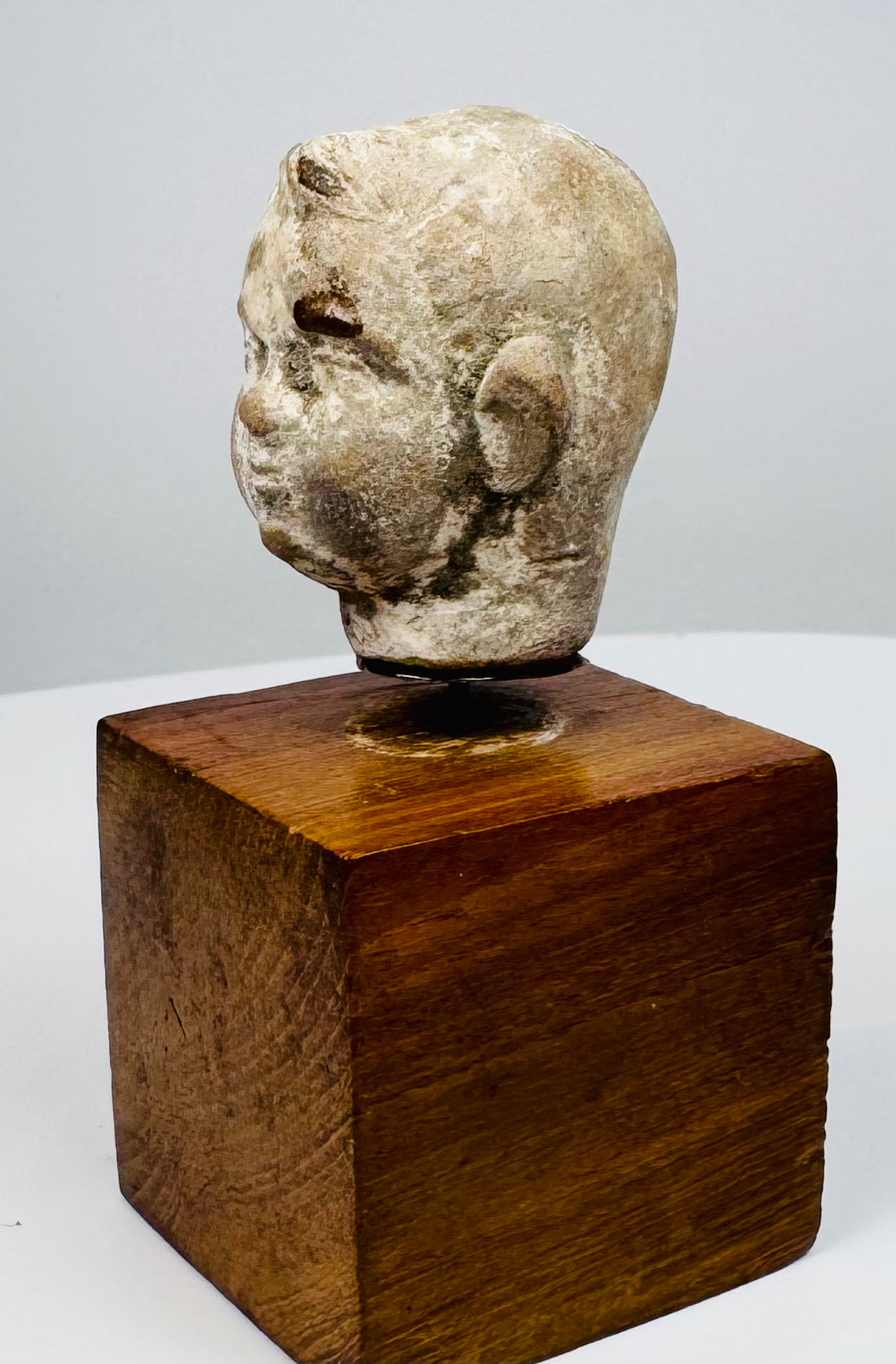
Greco-Roman terracotta faun fragment featuring a short projecting nose, softly modelled jawline, and prominent ear.
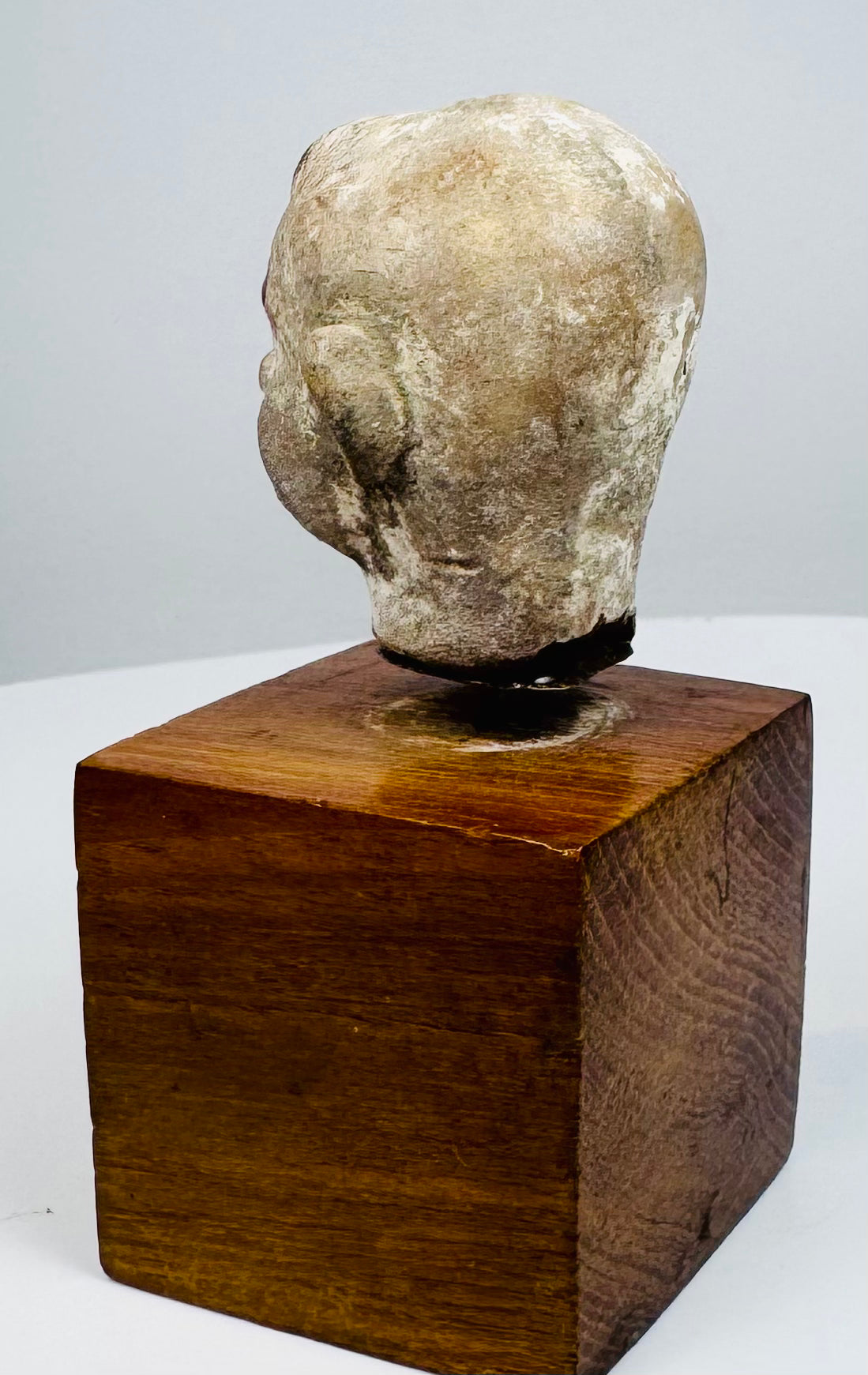
Ancient terracotta head of a faun with rounded skull, archaeological surface wear, and irregular break at the neck.
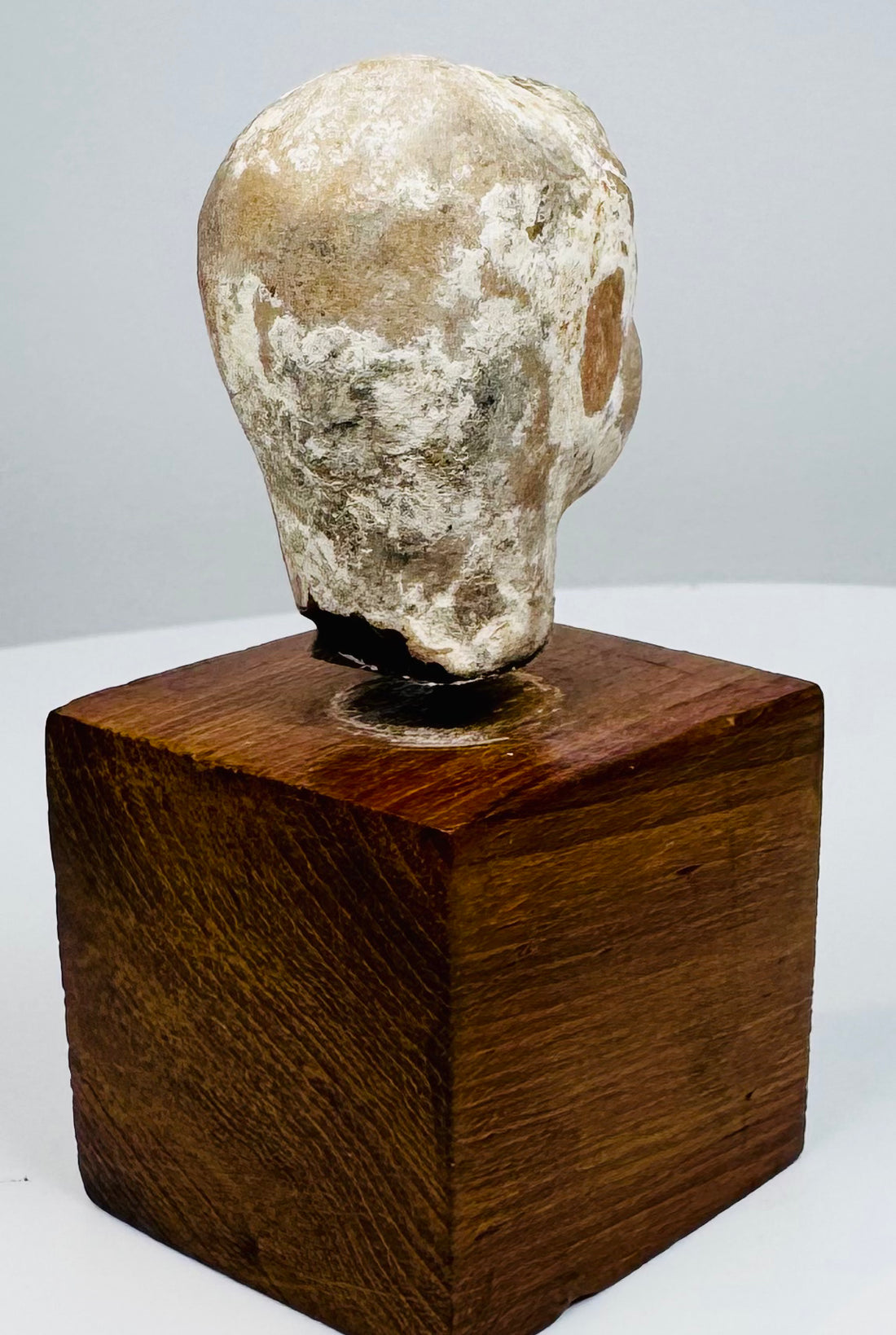
Ancient Greco-Roman faun head fragment with surviving terracotta surface texture and traces of ancient mineral deposits.
Late Hellenistic terracotta faun head with mottled surface wear, surviving white slip, and fragmentary neck.
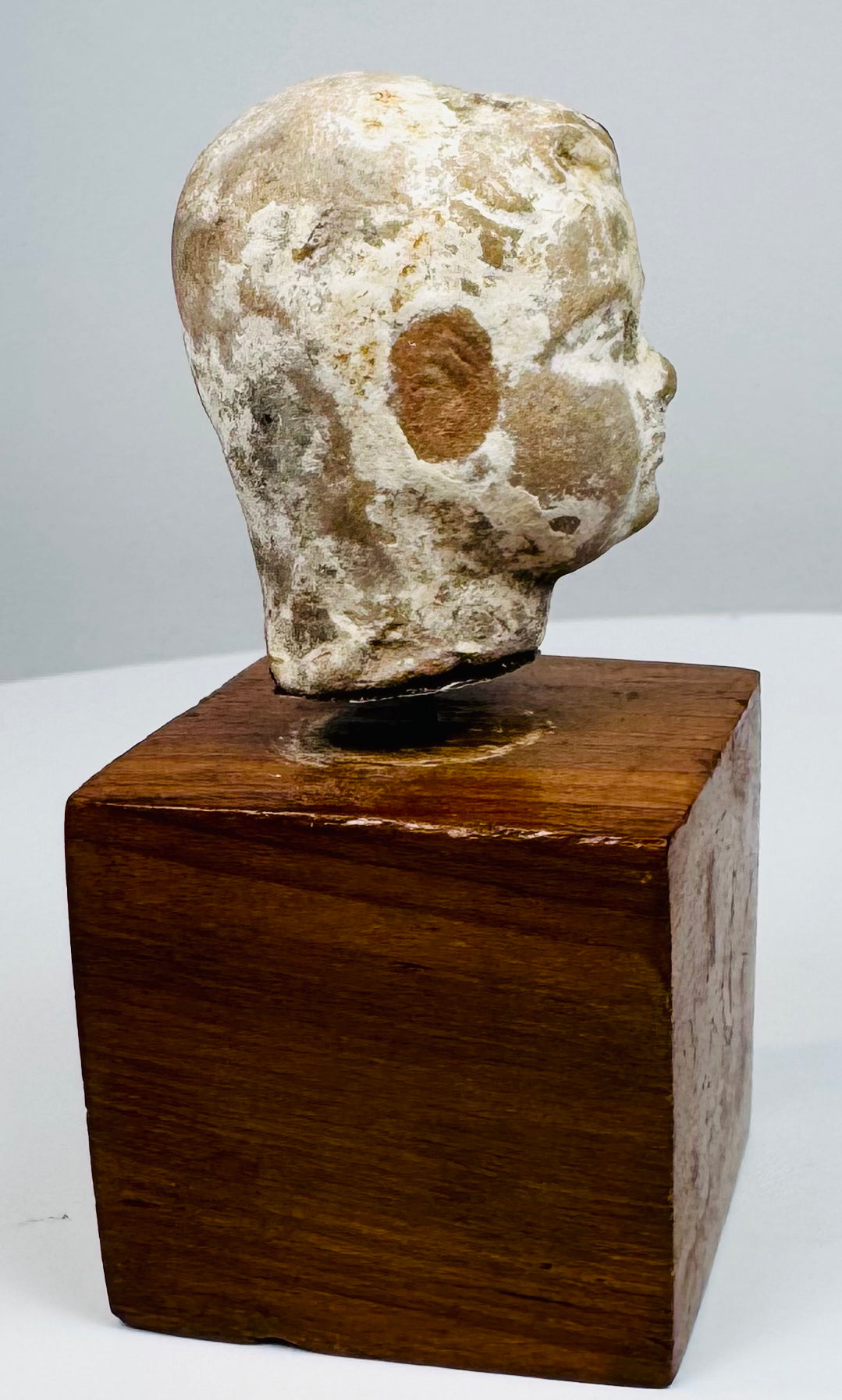
Ancient Greco-Roman terracotta faun head with reddish-brown pigment near the ear and weathered facial details.
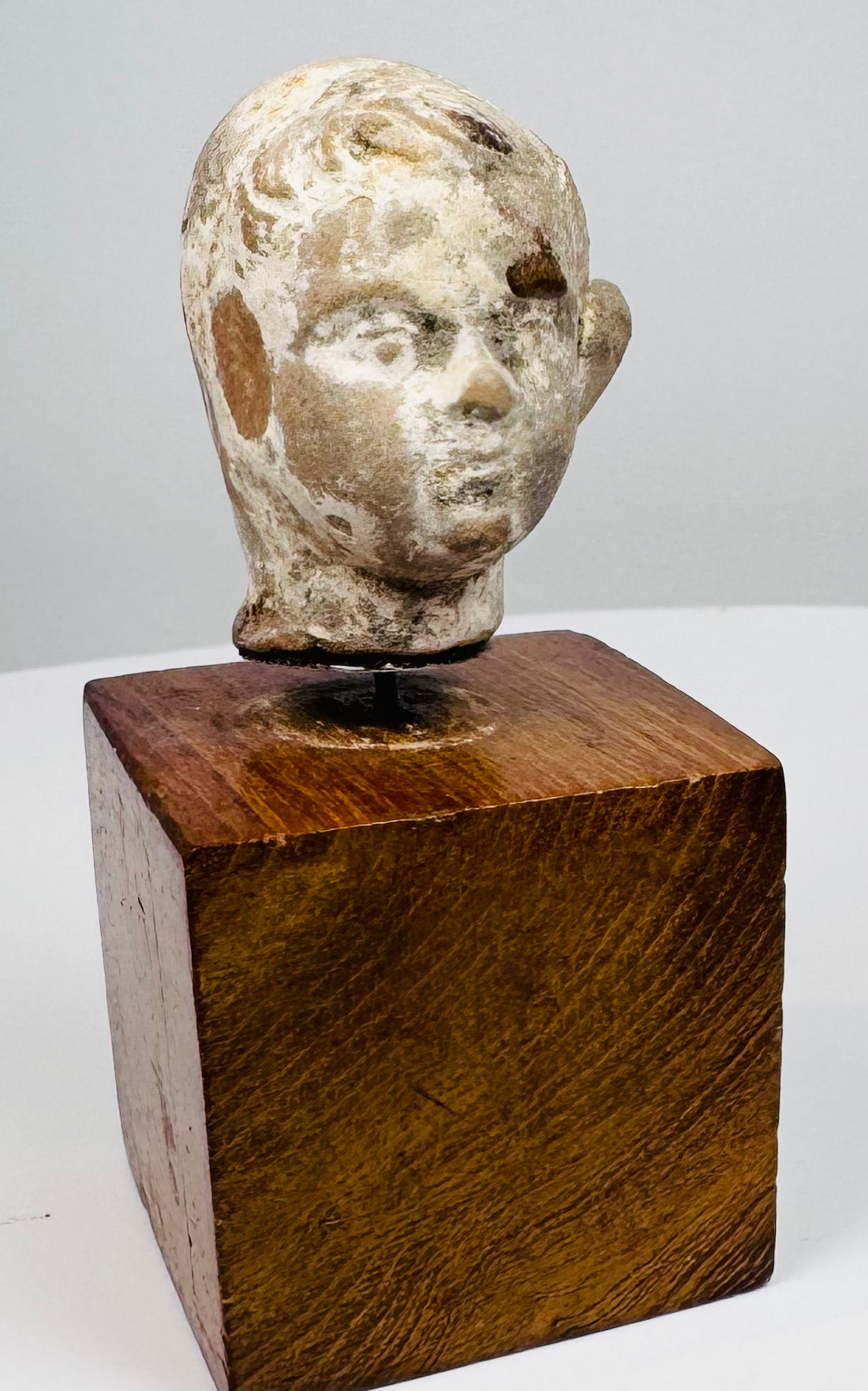
Terracotta head of a mythological faun with almond-shaped eyes, subtly smiling mouth, and ancient surface abrasion.
Late Hellenistic to Early Roman faun head fragment with distinctive swept hair grooves and surviving pale white slip.
Ancient Greco-Roman terracotta faun head with stylized hair, almond-shaped eyes, small mouth, and archaeological deposits.
Video exploring the history and artistry of an ancient Greco-Roman terracotta head of a faun, dating to the Late Hellenistic–Early Roman period, circa 1st century BCE–1st century CE. Features delicately sculpted facial details, a pointed ear, textured hair, and surviving traces of original white slip and reddish-brown pigment, reflecting ancient Mediterranean mythology and craftsmanship.
  • Ancient Greco-Roman terracotta head of a faun with softly modelled facial features, mineral deposits, and archaeological surface wear.
  • Rotating presentation of an ancient Greco-Roman terracotta head of a faun, 1st century BCE–1st century CE, featuring a prominent ear, almond-shaped eyes, swept-groove hair, surviving white slip, reddish-brown pigment, and archaeological surface wear.
  • Late Hellenistic to Early Roman terracotta faun head fragment with swept-groove hair and weathered facial modelling.
  • Ancient terracotta faun head with rounded cheeks, almond-shaped eyes, and a prominent surviving ear.
  • Greco-Roman terracotta faun fragment featuring a short projecting nose, softly modelled jawline, and prominent ear.
  • Ancient terracotta head of a faun with rounded skull, archaeological surface wear, and irregular break at the neck.
  • Ancient Greco-Roman faun head fragment with surviving terracotta surface texture and traces of ancient mineral deposits.
  • Late Hellenistic terracotta faun head with mottled surface wear, surviving white slip, and fragmentary neck.
  • Ancient Greco-Roman terracotta faun head with reddish-brown pigment near the ear and weathered facial details.
  • Terracotta head of a mythological faun with almond-shaped eyes, subtly smiling mouth, and ancient surface abrasion.
  • Late Hellenistic to Early Roman faun head fragment with distinctive swept hair grooves and surviving pale white slip.
  • Ancient Greco-Roman terracotta faun head with stylized hair, almond-shaped eyes, small mouth, and archaeological deposits.
  • Video exploring the history and artistry of an ancient Greco-Roman terracotta head of a faun, dating to the Late Hellenistic–Early Roman period, circa 1st century BCE–1st century CE. Features delicately sculpted facial details, a pointed ear, textured hair, and surviving traces of original white slip and reddish-brown pigment, reflecting ancient Mediterranean mythology and craftsmanship.
Ancient Greco-Roman terracotta head of a faun with softly modelled facial features, mineral deposits, and archaeological surface wear.
Rotating presentation of an ancient Greco-Roman terracotta head of a faun, 1st century BCE–1st century CE, featuring a prominent ear, almond-shaped eyes, swept-groove hair, surviving white slip, reddish-brown pigment, and archaeological surface wear.
Late Hellenistic to Early Roman terracotta faun head fragment with swept-groove hair and weathered facial modelling.
Ancient terracotta faun head with rounded cheeks, almond-shaped eyes, and a prominent surviving ear.
Greco-Roman terracotta faun fragment featuring a short projecting nose, softly modelled jawline, and prominent ear.
Ancient terracotta head of a faun with rounded skull, archaeological surface wear, and irregular break at the neck.
Ancient Greco-Roman faun head fragment with surviving terracotta surface texture and traces of ancient mineral deposits.
Late Hellenistic terracotta faun head with mottled surface wear, surviving white slip, and fragmentary neck.
Ancient Greco-Roman terracotta faun head with reddish-brown pigment near the ear and weathered facial details.
Terracotta head of a mythological faun with almond-shaped eyes, subtly smiling mouth, and ancient surface abrasion.
Late Hellenistic to Early Roman faun head fragment with distinctive swept hair grooves and surviving pale white slip.
Ancient Greco-Roman terracotta faun head with stylized hair, almond-shaped eyes, small mouth, and archaeological deposits.
Video exploring the history and artistry of an ancient Greco-Roman terracotta head of a faun, dating to the Late Hellenistic–Early Roman period, circa 1st century BCE–1st century CE. Features delicately sculpted facial details, a pointed ear, textured hair, and surviving traces of original white slip and reddish-brown pigment, reflecting ancient Mediterranean mythology and craftsmanship.
Authenticity and secure checkout guarantee

Tête de garçon en céramique gréco-romaine | IIe siècle av. J.-C. | Ier siècle apr. J.-C.

Description

Contexte historique et origine

Région : Méditerranée orientale (monde hellénistique ou romain)
Matériau : Terre cuite
Période : 1er siècle av. J.-C. – 2e siècle apr. J.-C.

Description

Ce fragment de tête en terre cuite exquise, datant approximativement du 1er siècle av. J.-C. au 2e siècle apr. J.-C., reflète le raffinement artistique des périodes hellénistique et romaine primitive. Fragmentaire mais expressif, il capte la transition stylistique de l'époque, où les proportions classiques idéalisées se fondaient avec des détails naturalistes. Le visage juvénile, avec ses traits délicats et son sourire subtil, suggère la représentation d'un jeune homme – peut-être une divinité, une figure mythologique ou une jeunesse idéalisée – exemplifiant l'accent culturel mis sur l'innocence, la beauté et les idéaux symboliques. Monté sur une base en bois moderne, le fragment conserve à la fois élégance et gravité en tant qu'objet de collection.

Caractéristiques

- Visage juvénile aux traits délicats et à l'expression sereine

- Sourire subtil reflétant le naturalisme et l'individualité

- Transition stylistique mêlant l'idéalisation hellénistique au réalisme romain

- Patine de surface naturelle conforme à l'âge

- Monté sur un support en bois moderne pour l'exposition

Signification culturelle

La période hellénistique a marqué un tournant vers la représentation réaliste, l'individualité et les détails expressifs dans l'art. Les figures juvéniles telles qu'Éros ou les enfants idéalisés étaient fréquemment représentées en terre cuite, apparaissant dans les sanctuaires domestiques, les temples et les contextes funéraires. Au début de l'ère romaine, ces traditions ont fusionné avec les goûts romains, mettant l'accent sur les fonctions à la fois symboliques et décoratives. De tels fragments offrent un aperçu précieux de la façon dont les sociétés antiques concevaient la jeunesse, la divinité et la forme humaine, tout en illustrant la fusion interculturelle plus large de l'art méditerranéen.

Condition

Fragment bien conservé avec patine et usure de surface conforme à l'antiquité. Forme stable, solidement monté pour une présentation moderne.

Dimensions (approximatives)

Hauteur : 1,7 po (tête)
Largeur : 1,2 po (tête)

Âge (approximatif)

1 825–2 125 ans

Provenance 

Anciennement détenu dans une collection privée à Columbia, Maryland, États-Unis. Ensuite géré par Montgomery Auction en 2024, une maison de vente aux enchères basée à Columbia, desservant la région métropolitaine de Washington, D.C. et spécialisée dans les beaux-arts, les antiquités et les collections de succession.

En savoir plus

Explorez le Monde de la poterie gréco-romaine

Parcourez notre Collection d'artefacts et d'antiquités grecs et romains

Description

Contexte historique et origine

Région : Méditerranée orientale (monde hellénistique ou romain)
Matériau : Terre cuite
Période : 1er siècle av. J.-C. – 2e siècle apr. J.-C.

Description

Ce fragment de tête en terre cuite exquise, datant approximativement du 1er siècle av. J.-C. au 2e siècle apr. J.-C., reflète le raffinement artistique des périodes hellénistique et romaine primitive. Fragmentaire mais expressif, il capte la transition stylistique de l'époque, où les proportions classiques idéalisées se fondaient avec des détails naturalistes. Le visage juvénile, avec ses traits délicats et son sourire subtil, suggère la représentation d'un jeune homme – peut-être une divinité, une figure mythologique ou une jeunesse idéalisée – exemplifiant l'accent culturel mis sur l'innocence, la beauté et les idéaux symboliques. Monté sur une base en bois moderne, le fragment conserve à la fois élégance et gravité en tant qu'objet de collection.

Caractéristiques

- Visage juvénile aux traits délicats et à l'expression sereine

- Sourire subtil reflétant le naturalisme et l'individualité

- Transition stylistique mêlant l'idéalisation hellénistique au réalisme romain

- Patine de surface naturelle conforme à l'âge

- Monté sur un support en bois moderne pour l'exposition

Signification culturelle

La période hellénistique a marqué un tournant vers la représentation réaliste, l'individualité et les détails expressifs dans l'art. Les figures juvéniles telles qu'Éros ou les enfants idéalisés étaient fréquemment représentées en terre cuite, apparaissant dans les sanctuaires domestiques, les temples et les contextes funéraires. Au début de l'ère romaine, ces traditions ont fusionné avec les goûts romains, mettant l'accent sur les fonctions à la fois symboliques et décoratives. De tels fragments offrent un aperçu précieux de la façon dont les sociétés antiques concevaient la jeunesse, la divinité et la forme humaine, tout en illustrant la fusion interculturelle plus large de l'art méditerranéen.

Condition

Fragment bien conservé avec patine et usure de surface conforme à l'antiquité. Forme stable, solidement monté pour une présentation moderne.

Dimensions (approximatives)

Hauteur : 1,7 po (tête)
Largeur : 1,2 po (tête)

Âge (approximatif)

1 825–2 125 ans

Provenance 

Anciennement détenu dans une collection privée à Columbia, Maryland, États-Unis. Ensuite géré par Montgomery Auction en 2024, une maison de vente aux enchères basée à Columbia, desservant la région métropolitaine de Washington, D.C. et spécialisée dans les beaux-arts, les antiquités et les collections de succession.

En savoir plus

Explorez le Monde de la poterie gréco-romaine

Parcourez notre Collection d'artefacts et d'antiquités grecs et romains

Vous aimerez peut-être aussi