


Chope en poterie précolombienne du nord du Mexique | Culture Casas Grandes | Vers 1100–1450 apr. J.-C.
- Prix habituel
- $500.00
- Prix soldé
- $500.00
- Prix habituel
Impossible de charger la disponibilité du service de retrait


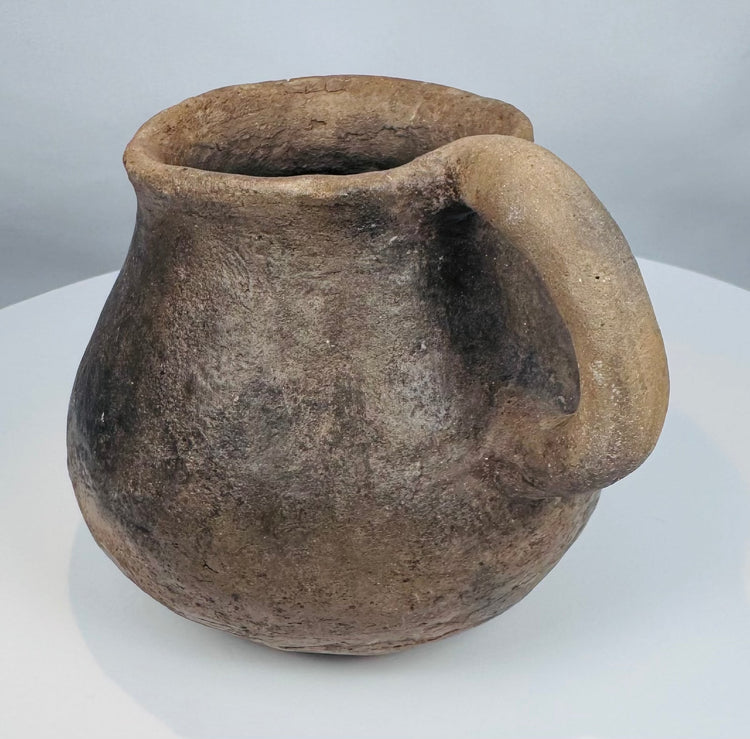
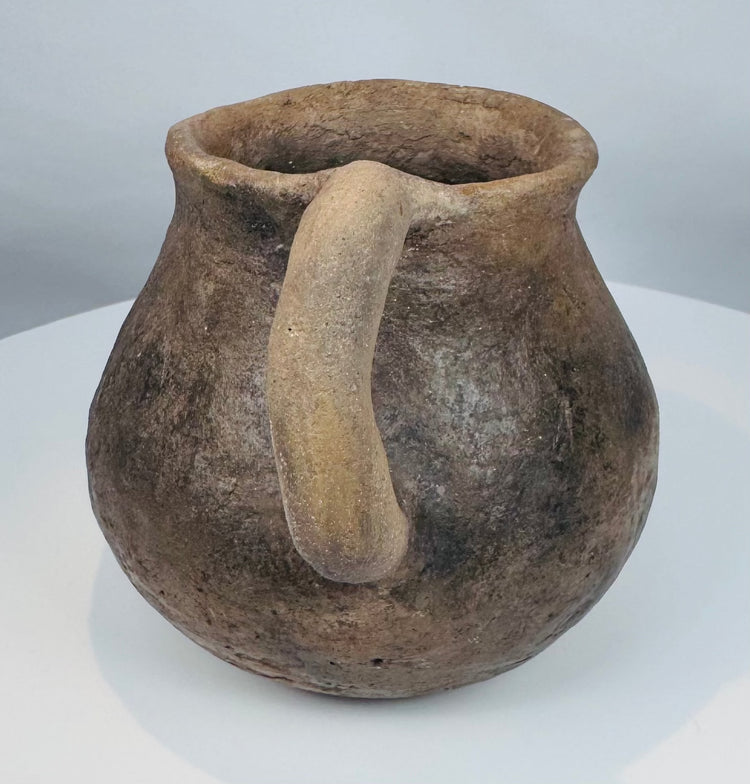
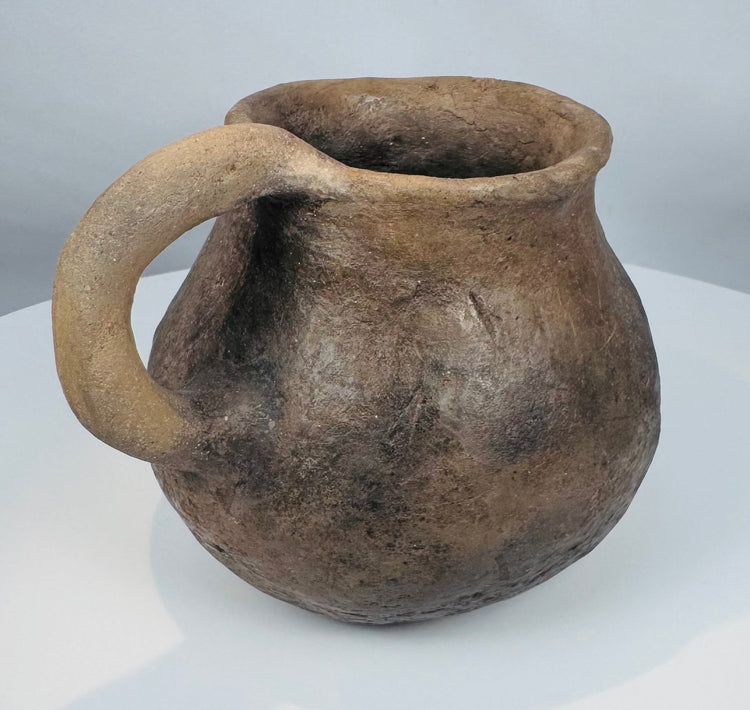
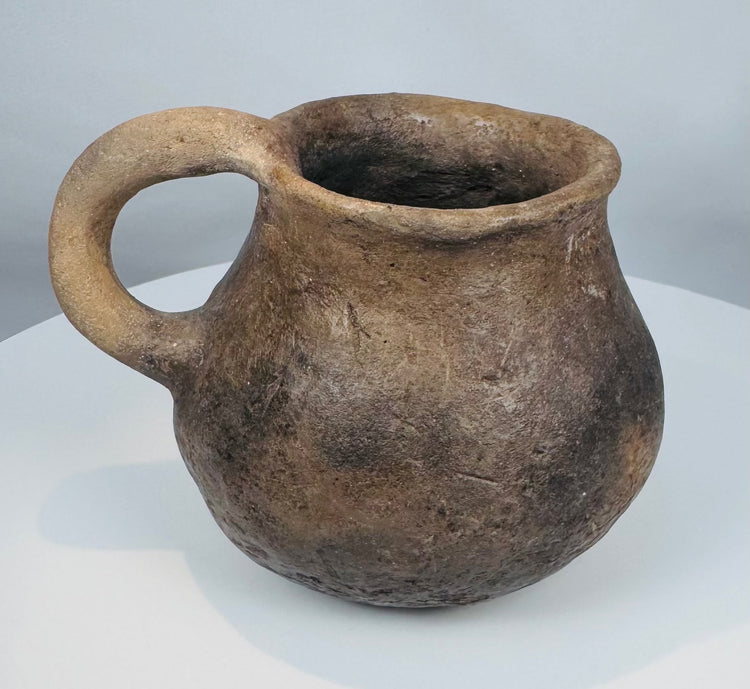
Chope en poterie précolombienne du nord du Mexique | Culture Casas Grandes | Vers 1100–1450 apr. J.-C.
Description
Plus
Moins
Contexte historique et origine
Région : Nord du Mexique (région de Chihuahua), culture de Casas Grandes (Paquimé)
Matériau : Poterie en terre cuite formée à la main
Période : Environ 1100–1450 de notre ère
Description
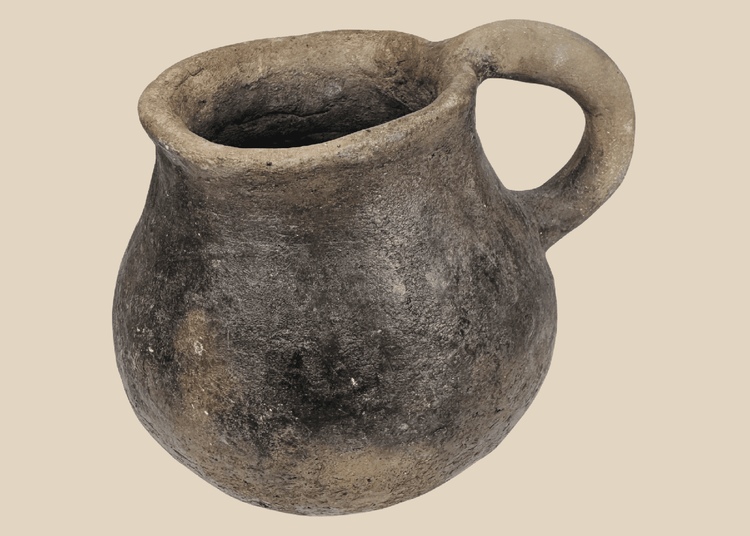
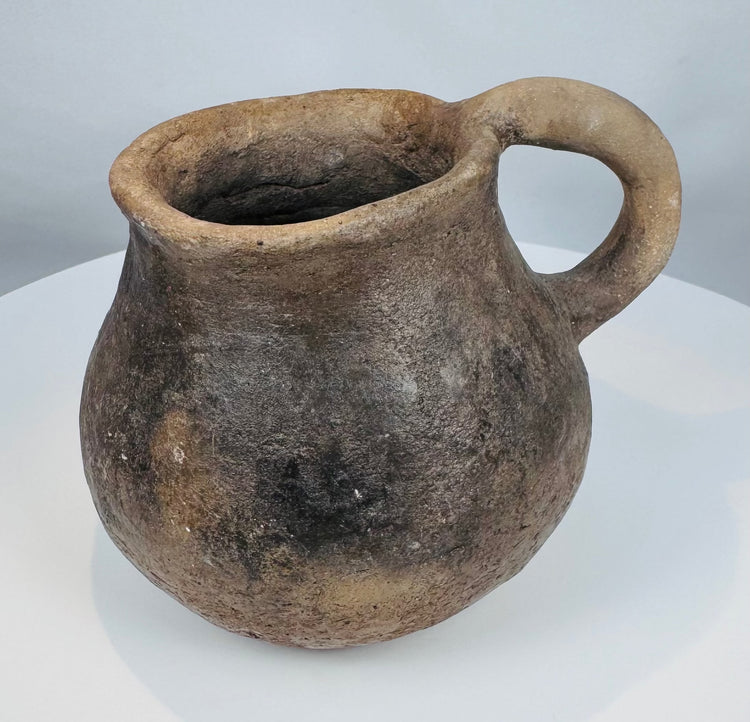
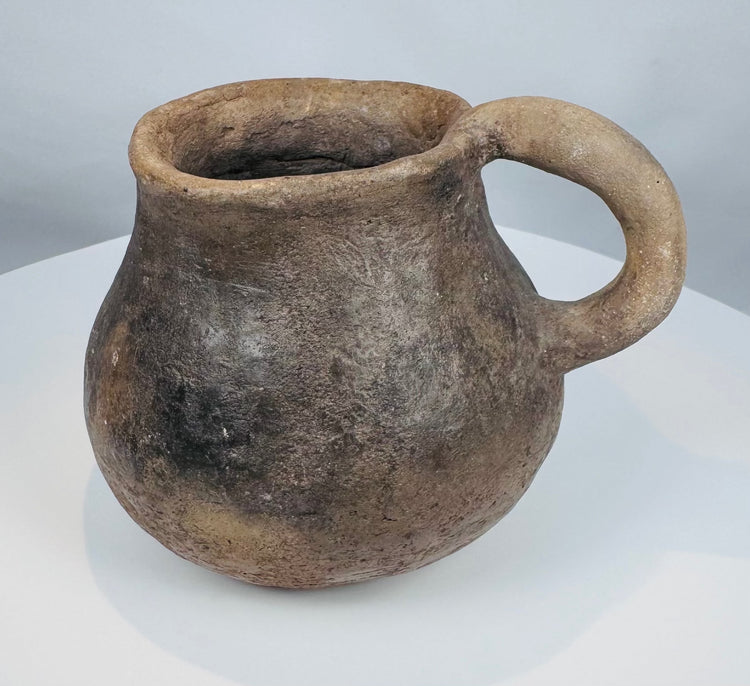
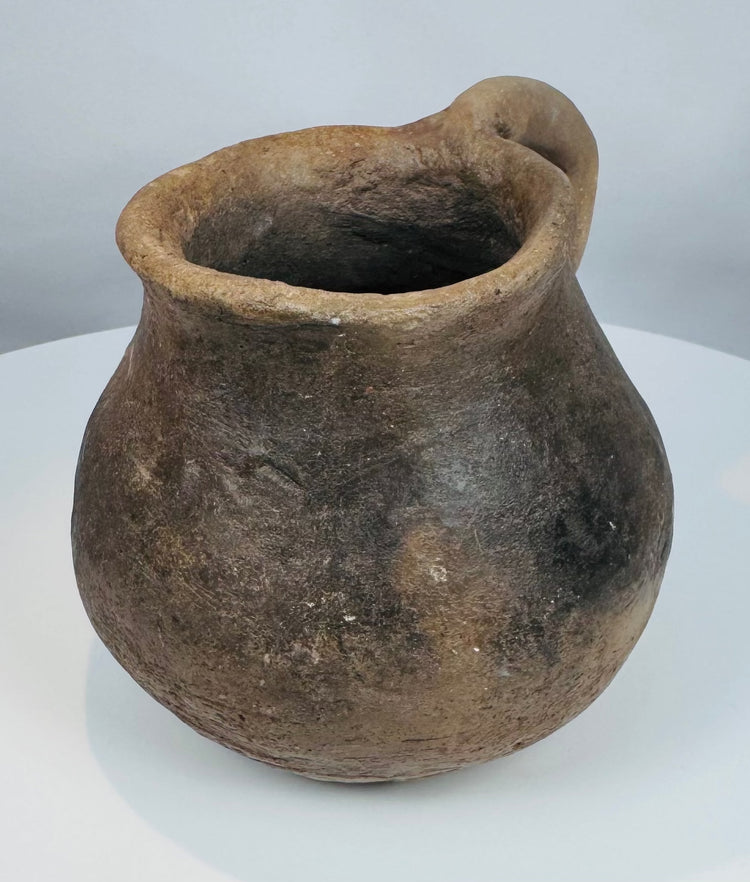
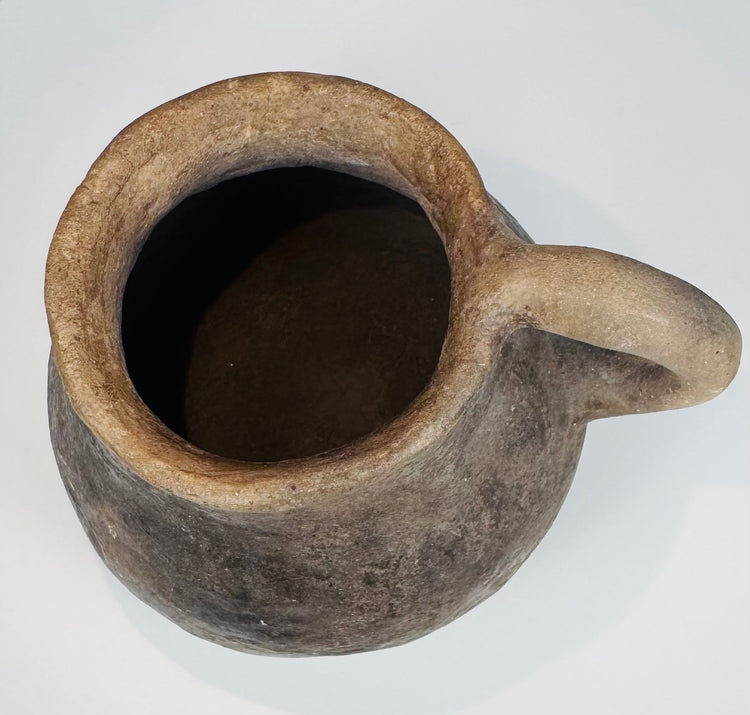
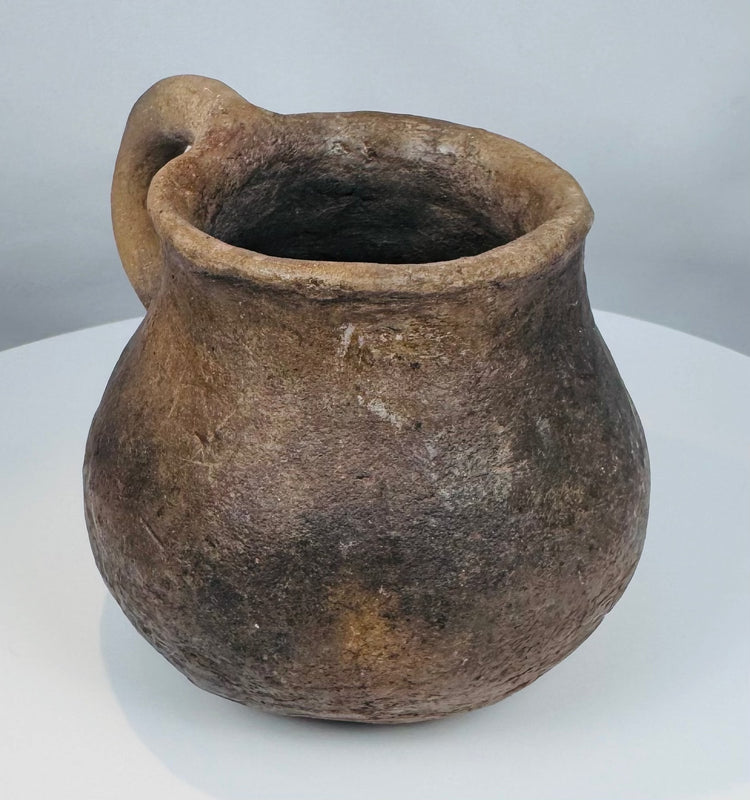
Cette authentique tasse en poterie précolombienne provient de la culture de Casas Grandes (Paquimé) du nord de Chihuahua, au Mexique, l'une des sociétés productrices de céramique les plus sophistiquées de l'ancien Sud-Ouest américain et du nord de la Mésoamérique. Façonné à la main à partir d'argile de terre cuite, le récipient présente un corps globulaire arrondi, un bord légèrement évasé et une anse incurvée substantielle s'étendant de l'épaule au bord.
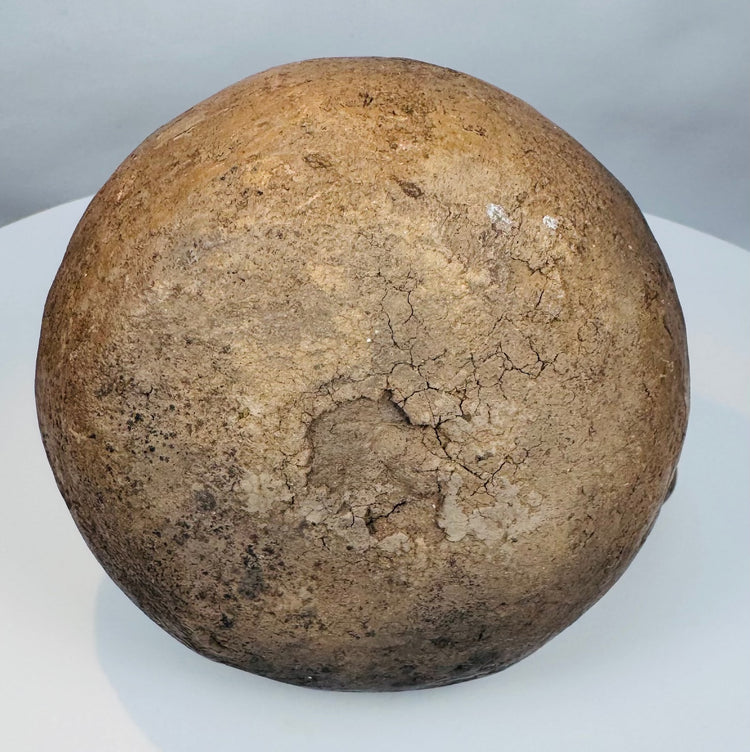
Contrairement aux céramiques polychromes très décorées pour lesquelles Casas Grandes est le plus connu, les récipients utilitaires comme cet exemple étaient produits pour un usage domestique quotidien et jouaient un rôle essentiel dans la préparation, le stockage, le service des aliments et les activités cérémonielles. Le récipient conserve une surface naturellement vieillie attrayante avec des zones de coloration assombrie et des dépôts minéraux accumulés au cours de siècles d'enfouissement et de conservation.
Les proportions équilibrées, les parois lisses et l'anse soigneusement formée démontrent le savoir-faire des potiers de Casas Grandes, dont les traditions céramiques représentent l'une des réalisations artistiques les plus importantes du nord du Mexique avant la colonisation. La forme simple mais élégante reflète la fonctionnalité pratique privilégiée pour les articles ménagers tout en préservant l'artisanat distinctif associé à la sphère culturelle de Paquimé.
Caractéristiques
- Authentique récipient en poterie précolombienne de Casas Grandes (Paquimé)
- Nord du Mexique, région de Chihuahua
- Datant d'environ 1100–1450 de notre ère
- Construction en terre cuite formée à la main
- Corps globulaire arrondi avec bord évasé
- Anse incurvée bien exécutée
- Belle surface naturellement vieillie avec patine d'enfouissement
- Preuve des techniques de production céramique indigènes traditionnelles
- Bel exemple de poterie utilitaire de Casas Grandes
État
État ancien avec usure superficielle attendue, irrégularités de cuisson, concrétions minérales et imperfections liées à l'âge, conformes à l'enfouissement et à des siècles d'antiquité. Le récipient reste structurellement sain et présente bien.
Dimensions (approximatives)
Longueur : 4,875 po
Largeur : 4 po
Hauteur : 3,9 po
Âge (approximatif)
575–925 ans
Provenance
De la collection privée Reinsmoen, Clear Lake, Iowa, États-Unis. Acquis par descendance de la collection de Robert Anderson et conservé au sein de la collection familiale avant 2000. Anciennement Artemis Fine Arts Gallery.
En savoir plus
Découvrez un récipient en céramique de Casas Grandes de la collection du Metropolitan Museum of Art
Parcourez notre Collection de Céramiques & Poteries : Art Héritage Ancien
Description
Contexte historique et origine
Région : Nord du Mexique (région de Chihuahua), culture de Casas Grandes (Paquimé)
Matériau : Poterie en terre cuite formée à la main
Période : Environ 1100–1450 de notre ère
Description
Cette authentique tasse en poterie précolombienne provient de la culture de Casas Grandes (Paquimé) du nord de Chihuahua, au Mexique, l'une des sociétés productrices de céramique les plus sophistiquées de l'ancien Sud-Ouest américain et du nord de la Mésoamérique. Façonné à la main à partir d'argile de terre cuite, le récipient présente un corps globulaire arrondi, un bord légèrement évasé et une anse incurvée substantielle s'étendant de l'épaule au bord.
Contrairement aux céramiques polychromes très décorées pour lesquelles Casas Grandes est le plus connu, les récipients utilitaires comme cet exemple étaient produits pour un usage domestique quotidien et jouaient un rôle essentiel dans la préparation, le stockage, le service des aliments et les activités cérémonielles. Le récipient conserve une surface naturellement vieillie attrayante avec des zones de coloration assombrie et des dépôts minéraux accumulés au cours de siècles d'enfouissement et de conservation.
Les proportions équilibrées, les parois lisses et l'anse soigneusement formée démontrent le savoir-faire des potiers de Casas Grandes, dont les traditions céramiques représentent l'une des réalisations artistiques les plus importantes du nord du Mexique avant la colonisation. La forme simple mais élégante reflète la fonctionnalité pratique privilégiée pour les articles ménagers tout en préservant l'artisanat distinctif associé à la sphère culturelle de Paquimé.
Caractéristiques
- Authentique récipient en poterie précolombienne de Casas Grandes (Paquimé)
- Nord du Mexique, région de Chihuahua
- Datant d'environ 1100–1450 de notre ère
- Construction en terre cuite formée à la main
- Corps globulaire arrondi avec bord évasé
- Anse incurvée bien exécutée
- Belle surface naturellement vieillie avec patine d'enfouissement
- Preuve des techniques de production céramique indigènes traditionnelles
- Bel exemple de poterie utilitaire de Casas Grandes
État
État ancien avec usure superficielle attendue, irrégularités de cuisson, concrétions minérales et imperfections liées à l'âge, conformes à l'enfouissement et à des siècles d'antiquité. Le récipient reste structurellement sain et présente bien.
Dimensions (approximatives)
Longueur : 4,875 po
Largeur : 4 po
Hauteur : 3,9 po
Âge (approximatif)
575–925 ans
Provenance
De la collection privée Reinsmoen, Clear Lake, Iowa, États-Unis. Acquis par descendance de la collection de Robert Anderson et conservé au sein de la collection familiale avant 2000. Anciennement Artemis Fine Arts Gallery.
En savoir plus
Découvrez un récipient en céramique de Casas Grandes de la collection du Metropolitan Museum of Art
Parcourez notre Collection de Céramiques & Poteries : Art Héritage Ancien
Vous aimerez peut-être aussi
