


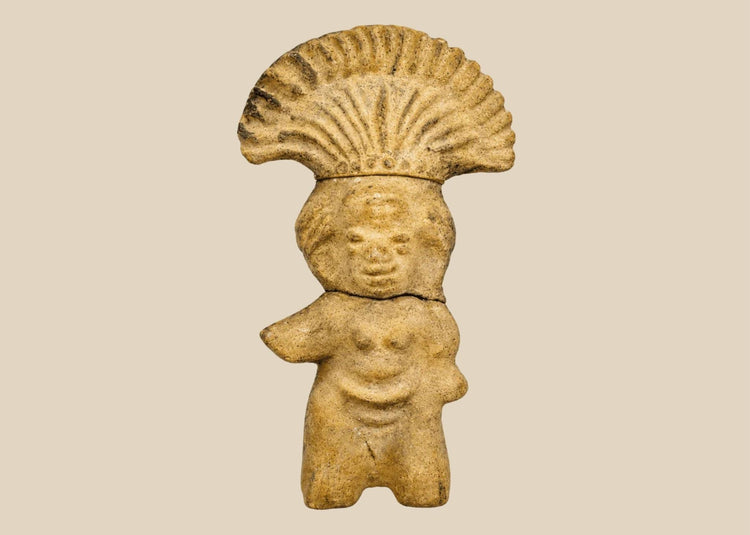
Figurine précolombienne en terre cuite | avec coiffe en éventail | Vers 500-1500 apr. J.-C.
- Prix habituel
- $300.00
- Prix soldé
- $300.00
- Prix habituel
Impossible de charger la disponibilité du service de retrait


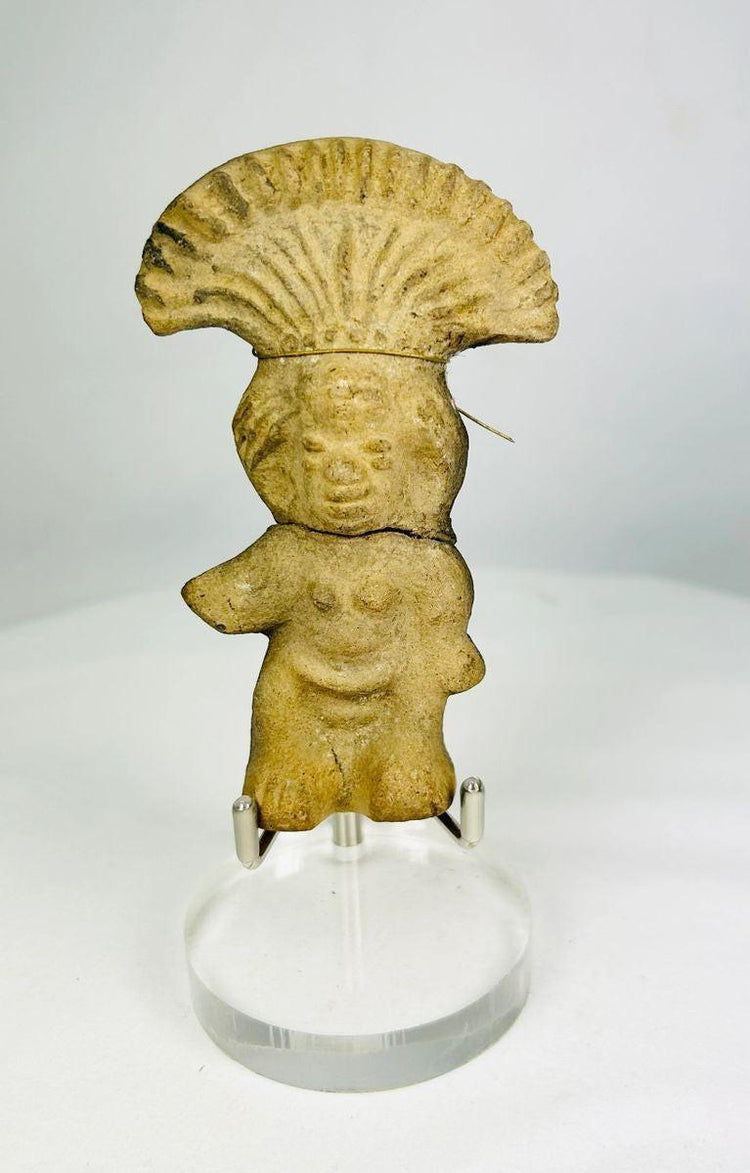
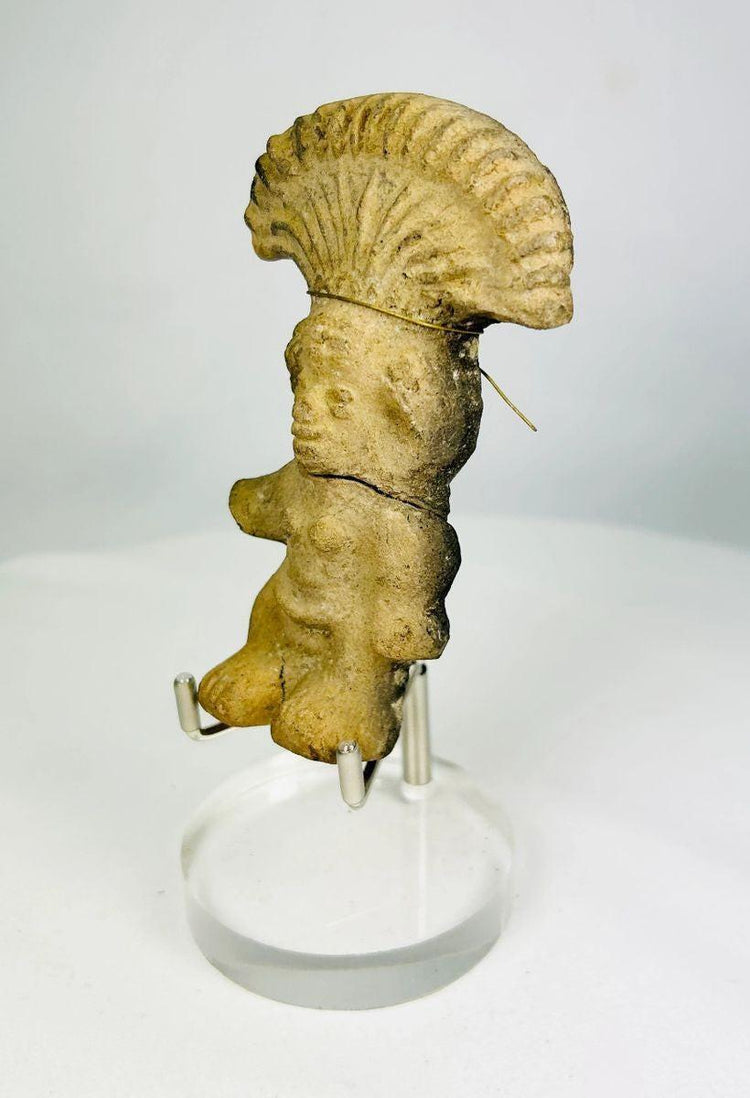
Figurine précolombienne en terre cuite | avec coiffe en éventail | Vers 500-1500 apr. J.-C.
Description
Plus
Moins
Contexte historique et origine
Région : Mésoamérique (probablement maya ou aztèque)
Matériau : Terre cuite
Période : Vers 500–1500 de notre ère
Description
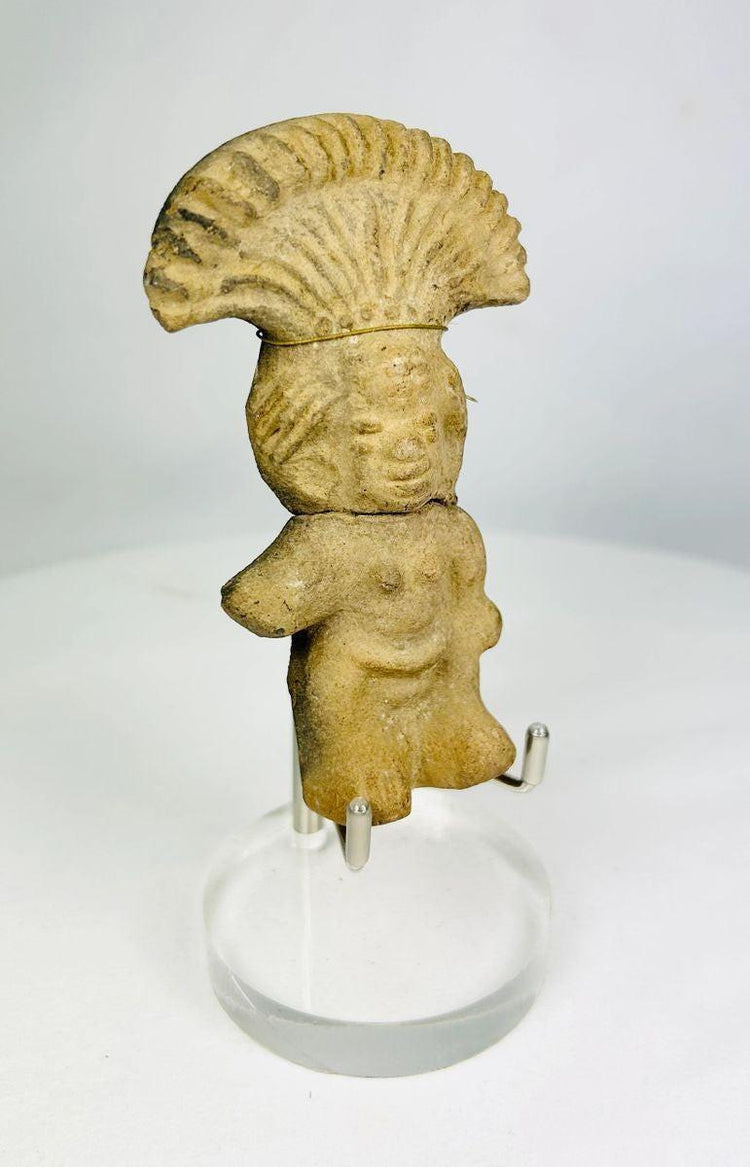
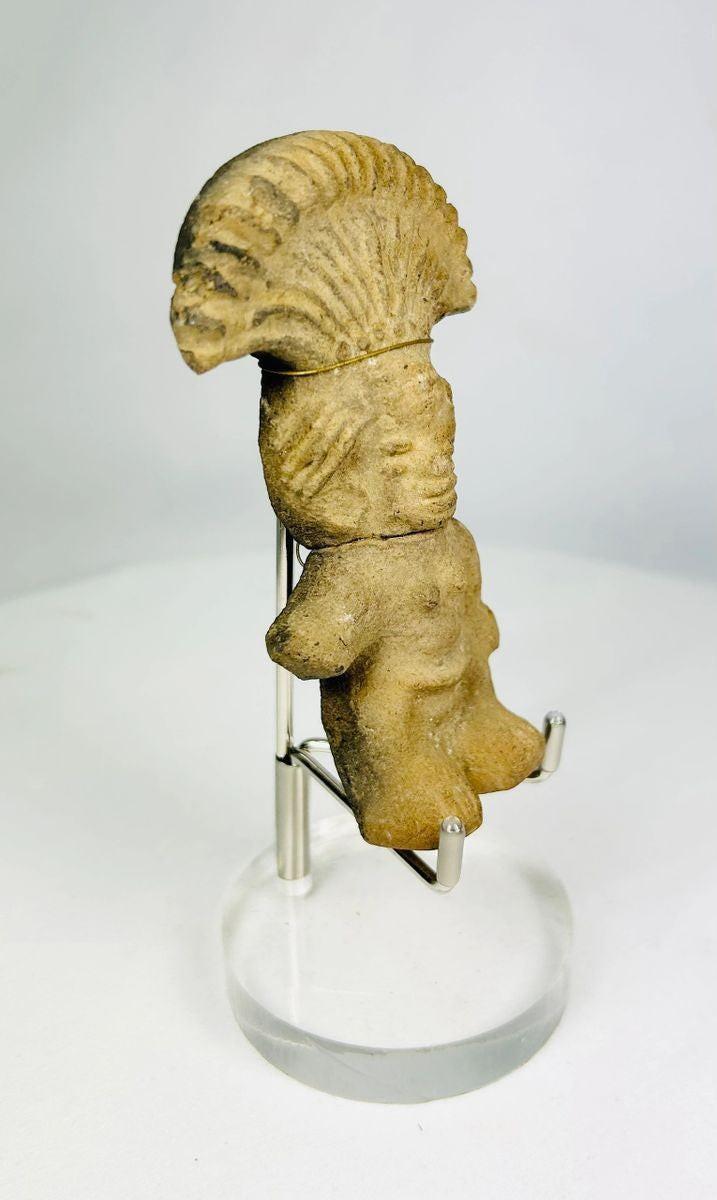
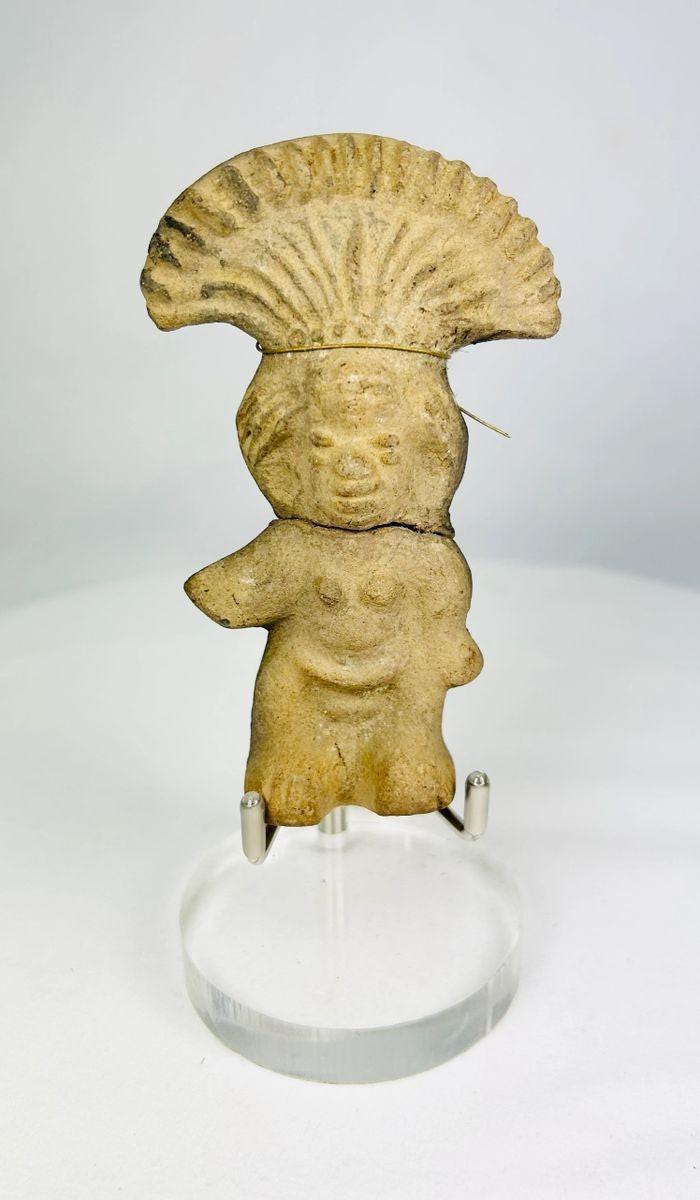
Cette figurine précolombienne en terre cuite magnifiquement conservée est un exemple frappant de l'art et de l'expression cérémonielle mésoaméricains. La figure porte une imposante coiffe en forme d'éventail, un symbole souvent associé au statut rituel et à la signification religieuse dans les traditions mayas et aztèques. Ses grands yeux expressifs et sa bouche stylisée reflètent le style sculptural distinctif de la région, tandis que ses proportions soigneusement modelées soulignent le savoir-faire des artisans anciens.
Caractéristiques
- Coiffe en forme d'éventail symbolisant l'importance cérémonielle
- Traits du visage expressifs avec de grands yeux et une bouche définie
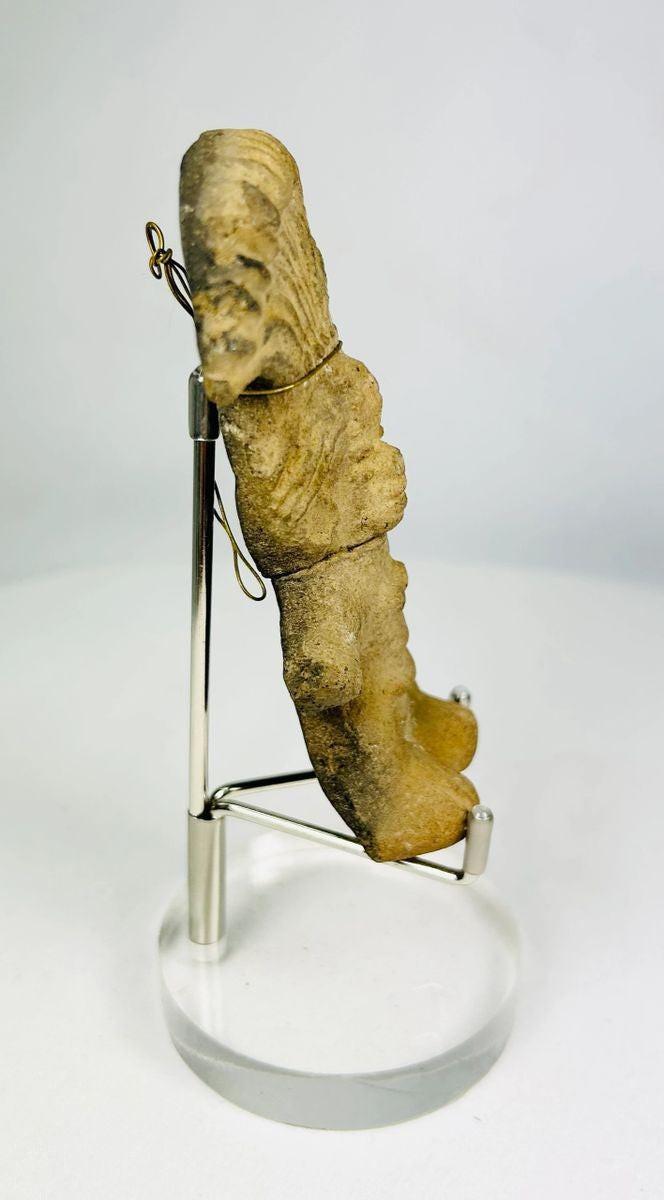
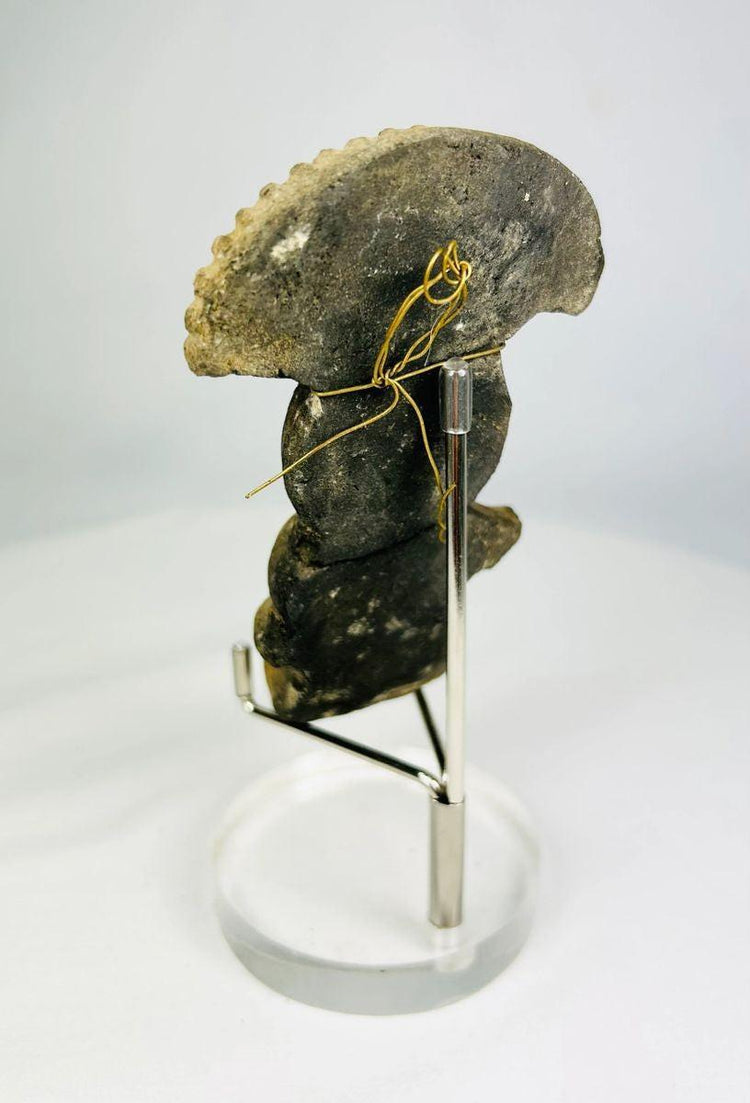
- Construction en terre cuite modelée à la main
- Légère usure de surface et patine terreuse due aux siècles d'âge
Signification culturelle
Les figurines en terre cuite comme celle-ci ont joué un rôle important dans la vie rituelle et cérémonielle mésoaméricaine. Elles étaient souvent créées pour représenter des divinités, des ancêtres ou des participants à des rites sacrés, servant d'intermédiaires symboliques entre les royaumes terrestre et divin. Cette figurine incarne la profondeur culturelle et les traditions spirituelles des civilisations maya et aztèque, offrant un aperçu de leurs pratiques artistiques et religieuses.
État
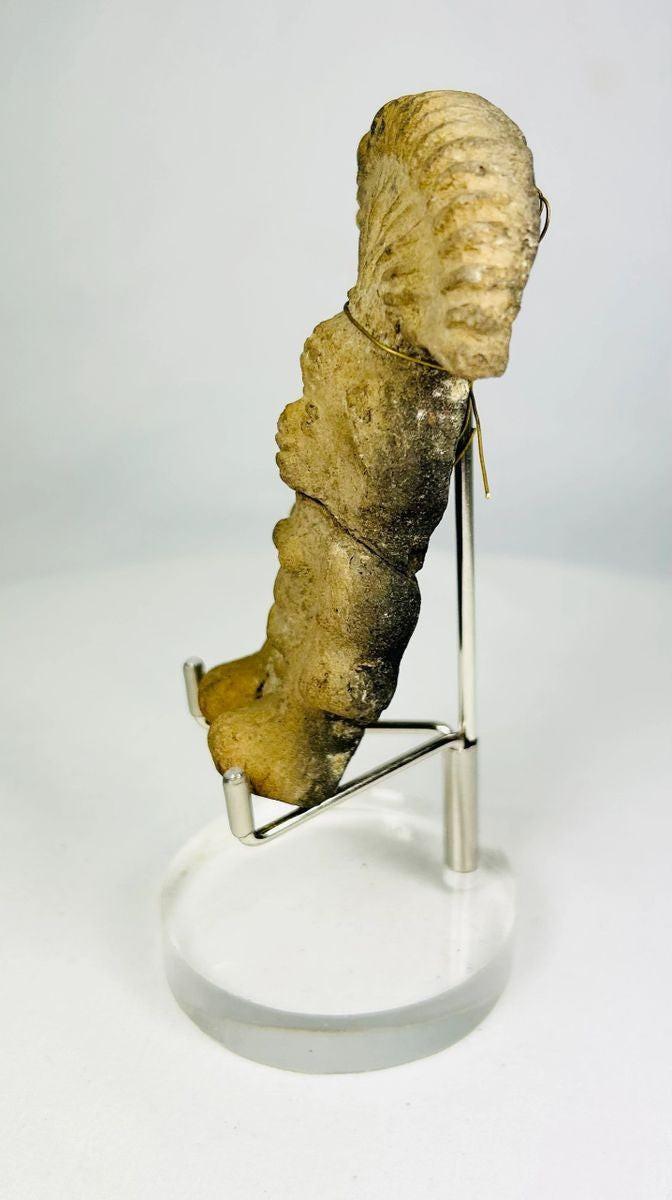
La figurine est dans un état stable, avec des fissures mineures et une usure de surface conforme à son âge. Malgré ces imperfections naturelles, elle conserve une grande partie de sa forme, de ses détails et de sa présence d'origine, ce qui renforce son authenticité historique et son attrait en tant qu'objet d'exposition.
Dimensions (approximatives)
Hauteur : 4 po
Âge (approximatif)
500–1 500 ans
Provenance
Anciennement détenue dans une collection privée à New Haven, Connecticut, États-Unis.
En savoir plus
Étudiez l'histoire et la signification culturelle de la poterie précolombienne sur RAU Antiques
Parcourez notre collection d'artefacts précolombiens
Description
Contexte historique et origine
Région : Mésoamérique (probablement maya ou aztèque)
Matériau : Terre cuite
Période : Vers 500–1500 de notre ère
Description
Cette figurine précolombienne en terre cuite magnifiquement conservée est un exemple frappant de l'art et de l'expression cérémonielle mésoaméricains. La figure porte une imposante coiffe en forme d'éventail, un symbole souvent associé au statut rituel et à la signification religieuse dans les traditions mayas et aztèques. Ses grands yeux expressifs et sa bouche stylisée reflètent le style sculptural distinctif de la région, tandis que ses proportions soigneusement modelées soulignent le savoir-faire des artisans anciens.
Caractéristiques
- Coiffe en forme d'éventail symbolisant l'importance cérémonielle
- Traits du visage expressifs avec de grands yeux et une bouche définie
- Construction en terre cuite modelée à la main
- Légère usure de surface et patine terreuse due aux siècles d'âge
Signification culturelle
Les figurines en terre cuite comme celle-ci ont joué un rôle important dans la vie rituelle et cérémonielle mésoaméricaine. Elles étaient souvent créées pour représenter des divinités, des ancêtres ou des participants à des rites sacrés, servant d'intermédiaires symboliques entre les royaumes terrestre et divin. Cette figurine incarne la profondeur culturelle et les traditions spirituelles des civilisations maya et aztèque, offrant un aperçu de leurs pratiques artistiques et religieuses.
État
La figurine est dans un état stable, avec des fissures mineures et une usure de surface conforme à son âge. Malgré ces imperfections naturelles, elle conserve une grande partie de sa forme, de ses détails et de sa présence d'origine, ce qui renforce son authenticité historique et son attrait en tant qu'objet d'exposition.
Dimensions (approximatives)
Hauteur : 4 po
Âge (approximatif)
500–1 500 ans
Provenance
Anciennement détenue dans une collection privée à New Haven, Connecticut, États-Unis.
En savoir plus
Étudiez l'histoire et la signification culturelle de la poterie précolombienne sur RAU Antiques
Parcourez notre collection d'artefacts précolombiens
Vous aimerez peut-être aussi
