

Empire romain | Vase à parfum/huile en terre cuite | Vers le Ier-IIIe siècle ap. J.-C.
- Prix habituel
- $425.00
- Prix soldé
- $425.00
- Prix habituel
Impossible de charger la disponibilité du service de retrait


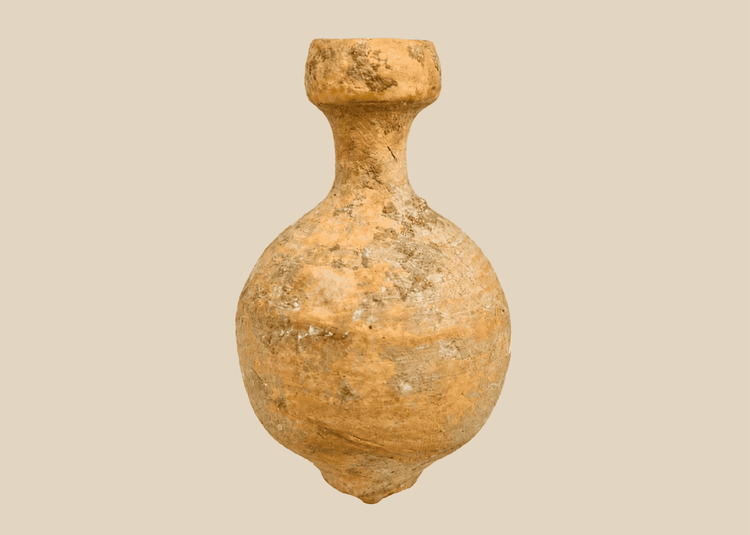
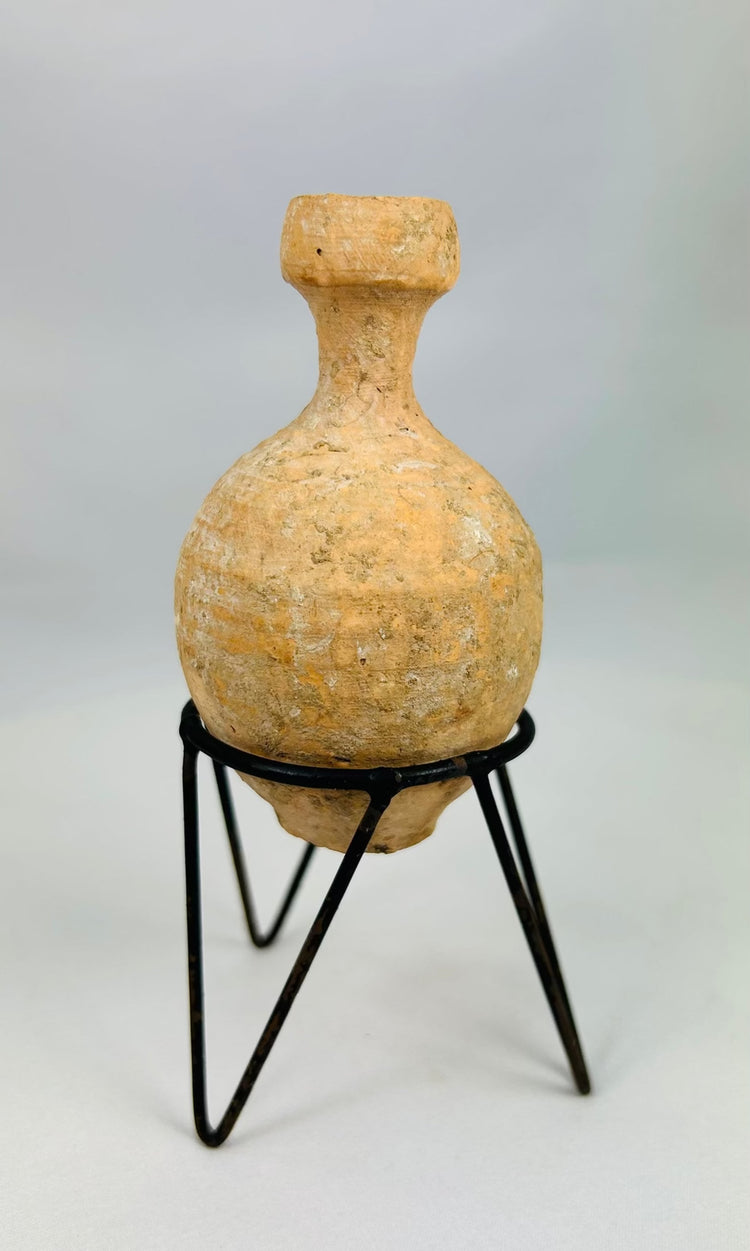
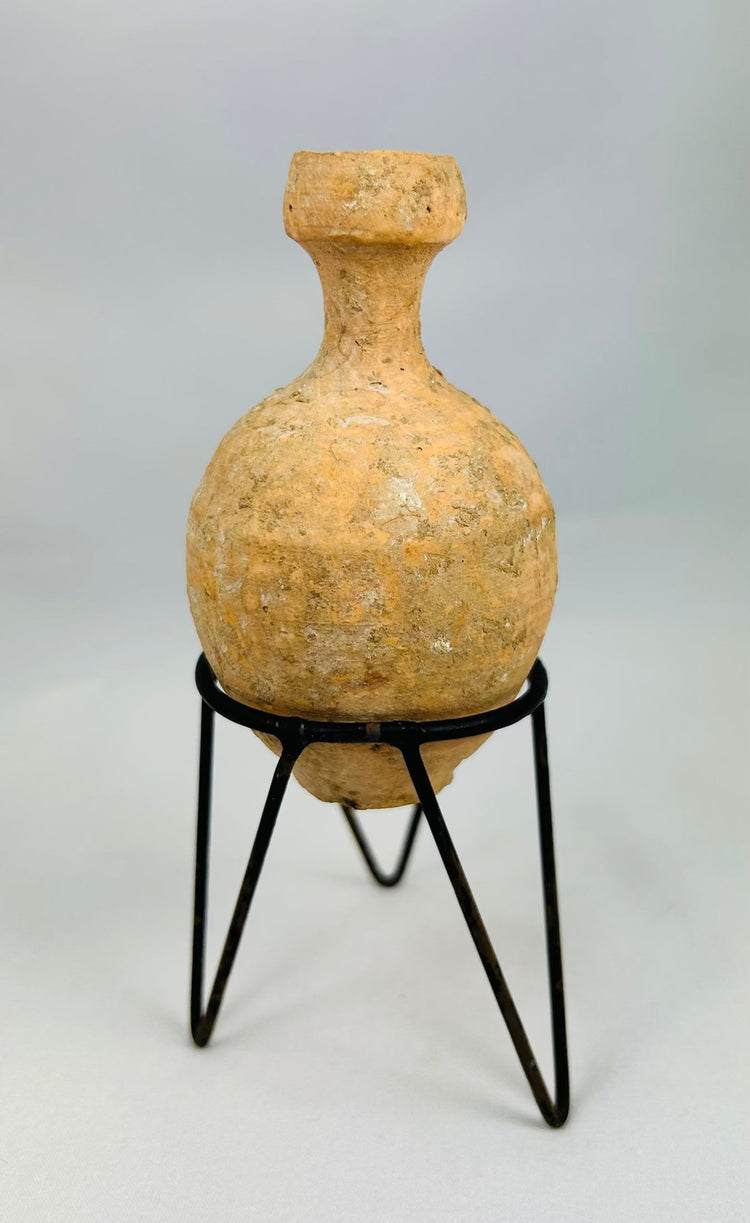
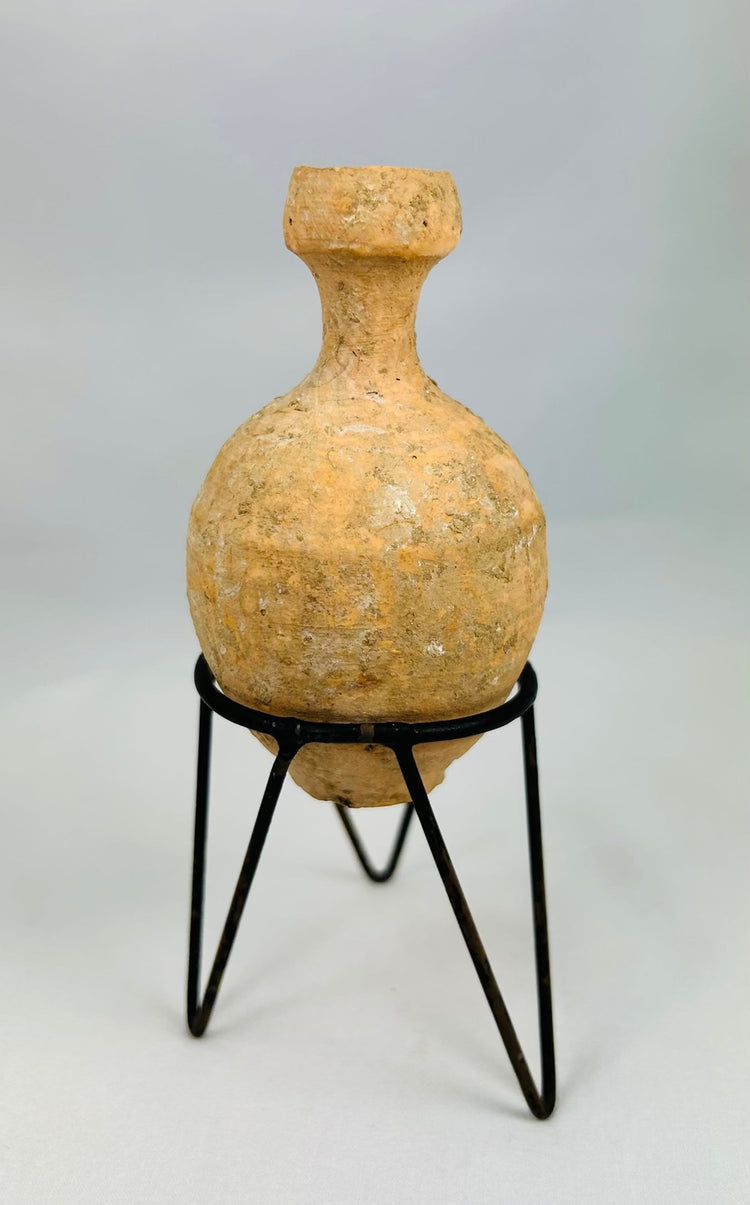
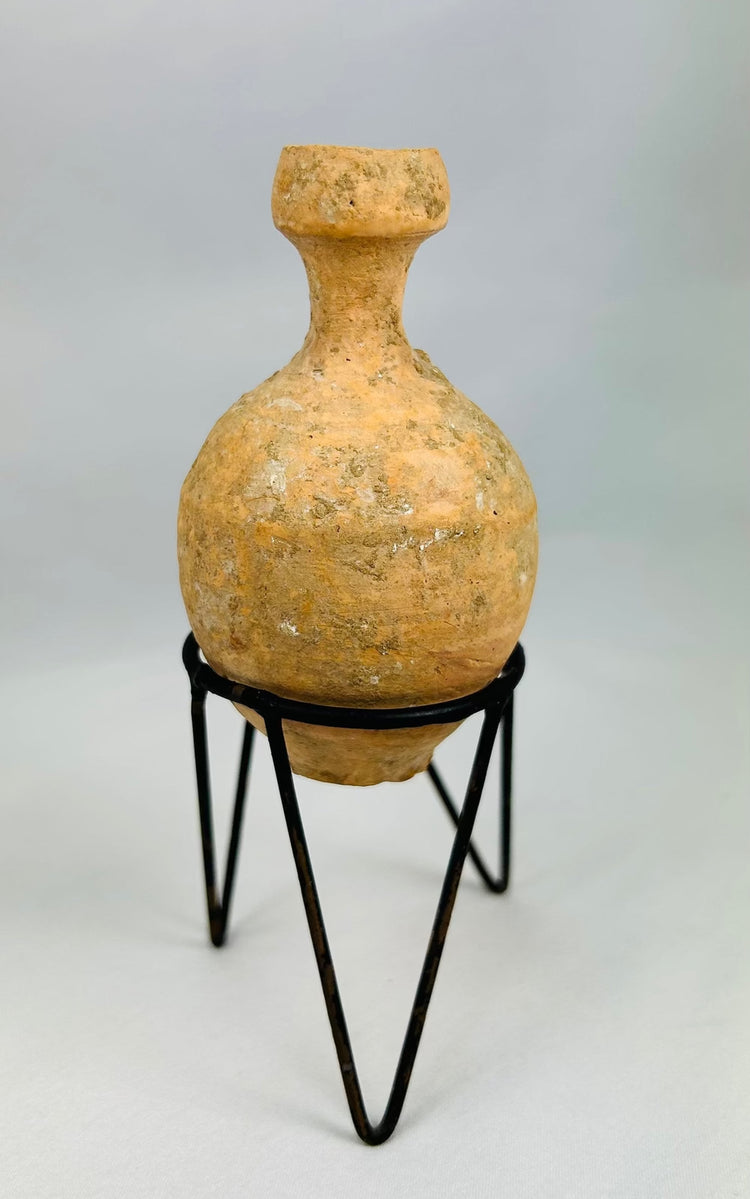
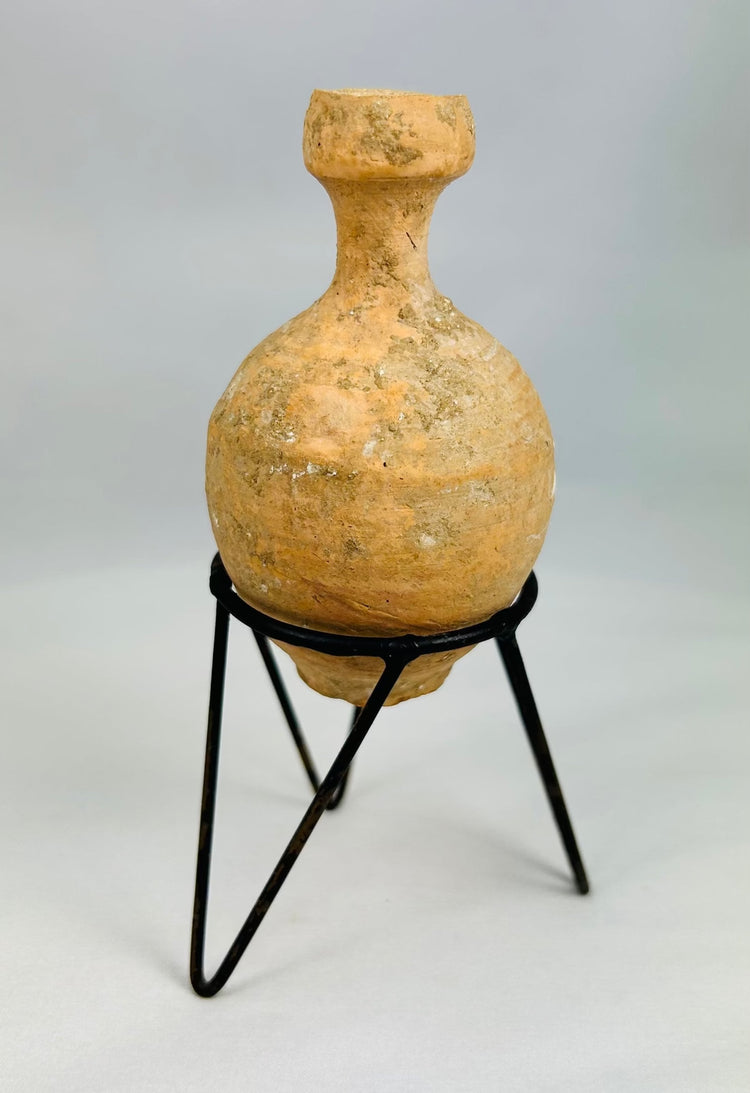
Empire romain | Vase à parfum/huile en terre cuite | Vers le Ier-IIIe siècle ap. J.-C.
Description
Plus
Moins
Contexte Historique et Origine
Région : Empire romain, Méditerranée orientale
Matériau : Céramique en terre cuite
Période : Période impériale romaine, vers le 1er-3e siècle après J.-C.
Description
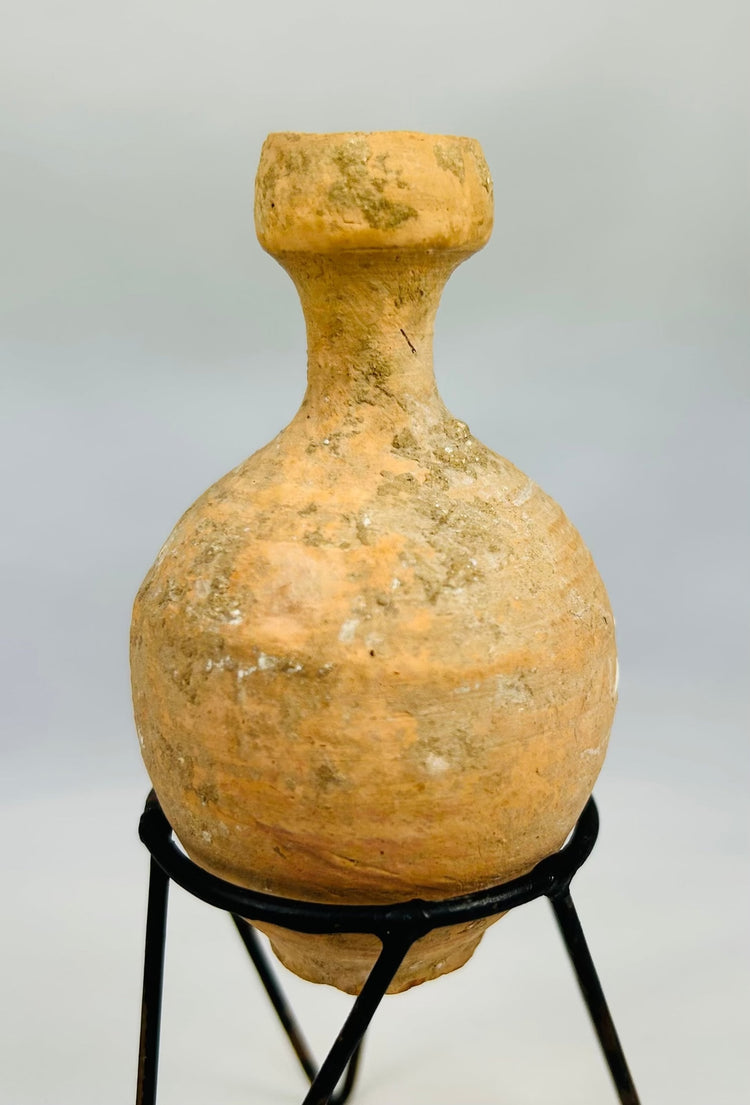
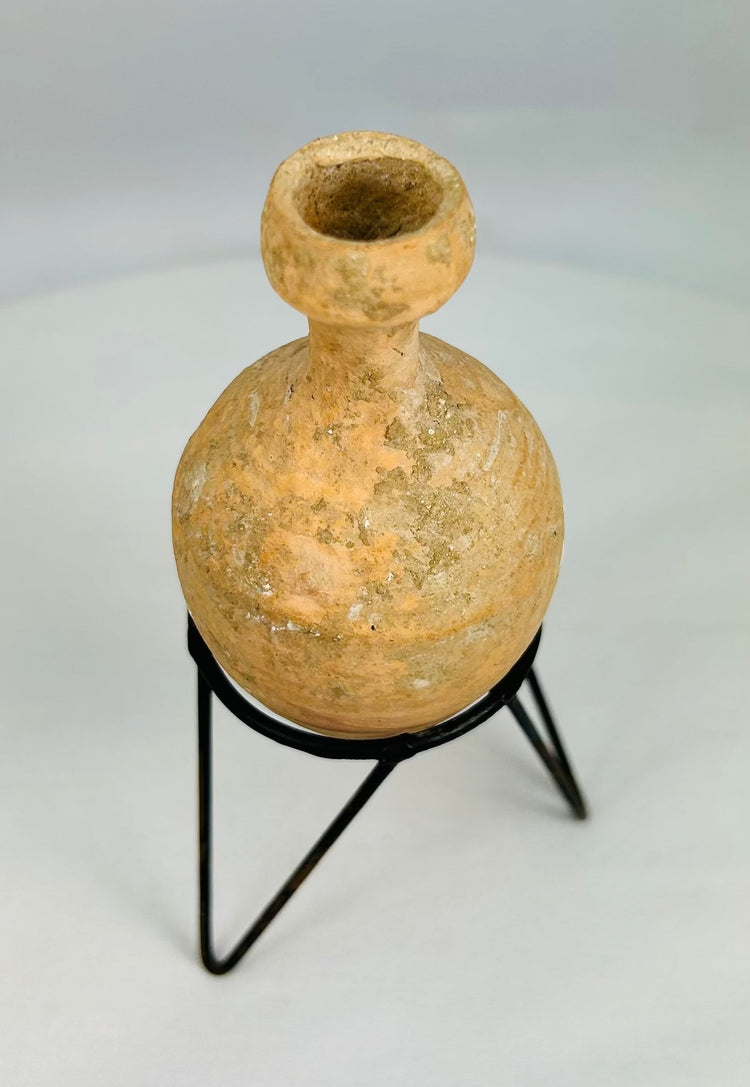
Ce vase à huile en terre cuite romaine antique, souvent appelé récipient de type aryballos, aurait contenu à l'origine de l'huile parfumée, du parfum ou des onguents de bain. Le corps globulaire arrondi, le col étroit et la forme utilitaire simple reflètent le savoir-faire céramique à la fois pratique et élégant du monde romain.
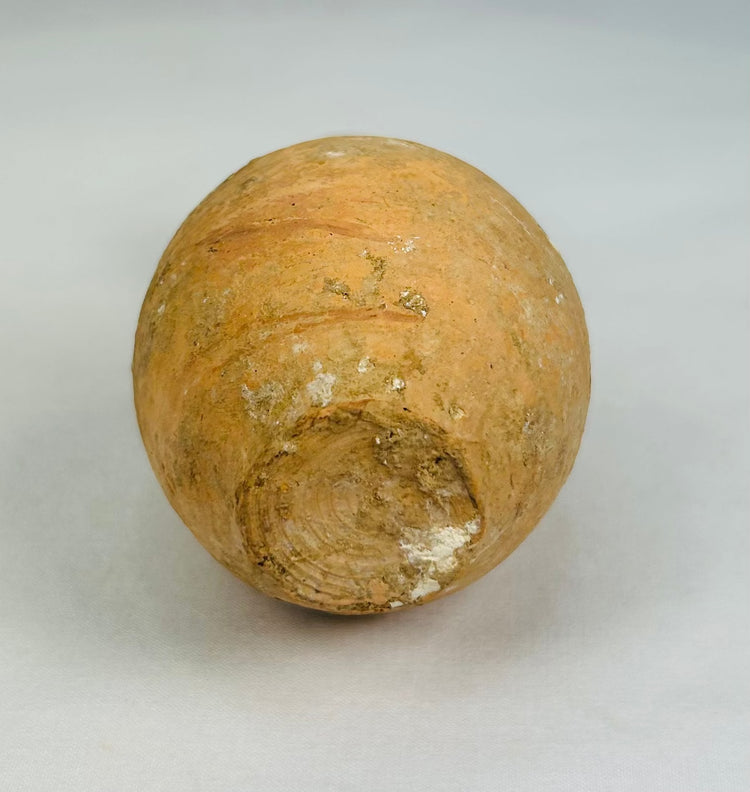
Sa surface conserve d'attrayants dépôts archéologiques et incrustations minérales datant de siècles d'enfouissement, lui conférant un caractère ancien riche et intact. Ces récipients étaient utilisés dans le toilettage quotidien, les nettoyages rituels et les contextes funéraires, soulignant à la fois les soins personnels et la signification symbolique dans la vie romaine.
Caractéristiques
- Authentique récipient romain en terre cuite à usage personnel
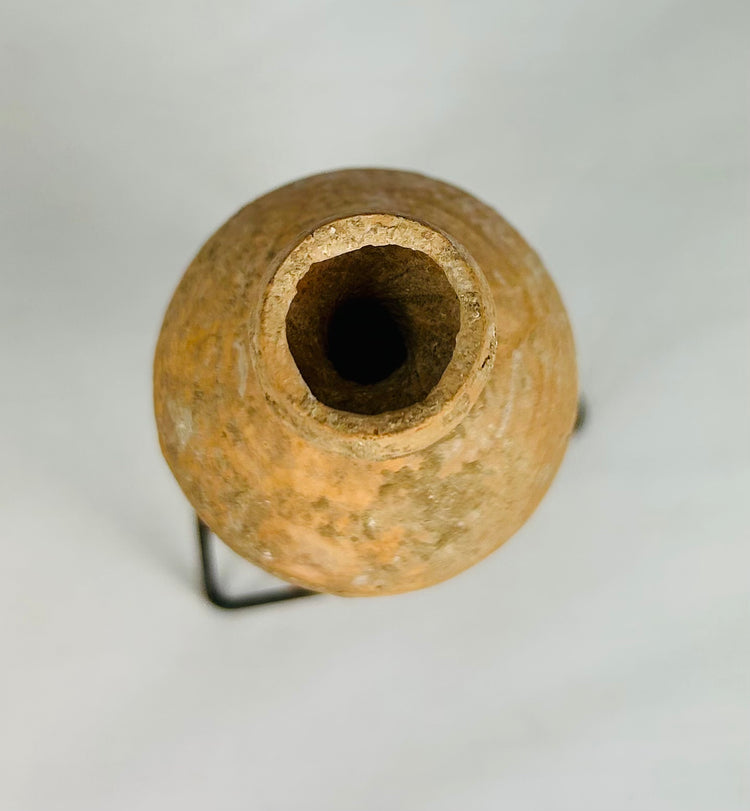
- Corps globulaire avec col court et embouchure arrondie
- Tons de surface terreux chauds avec des dépôts anciens
- Excellente authenticité archéologique et présence d'exposition
- Exemple magnifiquement conservé de la vie quotidienne romaine
Signification Culturelle
Les vases à huile et à parfum étaient des objets essentiels dans la culture romaine, utilisés dans les rituels de bain domestiques, les offrandes religieuses et les coutumes funéraires. Ils reflètent le raffinement, la propreté et le luxe dans la société romaine quotidienne tout en servant de rappels durables d'anciens rituels personnels.
État
Très bon état ancien. Structure stable avec usure de surface liée à l'âge attendue, dépôts minéraux, légère incrustation et patine terreuse. Aucune restauration moderne observée.
Dimensions (Approximatives)
Hauteur : 5,25 po
Diamètre : 2 po
Âge (Approximatif)
Entre 1 725 et 2 025 ans
Provenance
D'une collection privée à Bozeman, Montana, États-Unis.
En savoir plus
Découvrez les unguentaria romains via le Mary Jaharis Center
Explorez nos Artéfacts romains et grecs authentiques et reliques antiques
Description
Contexte Historique et Origine
Région : Empire romain, Méditerranée orientale
Matériau : Céramique en terre cuite
Période : Période impériale romaine, vers le 1er-3e siècle après J.-C.
Description
Ce vase à huile en terre cuite romaine antique, souvent appelé récipient de type aryballos, aurait contenu à l'origine de l'huile parfumée, du parfum ou des onguents de bain. Le corps globulaire arrondi, le col étroit et la forme utilitaire simple reflètent le savoir-faire céramique à la fois pratique et élégant du monde romain.
Sa surface conserve d'attrayants dépôts archéologiques et incrustations minérales datant de siècles d'enfouissement, lui conférant un caractère ancien riche et intact. Ces récipients étaient utilisés dans le toilettage quotidien, les nettoyages rituels et les contextes funéraires, soulignant à la fois les soins personnels et la signification symbolique dans la vie romaine.
Caractéristiques
- Authentique récipient romain en terre cuite à usage personnel
- Corps globulaire avec col court et embouchure arrondie
- Tons de surface terreux chauds avec des dépôts anciens
- Excellente authenticité archéologique et présence d'exposition
- Exemple magnifiquement conservé de la vie quotidienne romaine
Signification Culturelle
Les vases à huile et à parfum étaient des objets essentiels dans la culture romaine, utilisés dans les rituels de bain domestiques, les offrandes religieuses et les coutumes funéraires. Ils reflètent le raffinement, la propreté et le luxe dans la société romaine quotidienne tout en servant de rappels durables d'anciens rituels personnels.
État
Très bon état ancien. Structure stable avec usure de surface liée à l'âge attendue, dépôts minéraux, légère incrustation et patine terreuse. Aucune restauration moderne observée.
Dimensions (Approximatives)
Hauteur : 5,25 po
Diamètre : 2 po
Âge (Approximatif)
Entre 1 725 et 2 025 ans
Provenance
D'une collection privée à Bozeman, Montana, États-Unis.
En savoir plus
Découvrez les unguentaria romains via le Mary Jaharis Center
Explorez nos Artéfacts romains et grecs authentiques et reliques antiques
Vous aimerez peut-être aussi
