



Every Purchase Includes

Certificate of Authenticity
Every artifact includes a Certificate of Authenticity confirming its identification and historical attribution.

Museum-Standard Packaging
Professionally packaged using archival materials to ensure your artifact arrives safely.

Free Worldwide Shipping
Enjoy free, fully insured shipping to over 180 countries worldwide.

Scientific Documentation
X-ray imaging and scientific reports accompany select artifacts.

Historical Provenance
Documented ownership history and provenance records accompany artifacts when available.

Lifetime Collector Support
Dedicated support from our experts for any questions or assistance you may need.
Lost Civilizations & Cultures
-
Ancient Mesoamerican Terracotta Head | Nayarit/Jalisco Region | Circa 300BCE – 300CE
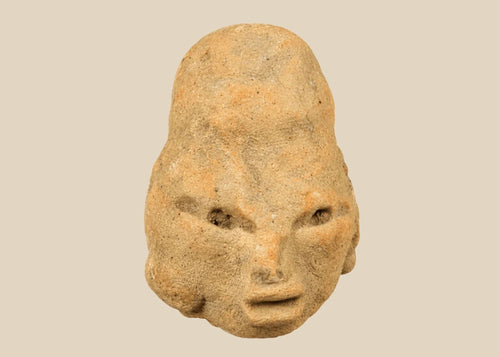
Ancient Mesoamerican Terracotta Head | Nayarit/Jalisco Region | Circa 300BCE – 300CE
- Regular price
- $214.00
- Sale price
- $214.00
- Regular price
-
Pre-Columbian Terracotta Human Effigy Head Fragment | Mexico to Colombia | Circa 200–900 CE
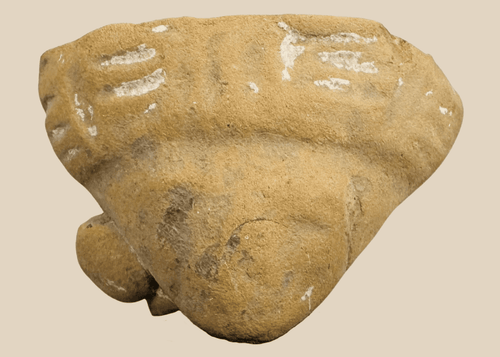
Pre-Columbian Terracotta Human Effigy Head Fragment | Mexico to Colombia | Circa 200–900 CE
- Regular price
- $179.00
- Sale price
- $179.00
- Regular price
-
Pre-Columbian Anthropomorphic Head with Elaborate Headdress | Small Sculptural Fragment | Circa 1200–400 BCE
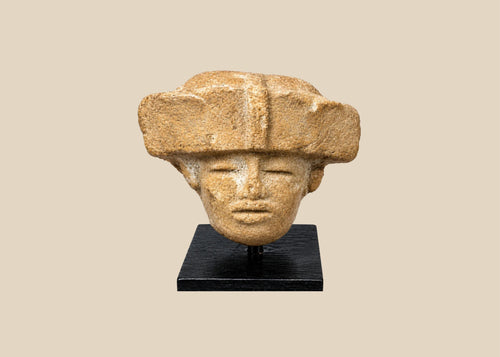
Pre-Columbian Anthropomorphic Head with Elaborate Headdress | Small Sculptural Fragment | Circa 1200–400 BCE
- Regular price
- $161.00
- Sale price
- $161.00
- Regular price
-
Pre-Columbian Zoomorphic Armadillo Figurine | Ancient Central American Animal Sculpture | Circa 900–1500 CE
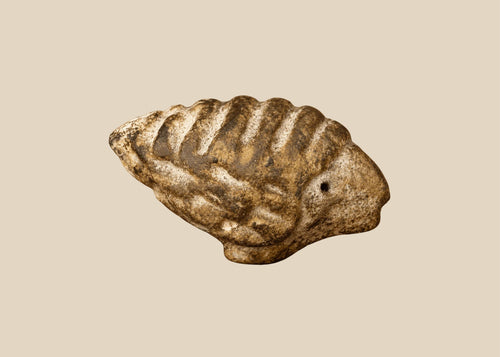
Pre-Columbian Zoomorphic Armadillo Figurine | Ancient Central American Animal Sculpture | Circa 900–1500 CE
- Regular price
- $161.00
- Sale price
- $161.00
- Regular price
Collector Insights
What does “lost civilizations” mean?
The term describes ancient societies whose cities, artistic traditions, or written histories were disrupted, abandoned, or later rediscovered through archaeology. It does not necessarily mean that the people or their descendants disappeared entirely.
What is Indus Valley pottery?
Indus Valley pottery includes terracotta bowls, jars, dishes, and vessels produced by one of South Asia’s earliest urban civilizations. Many examples feature painted geometric patterns, circular designs, animals, or fish motifs created with dark pigments over a red or buff surface.
What were Pre-Columbian terracotta figures used for?
Pre-Columbian terracotta figures could represent ancestors, community members, animals, musicians, or ceremonial subjects. In parts of ancient West Mexico, ceramic figures and effigy vessels were placed in shaft tombs to accompany and honour the deceased.
Why are many ancient artifacts preserved as fragments?
Terracotta figures, pottery vessels, masks, and carvings may survive only partially because of burial conditions, environmental exposure, historic use, or centuries of accidental damage. Even a fragment can preserve valuable evidence of ancient clothing, symbolism, craftsmanship, and artistic style.
How are lost civilization artifacts dated and attributed?
Dating and cultural attribution consider an artifact’s material, construction, form, decoration, iconography, surface characteristics, and comparison with documented archaeological examples. Available provenance and previous collection records are also reviewed.
Discover Relic & Rarity
on Instagram

