Ancient Carthaginian Terracotta Saucer-Shaped Oil Lamp with Associated Bronze Coins | Circa 5th Century BCE–1st Century AD

Regular price
$1,000.00
Sale price
$1,000.00
Regular price
Free Worldwide Shipping on all orders
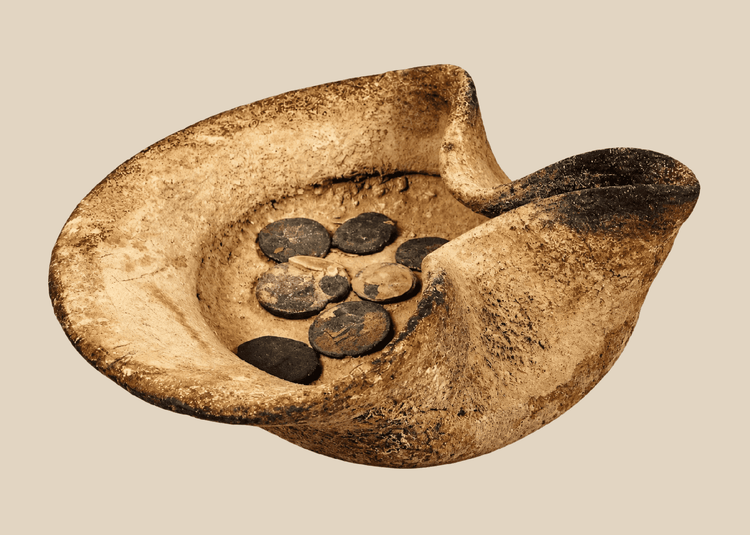
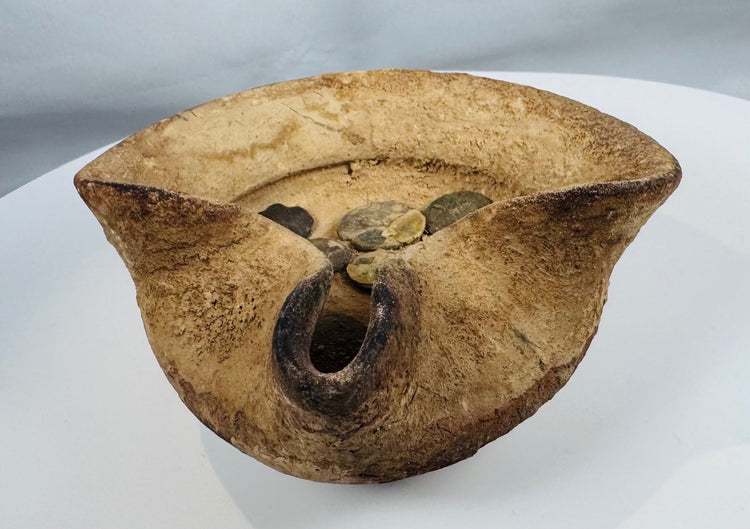
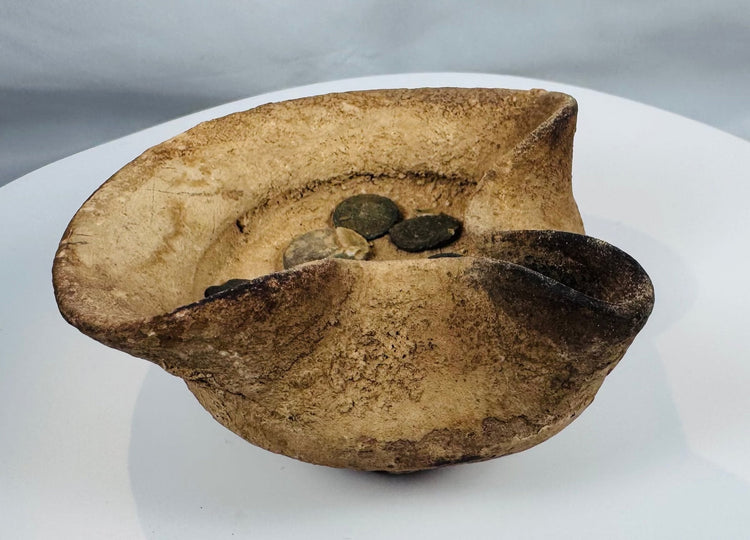
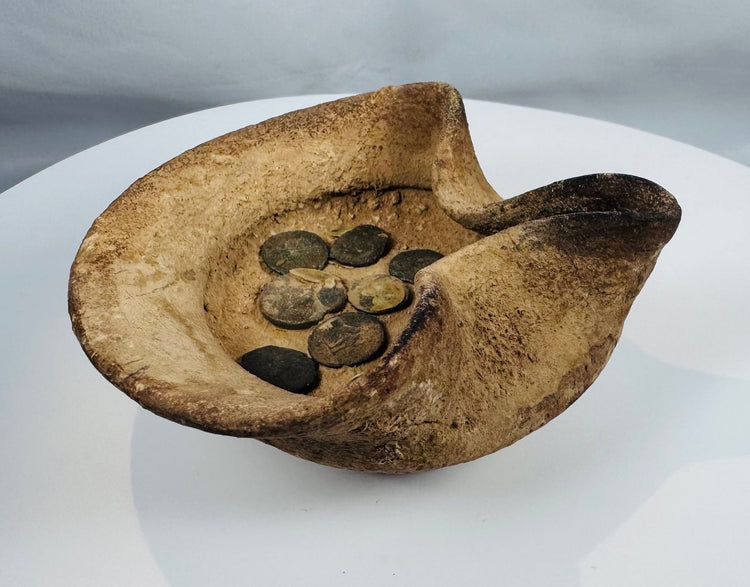
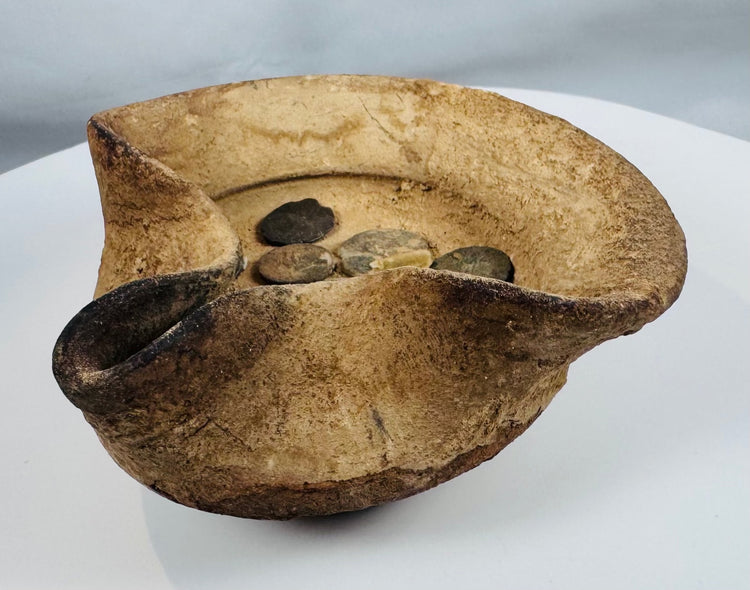
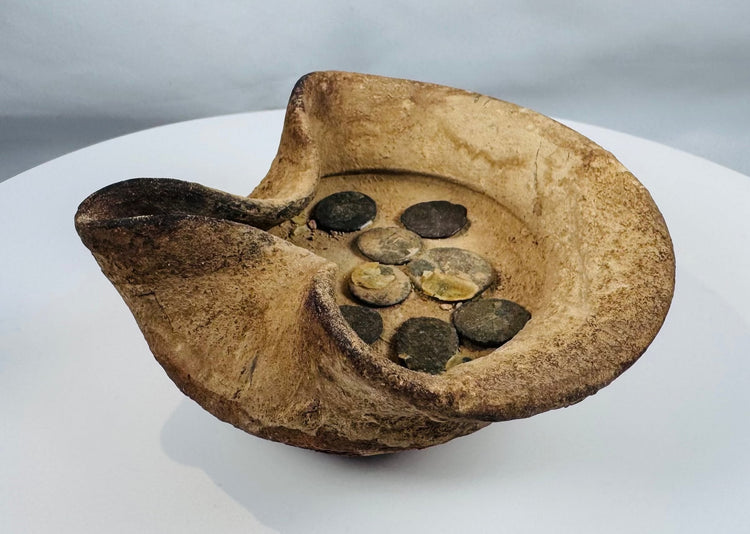
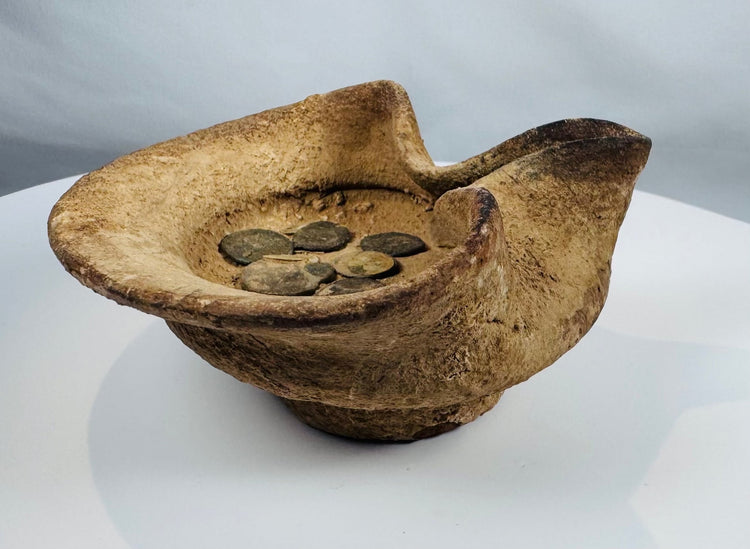
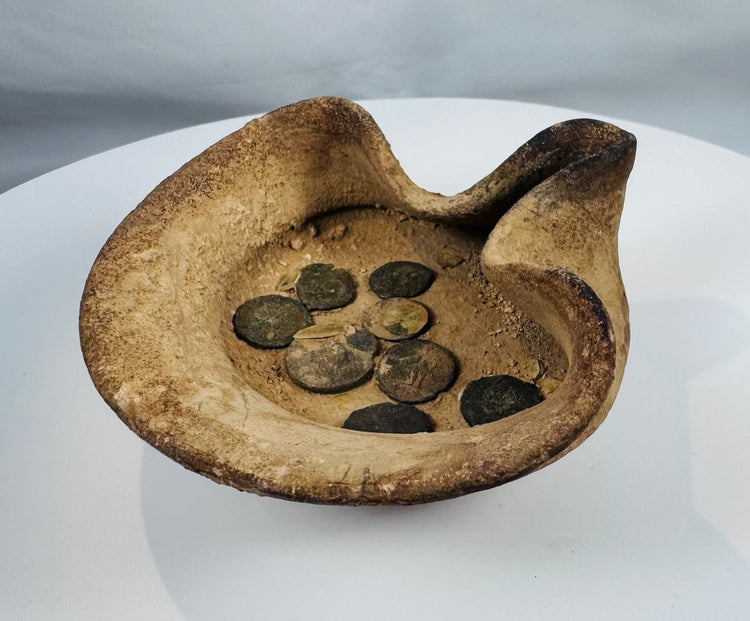
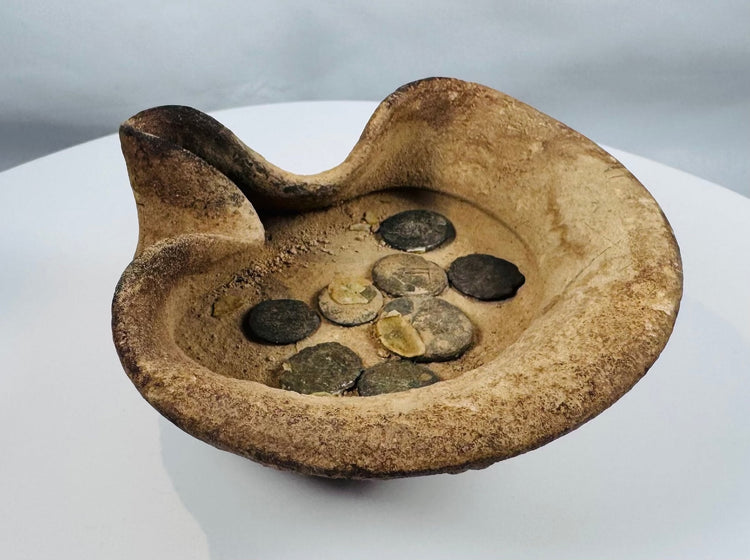
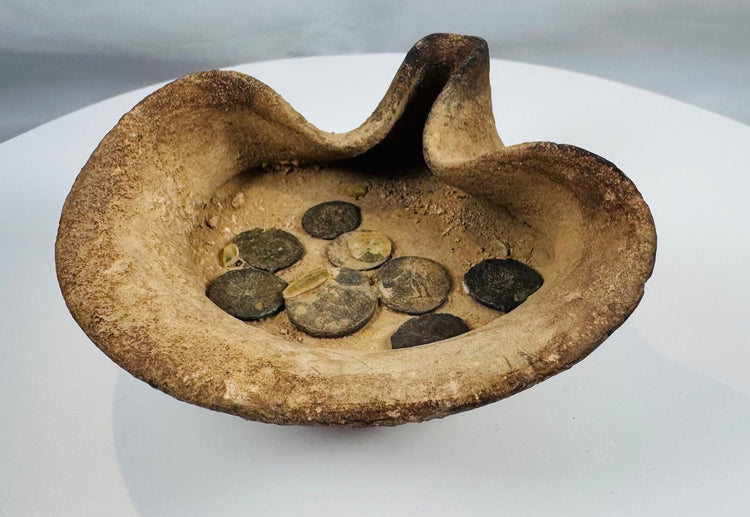
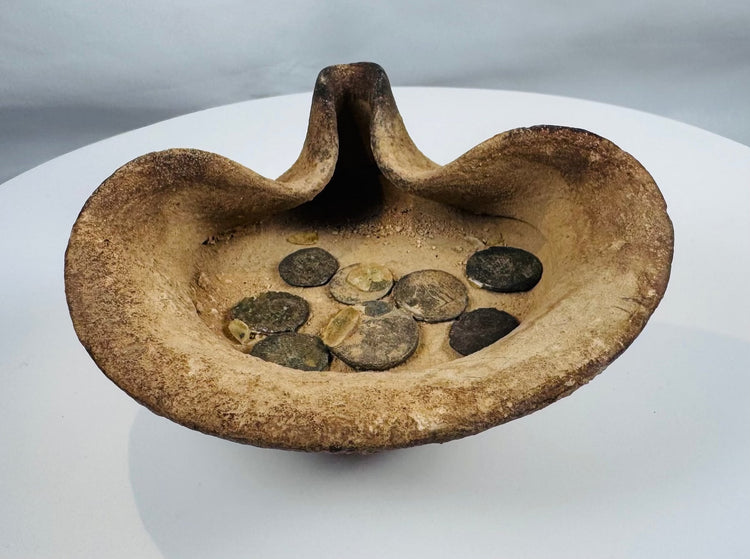
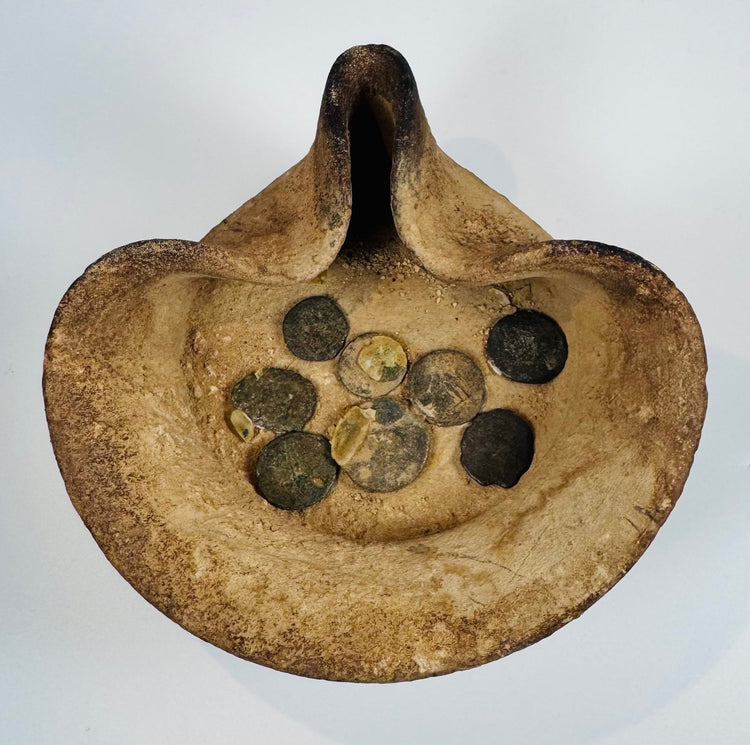
Ancient Carthaginian terracotta saucer-shaped oil lamp with associated bronze coins from Carthage, circa 5th Century BCE–1st Century AD
360-degree view of an ancient Carthaginian terracotta saucer-shaped oil lamp with associated bronze coins from Carthage, dating circa 5th Century BCE–1st Century AD, showing archaeological surfaces, folded rim construction, and authentic age-related patina.
Terracotta saucer-shaped oil lamp from ancient Carthage accompanied by bronze coins and archaeological patina
Ancient North African terracotta oil lamp with folded rim and associated bronze coins from Carthage
Rare Carthaginian saucer-shaped oil lamp with bronze coins recovered from archaeological excavations at Carthage
Hand-formed terracotta oil lamp from ancient Carthage with associated bronze coin group
Ancient Punic-Roman terracotta oil lamp displaying folded rim construction and bronze coins
Archaeological terracotta saucer-shaped oil lamp from Carthage with heavily patinated bronze coins
Ancient Mediterranean terracotta oil lamp from Carthage accompanied by bronze coin artifacts
Terracotta saucer-shaped oil lamp attributed to Carthage with associated ancient bronze coinage
Historic Carthaginian oil lamp featuring folded rim design and group of bronze coins
Ancient Carthage terracotta lighting vessel with associated bronze coins and archaeological wear
Museum-comparable terracotta saucer-shaped oil lamp from Carthage with bronze coins
Ancient terracotta oil lamp from Carthage, North Africa, accompanied by bronze coins and collector provenance
  • Ancient Carthaginian terracotta saucer-shaped oil lamp with associated bronze coins from Carthage, circa 5th Century BCE–1st Century AD
  • 360-degree view of an ancient Carthaginian terracotta saucer-shaped oil lamp with associated bronze coins from Carthage, dating circa 5th Century BCE–1st Century AD, showing archaeological surfaces, folded rim construction, and authentic age-related patina.
  • Terracotta saucer-shaped oil lamp from ancient Carthage accompanied by bronze coins and archaeological patina
  • Ancient North African terracotta oil lamp with folded rim and associated bronze coins from Carthage
  • Rare Carthaginian saucer-shaped oil lamp with bronze coins recovered from archaeological excavations at Carthage
  • Hand-formed terracotta oil lamp from ancient Carthage with associated bronze coin group
  • Ancient Punic-Roman terracotta oil lamp displaying folded rim construction and bronze coins
  • Archaeological terracotta saucer-shaped oil lamp from Carthage with heavily patinated bronze coins
  • Ancient Mediterranean terracotta oil lamp from Carthage accompanied by bronze coin artifacts
  • Terracotta saucer-shaped oil lamp attributed to Carthage with associated ancient bronze coinage
  • Historic Carthaginian oil lamp featuring folded rim design and group of bronze coins
  • Ancient Carthage terracotta lighting vessel with associated bronze coins and archaeological wear
  • Museum-comparable terracotta saucer-shaped oil lamp from Carthage with bronze coins
  • Ancient terracotta oil lamp from Carthage, North Africa, accompanied by bronze coins and collector provenance
Ancient Carthaginian terracotta saucer-shaped oil lamp with associated bronze coins from Carthage, circa 5th Century BCE–1st Century AD
360-degree view of an ancient Carthaginian terracotta saucer-shaped oil lamp with associated bronze coins from Carthage, dating circa 5th Century BCE–1st Century AD, showing archaeological surfaces, folded rim construction, and authentic age-related patina.
Terracotta saucer-shaped oil lamp from ancient Carthage accompanied by bronze coins and archaeological patina
Ancient North African terracotta oil lamp with folded rim and associated bronze coins from Carthage
Rare Carthaginian saucer-shaped oil lamp with bronze coins recovered from archaeological excavations at Carthage
Hand-formed terracotta oil lamp from ancient Carthage with associated bronze coin group
Ancient Punic-Roman terracotta oil lamp displaying folded rim construction and bronze coins
Archaeological terracotta saucer-shaped oil lamp from Carthage with heavily patinated bronze coins
Ancient Mediterranean terracotta oil lamp from Carthage accompanied by bronze coin artifacts
Terracotta saucer-shaped oil lamp attributed to Carthage with associated ancient bronze coinage
Historic Carthaginian oil lamp featuring folded rim design and group of bronze coins
Ancient Carthage terracotta lighting vessel with associated bronze coins and archaeological wear
Museum-comparable terracotta saucer-shaped oil lamp from Carthage with bronze coins
Ancient terracotta oil lamp from Carthage, North Africa, accompanied by bronze coins and collector provenance
Authenticity and secure checkout guarantee

Ancient Carthaginian Terracotta Saucer-Shaped Oil Lamp with Associated Bronze Coins | Circa 5th Century BCE–1st Century AD

Description

Historical Context & Origin

Region: Carthage, Roman North Africa (Modern Tunisia)
Material: Terracotta pottery with associated bronze coins
Period: Late Punic to Early Roman Period, Circa 5th Century BCE–1st Century AD

Description

This ancient terracotta saucer-shaped oil lamp originates from the historic city of Carthage, one of the most influential centers of the ancient Mediterranean world. Hand-formed from earthenware clay, the lamp features a shallow open reservoir with a distinctive folded and pinched rim designed to support a wick while holding lamp oil. This simple yet effective design represents one of the earliest and most enduring forms of artificial lighting used throughout antiquity.

Accompanying the lamp is a group of ancient bronze coins displaying substantial patination and age-related wear. Together, the lamp and coins create an evocative display representative of daily life, commerce, and material culture in ancient Carthage.

The piece is further accompanied by an old French collector's label identifying it as originating from archaeological excavations at Carthage and dating to the Roman Empire. Whether dating to the late Punic or early Roman period, the lamp stands as a tangible connection to one of antiquity's most important centers of trade, culture, and civilization.

Features

- Ancient Roman terracotta saucer-shaped oil lamp

- Attributed to Carthage, Roman North Africa

- Distinctive hand-formed folded and pinched rim construction

- Accompanied by ancient bronze coins

- Rich archaeological surfaces and earthen patina

- Accompanied by vintage French collector's label

- Excellent display piece illustrating Roman daily life and commerce

Cultural Significance

Before the widespread adoption of molded enclosed lamps, saucer-shaped oil lamps provided a practical and economical source of illumination throughout the ancient Mediterranean world. Carthage was among the most powerful and prosperous cities of antiquity, first as the capital of the Punic civilization and later as a major Roman provincial center. Artifacts such as this lamp offer valuable insight into the domestic lives, technological practices, and commercial networks that shaped everyday existence across centuries of North African history.

Condition

Ancient condition with expected archaeological wear, surface deposits, firing imperfections, minor losses, and age-related wear throughout. Associated coins exhibit substantial patination and circulation wear consistent with age. Stable and highly displayable. Please review photographs carefully for condition details.

Dimensions (Approximate)

Width: 5 in
Depth: 5 in
Height: 2.5 inches

Age (Approximate)

2,000–2,500 years old

Provenance

Accompanied by an old French collector's label reading:

"Très rare plat avec monnaies, fouilles archéologiques à Carthage. Empire Romain, Ier siècle."

(Translated: "Very rare dish with coins, archaeological excavations at Carthage. Roman Empire, 1st Century.")

Subsequently held in a private collection in Montreal, QC, Canada.

Learn More

Discover the history and function of ancient saucer-shaped oil lamps through The Metropolitan Museum of Art

Explore Our Collection of Roman & Greek Artifacts

Description

Historical Context & Origin

Region: Carthage, Roman North Africa (Modern Tunisia)
Material: Terracotta pottery with associated bronze coins
Period: Late Punic to Early Roman Period, Circa 5th Century BCE–1st Century AD

Description

This ancient terracotta saucer-shaped oil lamp originates from the historic city of Carthage, one of the most influential centers of the ancient Mediterranean world. Hand-formed from earthenware clay, the lamp features a shallow open reservoir with a distinctive folded and pinched rim designed to support a wick while holding lamp oil. This simple yet effective design represents one of the earliest and most enduring forms of artificial lighting used throughout antiquity.

Accompanying the lamp is a group of ancient bronze coins displaying substantial patination and age-related wear. Together, the lamp and coins create an evocative display representative of daily life, commerce, and material culture in ancient Carthage.

The piece is further accompanied by an old French collector's label identifying it as originating from archaeological excavations at Carthage and dating to the Roman Empire. Whether dating to the late Punic or early Roman period, the lamp stands as a tangible connection to one of antiquity's most important centers of trade, culture, and civilization.

Features

- Ancient Roman terracotta saucer-shaped oil lamp

- Attributed to Carthage, Roman North Africa

- Distinctive hand-formed folded and pinched rim construction

- Accompanied by ancient bronze coins

- Rich archaeological surfaces and earthen patina

- Accompanied by vintage French collector's label

- Excellent display piece illustrating Roman daily life and commerce

Cultural Significance

Before the widespread adoption of molded enclosed lamps, saucer-shaped oil lamps provided a practical and economical source of illumination throughout the ancient Mediterranean world. Carthage was among the most powerful and prosperous cities of antiquity, first as the capital of the Punic civilization and later as a major Roman provincial center. Artifacts such as this lamp offer valuable insight into the domestic lives, technological practices, and commercial networks that shaped everyday existence across centuries of North African history.

Condition

Ancient condition with expected archaeological wear, surface deposits, firing imperfections, minor losses, and age-related wear throughout. Associated coins exhibit substantial patination and circulation wear consistent with age. Stable and highly displayable. Please review photographs carefully for condition details.

Dimensions (Approximate)

Width: 5 in
Depth: 5 in
Height: 2.5 inches

Age (Approximate)

2,000–2,500 years old

Provenance

Accompanied by an old French collector's label reading:

"Très rare plat avec monnaies, fouilles archéologiques à Carthage. Empire Romain, Ier siècle."

(Translated: "Very rare dish with coins, archaeological excavations at Carthage. Roman Empire, 1st Century.")

Subsequently held in a private collection in Montreal, QC, Canada.

Learn More

Discover the history and function of ancient saucer-shaped oil lamps through The Metropolitan Museum of Art

Explore Our Collection of Roman & Greek Artifacts

You May Also Like