



Ancient Paquimé Corrugated Earthenware Jar | Chihuahua Region | Circa 1100–1450 CE
Couldn't load pickup availability


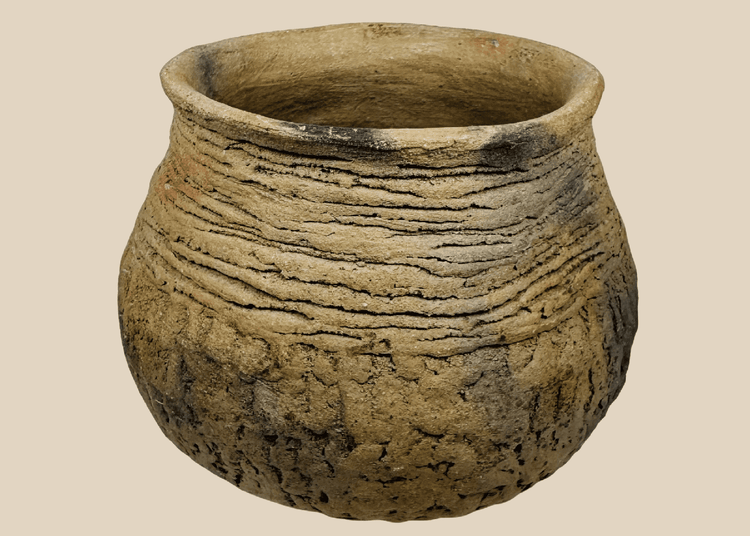
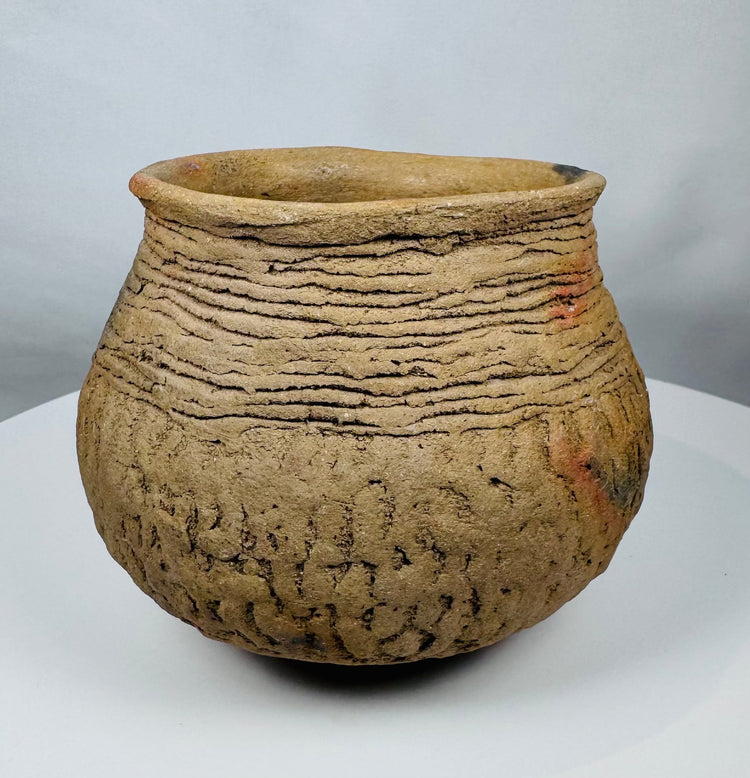
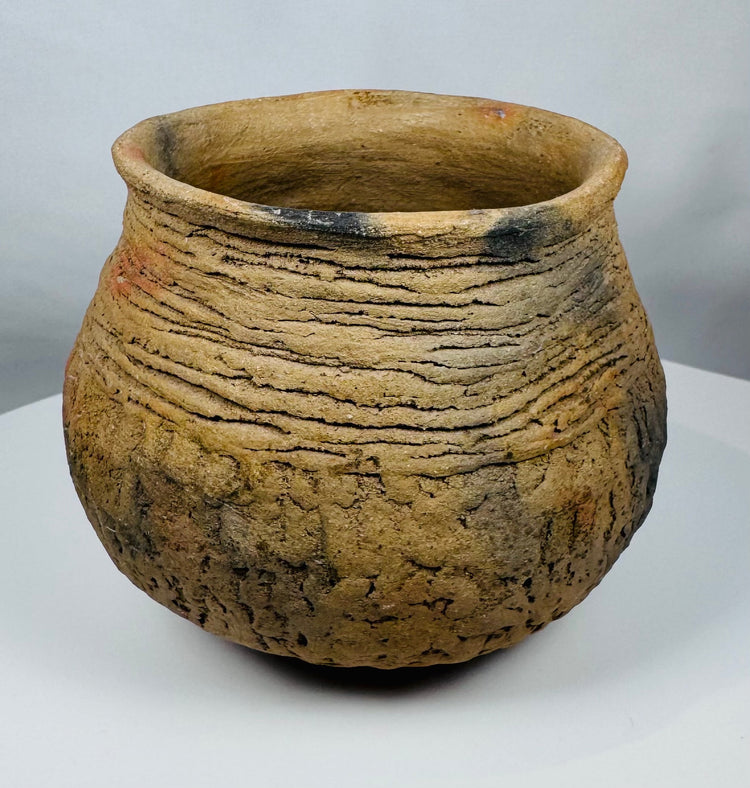
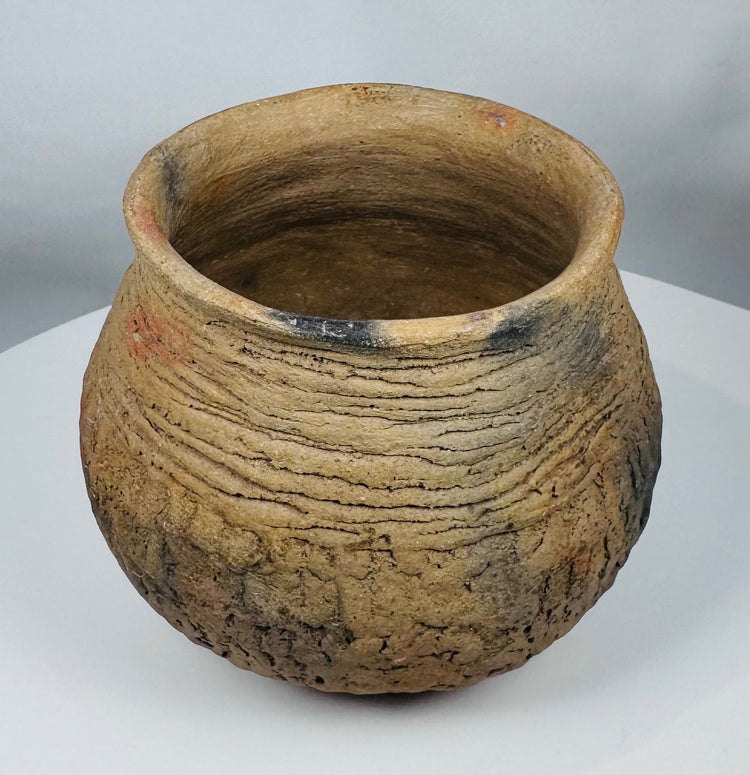
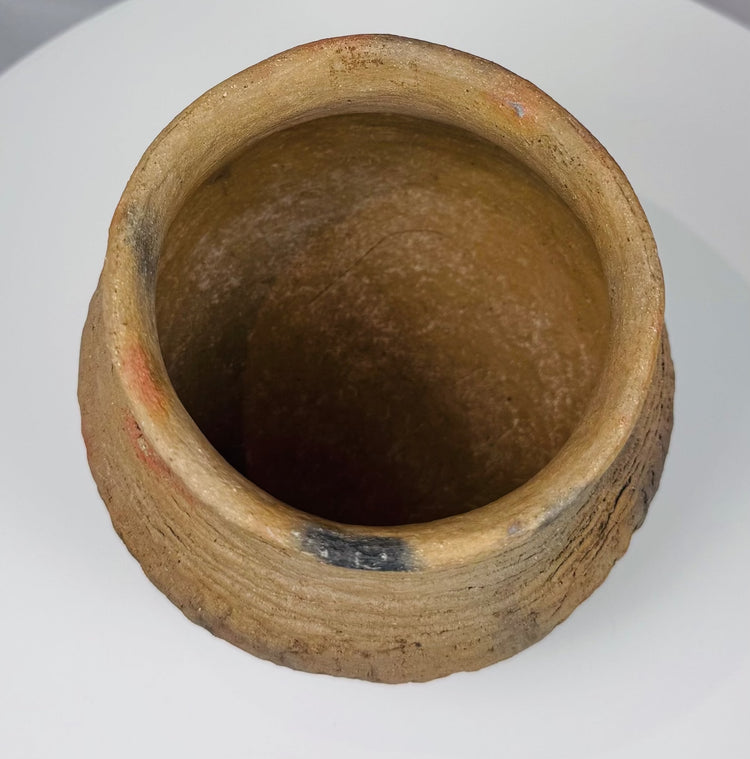
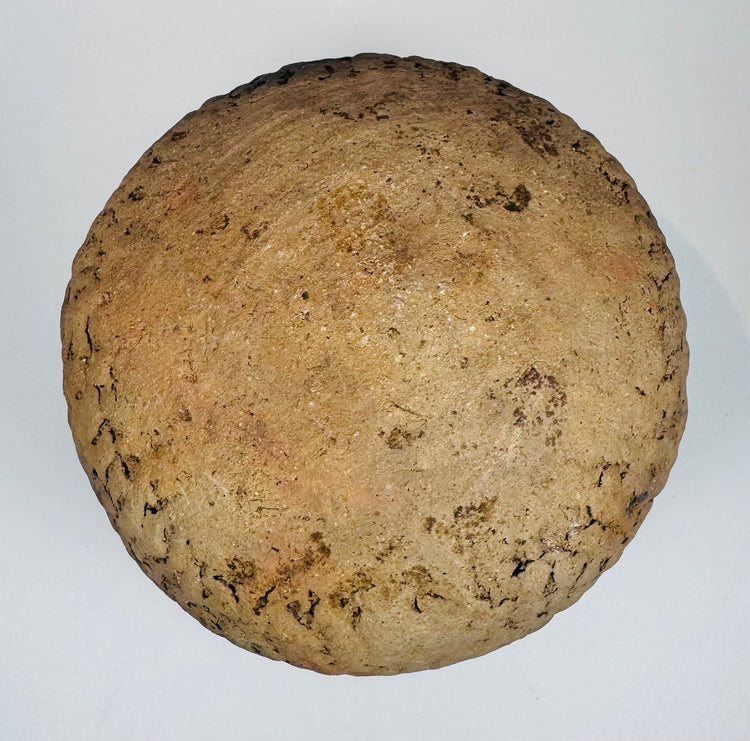
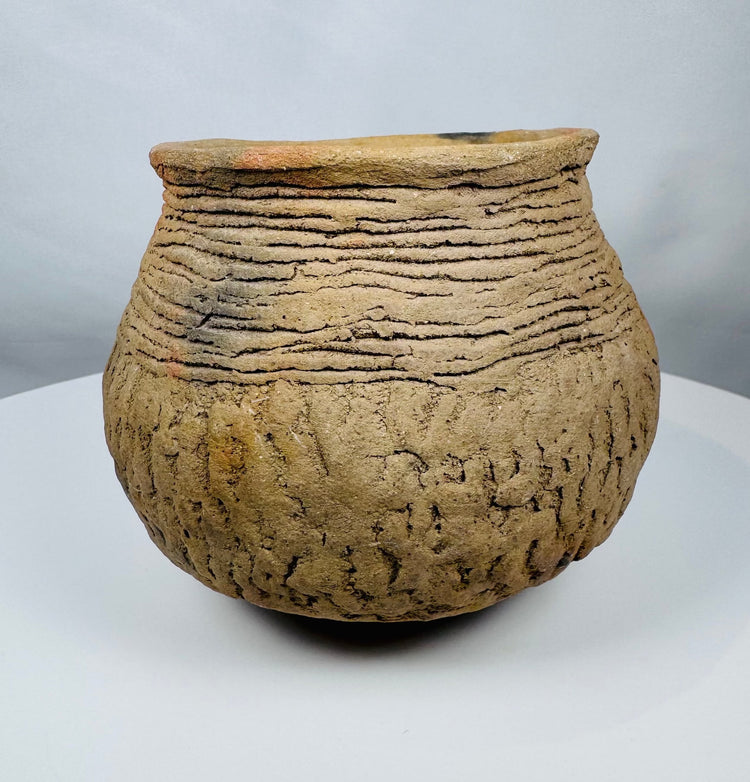
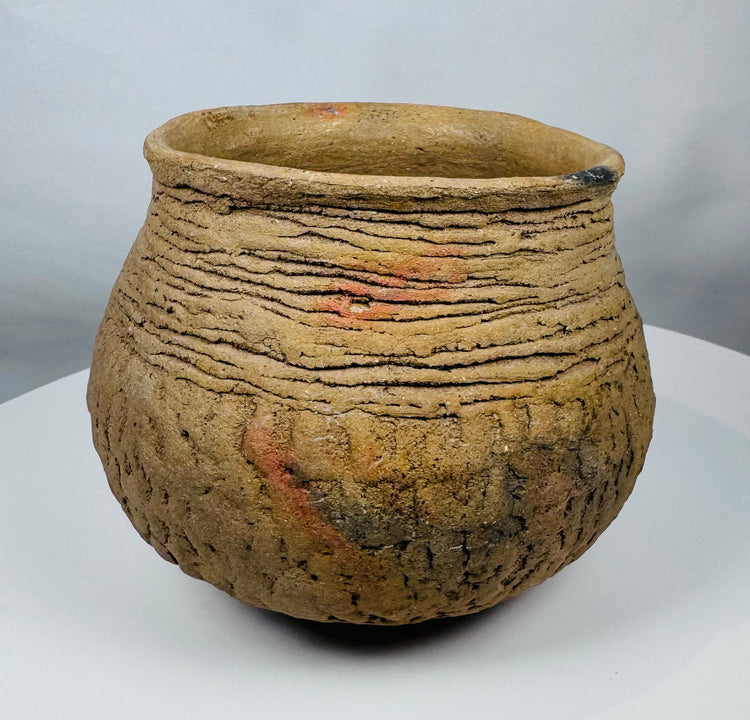
Ancient Paquimé Corrugated Earthenware Jar | Chihuahua Region | Circa 1100–1450 CE
Description
More
Less
Historical Context & Origin
Region: Northern Mexico (Chihuahua Region), Casas Grandes (Paquimé) Culture
Material: Hand-formed earthenware pottery
Period: Circa 1100–1450 CE
Description
This authentic Pre-Columbian Casas Grandes corrugated plainware jar represents a classic ceramic form produced by the ancient peoples of the Chihuahua region of northern Mexico between approximately 1100 and 1450 CE. Hand-formed from coarse earthenware clay, the vessel displays the distinctive corrugated construction technique for which many Casas Grandes utilitarian wares are known.
The rounded body is decorated with horizontal corrugated bands encircling the upper portion of the vessel, while the lower body retains a textured surface created during the hand-building process. A slightly everted rim frames the wide mouth, and traces of dark firing marks and mineral deposits remain visible throughout, reflecting both its age and traditional firing methods.
Pottery played a vital role within Casas Grandes society, serving domestic, ceremonial, and storage functions. While the culture is perhaps best known for its finely painted polychrome ceramics, corrugated vessels such as this example were equally important as practical household wares and demonstrate the skilled craftsmanship of the region's ancient potters.
Features
- Authentic Casas Grandes corrugated pottery construction
- Rounded globular body with wide mouth opening
- Horizontal incised and corrugated bands around the neck and shoulder
- Hand-built earthenware with visible ancient manufacturing techniques
- Natural mineral deposits and firing marks from age and burial
- Excellent example of utilitarian Pre-Columbian pottery tradition
- Warm buff-colored ceramic surface with archaeological patina
Historical Significance
The Casas Grandes (Paquimé) culture flourished in northern Mexico between approximately 1100 and 1450 CE and served as an important cultural crossroads linking Mesoamerica with the Indigenous societies of the American Southwest. Their settlements became centers of trade, craftsmanship, and ceremonial activity.
Corrugated vessels such as this were essential components of daily life, used for storing water, foodstuffs, grains, and other household necessities. The distinctive corrugated decoration not only strengthened the vessel walls but also reflects regional ceramic traditions unique to the Casas Grandes people.
Condition
Ancient condition with expected age-related surface wear, firing irregularities, mineral accretions, and losses consistent with centuries of burial and preservation. Displays well.
Dimensions (Approximate)
Height: 4 in
Width: 4.7 in
Age (Approximate)
575–925 years old
Provenance
From private Reinsmoen Collection, Clear Lake, Iowa, USA. Acquired through descent from Robert Anderson and retained within the family collection. Acquired prior to 2000. Formerly Artemis Fine Arts Gallery.
Learn More
Discover the archaeological significance of Paquimé (Casas Grandes), a UNESCO World Heritage Site, through UNESCO World Heritage Centre
Explore Our Collection of Ceramics & Pottery: Ancient Heritage Art
Description
Historical Context & Origin
Region: Northern Mexico (Chihuahua Region), Casas Grandes (Paquimé) Culture
Material: Hand-formed earthenware pottery
Period: Circa 1100–1450 CE
Description
This authentic Pre-Columbian Casas Grandes corrugated plainware jar represents a classic ceramic form produced by the ancient peoples of the Chihuahua region of northern Mexico between approximately 1100 and 1450 CE. Hand-formed from coarse earthenware clay, the vessel displays the distinctive corrugated construction technique for which many Casas Grandes utilitarian wares are known.
The rounded body is decorated with horizontal corrugated bands encircling the upper portion of the vessel, while the lower body retains a textured surface created during the hand-building process. A slightly everted rim frames the wide mouth, and traces of dark firing marks and mineral deposits remain visible throughout, reflecting both its age and traditional firing methods.
Pottery played a vital role within Casas Grandes society, serving domestic, ceremonial, and storage functions. While the culture is perhaps best known for its finely painted polychrome ceramics, corrugated vessels such as this example were equally important as practical household wares and demonstrate the skilled craftsmanship of the region's ancient potters.
Features
- Authentic Casas Grandes corrugated pottery construction
- Rounded globular body with wide mouth opening
- Horizontal incised and corrugated bands around the neck and shoulder
- Hand-built earthenware with visible ancient manufacturing techniques
- Natural mineral deposits and firing marks from age and burial
- Excellent example of utilitarian Pre-Columbian pottery tradition
- Warm buff-colored ceramic surface with archaeological patina
Historical Significance
The Casas Grandes (Paquimé) culture flourished in northern Mexico between approximately 1100 and 1450 CE and served as an important cultural crossroads linking Mesoamerica with the Indigenous societies of the American Southwest. Their settlements became centers of trade, craftsmanship, and ceremonial activity.
Corrugated vessels such as this were essential components of daily life, used for storing water, foodstuffs, grains, and other household necessities. The distinctive corrugated decoration not only strengthened the vessel walls but also reflects regional ceramic traditions unique to the Casas Grandes people.
Condition
Ancient condition with expected age-related surface wear, firing irregularities, mineral accretions, and losses consistent with centuries of burial and preservation. Displays well.
Dimensions (Approximate)
Height: 4 in
Width: 4.7 in
Age (Approximate)
575–925 years old
Provenance
From private Reinsmoen Collection, Clear Lake, Iowa, USA. Acquired through descent from Robert Anderson and retained within the family collection. Acquired prior to 2000. Formerly Artemis Fine Arts Gallery.
Learn More
Discover the archaeological significance of Paquimé (Casas Grandes), a UNESCO World Heritage Site, through UNESCO World Heritage Centre
Explore Our Collection of Ceramics & Pottery: Ancient Heritage Art
You May Also Like
