



Collection of Six Roman-Style Glass Intaglios | Classical Portraits & Mythological Figures | Circa 1st Century BCE – 3rd Century CE (Attributed)
Couldn't load pickup availability


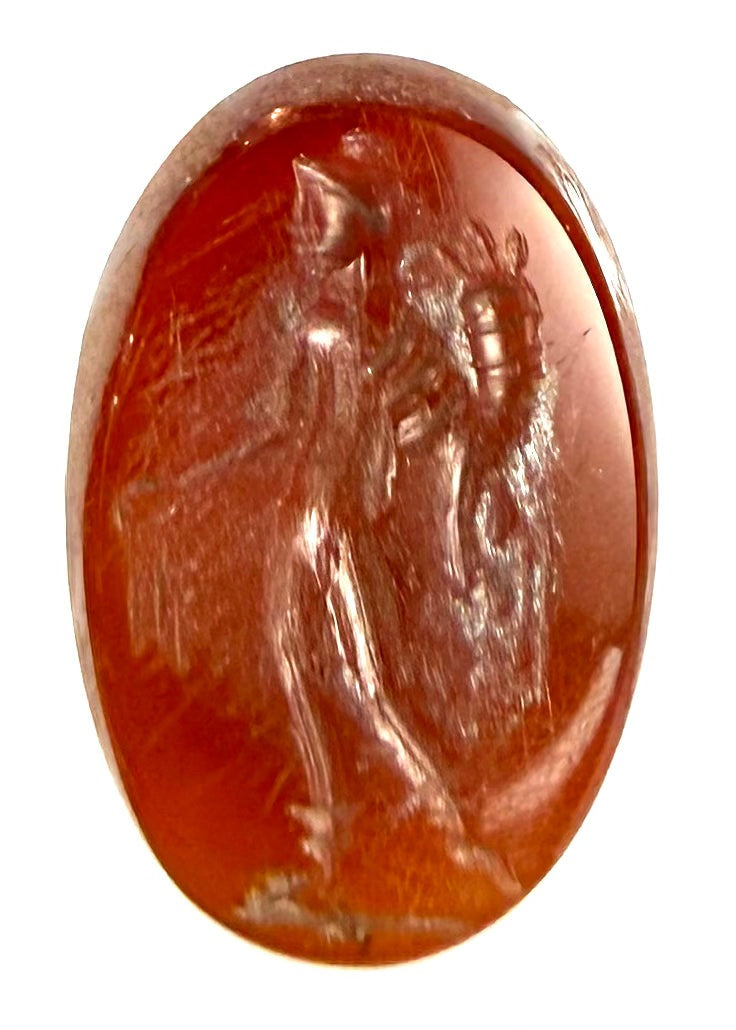
Collection of Six Roman-Style Glass Intaglios | Classical Portraits & Mythological Figures | Circa 1st Century BCE – 3rd Century CE (Attributed)
Description
More
Less
Historical Context & Origin
Region: Roman World, classical Mediterranean artistic tradition
Material: Coloured glass and glass paste
Period: Roman Republican–Imperial style, circa 1st Century BCE–3rd Century CE; manufacture dates undetermined
Description
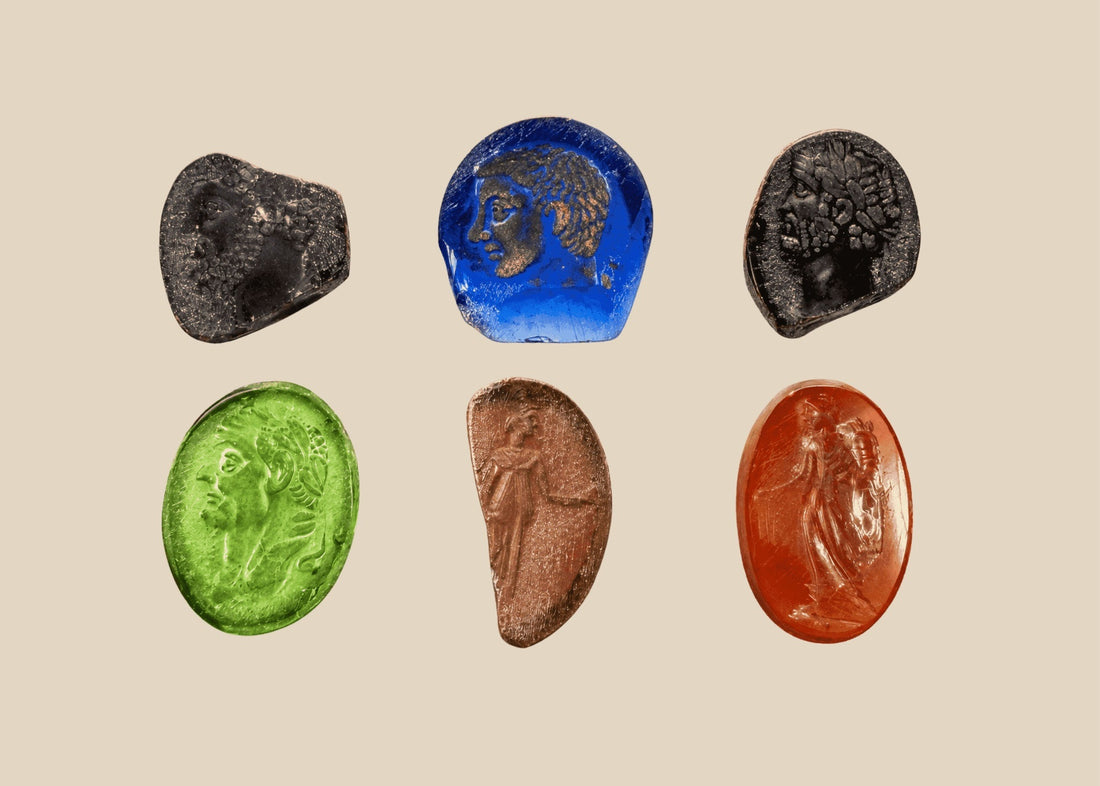
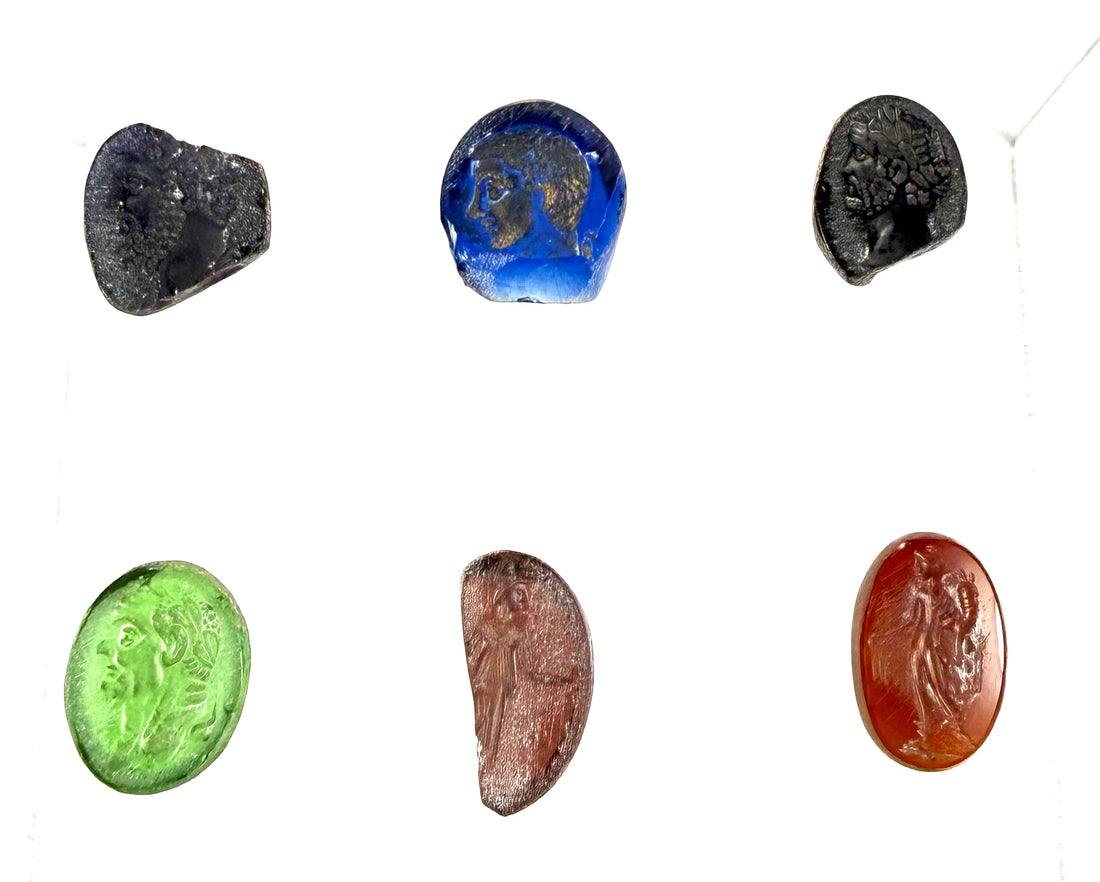
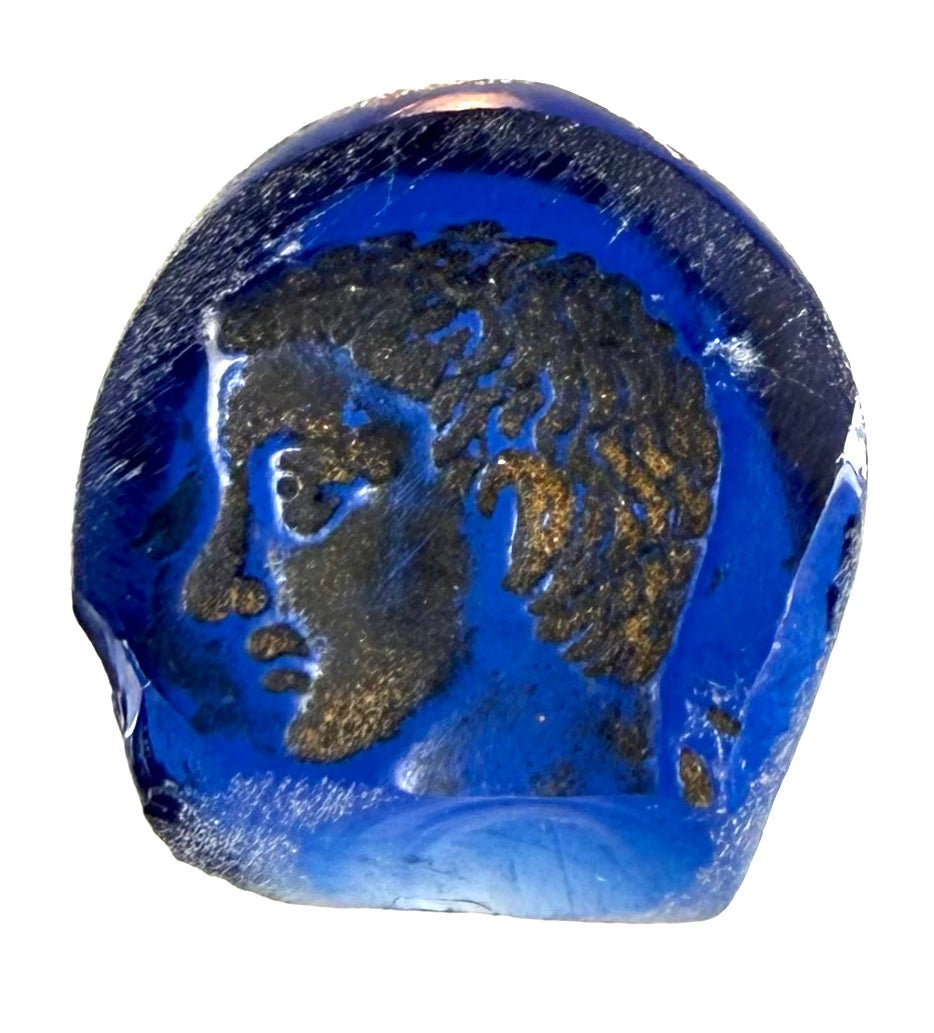
This distinctive collection consists of six Roman-style glass intaglios featuring classical portraiture, profile busts, and standing human figures inspired by the artistic traditions of the ancient Mediterranean world. The assortment displays an attractive range of colours, including deep cobalt blue, vivid emerald green, translucent reddish-orange, rose-brown, and dark glass. Each piece exhibits individual variations in form, decorative detail, translucency, and surface characteristics, illustrating the diversity of classical-style glyptic art.
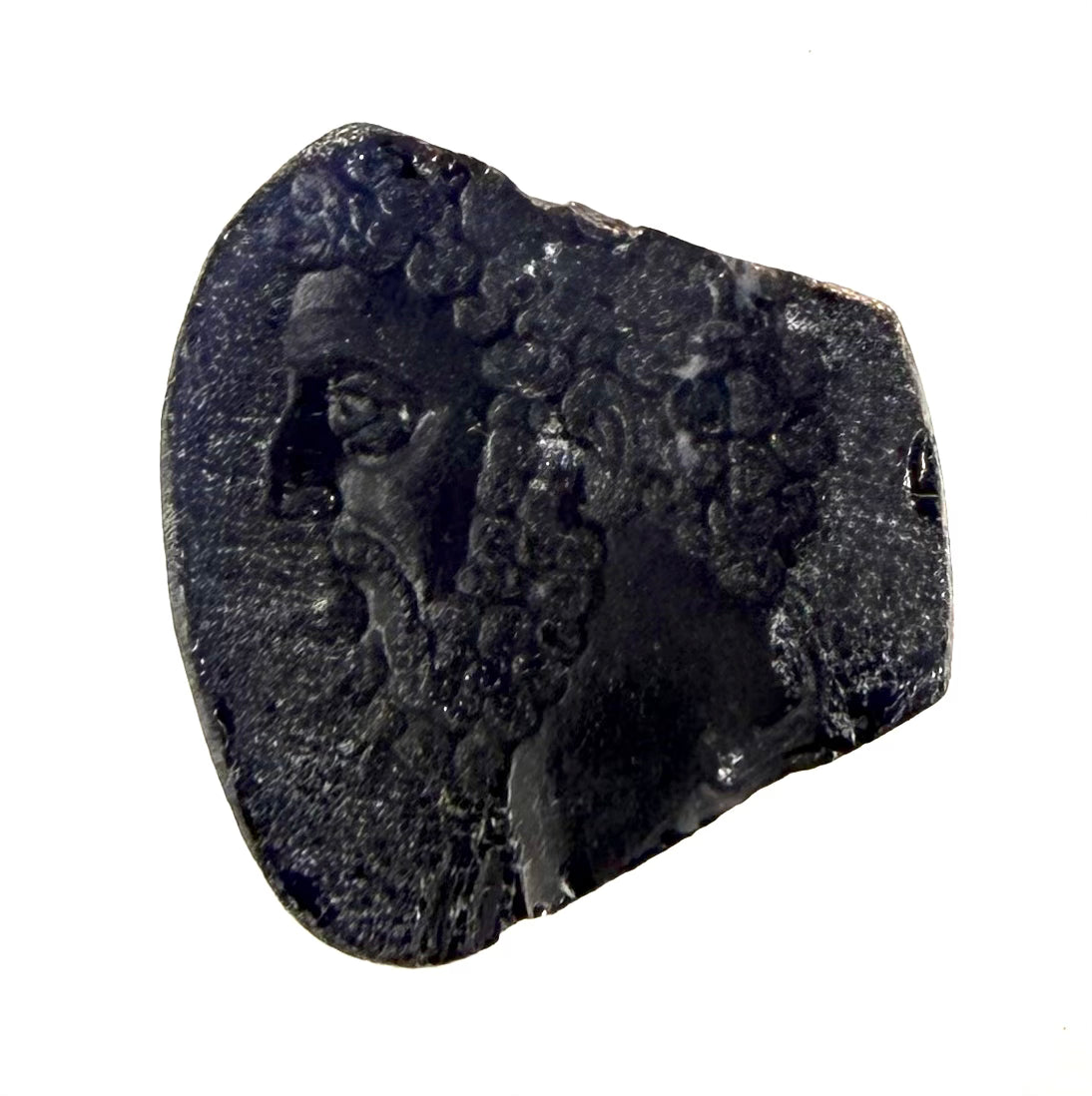
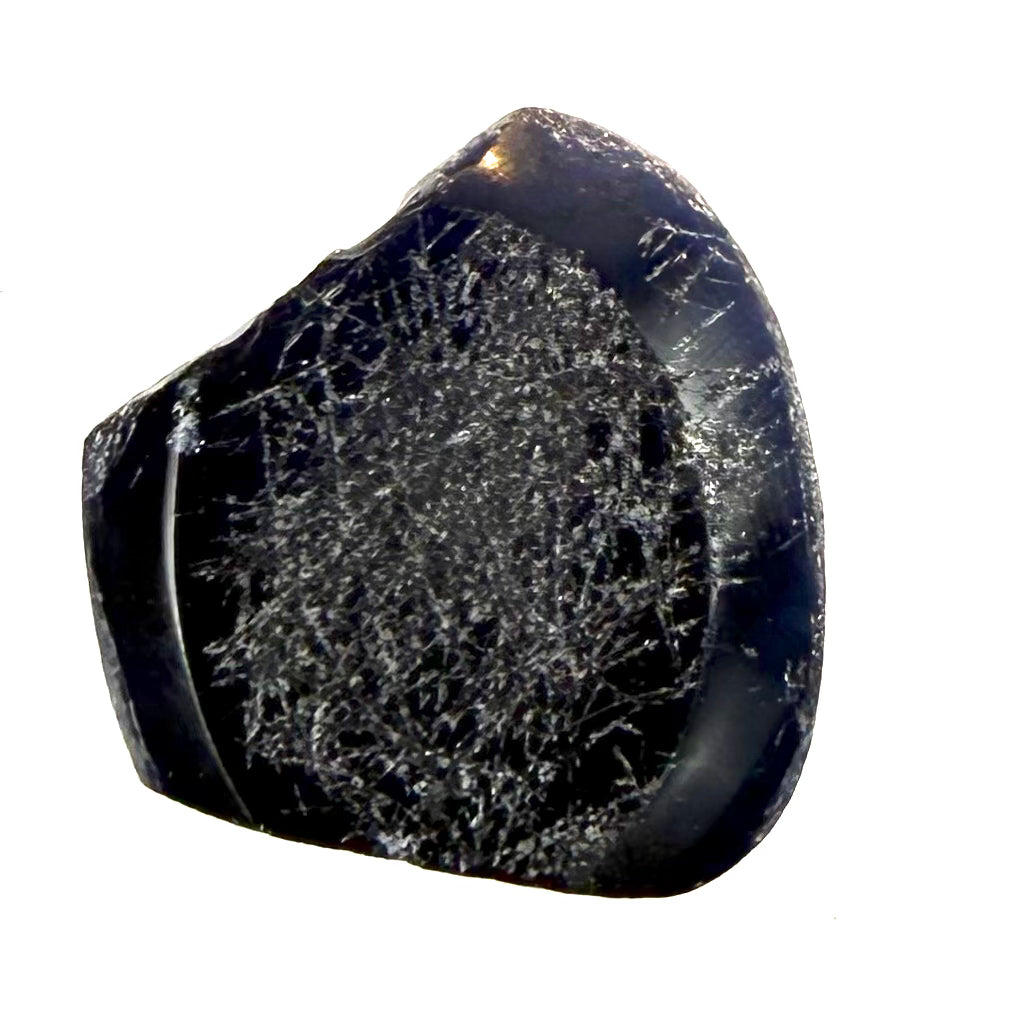
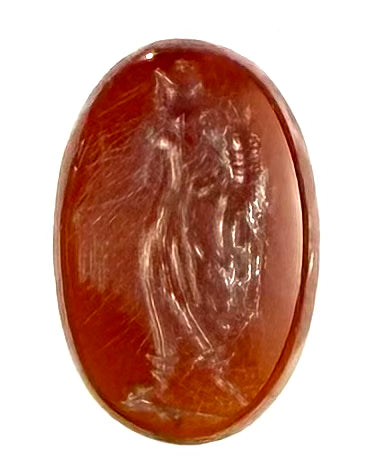
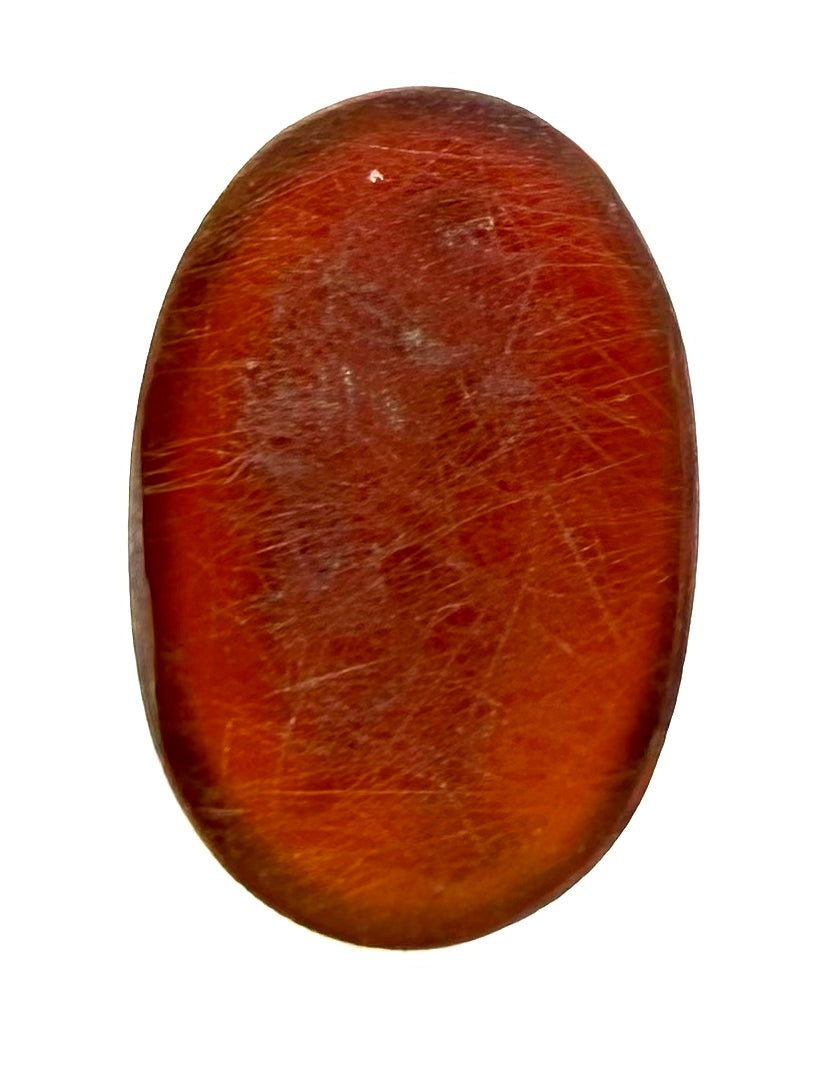
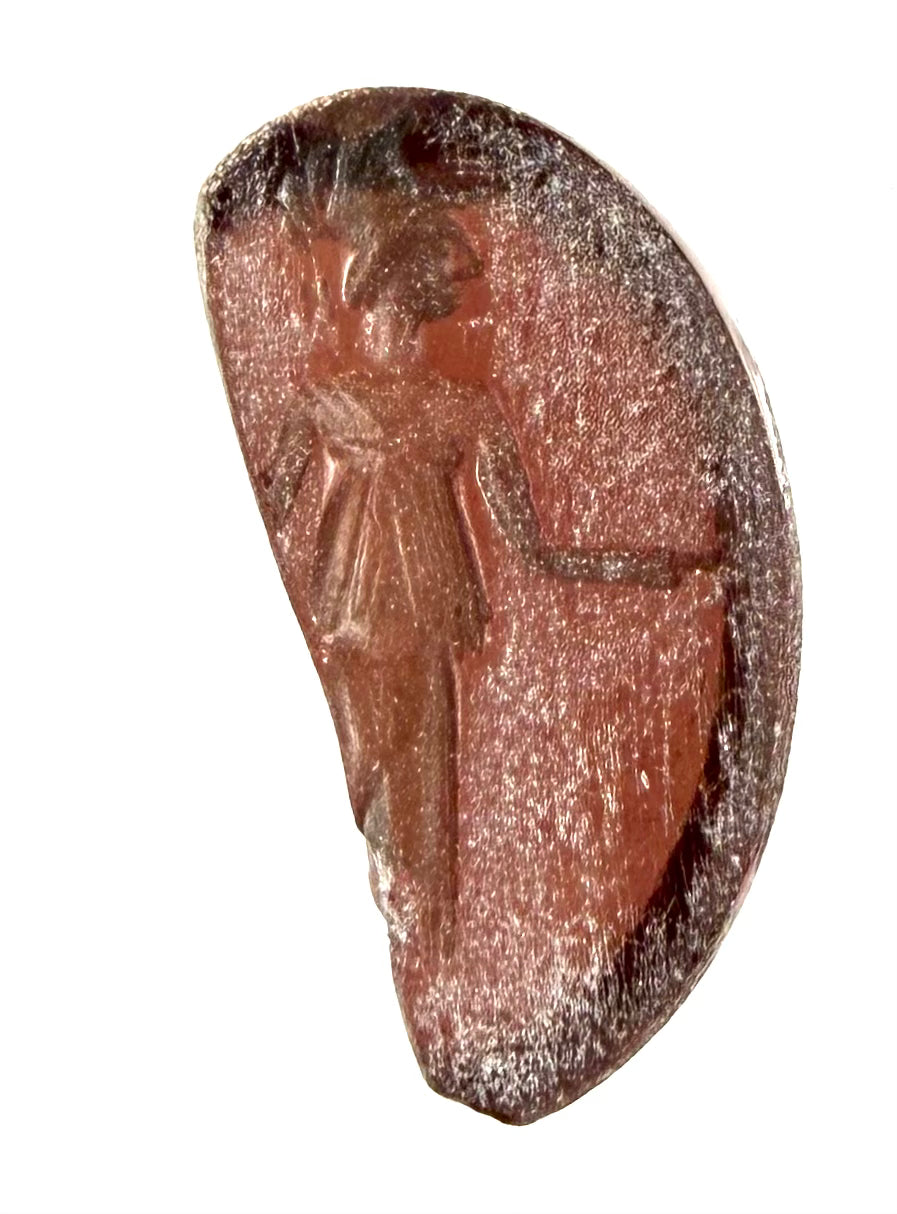
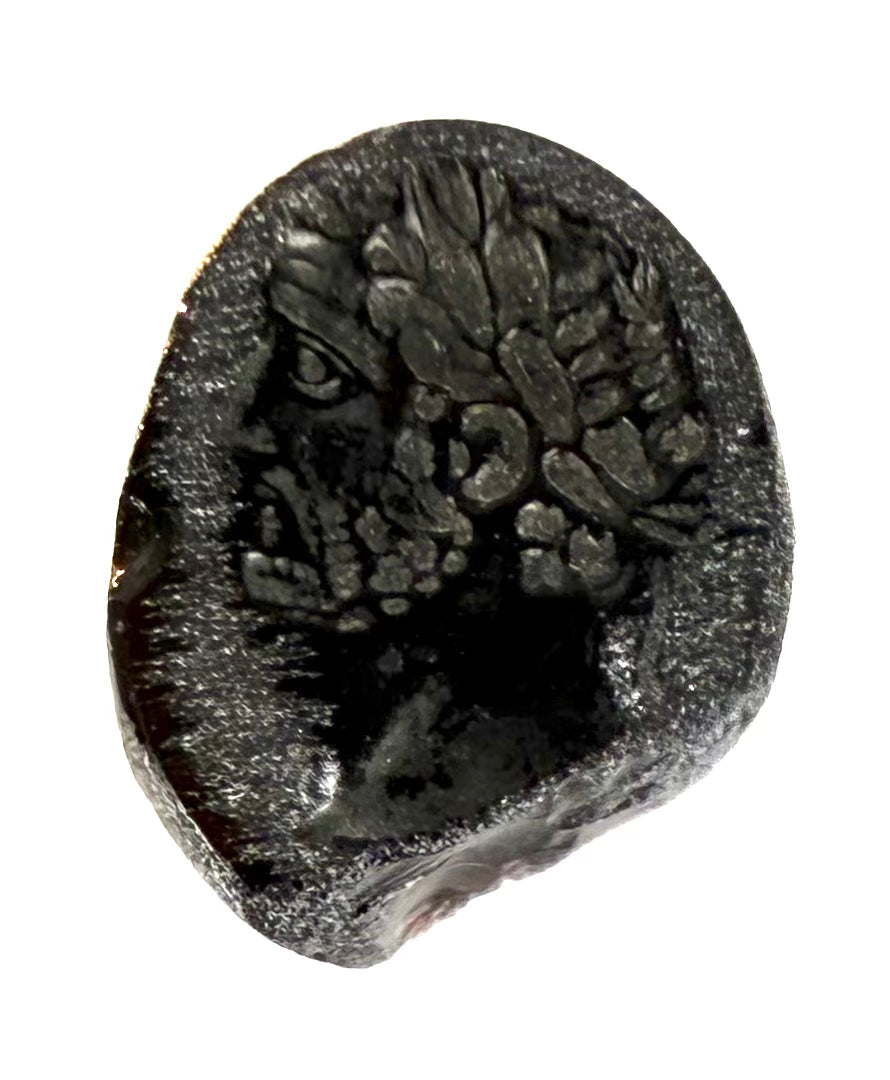
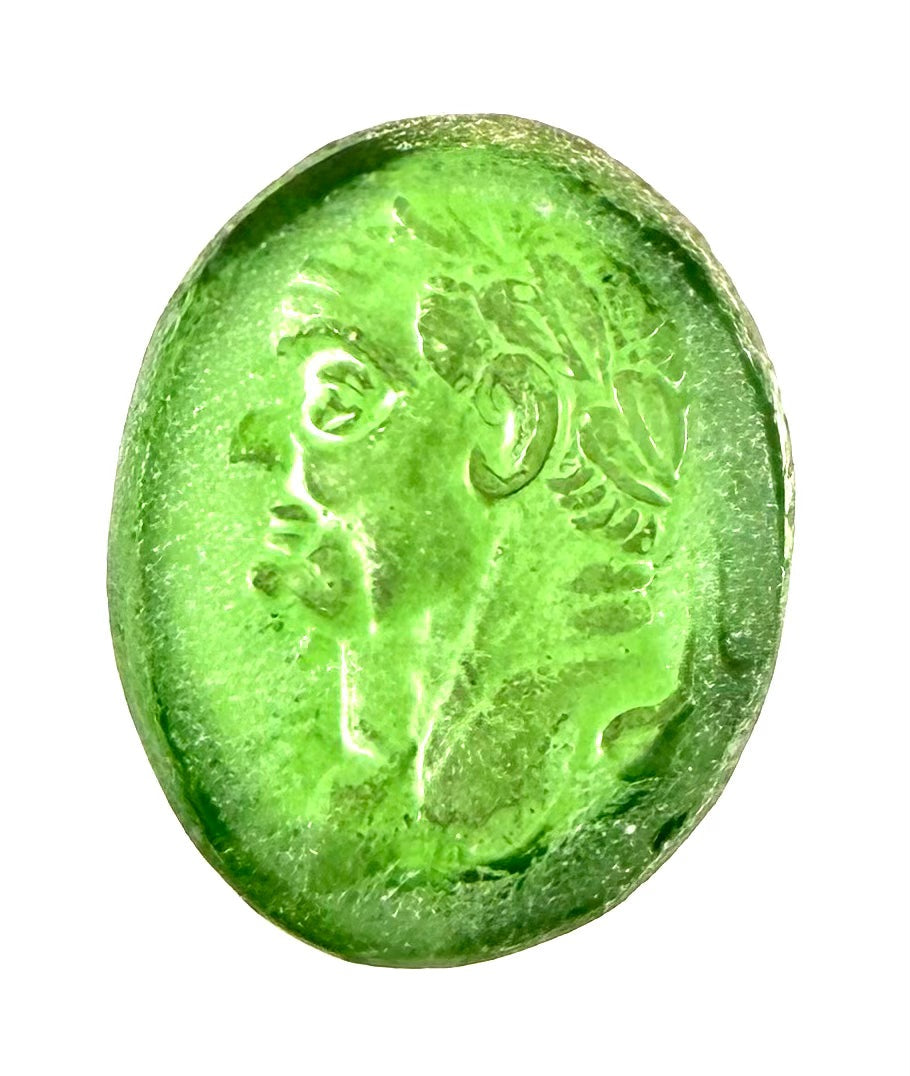
Several pieces feature profile portraits with carefully defined facial contours, distinctive hairstyles, and classical ornamental details. The vivid cobalt-blue example displays a prominent profile head with textured hair, while the green glass piece features another classical portrait rendered against a translucent background. The darker examples preserve additional portrait imagery, including a profile head with elaborate hair or head adornment. The reddish-brown and orange-red examples depict standing human figures, including representations with draped garments and accompanying decorative attributes. The individual subjects remain unidentified.
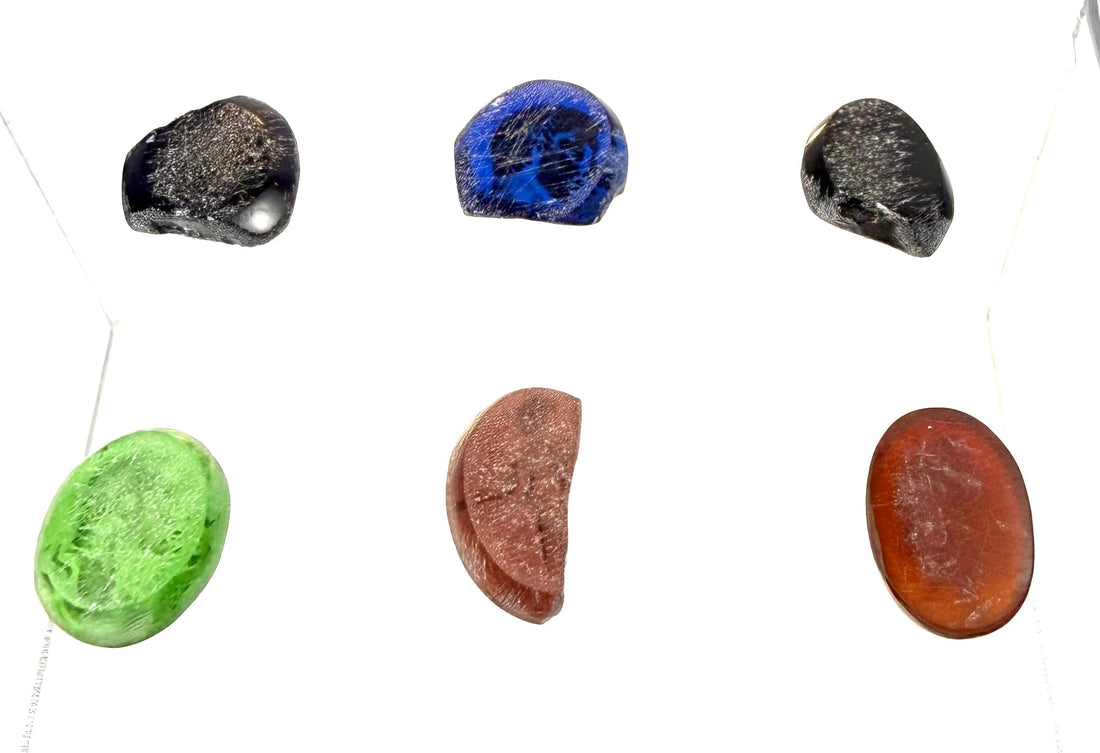
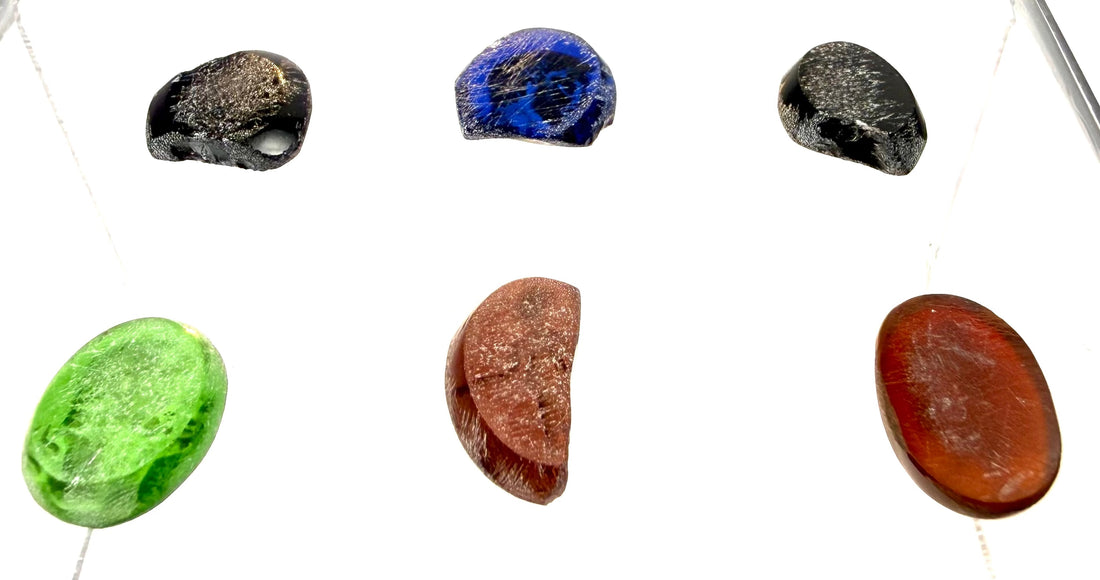
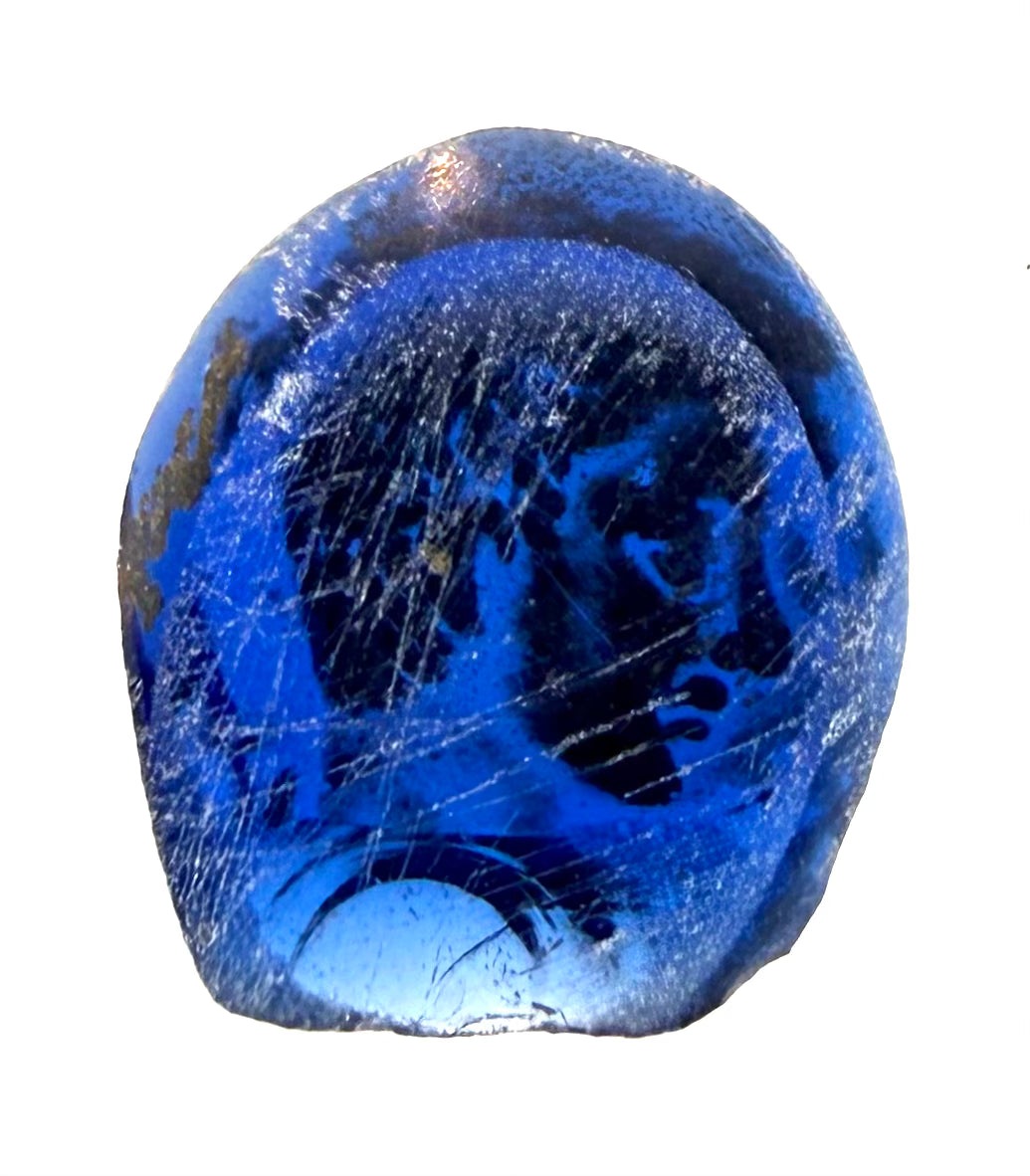
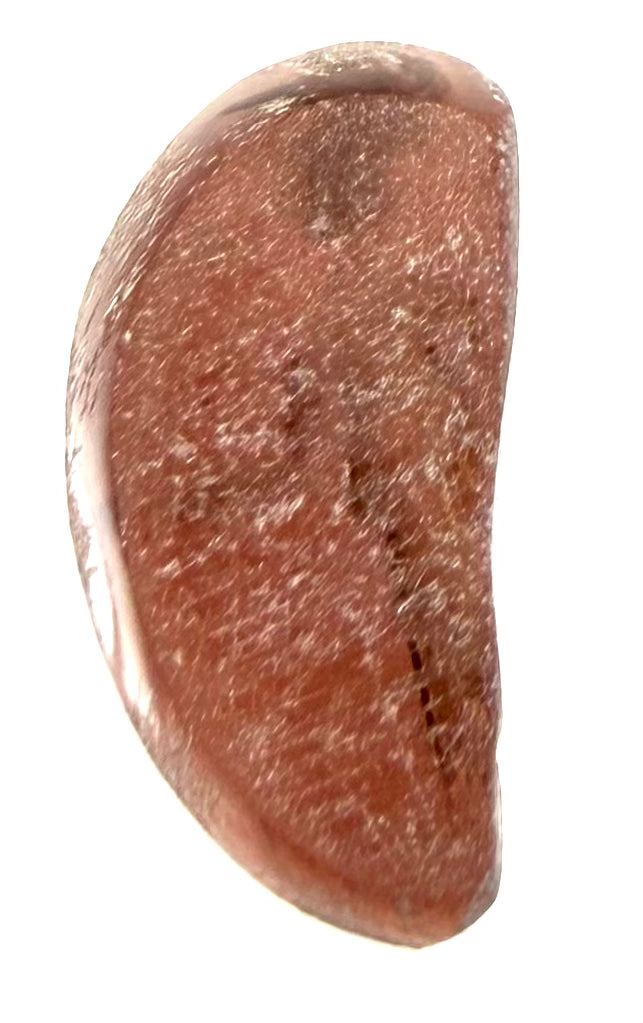
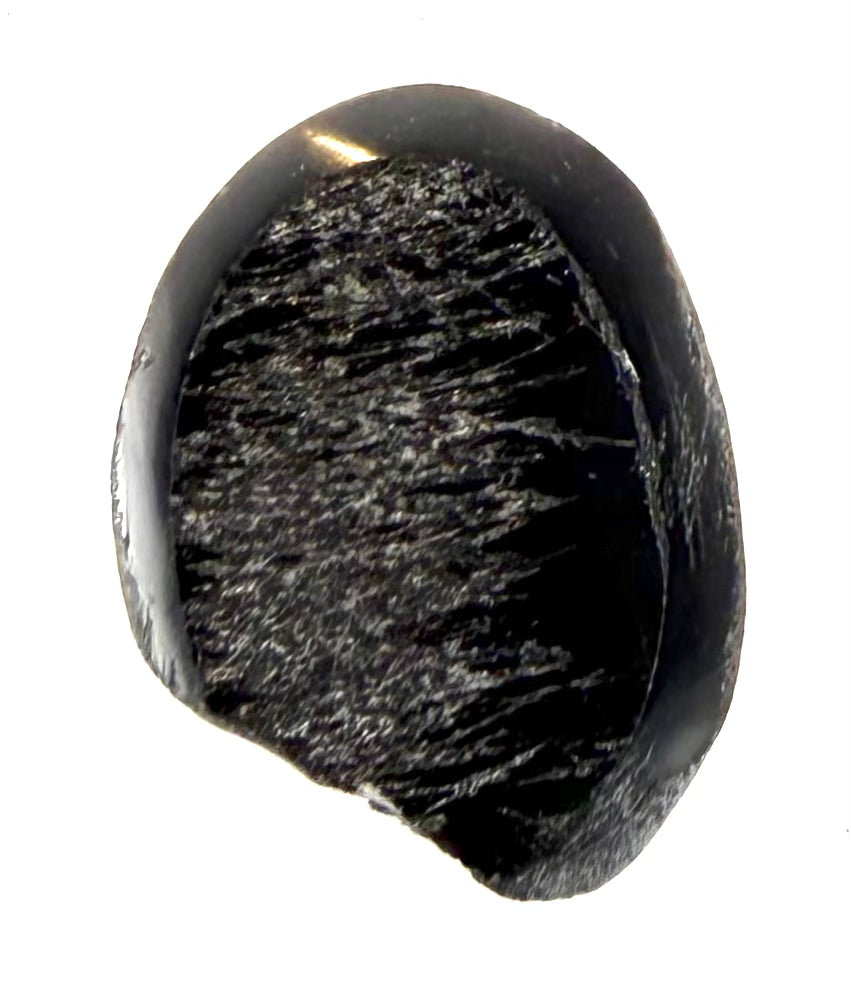
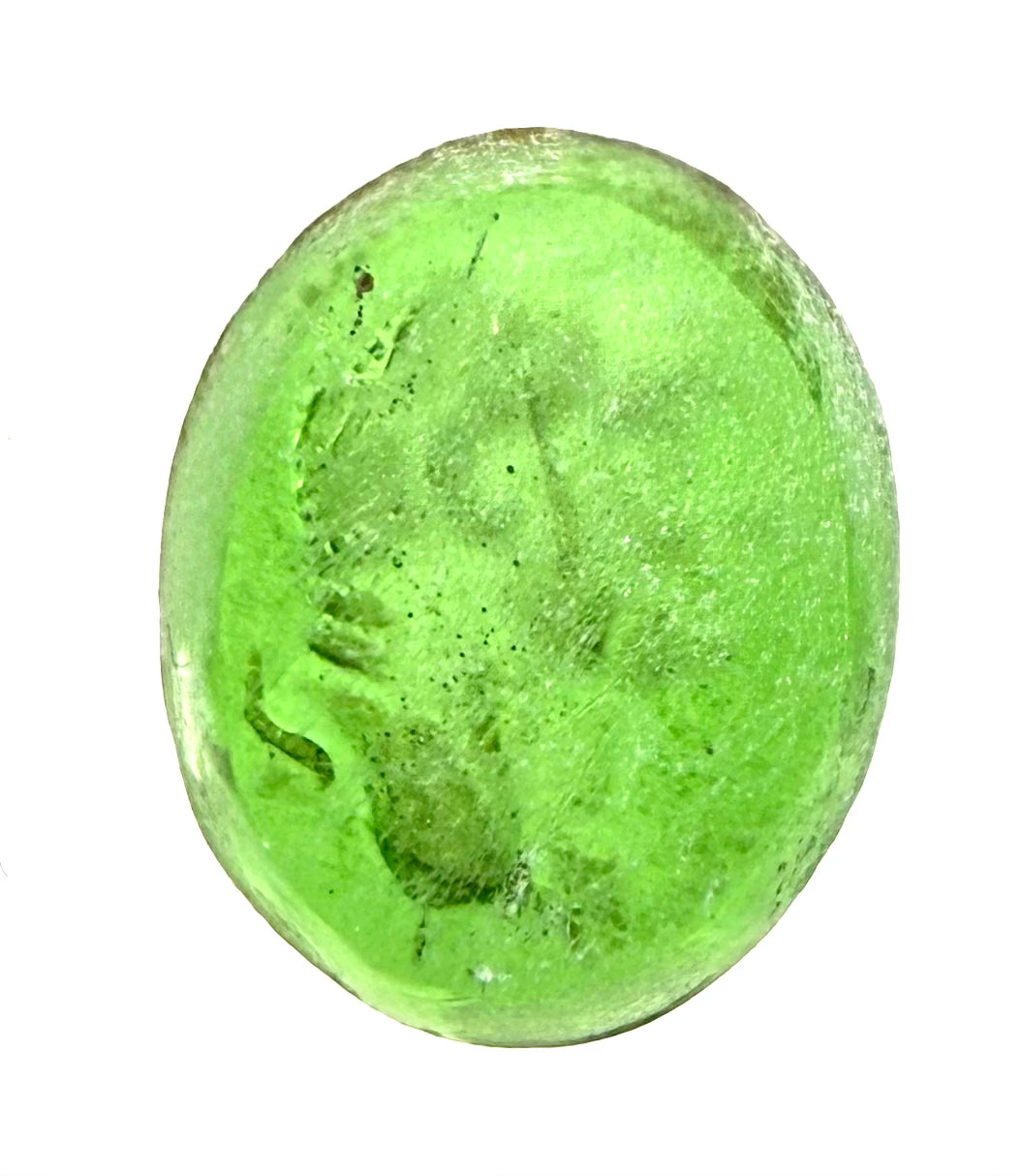
The collection includes pieces of varying oval and irregular shapes, with differences in thickness, colour intensity, and surface finish. The figural designs exhibit recessed or impressed detailing characteristic of the broader intaglio tradition, although their precise manufacturing techniques have not been established. Scattered abrasions, minor chips, softened decorative details, and localized surface irregularities are visible throughout. Their varied colours and classical imagery provide an interesting representation of the artistic traditions associated with Roman glass-paste gems and their later historical interpretations.
Features
- Assorted cobalt-blue, emerald-green, reddish-orange, rose-brown, and dark glass
- Classical profile portraits featuring distinctive hairstyles and facial contours
- Standing human figures with draped garments and ornamental attributes
- Recessed or impressed figural designs associated with traditional glyptic techniques
- Individual variations in oval shape, thickness, colour, and translucency
- Contrasting opaque and translucent surfaces with visible decorative detailing
Cultural Significance
Intaglio engraving was an important artistic tradition throughout the Greek and Roman worlds, combining miniature sculpture, personal adornment, and symbolic expression. Engraved gems frequently depicted emperors, mythological figures, deities, animals, and idealized portraits. Many were mounted in finger rings and used as personal seals, with their recessed designs producing raised impressions when pressed into wax or clay. These miniature works could communicate personal identity, religious devotion, artistic preferences, and cultural affiliations.
During the Roman Republican and Imperial periods, coloured glass and glass paste provided alternatives to engraved gemstones such as carnelian, jasper, and chalcedony. Roman artisans developed sophisticated techniques for producing glass intaglios, frequently using moulds taken from engraved gemstones to reproduce popular decorative subjects. The resulting pieces imitated the appearance of coloured hardstones while preserving the detailed imagery of traditional glyptic art. Museum collections document examples in blue, green, purple, brown, and other colours, illustrating the diversity of Roman glass production and decorative craftsmanship.
The appreciation of classical intaglios continued long after the Roman period, particularly during the Renaissance and European Neoclassical era. Artisans and collectors reproduced ancient portraits, mythological figures, and engraved gemstone designs in coloured glass and other materials. These later interpretations helped preserve and revive the imagery of classical antiquity. The present collection reflects this enduring artistic tradition through its assortment of portrait and figurative designs, varied glass colours, and miniature decorative compositions.
Condition
The collection comprises six individual pieces displaying varying degrees of surface wear, scattered scratches, abrasions, and localized irregularities. Several examples exhibit minor chips, incomplete edges, or uneven outlines. The portrait and figural designs remain recognizable to varying degrees, with some impressions displaying sharper definition while others exhibit softened or partially obscured details. The cobalt-blue, green, reddish-orange, rose-brown, and darker glass surfaces retain their distinctive coloration, with natural variations in translucency and surface texture. Fine surface marks and localized deposits are visible on several pieces.
Dimensions (Approximate)
Largest Intaglio:
Length: 0.7 in
Width: 0.5 in
Age (Approximate)
Not independently established; the designs reflect Roman-period artistic traditions also reproduced in later centuries
Provenance
Previously held in a private collection in Indianapolis, Indiana, United States.
Learn More
Discover how classical portraits and engraved gemstone designs were reproduced in coloured glass through the Corning Museum of Glass
Explore additional ancient rings, engraved gems, and historic jewellery in our Ancient Rings & Jewelry Collection
Description
Historical Context & Origin
Region: Roman World, classical Mediterranean artistic tradition
Material: Coloured glass and glass paste
Period: Roman Republican–Imperial style, circa 1st Century BCE–3rd Century CE; manufacture dates undetermined
Description
This distinctive collection consists of six Roman-style glass intaglios featuring classical portraiture, profile busts, and standing human figures inspired by the artistic traditions of the ancient Mediterranean world. The assortment displays an attractive range of colours, including deep cobalt blue, vivid emerald green, translucent reddish-orange, rose-brown, and dark glass. Each piece exhibits individual variations in form, decorative detail, translucency, and surface characteristics, illustrating the diversity of classical-style glyptic art.
Several pieces feature profile portraits with carefully defined facial contours, distinctive hairstyles, and classical ornamental details. The vivid cobalt-blue example displays a prominent profile head with textured hair, while the green glass piece features another classical portrait rendered against a translucent background. The darker examples preserve additional portrait imagery, including a profile head with elaborate hair or head adornment. The reddish-brown and orange-red examples depict standing human figures, including representations with draped garments and accompanying decorative attributes. The individual subjects remain unidentified.
The collection includes pieces of varying oval and irregular shapes, with differences in thickness, colour intensity, and surface finish. The figural designs exhibit recessed or impressed detailing characteristic of the broader intaglio tradition, although their precise manufacturing techniques have not been established. Scattered abrasions, minor chips, softened decorative details, and localized surface irregularities are visible throughout. Their varied colours and classical imagery provide an interesting representation of the artistic traditions associated with Roman glass-paste gems and their later historical interpretations.
Features
- Assorted cobalt-blue, emerald-green, reddish-orange, rose-brown, and dark glass
- Classical profile portraits featuring distinctive hairstyles and facial contours
- Standing human figures with draped garments and ornamental attributes
- Recessed or impressed figural designs associated with traditional glyptic techniques
- Individual variations in oval shape, thickness, colour, and translucency
- Contrasting opaque and translucent surfaces with visible decorative detailing
Cultural Significance
Intaglio engraving was an important artistic tradition throughout the Greek and Roman worlds, combining miniature sculpture, personal adornment, and symbolic expression. Engraved gems frequently depicted emperors, mythological figures, deities, animals, and idealized portraits. Many were mounted in finger rings and used as personal seals, with their recessed designs producing raised impressions when pressed into wax or clay. These miniature works could communicate personal identity, religious devotion, artistic preferences, and cultural affiliations.
During the Roman Republican and Imperial periods, coloured glass and glass paste provided alternatives to engraved gemstones such as carnelian, jasper, and chalcedony. Roman artisans developed sophisticated techniques for producing glass intaglios, frequently using moulds taken from engraved gemstones to reproduce popular decorative subjects. The resulting pieces imitated the appearance of coloured hardstones while preserving the detailed imagery of traditional glyptic art. Museum collections document examples in blue, green, purple, brown, and other colours, illustrating the diversity of Roman glass production and decorative craftsmanship.
The appreciation of classical intaglios continued long after the Roman period, particularly during the Renaissance and European Neoclassical era. Artisans and collectors reproduced ancient portraits, mythological figures, and engraved gemstone designs in coloured glass and other materials. These later interpretations helped preserve and revive the imagery of classical antiquity. The present collection reflects this enduring artistic tradition through its assortment of portrait and figurative designs, varied glass colours, and miniature decorative compositions.
Condition
The collection comprises six individual pieces displaying varying degrees of surface wear, scattered scratches, abrasions, and localized irregularities. Several examples exhibit minor chips, incomplete edges, or uneven outlines. The portrait and figural designs remain recognizable to varying degrees, with some impressions displaying sharper definition while others exhibit softened or partially obscured details. The cobalt-blue, green, reddish-orange, rose-brown, and darker glass surfaces retain their distinctive coloration, with natural variations in translucency and surface texture. Fine surface marks and localized deposits are visible on several pieces.
Dimensions (Approximate)
Largest Intaglio:
Length: 0.7 in
Width: 0.5 in
Age (Approximate)
Not independently established; the designs reflect Roman-period artistic traditions also reproduced in later centuries
Provenance
Previously held in a private collection in Indianapolis, Indiana, United States.
Learn More
Discover how classical portraits and engraved gemstone designs were reproduced in coloured glass through the Corning Museum of Glass
Explore additional ancient rings, engraved gems, and historic jewellery in our Ancient Rings & Jewelry Collection
You May Also Like
