

Cretaceous Dinosaur Fossil | Theropod (Raptor-Type) Bone | Wyoming USA | Circa 100–89 MYA
Couldn't load pickup availability


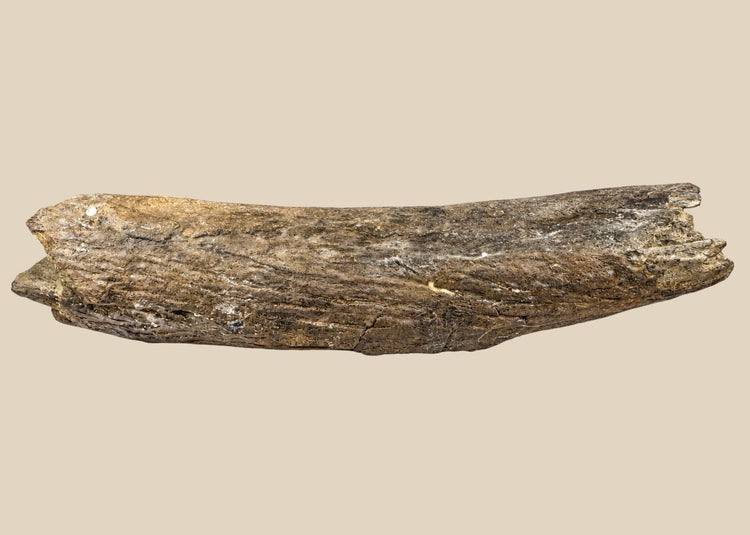
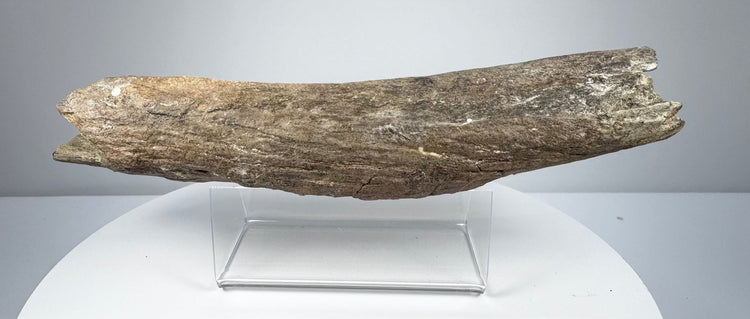
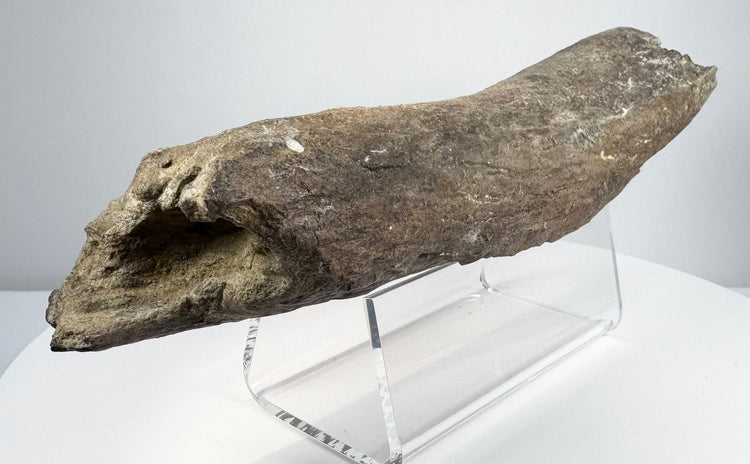
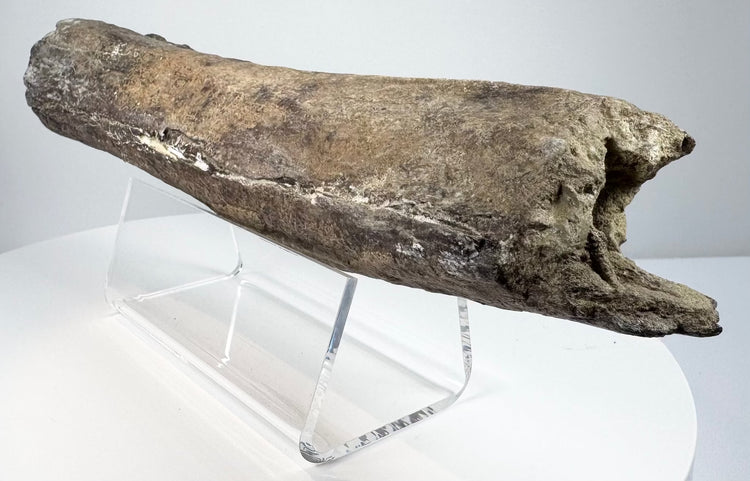
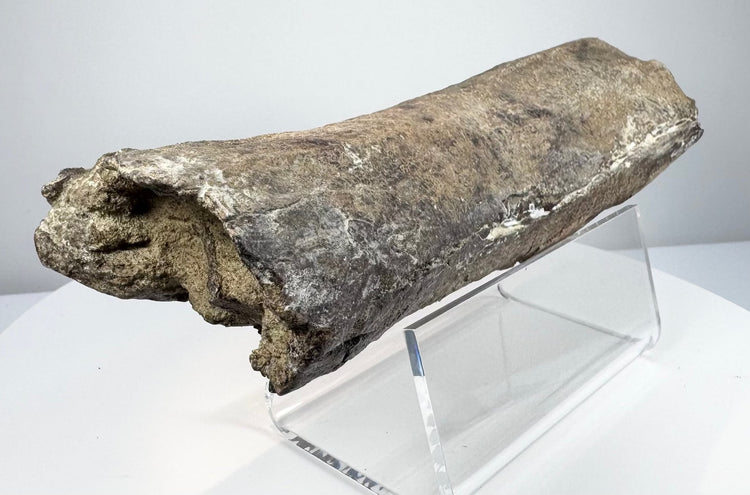
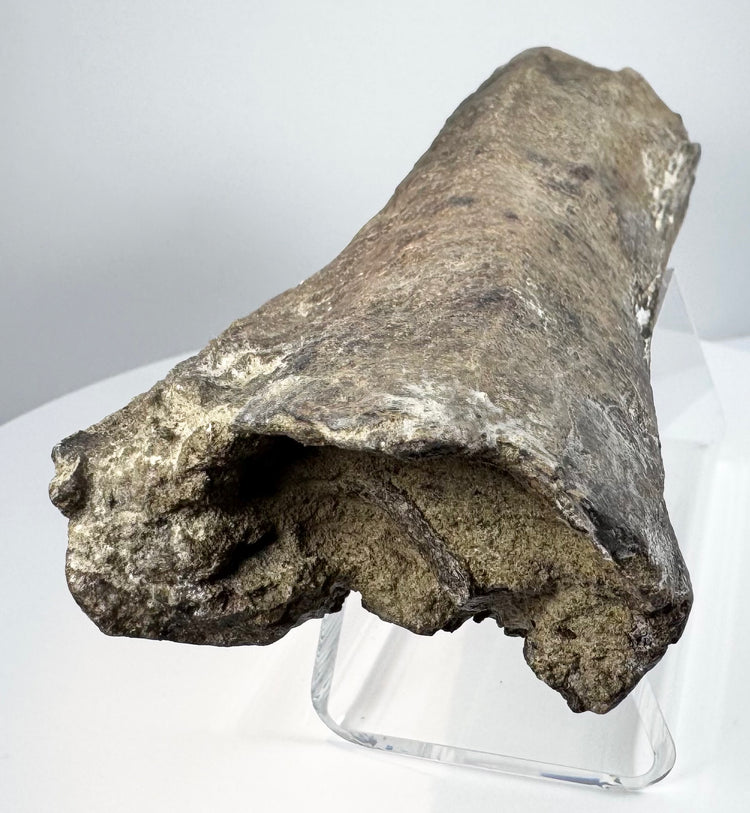
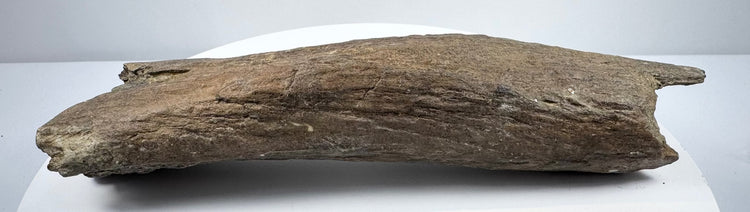
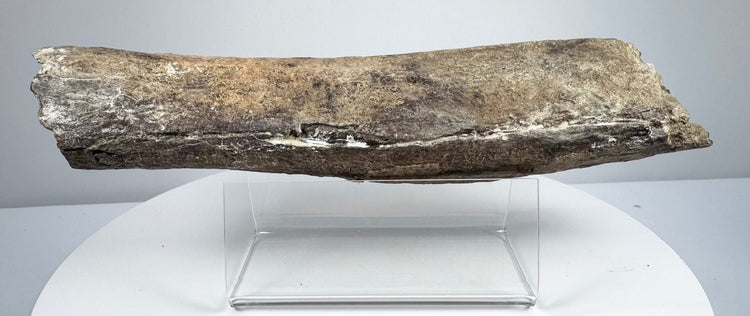
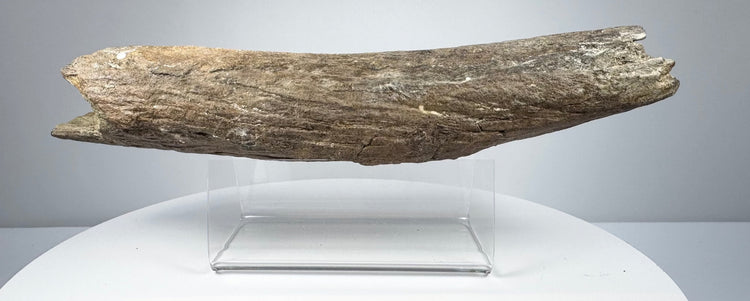
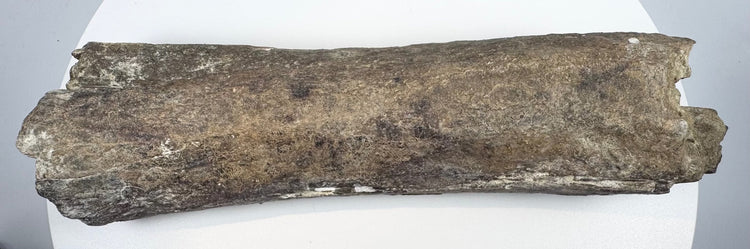
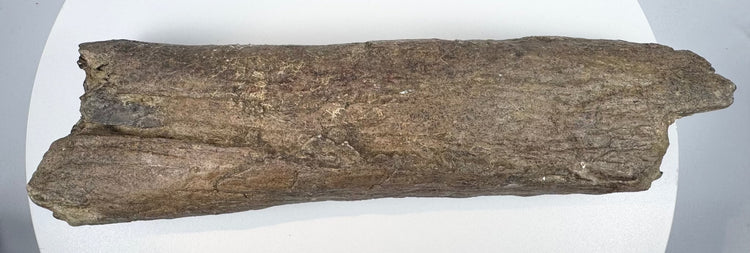
Cretaceous Dinosaur Fossil | Theropod (Raptor-Type) Bone | Wyoming USA | Circa 100–89 MYA
Description
More
Less
Historical Context & Origin
Region: Wyoming, United States
Material: Fossilized bone
Period: Cretaceous Period
Description
This remarkable theropod dinosaur bone represents a genuine fossil specimen from the Cretaceous Period. Recovered in Wyoming—one of the most productive fossil regions in North America—the bone originates from a predatory theropod dinosaur often informally referred to as a “raptor.” Its mineralized structure and preserved surface detail reflect millions of years of geological transformation, offering a tangible connection to the prehistoric ecosystems that once dominated the region.
Theropods were bipedal carnivorous dinosaurs that ranged from smaller agile hunters to some of the most formidable predators in Earth’s history. Fossils such as this provide insight into the anatomy and environment of these ancient animals and remain highly valued both scientifically and as display specimens.
Features
- Fossilized theropod dinosaur bone
- Distinct mineralization and preserved structural detail
- Collected in Wyoming, a major North American fossil locality
- Natural coloration developed through fossilization
- Suitable for both scientific and display collections
Cultural & Scientific Significance
Theropod dinosaurs dominated terrestrial ecosystems during the Cretaceous Period. Their skeletal remains have provided critical insight into dinosaur evolution, behavior, and their relationship to modern birds. Fossil discoveries from Wyoming and surrounding regions have played a major role in shaping modern paleontology, making specimens from this area especially significant in the study of prehistoric life.
Condition
Well-preserved with strong mineralized integrity and natural coloration. Surface wear consistent with great geological age enhances authenticity.
Dimensions (Approximate)
Length: 11 in
Age (Approximate)
89,000,000–100,000,000 years old
Provenance
Acquired from Broken Rock Fossil Shop, Belfast, Prince Edward Island, Canada, an independent fossil and mineral shop operated by Linda Nobles and specializing in dinosaur fossils, minerals, crystals, and other natural-history specimens. The fossil bone was personally unearthed by Nobles during one of her field expeditions near Newcastle, Wyoming, USA, where she has participated in the discovery and excavation of dinosaur remains. Subsequently acquired by a private collector in Toronto, Ontario, Canada.
Learn More
Explore Late Cretaceous dinosaurs at the Natural History Museum dinosaur gallery
Study theropod evolution at the UC Museum of Paleontology
Description
Historical Context & Origin
Region: Wyoming, United States
Material: Fossilized bone
Period: Cretaceous Period
Description
This remarkable theropod dinosaur bone represents a genuine fossil specimen from the Cretaceous Period. Recovered in Wyoming—one of the most productive fossil regions in North America—the bone originates from a predatory theropod dinosaur often informally referred to as a “raptor.” Its mineralized structure and preserved surface detail reflect millions of years of geological transformation, offering a tangible connection to the prehistoric ecosystems that once dominated the region.
Theropods were bipedal carnivorous dinosaurs that ranged from smaller agile hunters to some of the most formidable predators in Earth’s history. Fossils such as this provide insight into the anatomy and environment of these ancient animals and remain highly valued both scientifically and as display specimens.
Features
- Fossilized theropod dinosaur bone
- Distinct mineralization and preserved structural detail
- Collected in Wyoming, a major North American fossil locality
- Natural coloration developed through fossilization
- Suitable for both scientific and display collections
Cultural & Scientific Significance
Theropod dinosaurs dominated terrestrial ecosystems during the Cretaceous Period. Their skeletal remains have provided critical insight into dinosaur evolution, behavior, and their relationship to modern birds. Fossil discoveries from Wyoming and surrounding regions have played a major role in shaping modern paleontology, making specimens from this area especially significant in the study of prehistoric life.
Condition
Well-preserved with strong mineralized integrity and natural coloration. Surface wear consistent with great geological age enhances authenticity.
Dimensions (Approximate)
Length: 11 in
Age (Approximate)
89,000,000–100,000,000 years old
Provenance
Acquired from Broken Rock Fossil Shop, Belfast, Prince Edward Island, Canada, an independent fossil and mineral shop operated by Linda Nobles and specializing in dinosaur fossils, minerals, crystals, and other natural-history specimens. The fossil bone was personally unearthed by Nobles during one of her field expeditions near Newcastle, Wyoming, USA, where she has participated in the discovery and excavation of dinosaur remains. Subsequently acquired by a private collector in Toronto, Ontario, Canada.
Learn More
Explore Late Cretaceous dinosaurs at the Natural History Museum dinosaur gallery
Study theropod evolution at the UC Museum of Paleontology
You May Also Like
