



Indonesian Ancestor Ritual Mask | West Timor Hardwood Carving | Circa 1930
Couldn't load pickup availability


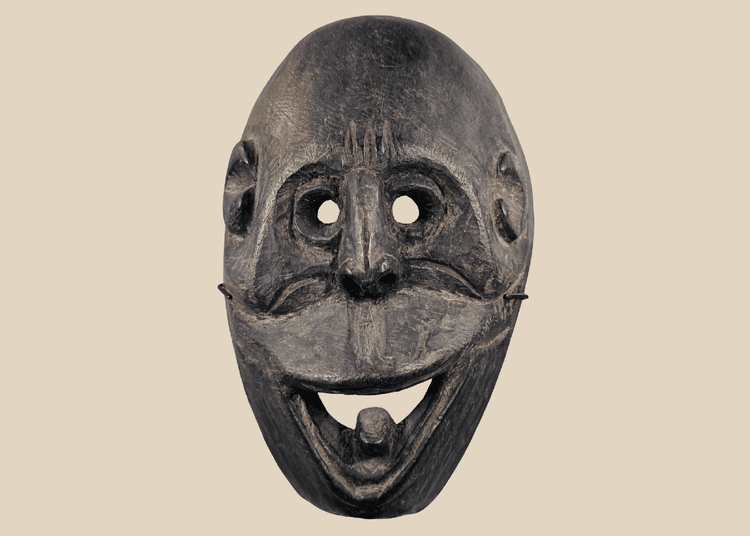
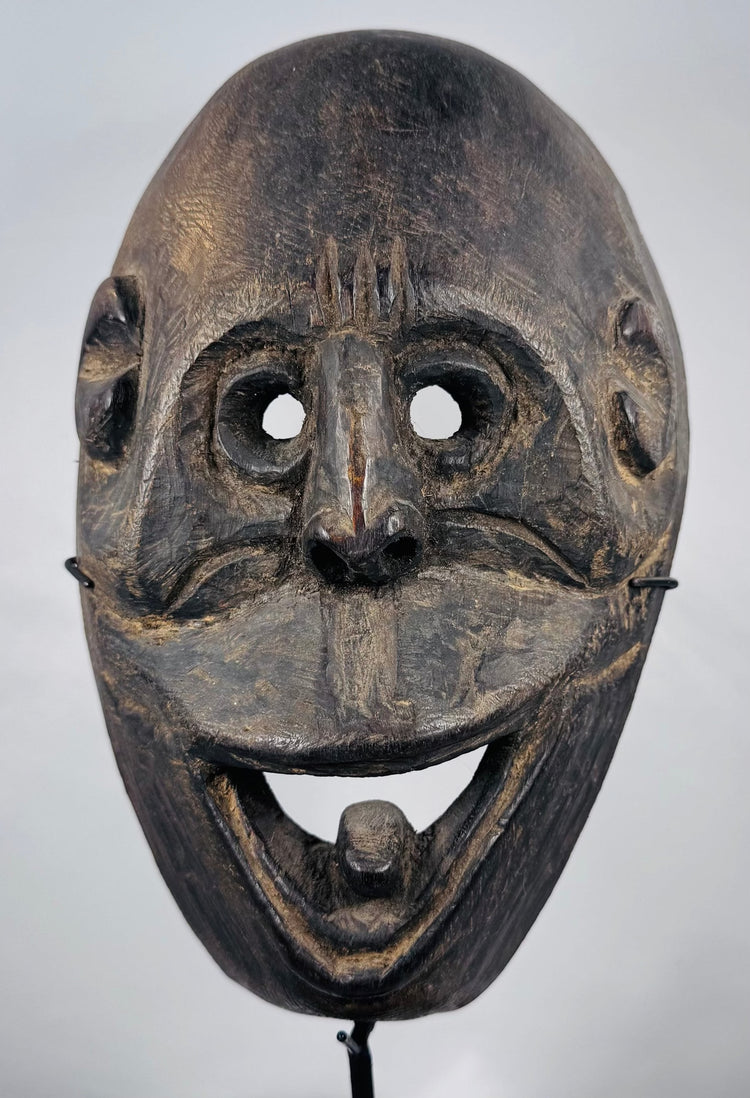
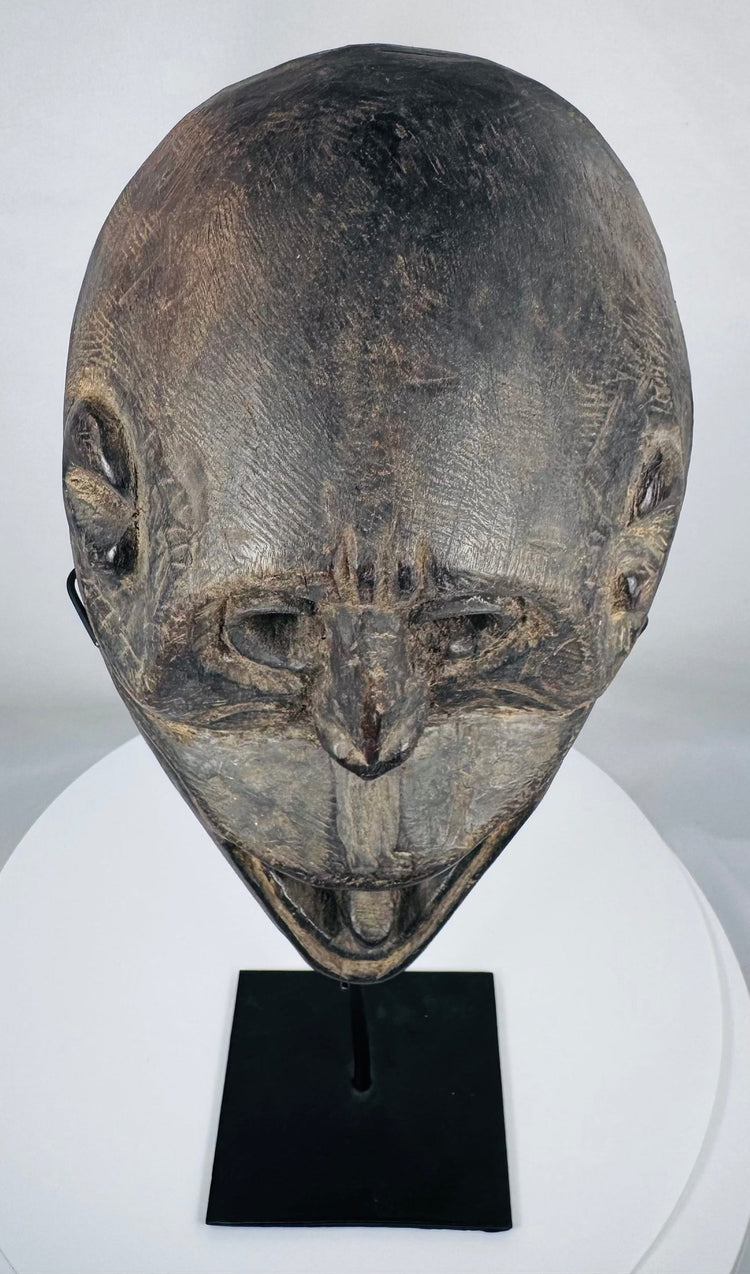
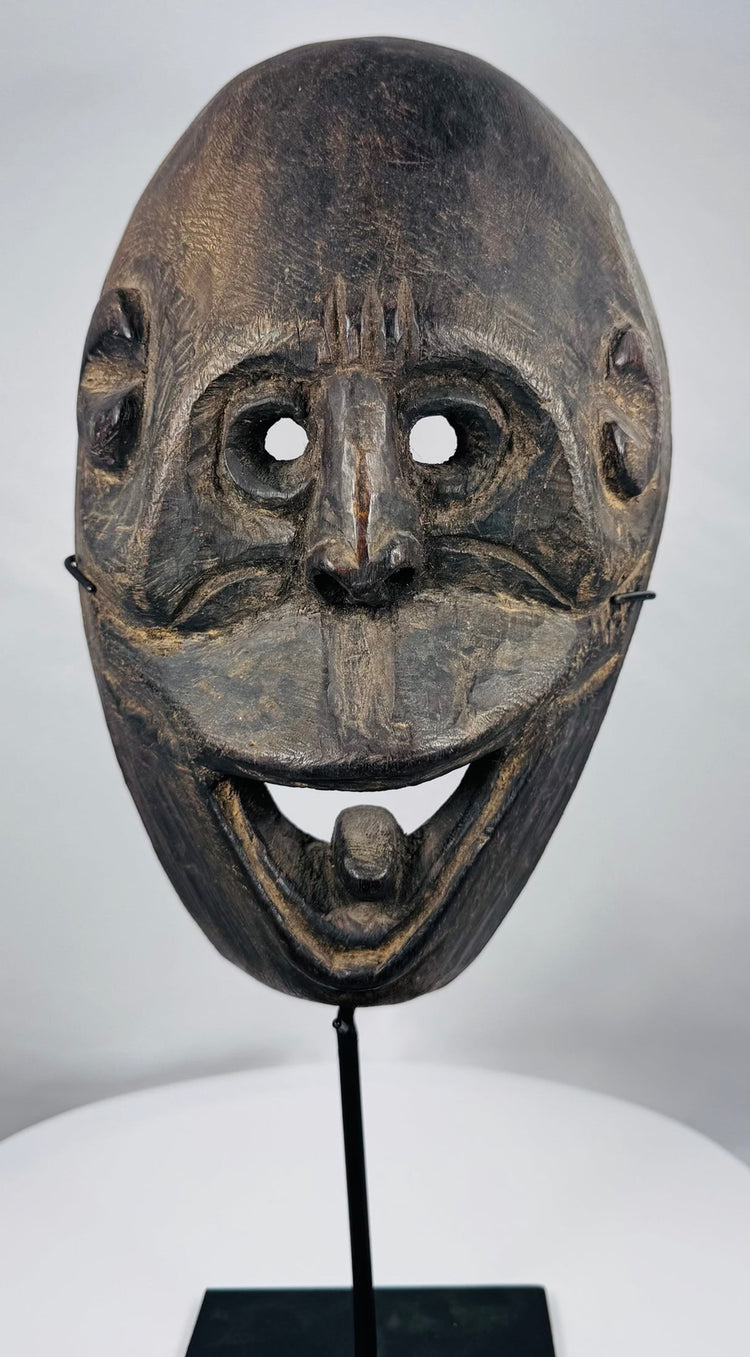
Indonesian Ancestor Ritual Mask | West Timor Hardwood Carving | Circa 1930
Description
More
Less
Historical Context & Origin
Region: West Timor, Indonesia
Material: Hand-carved hardwood (redwood) with aged patina
Period: Circa 1930
Description
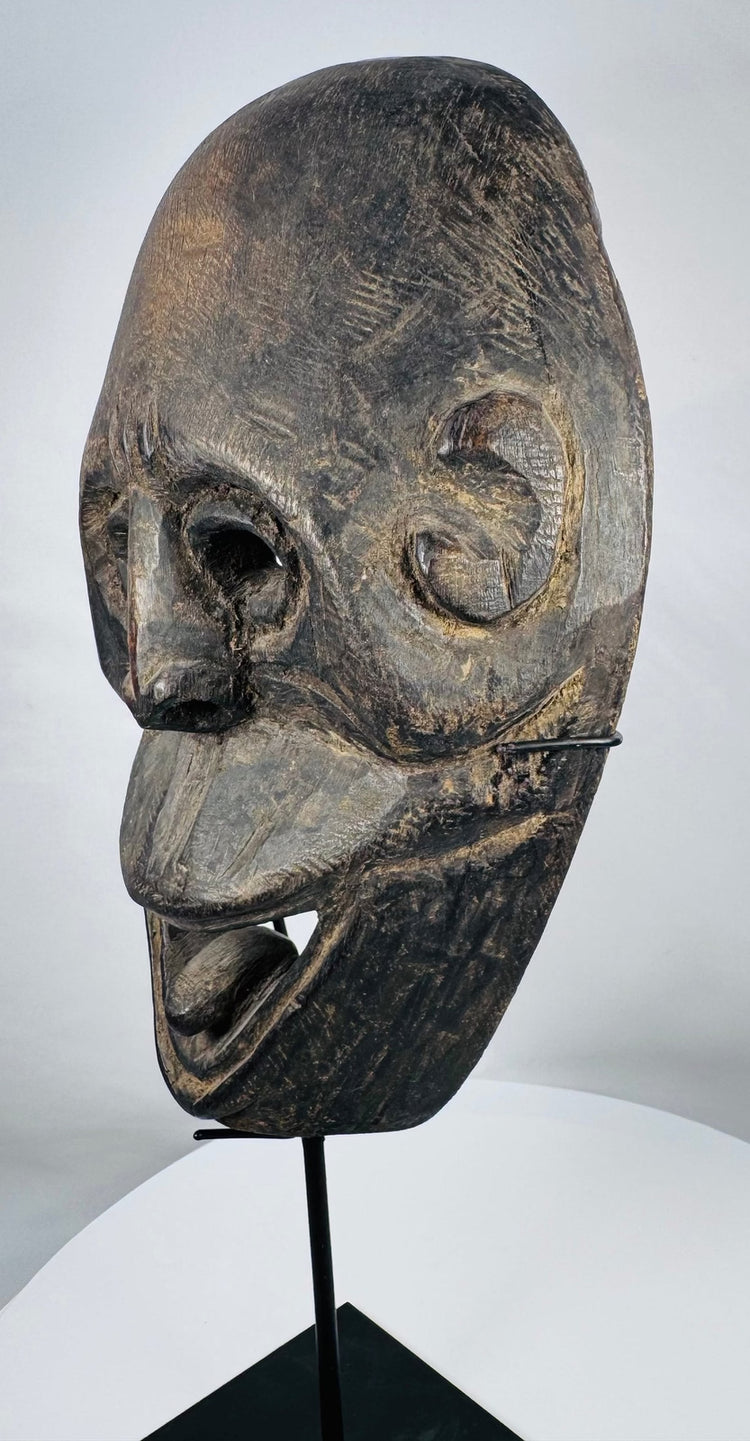
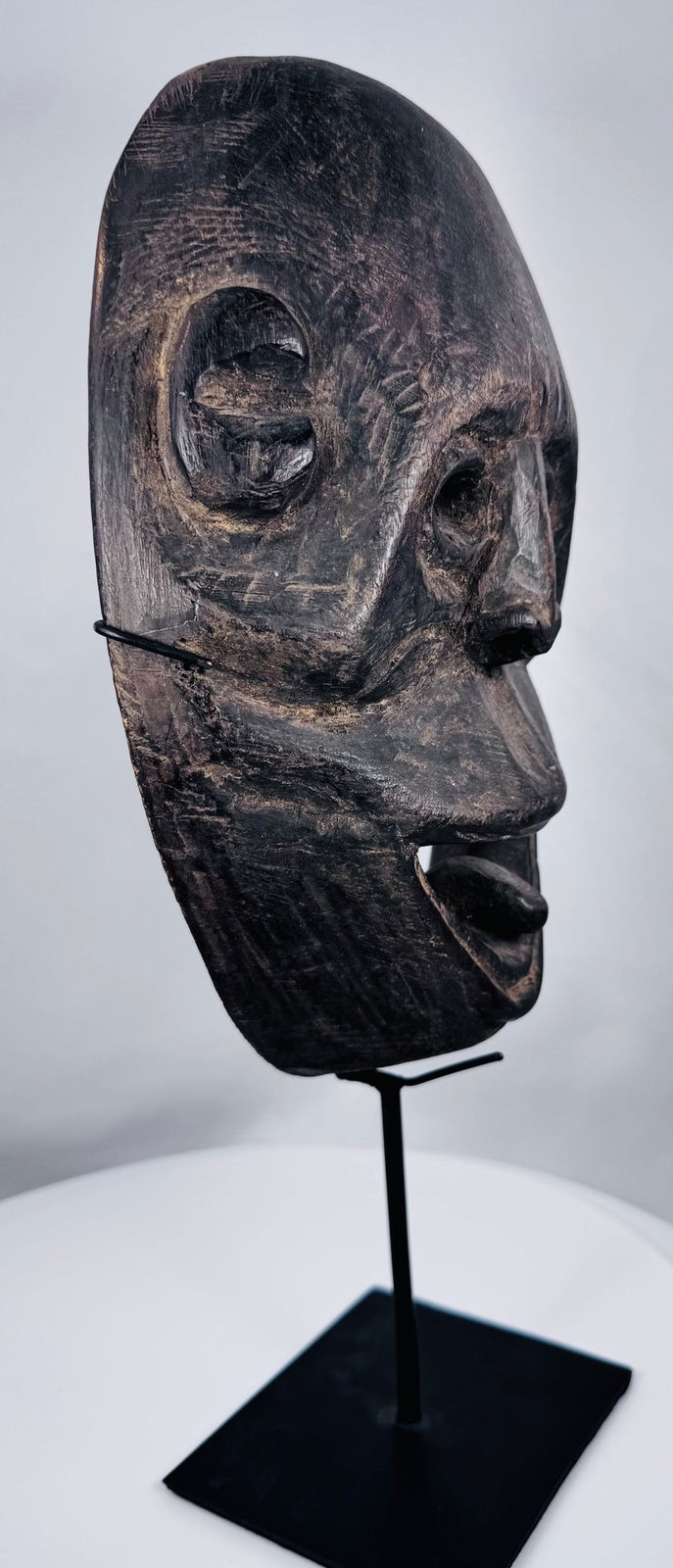
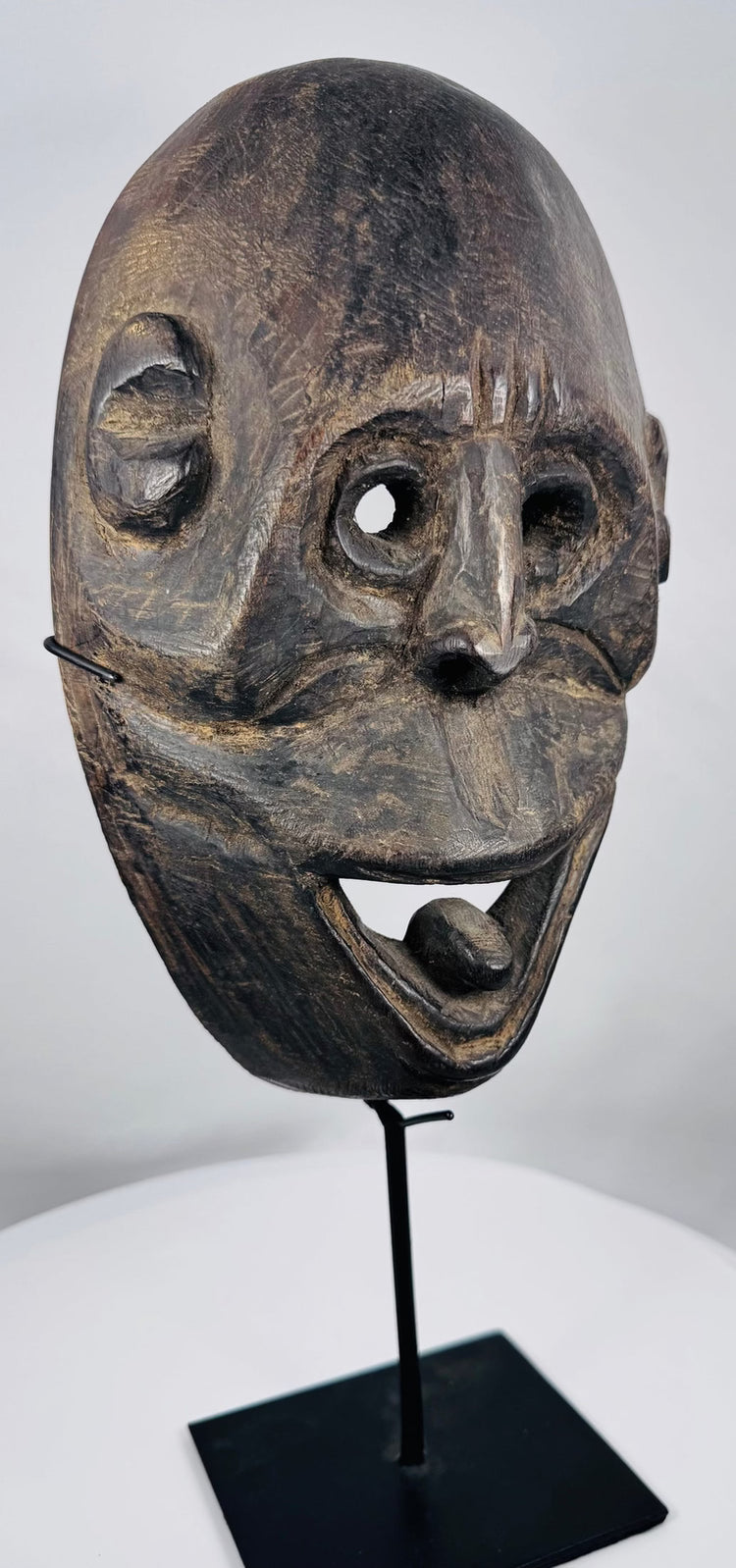
This striking carved wooden mask originates from Fatuleu Village in West Timor and represents a fascinating example of traditional ritual art associated with the indigenous communities of the region. Hand-carved from a single piece of hardwood, the mask features exaggerated simian characteristics, including large circular eyes, a projecting muzzle, and an open mouth with a protruding tongue, creating an expressive and animated appearance.
Masks of this type are traditionally associated with the ceremonial and spiritual traditions of the Atoni people of West Timor, where ancestor veneration and indigenous belief systems played an important role in community life. Within ceremonial contexts, such masks were used during ritual performances, community gatherings, and spiritual observances intended to honor ancestral spirits and reinforce connections between the living world and the realm of the ancestors.
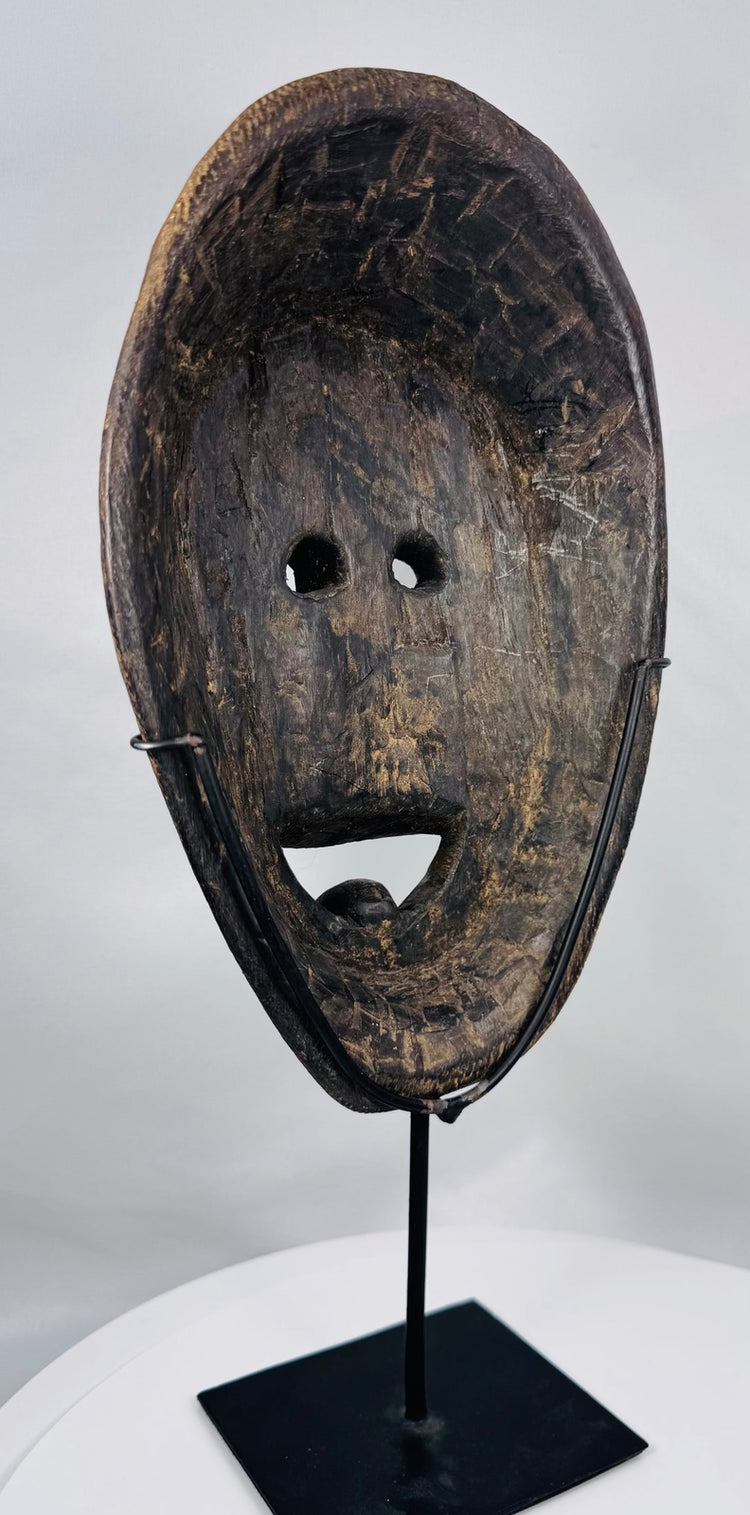
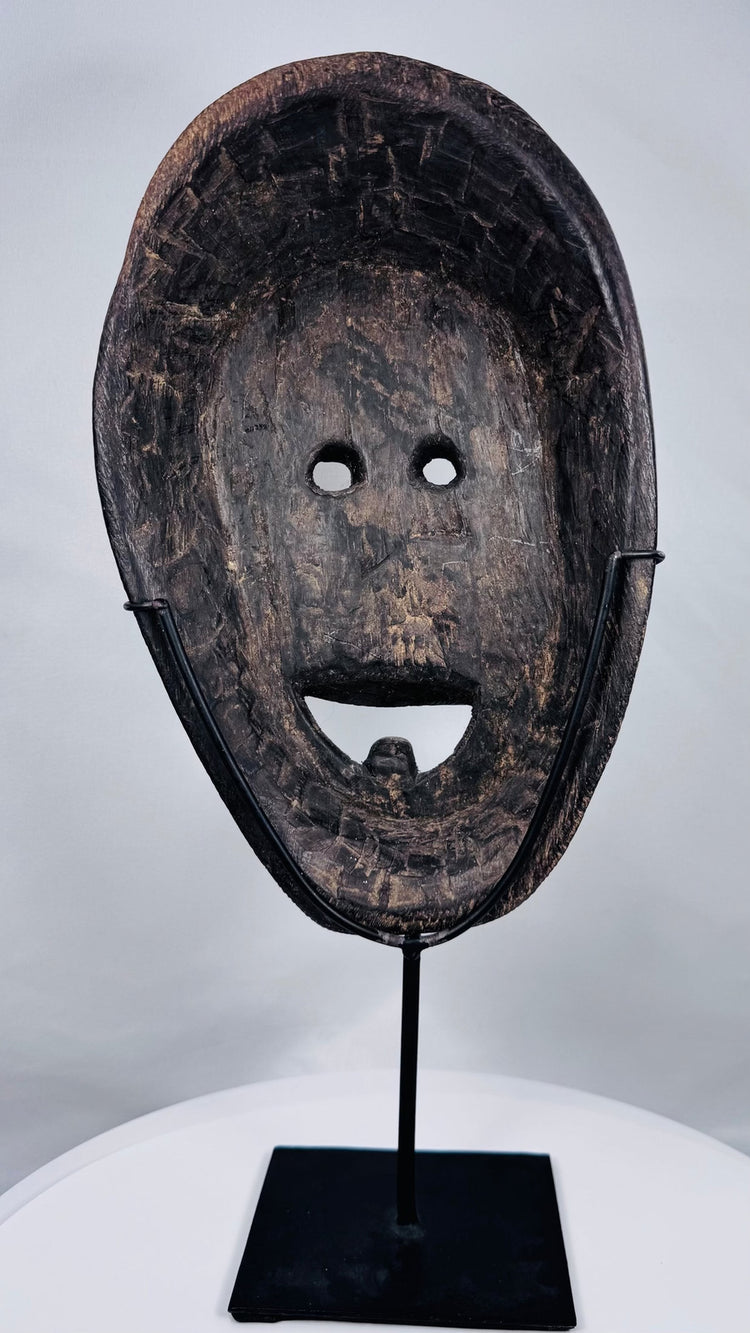
The weathered surface, dark patina, and visible tool marks reflect both its age and use. The stylized monkey-like features are believed to symbolize spiritual beings, protective entities, or aspects of the natural world incorporated into traditional Timorese belief systems. The expressive carving and distinctive form make this an exceptional example of early twentieth-century tribal artistry from Southeast Asia.
Features
- Authentic carved wood ceremonial mask
- Originating from Fatuleu Village, West Timor
- Hand-carved from a single piece of hardwood
- Distinctive simian facial features and protruding tongue
- Rich aged surface and natural patina
- Visible hand-tool carving marks throughout
- Traditional form associated with Atoni ancestral beliefs
- Mounted for display
Historical Significance
For generations, the Atoni people of West Timor maintained rich ceremonial traditions centered on ancestor worship, spiritual protection, and communal identity. Masks played an important role within these traditions, serving as visual representations of spirits, mythological beings, and ancestral forces.
Examples dating to the early twentieth century provide important insight into the artistic and religious practices of Timor prior to widespread modernization.
Condition
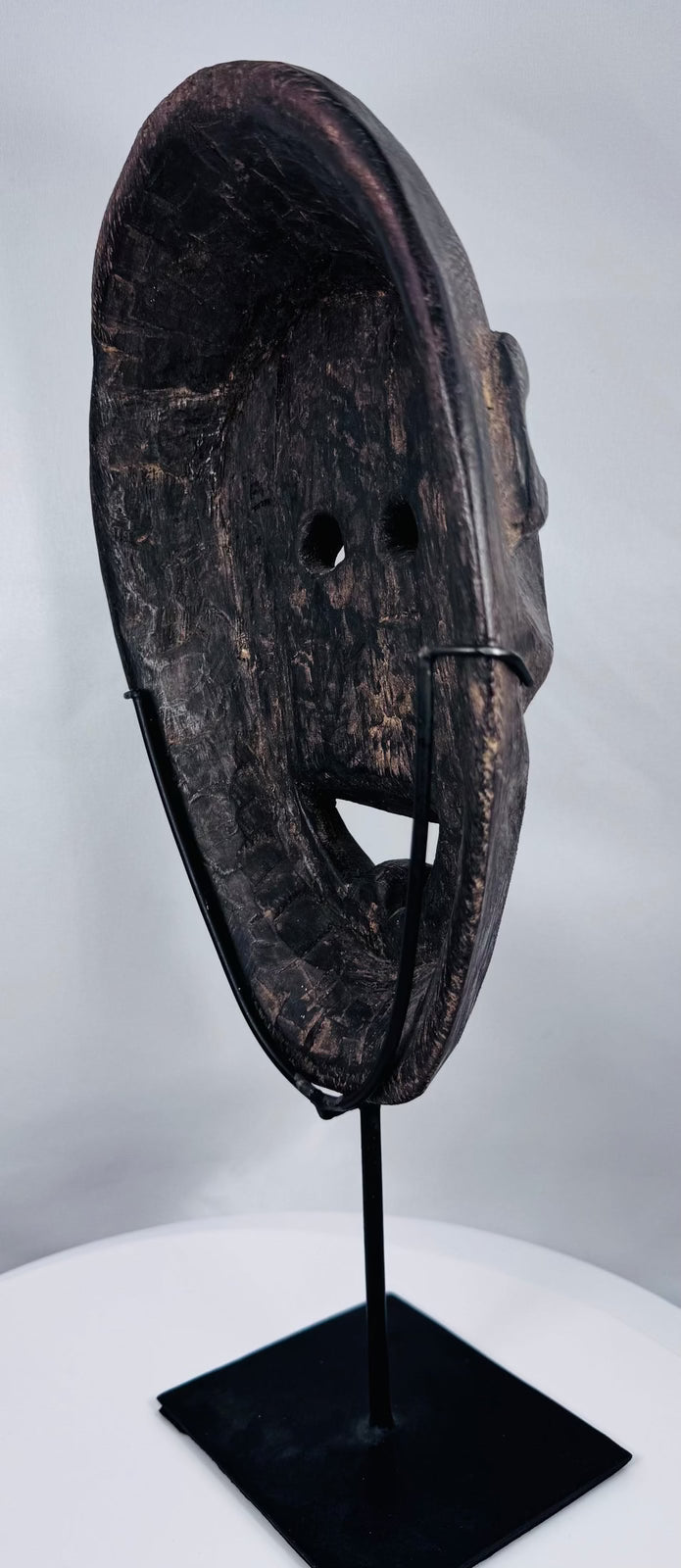
Good antique condition overall. Surface wear, age-related shrinkage, minor losses, and patina are present throughout, consistent with age and traditional use. Visible carving marks and weathering contribute to the authenticity and character of the piece. Mounted on a custom display stand.
Dimensions (Approximate)
Height: 14 in (including stand)
Age (Approximate)
95 years old
Provenance
From a private collection in Pennsylvania, USA, specializing in tribal art, ethnographic artifacts, and indigenous ceremonial objects.
Learn More
Discover the diverse traditions and symbolism of Indonesian ceremonial masks through Art of the Ancestors
Explore Our Collection of Tribal & Indigenous Artifacts
Description
Historical Context & Origin
Region: West Timor, Indonesia
Material: Hand-carved hardwood (redwood) with aged patina
Period: Circa 1930
Description
This striking carved wooden mask originates from Fatuleu Village in West Timor and represents a fascinating example of traditional ritual art associated with the indigenous communities of the region. Hand-carved from a single piece of hardwood, the mask features exaggerated simian characteristics, including large circular eyes, a projecting muzzle, and an open mouth with a protruding tongue, creating an expressive and animated appearance.
Masks of this type are traditionally associated with the ceremonial and spiritual traditions of the Atoni people of West Timor, where ancestor veneration and indigenous belief systems played an important role in community life. Within ceremonial contexts, such masks were used during ritual performances, community gatherings, and spiritual observances intended to honor ancestral spirits and reinforce connections between the living world and the realm of the ancestors.
The weathered surface, dark patina, and visible tool marks reflect both its age and use. The stylized monkey-like features are believed to symbolize spiritual beings, protective entities, or aspects of the natural world incorporated into traditional Timorese belief systems. The expressive carving and distinctive form make this an exceptional example of early twentieth-century tribal artistry from Southeast Asia.
Features
- Authentic carved wood ceremonial mask
- Originating from Fatuleu Village, West Timor
- Hand-carved from a single piece of hardwood
- Distinctive simian facial features and protruding tongue
- Rich aged surface and natural patina
- Visible hand-tool carving marks throughout
- Traditional form associated with Atoni ancestral beliefs
- Mounted for display
Historical Significance
For generations, the Atoni people of West Timor maintained rich ceremonial traditions centered on ancestor worship, spiritual protection, and communal identity. Masks played an important role within these traditions, serving as visual representations of spirits, mythological beings, and ancestral forces.
Examples dating to the early twentieth century provide important insight into the artistic and religious practices of Timor prior to widespread modernization.
Condition
Good antique condition overall. Surface wear, age-related shrinkage, minor losses, and patina are present throughout, consistent with age and traditional use. Visible carving marks and weathering contribute to the authenticity and character of the piece. Mounted on a custom display stand.
Dimensions (Approximate)
Height: 14 in (including stand)
Age (Approximate)
95 years old
Provenance
From a private collection in Pennsylvania, USA, specializing in tribal art, ethnographic artifacts, and indigenous ceremonial objects.
Learn More
Discover the diverse traditions and symbolism of Indonesian ceremonial masks through Art of the Ancestors
Explore Our Collection of Tribal & Indigenous Artifacts
You May Also Like
