

Pre-Columbian Ceramic Storage Vessel | Northern Coastal Andes | Circa 900–1470 CE
Couldn't load pickup availability


Pre-Columbian Ceramic Storage Vessel | Northern Coastal Andes | Circa 900–1470 CE
Description
More
Less
Historical Context & Origin
Region: Northern Peru, Andean Coast
Material: Hand-formed terracotta with applied red, orange, and brown slip decoration
Period: Circa 900–1470 CE (Late Intermediate Period, North Coast traditions)
Description
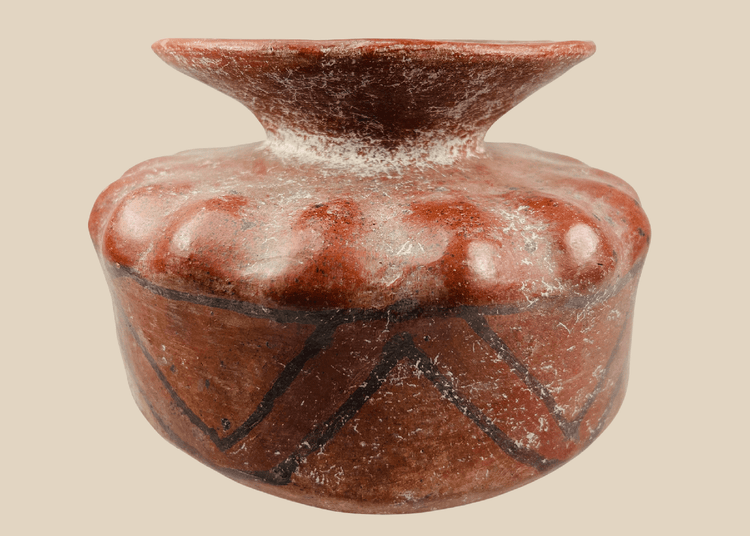
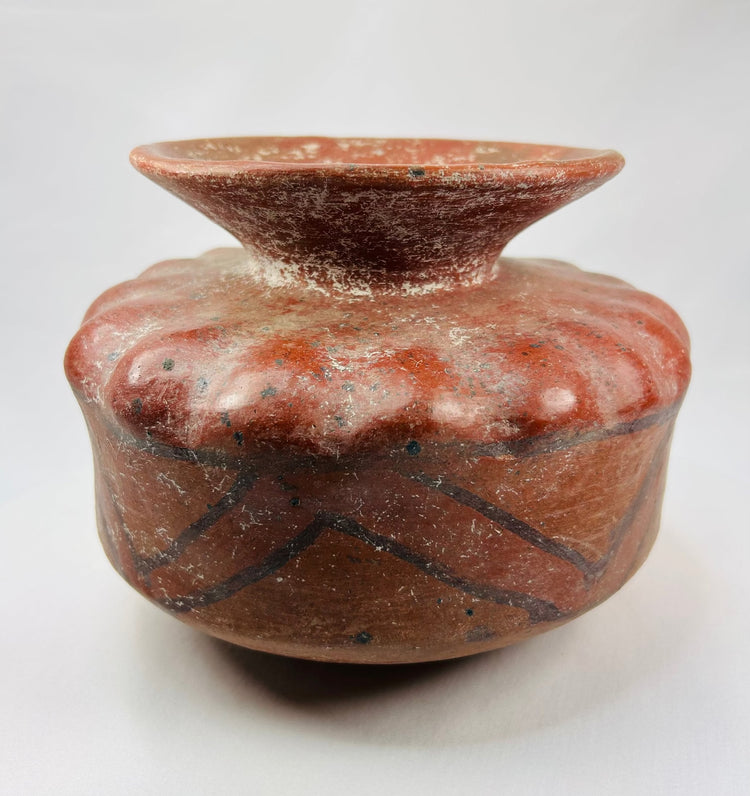
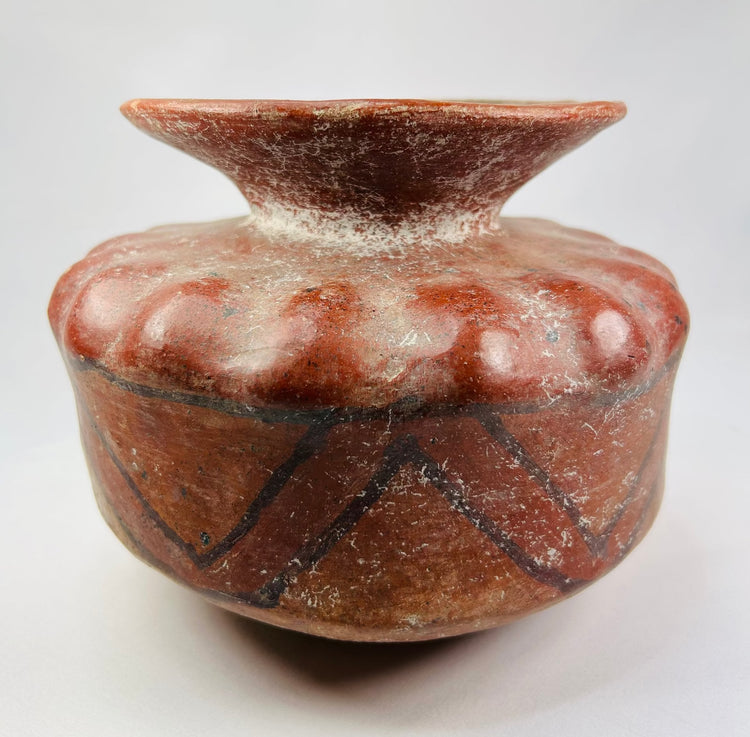
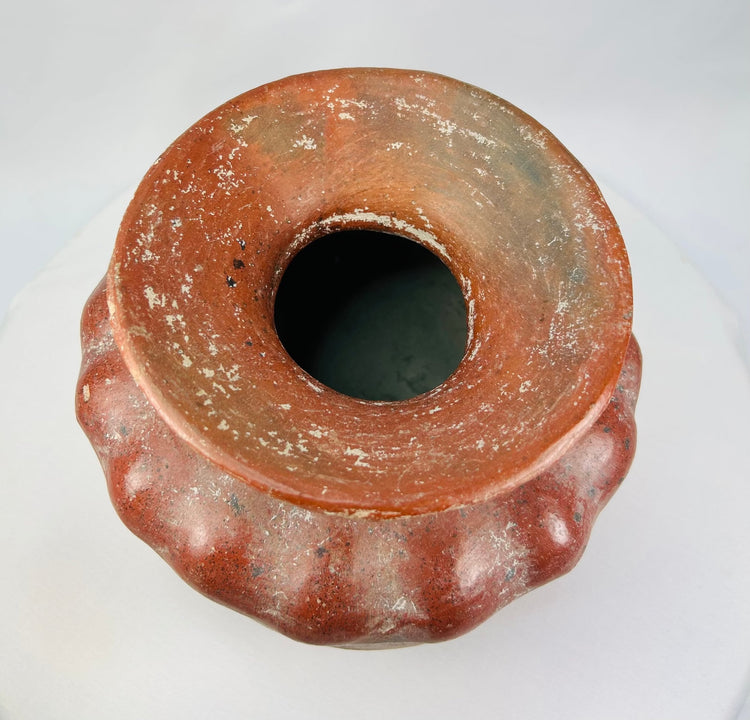
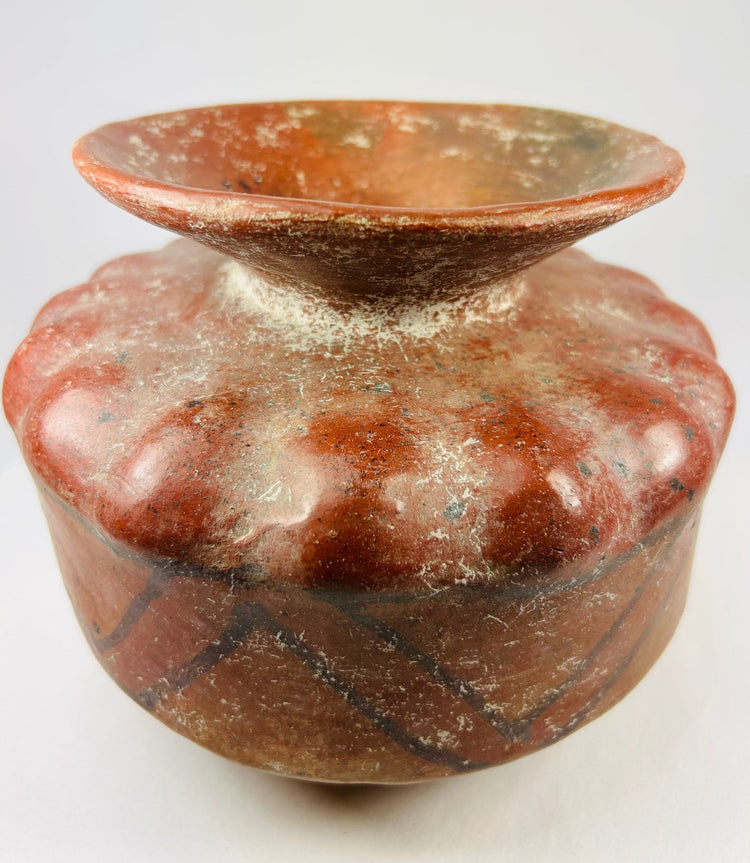
This striking globular ceramic vessel originates from a Pre-Columbian collection and reflects stylistic traits consistent with Northern Peruvian/Andean Coast pottery traditions of the Late Intermediate Period. The vessel features a rounded, bulbous body with a wide flaring mouth and decorative scalloped shoulder. Its surface is finished with flowing red-orange and brown painted bands forming geometric, zig-zag patterns—motifs frequently associated with ritual or domestic ceramics from the region.
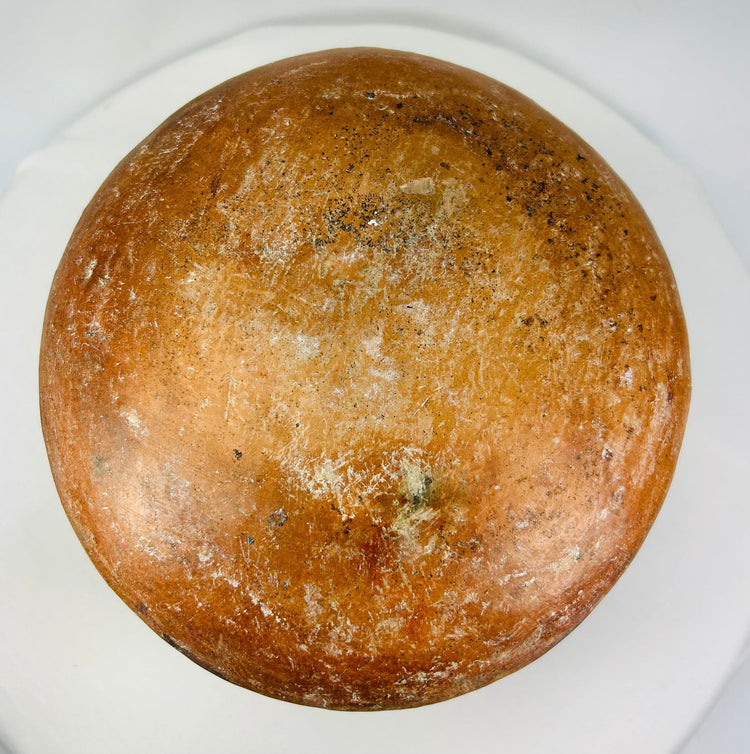
The vessel displays an aged, mineralized surface consistent with long burial, presenting an appealing mottled patina. While the exact workshop or cultural attribution (Lambayeque, Late Moche-influenced, or Chimu-era provincial production) cannot be determined with certainty, its form and decoration are characteristic of North Coast utilitarian-ritual ceramics.
Features
- Bulbous globular form with scalloped upper body
- Wide, flared rim
- Painted geometric and wave-line patterns
- Warm earth-tone palette of reds, oranges, and browns
- Mineral deposits and surface calcification consistent with age
Cultural Significance
Vessels of this form were traditionally used in storage, ritual offerings, or daily domestic functions within coastal Andean societies prior to the rise of the Inca Empire. The geometric motifs echo cosmological symbolism related to water, mountains, and the agricultural cycle—core elements of life in pre-Hispanic Peru.
Condition
Good archaeological condition. Surface wear, encrustation, and color variation typical of authentic Pre-Columbian ceramics. No modern repairs noted.
Dimensions (Approximate)
Height: 6 in
Width: 8 in
Age (Approximate)
550–1,100 years old
Provenance
From a private collection in Ottawa, Ontario. The owner was a lifelong collector of Pre-Columbian art and artifacts who traveled extensively throughout South America.
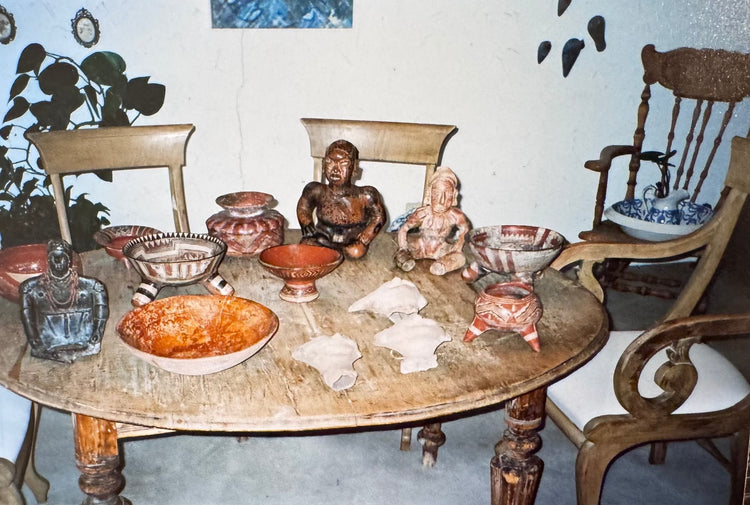
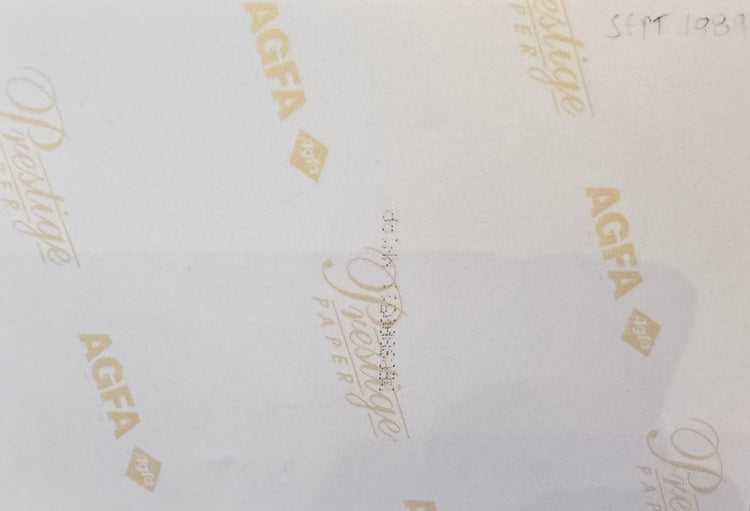
The collection is accompanied by an original colour photograph documenting a selection of artifacts (including this one) displayed in the collector’s home, inscribed “Sept 1989” on the reverse. The photograph is printed on AGFA Prestige photographic paper, a paper stock consistent with the inscribed period, providing additional documentation that the collection was established by at least the late 1980s. Following the owner’s passing, the collection was liquidated by the family.
Learn More
Explore Pre-Columbian pottery through the Metropolitan Museum of Art
Browse our curated Ancient Ceramics & Pottery Collection
Description
Historical Context & Origin
Region: Northern Peru, Andean Coast
Material: Hand-formed terracotta with applied red, orange, and brown slip decoration
Period: Circa 900–1470 CE (Late Intermediate Period, North Coast traditions)
Description
This striking globular ceramic vessel originates from a Pre-Columbian collection and reflects stylistic traits consistent with Northern Peruvian/Andean Coast pottery traditions of the Late Intermediate Period. The vessel features a rounded, bulbous body with a wide flaring mouth and decorative scalloped shoulder. Its surface is finished with flowing red-orange and brown painted bands forming geometric, zig-zag patterns—motifs frequently associated with ritual or domestic ceramics from the region.
The vessel displays an aged, mineralized surface consistent with long burial, presenting an appealing mottled patina. While the exact workshop or cultural attribution (Lambayeque, Late Moche-influenced, or Chimu-era provincial production) cannot be determined with certainty, its form and decoration are characteristic of North Coast utilitarian-ritual ceramics.
Features
- Bulbous globular form with scalloped upper body
- Wide, flared rim
- Painted geometric and wave-line patterns
- Warm earth-tone palette of reds, oranges, and browns
- Mineral deposits and surface calcification consistent with age
Cultural Significance
Vessels of this form were traditionally used in storage, ritual offerings, or daily domestic functions within coastal Andean societies prior to the rise of the Inca Empire. The geometric motifs echo cosmological symbolism related to water, mountains, and the agricultural cycle—core elements of life in pre-Hispanic Peru.
Condition
Good archaeological condition. Surface wear, encrustation, and color variation typical of authentic Pre-Columbian ceramics. No modern repairs noted.
Dimensions (Approximate)
Height: 6 in
Width: 8 in
Age (Approximate)
550–1,100 years old
Provenance
From a private collection in Ottawa, Ontario. The owner was a lifelong collector of Pre-Columbian art and artifacts who traveled extensively throughout South America.
The collection is accompanied by an original colour photograph documenting a selection of artifacts (including this one) displayed in the collector’s home, inscribed “Sept 1989” on the reverse. The photograph is printed on AGFA Prestige photographic paper, a paper stock consistent with the inscribed period, providing additional documentation that the collection was established by at least the late 1980s. Following the owner’s passing, the collection was liquidated by the family.
Learn More
Explore Pre-Columbian pottery through the Metropolitan Museum of Art
Browse our curated Ancient Ceramics & Pottery Collection
You May Also Like
