




Art, Ceramics & Collectibles
-
Egyptian Revival Sacred Ibis Sculpture | Gilt & Patinated Mixed Media | Mid-20th Century
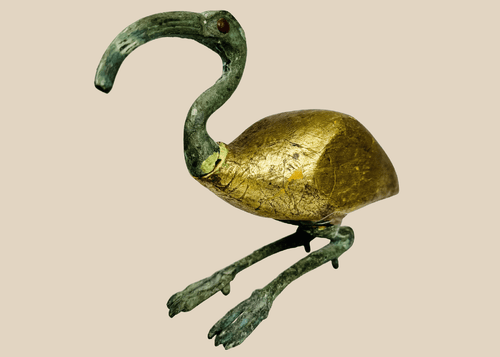
Egyptian Revival Sacred Ibis Sculpture | Gilt & Patinated Mixed Media | Mid-20th Century
- Regular price
- $250.00
- Sale price
- $250.00
- Regular price
-
Pre-Columbian Terracotta Human Effigy Head Fragment | Mexico to Colombia | Circa 200–900 CE
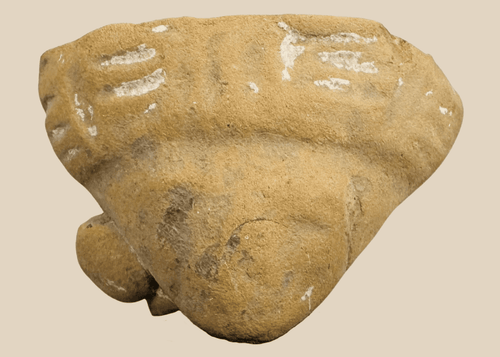
Pre-Columbian Terracotta Human Effigy Head Fragment | Mexico to Colombia | Circa 200–900 CE
- Regular price
- $250.00
- Sale price
- $250.00
- Regular price
-
Greek Hoplite | Bronze Warrior Figurine with Shield | Circa 18th–19th Century
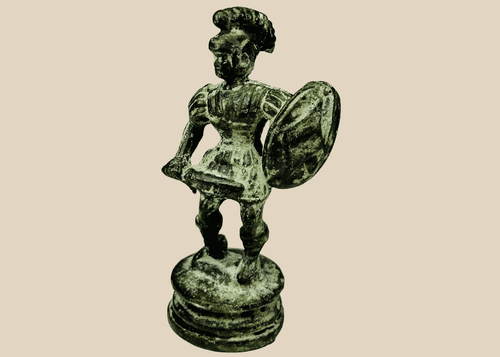
Greek Hoplite | Bronze Warrior Figurine with Shield | Circa 18th–19th Century
- Regular price
- $250.00
- Sale price
- $250.00
- Regular price
-
Archaistic Terracotta Standing Figure in Primitive Style | Circa 20th Century
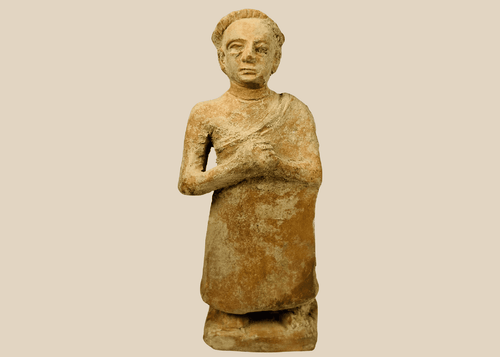
Archaistic Terracotta Standing Figure in Primitive Style | Circa 20th Century
- Regular price
- $250.00
- Sale price
- $250.00
- Regular price
-
Ancient Thailand Bronze Head of Buddha | Circa 16th - 17th Century AD

Ancient Thailand Bronze Head of Buddha | Circa 16th - 17th Century AD
- Regular price
- $250.00
- Sale price
- $250.00
- Regular price
-
Ancient Roman Bronze Finger Ring with Broad Plain Oval Bezel | Circa 2nd–4th Century CE
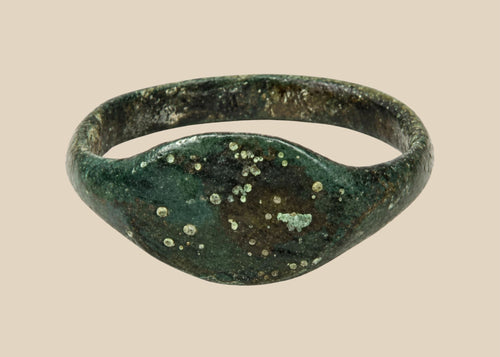
Ancient Roman Bronze Finger Ring with Broad Plain Oval Bezel | Circa 2nd–4th Century CE
- Regular price
- $225.00
- Sale price
- $225.00
- Regular price
-
Orthodox Champlevé Enamel Cross Pendant | With Cyrillic | Circa 1780–1820
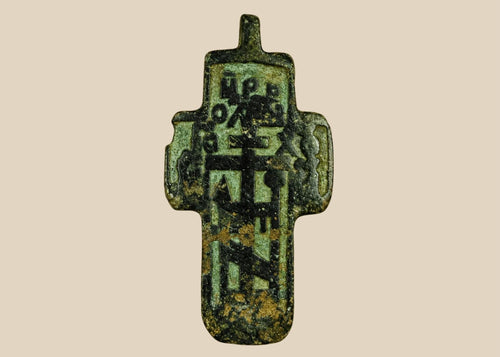
Orthodox Champlevé Enamel Cross Pendant | With Cyrillic | Circa 1780–1820
- Regular price
- $225.00
- Sale price
- $225.00
- Regular price
-
Late Roman–Early Byzantine Bronze Ring with Incised Linear Bezel | Circa 4th–6th Century CE
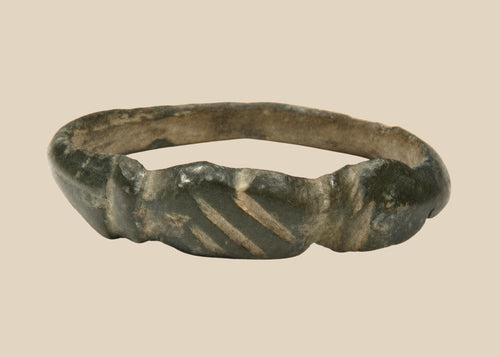
Late Roman–Early Byzantine Bronze Ring with Incised Linear Bezel | Circa 4th–6th Century CE
- Regular price
- $200.00
- Sale price
- $200.00
- Regular price
-
Hand-Carved Bone Skull Ring with Floral Motif | Memento Mori Style | Circa 20th Century
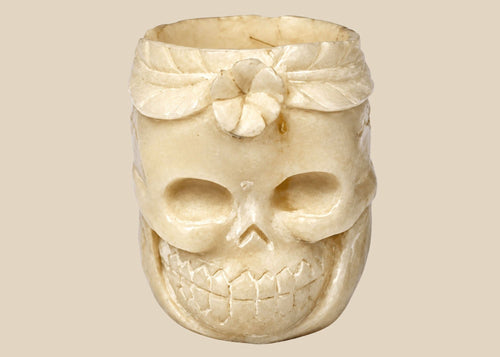
Hand-Carved Bone Skull Ring with Floral Motif | Memento Mori Style | Circa 20th Century
- Regular price
- $200.00
- Sale price
- $200.00
- Regular price
-
Imperial Roman | Bronze Ring Featuring Incised Linework Circa 2nd–4th Century AD
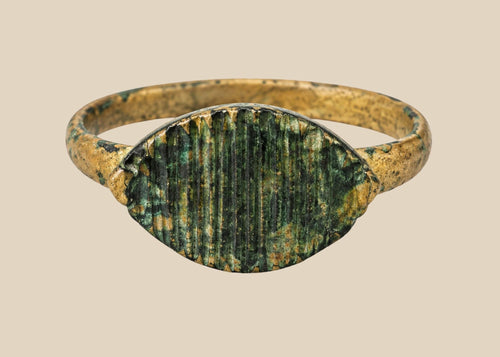
Imperial Roman | Bronze Ring Featuring Incised Linework Circa 2nd–4th Century AD
- Regular price
- $200.00
- Sale price
- $200.00
- Regular price
-
Pre-Columbian Ceramic Fragment Group | Ritual Vessel or Effigy Elements | Circa 500 BCE – 1500 CE
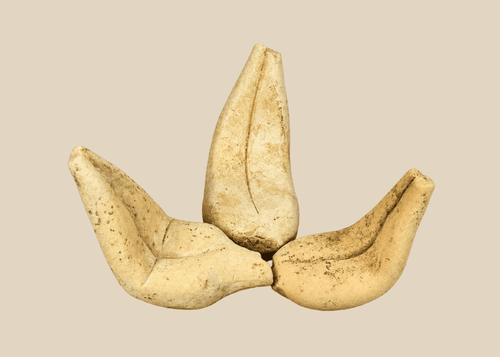
Pre-Columbian Ceramic Fragment Group | Ritual Vessel or Effigy Elements | Circa 500 BCE – 1500 CE
- Regular price
- $175.00
- Sale price
- $175.00
- Regular price
-
Silver Alloy Ring with Beaded Rosette Face | Vintage Jewelry | Late 19th Century
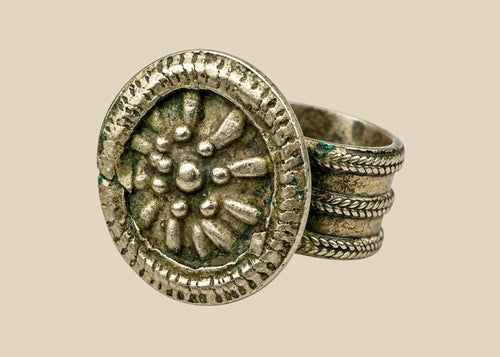
Silver Alloy Ring with Beaded Rosette Face | Vintage Jewelry | Late 19th Century
- Regular price
- $175.00
- Sale price
- $175.00
- Regular price
-
Imperial Roman | Bronze Ring with Flat Bezel | Circa 2nd–3rd Century AD
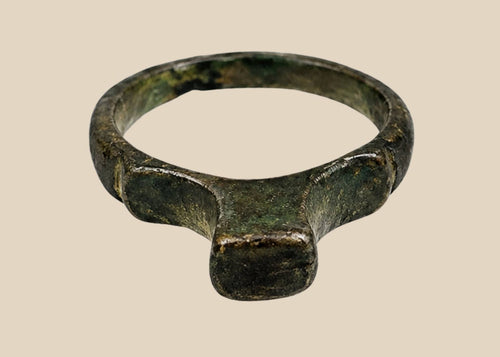
Imperial Roman | Bronze Ring with Flat Bezel | Circa 2nd–3rd Century AD
- Regular price
- $175.00
- Sale price
- $175.00
- Regular price
-
Archaeological Pottery Spout/Pipe | North African or Middle Eastern Origin | Circa 1800s

Archaeological Pottery Spout/Pipe | North African or Middle Eastern Origin | Circa 1800s
- Regular price
- $150.00
- Sale price
- $150.00
- Regular price
-
Carved Bamboo Container with Fitted Lid | Incised Geometric Design | Circa 19th Century
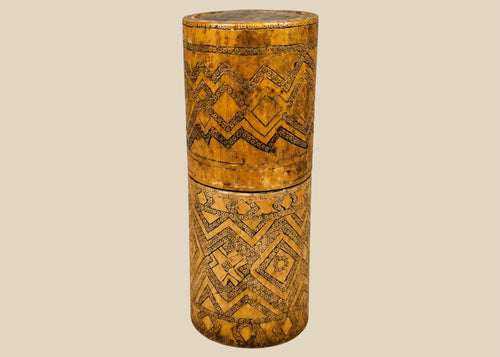
Carved Bamboo Container with Fitted Lid | Incised Geometric Design | Circa 19th Century
- Regular price
- $150.00
- Sale price
- $150.00
- Regular price


Collector Insights
What is the difference between pottery, ceramics, and terracotta?
Ceramics is the broad term for objects made from clay and hardened through firing. Pottery usually refers to functional or decorative ceramic vessels, while terracotta is a porous fired clay commonly used for ancient vessels, figurines, architectural elements, and sculpture.
Why were terracotta figures created in ancient cultures?
Ancient terracotta figures served many purposes. Depending on the culture, they could represent deities, ancestors, attendants, animals, or scenes from everyday life and might be used as religious offerings, funerary objects, household decorations, or symbols of status. The collection includes examples from Greek, Chinese, Pre-Columbian, and other traditions.
What is polychrome decoration in historical art?
Polychrome means decorated with multiple colours. Pigments were applied to wood, stone, terracotta, and other materials to make figures and architectural elements more lifelike or symbolically meaningful. Surviving traces of original paint can provide valuable evidence about how historical artworks originally appeared.
Why do ancient ceramics and sculptures often survive as fragments?
Objects can become fragmented through centuries of use, burial, environmental exposure, structural deterioration, or accidental damage. Even a partial ancient sculpture, ceramic vessel, or architectural fragment can preserve important information about artistic style, craftsmanship, symbolism, and cultural traditions.
How are ancient ceramics and historical artworks dated?
Researchers consider characteristics such as materials, manufacturing techniques, form, decoration, pigments, iconography, stylistic features, and surface aging. Comparisons with excavated, museum, and other documented examples can help establish an object's likely period and cultural origin.
Discover Relic & Rarity
on Instagram

