
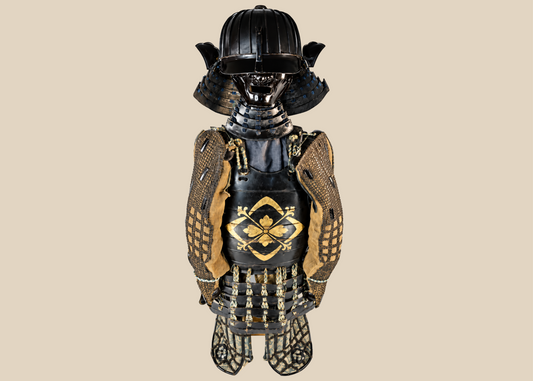

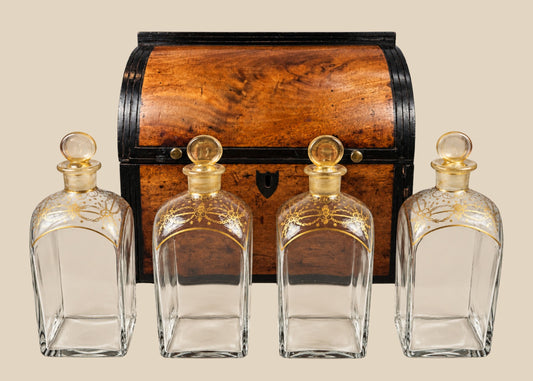

El estilo victoriano se refiere al arte, la moda, la arquitectura, la joyería, el mobiliario y los objetos personales asociados con el reinado de la Reina Victoria de 1837 a 1901. Conocido por su ornamentación recargada, estilos de revival histórico, simbolismo y fina artesanía, continúa influyendo en la decoración victoriana y los interiores góticos vintage hoy en día.
El período también trajo grandes avances en medicina, ciencia, instrumentos de precisión y fotografía. Cofres de medicamentos, microscopios, herramientas de topografía, daguerrotipos y ambrotipos revelan cómo la vida victoriana combinaba decoración, innovación y memoria personal.
Los objetos victorianos eran a menudo decorativos y personales a la vez. Un broche podía preservar el cabello de un ser querido, un relicario podía contener un retrato, un chatelaine podía organizar herramientas prácticas y un reloj de bolsillo podía comunicar puntualidad, artesanía y posición social.
Hoy en día, los coleccionistas pueden descubrir ejemplos originales de este período a través de colecciones curadas de Artefactos Victorianos y Reliquias Históricas y Joyería y Accesorios Históricos.
Conclusiones clave
- El estilo victoriano se desarrolló durante el reinado de la Reina Victoria y combinó la riqueza decorativa con movimientos de revival histórico, simbolismo, sentimentalismo y cambio tecnológico.
- El Revival Gótico dio forma a la decoración victoriana a través de arcos apuntados, motivos medievales, maderas oscuras, trabajos en metal detallados, ornamentación tallada y formas arquitectónicas inspiradas en la Edad Media.
- La Joyería de Luto ayudó a los victorianos a preservar recuerdos personales a través del trabajo con cabello, retratos, inscripciones, azabache, esmalte negro e imaginería simbólica.
- Los Relicarios de Oro eran objetos personales íntimos que podían contener fotografías, retratos en miniatura, inscripciones o mechones de cabello.
- Los Alfileres de Corbata Victorianos y los Relojes de Bolsillo Antiguos comunicaban el gusto personal, el estatus, la ocupación, la puntualidad y la participación en la sociedad de la moda.
- Los coleccionistas pueden crear un sofisticado interior gótico vintage exhibiendo objetos victorianos auténticos de forma selectiva en lugar de abarrotar una habitación con decoración de reproducción.
- La medicina y los instrumentos científicos victorianos reflejan el creciente énfasis del período en la observación, la medición, el conocimiento profesional y el progreso tecnológico.
- Los daguerrotipos y ambrotipos transformaron el retrato victoriano al permitir a las familias preservar imágenes detalladas de parientes y seres queridos.
¿Qué es el estilo victoriano y por qué sigue siendo influyente?

La Reina Victoria con las ropas de coronación, Franz Xaver Winterhalter, 1859. Dominio público, vía Wikimedia Commons.
El estilo victoriano es una amplia tradición decorativa que combina inspiración histórica, artesanía elaborada, simbolismo personal y la cultura visual del siglo XIX.
El período toma su nombre de la Reina Victoria, quien reinó desde 1837 hasta su muerte en 1901. Durante estas décadas, Gran Bretaña experimentó grandes cambios en la manufactura, el transporte, la fotografía, la comunicación, la ciencia y el comercio internacional. Estos desarrollos ampliaron los materiales, diseños y objetos decorativos disponibles para los hogares victorianos. El diseño victoriano podía ser dramático y muy ornamentado, pero también podía ser íntimo y profundamente personal. Las características comunes incluían:
|
Característica del estilo victoriano |
Lo que representaba |
|
Diseño de revival histórico |
Interés en las tradiciones artísticas góticas, renacentistas, clásicas y medievales |
|
Maderas oscuras y superficies talladas |
Artesanía, permanencia y refinamiento doméstico |
|
Motivos florales y naturales |
Romanticismo, belleza, crecimiento, recuerdo y el mundo natural |
|
Joyería simbólica |
Amor, luto, amistad, fe, identidad y posición social |
|
Accesorios personalizados |
Monogramas, inscripciones, retratos, trabajos en cabello y conexiones familiares |
|
Trabajo decorativo en metal |
Riqueza, habilidad técnica, utilidad y gusto a la moda |
|
Interiores ricamente superpuestos |
Comodidad, exhibición, coleccionismo e identidad del hogar |
El estilo victoriano sigue siendo influyente porque permite que los objetos comuniquen algo más que la mera apariencia. Los materiales, símbolos, inscripciones y compartimentos ocultos a menudo revelan cómo se usó un objeto y lo que significaba para su propietario original.
Para los coleccionistas modernos, el atractivo reside en esta combinación de historia y personalidad. Un objeto victoriano puede preservar la evidencia de la vida cotidiana al mismo tiempo que refleja las emociones, los gustos, las tecnologías y las costumbres sociales del período.
¿Cómo el Renacimiento Gótico influyó en la decoración victoriana?

Biblioteca Gótica, diseñada por Frederick Clarke Withers, 1859. El Museo Metropolitano de Arte, Dominio Público.
El Renacimiento Gótico dio forma a la decoración victoriana reintroduciendo formas arquitectónicas medievales, ornamentación tallada, arcos apuntados, tracerías, imaginería heráldica y referencias históricas dramáticas.
El movimiento se inspiró en iglesias medievales, castillos, edificios Tudor, manuscritos iluminados, arte religioso y la artesanía europea temprana. En arquitectura, los edificios del Renacimiento Gótico a menudo presentaban tejados a dos aguas pronunciados, arcos apuntados, ventanas emplomadas, chimeneas decorativas, carpintería tallada y materiales contrastantes. Historic England identifica muchas de estas características como propias del diseño del Renacimiento Gótico del siglo XIX.
Dentro de los hogares victorianos, el estilo apareció a través de muebles de roble tallado, madera teñida oscura, vidrieras, trabajos de hierro decorativos, textiles de inspiración medieval, motivos heráldicos, marcos ornamentados, iluminación de latón y muebles o detalles arquitectónicos con forma de arcos apuntados y trifoliados. Las formas eclesiásticas también se adaptaron para uso doméstico, permitiendo que los interiores sugirieran la atmósfera de iglesias medievales y casas señoriales históricas.
La frase moderna gótico vintage puede describir interiores que se basan en este lado más oscuro del diseño victoriano. Maderas oscuras, metales envejecidos, retratos históricos, libros antiguos, luz de velas, objetos de luto y fragmentos arquitectónicos pueden contribuir a esta apariencia.
Sin embargo, la decoración victoriana auténtica rara vez era completamente negra o lúgubre. Los interiores victorianos podían incluir papel pintado estampado, textiles vivos, motivos botánicos, marcos dorados, cristales de colores, cerámica, retratos familiares, instrumentos científicos y objetos coleccionados durante viajes.
Una habitación gótica vintage exitosa, por lo tanto, debe equilibrar elementos históricos más oscuros con textura, artesanía, iluminación cálida y objetos cuidadosamente seleccionados. Un artefacto victoriano original generalmente crea un punto focal más fuerte que un gran grupo de reproducciones modernas.
Los coleccionistas interesados en estas tradiciones decorativas pueden explorar Artefactos Victorianos y Reliquias Históricas para encontrar objetos originales asociados con la vida doméstica, la ciencia, la fotografía, el adorno personal y el coleccionismo del siglo XIX.
¿Por qué la joyería de luto se volvió importante en la vida victoriana?

Mujer no identificada con un broche de luto y mostrando una fotografía enmarcada de un soldado, circa 1861-1865. Biblioteca del Congreso, sin restricciones de publicación conocidas.
La Joyería de Luto se volvió importante en la vida victoriana porque permitía a las personas preservar una conexión física y emocional con parientes, cónyuges, amigos y figuras públicas fallecidos.
La joyería de luto existía antes del período victoriano, pero se asoció especialmente con el recuerdo del siglo XIX. Anillos, broches, colgantes, pulseras, relicarios y accesorios de reloj podían contener cabello trenzado, retratos pintados, fotografías en miniatura, iniciales, nombres, fechas o inscripciones conmemorativas.
Los materiales comunes incluían cabello humano, oro, metal chapado en oro, azabache, ónix, esmalte negro, vulcanita, roble de pantano, perlas de semilla y vidrio. A menudo se elegían materiales oscuros por su asociación con el dolor y el recuerdo, mientras que el oro, las perlas y el cabello finamente trabajado permitían que las piezas de luto siguieran siendo decorativas y profundamente personales.
El Royal Collection Trust señala que los objetos de luto del siglo XIX a menudo adoptaban la forma de joyas que contenían cabello humano. El azabache, el ónix y el esmalte negro también se usaban comúnmente para comunicar el duelo y el recuerdo. El cabello era particularmente significativo porque proporcionaba una conexión física sobreviviente con una persona después de la muerte. Podía ser trenzado, tejido en patrones decorativos, colocado debajo de vidrio o encerrado dentro de un broche o relicario.
El azabache de Whitby se asoció estrechamente con la moda victoriana de luto. El Museo Victoria y Alberto explica que diferentes niveles de pulido podían ayudar a distinguir las etapas del luto, asociándose las superficies más sobrias con las etapas iniciales y las joyas pulidas con las posteriores. Ejemplo de colección: Broche de luto gótico chapado en oro con cabello trenzado

El Broche de Joyería de Luto Victoriano Chapado en Oro con Trabajo de Cabello Trenzado es un objeto conmemorativo original de mediados del siglo XIX que presenta cabello humano trenzado bajo cristal biselado.
Su ornamentado marco gótico chapado en oro demuestra cómo la belleza decorativa y el recuerdo personal podían combinarse en un único objeto ponible. El meticuloso trabajo de cabello preservado habría transformado un íntimo recuerdo físico en una expresión duradera de memoria.
¿Qué hizo de los relicarios de oro símbolos personales de memoria?

Relicario con figura protectora alada asiria, británico, segunda mitad del siglo XIX. El Museo Metropolitano de Arte, Dominio Público.
Los relicarios de oro se convirtieron en símbolos personales de memoria porque permitían llevar fotografías, retratos en miniatura, mechones de cabello, inscripciones y otros recuerdos íntimos cerca del cuerpo.
Estas pequeñas cajas con bisagras podían conmemorar el amor romántico, el matrimonio, la amistad, las relaciones familiares, el servicio militar o el duelo. Su diseño cerrado protegía el contenido, manteniéndolo privado y permitiendo al usuario revelar el retrato o el recuerdo solo cuando así lo elegía.
Los relicarios victorianos podían contener una miniatura pintada, una fotografía temprana, un mechón de cabello, un mensaje escrito a mano, un monograma grabado o una fecha familiar importante. Algunos contenían dos retratos enfrentados, mientras que otros combinaban una fotografía en un lado con trabajo de cabello o una inscripción conmemorativa en el otro.
Tras la muerte del Príncipe Alberto en 1861, las joyas que contenían su imagen y cabello se vincularon estrechamente con el luto público y privado de la Reina Victoria. Un relicario conmemorativo de oro superviviente en la Colección Real se abre para revelar una fotografía coloreada a mano del Príncipe Alberto en un lado y un mechón de su cabello en el otro, lo que demuestra cómo el retrato y el recuerdo físico podían unirse en un solo objeto personal.
Los relicarios de oro no eran objetos exclusivos de luto. También podían celebrar compromisos, matrimonios, nacimientos, amistades y relaciones con miembros vivos de la familia. Su significado a menudo depende del contenido, las inscripciones, los materiales, la construcción y cualquier historial de propiedad superviviente.
Al considerar un relicario antiguo, los coleccionistas deben prestar mucha atención a la bisagra y el cierre, los marcos internos, las cubiertas de vidrio, los sellos, las iniciales grabadas, los anillos de suspensión y la evidencia de que el contenido original pudo haber sido reemplazado. Fotografías, inscripciones, registros familiares y cadenas originales pueden proporcionar más pistas sobre cómo y por quién fue usado el objeto.
¿Por qué los alfileres de corbata victorianos y los relojes de bolsillo antiguos eran símbolos de estatus?

Retrato de tarjeta de gabinete de la era victoriana por Jeremiah Gurney & Sons, 1867. Dominio público, vía Wikimedia Commons.
Los alfileres de corbata victorianos y los relojes de bolsillo antiguos se convirtieron en símbolos de estatus porque combinaban la función práctica con la fina artesanía, la presentación a la moda y la expresión personal.
Los alfileres de corbata eran alfileres delgados que se llevaban a través de una corbata, pañuelo o solapa. Sus cabezas decorativas podían presentar oro, plata, piedras preciosas, esmalte, camafeos, animales, símbolos heráldicos, iniciales o diseños inspirados en la arqueología y el mundo antiguo.
Los relojes de bolsillo antiguos tenían un significado social similar. A medida que los viajes en tren, el empleo industrial, las citas de negocios y la vida urbana daban mayor importancia a la hora estandarizada, poseer un reloj fiable sugería puntualidad, responsabilidad y posición financiera. Los relojes se llevaban comúnmente en un chaleco o bolsillo de chaqueta y se aseguraban con una cadena, que también podía llevar una llave, un sello, un colgante, una brújula o un monedero.
Las cajas de oro y plata eran especialmente prestigiosas, mientras que los diseños de esfera abierta, de caja de cazador y de media caja de cazador ofrecían diferentes combinaciones de visibilidad y protección. El Museo Británico conserva un reloj de media caja de cazador del siglo XIX, unido a una châtelaine, cadena y llave de reloj, lo que ilustra cómo un reloj podía formar parte de un accesorio personal coordinado. Ejemplo de colección: Portamonedas de soberano victoriano de plata de ley

El portamonedas de soberano victoriano de plata de ley con monograma grabado refleja la misma tradición victoriana de combinar el adorno con el uso práctico. Fabricado en el Reino Unido durante la década de 1880, su interior con resorte sujetaba de forma segura las monedas de oro, mientras que el monograma grabado personalizaba un accesorio que podía llevarse junto a una cadena de reloj de bolsillo o un colgante.
Descubra todos los detalles de este artefacto: Portamonedas de soberano victoriano de plata de ley.
Juntos, los alfileres de corbata, los relojes de bolsillo, los colgantes, las cadenas y los portamonedas de soberano revelan cómo los accesorios victorianos comunicaban la artesanía, la identidad, la posición financiera y la posición social.
¿Cómo avanzó la ciencia y la medicina durante el período victoriano?

Thereza Dillwyn Llewelyn con su microscopio, John Dillwyn Llewelyn, alrededor de 1854. El Museo Metropolitano de Arte, Dominio Público.
La ciencia y la medicina avanzaron durante el período victoriano gracias a la mejora de los instrumentos, la organización de las prácticas profesionales y un creciente énfasis en la observación y medición cuidadosas.
Los microscopios portátiles permitieron estudiar especímenes fuera de los laboratorios permanentes, mientras que los botiquines equipados ayudaron a los médicos a organizar botellas de vidrio, tratamientos, instrucciones escritas y otros suministros médicos. Los instrumentos de topografía y navegación también se hicieron cada vez más precisos, lo que apoyó la ingeniería, la medición de tierras, la exploración y el transporte.
Las piezas de la colección Relic & Rarity ilustran cómo estos desarrollos entraron en la vida profesional. El Botiquín de médico victoriano con recipientes de vidrio y recetas históricas conserva pruebas de la práctica médica del siglo XIX, incluida la organización y el almacenamiento de los tratamientos. El Microscopio de campo de latón victoriano con estuche de caoba y lentes intercambiables refleja la creciente importancia de la observación científica detallada, mientras que la Brújula de alidada de Thomas Jones de Liverpool demuestra la artesanía de precisión asociada con la topografía y la medición.
Juntos, estos objetos muestran que el diseño victoriano no se limitaba al ornamento y la moda. También dio forma a los instrumentos prácticos utilizados por médicos, científicos, topógrafos y otros profesionales.
Explore estos artefactos científicos y médicos victorianos:
 |
 |
 |
¿Cómo preservó la fotografía las vidas y los recuerdos victorianos?

Retrato de daguerrotipo antiguo de un caballero victoriano, circa 1850-1860. Colección Relic & Rarity.
La fotografía preservó las vidas y los recuerdos victorianos al permitir que la gente registrara retratos detallados de parientes, cónyuges, hijos y amigos con mayor realismo que las miniaturas pintadas anteriores.
La introducción de los procesos fotográficos durante el siglo XIX cambió la forma en que las familias documentaban la identidad personal. Los daguerrotipos crearon imágenes muy detalladas en superficies metálicas pulidas, mientras que los ambrotipos produjeron retratos en vidrio. Estas fotografías se colocaban comúnmente dentro de estuches que protegían la delicada imagen y la hacían adecuada para la visualización privada o la exhibición doméstica.

La fotografía de retrato victoriana estaba estrechamente relacionada con la memoria familiar. La ropa, las joyas, los peinados, la postura y los arreglos del estudio podían comunicar la identidad y la posición social, mientras que los retratos emparejados o grupales preservaban las relaciones entre maridos y mujeres, padres e hijos, o varias generaciones de la misma familia.

La colección de Relic & Rarity incluye varios ejemplos de esta cultura fotográfica en desarrollo. El Estuche de recuerdo de daguerrotipo victoriano con retratos dobles conserva a dos individuos dentro de un único estuche íntimo. El Ambrotipo Rehn de un cuarto de placa de tres modelos femeninas registra un retrato grupal cuidadosamente arreglado, mientras que el Doble retrato de daguerrotipo de marido y mujer victorianos demuestra cómo la fotografía podía preservar una relación familiar en una forma física duradera.
Estas fotografías son más que objetos decorativos victorianos. Preservan la apariencia, la vestimenta, las relaciones y la presentación de personas reales del siglo XIX, ofreciendo conexiones visuales directas con vidas individuales.
Conclusión
El estilo victoriano representa mucho más que muebles oscuros y adornos elaborados. Refleja un período en el que la decoración, la innovación, la identidad personal, la artesanía y la memoria emocional estaban estrechamente conectadas.
Las joyas de luto y los medallones de oro conservaban recordatorios íntimos de los seres queridos, mientras que los alfileres de corbata victorianos, los relojes de bolsillo antiguos y otros accesorios personales comunicaban el gusto, el estatus y la identidad social. Los botiquines, microscopios e instrumentos de precisión revelan el creciente énfasis de la época en la ciencia y el conocimiento profesional, mientras que los daguerrotipos y ambrotipos transformaron la forma en que las familias conservaban las apariencias y relaciones individuales.
Estos objetos continúan influyendo en la decoración victoriana y los interiores góticos vintage porque combinan el carácter visual con la auténtica historia humana. Cada pieza que sobrevive puede revelar cómo los victorianos recordaban a sus seres queridos, abordaban la medicina y el descubrimiento, se presentaban en sociedad y respondían a un mundo que cambiaba rápidamente.
Explore objetos originales del siglo XIX a través de la colección curada de Relic & Rarity de Artefactos Victorianos y Reliquias Históricas.


