

¿Qué puedes esperar de Relic & Rarity?
Cada objeto de colección que ofrecemos ha sido cuidadosamente investigado y autenticado para cumplir con nuestros estándares. Cada compra está respaldada por nuestra Garantía de Autenticidad y puede incluir procedencia documentada, un Certificado de Autenticidad, embalaje profesional, envío mundial gratuito y soporte dedicado para coleccionistas.

Artefactos medievales: antigüedades de caballeros y castillos
-
Fragmento de piedra eclesiástica tallada representando la Crucifixión | Siglo XIV-XVIII
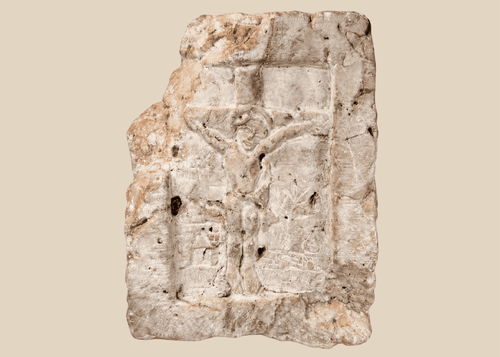
Fragmento de piedra eclesiástica tallada representando la Crucifixión | Siglo XIV-XVIII
- Precio habitual
- $2,500.00
- Precio de venta
- $2,500.00
- Precio habitual
-
Daga europea | Guarda de quillon y pomo de anillo | Siglo XIV aproximadamente
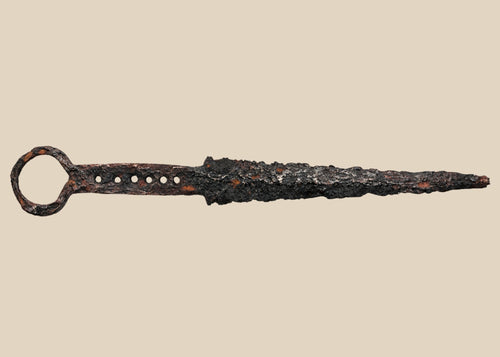
Daga europea | Guarda de quillon y pomo de anillo | Siglo XIV aproximadamente
- Precio habitual
- $2,000.00
- Precio de venta
- $2,000.00
- Precio habitual
-
Par de guanteletes de estilo gótico con detalles grabados | Siglo XIX
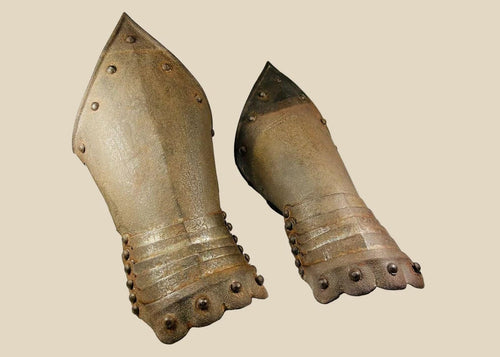
Par de guanteletes de estilo gótico con detalles grabados | Siglo XIX
- Precio habitual
- $1,000.00
- Precio de venta
- $1,000.00
- Precio habitual
-
Punta de Lanza Europea de Hierro Forjado a Mano | Circa 1er Milenio EC
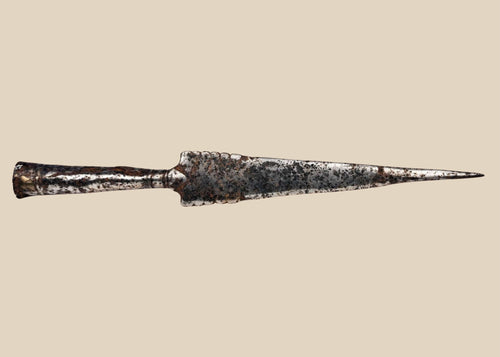
Punta de Lanza Europea de Hierro Forjado a Mano | Circa 1er Milenio EC
- Precio habitual
- $900.00
- Precio de venta
- $900.00
- Precio habitual
-
Panel gótico tallado de roble con volutas foliadas y escudo heráldico | Inglaterra o Europa continental | Hacia el siglo XVI
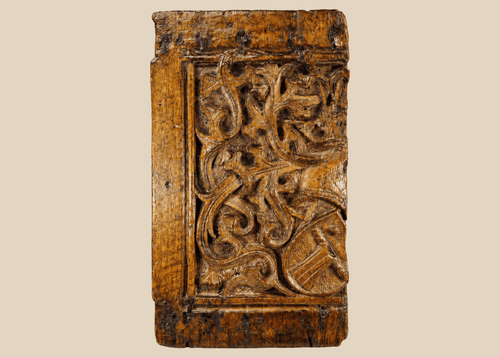
Panel gótico tallado de roble con volutas foliadas y escudo heráldico | Inglaterra o Europa continental | Hacia el siglo XVI
- Precio habitual
- $750.00
- Precio de venta
- $750.00
- Precio habitual
-
Estribo de caballería otomana | Acero forjado con incrustaciones de plata | Siglo XVII
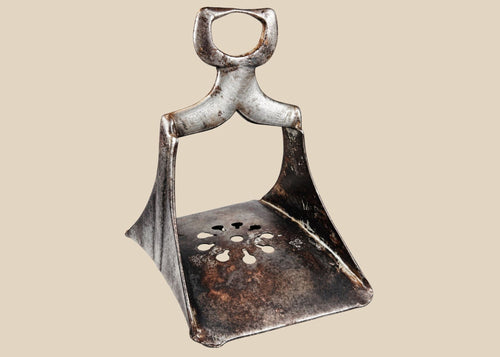
Estribo de caballería otomana | Acero forjado con incrustaciones de plata | Siglo XVII
- Precio habitual
- $750.00
- Precio de venta
- $750.00
- Precio habitual
-
Panel devocional renacentista | Placa de madera tallada con un pelícano en su piedad | Siglo XVI
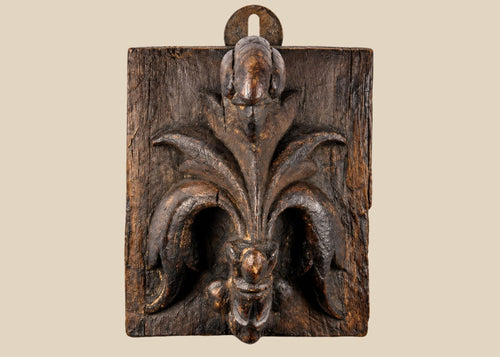
Panel devocional renacentista | Placa de madera tallada con un pelícano en su piedad | Siglo XVI
- Precio habitual
- $750.00
- Precio de venta
- $750.00
- Precio habitual
-
Par de estribos ecuestres ornamentados de latón | Motivo serpentino | C. finales del siglo XVII-principios del XVIII
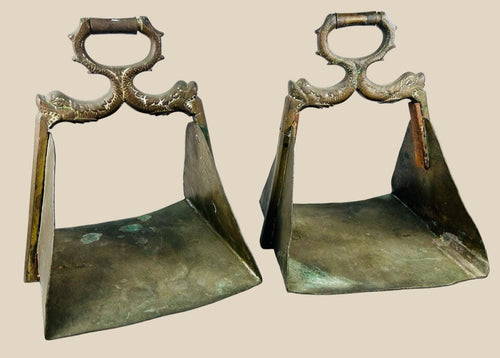
Par de estribos ecuestres ornamentados de latón | Motivo serpentino | C. finales del siglo XVII-principios del XVIII
- Precio habitual
- $700.00
- Precio de venta
- $700.00
- Precio habitual
-
Cuchillo largo medieval | Hoja de hierro forjado con punta afilada | Siglos XII-XV d. C.
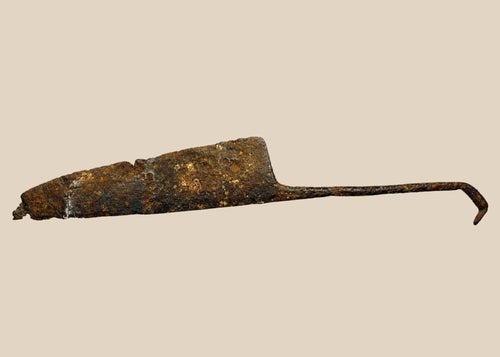
Cuchillo largo medieval | Hoja de hierro forjado con punta afilada | Siglos XII-XV d. C.
- Precio habitual
- $700.00
- Precio de venta
- $700.00
- Precio habitual
-
Jarra de latón inglesa | Periodo de Jorge II | Jarra de cerveza Baulster | Circa 1727-1760
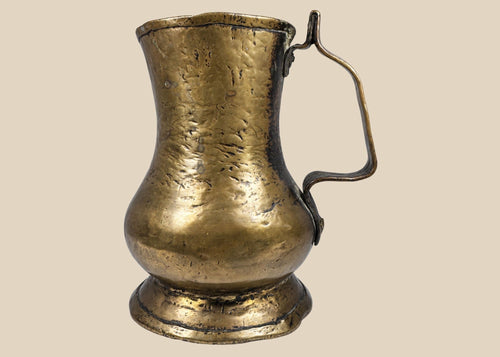
Jarra de latón inglesa | Periodo de Jorge II | Jarra de cerveza Baulster | Circa 1727-1760
- Precio habitual
- $650.00
- Precio de venta
- $650.00
- Precio habitual
-
Europa temprana | Cabeza de hacha de hierro forjado con marca del fabricante | Hacia los siglos XVII y XVIII
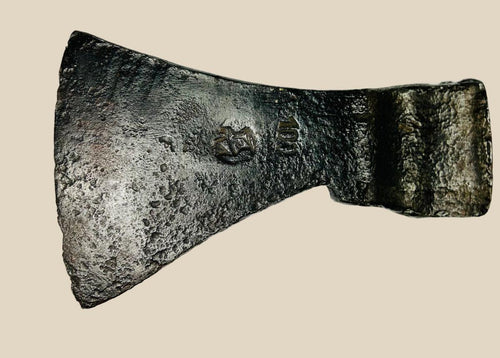
Europa temprana | Cabeza de hacha de hierro forjado con marca del fabricante | Hacia los siglos XVII y XVIII
- Precio habitual
- $400.00
- Precio de venta
- $400.00
- Precio habitual
-
Segmento de armadura defensiva europea | Banda pesada de acero forjado de armadura de asedio | Siglo XVII
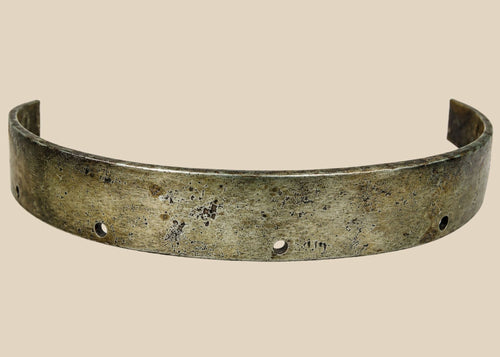
Segmento de armadura defensiva europea | Banda pesada de acero forjado de armadura de asedio | Siglo XVII
- Precio habitual
- $350.00
- Precio de venta
- $350.00
- Precio habitual
-
Ancient Iron Arrowheads & Projectile Points | Three-Piece Mounted Collection | Roman to Medieval Period
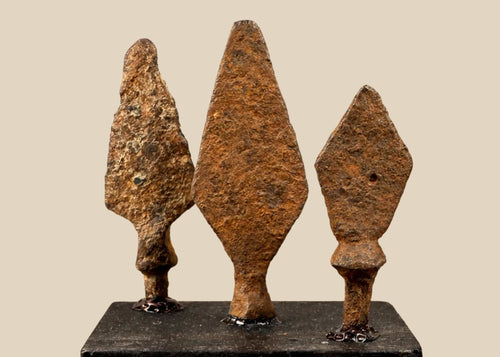
Ancient Iron Arrowheads & Projectile Points | Three-Piece Mounted Collection | Roman to Medieval Period
- Precio habitual
- $250.00
- Precio de venta
- $250.00
- Precio habitual
Preguntas frecuentes
¿Cómo hacían los vitrales en la época medieval?
El vitral medieval se fabricaba fundiendo arena y minerales a altas temperaturas para crear vidrio de color. Los artesanos cortaban el vidrio en piezas, las unían con tiras de plomo (llamadas varillas) y utilizaban pintura o esmalte de plata para añadir detalles. Estas piezas se cocían luego en un horno para fijar el diseño, comúnmente utilizado en iglesias y castillos.
¿Qué es una daga y cómo se usaba en la época medieval?
Una daga es un arma de hoja corta diseñada principalmente para apuñalar. En la época medieval, era comúnmente utilizada como arma secundaria por caballeros y soldados, especialmente en combates cuerpo a cuerpo cuando las espadas eran menos efectivas.
¿Cuáles son los principales tipos de dagas medievales?
Existían varios tipos de dagas medievales, cada una con usos específicos:
- Daga Rondel: Se utilizaba para perforar armaduras.
- Daga Bollock: Común para el uso diario y la autodefensa.
- Daga Baselard: Popular entre civiles y caballeros.
- Daga Quillon: Similar a una espada pequeña con guardamanos.
Cada tipo refleja diferentes necesidades de combate y roles sociales durante el período medieval.
¿Qué vestían los caballeros medievales debajo de su armadura?
Debajo de su armadura, los caballeros medievales solían usar un gambesón, una prenda acolchada que ofrecía amortiguación y protección. También podían usar una camisa de lino, calzas (mallas) y, a veces, cota de malla para una defensa y comodidad adicionales.
¿Qué tipos de cuchillos se usaban en la época medieval?
Los cuchillos medievales variaban según su propósito:
- Cuchillos utilitarios: Utilizados para tareas diarias como comer y fabricar objetos.
- Seax: Un cuchillo grande usado por los anglosajones.
- Cuchillos de caza: Diseñados para despellejar y preparar animales.
- Cuchillos de combate: Hojas más pequeñas usadas junto con espadas o dagas.
Estos cuchillos eran herramientas esenciales tanto en la vida diaria como en la guerra.
Descubre a @relicandraritygallery en Instagram

