

Why Collect Ancient Ceramics from Relic and Rarity?
Every collectible is carefully researched, authenticated, and selected before being offered for sale. Each purchase is backed by our Authenticity Guarantee and, whenever available, includes documented provenance, secure packaging, complimentary worldwide shipping, and dedicated collector support.

Ceramics & Pottery: Ancient Heritage Art
-
Pre-Columbian Painted Pedestal Vessel with Geometric Motifs | Circa 600–1200 CE
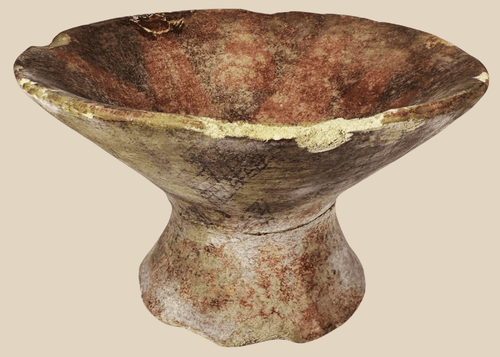
Pre-Columbian Painted Pedestal Vessel with Geometric Motifs | Circa 600–1200 CE
- Regular price
- $250.00
- Sale price
- $250.00
- Regular price


Collector Insights
What types of ancient ceramics and pottery are featured in this collection?
This collection may include ancient pottery vessels, bowls, jars, amphorae, oil lamps, censers, effigy vessels, terracotta figures, and ceramic fragments. Available pieces range from functional household objects to ritual and funerary art.
Which cultures are represented in the ceramics collection?
The collection features examples of Roman pottery, Greek ceramics, Pre-Columbian pottery, ancient Chinese ceramics, Egyptian objects, Islamic pottery, and Near Eastern vessels. The cultures and periods represented change as new pieces are acquired and sold.
What is the difference between pottery, ceramics, and terracotta?
Ceramics is the broad term for objects made from fired clay. Pottery generally refers to ceramic vessels and containers, while terracotta describes a porous, usually reddish-brown fired clay commonly used for vessels, figures, and architectural decoration.
What were ancient pottery vessels used for?
Ancient ceramic vessels were used for storing food and liquids, cooking, serving, trade, religious offerings, burial practices, and ceremonial rituals. Their shape, decoration, and material can provide insight into the culture that produced them.
Why do ancient ceramics have chips, deposits, or uneven surfaces?
Ancient pottery often shows wear, mineral deposits, surface loss, firing irregularities, repairs, or burial-related changes. These characteristics reflect an object’s age and history and should not be removed through aggressive cleaning or restoration.
How is the age and origin of ancient pottery determined?
Dating and attribution consider the object’s clay composition, construction, firing method, shape, decoration, glaze, surface characteristics, and comparison with documented archaeological examples. Available provenance and previous collection records are also considered.
Can I buy authentic ancient pottery and ceramics online?
Yes. Relic & Rarity offers ancient pottery and ceramics for sale online, including Roman vessels, Greek pottery, Pre-Columbian ceramics, terracotta figures, and historic ceramic art. Listings include photographs, dimensions, condition information, available provenance, and a Certificate of Authenticity.
Discover @relicandraritygallery on Instagram

