

Collection: Medieval Artifacts: Knights & Castle Antiquities
Behind the walls of medieval castles and beneath the banners of rival kingdoms, a world of chivalry, warfare, and craftsmanship once unfolded. This collection gathers authentic relics that reveal the stories of that era through the objects that survived it. Fragments of medieval stained glass recall the spiritual life of cathedrals and great halls, while battlefield tools such as the medieval axe and medieval battle axe reflect the intensity of medieval warfare. Alongside these arms, bronze coins and rare pieces like a suit of armor for sale offer insight into the economy, status, and identity of the knightly world. Weapons such as the medieval knife also reveal how blades functioned in daily life and close combat, naturally leading many collectors to wonder what is a dagger, and how did it differ from other weapons of the time...
To continue your journey into the material history of warfare and exploration, visit our Historical Warfare & Exploration collection for more discoveries!

-
Victorian Full Suit of Armour with Shield | Late 15th Century Manner | 19th Century
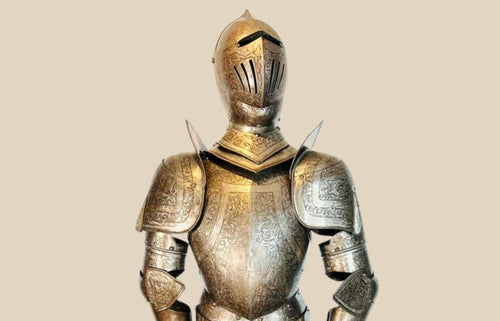
Victorian Full Suit of Armour with Shield | Late 15th Century Manner | 19th Century
- Regular price
- $10,000.00
- Sale price
- $10,000.00
- Regular price
-
16th Century Stained Glass - Medieval - with Angel & Lightbox Display

16th Century Stained Glass - Medieval - with Angel & Lightbox Display
- Regular price
- $4,000.00
- Sale price
- $4,000.00
- Regular price
-
German or Scandinavian Executioner’s Axe | Forged Iron Blade with Guild Stamps | 18th Century
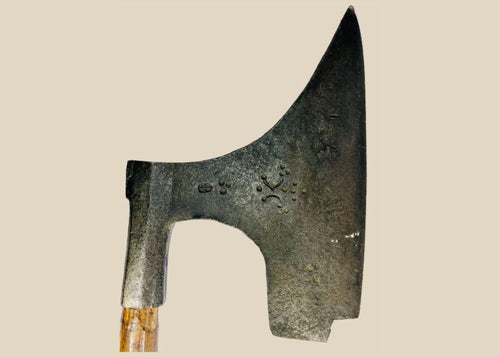
German or Scandinavian Executioner’s Axe | Forged Iron Blade with Guild Stamps | 18th Century
- Regular price
- $3,000.00
- Sale price
- $3,000.00
- Regular price
-
European Dagger | Quillon Guard and Ring Pommel | Circa 14th Century

European Dagger | Quillon Guard and Ring Pommel | Circa 14th Century
- Regular price
- $2,000.00
- Sale price
- $2,000.00
- Regular price
-
Renaissance | Knight’s Upper Arm Defense | 16th Century Upper Cannon Armor
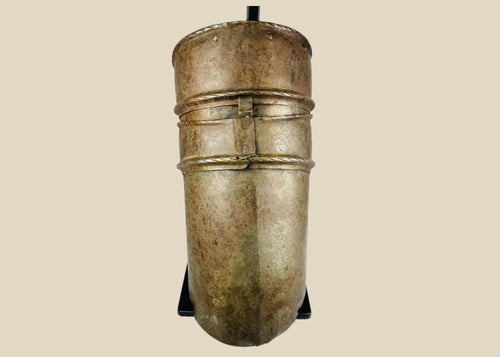
Renaissance | Knight’s Upper Arm Defense | 16th Century Upper Cannon Armor
- Regular price
- $1,250.00
- Sale price
- $1,250.00
- Regular price
-
Pair of Gothic-Style Gauntlets with Etched Detailing | 16th-17th Century Style

Pair of Gothic-Style Gauntlets with Etched Detailing | 16th-17th Century Style
- Regular price
- $1,000.00
- Sale price
- $1,000.00
- Regular price
-
European Upper Arm Armor Cannon-Style with Scalloped Edge | Circa 16th Century
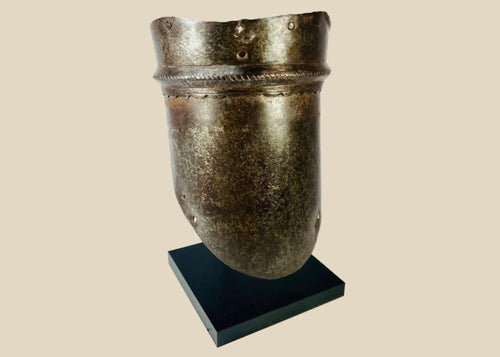
European Upper Arm Armor Cannon-Style with Scalloped Edge | Circa 16th Century
- Regular price
- $1,000.00
- Sale price
- $1,000.00
- Regular price
-
Hand Forged European Iron Spear Head | 16th-17th Century
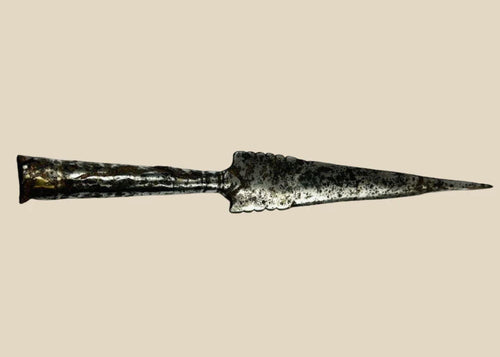
Hand Forged European Iron Spear Head | 16th-17th Century
- Regular price
- $900.00
- Sale price
- $900.00
- Regular price
-
Collection of 15 Ancient & Medieval Rings | Egypt to Europe | 1000 BCE – 15th Century CE
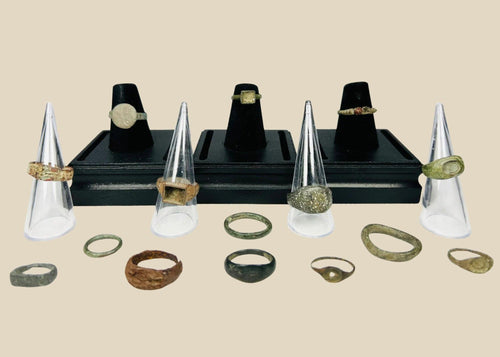
Collection of 15 Ancient & Medieval Rings | Egypt to Europe | 1000 BCE – 15th Century CE
- Regular price
- $800.00
- Sale price
- $800.00
- Regular price
-
Ottoman Cavalry Stirrup | Forged Steel with Traces of Silver Inlay | 17th Century
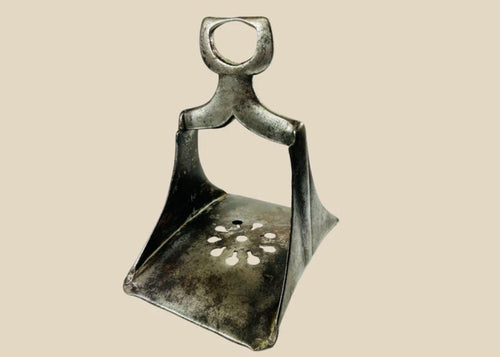
Ottoman Cavalry Stirrup | Forged Steel with Traces of Silver Inlay | 17th Century
- Regular price
- $750.00
- Sale price
- $750.00
- Regular price
-
Renaissance Devotional Panel | Carved Wooden Plaque with Pelican in Her Piety | 16th Century

Renaissance Devotional Panel | Carved Wooden Plaque with Pelican in Her Piety | 16th Century
- Regular price
- $750.00
- Sale price
- $750.00
- Regular price
-
Right-Hand Articulated Steel Gauntlet | 16th–17th-Century Style

Right-Hand Articulated Steel Gauntlet | 16th–17th-Century Style
- Regular price
- $700.00
- Sale price
- $700.00
- Regular price
-
Pair of Ornate Brass Equestrian Stirrups | Serpentine Motif | Late 17th–Early 18th
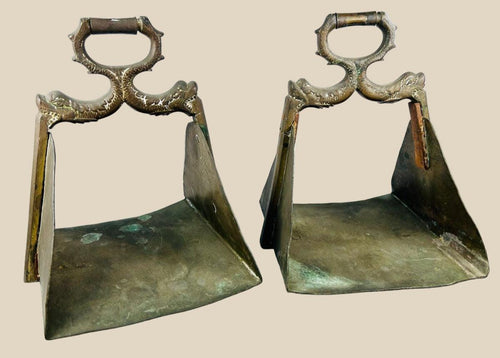
Pair of Ornate Brass Equestrian Stirrups | Serpentine Motif | Late 17th–Early 18th
- Regular price
- $700.00
- Sale price
- $700.00
- Regular price
-
Medieval Long Knife | Forged Iron Blade with Tapered Point | Circa 12th–15th Century CE
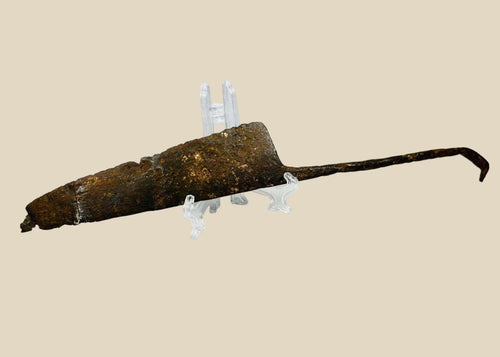
Medieval Long Knife | Forged Iron Blade with Tapered Point | Circa 12th–15th Century CE
- Regular price
- $700.00
- Sale price
- $700.00
- Regular price
-
English Brass Tankard | George II Period | Baulster Ale Mug | Circa 1727–1760

English Brass Tankard | George II Period | Baulster Ale Mug | Circa 1727–1760
- Regular price
- $650.00
- Sale price
- $650.00
- Regular price
-
Ancient Arm Guard from European Siege Armour | 17th Century

Ancient Arm Guard from European Siege Armour | 17th Century
- Regular price
- $500.00
- Sale price
- $500.00
- Regular price
-
Early European | Forged Iron Axe Head with Maker’s Mark | Circa 17th–18th Century
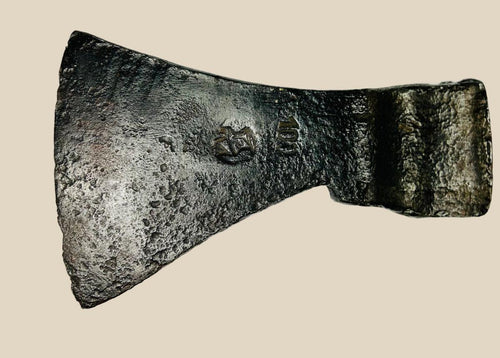
Early European | Forged Iron Axe Head with Maker’s Mark | Circa 17th–18th Century
- Regular price
- $400.00
- Sale price
- $400.00
- Regular price
-
European Defensive Armor Segment | Heavy Forged Steel Band from Siege Armor | 17th Century

European Defensive Armor Segment | Heavy Forged Steel Band from Siege Armor | 17th Century
- Regular price
- $350.00
- Sale price
- $350.00
- Regular price
-
Set of 10 Crusader Bronze Coins | Circa 11th - 13th Century AD

Set of 10 Crusader Bronze Coins | Circa 11th - 13th Century AD
- Regular price
- $250.00
- Sale price
- $250.00
- Regular price


FAQs
How did people make stained glass in medieval times?
Medieval stained glass was made by melting sand and minerals at high temperatures to create colored glass. Artisans cut the glass into pieces, assembled them with lead strips (called cames), and used paint or silver stain to add details. These pieces were then fired in a kiln to fix the design, commonly used in churches and castles.
What is a dagger and how was it used in medieval times?
A dagger is a short-bladed weapon designed primarily for thrusting. In medieval times, it was commonly used as a secondary weapon by knights and soldiers, especially in close combat when swords were less effective.
What are the main types of medieval daggers?
There were several types of medieval daggers, each with specific uses:
- Rondel dagger: Used for piercing armor
- Bollock dagger: Common for everyday carry and self-defense
- Baselard dagger: Popular among civilians and knights
- Quillon dagger: Similar to a small sword with a crossguard
Each type reflects different combat needs and social roles during the medieval period.
What did medieval knights wear under their armor?
Under their armor, medieval knights typically wore a gambeson, a padded garment that provided cushioning and protection. They might also wear a linen shirt, hose (leggings), and sometimes mail (chainmail) for additional defense and comfort.
What types of knives were used in the medieval period?
Medieval knives varied depending on purpose:
- Utility knives: Used for daily tasks like eating and crafting
- Seax: A large knife used by Anglo-Saxons
- Hunting knives: Designed for skinning and preparing animals
- Combat knives: Smaller blades used alongside swords or daggers
These knives were essential tools in both daily life and warfare.
Discover @relicandraritygallery on Instagram