
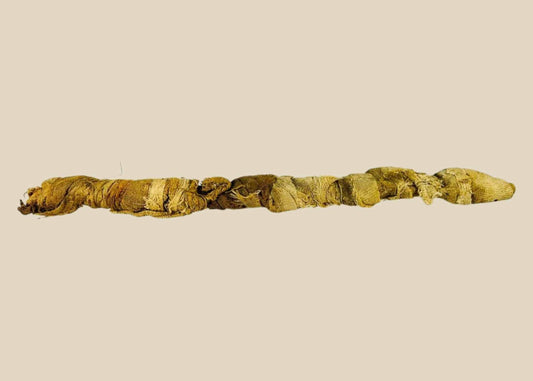
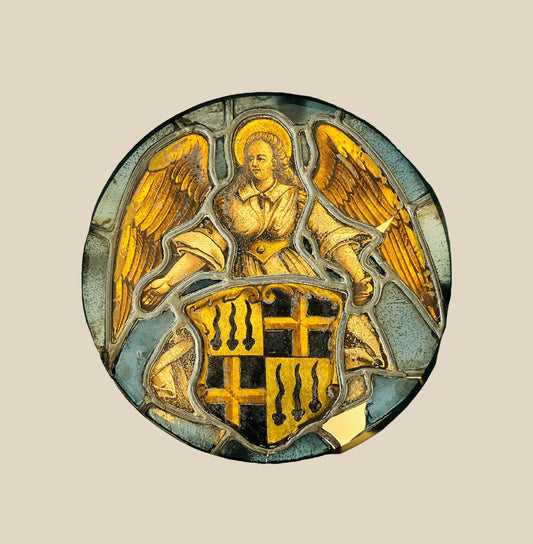
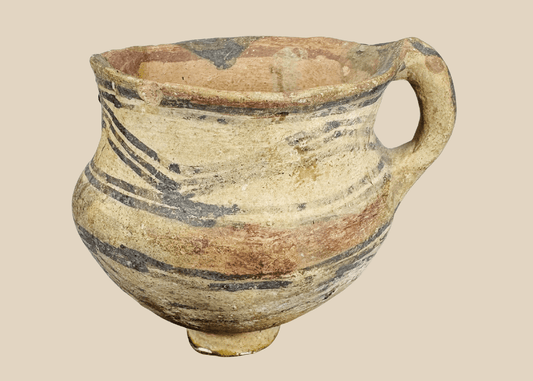

Pre-Columbian pottery is among the most valued forms of ancient artifacts, known for its craftsmanship, symbolism, and cultural significance. Created by civilizations such as the Maya, Aztec, and Inca, these ceramic pieces were used in rituals, daily life, and ceremonial practices that reflected beliefs about identity, nature, and the spiritual world.
Today, collectors seek Pre-Columbian pottery for sale not only for its visual appeal but also for its historical depth. Each vessel, figurine, or decorative piece carries traces of ancient techniques and cultural traditions that have endured for centuries.
Explore authentic Pre-Columbian artifacts for sale, including ancient pottery, ceremonial objects, and textiles from Mexico and Peru: Ancient Pre-Columbian artifacts.
Where to Buy Pre-Columbian Pottery

Finding authentic Pre-Columbian pottery requires sourcing from trusted collections and specialized dealers who focus on ancient artifacts.
Curated collections provide one of the most reliable ways to explore authentic pieces. These collections are typically selected based on craftsmanship, historical relevance, and preservation quality.
Explore curated Pre-Columbian artifacts for sale, including pottery, textiles, and ceremonial objects from ancient American civilizations.

These curated selections allow collectors to discover pieces that are both historically meaningful and visually distinctive.
Explore authentic Pre-Columbian artifacts for sale, including ancient pottery, ceremonial objects, and textiles from Mexico and Peru: Ancient Pre-Columbian artifacts.
How to Identify Authentic Pre-Columbian Pottery
Authenticity is the most important factor when purchasing ancient pottery. Collectors should evaluate several key elements before making a decision:
- Material and construction: Authentic pottery is made using traditional clay and techniques specific to each culture
- Surface wear and aging: Natural signs of age such as patina, erosion, or irregularities
- Cultural and stylistic consistency: Designs that align with known Maya, Aztec, or Inca patterns
- Provenance and sourcing: Reliable origin or documentation that supports authenticity
Carefully evaluating these aspects helps ensure that each piece reflects genuine craftsmanship and cultural heritage.
Types of Pre-Columbian Pottery

Pre-Columbian pottery varies widely depending on the region and civilization. Each type serves a unique purpose and reflects different aspects of ancient life.
Common types include:
- Ceremonial vessels: Used in rituals and religious practices
- Figurines and sculptural pottery: Representing deities, ancestors, or daily life
- Painted pottery: Featuring symbolic patterns and storytelling imagery
- Functional ceramics: Used for storage, cooking, and everyday use
These artifacts provide valuable insight into how ancient societies lived, believed, and expressed their identity.
Why Collect Pre-Columbian Artifacts?
Collectors value Pre-Columbian artifacts for their rarity, craftsmanship, and cultural significance. Unlike modern reproductions, these objects represent authentic expressions of ancient civilizations.
Each piece offers a direct connection to the past, allowing collectors to preserve and engage with history in a tangible way.
Discover authentic Pre-Columbian artifacts curated for collectors and enthusiasts.
Whether for historical interest or personal collection, these artifacts continue to hold meaning across generations.
Buying Guide: What to Consider Before Purchasing
Before buying Pre-Columbian pottery, collectors should consider:
- Authenticity and provenance
- Condition and preservation
- Cultural origin and historical context
- Rarity and uniqueness
Pieces that combine these factors tend to hold greater long-term value and significance.


