
Ancient Luristan Bronze Bowl | Early Iron Age | Circa 800 BCE
Couldn't load pickup availability


Ancient Luristan Bronze Bowl | Early Iron Age | Circa 800 BCE
Description
More
Less
Historical Context & Origin
Region: Luristan, Northwestern Iran
Material: Cast bronze with mineralized patina
Period: Early Iron Age, circa 800 BCE
Description
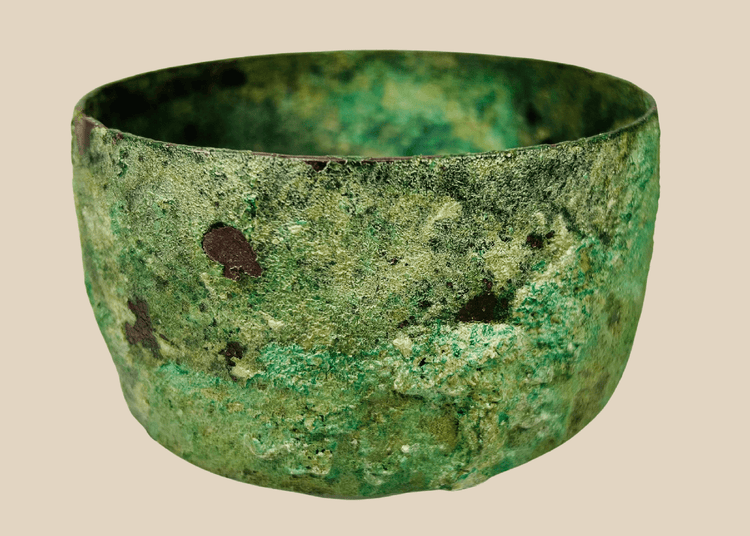
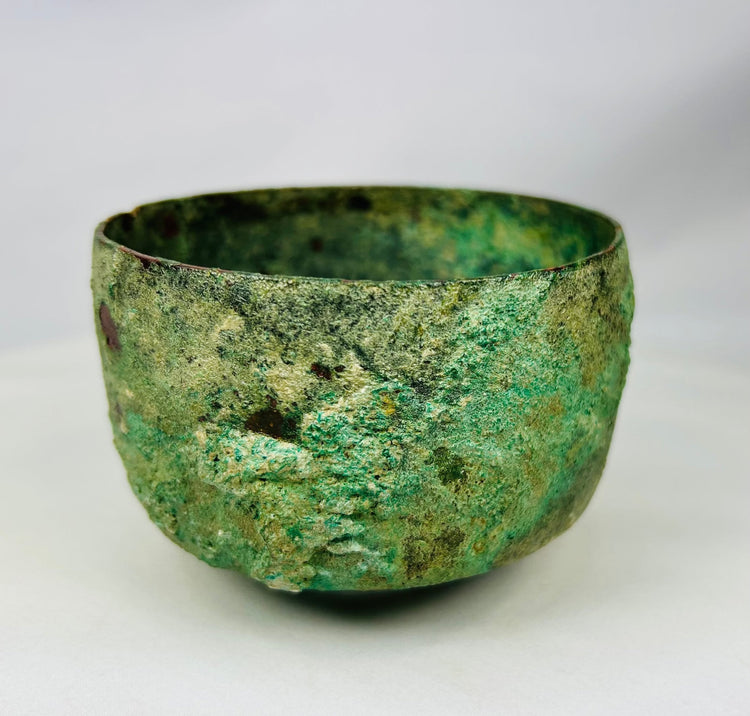
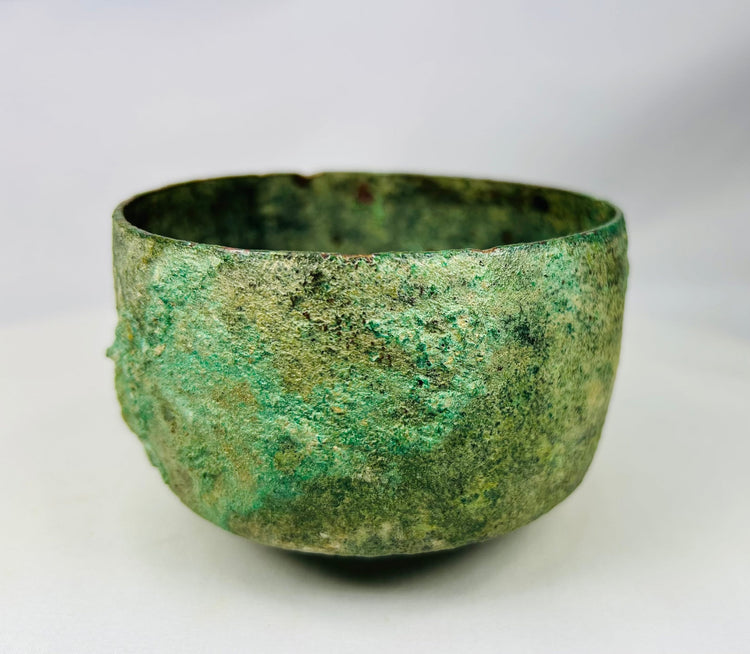
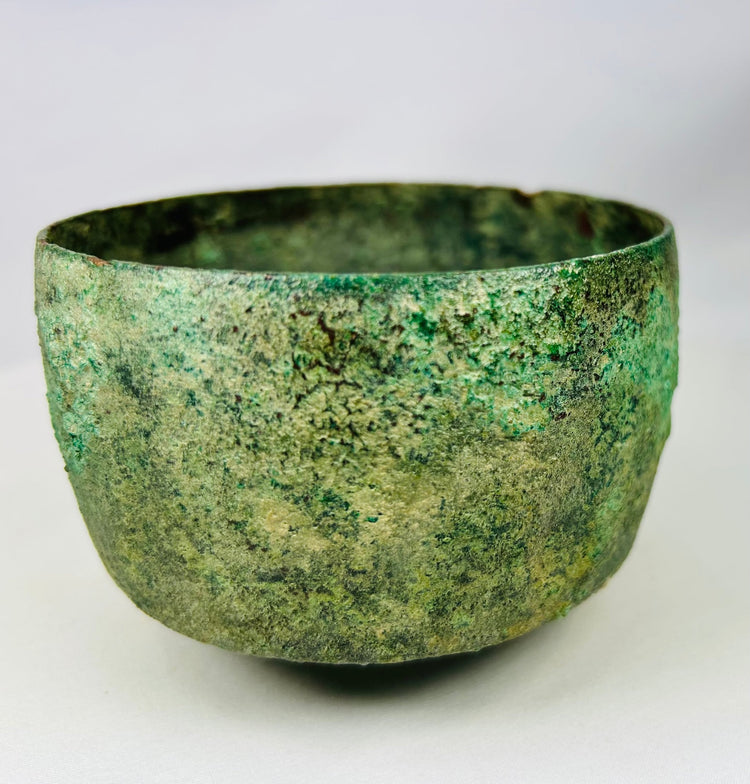
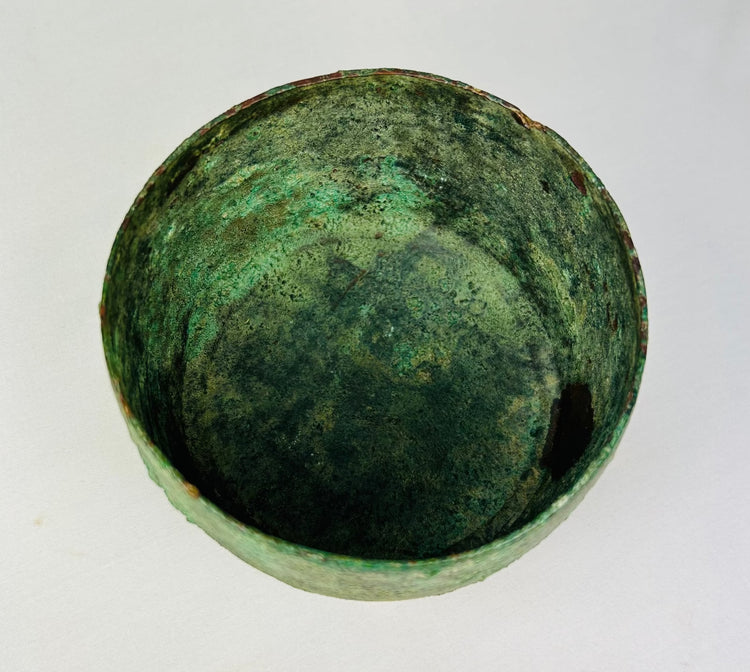
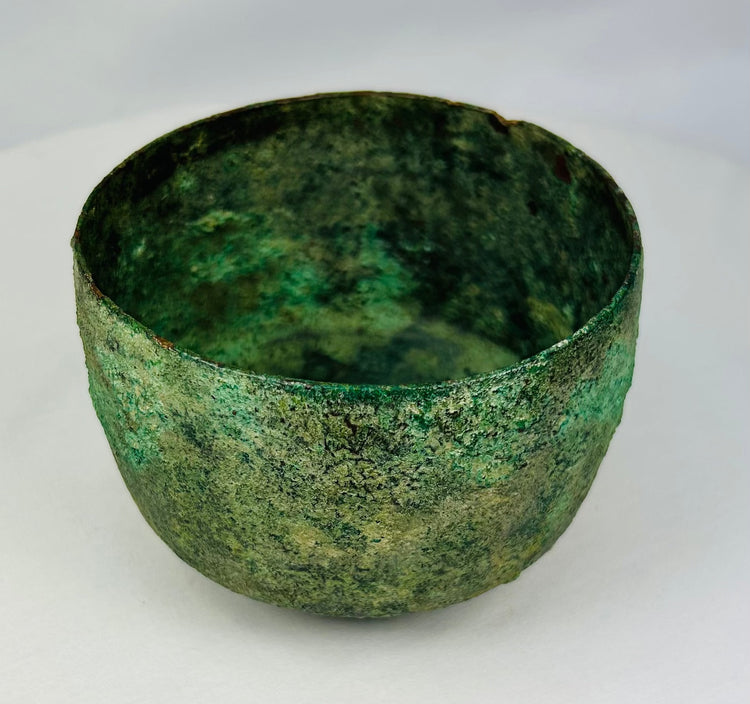
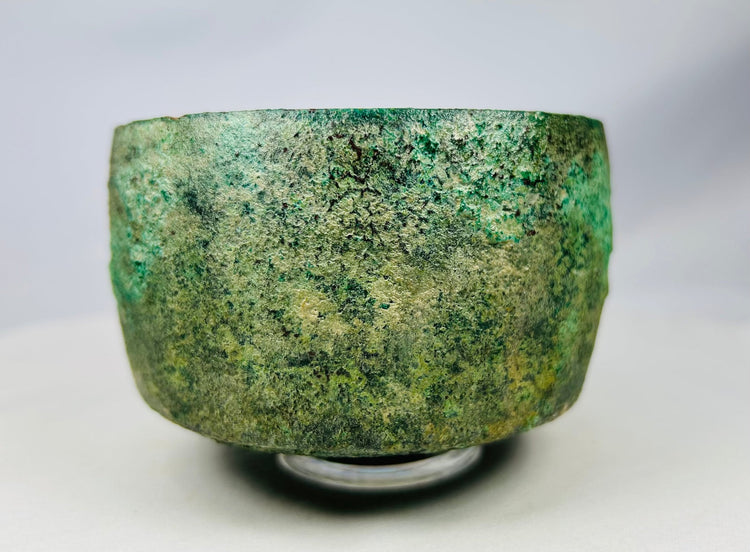
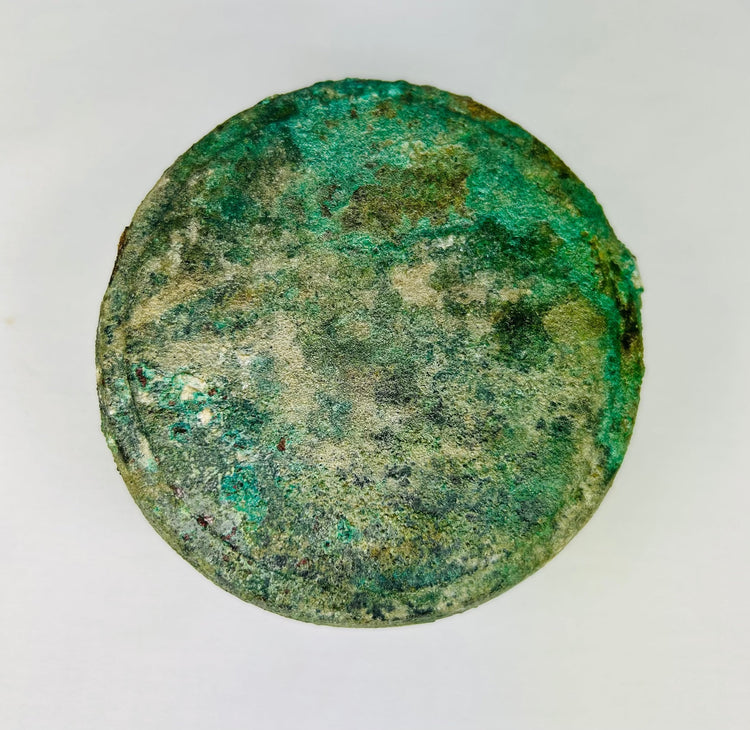
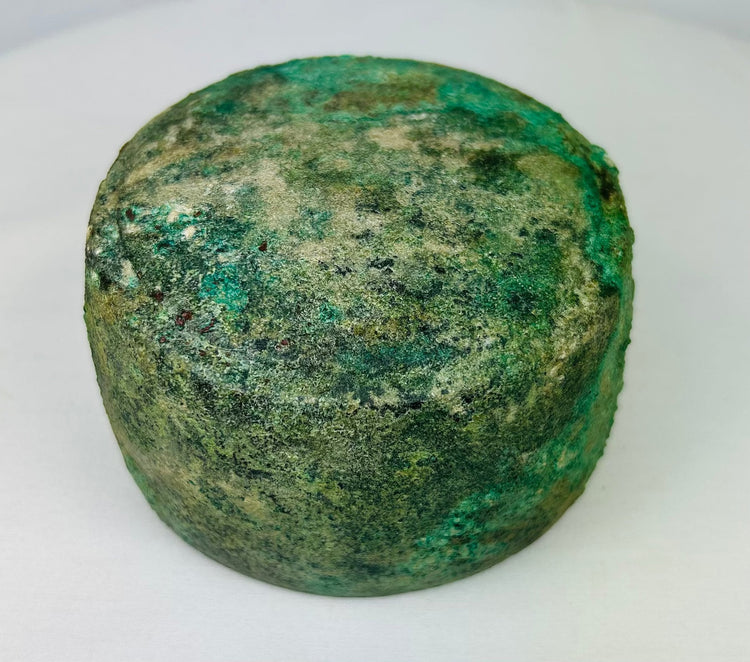
This elegant ancient bronze bowl originates from the culturally rich highland region of Luristan, celebrated for its masterful metalworking traditions during the Early Iron Age. The vessel features a beautifully variegated patina of green, turquoise, and earthen mineral tones—formed naturally over nearly three millennia—creating both visual depth and undeniable authenticity.
Expertly cast with thin walls and a softly rounded profile, the bowl likely served ceremonial or domestic functions. Subtle earthen deposits and surface texturing enhance its archaeological character, making it a striking and sculptural display object.
Features
- Authentic Early Iron Age bronze bowl from Luristan
- Rich green and turquoise mineral patina
- Thin-walled, finely cast construction
- Strong aesthetic and historical presence
- Exceptional example of ancient Near Eastern bronze craftsmanship
Cultural Significance
Luristan bronzes rank among the most admired artifacts of the ancient Near East. Produced by the mountain cultures of the Zagros region, these objects reflected ritual life, daily utility, and advanced metallurgical skill. Pieces such as this bowl offer a rare and tangible connection to an ancient society whose artistic achievements continue to fascinate historians, museums, and collectors worldwide.
Condition
Excellent ancient condition with mineralized patina, light encrustation, and minor edge wear consistent with age. Stable and well-preserved.
Dimensions (Approximate)
Diameter: 4 in
Age (Approximate)
Over 2,800 years old
Provenance
Acquired through the London art market during the 1980s. Subsequently held in a private collection in the United Kingdom during the 1990s, and later in a private collection in New York, New York, USA.
Learn More
See a Luristan bronze bowl through the Penn Museum
Explore our curated Middle Eastern Antiquities & Ancient Art Collection
Description
Historical Context & Origin
Region: Luristan, Northwestern Iran
Material: Cast bronze with mineralized patina
Period: Early Iron Age, circa 800 BCE
Description
This elegant ancient bronze bowl originates from the culturally rich highland region of Luristan, celebrated for its masterful metalworking traditions during the Early Iron Age. The vessel features a beautifully variegated patina of green, turquoise, and earthen mineral tones—formed naturally over nearly three millennia—creating both visual depth and undeniable authenticity.
Expertly cast with thin walls and a softly rounded profile, the bowl likely served ceremonial or domestic functions. Subtle earthen deposits and surface texturing enhance its archaeological character, making it a striking and sculptural display object.
Features
- Authentic Early Iron Age bronze bowl from Luristan
- Rich green and turquoise mineral patina
- Thin-walled, finely cast construction
- Strong aesthetic and historical presence
- Exceptional example of ancient Near Eastern bronze craftsmanship
Cultural Significance
Luristan bronzes rank among the most admired artifacts of the ancient Near East. Produced by the mountain cultures of the Zagros region, these objects reflected ritual life, daily utility, and advanced metallurgical skill. Pieces such as this bowl offer a rare and tangible connection to an ancient society whose artistic achievements continue to fascinate historians, museums, and collectors worldwide.
Condition
Excellent ancient condition with mineralized patina, light encrustation, and minor edge wear consistent with age. Stable and well-preserved.
Dimensions (Approximate)
Diameter: 4 in
Age (Approximate)
Over 2,800 years old
Provenance
Acquired through the London art market during the 1980s. Subsequently held in a private collection in the United Kingdom during the 1990s, and later in a private collection in New York, New York, USA.
Learn More
See a Luristan bronze bowl through the Penn Museum
Explore our curated Middle Eastern Antiquities & Ancient Art Collection
You May Also Like
