



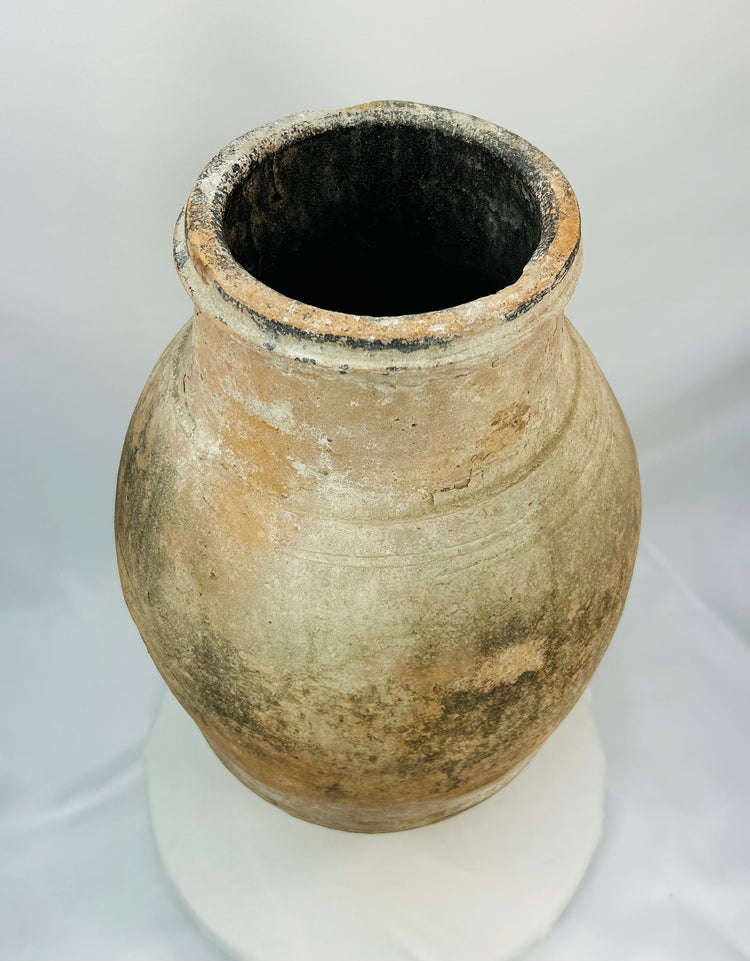
Ancient Mediterranean Shipwreck Storage Jar | Terracotta Transport Vessel | Circa 10th–15th Century AD
Description
More
Less
Historical Context & Origin
Region: Eastern Mediterranean, Aegean Sea
Material: Terracotta ceramic
Period: Late Byzantine Period (Circa 10th–15th Century AD)
Description
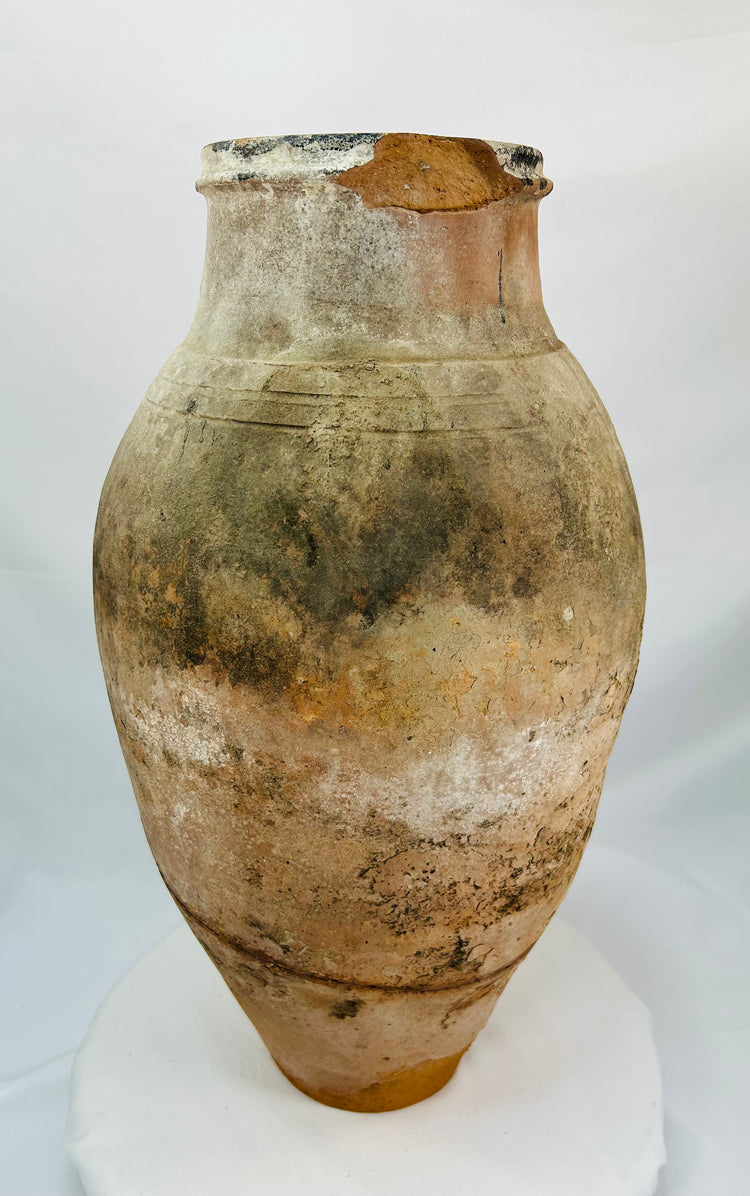
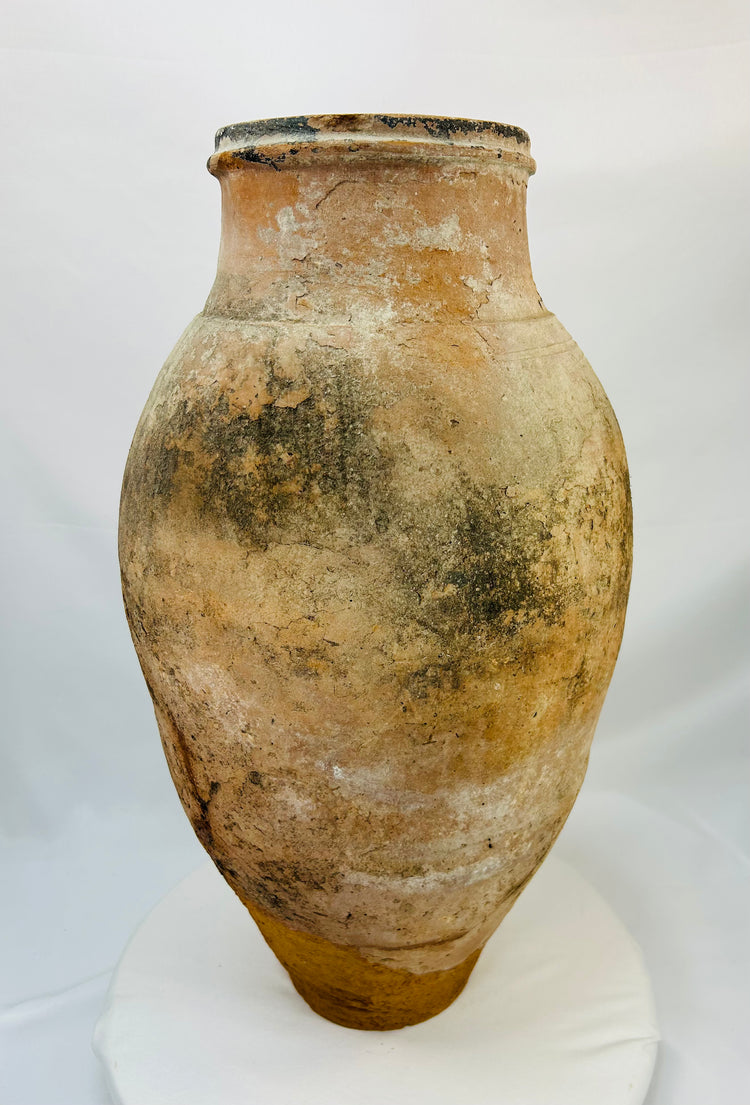
This substantial ancient terracotta storage vessel likely served as a transport jar or utilitarian amphora within the bustling maritime trade of the Byzantine Empire, used to carry essential goods such as grain, oil, or wine across the Aegean and Mediterranean.
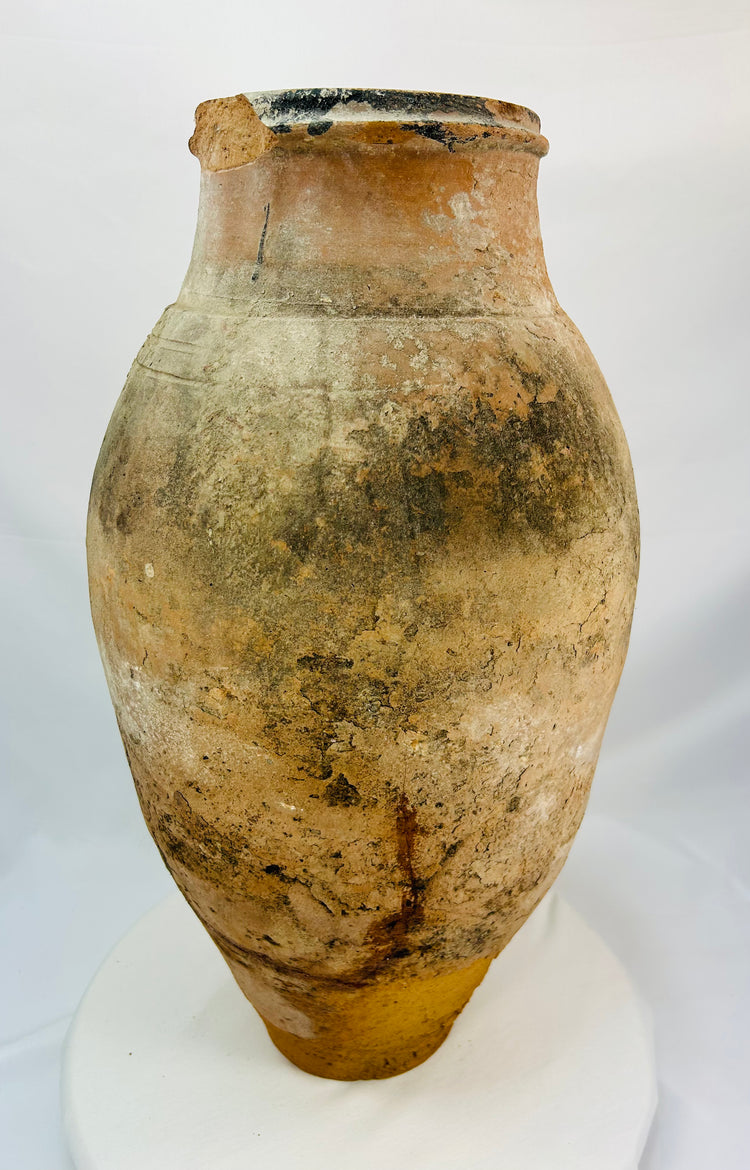
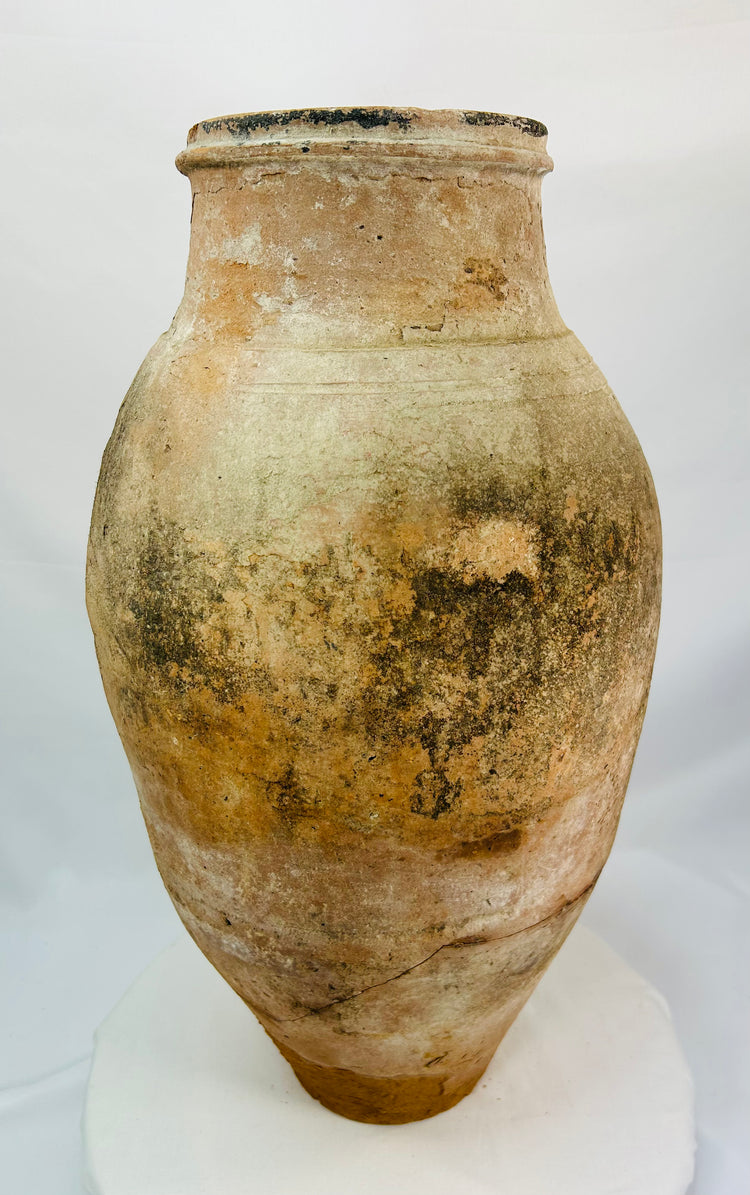
The rounded body shows clear evidence of long use and environmental exposure, including ocean-related patina and a central ancient repair across the midsection—an authentic testament to its working life and survival.
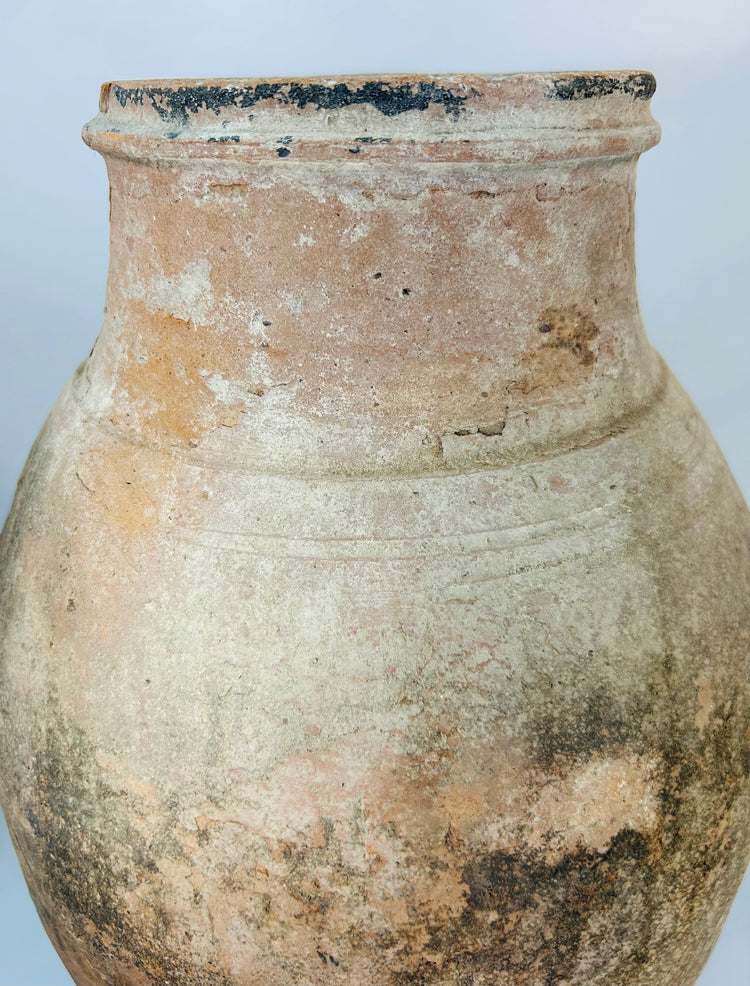
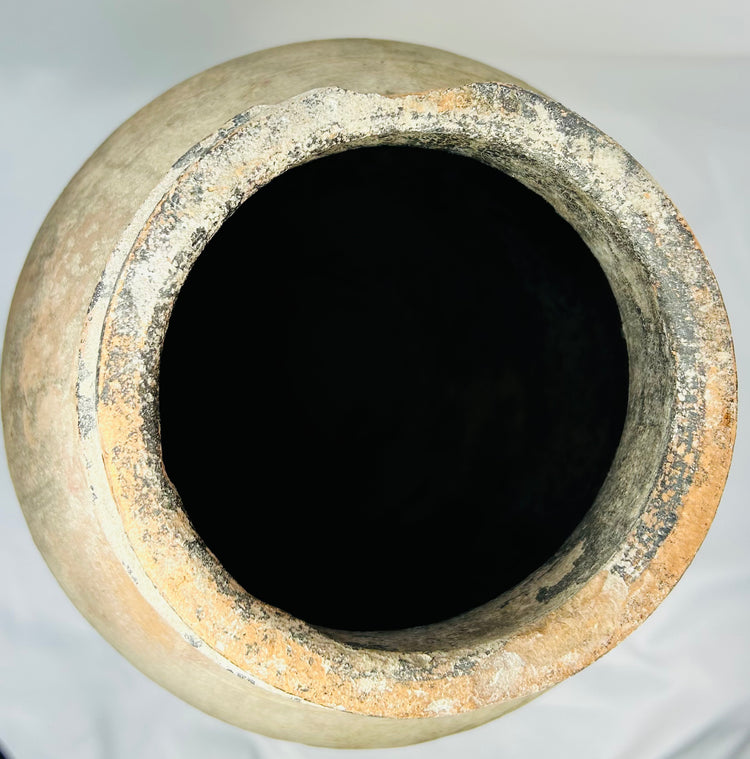
Its olive-shaped form, slightly contracted neck, and worn surfaces reflect the everyday material culture of the Late Byzantine period and the vital role such vessels played in household and maritime provisioning.
Features
- Large stranded / shipwreck-associated terracotta storage vessel
- Classic Late Byzantine amphora profile
- Historic central crack with visible ancient repair
- Earthy surface patina and wear consistent with long-term maritime environment
- Authentic archaeological presence
Cultural Significance
During the Byzantine era, ceramics like this vessel were the backbone of imperial trade. Amphorae carried essential commodities across the Mediterranean, facilitating commerce, cultural exchange, and naval provisioning. Recoveries from shipwreck contexts reveal the vast reach of Byzantine merchants and the everyday objects that sustained Mediterranean societies.
Condition
Condition shows expected ancient wear, stable historical repair across the midsection, and surface weathering attributed to long-term burial and possible marine exposure. The repair is structural and historic, not modern restoration. Wear and patina are consistent with age and use.
Dimensions (Approximate)
Height: 21 in
Width: 12 in
Age
Late Byzantine Period (circa 10th–15th century AD)
Learn More
Explore the Late Byzantine Period (1261–1453)
Discover our curated Shipwreck Treasures & Maritime Relics Collection
Description
Historical Context & Origin
Region: Eastern Mediterranean, Aegean Sea
Material: Terracotta ceramic
Period: Late Byzantine Period (Circa 10th–15th Century AD)
Description
This substantial ancient terracotta storage vessel likely served as a transport jar or utilitarian amphora within the bustling maritime trade of the Byzantine Empire, used to carry essential goods such as grain, oil, or wine across the Aegean and Mediterranean.
The rounded body shows clear evidence of long use and environmental exposure, including ocean-related patina and a central ancient repair across the midsection—an authentic testament to its working life and survival.
Its olive-shaped form, slightly contracted neck, and worn surfaces reflect the everyday material culture of the Late Byzantine period and the vital role such vessels played in household and maritime provisioning.
Features
- Large stranded / shipwreck-associated terracotta storage vessel
- Classic Late Byzantine amphora profile
- Historic central crack with visible ancient repair
- Earthy surface patina and wear consistent with long-term maritime environment
- Authentic archaeological presence
Cultural Significance
During the Byzantine era, ceramics like this vessel were the backbone of imperial trade. Amphorae carried essential commodities across the Mediterranean, facilitating commerce, cultural exchange, and naval provisioning. Recoveries from shipwreck contexts reveal the vast reach of Byzantine merchants and the everyday objects that sustained Mediterranean societies.
Condition
Condition shows expected ancient wear, stable historical repair across the midsection, and surface weathering attributed to long-term burial and possible marine exposure. The repair is structural and historic, not modern restoration. Wear and patina are consistent with age and use.
Dimensions (Approximate)
Height: 21 in
Width: 12 in
Age
Late Byzantine Period (circa 10th–15th century AD)
Learn More
Explore the Late Byzantine Period (1261–1453)
Discover our curated Shipwreck Treasures & Maritime Relics Collection
You May Also Like