Ancient Roman Band Ring | 1st - 4th Century

Regular price
$350.00
Sale price
$350.00
Regular price
Free Worldwide Shipping on all orders
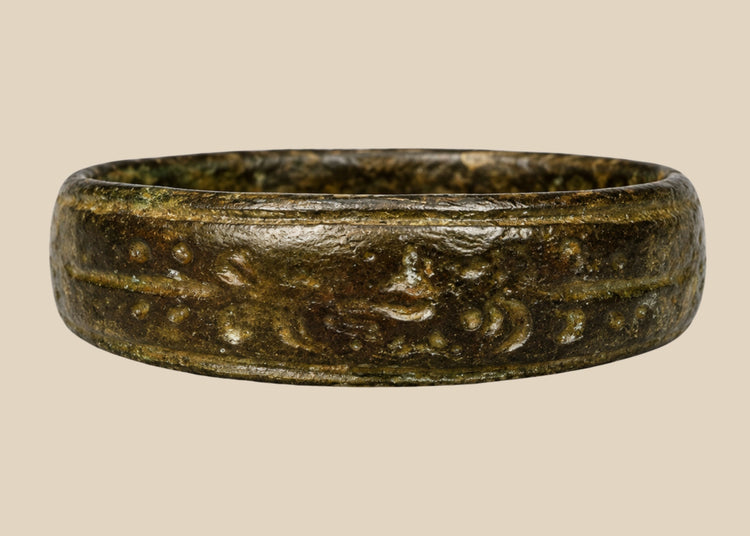
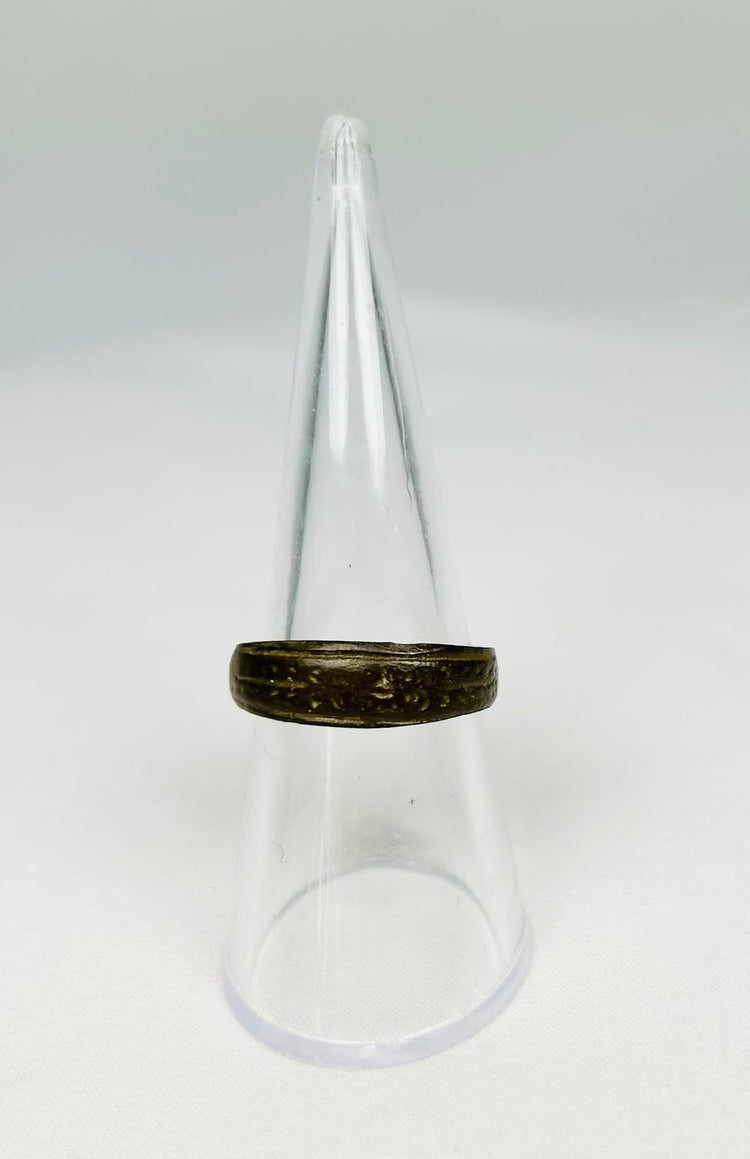
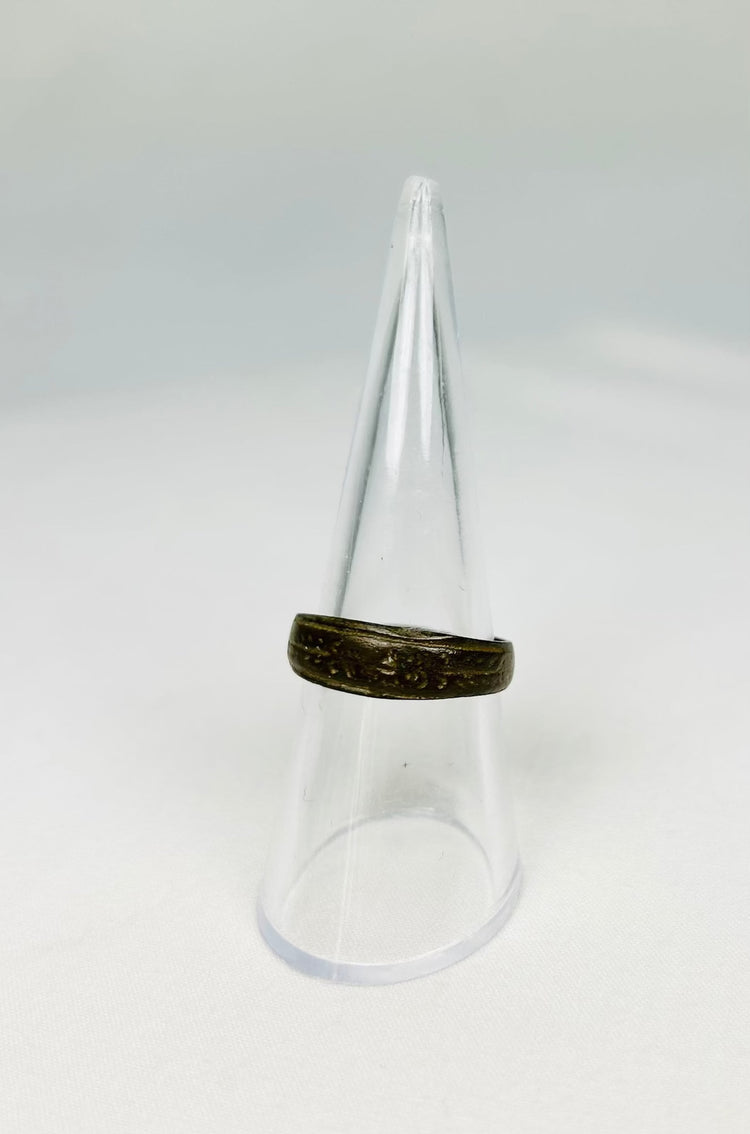
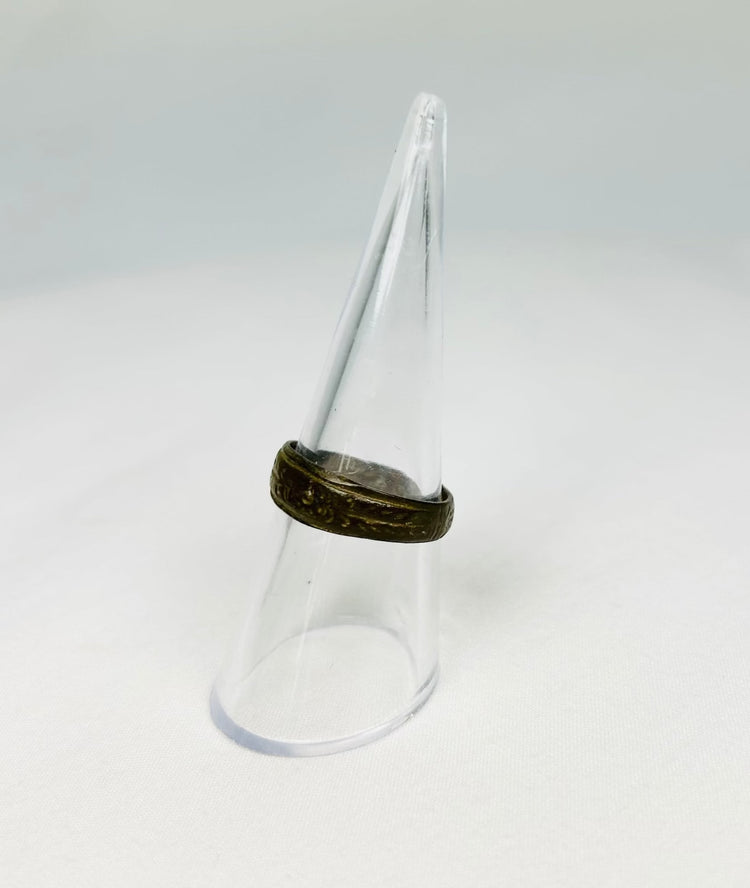
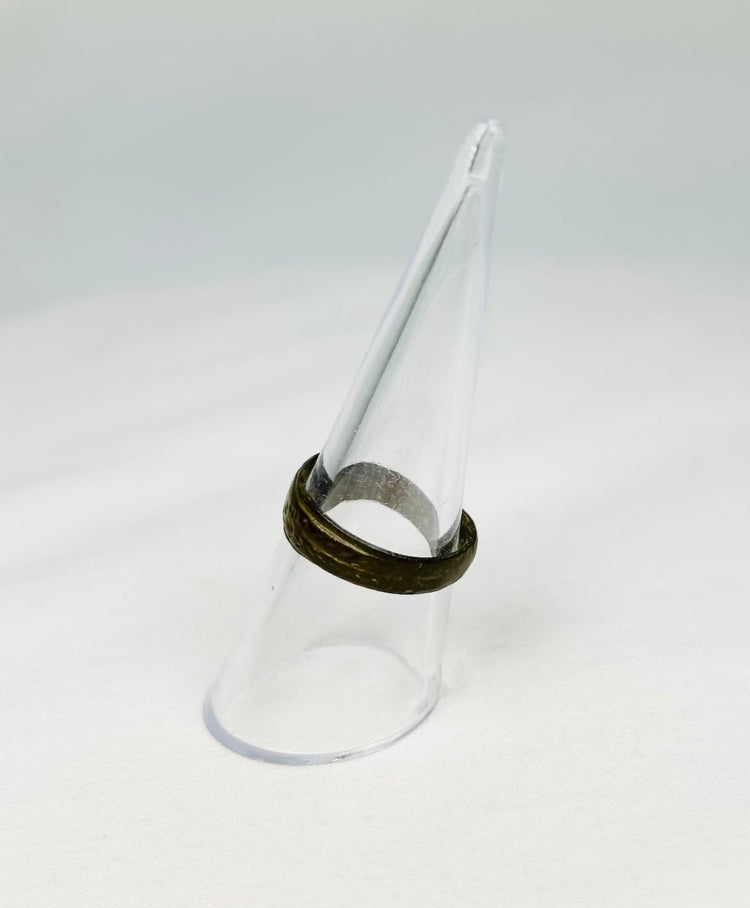
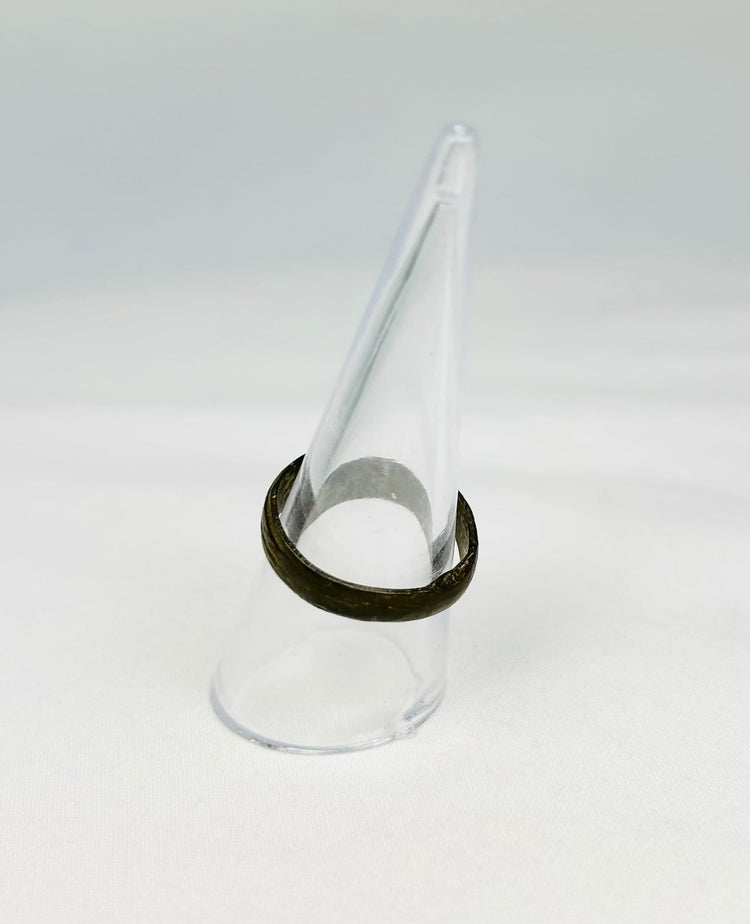
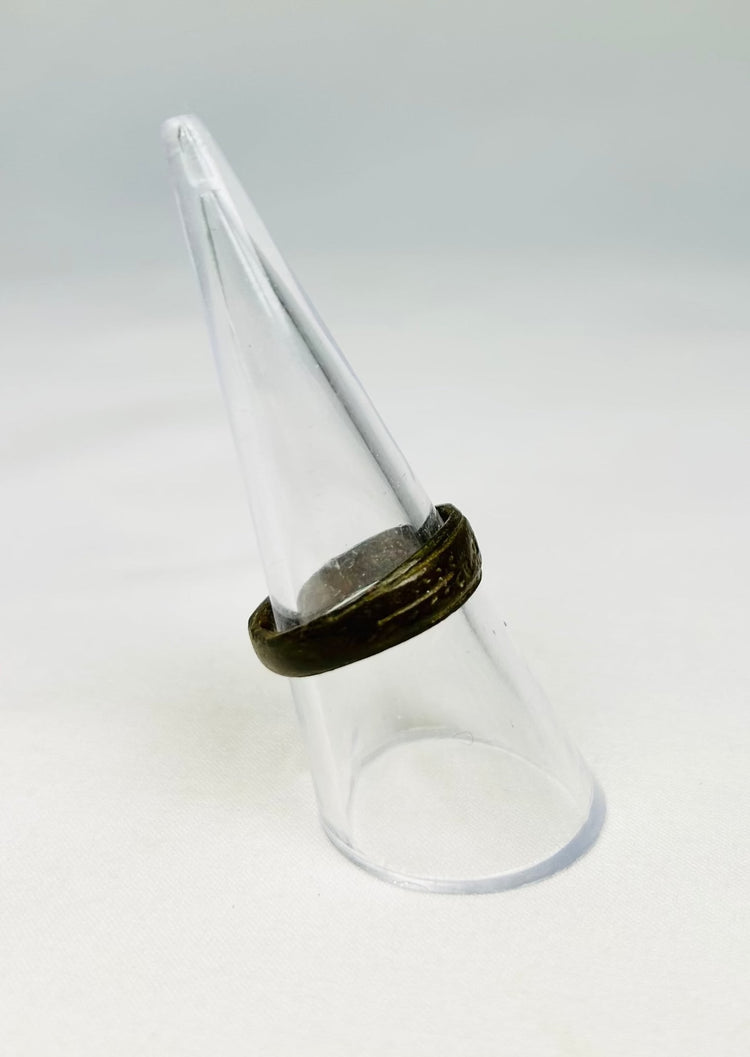
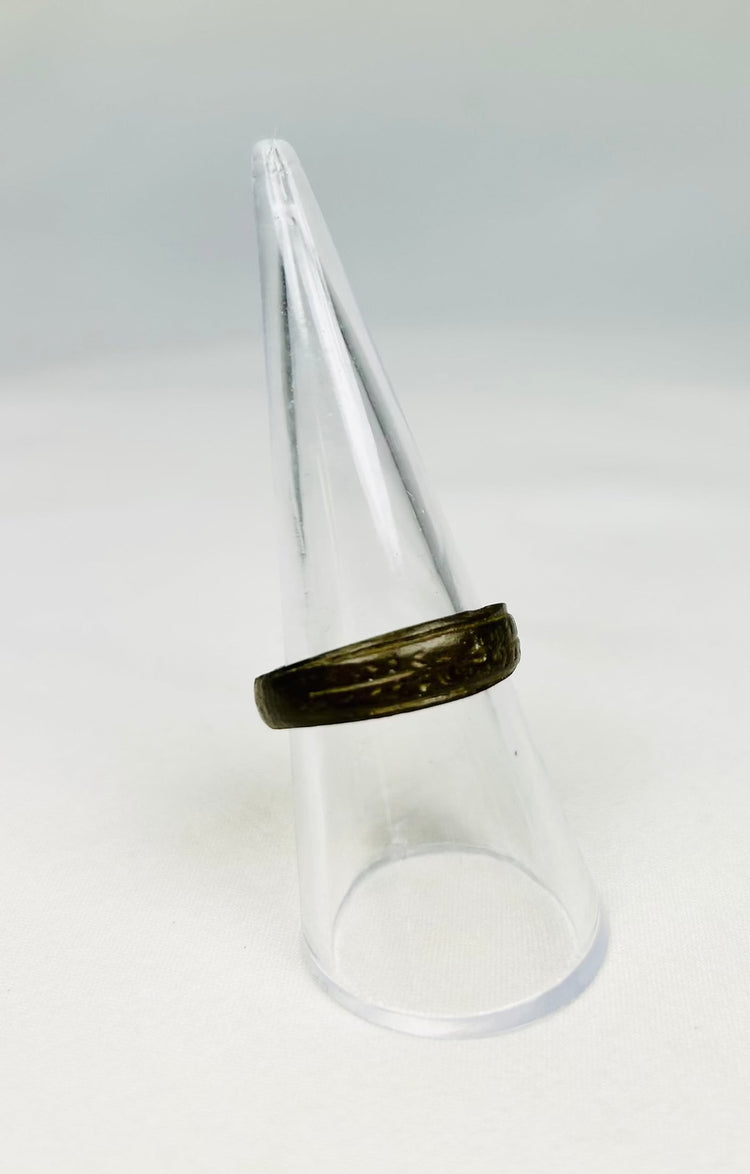
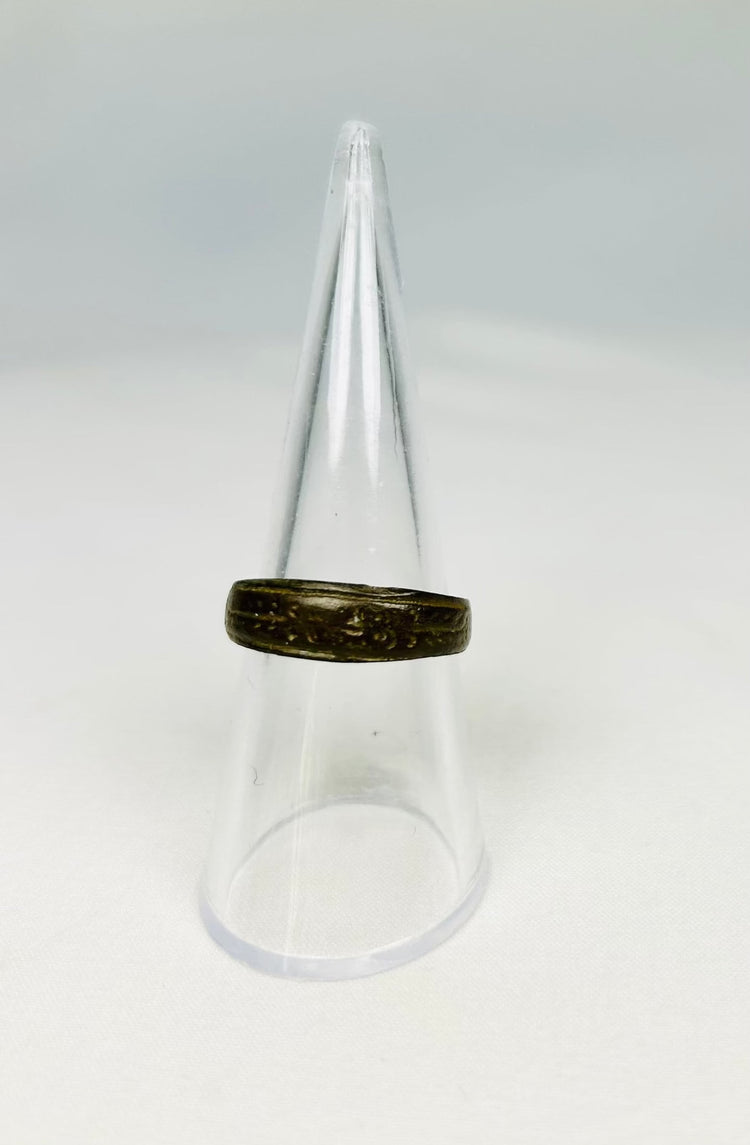
Ancient Roman bronze band ring, 1st–4th Century CE, featuring incised decorative motifs around the circumference. Worn as personal adornment and possibly symbolic of status or identity, with natural patina from centuries of age and use.
Ancient Roman bronze band ring 1st–4th century CE with incised decorative motifs
1st–4th century CE Roman bronze ring personal adornment with patina
Ancient Roman ring worn as symbol of status or identity with decorative engraving
Bronze band ring Roman Empire 1st–4th century CE aged patina and worn surface
Historical Roman bronze ring with incised motifs around the circumference
Ancient Roman personal ring bronze artifact 1st–4th century CE
Roman bronze band ring decorative motifs reflecting identity and social status
Authentic Ancient Roman bronze ring 1st–4th century CE with engraved designs
Roman Empire bronze band ring aged patina decorative personal adornment
  • Ancient Roman bronze band ring, 1st–4th Century CE, featuring incised decorative motifs around the circumference. Worn as personal adornment and possibly symbolic of status or identity, with natural patina from centuries of age and use.
  • Ancient Roman bronze band ring, 1st–4th Century CE, featuring incised decorative motifs around the circumference. Worn as personal adornment and possibly symbolic of status or identity, with natural patina from centuries of age and use.
  • Ancient Roman bronze band ring, 1st–4th Century CE, featuring incised decorative motifs around the circumference. Worn as personal adornment and possibly symbolic of status or identity, with natural patina from centuries of age and use.
  • Ancient Roman bronze band ring 1st–4th century CE with incised decorative motifs
  • 1st–4th century CE Roman bronze ring personal adornment with patina
  • Ancient Roman ring worn as symbol of status or identity with decorative engraving
  • Bronze band ring Roman Empire 1st–4th century CE aged patina and worn surface
  • Historical Roman bronze ring with incised motifs around the circumference
  • Ancient Roman personal ring bronze artifact 1st–4th century CE
  • Roman bronze band ring decorative motifs reflecting identity and social status
  • Authentic Ancient Roman bronze ring 1st–4th century CE with engraved designs
  • Roman Empire bronze band ring aged patina decorative personal adornment
Ancient Roman bronze band ring, 1st–4th Century CE, featuring incised decorative motifs around the circumference. Worn as personal adornment and possibly symbolic of status or identity, with natural patina from centuries of age and use.
Ancient Roman bronze band ring 1st–4th century CE with incised decorative motifs
1st–4th century CE Roman bronze ring personal adornment with patina
Ancient Roman ring worn as symbol of status or identity with decorative engraving
Bronze band ring Roman Empire 1st–4th century CE aged patina and worn surface
Historical Roman bronze ring with incised motifs around the circumference
Ancient Roman personal ring bronze artifact 1st–4th century CE
Roman bronze band ring decorative motifs reflecting identity and social status
Authentic Ancient Roman bronze ring 1st–4th century CE with engraved designs
Roman Empire bronze band ring aged patina decorative personal adornment

Ancient Roman Band Ring | 1st - 4th Century

Description

Historical Context & Origin

Region: Roman Empire
Material: Bronze with engraved decoration
Period: Imperial Period, 1st–4th Century CE

Description
This ancient Roman ring is a fine example of Imperial craftsmanship and symbolism. The band narrows slightly toward the bezel, with decorative vine-like lines framing a central motif of the sun. Its refined design reflects the dual purpose of Roman rings as both personal adornment and carriers of spiritual or protective meaning.

Features

- Central sun motif, likely representing Sol Invictus

- Flanking vine-like engravings symbolizing fertility and renewal

- Narrowing bronze band with elegant proportions

- Natural aged patina enhancing authenticity

Cultural Significance
The sun symbol was strongly tied to the cult of Sol Invictus, revered as the “Unconquered Sun” and officially promoted under Emperor Aurelian in the 3rd century CE. It embodied divine protection, imperial power, and victory. The surrounding vine motifs likely reinforced themes of fertility, renewal, and the life-giving force of the sun—ideas deeply embedded in Roman religion and daily life. Rings such as this served not only as personal ornaments but also as amulets embodying sacred and imperial symbolism.

Condition
The ring is well-preserved for its age, with the engraved motifs clearly visible. The band shows expected surface wear and patination from burial and centuries of age, contributing to its authenticity and historical character.

Dimensions (approximate)
Ring size: 7.5 US

Age
1st–4th Century CE

Description

Historical Context & Origin

Region: Roman Empire
Material: Bronze with engraved decoration
Period: Imperial Period, 1st–4th Century CE

Description
This ancient Roman ring is a fine example of Imperial craftsmanship and symbolism. The band narrows slightly toward the bezel, with decorative vine-like lines framing a central motif of the sun. Its refined design reflects the dual purpose of Roman rings as both personal adornment and carriers of spiritual or protective meaning.

Features

- Central sun motif, likely representing Sol Invictus

- Flanking vine-like engravings symbolizing fertility and renewal

- Narrowing bronze band with elegant proportions

- Natural aged patina enhancing authenticity

Cultural Significance
The sun symbol was strongly tied to the cult of Sol Invictus, revered as the “Unconquered Sun” and officially promoted under Emperor Aurelian in the 3rd century CE. It embodied divine protection, imperial power, and victory. The surrounding vine motifs likely reinforced themes of fertility, renewal, and the life-giving force of the sun—ideas deeply embedded in Roman religion and daily life. Rings such as this served not only as personal ornaments but also as amulets embodying sacred and imperial symbolism.

Condition
The ring is well-preserved for its age, with the engraved motifs clearly visible. The band shows expected surface wear and patination from burial and centuries of age, contributing to its authenticity and historical character.

Dimensions (approximate)
Ring size: 7.5 US

Age
1st–4th Century CE

You May Also Like