

Pre-Columbian Ground Stone Tool or Hand Pestle | Circa 500 BCE – 1500 CE
Couldn't load pickup availability


Pre-Columbian Ground Stone Tool or Hand Pestle | Circa 500 BCE – 1500 CE
Description
More
Less
Historical Context & Origin
Region: Mesoamerica or Northern South America
Material: Ground stone (likely basalt, andesite, or river stone)
Period: Pre-Columbian, circa 500 BCE – 1500 CE
Description
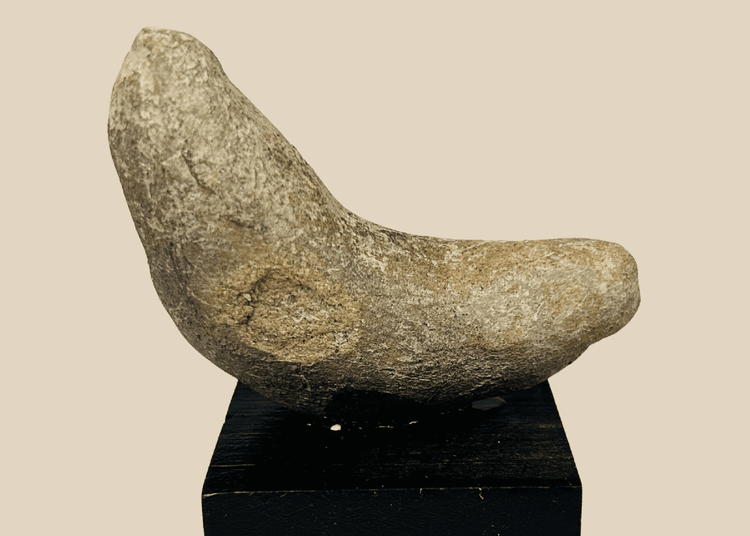
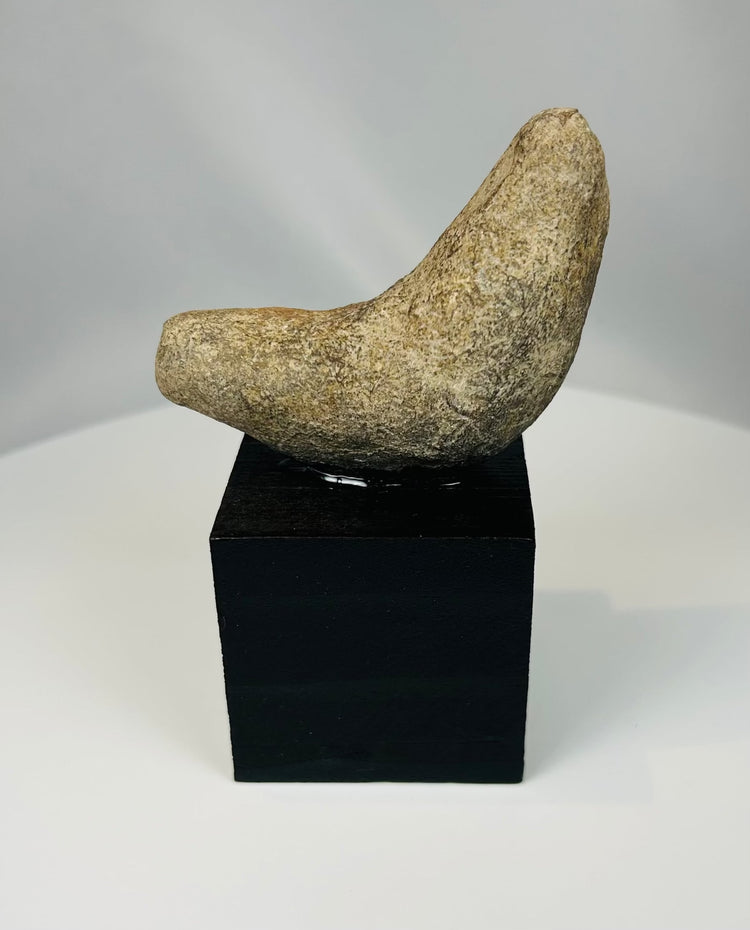
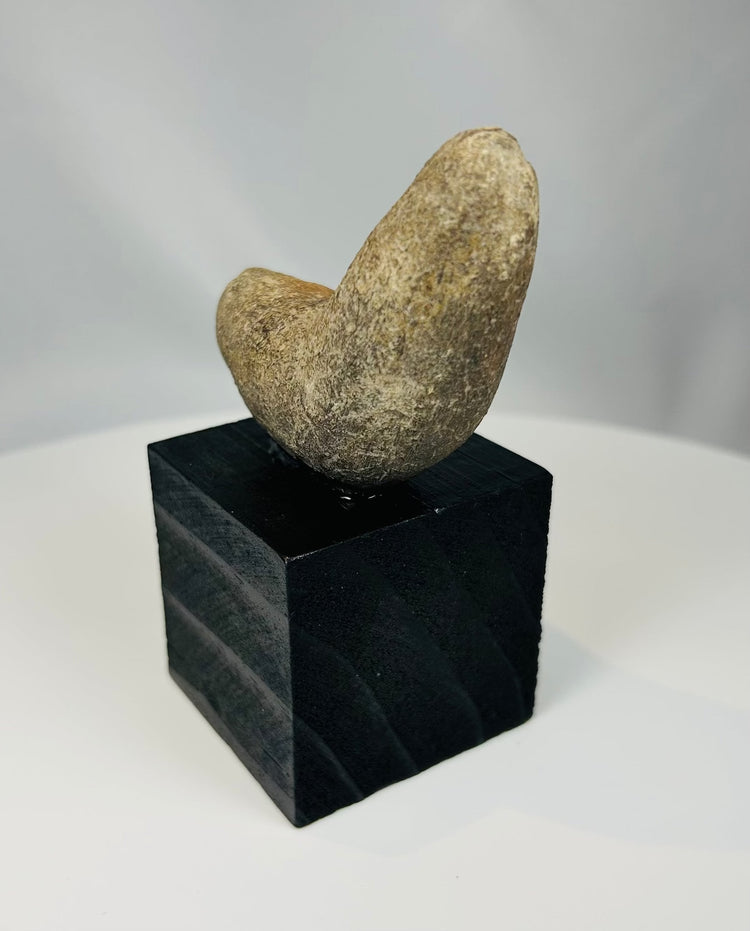
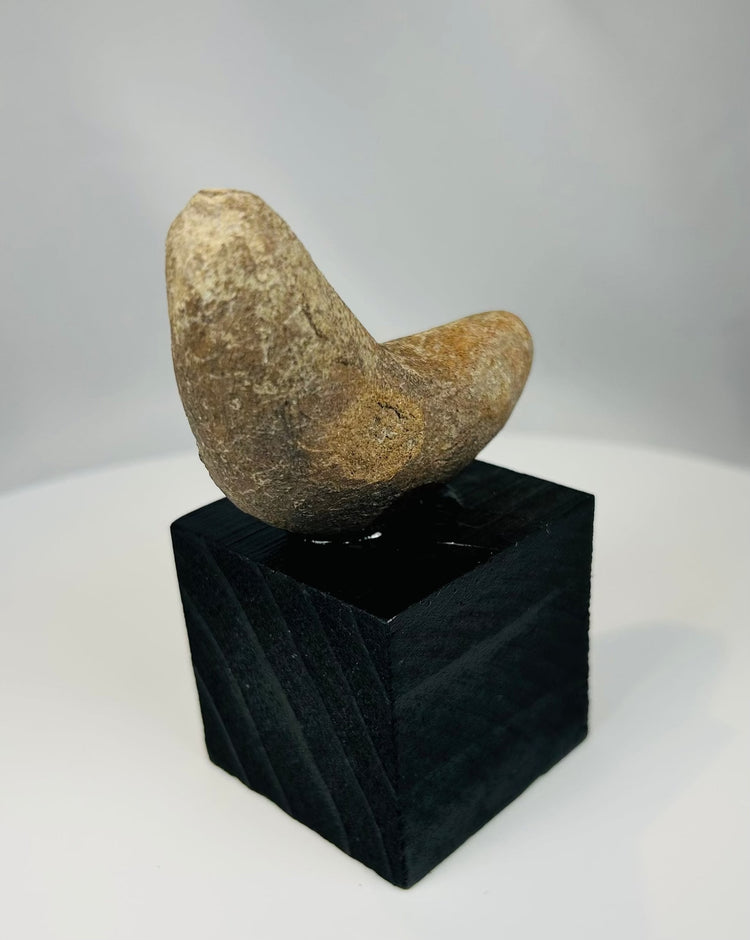
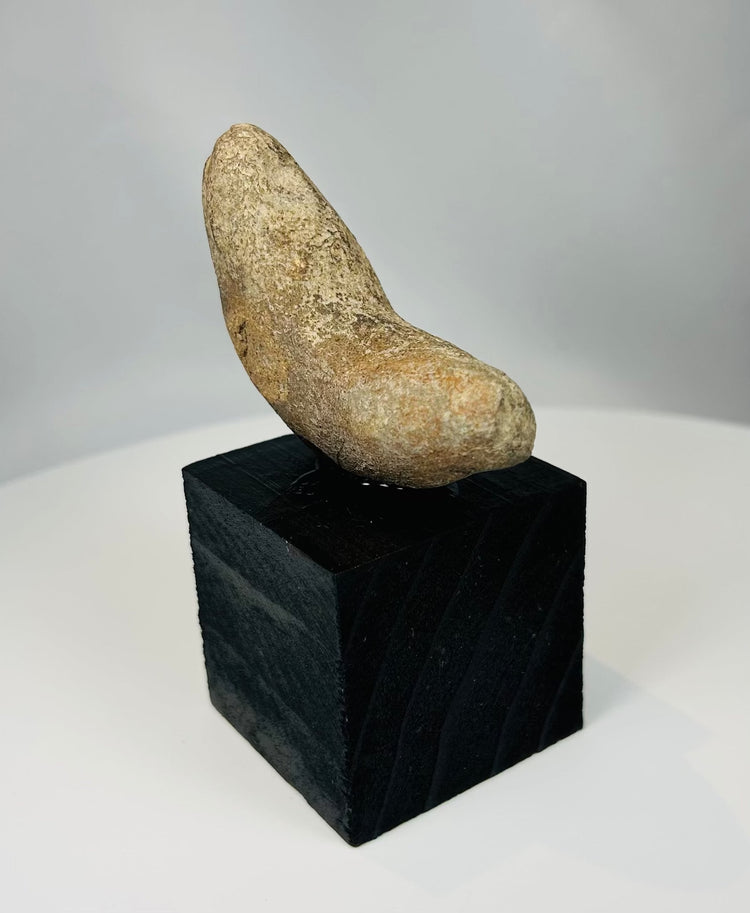
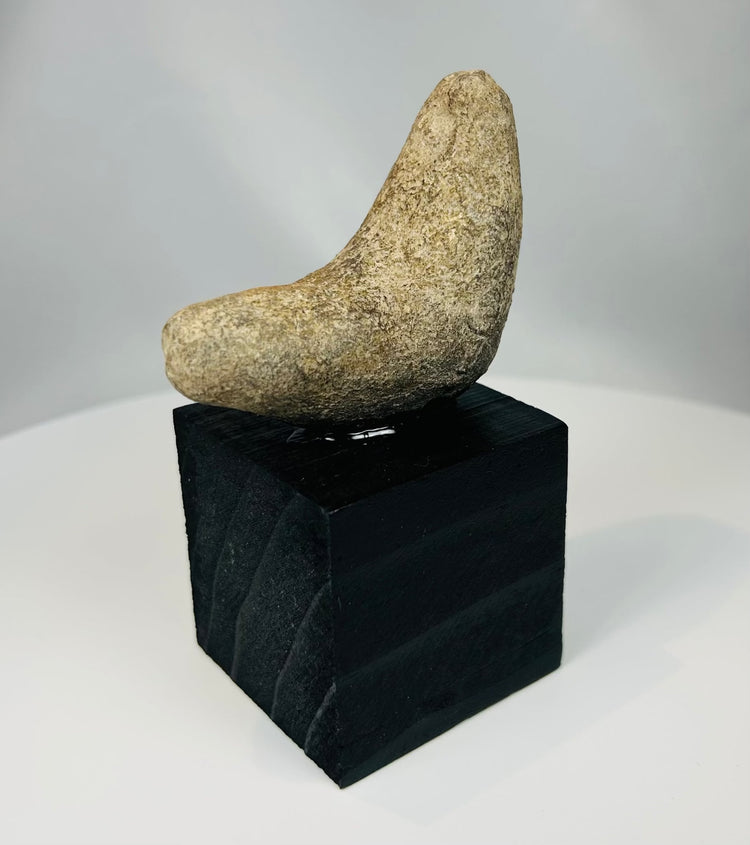
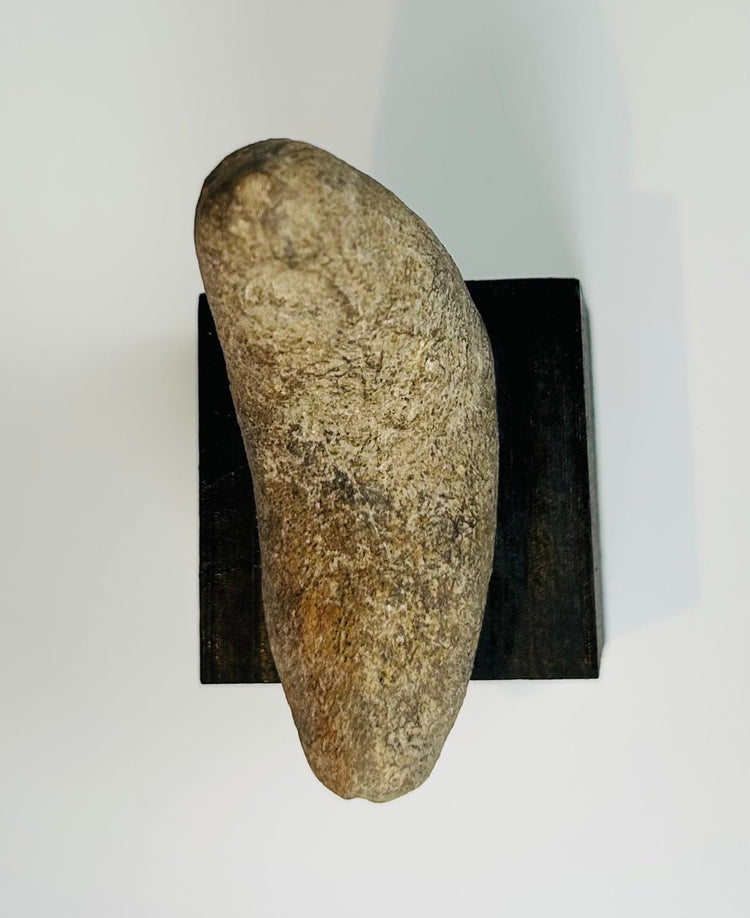
This authentic Pre-Columbian ground stone artifact represents a small hand tool used in daily life by ancient indigenous cultures of the Americas. The piece exhibits a naturally curved form that fits comfortably within the hand, suggesting it functioned as a grinding or pounding implement.
The tool has been shaped through pecking and grinding techniques, producing a smooth, rounded surface and a compact working end. The stone shows natural mineral patination and weathering consistent with archaeological ground stone artifacts. One end displays subtle rounding and wear consistent with repeated contact during use.
Tools of this type were commonly employed for a variety of purposes including grinding pigments, preparing plant materials, processing food, or performing small-scale pounding tasks. Ground stone implements formed an essential part of everyday life in Pre-Columbian societies and were used in both domestic and ritual contexts.
Features
- Authentic Pre-Columbian ground stone artifact
- Hand-shaped using pecking and grinding techniques
- Naturally curved ergonomic form
- Surface wear consistent with repeated use
- Mounted for display
Cultural Significance
Ground stone tools were among the most important implements in Pre-Columbian daily life. Used for processing food, preparing pigments, and working organic materials, these tools demonstrate the ingenuity and practicality of early indigenous technologies.
Artifacts such as this reflect the fundamental role of stone craftsmanship in ancient societies and offer insight into the everyday activities that sustained Pre-Columbian communities.
Condition
Archaeological condition with expected surface wear, mineral deposits, and age-related patina. Stable and mounted for display.
Dimensions (Approximate)
Height: 4.25 in
Width: 2 in
Depth: 2 in
Age (Approximate)
500–2,500 years old
Provenance
Formerly held in a private collection in Pasadena, California, USA, from the 1970s through the 1990s. Subsequently acquired by a private collector in Brea, California, USA.
Learn More
Examine the archaeological history of Pre-Columbian megalithic architecture in the Americas
Description
Historical Context & Origin
Region: Mesoamerica or Northern South America
Material: Ground stone (likely basalt, andesite, or river stone)
Period: Pre-Columbian, circa 500 BCE – 1500 CE
Description
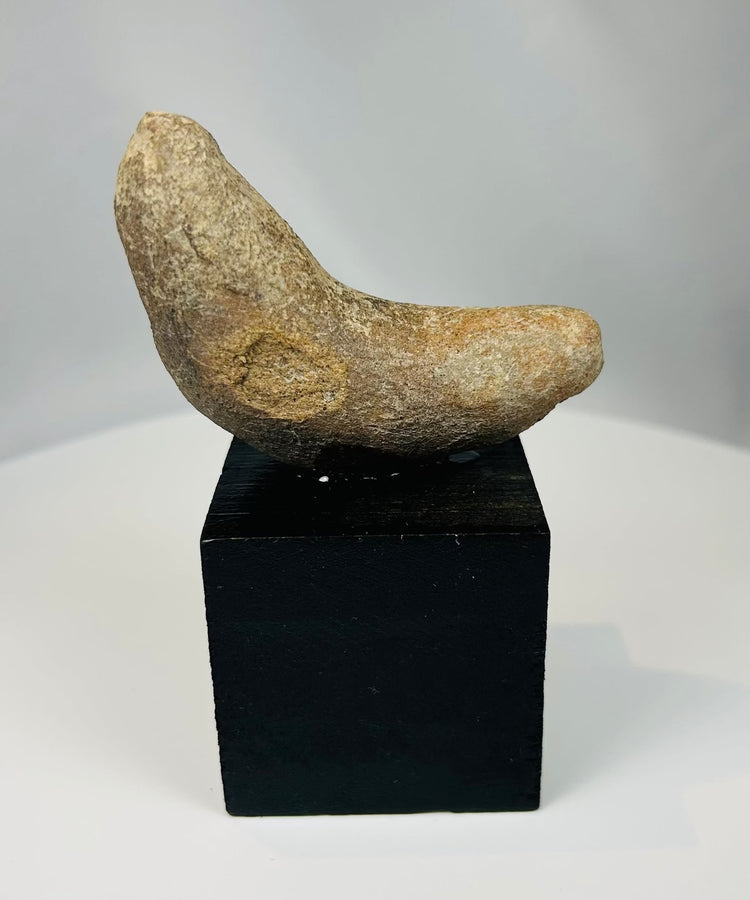
This authentic Pre-Columbian ground stone artifact represents a small hand tool used in daily life by ancient indigenous cultures of the Americas. The piece exhibits a naturally curved form that fits comfortably within the hand, suggesting it functioned as a grinding or pounding implement.
The tool has been shaped through pecking and grinding techniques, producing a smooth, rounded surface and a compact working end. The stone shows natural mineral patination and weathering consistent with archaeological ground stone artifacts. One end displays subtle rounding and wear consistent with repeated contact during use.
Tools of this type were commonly employed for a variety of purposes including grinding pigments, preparing plant materials, processing food, or performing small-scale pounding tasks. Ground stone implements formed an essential part of everyday life in Pre-Columbian societies and were used in both domestic and ritual contexts.
Features
- Authentic Pre-Columbian ground stone artifact
- Hand-shaped using pecking and grinding techniques
- Naturally curved ergonomic form
- Surface wear consistent with repeated use
- Mounted for display
Cultural Significance
Ground stone tools were among the most important implements in Pre-Columbian daily life. Used for processing food, preparing pigments, and working organic materials, these tools demonstrate the ingenuity and practicality of early indigenous technologies.
Artifacts such as this reflect the fundamental role of stone craftsmanship in ancient societies and offer insight into the everyday activities that sustained Pre-Columbian communities.
Condition
Archaeological condition with expected surface wear, mineral deposits, and age-related patina. Stable and mounted for display.
Dimensions (Approximate)
Height: 4.25 in
Width: 2 in
Depth: 2 in
Age (Approximate)
500–2,500 years old
Provenance
Formerly held in a private collection in Pasadena, California, USA, from the 1970s through the 1990s. Subsequently acquired by a private collector in Brea, California, USA.
Learn More
Examine the archaeological history of Pre-Columbian megalithic architecture in the Americas
You May Also Like
