



Roman Imperial | Terracotta Perfume/Oil Vessel | Circa 1st–3rd Century AD
Couldn't load pickup availability


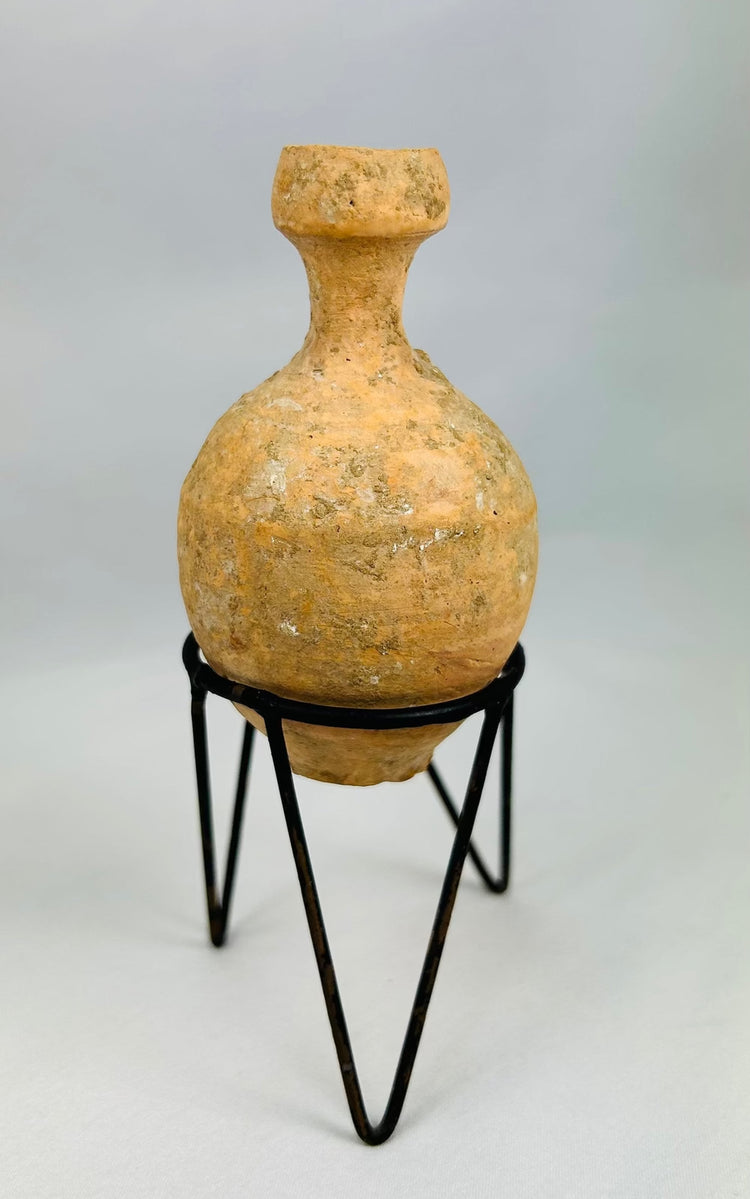
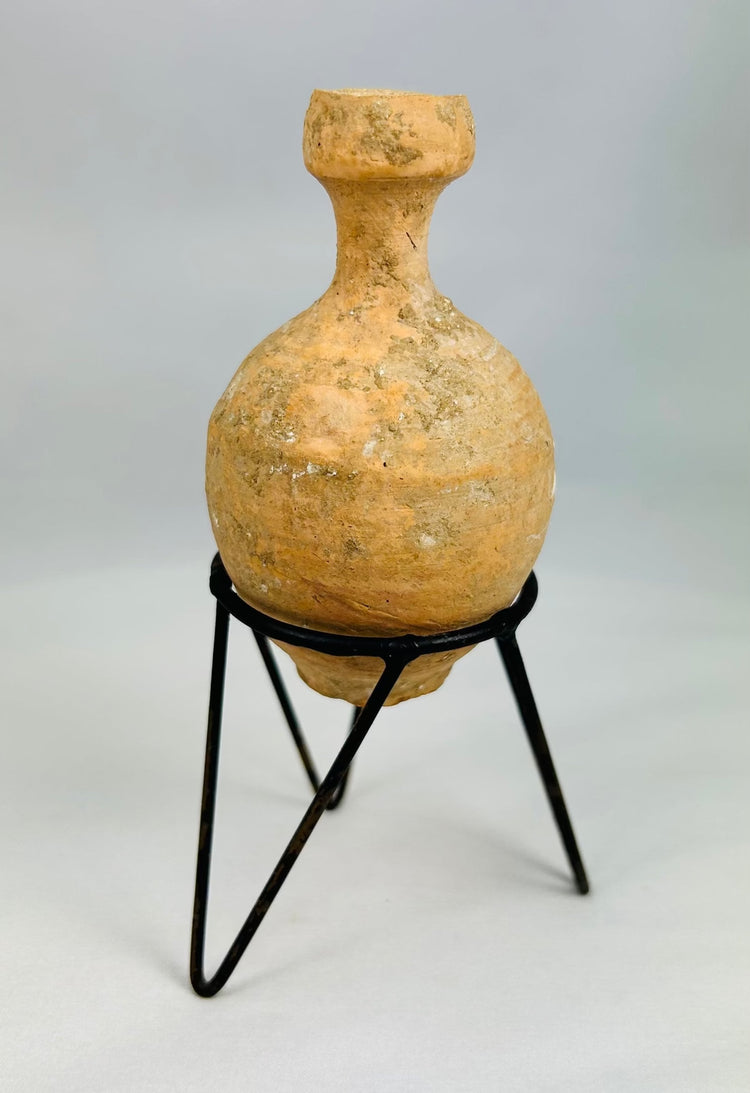
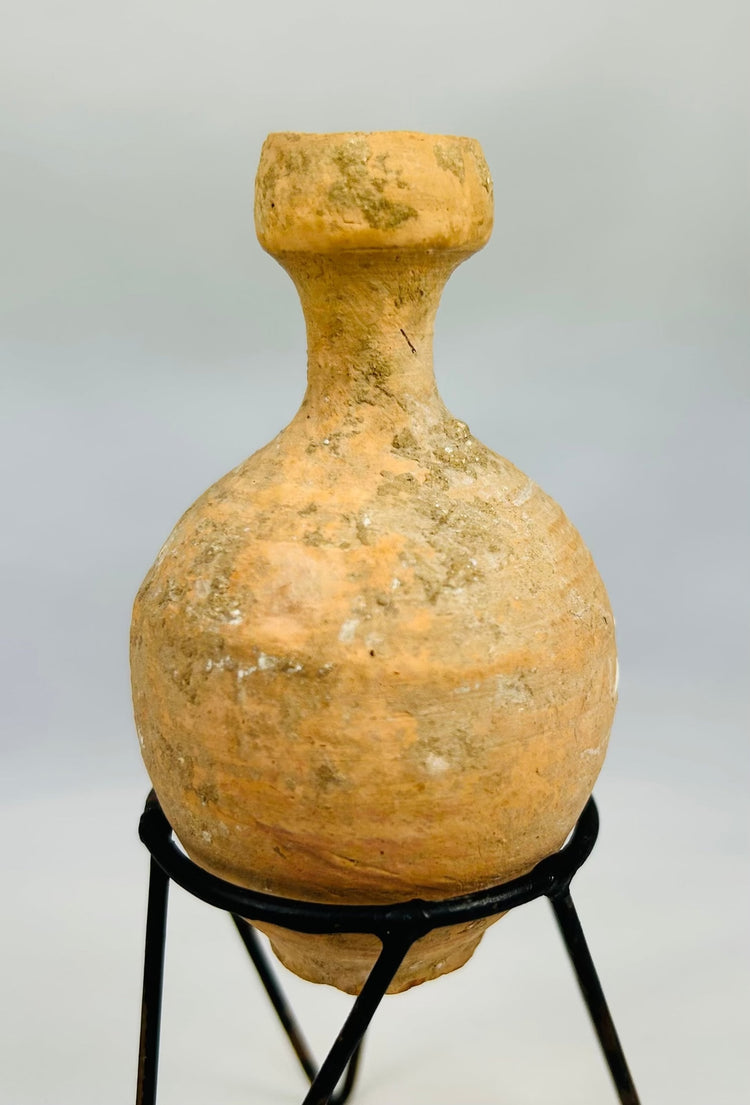
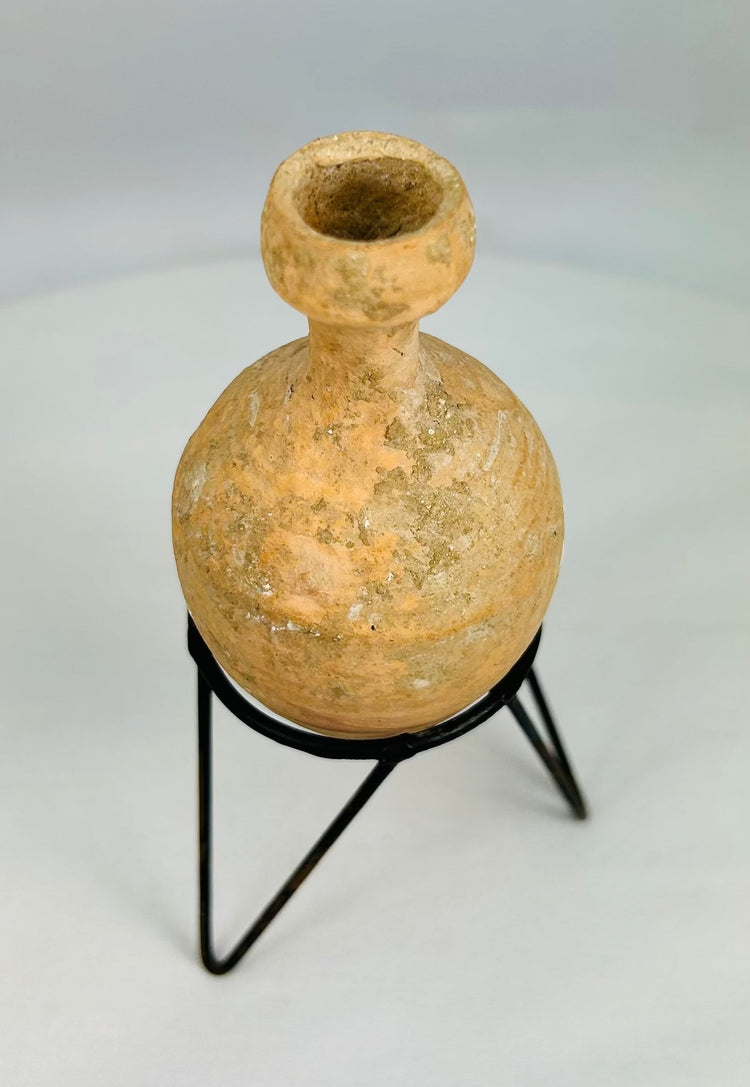
Roman Imperial | Terracotta Perfume/Oil Vessel | Circa 1st–3rd Century AD
Description
More
Less
Historical Context & Origin
Region: Roman Empire, Eastern Mediterranean
Material: Terracotta Ceramic
Period: Roman Imperial Period, circa 1st–3rd Century AD
Description
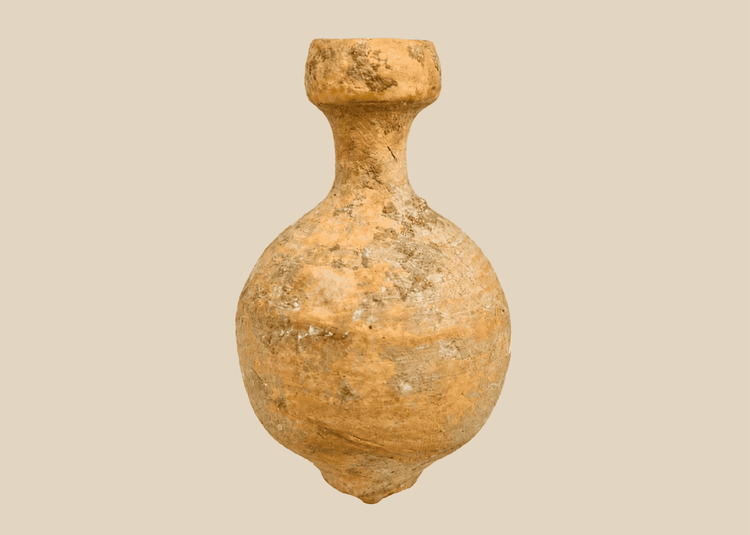
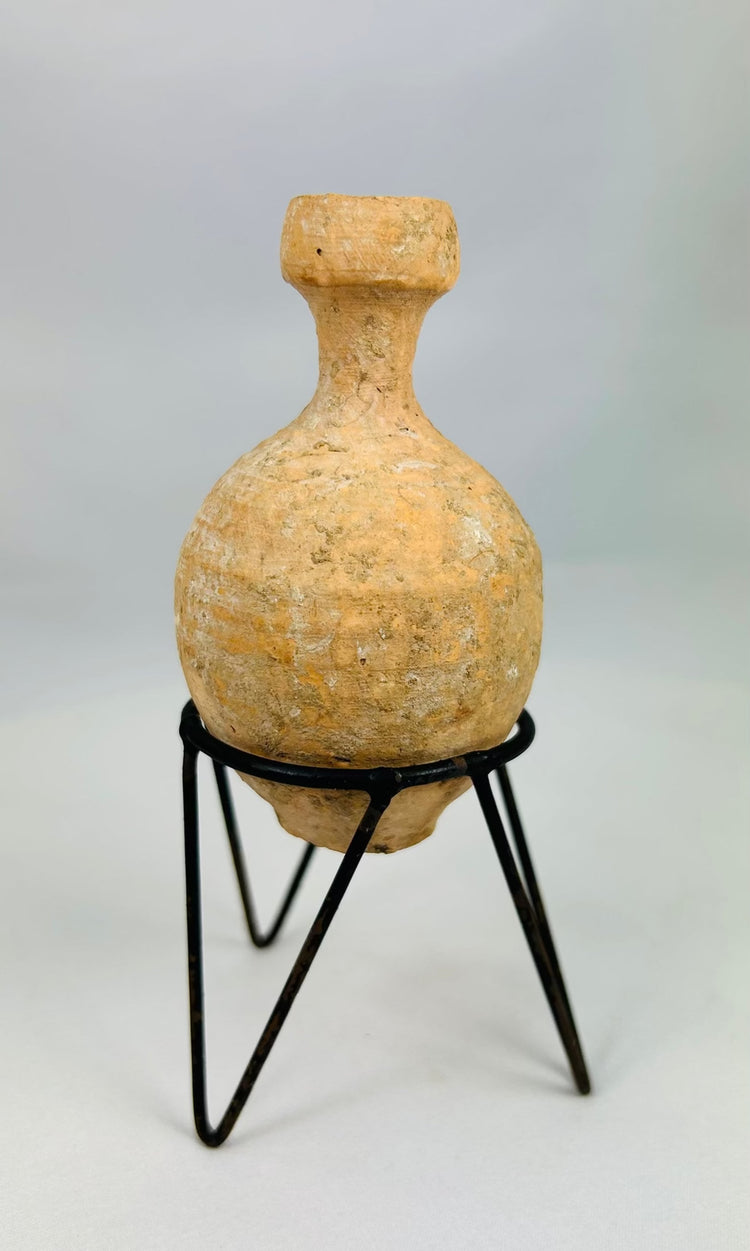
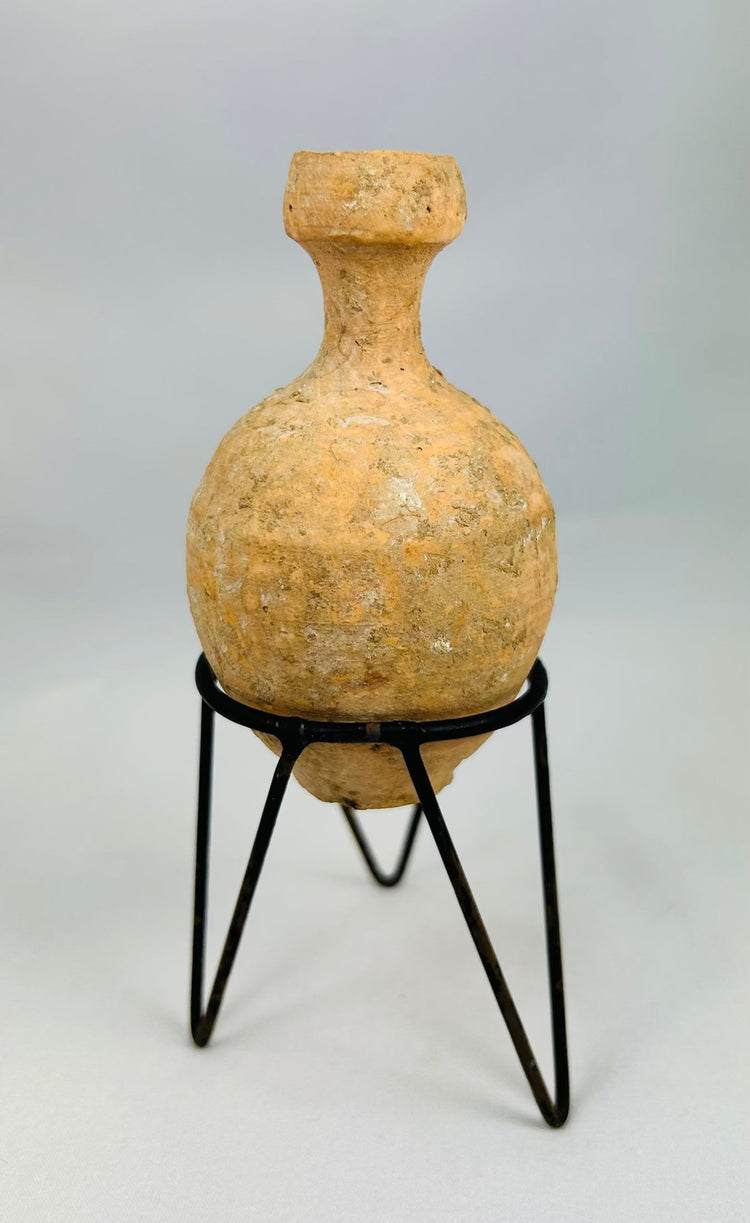
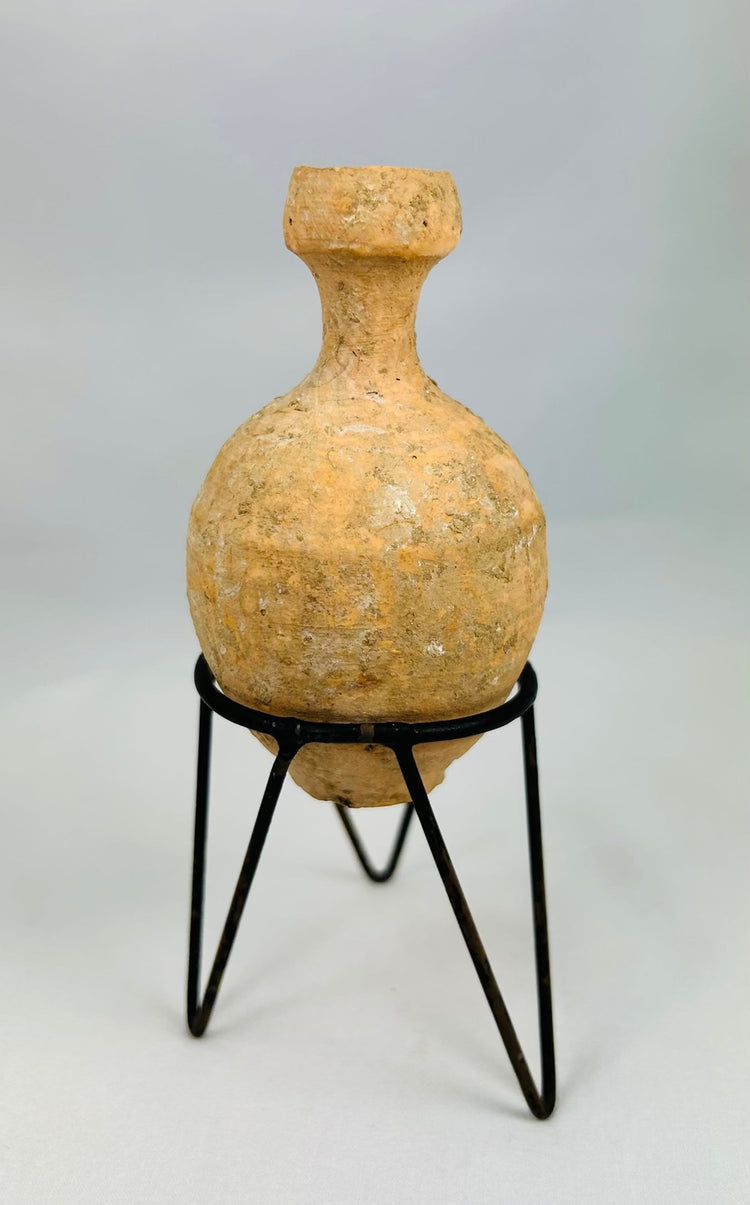
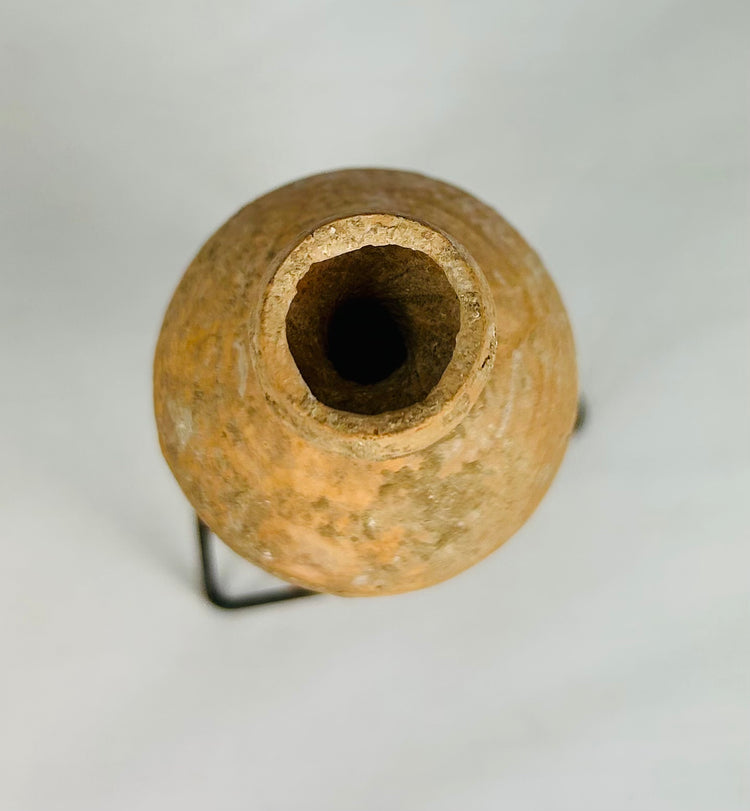
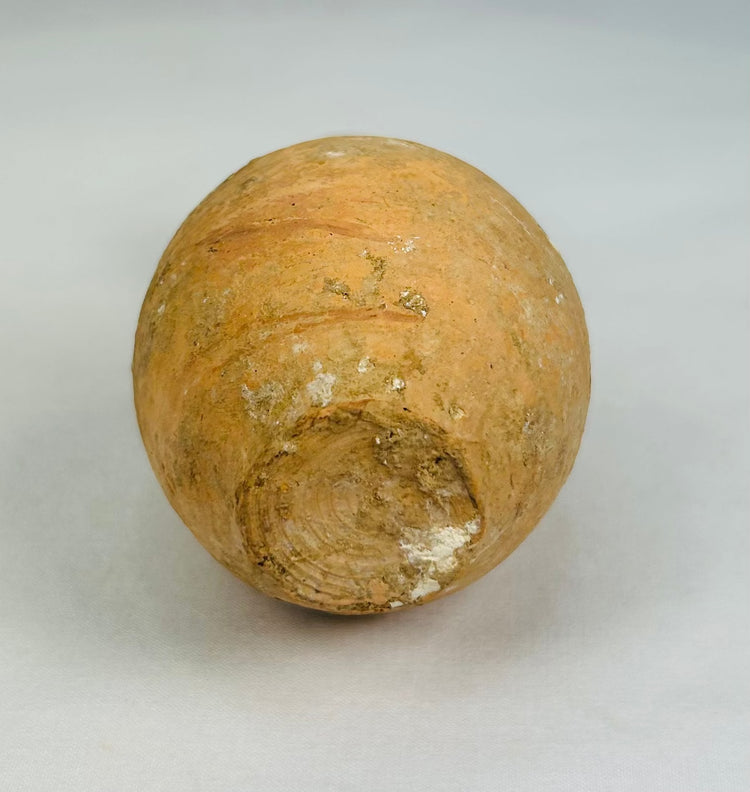
This ancient Roman terracotta oil vessel, often referred to as an aryballos-type container, would originally have held scented oil, perfume, or bathing ointment. The rounded globular body, narrowing neck, and simple utilitarian form reflect the practical yet elegant ceramic craftsmanship of the Roman world.
Its surface retains attractive archaeological deposits and mineral encrustation from centuries of burial, giving it a rich, untouched ancient character. Such vessels were used in daily grooming, ritual cleansing, and funerary contexts, highlighting both personal care and symbolic meaning in Roman life.
Features
- Authentic Roman terracotta personal-use vessel
- Globular body with short neck and rounded mouth
- Warm earthy surface tones with ancient deposits
- Excellent archaeological authenticity and display presence
- Beautifully preserved example of everyday Roman life
Cultural Significance
Oil and perfume vessels were essential objects in Roman culture, used in domestic bath rituals, religious offerings, and burial customs. They reflect refinement, cleanliness, and luxury in daily Roman society while serving as lasting reminders of ancient personal ritual.
Condition
Very good ancient condition. Stable structure with expected age-related surface wear, mineral deposits, light encrustation, and earthen patina. No modern restoration observed.
Dimensions (Approximate)
Height: 5.25 in
Diameter: 2 in
Age (Approximate)
1,725–2,025 years old
Provenance
From a private collection in Bozeman, Montana, USA.
Learn More
Learn about Roman unguentaria through Mary Jaharis Center
Explore our curated Roman & Greek Artifacts and Ancient Relics
Description
Historical Context & Origin
Region: Roman Empire, Eastern Mediterranean
Material: Terracotta Ceramic
Period: Roman Imperial Period, circa 1st–3rd Century AD
Description
This ancient Roman terracotta oil vessel, often referred to as an aryballos-type container, would originally have held scented oil, perfume, or bathing ointment. The rounded globular body, narrowing neck, and simple utilitarian form reflect the practical yet elegant ceramic craftsmanship of the Roman world.
Its surface retains attractive archaeological deposits and mineral encrustation from centuries of burial, giving it a rich, untouched ancient character. Such vessels were used in daily grooming, ritual cleansing, and funerary contexts, highlighting both personal care and symbolic meaning in Roman life.
Features
- Authentic Roman terracotta personal-use vessel
- Globular body with short neck and rounded mouth
- Warm earthy surface tones with ancient deposits
- Excellent archaeological authenticity and display presence
- Beautifully preserved example of everyday Roman life
Cultural Significance
Oil and perfume vessels were essential objects in Roman culture, used in domestic bath rituals, religious offerings, and burial customs. They reflect refinement, cleanliness, and luxury in daily Roman society while serving as lasting reminders of ancient personal ritual.
Condition
Very good ancient condition. Stable structure with expected age-related surface wear, mineral deposits, light encrustation, and earthen patina. No modern restoration observed.
Dimensions (Approximate)
Height: 5.25 in
Diameter: 2 in
Age (Approximate)
1,725–2,025 years old
Provenance
From a private collection in Bozeman, Montana, USA.
Learn More
Learn about Roman unguentaria through Mary Jaharis Center
Explore our curated Roman & Greek Artifacts and Ancient Relics
You May Also Like
