Why Collect Roman & Greek Artifacts?


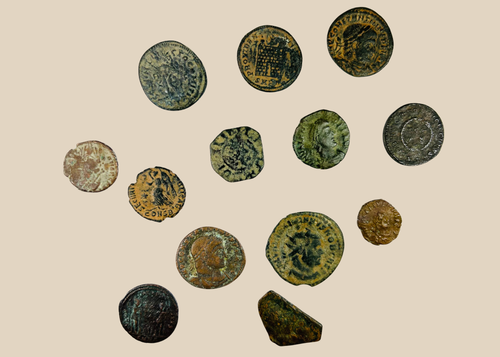
The value of Roman coins varies widely depending on rarity, condition, metal, and historical significance. Common bronze coins may sell for as little as $10–$50, while rare gold or silver coins associated with notable emperors can reach thousands of dollars. In antiquity, coins such as the denarius carried real purchasing power, often equivalent to several days’ wages for a Roman soldier.
The Roman Empire produced large quantities of coins to support its expanding economy, military expenses, and trade network. As Rome grew, standardized coinage made it easier to pay soldiers, collect taxes, and unify commerce across vast territories. Coins also served as propaganda tools, spreading the image and authority of emperors throughout the empire.
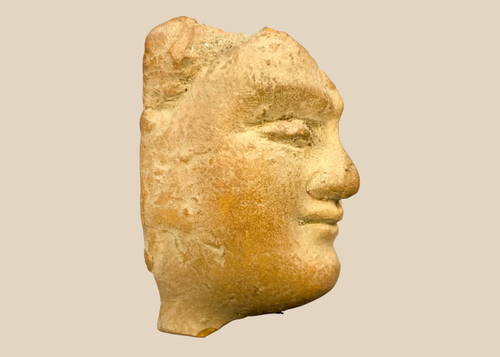
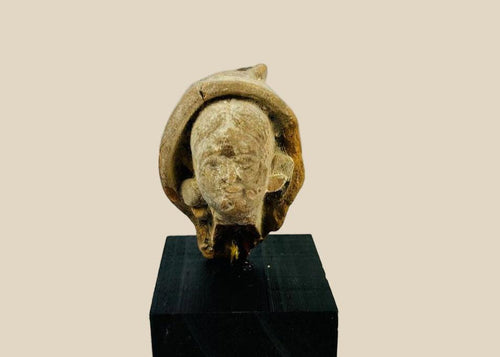
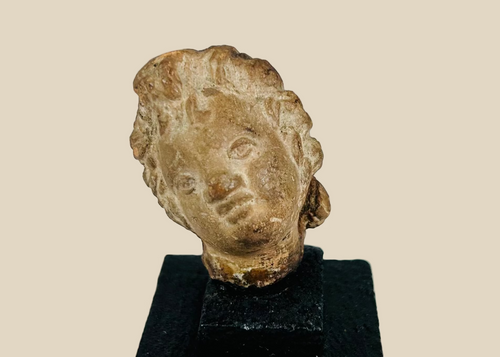
Greek sculpture focused on ideal beauty, balance, and perfection, often depicting gods and athletes in harmonious forms. Roman sculpture, by contrast, emphasized realism and individuality, especially in portraiture, capturing wrinkles, age, and personality. Romans also developed narrative reliefs that told historical events, such as victories and imperial achievements.
Some of the most famous Roman sculptures include:
These works highlight Rome’s focus on political messaging, realism, and historical storytelling in art.
Roman sculpture was heavily influenced by Greek art. Romans often copied or adapted Greek statues, adopting their proportions and styles but adding more realism. This blend created the Greco-Roman style, combining Greek idealism with Roman practicality and political messaging.
Discover @relicandraritygallery on Instagram