
What Makes a Relic & Rarity Piece Special?
From careful authentication to secure delivery, every step is designed to give collectors confidence. Each purchase is supported by our Authenticity Guarantee and dedicated service.

Art, Ceramics & Collectibles
-
Pair of Chinese Turquoise and Aubergine Glazed Ceramic Court Officials | Late Ming to Early Qing Dynasty | Circa 1600 – 1750 CE
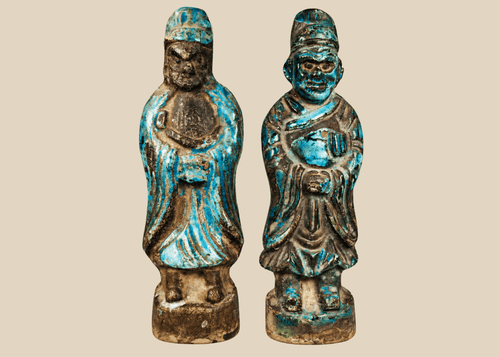
Pair of Chinese Turquoise and Aubergine Glazed Ceramic Court Officials | Late Ming to Early Qing Dynasty | Circa 1600 – 1750 CE
- Regular price
- $1,250.00
- Sale price
- $1,250.00
- Regular price
-
Pre-Columbian Colima Gingerbread Figures (2) | Teco Variant Terracotta Effigies | Detailed Provenance | Circa 100 BCE–300 CE
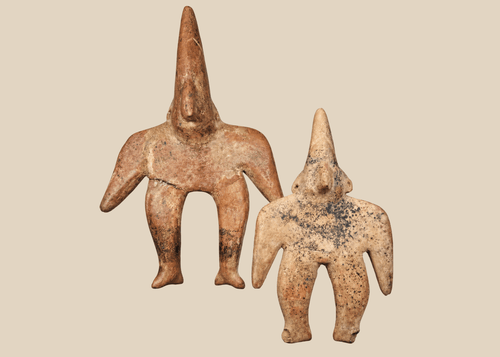
Pre-Columbian Colima Gingerbread Figures (2) | Teco Variant Terracotta Effigies | Detailed Provenance | Circa 100 BCE–300 CE
- Regular price
- $1,250.00
- Sale price
- $1,250.00
- Regular price
-
Group of Two Ancient Roman Terracotta Kassérine Bowls | Tunisia | Detailed Provenance | Circa 2nd–3rd Century CE
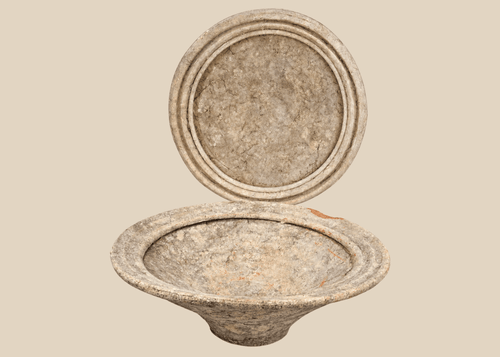
Group of Two Ancient Roman Terracotta Kassérine Bowls | Tunisia | Detailed Provenance | Circa 2nd–3rd Century CE
- Regular price
- $1,250.00
- Sale price
- $1,250.00
- Regular price
-
Ancient Near Eastern Limestone Idol Figure | Stylized Anthropomorphic Form | Circa 3rd–2nd Millennium BCE
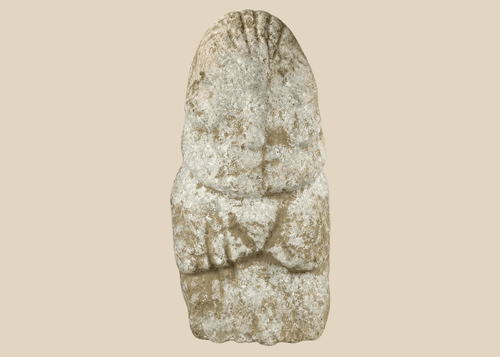
Ancient Near Eastern Limestone Idol Figure | Stylized Anthropomorphic Form | Circa 3rd–2nd Millennium BCE
- Regular price
- $1,250.00
- Sale price
- $1,250.00
- Regular price
-
Mexican | Devotional Panel Depicting Bishop with Patriarchal Cross | Circa 19th Century

Mexican | Devotional Panel Depicting Bishop with Patriarchal Cross | Circa 19th Century
- Regular price
- $1,250.00
- Sale price
- $1,250.00
- Regular price
-
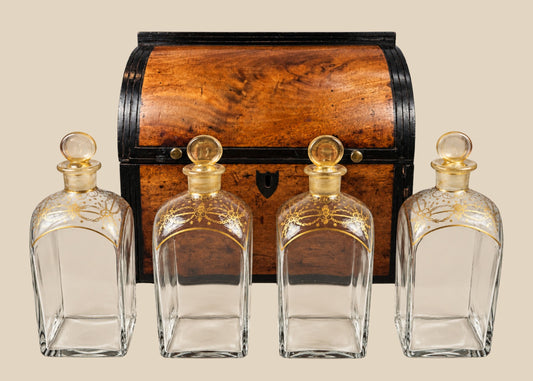
Early Georgian Spirit Box | Mahogany Case with Four Parcel-Gilded Square Decanters | England | Circa Early 19th Century

Early Georgian Spirit Box | Mahogany Case with Four Parcel-Gilded Square Decanters | England | Circa Early 19th Century
- Regular price
- $1,250.00
- Sale price
- $1,250.00
- Regular price
-
Qing Dynasty Phoenix Relief | Hand-Carved Camphor Wood with Gilding & Polychrome Pigments | Circa 19th Century
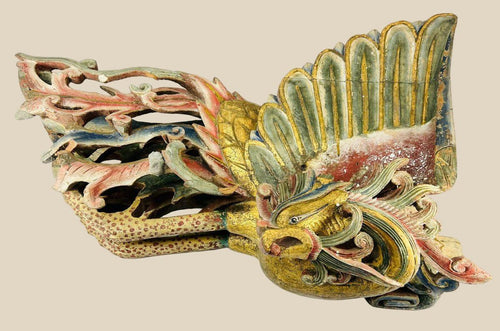
Qing Dynasty Phoenix Relief | Hand-Carved Camphor Wood with Gilding & Polychrome Pigments | Circa 19th Century
- Regular price
- $1,250.00
- Sale price
- $1,250.00
- Regular price
-
Ancient Eastern Indian Buddhist Votive Stupas | Group of 3 | Circa 8th – 12th Century CE
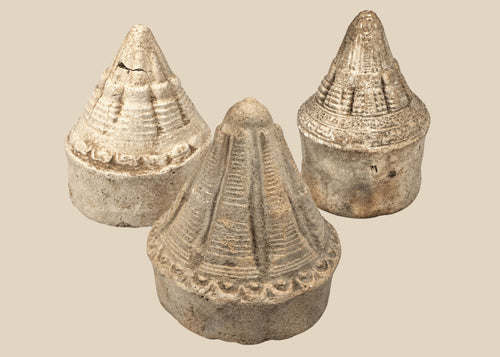
Ancient Eastern Indian Buddhist Votive Stupas | Group of 3 | Circa 8th – 12th Century CE
- Regular price
- $1,200.00
- Sale price
- $1,200.00
- Regular price
-
Pre-Columbian Veracruz Sonriente “Smiling Face” Terracotta Head | Circa 600–900 CE
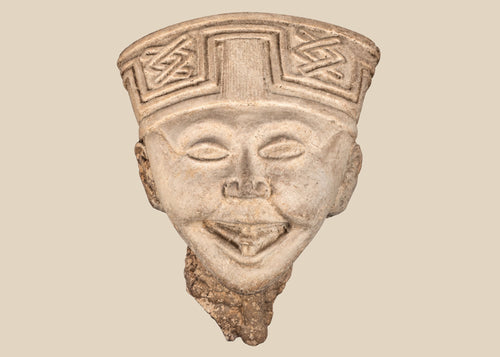
Pre-Columbian Veracruz Sonriente “Smiling Face” Terracotta Head | Circa 600–900 CE
- Regular price
- $1,200.00
- Sale price
- $1,200.00
- Regular price
-
Ancient Greek Black-Figure Oil Vessel | Circa 6th – 5th Century BCE

Ancient Greek Black-Figure Oil Vessel | Circa 6th – 5th Century BCE
- Regular price
- $1,200.00
- Sale price
- $1,200.00
- Regular price
-
Pair of Antique European Carved Wooden Saint Figures | Ecclesiastical Devotional Sculptures | Circa 18th – 19th Century
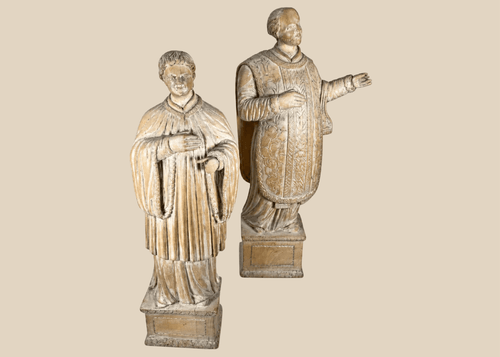
Pair of Antique European Carved Wooden Saint Figures | Ecclesiastical Devotional Sculptures | Circa 18th – 19th Century
- Regular price
- $1,200.00
- Sale price
- $1,200.00
- Regular price
-
Pre-Columbian | Jaguar Effigy Vessel | Guanacaste-Nicoya or Northern Peru | Circa 500–1200 CE
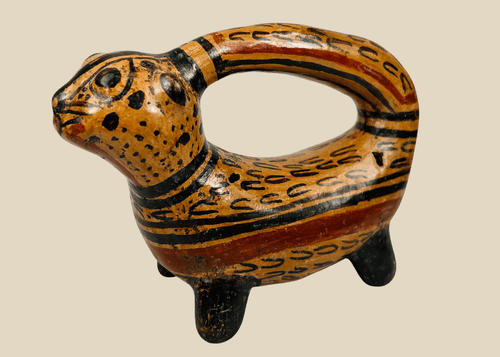
Pre-Columbian | Jaguar Effigy Vessel | Guanacaste-Nicoya or Northern Peru | Circa 500–1200 CE
- Regular price
- $1,200.00
- Sale price
- $1,200.00
- Regular price
-
Khmer Sandstone Buddha Head Fragment | Angkor Period | Cambodia | Circa 12th Century
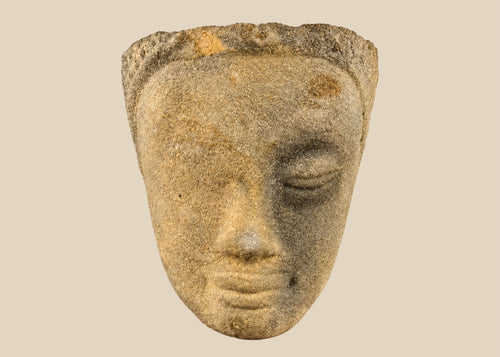
Khmer Sandstone Buddha Head Fragment | Angkor Period | Cambodia | Circa 12th Century
- Regular price
- $1,200.00
- Sale price
- $1,200.00
- Regular price
-
Frankart Style | Jazz Age Decorative Stand | Sculptural Nude with Circular Tray | Circa 1925–1935

Frankart Style | Jazz Age Decorative Stand | Sculptural Nude with Circular Tray | Circa 1925–1935
- Regular price
- $1,200.00
- Sale price
- $1,200.00
- Regular price
-
West African | Terracotta Crocodile-Head Ritual Vessel | Circa 12th–18th Century
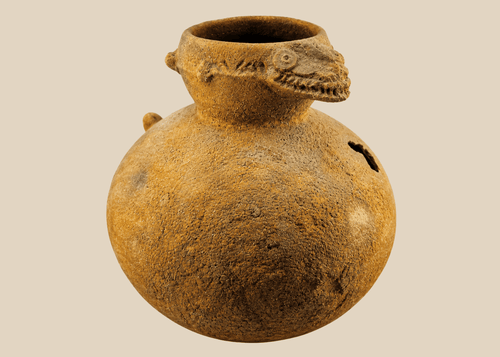
West African | Terracotta Crocodile-Head Ritual Vessel | Circa 12th–18th Century
- Regular price
- $1,000.00
- Sale price
- $1,000.00
- Regular price
-
Ancient Egyptian Faience Scarab Amulets | Late New Kingdom Period | Circa 1200–1000 BC
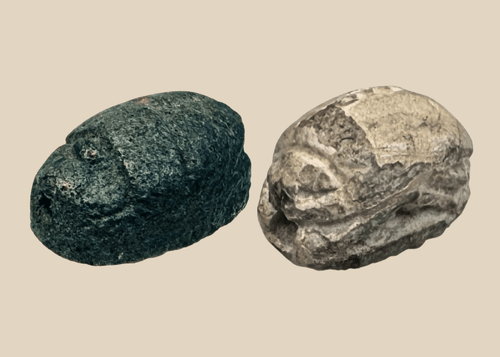
Ancient Egyptian Faience Scarab Amulets | Late New Kingdom Period | Circa 1200–1000 BC
- Regular price
- $1,000.00
- Sale price
- $1,000.00
- Regular price
-
Ancient Carthaginian Terracotta Saucer-Shaped Oil Lamp with Associated Bronze Coins | Circa 5th Century BCE–1st Century AD
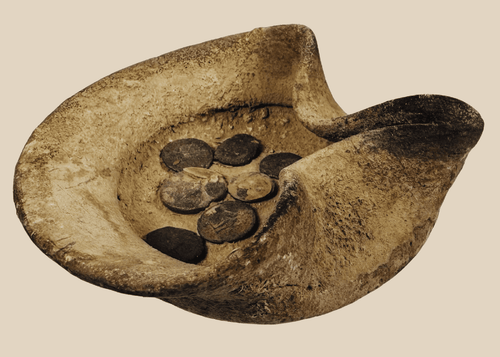
Ancient Carthaginian Terracotta Saucer-Shaped Oil Lamp with Associated Bronze Coins | Circa 5th Century BCE–1st Century AD
- Regular price
- $1,000.00
- Sale price
- $1,000.00
- Regular price
-
Ancient Greek Terracotta Votive Protome Bust | Late Archaic–Classical | Circa 550 – 400 BCE
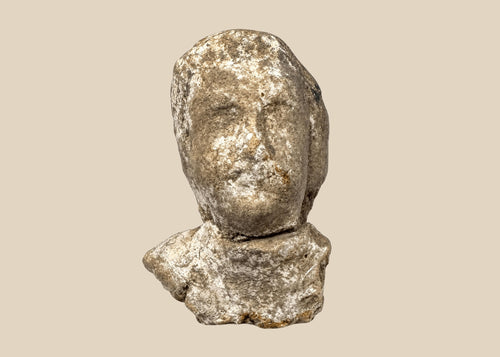
Ancient Greek Terracotta Votive Protome Bust | Late Archaic–Classical | Circa 550 – 400 BCE
- Regular price
- $1,000.00
- Sale price
- $1,000.00
- Regular price
-
Ancient Chinese Gray Pottery Covered Bowl | Tang Dynasty, 7th–8th Century CE
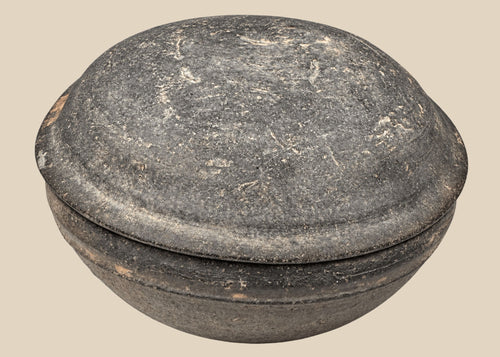
Ancient Chinese Gray Pottery Covered Bowl | Tang Dynasty, 7th–8th Century CE
- Regular price
- $1,000.00
- Sale price
- $1,000.00
- Regular price
-
Thai Sawankhalok Glazed Stoneware Covered Jar with Architectural Lid | Circa 15th–16th Century
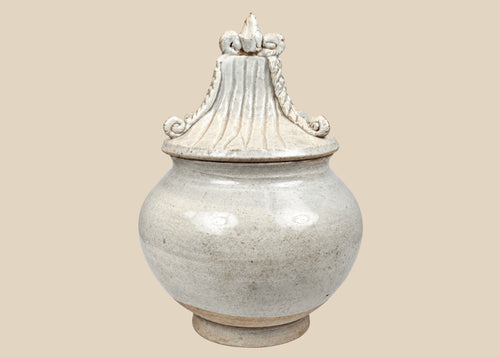
Thai Sawankhalok Glazed Stoneware Covered Jar with Architectural Lid | Circa 15th–16th Century
- Regular price
- $1,000.00
- Sale price
- $1,000.00
- Regular price
-
Pre-Columbian Andean Blackware Canteen Vessel | Anthropomorphic Sunburst Figure | Peru | Circa 1000 – 1500 CE
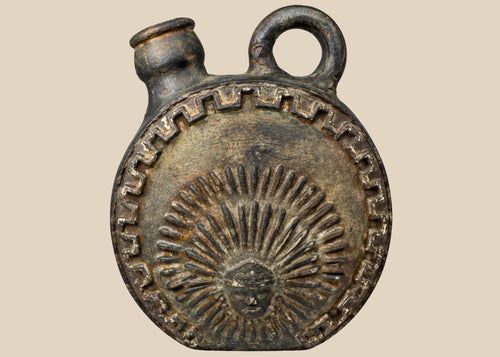
Pre-Columbian Andean Blackware Canteen Vessel | Anthropomorphic Sunburst Figure | Peru | Circa 1000 – 1500 CE
- Regular price
- $1,000.00
- Sale price
- $1,000.00
- Regular price
-
Antique Chinese Lacquered & Giltwood Bodhisattva of Compassion Statue | Circa 1600 – 1750 CE
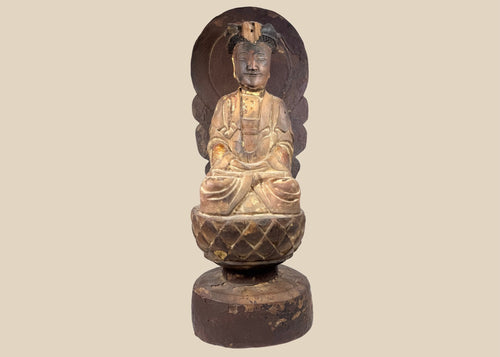
Antique Chinese Lacquered & Giltwood Bodhisattva of Compassion Statue | Circa 1600 – 1750 CE
- Regular price
- $1,000.00
- Sale price
- $1,000.00
- Regular price
-
Antique Floral-Carved Wooden Storage Cabinet | Circa Late 19th to Early 20th Century
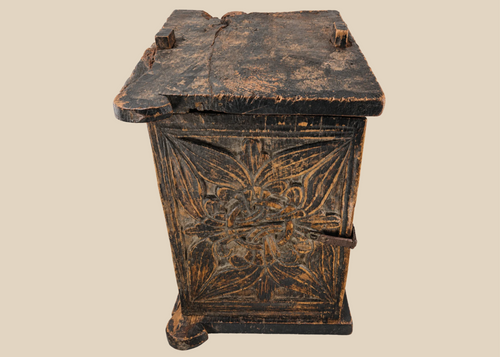
Antique Floral-Carved Wooden Storage Cabinet | Circa Late 19th to Early 20th Century
- Regular price
- $1,000.00
- Sale price
- $1,000.00
- Regular price
-
Mesopotamian Terracotta Head Fragment | Isin-Larsa to Old Babylonian Period | Circa 2000 – 1500 BCE
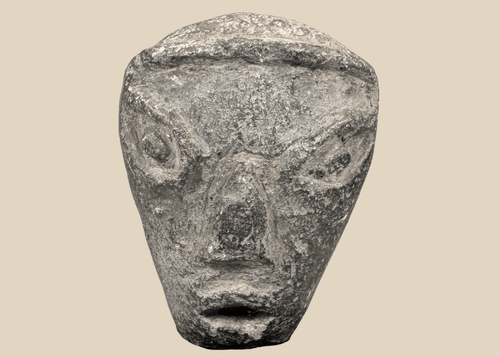
Mesopotamian Terracotta Head Fragment | Isin-Larsa to Old Babylonian Period | Circa 2000 – 1500 BCE
- Regular price
- $1,000.00
- Sale price
- $1,000.00
- Regular price
-
Indian Carved Wood Gajalakshmi Architectural Panel | Late 19th to Early 20th Century
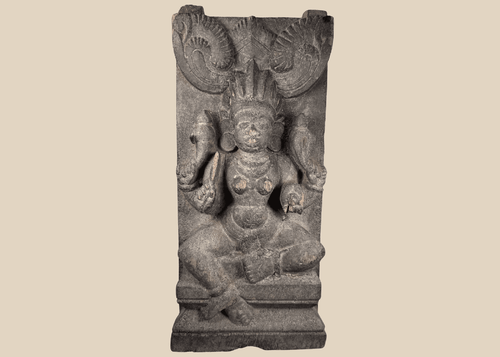
Indian Carved Wood Gajalakshmi Architectural Panel | Late 19th to Early 20th Century
- Regular price
- $1,000.00
- Sale price
- $1,000.00
- Regular price
-
Ancient Egyptian Faience Divine Figure Amulet Pendant | Late Period–Ptolemaic Period | Circa 664–30 BCE
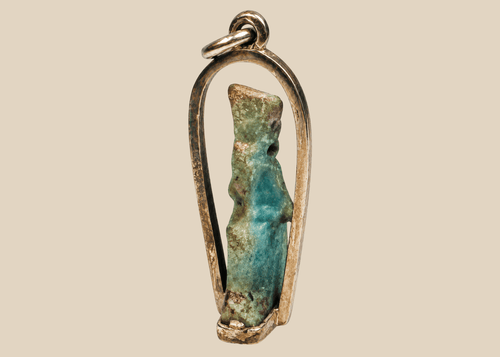
Ancient Egyptian Faience Divine Figure Amulet Pendant | Late Period–Ptolemaic Period | Circa 664–30 BCE
- Regular price
- $1,000.00
- Sale price
- $1,000.00
- Regular price
-
Ancient Roman North African Ribbed Terracotta Pitcher | Tunisia | Detailed Provenance | Circa 100–500 CE
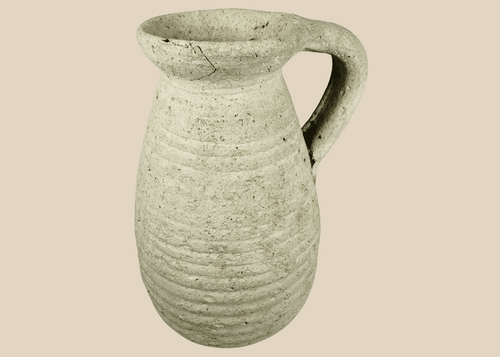
Ancient Roman North African Ribbed Terracotta Pitcher | Tunisia | Detailed Provenance | Circa 100–500 CE
- Regular price
- $1,000.00
- Sale price
- $1,000.00
- Regular price
-
Pre-Columbian Manteño Terracotta Incensario | Anthropomorphic Brazier Lid | Ecuador | Detailed Provenance | Circa 800 BCE–800 CE
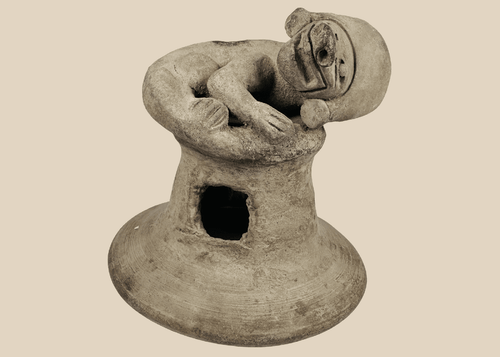
Pre-Columbian Manteño Terracotta Incensario | Anthropomorphic Brazier Lid | Ecuador | Detailed Provenance | Circa 800 BCE–800 CE
- Regular price
- $1,000.00
- Sale price
- $1,000.00
- Regular price
-
Our Lady of Częstochowa Icon | Embossed Metal Riza | Circa 19th Century
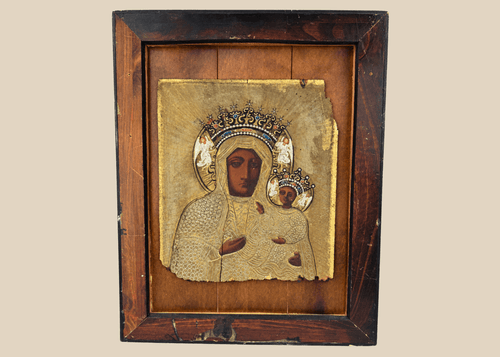
Our Lady of Częstochowa Icon | Embossed Metal Riza | Circa 19th Century
- Regular price
- $1,000.00
- Sale price
- $1,000.00
- Regular price
-
Ancient Southeast Asian Sawankhalok Pottery Vessel Ensemble | Circa 14th–15th Century
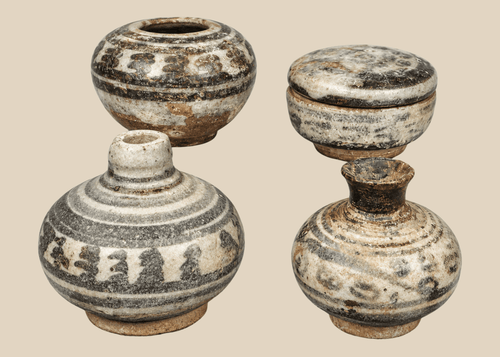
Ancient Southeast Asian Sawankhalok Pottery Vessel Ensemble | Circa 14th–15th Century
- Regular price
- $1,000.00
- Sale price
- $1,000.00
- Regular price
-
Antique European Academic Figure Sketch on Vellum | Circa 18th Century
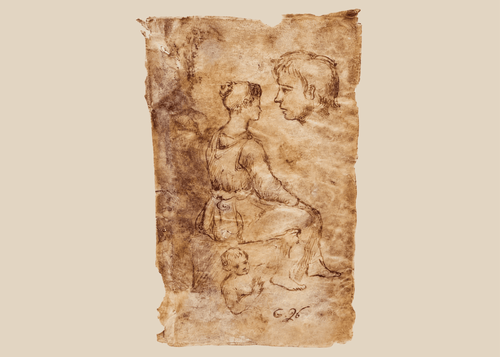
Antique European Academic Figure Sketch on Vellum | Circa 18th Century
- Regular price
- $1,000.00
- Sale price
- $1,000.00
- Regular price
-
Ancient Eastern Mediterranean Terracotta Pedestal Oil Lamp and Ritual Offering Stand | Circa 1200 – 600 BCE
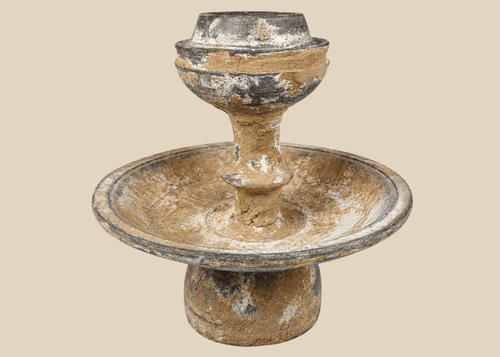
Ancient Eastern Mediterranean Terracotta Pedestal Oil Lamp and Ritual Offering Stand | Circa 1200 – 600 BCE
- Regular price
- $1,000.00
- Sale price
- $1,000.00
- Regular price
-
Ancient Chinese Neolithic Painted Pottery Vessel with Geometric Decoration | Circa 3300–2000 BCE
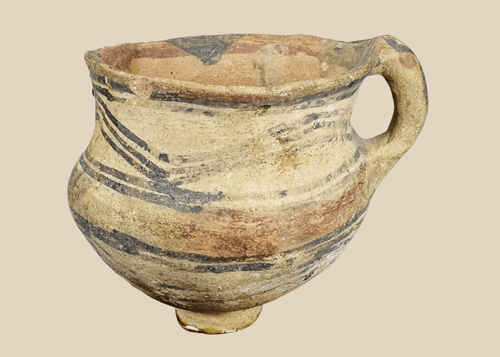
Ancient Chinese Neolithic Painted Pottery Vessel with Geometric Decoration | Circa 3300–2000 BCE
- Regular price
- $1,000.00
- Sale price
- $1,000.00
- Regular price
-
African | Carved Stone Head Fragment Sculpture on Custom Metal Display Stand | Circa 19th–20th Century
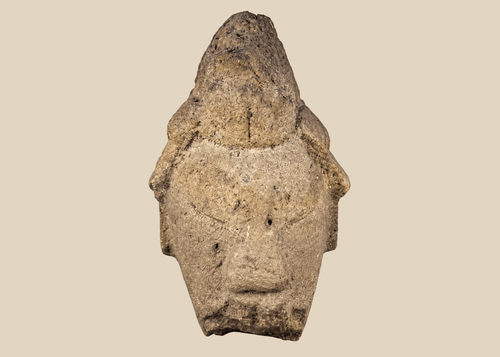
African | Carved Stone Head Fragment Sculpture on Custom Metal Display Stand | Circa 19th–20th Century
- Regular price
- $1,000.00
- Sale price
- $1,000.00
- Regular price
-
Ancient Gandharan Buddhist | Stucco Head Fragment Mounted on Display Base | Circa 3rd–5th Century AD
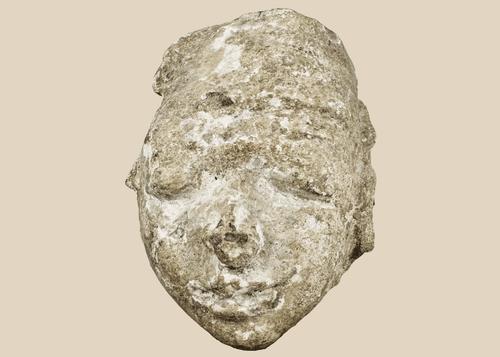
Ancient Gandharan Buddhist | Stucco Head Fragment Mounted on Display Base | Circa 3rd–5th Century AD
- Regular price
- $1,000.00
- Sale price
- $1,000.00
- Regular price
-
Very Large Antique Spanish Colonial Folk Art | Corpus Christi Wood Sculpture | Circa 17th–19th Century

Very Large Antique Spanish Colonial Folk Art | Corpus Christi Wood Sculpture | Circa 17th–19th Century
- Regular price
- $1,000.00
- Sale price
- $1,000.00
- Regular price
-
Pre-Columbian | Nicoya Effigy Vessel with Reptilian Motifs | Costa Rica | Circa 800–1500 AD
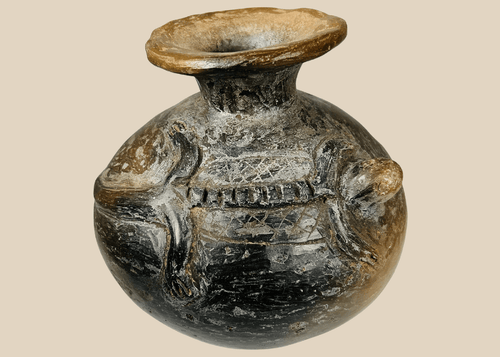
Pre-Columbian | Nicoya Effigy Vessel with Reptilian Motifs | Costa Rica | Circa 800–1500 AD
- Regular price
- $1,000.00
- Sale price
- $1,000.00
- Regular price
-
Pre-Columbian | Greenstone Effigy Pendant | Carved Animal Form | Circa 500 BCE – 1500 CE

Pre-Columbian | Greenstone Effigy Pendant | Carved Animal Form | Circa 500 BCE – 1500 CE
- Regular price
- $1,000.00
- Sale price
- $1,000.00
- Regular price
-
Chinese Carved Head of a Buddhist Arhat | Antique Temple Sculpture on Display Stand | Circa 18th–19th Century
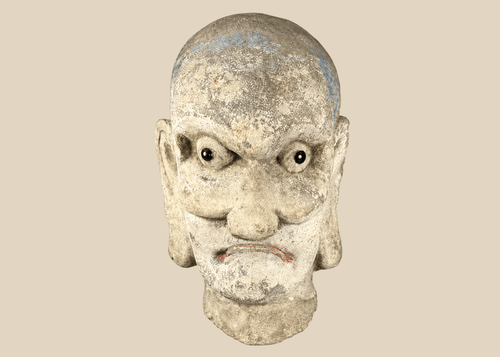
Chinese Carved Head of a Buddhist Arhat | Antique Temple Sculpture on Display Stand | Circa 18th–19th Century
- Regular price
- $1,000.00
- Sale price
- $1,000.00
- Regular price
-
Luristan Bronze Pendant Bells | Circa 10th–7th Century BCE
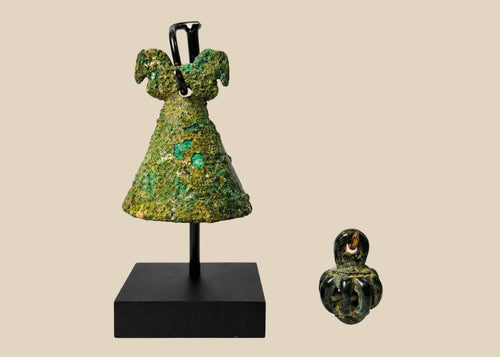
Luristan Bronze Pendant Bells | Circa 10th–7th Century BCE
- Regular price
- $1,000.00
- Sale price
- $1,000.00
- Regular price
-
Carved Lion Mascaron In Hardwood With Traces Of Gilding | Continental Europe | Circa 1650–1750
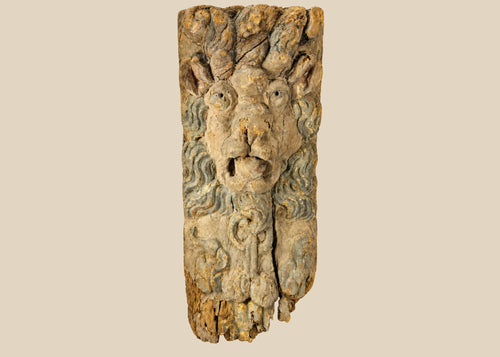
Carved Lion Mascaron In Hardwood With Traces Of Gilding | Continental Europe | Circa 1650–1750
- Regular price
- $1,000.00
- Sale price
- $1,000.00
- Regular price
-
Ancient Indian Religious Sculpture | Head Fragment | Circa 3rd–5th Century CE
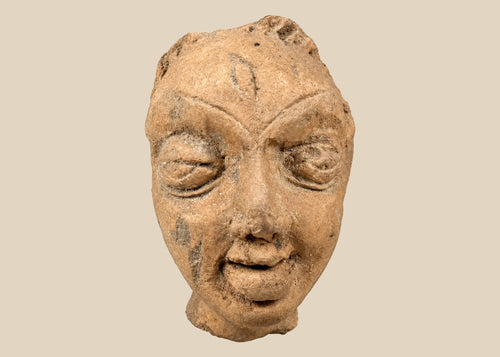
Ancient Indian Religious Sculpture | Head Fragment | Circa 3rd–5th Century CE
- Regular price
- $1,000.00
- Sale price
- $1,000.00
- Regular price
-
Polynesian Volcanic Stone Head | Ancestor Effigy | Circa 18th–19th Century
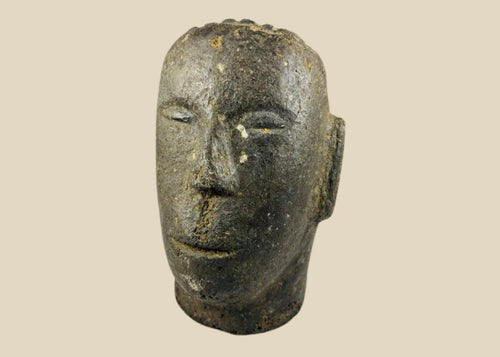
Polynesian Volcanic Stone Head | Ancestor Effigy | Circa 18th–19th Century
- Regular price
- $1,000.00
- Sale price
- $1,000.00
- Regular price
-
Hand-Carved | Spanish Colonial | Virgin Mary & Child | Circa 18th Century
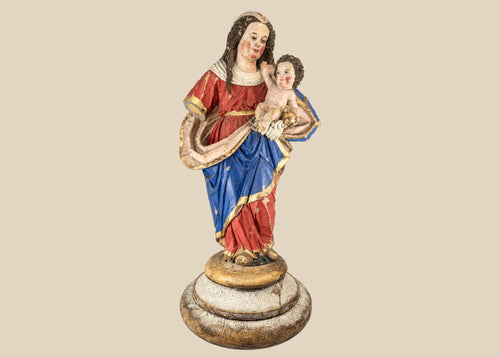
Hand-Carved | Spanish Colonial | Virgin Mary & Child | Circa 18th Century
- Regular price
- $1,000.00
- Sale price
- $1,000.00
- Regular price
-
Antique | Spanish Colonial Santo of the Holy Family | Circa 19th Century
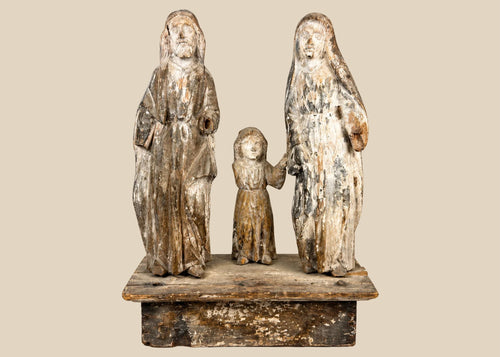
Antique | Spanish Colonial Santo of the Holy Family | Circa 19th Century
- Regular price
- $1,000.00
- Sale price
- $1,000.00
- Regular price
-
Ayutthaya | Carved Wooden Temple Fragment with Gilded Accents | Thailand | Circa 17th Century

Ayutthaya | Carved Wooden Temple Fragment with Gilded Accents | Thailand | Circa 17th Century
- Regular price
- $1,000.00
- Sale price
- $1,000.00
- Regular price
-
Southeast Asian Buddha Head | Carved Stone Sculpture on Stand | 13th–14th Century CE
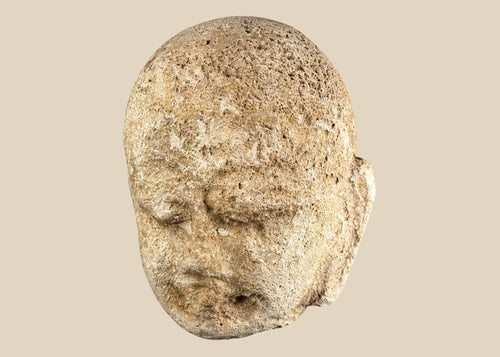
Southeast Asian Buddha Head | Carved Stone Sculpture on Stand | 13th–14th Century CE
- Regular price
- $1,000.00
- Sale price
- $1,000.00
- Regular price
-
Tang Dynasty Terracotta Court Musician | Female Figure with Pan Flute & Traces of Pigment | Circa 7th–9th Century
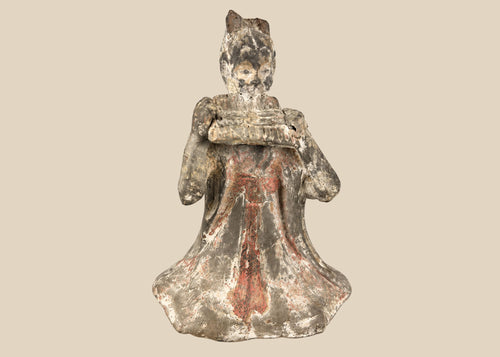
Tang Dynasty Terracotta Court Musician | Female Figure with Pan Flute & Traces of Pigment | Circa 7th–9th Century
- Regular price
- $1,000.00
- Sale price
- $1,000.00
- Regular price


Collector Insights
What is the difference between pottery, ceramics, and terracotta?
Ceramics is the broad term for objects made from clay and hardened through firing. Pottery usually refers to functional or decorative ceramic vessels, while terracotta is a porous fired clay commonly used for ancient vessels, figurines, architectural elements, and sculpture.
Why were terracotta figures created in ancient cultures?
Ancient terracotta figures served many purposes. Depending on the culture, they could represent deities, ancestors, attendants, animals, or scenes from everyday life and might be used as religious offerings, funerary objects, household decorations, or symbols of status. The collection includes examples from Greek, Chinese, Pre-Columbian, and other traditions.
What is polychrome decoration in historical art?
Polychrome means decorated with multiple colours. Pigments were applied to wood, stone, terracotta, and other materials to make figures and architectural elements more lifelike or symbolically meaningful. Surviving traces of original paint can provide valuable evidence about how historical artworks originally appeared.
Why do ancient ceramics and sculptures often survive as fragments?
Objects can become fragmented through centuries of use, burial, environmental exposure, structural deterioration, or accidental damage. Even a partial ancient sculpture, ceramic vessel, or architectural fragment can preserve important information about artistic style, craftsmanship, symbolism, and cultural traditions.
How are ancient ceramics and historical artworks dated?
Researchers consider characteristics such as materials, manufacturing techniques, form, decoration, pigments, iconography, stylistic features, and surface aging. Comparisons with excavated, museum, and other documented examples can help establish an object's likely period and cultural origin.
Discover @relicandraritygallery on Instagram

